













Why do Philippine municipalities shift to sustainable urban street lighting?
Navigating the Future: Essential Insights for Philippine Municipalities Adopting Solar Street Lighting
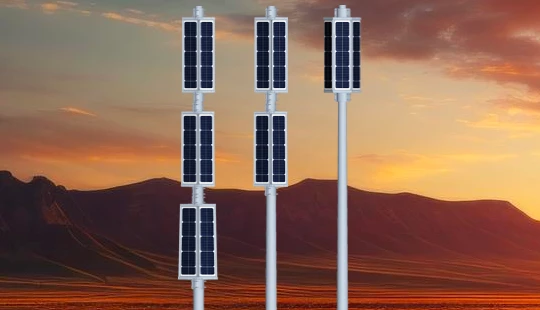
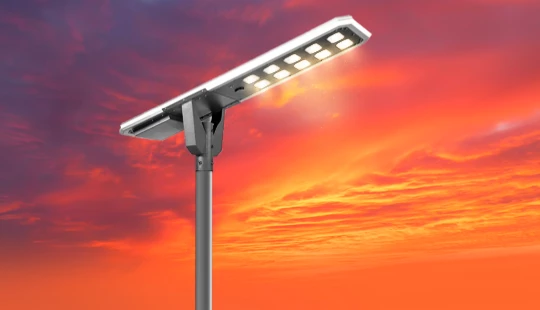
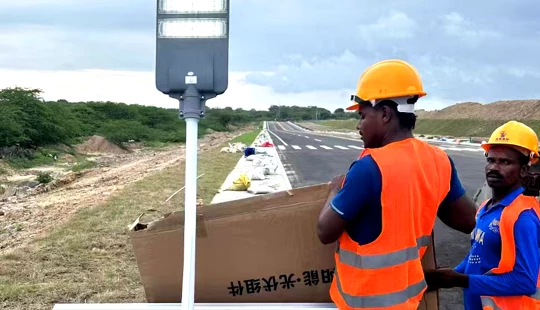
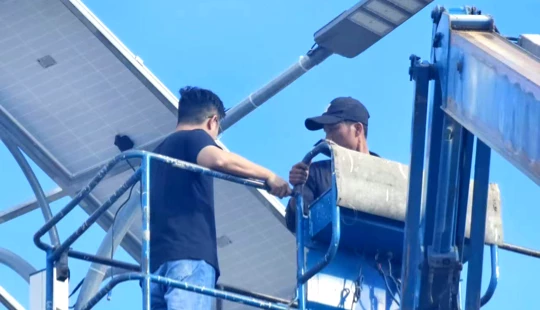
The Philippines, with its abundant sunshine and commitment to sustainable development, is witnessing a significant shift in urban infrastructure. Municipalities across the archipelago are increasingly turning to solar street lighting – a move driven by both environmental stewardship and pragmatic economic benefits. For procurement officers and decision-makers, understanding the nuances of this technology is paramount. This article provides professional insights into the common questions surrounding the cost, performance, and procurement of solar street lights, especially tailored for the Philippine context.
What is the Typical Cost of Solar Street Lights and How Does It Compare to Traditional Lighting?
The initial investment for solar street lights can appear higher than conventional grid-tied lighting. A good quality, all-in-one or split solar street light unit suitable for municipal use in the Philippines might range from USD 300 to USD 800+ per unit, depending on wattage, battery capacity, pole height, and smart features. In contrast, a traditional LED street light fixture and pole might cost less initially (e.g., USD 100-300).
However, this comparison is incomplete. Traditional lighting requires significant additional infrastructure costs: trenching, cabling, transformers, grid connection fees, and ongoing electricity bills. When considering the total installed cost, especially for new installations or areas far from the existing grid, solar street lights often become comparable or even more cost-effective. They eliminate the need for extensive civil works and electrical grid extensions, offering a self-contained, 'plug-and-play' solution.
What Are the Long-Term Financial Benefits and ROI for Municipalities Investing in Solar Street Lighting?
The long-term financial advantages of solar street lights are compelling:
- Zero Electricity Bills: This is the most significant saving. For example, a single 60W traditional street light operating 12 hours/night at an average electricity rate of PHP 10/kWh (inclusive of generation, transmission, and other charges in the Philippines) can cost approximately PHP 720 (USD 12-13) per month or PHP 8,640 (USD 150-160) per year. Multiplying this by hundreds or thousands of lights reveals massive potential savings.
- Reduced Maintenance Costs: Unlike traditional systems that incur costs for bulb replacements, wiring repairs, and grid-related issues, solar street lights have minimal moving parts and are less prone to grid fluctuations.
- Avoided Infrastructure Costs: Municipalities save on expenses related to extending power lines, installing transformers, and managing distribution networks.
- Return on Investment (ROI): Depending on the local electricity rates, system efficiency, and initial capital outlay, the payback period for solar street lighting typically ranges from 3 to 7 years. After this period, the municipality benefits from pure savings for the remainder of the system's operational life.
What Key Factors Should Municipalities Consider When Selecting a Solar Street Light Manufacturer?
Choosing the right manufacturer is crucial for a successful long-term investment:
- Reputation and Experience: Opt for manufacturers with a proven track record, especially in producing systems for tropical and challenging environments like the Philippines. Check their portfolio of completed municipal projects.
- Certifications and Standards: Ensure the manufacturer adheres to international quality standards such as ISO 9001 (Quality Management), CE, RoHS, and has components with appropriate IP ratings (e.g., IP65/IP66 for dust and water resistance).
- Warranty and Guarantees: A comprehensive warranty is vital. Look for at least 3-5 years for the entire system, 5-10 years for solar panels, and 2-3 years for batteries, covering performance and defects.
- After-Sales Support and Local Presence: Availability of spare parts, technical support, and local service teams or partners in the Philippines is critical for timely maintenance and troubleshooting.
- Customization Capability: The ability to design systems tailored to specific project requirements (e.g., light intensity, pole height, autonomy days) ensures optimal performance and cost-efficiency.
What Are the Critical Technical Specifications and Components to Look for in a Reliable Solar Street Light?
High-quality components are the backbone of a durable and efficient solar street light system:
- Solar Panel: Choose high-efficiency Monocrystalline silicon panels, typically with 18-22% efficiency, for maximum power generation in limited space. Ensure the panel's wattage (Wp) is appropriately sized for the load and desired autonomy.
- Battery: Lithium Iron Phosphate (LiFePO4) batteries are highly recommended for their superior cycle life (2000-4000 cycles to 80% Depth of Discharge), thermal stability, and deep discharge capability. Avoid less durable and environmentally hazardous lead-acid batteries. Battery capacity (Ah or Wh) should guarantee 3-5 consecutive nights of autonomy without sunlight.
- LED Luminaire: Look for LEDs with high lumen efficacy (typically >150 lumens per watt) from reputable brands (e.g., Bridgelux, Philips, Osram). The Correlated Color Temperature (CCT) should be suitable for street lighting (e.g., 4000K-5000K for clear visibility). Good heat management is essential for LED longevity.
- Charge Controller: An MPPT (Maximum Power Point Tracking) controller is superior to PWM, as it optimizes power harvest from the solar panel, especially under varying sun conditions. It must include essential protections against overcharge, over-discharge, reverse polarity, and short circuits.
- Pole and Fixture Material: Components should be made of corrosion-resistant materials like marine-grade aluminum alloy or hot-dip galvanized steel, crucial for coastal and humid Philippine environments. An IP65 or IP66 rating is necessary for protection against dust and water ingress.
- Smart Features: Integrated motion sensors, dimming capabilities, and remote monitoring (IoT) can significantly enhance energy efficiency and simplify maintenance.
How Do Solar Street Lights Perform Under Philippine Weather Conditions (Typhoons, Intense Sun, Humidity)?
Solar street lights must be robust enough to withstand the unique challenges of the Philippine climate:
- Intense Sun: While beneficial for power generation, high ambient temperatures can slightly reduce solar panel and battery efficiency. Quality systems mitigate this with efficient thermal management.
- Humidity and Rain: A high IP rating (IP65/IP66) is non-negotiable for all external components to prevent water ingress, corrosion, and electrical failures during heavy rains and prolonged humid conditions.
- Typhoons and Strong Winds: Poles and fixtures must be engineered to withstand severe wind loads, often rated for 150-200 km/h winds. Robust mounting and structural integrity are critical to prevent damage during typhoons, which are frequent in the region.
- Cloudy Days and Monsoon Season: Adequate battery autonomy (typically 3-5 days of reserve power) is crucial to ensure uninterrupted lighting during prolonged cloudy periods or the monsoon season. This requires careful sizing of both the solar panel and battery bank.
What Are the Maintenance Requirements and Expected Lifespan of a Quality Solar Street Light System?
One of the key advantages of solar street lights is their low maintenance profile:
- Minimal Routine Maintenance:
- Panel Cleaning: Solar panels should be cleaned periodically (e.g., every 3-6 months, or more frequently in dusty areas) to remove accumulated dirt, dust, and bird droppings, ensuring optimal energy capture.
- Visual Inspection: Occasional visual checks for physical damage, loose connections, or signs of corrosion are recommended.
- Component Lifespan:
- LED Luminaire: 50,000 to 100,000 operating hours, translating to 10-20 years for 12 hours of nightly operation.
- Solar Panel: High-quality monocrystalline panels have a lifespan of 20-25 years, with a minimal annual degradation rate (typically 0.5-0.8%).
- LiFePO4 Battery: 5-8 years, or 2000-4000 charge/discharge cycles, before significant capacity degradation. Batteries are typically the first major component to require replacement.
- Charge Controller and Wiring: Generally 10-15 years.
- Pole and Fixture: 20+ years, depending on the material and anti-corrosion treatments.
Why Are Philippine Municipalities Shifting Towards Sustainable Urban Street Lighting Solutions Like Solar?
The reasons for this significant shift are multi-faceted and compelling:
- Energy Independence and Cost Savings: Reduces reliance on fluctuating grid electricity prices and provides substantial long-term savings for municipal budgets, freeing up funds for other public services.
- Environmental Benefits: Aligns with national and global climate goals by providing zero-carbon illumination, reducing greenhouse gas emissions, and promoting cleaner air.
- Improved Public Safety and Accessibility: Extends reliable lighting to remote or underserved communities where grid extension is prohibitively expensive or logistically challenging, enhancing safety, security, and quality of life.
- Disaster Resilience: In a country frequently hit by natural disasters, solar street lights operate independently of the grid. This ensures critical illumination remains functional during widespread power outages caused by typhoons or earthquakes, aiding disaster response and recovery efforts.
- Sustainable Urban Development: Adopting solar solutions enhances a municipality's image as a forward-thinking, environmentally conscious entity, potentially attracting eco-tourism and investment.
- Government Initiatives: Growing national support and policy frameworks for renewable energy adoption, such as the Renewable Energy Act of 2008 and the National Renewable Energy Program (NREP), encourage this transition.
Quenenglighting's Advantage:
Quenenglighting is committed to empowering Philippine municipalities with advanced, durable, and sustainable solar street lighting solutions. Our products are specifically engineered to thrive in demanding tropical environments, featuring high-efficiency monocrystalline panels, long-life LiFePO4 batteries, and robust IP66-rated designs. We ensure reliable, cost-effective, and environmentally friendly illumination for your communities. With a focus on superior quality, comprehensive warranties, and tailored system designs, Quenenglighting is your ideal partner in building brighter, greener, and more resilient urban spaces across the Philippines.
References:
- Solar Panel Efficiency & Lifespan: U.S. Department of Energy - Solar Photovoltaic Cell Basics (Accessed: 2024-05-20)
- LiFePO4 Battery Cycle Life: Battery University - What is Lithium Phosphate (Accessed: 2024-05-20)
- LED Efficacy: ENERGY STAR - Lumen Output and Wattage Equivalency (Accessed: 2024-05-20)
- Philippine Electricity Rates (General Reference): Meralco Official Website (Accessed: 2024-05-20)
- Philippine Wind Load Standards/Typhoon Information (General Reference): PAGASA Official Website (Accessed: 2024-05-20)
- Renewable Energy Act of 2008 (RA 9513): Department of Energy (Philippines) (Accessed: 2024-05-20)

Have more questions about our products or services?
The latest hot news you might like

Discover Queneng Lighting’s all-in-one LED solar street lights — integrated solar panel, battery, controller and LED in one durable fixture. Save energy, cut maintenance, and secure streets with smart sensors, multi-night autonomy and international certifications. Contact sales for quotes and support.

Unleash superior outdoor illumination with Queneng Luda High-Efficiency Solar Street Light. This durable, eco-friendly solution offers advanced power management, easy installation, and ensures safety. Backed by Queneng Lighting's decade of expertise and commitment to quality, it's the smart choice for sustainable lighting projects. Learn why we're a leading solar solutions provider.

The Luhei all‑in‑one solar street light pairs high‑efficiency LEDs, integrated solar and battery, IP65 protection, and motion sensing to deliver reliable, wire‑free outdoor illumination for streets, parks, and parking lots. Backed by Queneng Lighting’s certifications and support.

FAQ
Battery and Analysis
What are the advantages and disadvantages of rechargeable batteries?
Ordinary secondary batteries have a high self-discharge rate, so they are suitable for high-current discharge applications such as digital cameras, toys, power tools, emergency lights, etc., but are not suitable for low-current long-term discharge applications such as remote controls, music doorbells, etc. Not suitable for long-term intermittent use such as flashlights.
who we are
What sets Queneng apart from other solar lighting companies?
Our strong focus on innovation, quality, and customer satisfaction sets us apart. We have over a decade of experience in the solar industry and are committed to delivering high-quality, energy-efficient solutions that meet international standards. Our products are designed for durability, and our customer service ensures reliable support at every stage.
Solar Street Light Luan
What is the lifespan of Luan solar street lights?
Luan solar street lights have an impressive lifespan. The LEDs can last up to 50,000 hours, and the solar panels can perform efficiently for 25 years or more. The batteries typically last 3 to 5 years, depending on usage and environmental conditions, ensuring long-term value.
Distributors
What types of products do Queneng distributors offer?
Queneng offers a range of solar lighting solutions, including street lights, garden lights, floodlights, and customized lighting systems for residential, commercial, and infrastructure applications.
Solar Street Light Luhao
What type of battery is used in the Luhao solar street light?
The Luhao solar street light uses high-quality lithium-ion batteries that store solar energy efficiently. These batteries offer long-lasting performance and can typically last for 3 to 5 years before needing replacement.
Solar Street Light Lufei
Can I adjust the brightness of the solar street light?
Some models of Queneng’s solar street lights come with adjustable brightness settings, allowing you to customize the light output based on your needs. Additionally, some models feature motion sensors that increase brightness when movement is detected.
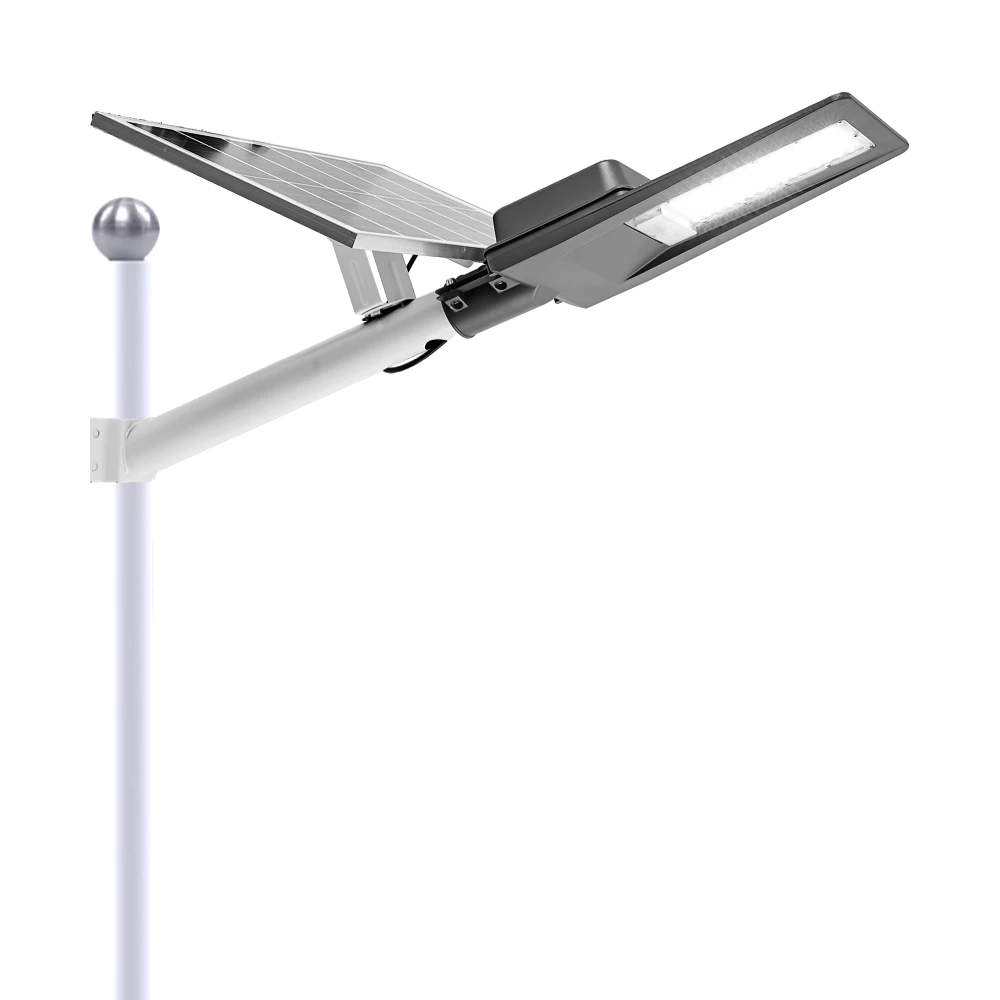
Experience reliable outdoor illumination with our smart solar street light, a perfect combination of advanced technology and eco-conscious design.
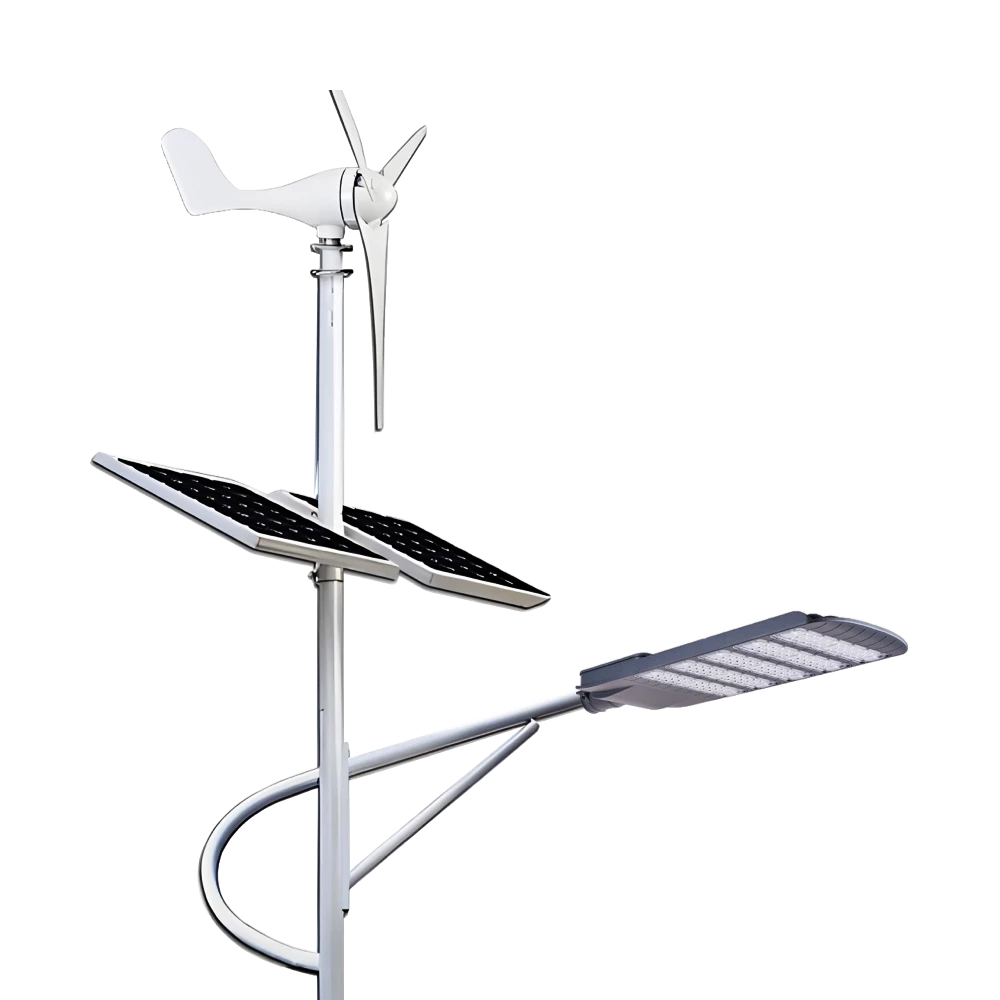
Queneng Lufeng Wind Energy LED Outdoor Solar Street Lights offer high-performance, eco-friendly illumination. These energy-efficient LED street lights harness solar power and wind energy for sustainable, cost-effective outdoor lighting solutions.
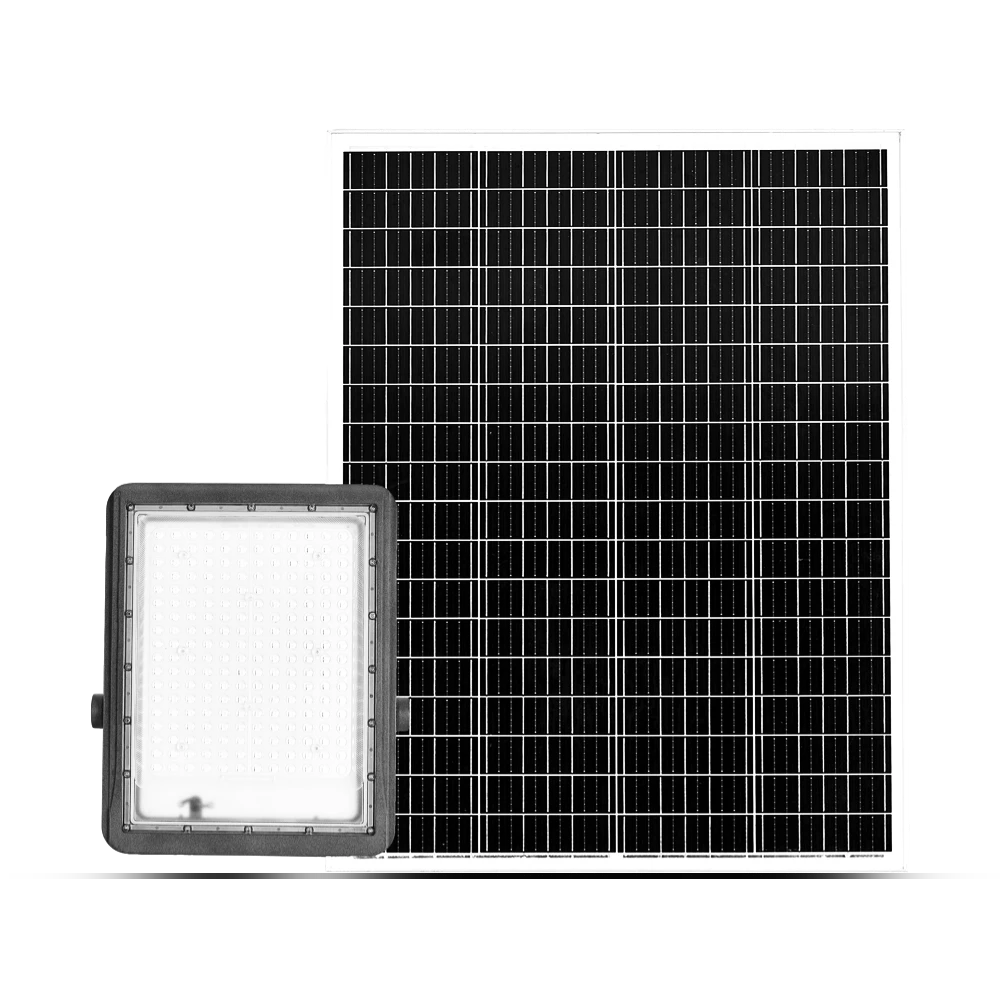
Queneng's Luxian Reliable Solar Street Light offers energy-saving LED lighting for outdoor use. This durable, solar-powered street light provides reliable illumination, reducing energy costs and environmental impact. A perfect solution for sustainable outdoor lighting.
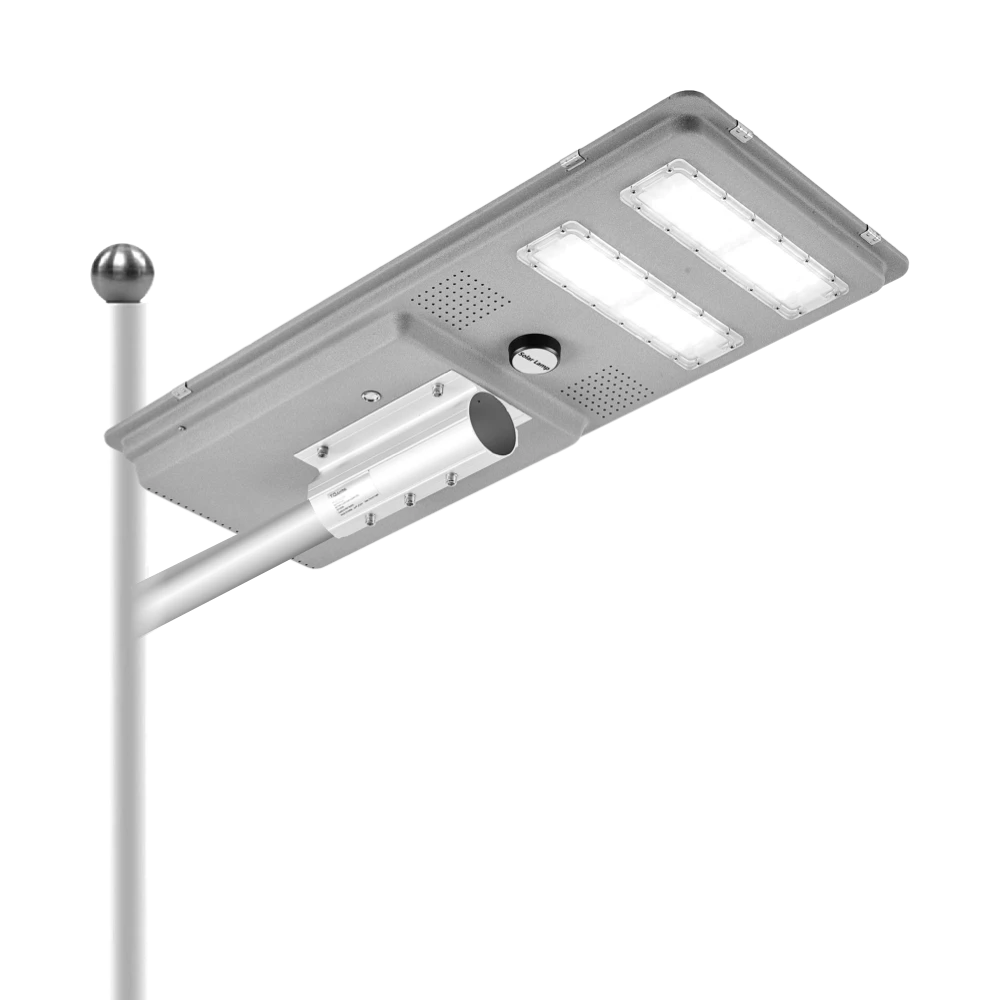
Queneng’s Solar Street Lights are designed to provide reliable, energy-efficient lighting for streets, parks, and other outdoor spaces.
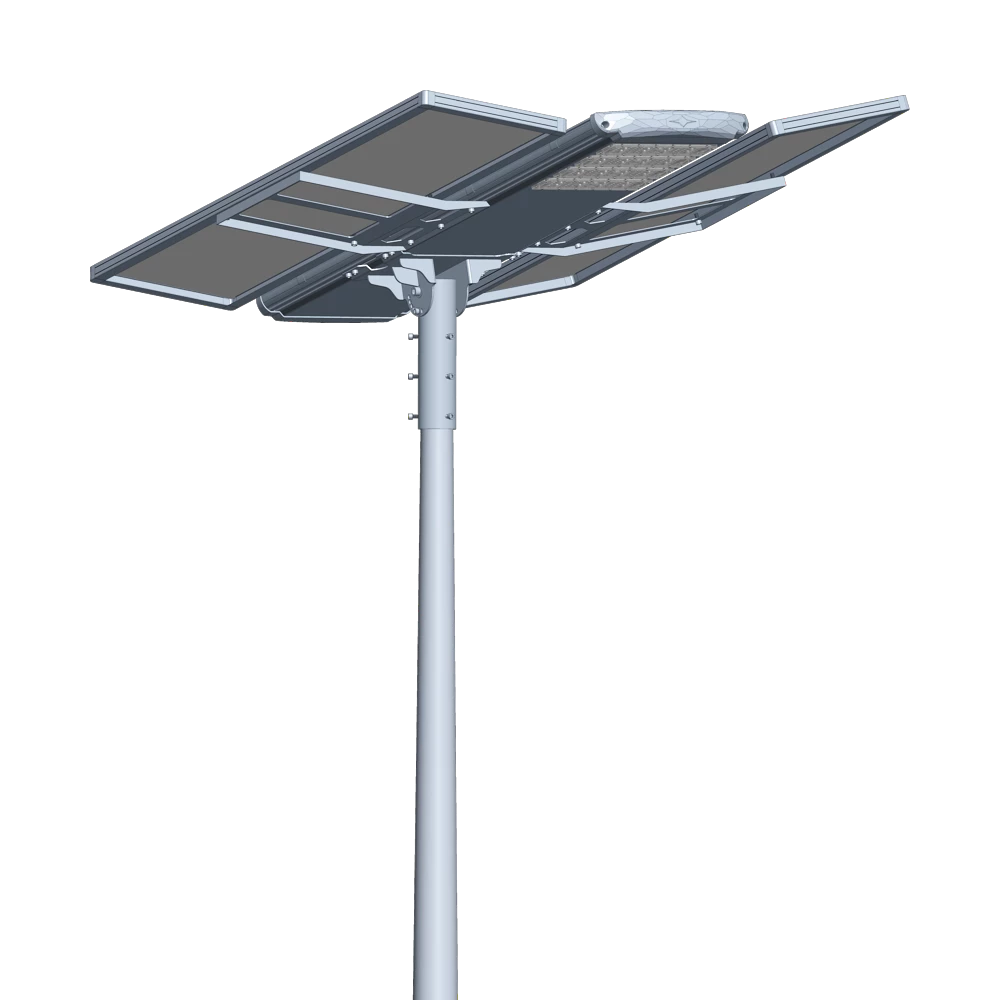
Introducing the Luqing Solar Street Light by Queneng, Efficient LED lighting powered by solar energy is perfect for illuminating outdoor areas. Harness the power of solar energy for sustainable, reliable street lighting. Ideal for eco-friendly, cost-effective outdoor illumination solutions.
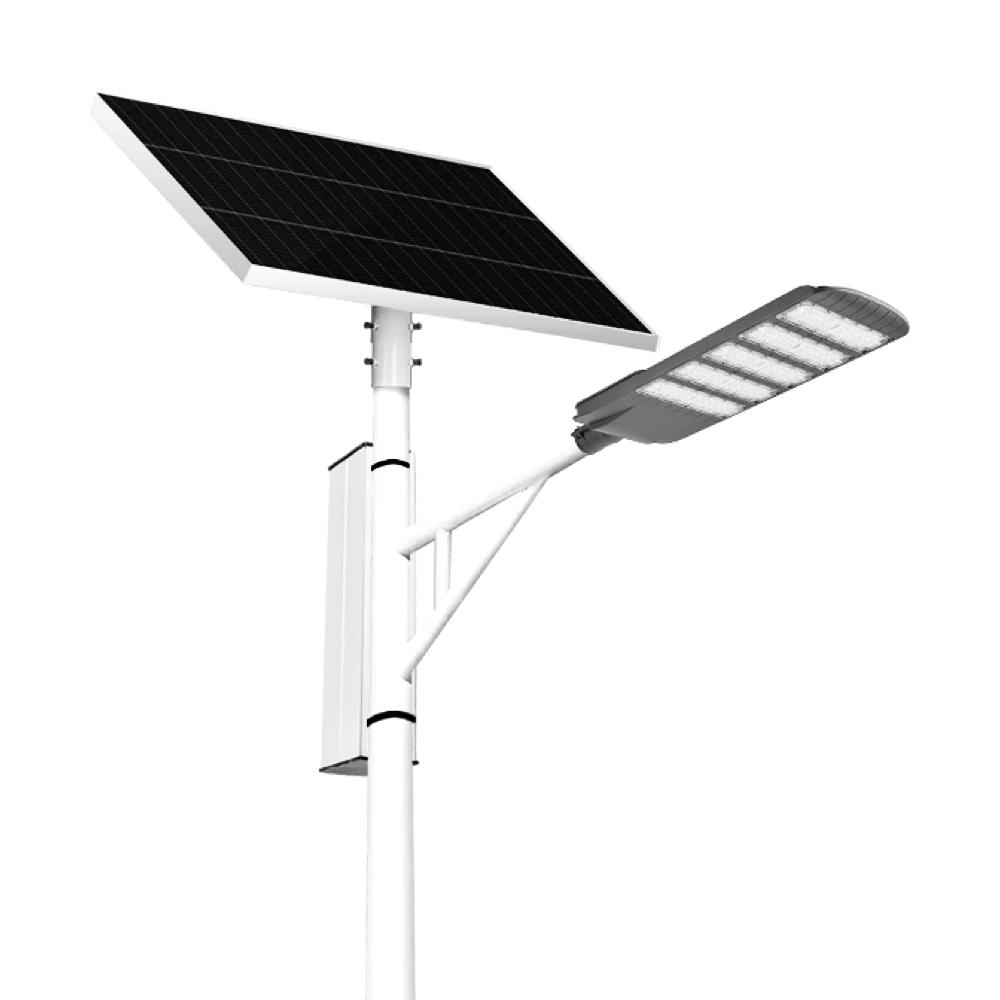
The Solar Streetlights of Luhao for Municipalities are designed to deliver reliable, energy-efficient, and cost-effective public lighting solutions. Equipped with advanced LED technology, durable lithium batteries, and high-efficiency solar panels, these streetlights provide consistent illumination for roads, parks, residential areas, and government projects.
If you would like more information about Queneng solar lighting solutions, please send us a message by filling out the form below. Our professional team will get back to you within 24 hours!
Rest assured that your privacy is important to us, and all information provided will be handled with the utmost confidentiality.
Schedule a Meeting
Book a date and time that is convenient for you and conduct the session in advance.
Have more questions about our products or services?
The messenger of light & power conversion
Environmental protection and intelligent manufacturing are our brand philosophy, and quality assurance and the best user experience are our eternal promises to users.
CONTACT
No.9F, Building F, Cao San Xin Tian Hong Logistics Park, Guzhen Town, Zhongshan City, Guangdong Province, China.
or write [email protected]
WhatsApp: +86 136 2270 1011


