














What is the difference between single-arm and double-arm solar street lights?
Navigating the World of Solar Street Lights: Your Procurement Guide
Investing in solar street lights is a smart decision for sustainable and cost-effective urban and rural development. However, the procurement process can be complex, involving considerations from initial outlay to long-term performance and maintenance. This guide aims to equip procurement professionals with the knowledge needed to make informed decisions.
What Factors Influence the Cost of Solar Street Lights?
The cost of a solar street light system is not uniform; it's a dynamic figure influenced by several critical factors. Understanding these will help in budgeting and selecting the right product for your needs:
- Component Quality and Specifications: The wattage of the LED luminaire (e.g., 30W to 120W+), the power of the solar panel (e.g., 60W to 300W+), the capacity and type of battery (e.g., 100Ah to 300Ah LiFePO4), and the intelligence of the charge controller (MPPT vs. PWM) all significantly impact the price. Higher quality and larger capacities naturally lead to higher costs.
- Pole Height and Material: Taller poles (e.g., 6m to 12m) require more material and robust structural design, affecting cost. Materials like hot-dip galvanized steel or aluminum also vary in price and durability.
- Integrated vs. Split Systems: Integrated designs, where all components (panel, battery, LED) are housed in a single unit, tend to be simpler to install and may have a different cost structure than split systems with separate components.
- Smart Features: Features like motion sensors (PIR), intelligent dimming, IoT connectivity, and remote monitoring add to the system's sophistication and, consequently, its cost.
- Brand Reputation and Warranty: Established manufacturers with a strong track record and comprehensive warranties often command a higher price, reflecting their reliability and after-sales support.
- Project Scale and Customization: Bulk orders can often negotiate better pricing. Custom designs or specific certifications for certain regions can also influence the final cost.
What is the Typical Price Range for Solar Street Lights?
Due to the varying factors mentioned above, the price range for solar street lights can be quite broad. Generally, you can expect to find:
- Entry-Level / Residential: For basic pathway or small area lighting, systems can range from $200 to $500 USD. These typically feature lower wattage LEDs, smaller solar panels, and more basic battery types.
- Standard Commercial / Roadway: Most common for public roads, parking lots, and commercial areas, these systems usually fall between $500 to $1,500 USD. They offer higher lumen output, robust components, and better durability.
- High-Performance / Integrated / Custom: For projects requiring high illumination, advanced smart features, or specific aesthetic designs, prices can exceed $1,500 USD and go up to $5,000+ USD per unit.
These figures are approximate and can fluctuate based on market conditions, supplier, and order volume. Always request detailed quotes based on your specific project requirements.
How Do You Choose a Reliable Solar Street Light Manufacturer?
Selecting the right manufacturer is paramount to the success and longevity of your solar lighting project. Look for these key attributes:
- Experience and Reputation: Choose manufacturers with a proven track record, extensive experience (e.g., 10+ years), and positive client testimonials or case studies.
- Quality Certifications: Ensure products comply with international standards such as ISO9001 (quality management), CE, RoHS (safety and environmental), and IP65/IP66 (dust and water ingress protection).
- R&D and Innovation: A forward-thinking manufacturer invests in research and development, offering cutting-edge technologies like advanced MPPT controllers, high-efficiency solar panels, and robust LiFePO4 batteries.
- Customization Capabilities: The ability to customize wattage, battery capacity, pole height, and smart features to meet specific project demands is a significant advantage.
- Comprehensive Warranty and After-Sales Support: A strong warranty (typically 3-5 years for the system) and accessible technical support are crucial for long-term peace of mind and problem resolution.
- Transparent Component Sourcing: Reputable manufacturers use high-quality, branded components (e.g., Cree, Philips LEDs; A-grade solar cells; certified battery cells).
What are the Key Components of a High-Quality Solar Street Light System?
A superior solar street light is built from high-grade individual components:
- Solar Panel: Look for high-efficiency monocrystalline silicon panels (typically 18-22% efficiency) known for their better performance in low-light conditions and smaller footprint.
- LED Luminaire: Features high-lumen-per-watt efficacy (e.g., 130-180 lm/W) using reputable LED chips (e.g., Cree, Philips, Bridgelux). It should have an appropriate Color Correlated Temperature (CCT) (e.g., 3000K-6000K) and a high IP rating (IP65/IP66) for durability.
- Battery: Lithium Iron Phosphate (LiFePO4) batteries are the industry standard for solar street lights due to their long cycle life (2,000-4,000 cycles at 80% DOD), wider operating temperature range, and enhanced safety compared to lead-acid batteries.
- Charge Controller: An MPPT (Maximum Power Point Tracking) controller is superior to PWM (Pulse Width Modulation), offering 15-30% higher charging efficiency by optimizing power extraction from the solar panel. It also manages battery charging, discharging, and lighting control functions.
- Pole: Made from robust materials like Q235 steel, hot-dip galvanized and powder-coated for corrosion resistance. Designed to withstand local wind loads (e.g., up to 120-160 km/h).
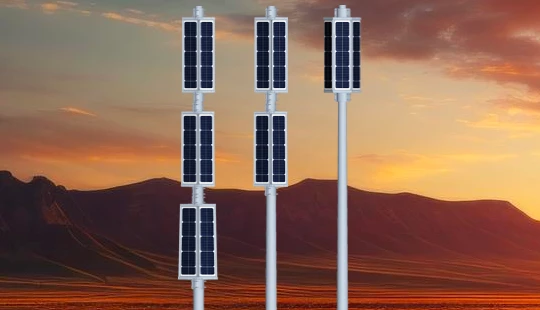
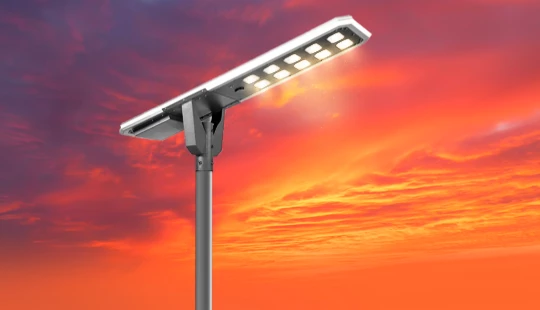
Single-Arm vs. Double-Arm Solar Street Lights: Which is Right for Your Project?
The choice between single-arm and double-arm solar street lights depends on the specific lighting requirements and aesthetics of your project:
- Single-Arm Solar Street Lights:
- Application: Most common for standard road lighting, pathways, sidewalks, parking lots, residential streets, and smaller public areas.
- Coverage: Designed to illuminate one side of a road or a specific linear path, typically covering a width of 8-15 meters effectively.
- Cost: Generally more cost-effective due to fewer components and simpler installation.
- Aesthetics: Provides a clean, minimalist look.
- Double-Arm Solar Street Lights:
- Application: Ideal for wider main roads, highways, large intersections, public squares, industrial parks, or anywhere broad and uniform illumination is required from a single pole.
- Coverage: Provides illumination on both sides of a road or a larger open area, effectively doubling the coverage width (e.g., 15-30 meters or more) from a single pole location.
- Cost: Higher initial cost due to two luminaires, more powerful solar panels, and larger battery capacity needed to power both arms.
- Aesthetics: Offers a more substantial and symmetrical appearance, often chosen for aesthetic reasons in prominent areas.
Your decision should consider road width, desired illumination levels (lux), budget, and overall project aesthetics. Double-arm lights can sometimes reduce the total number of poles required for wide areas, potentially offsetting some cost difference.
What is the Lifespan and Warranty for Solar Street Lights?
A significant advantage of modern solar street lights is their impressive lifespan and reliable warranties:
- LED Luminaires: High-quality LED chips typically have a lifespan of 50,000 to 100,000 operating hours, translating to 10-20 years of use based on 10-12 hours of operation per night.
- Solar Panels: Monocrystalline solar panels are highly durable, often guaranteed for 20-25 years to retain at least 80% of their initial power output.
- LiFePO4 Batteries: These batteries boast a lifespan of 5-10 years or 2,000-4,000 charge/discharge cycles at 80% Depth of Discharge (DOD).
- System Warranty: Most reputable manufacturers offer a comprehensive warranty for the entire system, usually ranging from 3 to 5 years, covering major components against defects.
These long lifespans contribute significantly to the total cost of ownership (TCO) savings.
What Maintenance is Required for Solar Street Lights?
One of the most attractive features of solar street lights is their minimal maintenance requirements:
- Solar Panel Cleaning: The most frequent task is cleaning the solar panel surface to remove dust, dirt, or debris, which can reduce charging efficiency. This is typically recommended 1-2 times per year, depending on the environment.
- Battery Check: While LiFePO4 batteries are low-maintenance, it's wise to monitor their performance occasionally and plan for replacement every 5-10 years.
- Visual Inspection: Periodically check for any physical damage to the pole, luminaires, or wiring, especially after severe weather.
Compared to traditional grid-connected lighting, solar street lights eliminate the need for electricity bill payments and significantly reduce labor costs associated with trenching, wiring, and grid connection issues.
The Quenenglighting Advantage
For procurement professionals seeking reliable, high-performance solar street lighting solutions, Quenenglighting stands out. We prioritize the integration of high-efficiency monocrystalline solar panels, long-life LiFePO4 batteries, and superior LED luminaires with advanced MPPT controllers in all our designs. Our commitment to robust quality control, extensive R&D, and compliance with international certifications ensures every product delivers exceptional durability and performance. Whether your project requires a cost-effective single-arm solution for pathways or powerful double-arm lighting for major roadways, Quenenglighting offers customizable options backed by comprehensive warranties and dedicated after-sales support, guaranteeing a smart and sustainable investment.
References:
- Solar Power World Online. (n.d.). Monocrystalline vs. Polycrystalline Solar Panels. Retrieved from https://www.solarpowerworldonline.com/2019/07/monocrystalline-vs-polycrystalline-solar-panels/ (Accessed: May 23, 2024)
- Battery University. (2018, July 23). BU-205: Types of Lithium-ion. Retrieved from https://batteryuniversity.com/article/bu-205-types-of-lithium-ion/ (Accessed: May 23, 2024)
- Energy.gov. (n.d.). LED Lighting. Retrieved from https://www.energy.gov/energysaver/led-lighting (Accessed: May 23, 2024)
- Various Solar Street Light Manufacturer Product Pages and Technical Specifications (e.g., Philips, Cree, industry reports on component lifespans, and general pricing). (Accessed: May 20-23, 2024)

Have more questions about our products or services?
The latest hot news you might like

Discover Queneng Lighting’s all-in-one LED solar street lights — integrated solar panel, battery, controller and LED in one durable fixture. Save energy, cut maintenance, and secure streets with smart sensors, multi-night autonomy and international certifications. Contact sales for quotes and support.

Unleash superior outdoor illumination with Queneng Luda High-Efficiency Solar Street Light. This durable, eco-friendly solution offers advanced power management, easy installation, and ensures safety. Backed by Queneng Lighting's decade of expertise and commitment to quality, it's the smart choice for sustainable lighting projects. Learn why we're a leading solar solutions provider.

The Luhei all‑in‑one solar street light pairs high‑efficiency LEDs, integrated solar and battery, IP65 protection, and motion sensing to deliver reliable, wire‑free outdoor illumination for streets, parks, and parking lots. Backed by Queneng Lighting’s certifications and support.

FAQ
Municipal and Public Infrastructure
How long do solar streetlights last?
Our solar streetlights typically last for 5-10 years with minimal maintenance.
Solar Street Light Chuanqi
What makes Chuanqi solar street lights energy-efficient?
Chuanqi solar street lights are equipped with high-efficiency solar panels that maximize energy collection even in less-than-ideal weather conditions. They also use low-energy-consuming LED lights that provide bright illumination without excessive power consumption. Additionally, the lights feature automatic on/off functionality, ensuring they only use energy when needed.
Batteries and the environment
What are the “green batteries” currently being used and researched?
Distributors
What kind of marketing and sales support does Queneng provide?
We provide our distributors with a wide range of marketing materials, including brochures, product specs, digital content, and sales guides. Our team also offers training to help you effectively communicate the benefits of our solar lighting solutions.
Solar Street Light Luhao
What are the key features of the Luhao solar street light?
The Luhao solar street light combines advanced LED technology with solar power, providing a sustainable, energy-efficient lighting solution. Key features include high-performance LEDs, solar panel charging, long-lasting batteries, and weather-resistant construction for reliable outdoor illumination.
Battery Performance and Testing
What is charging efficiency?
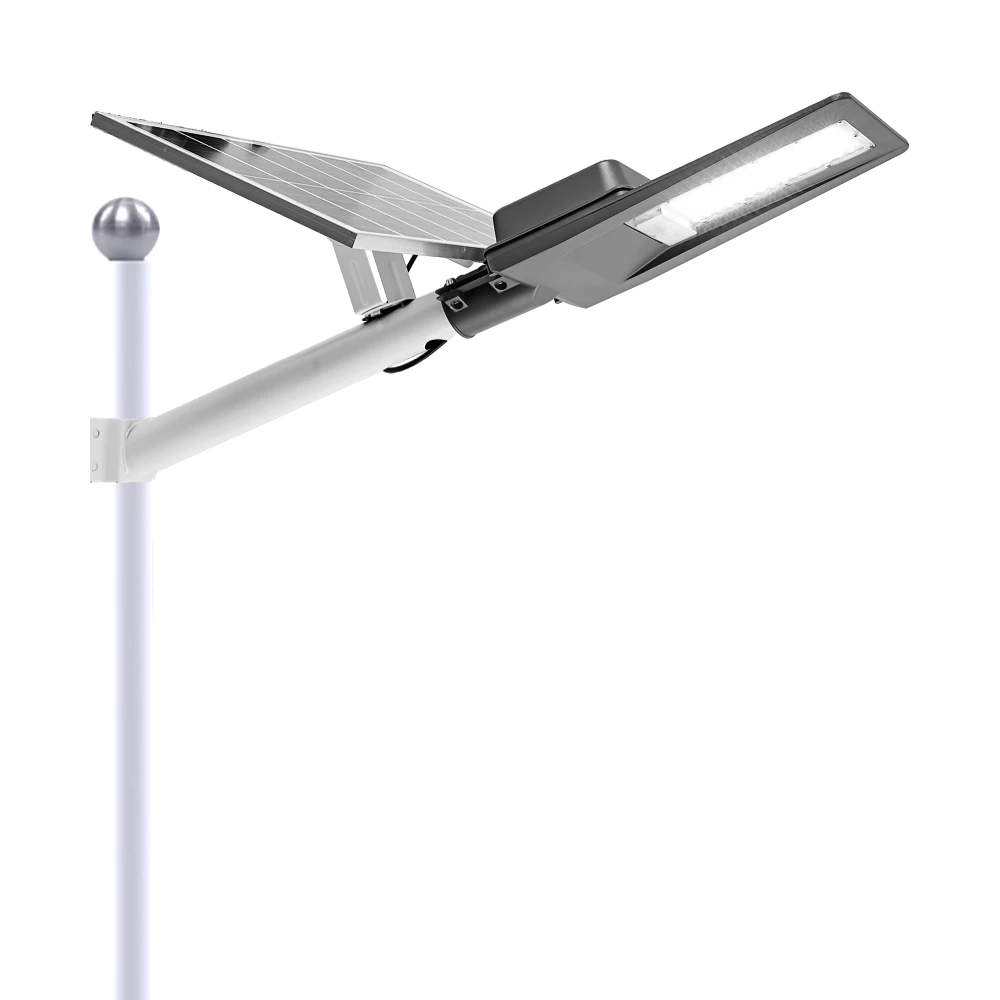
Experience reliable outdoor illumination with our smart solar street light, a perfect combination of advanced technology and eco-conscious design.
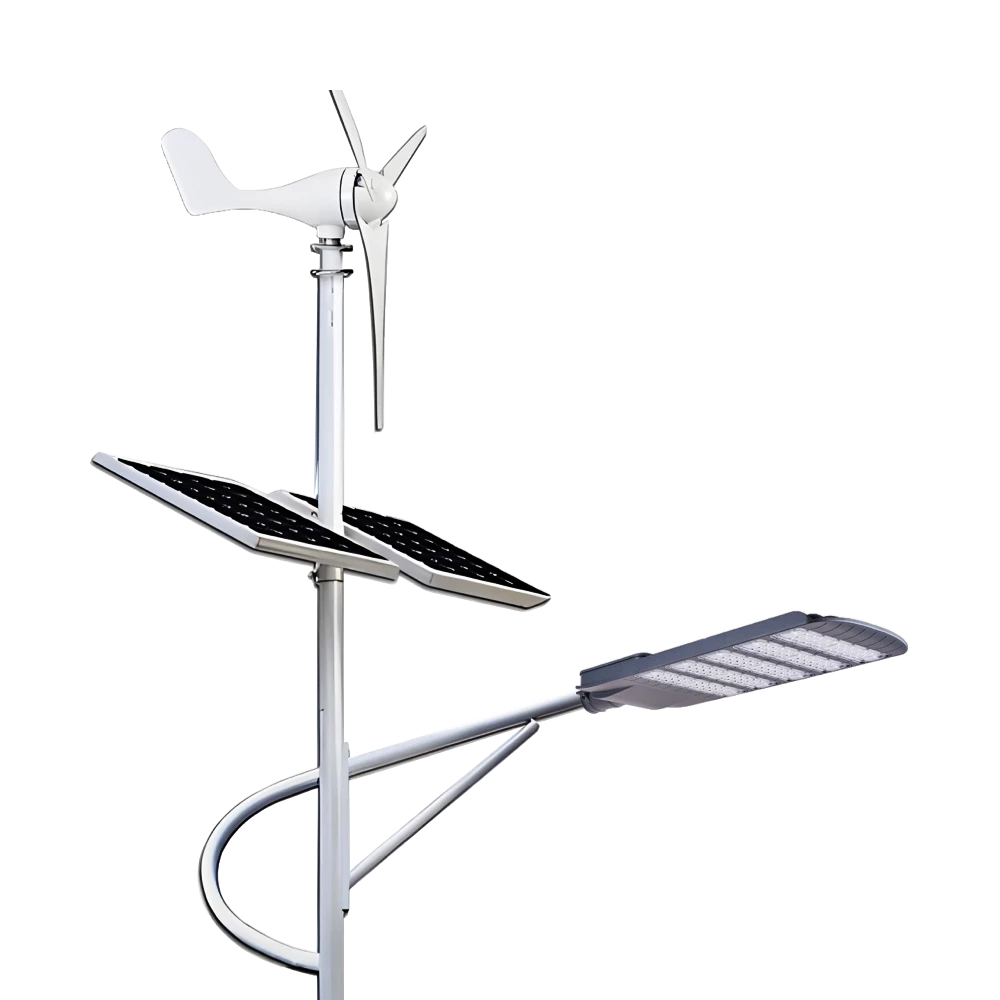
Queneng Lufeng Wind Energy LED Outdoor Solar Street Lights offer high-performance, eco-friendly illumination. These energy-efficient LED street lights harness solar power and wind energy for sustainable, cost-effective outdoor lighting solutions.
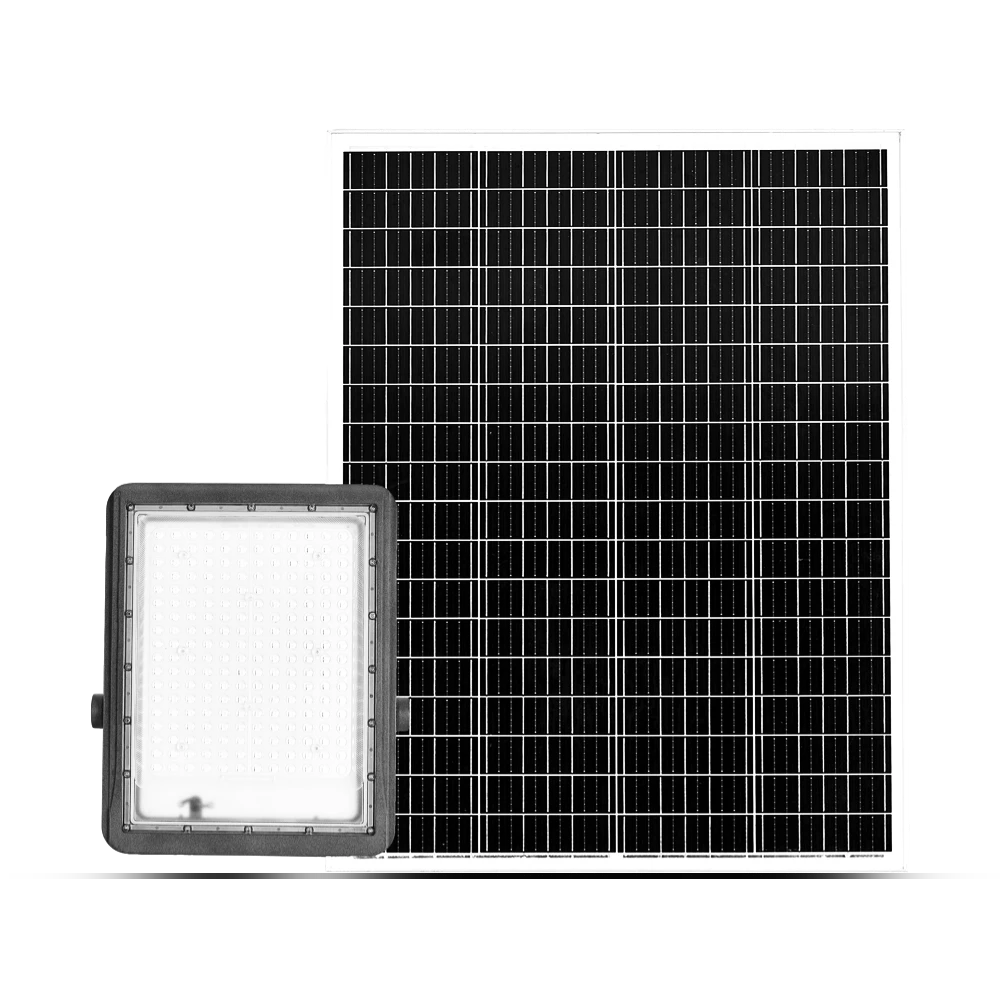
Queneng's Luxian Reliable Solar Street Light offers energy-saving LED lighting for outdoor use. This durable, solar-powered street light provides reliable illumination, reducing energy costs and environmental impact. A perfect solution for sustainable outdoor lighting.
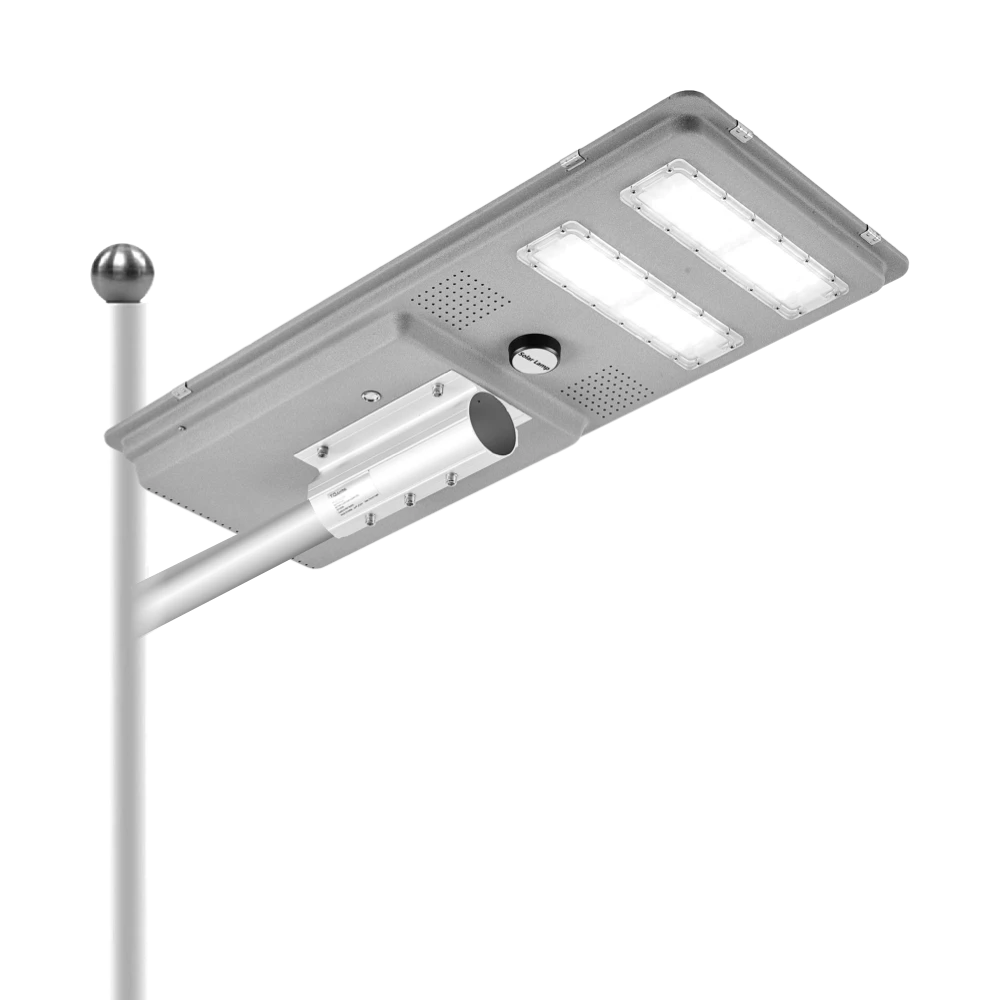
Queneng’s Solar Street Lights are designed to provide reliable, energy-efficient lighting for streets, parks, and other outdoor spaces.
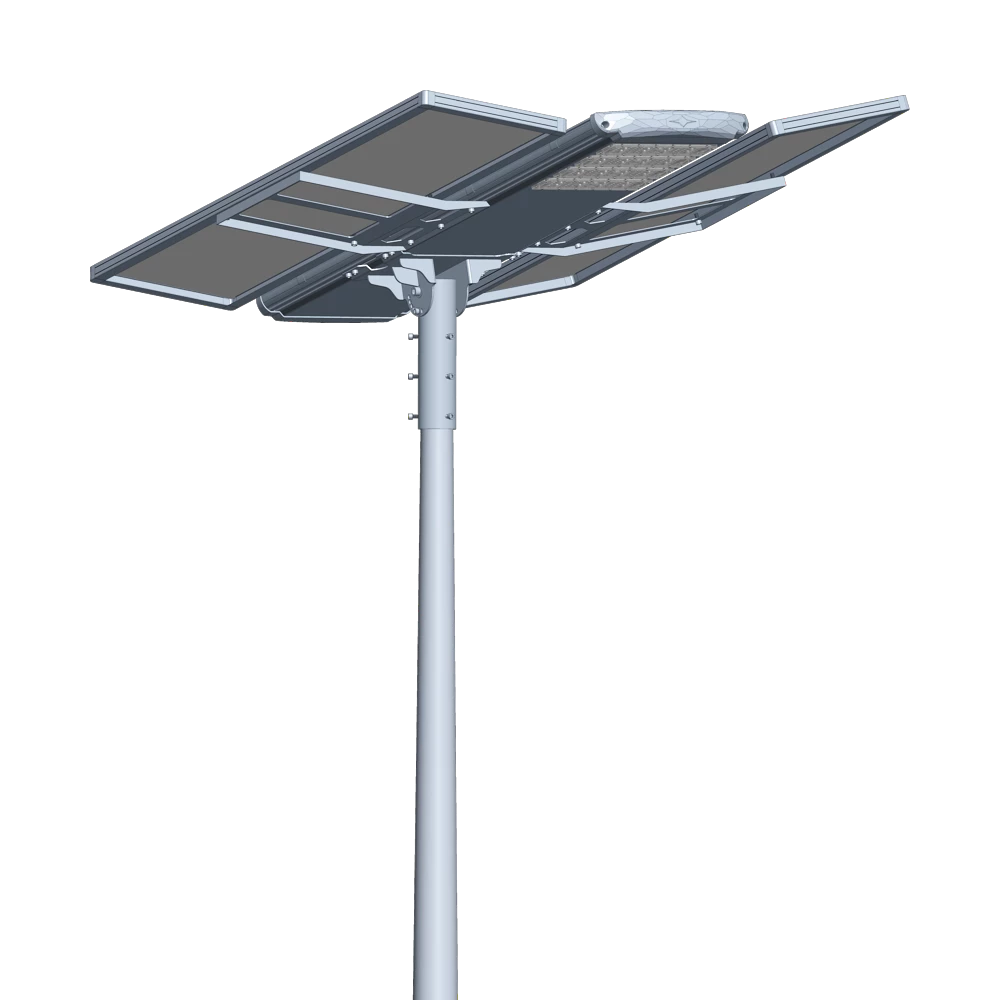
Introducing the Luqing Solar Street Light by Queneng, Efficient LED lighting powered by solar energy is perfect for illuminating outdoor areas. Harness the power of solar energy for sustainable, reliable street lighting. Ideal for eco-friendly, cost-effective outdoor illumination solutions.
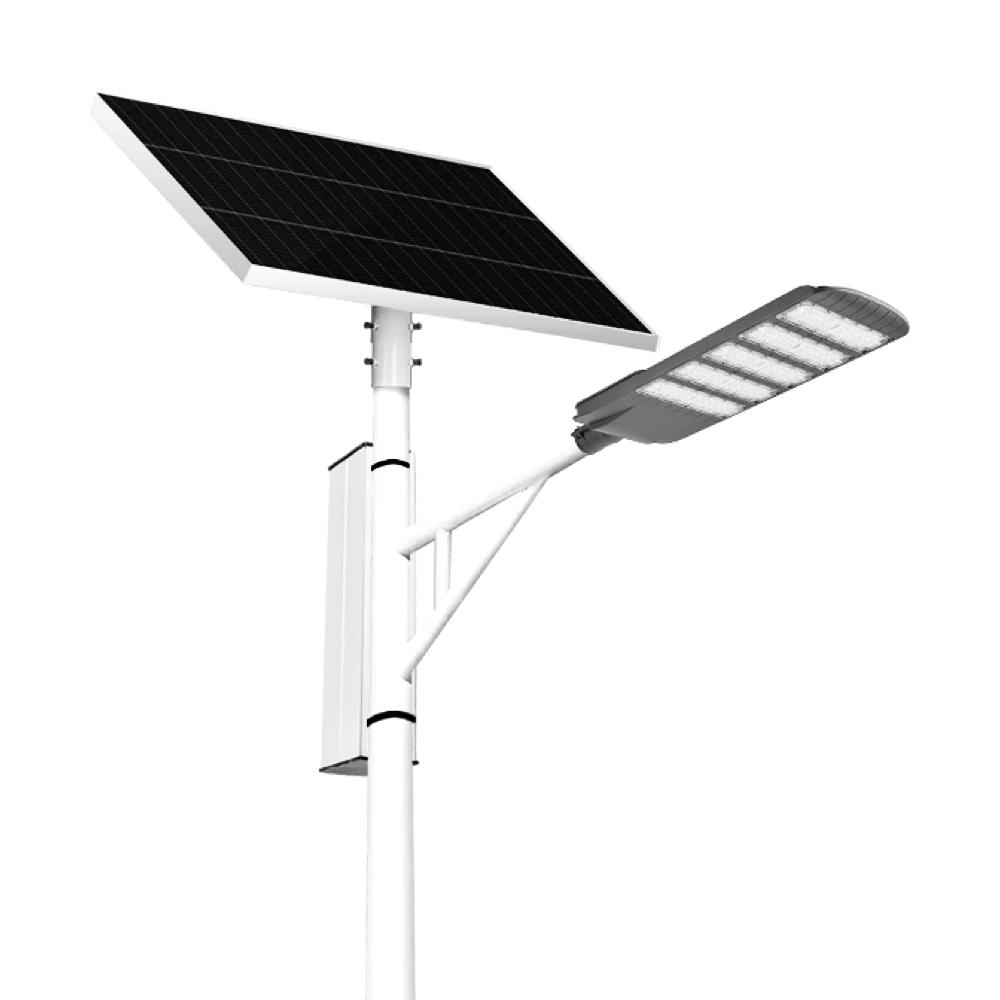
The Solar Streetlights of Luhao for Municipalities are designed to deliver reliable, energy-efficient, and cost-effective public lighting solutions. Equipped with advanced LED technology, durable lithium batteries, and high-efficiency solar panels, these streetlights provide consistent illumination for roads, parks, residential areas, and government projects.
If you would like more information about Queneng solar lighting solutions, please send us a message by filling out the form below. Our professional team will get back to you within 24 hours!
Rest assured that your privacy is important to us, and all information provided will be handled with the utmost confidentiality.
Schedule a Meeting
Book a date and time that is convenient for you and conduct the session in advance.
Have more questions about our products or services?
The messenger of light & power conversion
Environmental protection and intelligent manufacturing are our brand philosophy, and quality assurance and the best user experience are our eternal promises to users.
CONTACT
No.9F, Building F, Cao San Xin Tian Hong Logistics Park, Guzhen Town, Zhongshan City, Guangdong Province, China.
or write [email protected]
WhatsApp: +86 136 2270 1011


