













What factors define a reliable solar lighting manufacturer?
Navigating Solar Street Lights: Costs, Manufacturers, and Reliability Insights for Professional Buyers
As the demand for sustainable and off-grid lighting solutions grows, solar street lights have become a cornerstone for urban development, infrastructure projects, and remote area illumination. For industry professionals involved in procurement, understanding the nuances of these systems—especially split solar street lights—is crucial for making informed, cost-effective, and reliable decisions. This guide delves into the most pressing questions buyers face, from cost factors to manufacturer selection and system longevity.
What is the True Cost of a Split Solar Street Light System, and What Factors Drive Its Price?
The cost of a split solar street light system isn't a single figure; it's a dynamic range influenced by several critical components and design specifications. Unlike all-in-one systems, split designs separate the solar panel, battery, and light fixture, offering greater flexibility but also potentially higher installation costs.
- LED Luminosity (Wattage/Lumens): Higher brightness requirements (e.g., 30W to 100W+ for street lighting) directly correlate with higher LED driver and chip costs. A typical 60W LED luminaire for a street light might range from $150 to $300+.
- Solar Panel (Wattage/Efficiency): The panel's size and wattage (e.g., 80W to 200W+) determine its power generation capacity. Monocrystalline panels, generally more efficient (18-22%) and compact, are preferred for their performance in limited space, costing around $1-$1.5 per watt.
- Battery Capacity (LiFePO4): The battery is often the most expensive component. Lithium Iron Phosphate (LiFePO4) batteries are industry standard for their long cycle life (2000-4000 cycles) and stability. A battery designed for 3-5 nights of autonomy might cost anywhere from $200 to $600+, depending on its Ah rating (e.g., 50Ah to 200Ah for a 12V system).
- Controller: A high-quality MPPT (Maximum Power Point Tracking) controller is essential for efficient charging and discharge management, typically adding $30-$100.
- Pole and Fixtures: Pole height (6m to 12m+) and material (galvanized steel, aluminum) significantly impact cost. Poles can range from $150 to $500+, plus mounting brackets and hardware.
- Installation & Wiring: Split systems require more extensive wiring and separate mounting for panels and batteries, potentially increasing installation complexity and labor costs compared to all-in-one units.
Overall Cost Range: A reliable split solar street light system for commercial applications can range from $500 to $2,500+ per unit, excluding installation labor and civil works. This variance primarily depends on the power output, battery autonomy, component quality, and manufacturer.
Split vs. All-in-One Solar Street Lights: Which is Right for My Project?
The choice between split and all-in-one (AIO) solar street lights hinges on specific project requirements, environmental conditions, and budget priorities.
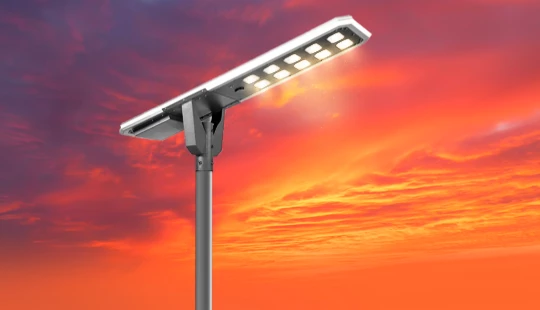
- All-in-One (Integrated) Solar Street Lights:
- Advantages: Compact design, easier and faster installation (lower labor cost), aesthetically pleasing, often lower initial purchase price for comparable wattage. Ideal for simpler, smaller-scale projects or areas with consistent sunlight.
- Disadvantages: Limited flexibility in panel orientation (panel fixed with lamp), battery and controller are exposed to the same heat as the LED, potentially shortening battery life in very hot climates. Power output often limited to 100W or less.
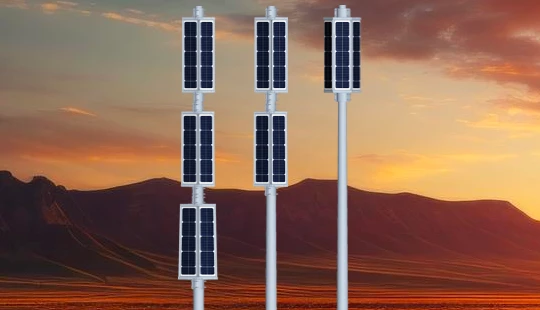
- Split Solar Street Lights (Separated Components):
- Advantages:
- Flexible Panel Orientation: Allows optimal angling of the solar panel to maximize solar irradiance throughout the day, crucial in areas with lower sun exposure or varied terrain.
- Thermal Management: Battery and controller can be housed separately (often at the base of the pole or underground), protecting them from the heat generated by the LED fixture and direct sun exposure, thereby extending battery lifespan (up to 20% longer in hot climates).
- Higher Power Output: Can accommodate larger solar panels and battery capacities, making them suitable for high-wattage lights (100W+) and applications requiring longer autonomy or higher light intensity.
- Easier Maintenance/Component Replacement: Individual components can be accessed and replaced more easily.
- Disadvantages: Higher installation complexity and cost, more wiring, and potentially a less streamlined aesthetic.
- Advantages:
Recommendation: For projects demanding high power output, extended autonomy, resilience in extreme climates, or flexible design integration (e.g., highways, large industrial areas, challenging geographical locations), split solar street lights are generally the superior choice despite the higher initial installation effort.
What Are the Critical Components of a High-Performance Split Solar Street Light, and How Do They Impact Reliability?
Reliability in a split solar street light system is a direct function of its individual components' quality and integration.
- Solar Panel: Monocrystalline silicon panels are preferred for their higher efficiency (typically 18-22%) and better performance in low-light conditions compared to polycrystalline panels. A robust aluminum frame and tempered glass cover ensure durability against environmental factors. Quality panels guarantee consistent power generation over 20-25 years.
- Battery: LiFePO4 (Lithium Iron Phosphate) batteries are paramount. They offer a significantly longer cycle life (2,000-4,000 cycles at 80% DOD), wider operating temperature range, and enhanced safety compared to lead-acid or other lithium-ion chemistries. A high-quality BMS (Battery Management System) is crucial for overcharge/discharge protection, temperature management, and cell balancing, directly impacting battery lifespan (5-10 years).
- LED Luminaire: Efficiency (lumens per watt) and lifespan are key. Reputable LED chips (e.g., Philips, Cree, Osram) offer efficacy exceeding 150 lm/W and a lifespan of 50,000-100,000 hours. A robust aluminum housing with excellent heat dissipation is vital to prevent lumen depreciation and extend LED life.
- Solar Charge Controller: An MPPT (Maximum Power Point Tracking) controller is superior to PWM (Pulse Width Modulation) controllers. MPPT can increase charging efficiency by 15-30% by optimizing voltage and current from the solar panel, especially in varying light conditions. It also manages battery charging cycles, preventing overcharging and deep discharging, critical for battery health.
- Pole and Housing: Hot-dip galvanized steel poles offer superior corrosion resistance and structural integrity, essential for long-term stability. The battery housing (if separate) should be IP65 rated or higher to protect against dust and water ingress.
Impact on Reliability: Inferior components lead to premature failure, reduced light output, shorter battery autonomy, and higher maintenance costs. Investing in high-quality, reputable components ensures consistent performance, lower total cost of ownership (TCO), and system longevity.
How Do I Identify and Select a Truly Reliable Solar Street Light Manufacturer?
Choosing the right manufacturer is as crucial as selecting the right components. A reliable manufacturer provides quality products, robust support, and stands behind their offerings.
- Experience and Track Record: Look for manufacturers with several years (e.g., 5-10+) in the solar lighting industry and a portfolio of successful projects, especially in similar environments to yours.
- R&D and Customization Capabilities: A manufacturer with strong R&D can offer innovative solutions, customize designs to specific project needs (e.g., unique solar insolation, pole height, lumen requirements), and adapt to evolving technology.
- Quality Control (QC) and Testing: Inquire about their QC processes, including raw material inspection, in-process checks, and final product testing (e.g., aging tests, IP rating tests, photometric tests). ISO 9001 certification is a good indicator of structured quality management.
- Component Sourcing: A reliable manufacturer will transparently list the brands of critical components (LED chips, batteries, controllers) they use, often partnering with reputable suppliers known for quality (e.g., Philips, Osram for LEDs; CATL, BYD for batteries).
- Technical Support and Design Assistance: They should offer pre-sales consultation, light simulations (DIALux reports), system sizing calculations, and post-sales technical support.
- Production Capacity and Lead Time: Assess their ability to meet your project timeline without compromising quality.
- Industry Certifications: Beyond product certifications, look for factory audits or supplier qualifications from major international bodies.
What Certifications, Warranties, and After-Sales Support Are Essential When Buying Solar Street Lights?
These elements are non-negotiable for professional buyers, offering protection and ensuring long-term system viability.
- Key Certifications:
- CE (Conformité Européenne): Indicates compliance with EU health, safety, and environmental protection standards.
- RoHS (Restriction of Hazardous Substances): Ensures products are free from certain hazardous materials.
- IP Rating (Ingress Protection): Specifies the level of protection against solids and liquids. For outdoor lighting, IP65 is a minimum, with IP66 or IP67 preferred for harsher environments.
- IEC (International Electrotechnical Commission): Relevant for solar panels (e.g., IEC 61215 for crystalline silicon terrestrial photovoltaic modules).
- ISO 9001 (Quality Management System): Certifies that the manufacturer adheres to international standards for quality management.
- TUV/UL: Highly respected third-party testing and certification bodies, indicating rigorous safety and quality checks.
- Warranties:
- Full System Warranty: Typically 2-5 years for the entire light fixture, covering manufacturing defects.
- Component-Specific Warranties: Expect 5 years for LiFePO4 batteries (or a certain number of cycles), 5-10 years for LED drivers, and 10-25 years for solar panels (performance guarantee).
- Clarity: Ensure the warranty terms are clear regarding coverage, claims process, and responsible parties.
- After-Sales Support: This includes technical assistance for troubleshooting, availability of spare parts, clear instructions for maintenance, and responsiveness to warranty claims. A manufacturer's long-term commitment is reflected in its after-sales service quality.
What is the Realistic Lifespan of a Split Solar Street Light System, and How Can I Ensure Longevity?
A well-designed and properly maintained split solar street light system can offer significant longevity, reducing the total cost of ownership over time.
- Component Lifespan Estimates:
- LED Light Source: 50,000 to 100,000 hours (10-20 years based on 10-12 hours/night operation). Quality LEDs experience minimal lumen depreciation (L70 @ 50,000 hrs).
- Solar Panel: 20-25 years, with efficiency guaranteed to remain above 80% after 20-25 years.
- LiFePO4 Battery: 5-10 years (2,000-4,000 cycles), depending on depth of discharge (DoD) and operating temperature.
- Controller: 5-10 years.
- Pole and Structure: 20-30 years (with proper hot-dip galvanization and maintenance).
- Ensuring Longevity:
- Quality Components: As discussed, this is foundational.
- Proper Sizing: Ensure the system is adequately sized for local solar insolation and required autonomy (e.g., 3-5 days of battery backup). Oversizing the battery and panel slightly can extend component life by reducing stress.
- Optimal Installation: Correct panel orientation, secure mounting, and proper wiring are critical. For split systems, protecting the battery from extreme temperatures (e.g., burying it or housing it in a shaded, well-ventilated enclosure) is vital.
- Regular Maintenance: Cleaning solar panels periodically (every 6-12 months) to remove dust and debris can maintain optimal charging efficiency. Inspecting connections and fixtures for wear and tear is also important.
- Advanced BMS/Controller: A smart controller with temperature compensation and robust protection features will prolong battery life.
By prioritizing quality and proactive maintenance, a split solar street light system can reliably perform for over a decade, with some components lasting significantly longer.
How Do Environmental Factors (e.g., Climate, Solar Insolation) Influence the Design and Performance of Split Solar Street Lights?
Environmental conditions are paramount in solar street light design, directly impacting system sizing and component selection.
- Solar Insolation (Peak Sun Hours): This is the most critical factor. Areas with lower average daily peak sun hours (e.g., northern latitudes, cloudy regions) require larger solar panels and/or larger battery capacities to store enough energy. Conversely, high insolation areas can use smaller panels. Manufacturers use historical solar radiation data (e.g., from NASA, NREL) to calculate optimal panel size and tilt angles.
- Temperature:
- High Temperatures: Reduce solar panel efficiency (by ~0.3-0.5% per °C above 25°C). More critically, high temperatures accelerate battery degradation. Split systems excel here by allowing the battery to be placed away from direct sun and heat (e.g., in a cooler, underground enclosure), significantly extending its lifespan.
- Low Temperatures: While panels perform better in cold, batteries lose capacity and charging efficiency in extreme cold. The BMS in LiFePO4 batteries often includes low-temperature charge cut-off to prevent damage. Systems in very cold climates may require insulated battery enclosures or specialized cold-weather batteries.
- Dust, Snow, and Debris: Accumulation on solar panels can drastically reduce energy harvest. Design considerations include steeper panel tilt angles (to aid self-cleaning from rain/snow) and robust, easy-to-clean panel surfaces.
- Wind Loads: Pole and fixture design must withstand local maximum wind speeds. Split systems often have a larger sail area due to separate panels, requiring stronger pole engineering.
- Humidity and Salt Spray: Coastal or high-humidity regions necessitate materials with superior corrosion resistance (e.g., hot-dip galvanized poles, marine-grade aluminum, IP67 rated enclosures).
A reputable manufacturer will perform a detailed site assessment, considering these environmental factors to provide an accurately sized and robust split solar street light solution tailored to your project's specific location.
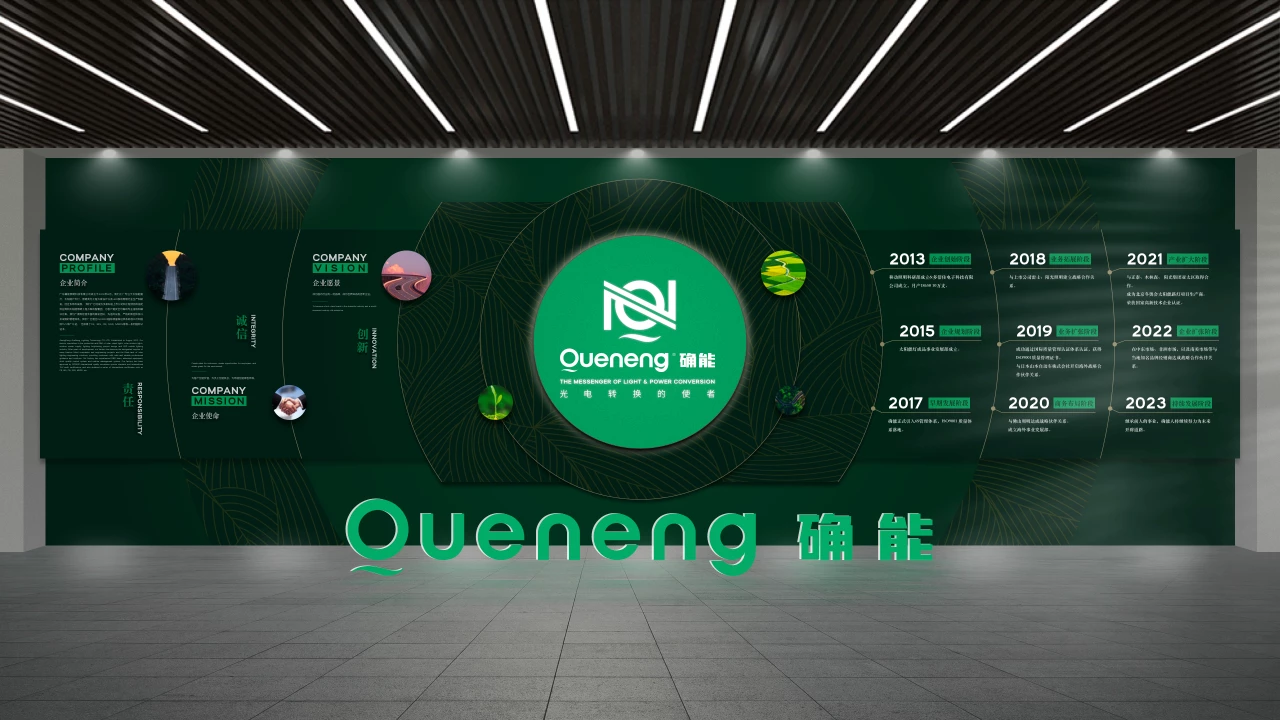
Queneng Lighting: Your Partner for Reliable Solar Street Lighting Solutions
For discerning professionals seeking high-quality, durable, and efficient solar street lighting, Queneng Lighting stands as a trusted partner. Our commitment to excellence is reflected in:
- High Quality Component Integration: We utilize only top-tier components—high-efficiency monocrystalline solar panels, long-cycle-life LiFePO4 batteries with advanced BMS, and world-renowned LED chips—ensuring superior performance and longevity.
- Advanced R&D and Customization: Our dedicated R&D team continuously innovates, offering bespoke split solar street light designs optimized for diverse environmental conditions and specific project requirements, including detailed light simulations.
- Rigorous Quality Assurance: Adhering to strict ISO 9001 standards, every product undergoes comprehensive testing, from raw material inspection to aging tests and IP rating verification, guaranteeing reliability.
- Comprehensive Support: From expert pre-sales consultation and system sizing to robust warranties and responsive after-sales technical support, Queneng Lighting ensures a seamless experience and peace of mind for our clients.
- Proven Track Record: With years of experience and a portfolio of successful installations across various challenging environments, we bring proven expertise to every project.
Choose Queneng Lighting for solar street light solutions that illuminate communities and build a sustainable future with unwavering reliability and performance.
References & Data Sources:
- Lithium Iron Phosphate (LiFePO4) Battery Lifespan: Industry standards and manufacturer specifications (e.g., CATL, BYD data sheets), typically 2000-4000 cycles at 80% DoD. (Date: Accessed May 2024)
- Solar Panel Efficiency and Lifespan: General industry data for monocrystalline panels (18-22% efficiency, 20-25 year lifespan with 80% performance guarantee). Source: Multiple solar panel manufacturer specifications (e.g., JinkoSolar, Trina Solar). (Date: Accessed May 2024)
- LED Chip Lifespan and Efficacy: Typical lifespan for reputable chips (Cree, Philips, Osram) 50,000-100,000 hours, efficacy 150+ lm/W. Source: LED component manufacturer datasheets and industry reports. (Date: Accessed May 2024)
- MPPT Controller Efficiency: Industry standard improvement over PWM (15-30%). Source: Solar charge controller manufacturer technical specifications (e.g., Victron Energy). (Date: Accessed May 2024)
- IP Ratings and Certifications (CE, RoHS, ISO 9001, IEC): International standards and regulatory bodies. (Date: Accessed May 2024)
- General cost ranges for solar street light components based on aggregated market data for professional-grade systems. (Date: Accessed May 2024)

Have more questions about our products or services?
The latest hot news you might like

Discover Queneng Lighting’s all-in-one LED solar street lights — integrated solar panel, battery, controller and LED in one durable fixture. Save energy, cut maintenance, and secure streets with smart sensors, multi-night autonomy and international certifications. Contact sales for quotes and support.

Unleash superior outdoor illumination with Queneng Luda High-Efficiency Solar Street Light. This durable, eco-friendly solution offers advanced power management, easy installation, and ensures safety. Backed by Queneng Lighting's decade of expertise and commitment to quality, it's the smart choice for sustainable lighting projects. Learn why we're a leading solar solutions provider.

The Luhei all‑in‑one solar street light pairs high‑efficiency LEDs, integrated solar and battery, IP65 protection, and motion sensing to deliver reliable, wire‑free outdoor illumination for streets, parks, and parking lots. Backed by Queneng Lighting’s certifications and support.

FAQ
Sustainability
What factors should be considered when choosing an installation location?
Solar street lights should be installed in areas with abundant sunlight and minimal obstructions to ensure the photovoltaic panels receive maximum sunlight. Avoid locations close to trees or tall buildings that could cast shadows on the panels.
Batteries and the environment
What is the main manifestation of the hazards of used batteries?
Solar Street Light Lufei
What type of solar panel is used in the solar street light?
Queneng’s solar street lights use high-efficiency monocrystalline or polycrystalline solar panels, which provide better performance and greater energy conversion efficiency than standard panels.
Transportation and Highways
How does the system handle extreme weather conditions, such as snow or hurricanes?
Our systems are designed to withstand harsh weather, with components that are waterproof, wind-resistant, and capable of operating in temperatures ranging from -40°C to 60°C.
Solar Street Light Luqing
Can solar street lights be used in cloudy or rainy weather?
Yes, solar street lights can still function in cloudy or rainy conditions, though their performance may be reduced due to lower sunlight. The battery is designed to store enough energy to power the light for several days of overcast weather.
All-in-one solar street lights
Are all-in-one solar street lights suitable for highways?
No, split solar street lights are recommended for highways and high-power applications.
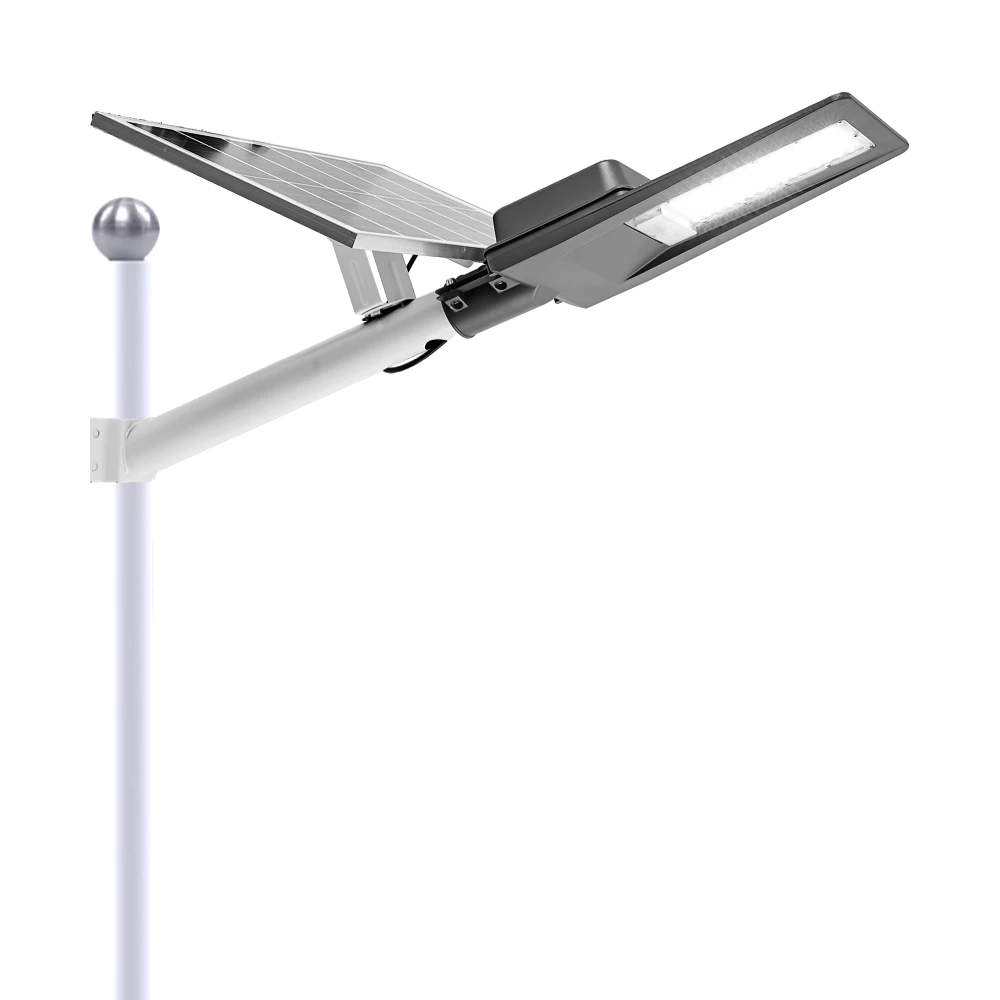
Experience reliable outdoor illumination with our smart solar street light, a perfect combination of advanced technology and eco-conscious design.
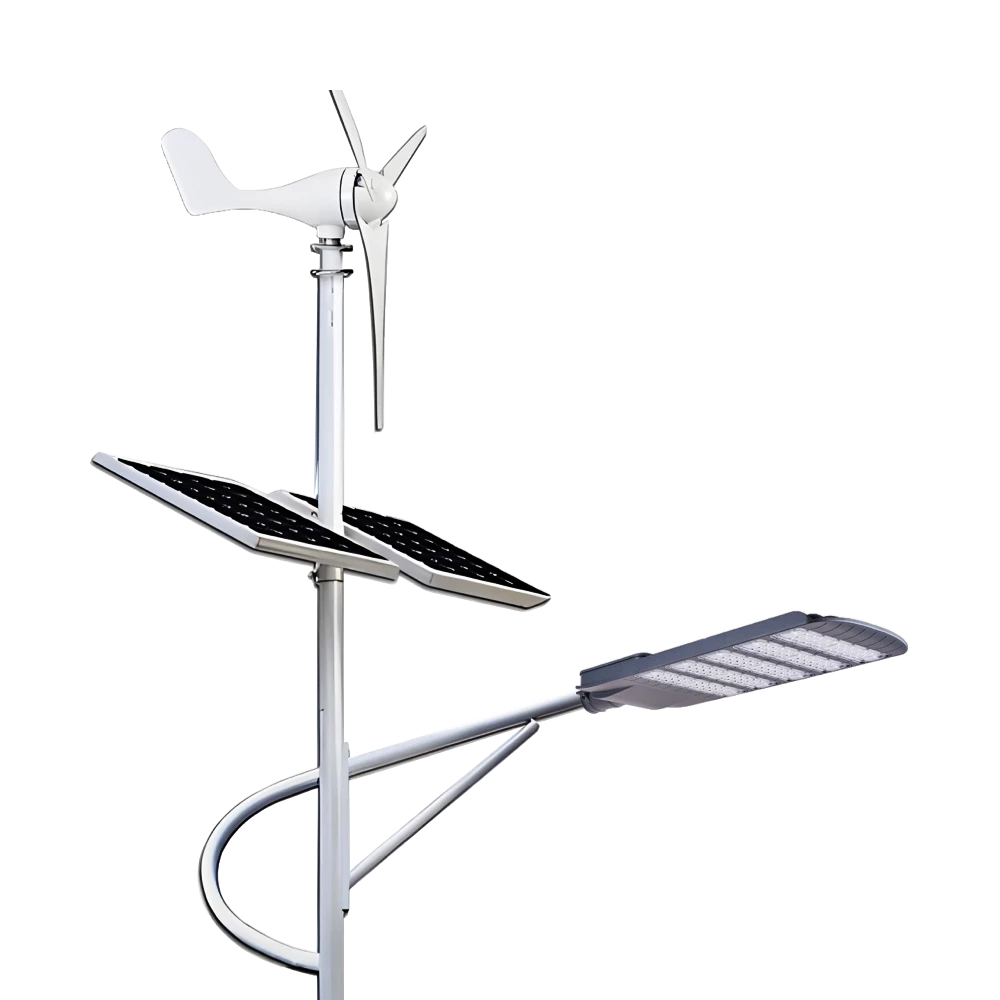
Queneng Lufeng Wind Energy LED Outdoor Solar Street Lights offer high-performance, eco-friendly illumination. These energy-efficient LED street lights harness solar power and wind energy for sustainable, cost-effective outdoor lighting solutions.
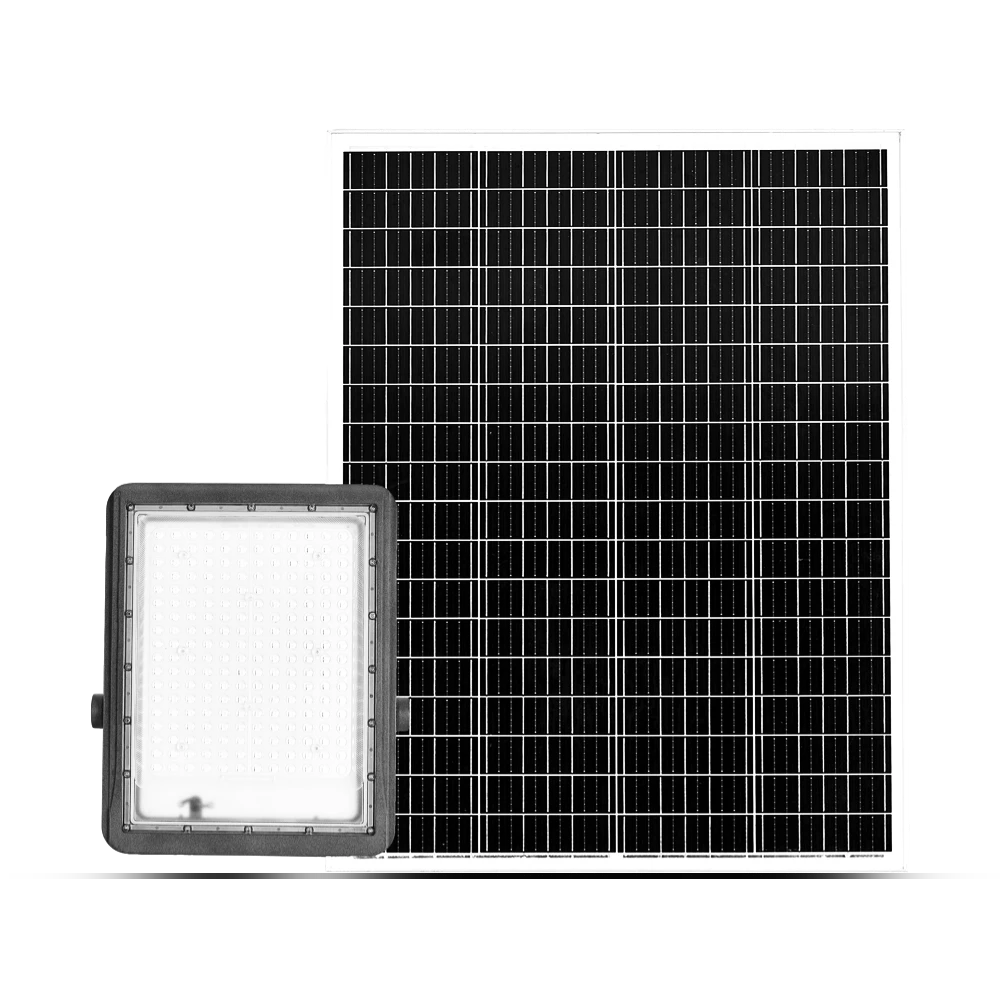
Queneng's Luxian Reliable Solar Street Light offers energy-saving LED lighting for outdoor use. This durable, solar-powered street light provides reliable illumination, reducing energy costs and environmental impact. A perfect solution for sustainable outdoor lighting.
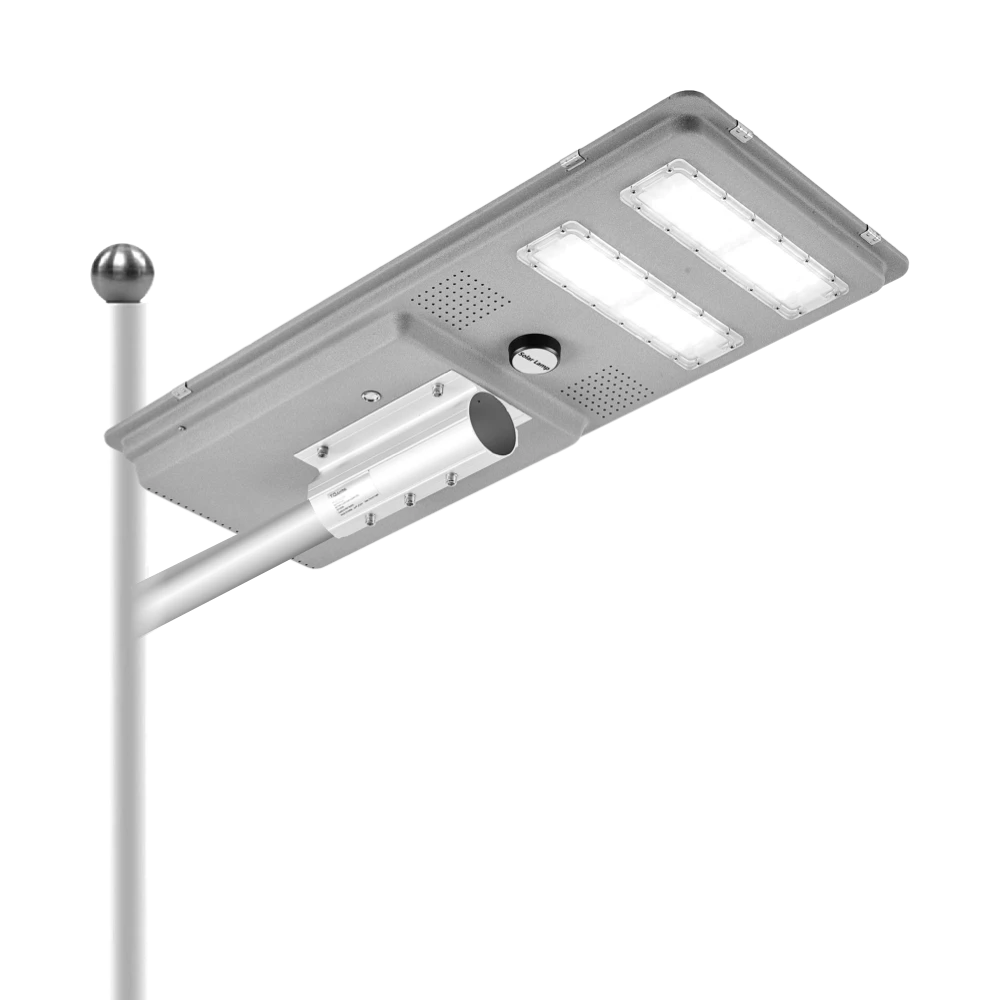
Queneng’s Solar Street Lights are designed to provide reliable, energy-efficient lighting for streets, parks, and other outdoor spaces.
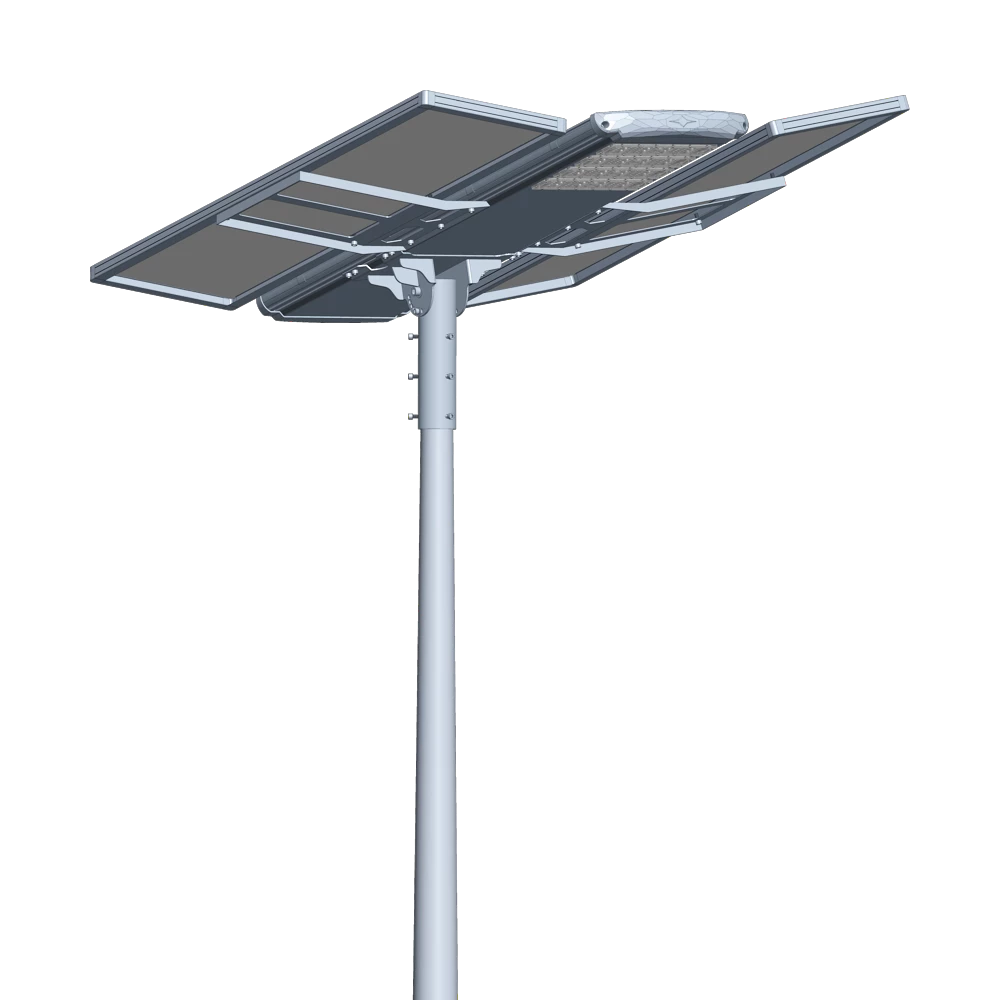
Introducing the Luqing Solar Street Light by Queneng, Efficient LED lighting powered by solar energy is perfect for illuminating outdoor areas. Harness the power of solar energy for sustainable, reliable street lighting. Ideal for eco-friendly, cost-effective outdoor illumination solutions.
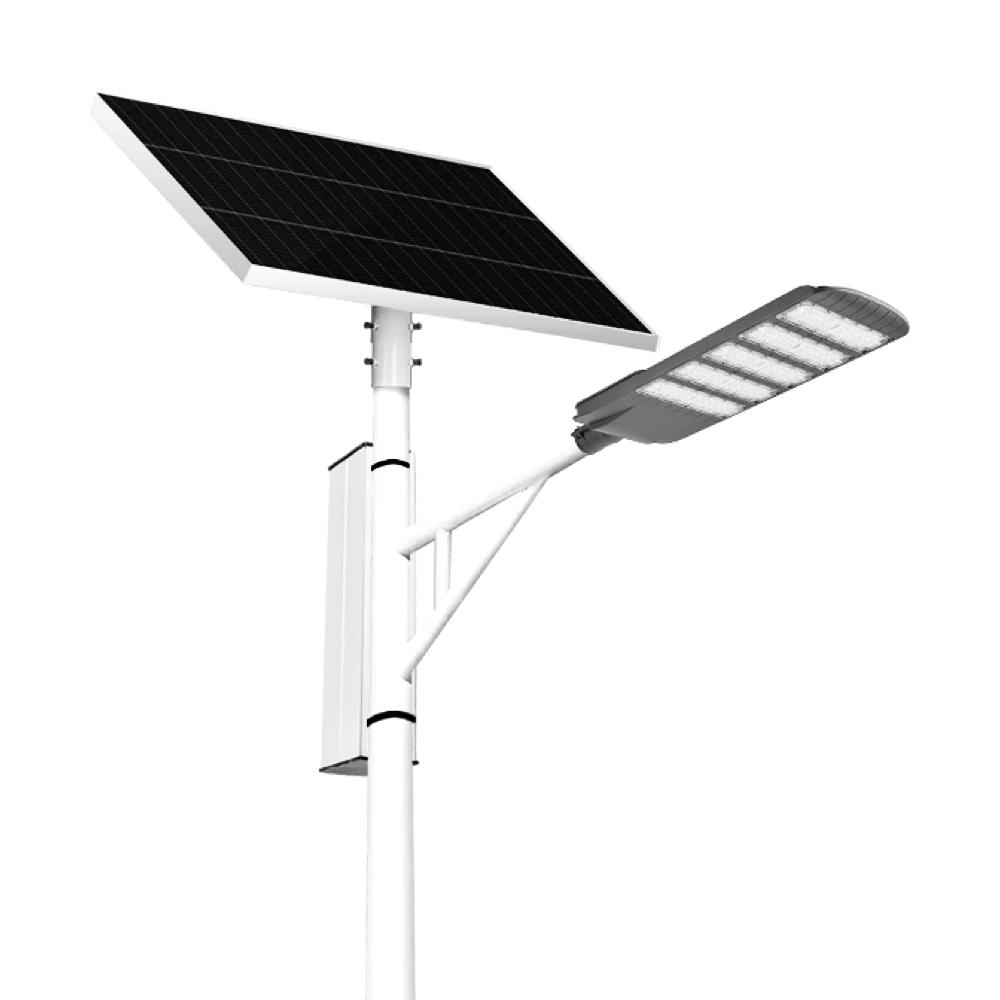
The Solar Streetlights of Luhao for Municipalities are designed to deliver reliable, energy-efficient, and cost-effective public lighting solutions. Equipped with advanced LED technology, durable lithium batteries, and high-efficiency solar panels, these streetlights provide consistent illumination for roads, parks, residential areas, and government projects.
If you would like more information about Queneng solar lighting solutions, please send us a message by filling out the form below. Our professional team will get back to you within 24 hours!
Rest assured that your privacy is important to us, and all information provided will be handled with the utmost confidentiality.
Schedule a Meeting
Book a date and time that is convenient for you and conduct the session in advance.
Have more questions about our products or services?
The messenger of light & power conversion
Environmental protection and intelligent manufacturing are our brand philosophy, and quality assurance and the best user experience are our eternal promises to users.
CONTACT
No.9F, Building F, Cao San Xin Tian Hong Logistics Park, Guzhen Town, Zhongshan City, Guangdong Province, China.
or write [email protected]
WhatsApp: +86 136 2270 1011


