














What ongoing maintenance do solar street lights need?
Understanding Solar Street Lights: Costs, Types, and Maintenance for Procurement Success
Solar street lighting represents a significant leap towards sustainable urban and rural development. For professional buyers and project managers, understanding the intricacies of these systems – from their initial cost to their long-term maintenance and performance – is crucial for making informed procurement decisions. This guide addresses key questions to help you navigate the market effectively.
1. What is the typical cost range for solar street lights, and what factors influence it?
The cost of a solar street light system can vary widely, typically ranging from $150 to over $1,500 per unit, excluding installation. This broad spectrum is influenced by several critical factors:
- LED Wattage and Lumens: Higher brightness (more lumens and wattage) requires larger components, increasing cost. For example, a 30W LED fixture will be less expensive than a 100W fixture.
- Battery Capacity and Type: The battery is one of the most expensive components. Lithium Iron Phosphate (LiFePO4) batteries are preferred for their longer cycle life (2,000-4,000 cycles), safety, and stable performance, but come at a higher price than older Lead-Acid or Lithium-ion variants. Higher capacity (measured in Ah or Wh) for longer autonomy days also increases cost.
- Solar Panel Power: A larger, higher-wattage solar panel (e.g., monocrystalline silicon for better efficiency) is needed to adequately charge the battery, especially in areas with less sunlight or for higher power loads, contributing to higher costs.
- Pole Material and Height: The pole's height (e.g., 6 meters vs. 12 meters), material (galvanized steel, aluminum), and design (tapered, straight) significantly impact the overall price and shipping costs.
- Controller Type: MPPT (Maximum Power Point Tracking) controllers are more efficient than PWM (Pulse Width Modulation) controllers, leading to better energy harvesting but also higher cost.
- Smart Features: Features like PIR motion sensors, adaptive dimming, remote monitoring, and IoT connectivity add functionality and cost.
- Brand and Warranty: Reputable manufacturers offering extensive warranties (e.g., 5-7 years for batteries, 25 years for panels) often have higher prices due to assured quality and support.
2. What are the key differences between All-in-One and Split Solar Street Lights, and which should I choose?
The choice between All-in-One (Integrated) and Split (Separated) solar street lights is fundamental to procurement strategy, each suited for different applications:
- All-in-One (Integrated) Solar Street Lights:
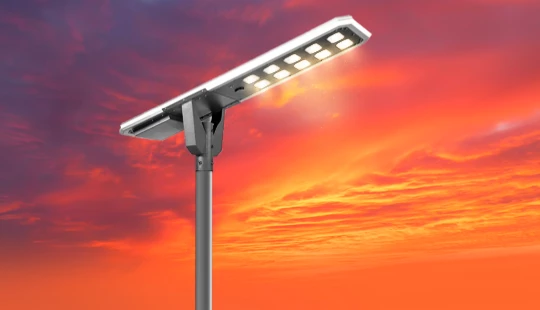
- Design: All components (solar panel, battery, LED lamp, controller) are integrated into a single compact fixture, typically mounted on top of the pole.
- Pros: Easier and quicker installation, lower labor costs, often more aesthetically pleasing due to streamlined design, lower initial purchase price. Ideal for smaller projects, residential areas, pathways.
- Cons: Limited battery and panel size due to integration constraints, which can affect autonomy and power output. Less flexible for panel orientation, as the angle is fixed. Heat management for the battery can be a concern in hot climates.
- Split (Separated) Solar Street Lights:
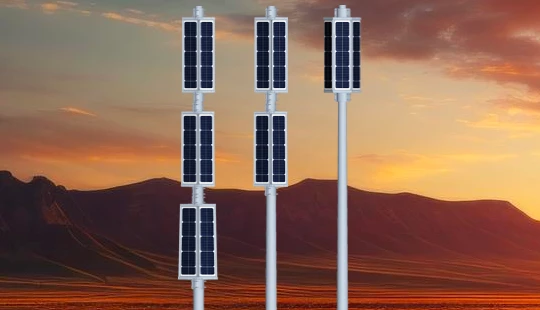
- Design: The solar panel, battery box, and LED fixture are separate units connected by cables. The panel is usually mounted higher or optimally oriented on the pole, and the battery box is often mounted lower on the pole or even buried.
- Pros: Greater flexibility in solar panel positioning to maximize sun exposure, allowing for larger panel sizes and thus higher power output. Can accommodate larger battery capacities for extended autonomy. Better heat management for the battery (especially if buried or mounted separately), leading to longer battery life. More robust for high-power applications, wider roads, or areas with demanding lighting requirements.
- Cons: More complex installation, higher labor costs, more wiring involved, and generally a higher initial purchase price due to more components and separate housing.
Recommendation: For high-power applications, critical infrastructure, areas with variable sun exposure, or projects demanding maximum reliability and longevity, split solar street lights are generally the superior choice due to their modularity and capacity for larger, more robust components. For simpler, smaller-scale projects where ease of installation and lower initial cost are paramount, all-in-one systems can be highly effective.
3. What are the essential components of a high-quality solar street light system?
A truly high-quality solar street light system is more than just a light; it's an engineered solution. Key components to assess during procurement include:
- High-Efficiency Solar Panel: Monocrystalline silicon panels (19-22% efficiency) are preferred for their superior performance in various light conditions and smaller footprint.
- Long-Life LiFePO4 Battery: Crucial for reliability and lifespan. Look for high-cycle ratings (typically >2000 cycles at 80% DOD) and integrated Battery Management Systems (BMS) for protection against overcharge, over-discharge, and temperature fluctuations.
- High-Efficacy LED Lamp: Utilizing reputable LED chips (e.g., Philips Lumileds, Cree) with high lumen output per watt (e.g., >150 lm/W) and excellent thermal management to ensure longevity.
- Smart MPPT Charge Controller: Maximizes power harvesting from the solar panel and protects the battery from overcharging/discharging, extending system life. Intelligent controllers also offer features like dimming, motion sensing, and timer settings.
- Robust Pole and Fixture: Hot-dip galvanized steel or high-grade aluminum poles with appropriate wind load ratings are essential. The lamp fixture should have a high IP rating (e.g., IP65 or IP66) for dust and water resistance.
- Cables and Connectors: UV-resistant, waterproof cables and connectors ensure reliable electrical connections over time.
4. What ongoing maintenance do solar street lights require, and how does it affect their lifespan?
One of the most significant advantages of solar street lights is their minimal maintenance requirements, contributing to lower operational costs over their lifespan. However, some routine tasks are essential:
- Solar Panel Cleaning: Dust, dirt, leaves, and bird droppings can accumulate on the solar panel, reducing its efficiency. Regular cleaning (typically every 6-12 months, or more frequently in dusty environments) with water and a soft brush/cloth is recommended.
- Battery Inspection/Replacement: While LiFePO4 batteries are sealed and maintenance-free, they do have a finite lifespan (5-7+ years, potentially 10+ years with proper management). Regular monitoring (if equipped with remote systems) or periodic physical checks can identify performance degradation. Replacement is the primary maintenance task for batteries.
- Visual Inspection: Periodically check for physical damage to the pole, fixture, wiring, or mounting brackets, especially after severe weather events. Ensure all connections are secure.
- Software/Firmware Updates: For smart systems, occasional software updates might be required to enhance performance or security.
Proper, albeit minimal, maintenance significantly extends the lifespan of the entire system. Neglecting panel cleaning, for instance, directly impacts charging efficiency, potentially leading to reduced battery life and diminished illumination.
5. How do I choose a reliable Solar Street Light Manufacturer?
Selecting the right manufacturer is paramount for project success and long-term reliability. Consider these factors:
- Experience and Reputation: Look for manufacturers with a proven track record, extensive project references, and positive industry feedback.
- R&D and Customization Capabilities: A strong R&D team indicates innovation and the ability to customize solutions for specific project needs (e.g., light distribution, autonomy days, pole design).
- Quality Control and Certifications: Ensure they adhere to international quality standards (ISO 9001) and their products carry relevant certifications (CE, RoHS, IP ratings, IEC).
- Component Sourcing: Inquire about the quality of their internal components (LED chips, batteries, controllers). Do they use reputable brands?
- Warranty and After-Sales Support: A comprehensive warranty for all components (e.g., 25 years for panels, 5-7 years for batteries, 3-5 years for LEDs and controllers) and responsive technical support are crucial.
- Production Capacity: Ensure they can meet your project's volume and timeline requirements without compromising quality.
- Technical Documentation: Availability of detailed datasheets, photometric reports, installation manuals, and testing reports demonstrates professionalism.
6. What are the environmental and economic benefits of implementing solar street lighting?
Investing in solar street lighting offers compelling advantages on multiple fronts:
- Environmental Benefits:
- Reduced Carbon Footprint: Utilizes clean, renewable solar energy, significantly lowering greenhouse gas emissions compared to grid-powered lighting.
- Energy Independence: Reduces reliance on fossil fuels and the grid, contributing to energy security.
- Lower Light Pollution: Many modern solar street lights are designed with cut-off optics that direct light downwards, minimizing light spill and skyglow.
- Economic Benefits:
- Zero Electricity Bills: Eliminates ongoing electricity costs, leading to substantial savings over the system's lifespan.
- Lower Installation Costs (in remote areas): Avoids the expensive trenching and cabling required to extend grid power to remote locations.
- Minimal Maintenance Costs: As discussed, operational costs are significantly reduced.
- Potential Incentives: Many governments offer subsidies, tax credits, or green energy incentives for solar installations, further improving ROI.
- Increased Property Value & Safety: Well-lit areas enhance safety and security, potentially increasing property values and community appeal.
Queneng Lighting: Your Partner for Sustainable Solar Street Lighting Solutions
At Queneng Lighting, we understand the complexities of solar street light procurement and are committed to providing high-quality, reliable, and cost-effective solutions. We leverage extensive R&D and manufacturing expertise to offer a comprehensive range of both All-in-One and Split solar street lights, tailored to meet diverse project requirements.
Our commitment to excellence is reflected in our use of High Quality components – high-efficiency monocrystalline solar panels, long-life LiFePO4 batteries with advanced BMS, and high-efficacy LED chips from global leaders – ensuring optimal performance and longevity. We adhere to stringent quality control standards and hold relevant international certifications. With robust warranties, dedicated after-sales support, and a proven track record of successful global projects, Queneng Lighting is your trusted manufacturer for sustainable and intelligent lighting solutions. Choose Queneng for dependable, professionally engineered solar street lights that deliver long-term value and contribute to a greener future.
References and Data Sources:
- Solar Energy Industries Association (SEIA) - https://www.seia.org/solar-industry-research-data (Accessed: October 26, 2023)
- Energy.gov (U.S. Department of Energy) - https://www.energy.gov/eere/solar/solar-energy-technologies-office (Accessed: October 26, 2023)
- Industry reports on LiFePO4 battery lifespan and efficiency (e.g., from battery manufacturers like CATL, BYD) - (General industry knowledge, specific links vary by report) (Accessed: October 26, 2023)
- Global Solar Street Lighting Market Research Reports (e.g., from Mordor Intelligence, Grand View Research) - (General market trends and cost ranges, specific links vary by report) (Accessed: October 26, 2023)

Have more questions about our products or services?
The latest hot news you might like

Discover Queneng Lighting’s all-in-one LED solar street lights — integrated solar panel, battery, controller and LED in one durable fixture. Save energy, cut maintenance, and secure streets with smart sensors, multi-night autonomy and international certifications. Contact sales for quotes and support.

Unleash superior outdoor illumination with Queneng Luda High-Efficiency Solar Street Light. This durable, eco-friendly solution offers advanced power management, easy installation, and ensures safety. Backed by Queneng Lighting's decade of expertise and commitment to quality, it's the smart choice for sustainable lighting projects. Learn why we're a leading solar solutions provider.

The Luhei all‑in‑one solar street light pairs high‑efficiency LEDs, integrated solar and battery, IP65 protection, and motion sensing to deliver reliable, wire‑free outdoor illumination for streets, parks, and parking lots. Backed by Queneng Lighting’s certifications and support.

FAQ
Solar Street Light Luhui
How much energy can Luhui solar street lights save compared to traditional street lighting?
Luhui solar street lights can save up to 80% in energy costs compared to conventional street lighting, as they use solar power and have energy-efficient LEDs that consume significantly less power than traditional lighting systems.
Commercial and Industrial Parks
Can the solar lights operate during cloudy or rainy days?
Yes, our lights have battery backup systems that ensure functionality for up to 3 days without sunlight.
Batteries and the environment
What are the “green batteries” currently being used and researched?
Battery Performance and Testing
What is high temperature and high humidity test?
After the battery is fully charged, store it under certain temperature and humidity conditions for several days. During the storage process, observe whether there is any leakage.
The high temperature and humidity test for lithium batteries is: (national standard)
Charge the battery with 1C constant current and constant voltage to 4.2V, with a cut-off current of 10mA, and then put it in a constant temperature and humidity box at (40±2)℃ and a relative humidity of 90%-95%. After leaving it for 48h, take the battery out and put it in (20 Leave it aside for 2 hours at ±5)°C. Observe that there should be no abnormality in the appearance of the battery. Then discharge it to 2.75V at a constant current of 1C, and then perform a 1C charge and 1C discharge cycle at (20±5)°C until the discharge capacity Not less than 85% of the initial capacity, but the number of cycles should not be more than 3 times.
What is pulse charging? What impact does it have on battery performance?
Split Solar Street Light
Is split solar street light installation more complicated?
Slightly more steps, but no special tools required, and flexibility often simplifies complex sites.
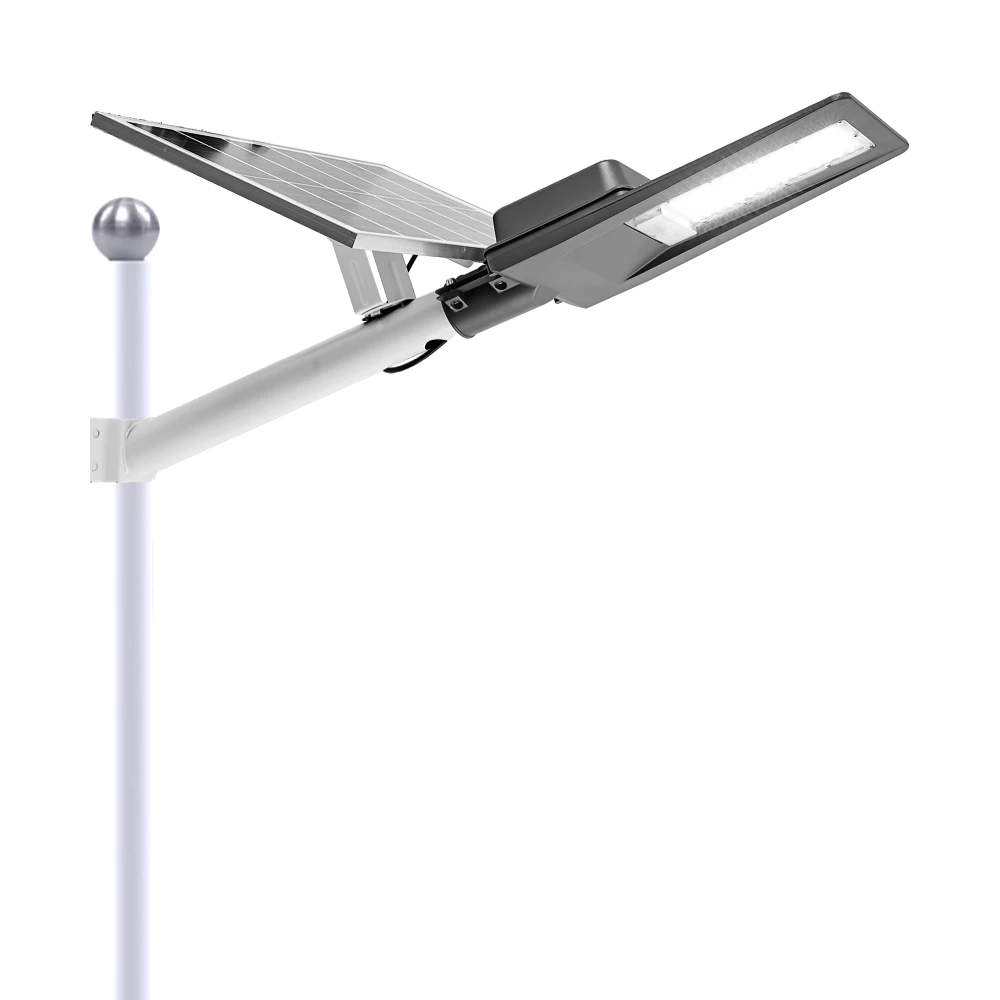
Experience reliable outdoor illumination with our smart solar street light, a perfect combination of advanced technology and eco-conscious design.
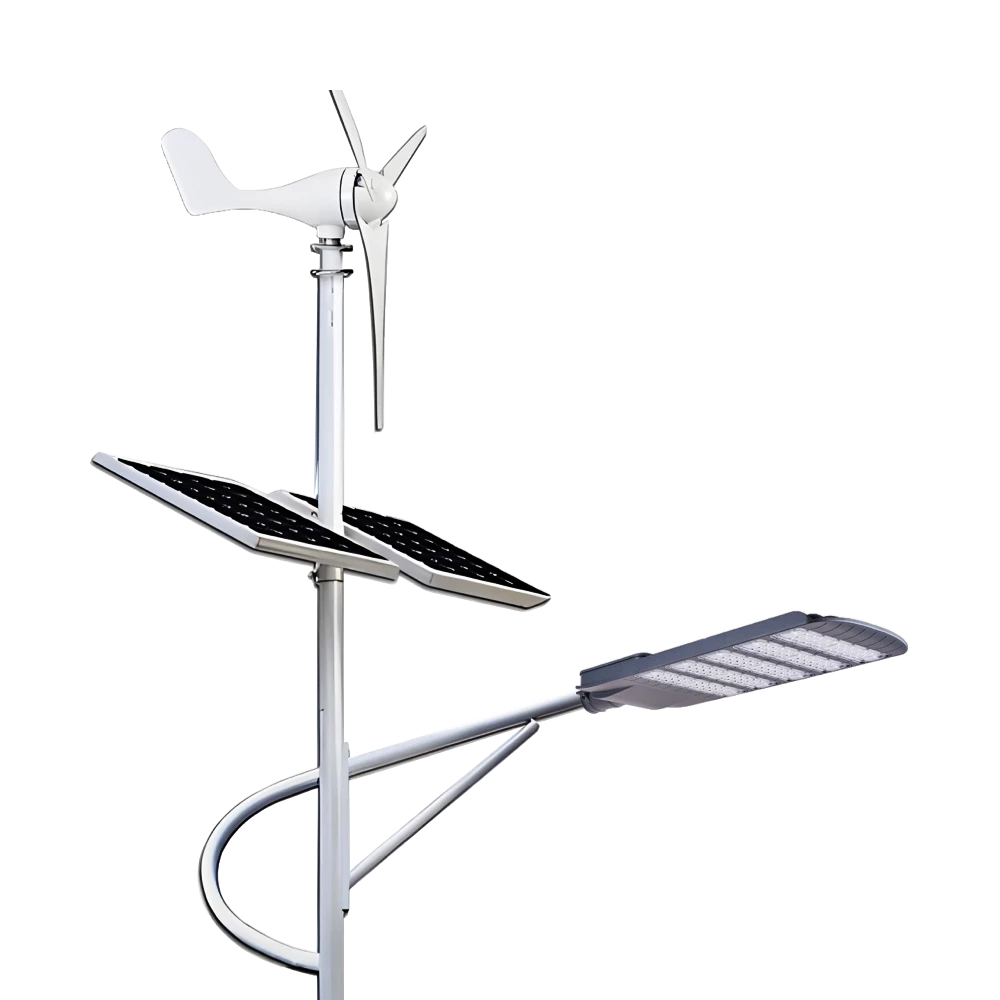
Queneng Lufeng Wind Energy LED Outdoor Solar Street Lights offer high-performance, eco-friendly illumination. These energy-efficient LED street lights harness solar power and wind energy for sustainable, cost-effective outdoor lighting solutions.
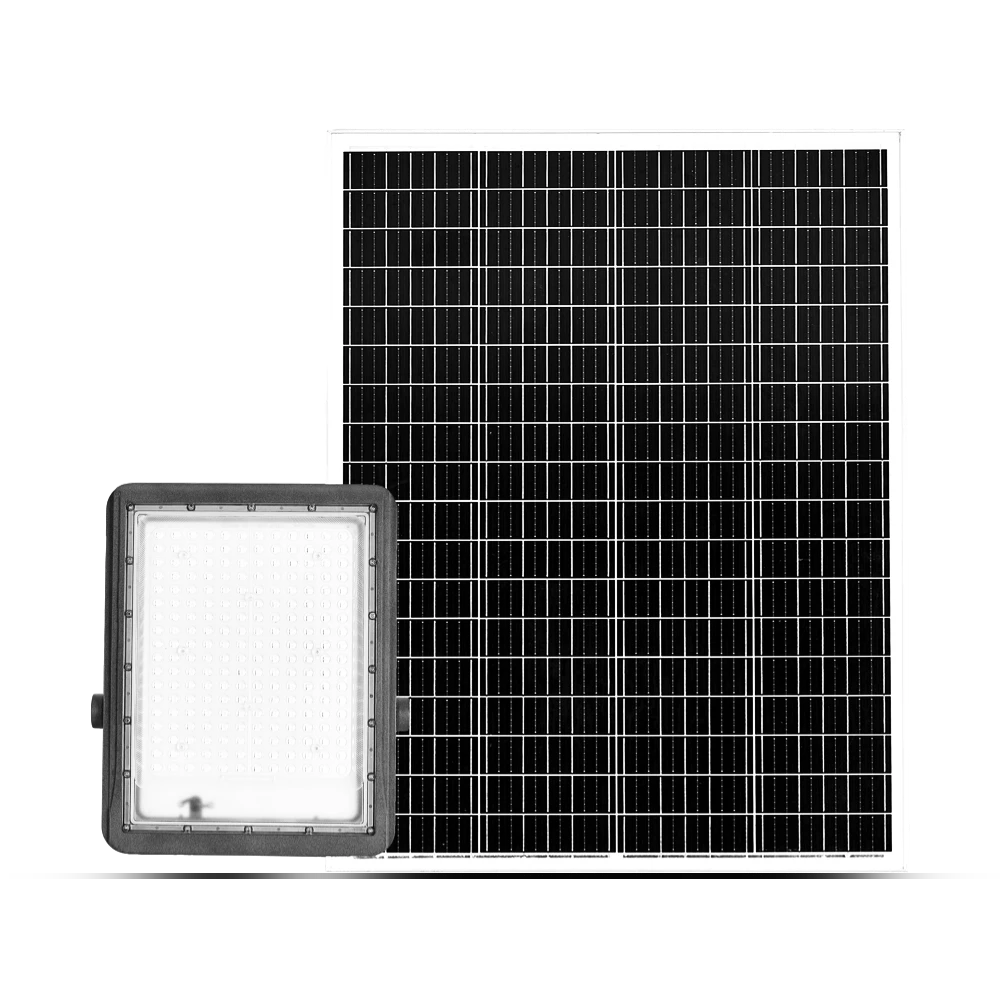
Queneng's Luxian Reliable Solar Street Light offers energy-saving LED lighting for outdoor use. This durable, solar-powered street light provides reliable illumination, reducing energy costs and environmental impact. A perfect solution for sustainable outdoor lighting.
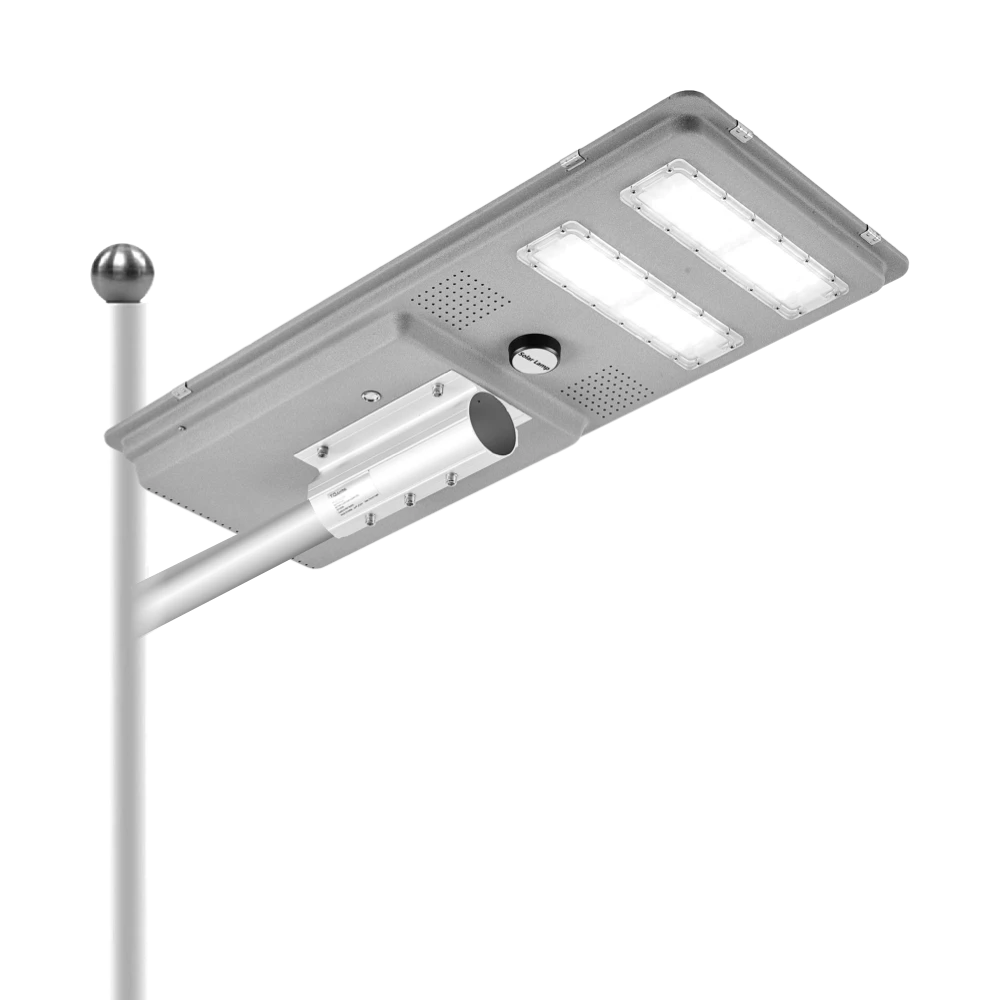
Queneng’s Solar Street Lights are designed to provide reliable, energy-efficient lighting for streets, parks, and other outdoor spaces.
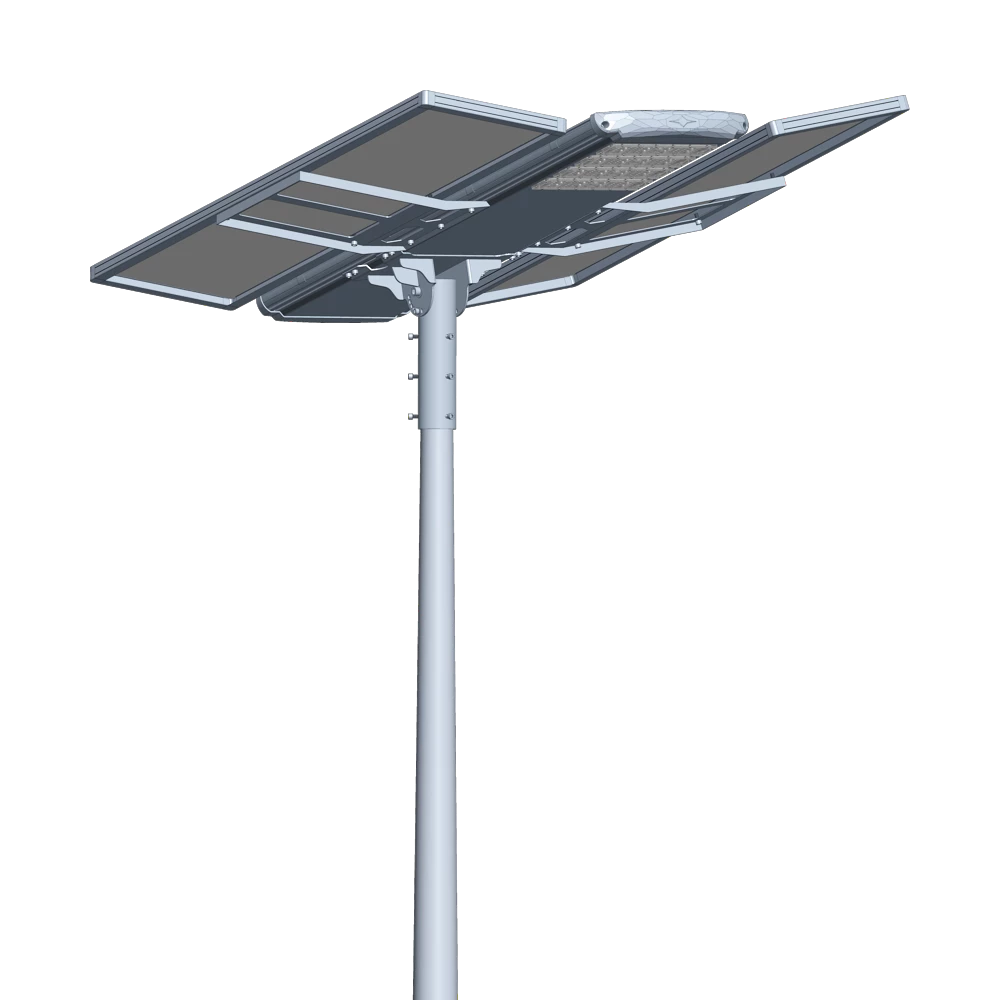
Introducing the Luqing Solar Street Light by Queneng, Efficient LED lighting powered by solar energy is perfect for illuminating outdoor areas. Harness the power of solar energy for sustainable, reliable street lighting. Ideal for eco-friendly, cost-effective outdoor illumination solutions.
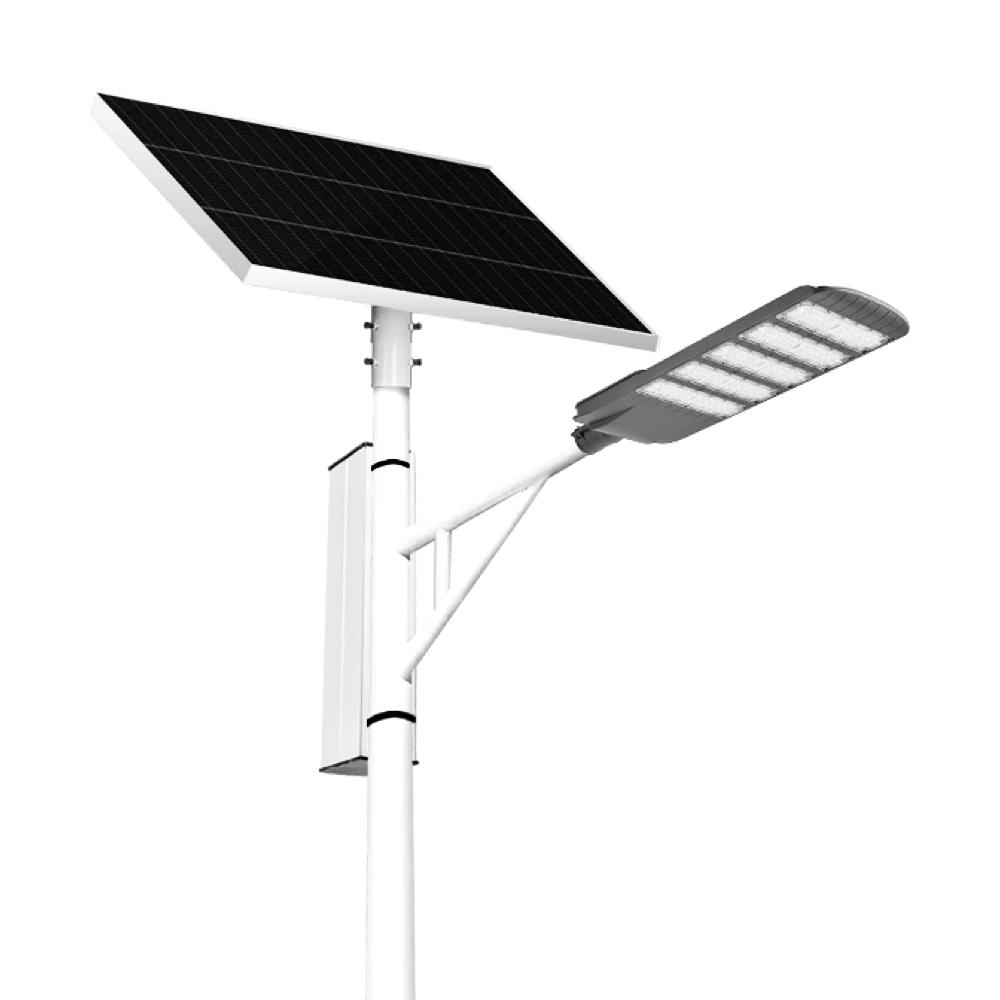
The Solar Streetlights of Luhao for Municipalities are designed to deliver reliable, energy-efficient, and cost-effective public lighting solutions. Equipped with advanced LED technology, durable lithium batteries, and high-efficiency solar panels, these streetlights provide consistent illumination for roads, parks, residential areas, and government projects.
If you would like more information about Queneng solar lighting solutions, please send us a message by filling out the form below. Our professional team will get back to you within 24 hours!
Rest assured that your privacy is important to us, and all information provided will be handled with the utmost confidentiality.
Schedule a Meeting
Book a date and time that is convenient for you and conduct the session in advance.
Have more questions about our products or services?
The messenger of light & power conversion
Environmental protection and intelligent manufacturing are our brand philosophy, and quality assurance and the best user experience are our eternal promises to users.
CONTACT
No.9F, Building F, Cao San Xin Tian Hong Logistics Park, Guzhen Town, Zhongshan City, Guangdong Province, China.
or write [email protected]
WhatsApp: +86 136 2270 1011


