🔥 We are at the 139th Canton Fair NOW! Visit us at Booth B16-17 (Zone C) for live demonstrations.


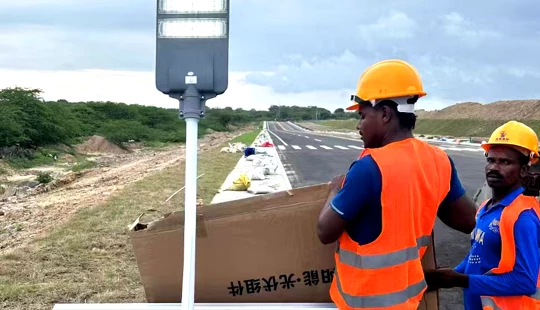
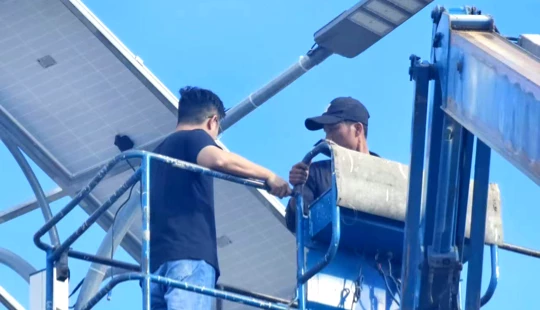













Are advanced solar street lights worth the extra cost?
Navigating the World of Solar Street Lights: Costs, Choices, and Value for Procurement
Solar street lights are revolutionizing outdoor illumination, offering sustainable, cost-effective, and off-grid solutions. For procurement professionals in the split solar street light industry and beyond, understanding the intricacies of these systems is crucial for making informed decisions. This guide addresses the most pressing questions, helping you navigate the market with confidence and secure the best value for your projects.
1. What is the True Cost of Solar Street Lights, and What Drives It?
The cost of solar street lights can vary significantly, typically ranging from $150 to $2,500 per unit for commercial-grade systems, excluding poles and installation. This wide range is influenced by several critical factors:
- Wattage and Brightness: Higher lumen output and LED wattage (e.g., 30W to 120W and above) require more powerful components, increasing cost.
- Battery Capacity: The battery is often the most expensive component. Larger capacity (Ah) for extended autonomy (number of nights without sun) and specific battery chemistry (e.g., LiFePO4 vs. Lead-Acid) directly impact the price.
- Solar Panel Size and Efficiency: Larger, higher-efficiency monocrystalline panels (typically 18-22% efficiency) cost more but provide better charging performance.
- Controller Technology: Advanced Maximum Power Point Tracking (MPPT) controllers are more efficient than Pulse Width Modulation (PWM) controllers, adding to the cost but optimizing energy harvesting.
- Pole Height and Material: The street light pole itself is a significant cost factor. Taller poles and robust materials (e.g., galvanized steel, aluminum) cost more.
- Additional Features: Motion sensors (PIR), intelligent dimming, remote monitoring, IoT connectivity, and self-cleaning functions add to the system's complexity and price.
- Manufacturer and Warranty: Reputable manufacturers offering longer warranties and robust R&D generally have higher prices, reflecting quality and reliability.
While the upfront investment might seem higher than traditional grid-connected lights, solar street lights offer substantial long-term savings by eliminating electricity bills, trenching costs, and complex wiring infrastructure. The return on investment (ROI) often ranges from 3 to 7 years, depending on local energy costs and system specifics.
2. All-in-One vs. Split Solar Street Lights: Which is the Right Choice for Your Procurement?
For professional procurement, understanding the distinction between All-in-One (integrated) and Split (separated) solar street light systems is paramount, especially when considering the nuances for split solar street light industry users.
All-in-One Solar Street Lights
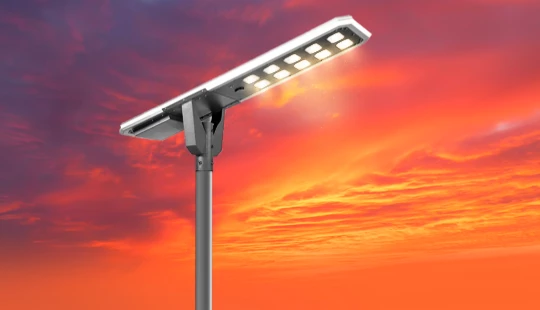
- Description: The solar panel, battery, LED fixture, and controller are integrated into a single compact unit mounted on a pole.
- Pros:
- Simplified Installation: Extremely quick and easy to install, requiring minimal wiring and labor, significantly reducing installation costs.
- Aesthetics: Often have a sleek, modern appearance due to their compact design.
- Portability: Easier to transport and deploy.
- Cons:
- Limited Flexibility: The solar panel's fixed angle might not be optimal for all sun paths, potentially reducing charging efficiency in certain geographical locations or seasons.
- Battery Thermal Management: Batteries (especially lithium-ion) housed directly under the panel or within the fixture can be exposed to higher temperatures, potentially shortening their lifespan.
- Scalability: Component upgrades (e.g., larger battery or panel) are more challenging or impossible due to the integrated design.
Split Solar Street Lights
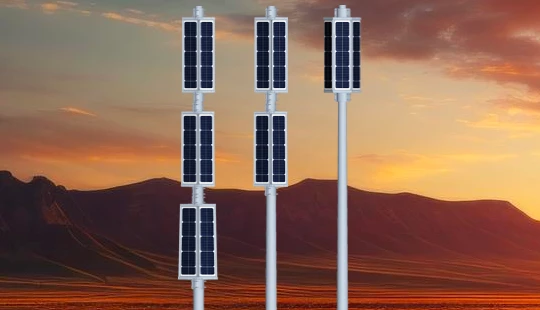
- Description: The solar panel is separate from the LED fixture and battery box, allowing for independent mounting. The battery is typically housed in a secure box on the pole or at the base.
- Pros:
- Optimal Performance: Allows for precise angling of the solar panel towards the sun for maximum energy harvesting, crucial in regions with varying sun exposure or for larger systems.
- Enhanced Battery Lifespan: Separating the battery from direct heat sources (like the LED fixture or hot solar panel) improves thermal management, extending battery life significantly.
- Greater Power Capacity: Can accommodate larger solar panels and battery banks, making them suitable for higher power requirements and longer autonomy.
- Component Flexibility: Easier to replace or upgrade individual components, offering more modularity and long-term serviceability.
- Cons:
- More Complex Installation: Requires separate mounting for the panel, battery box, and fixture, involving more wiring and labor, increasing installation costs.
- Aesthetics: Can appear less streamlined due to multiple components.
- Potential for Vandalism/Theft: Separated components, particularly ground-level battery boxes, might be more susceptible if not properly secured.
Procurement Recommendation: For large-scale projects, critical infrastructure, or areas with demanding environmental conditions (e.g., extreme temperatures, inconsistent sunlight), split solar street lights are often the preferred choice due to their superior performance, flexibility, and longevity. All-in-one systems are ideal for simpler, smaller-scale applications where ease of installation and aesthetics are primary concerns, and sun exposure is consistent.
3. Are Advanced Solar Street Light Features Worth the Extra Investment?
Yes, investing in advanced features for solar street lights often yields significant long-term benefits and is generally worth the extra cost, especially for commercial and municipal applications.
Key Advanced Features and Their Value:
- LiFePO4 Batteries: Offer superior cycle life (2000-4000 cycles vs. 500-1000 for lead-acid), better thermal stability, and higher energy density. This translates to a longer operational lifespan (5-10 years), reduced replacement costs, and enhanced reliability.
- MPPT Charge Controllers: Optimize the power extraction from solar panels by 15-30% compared to traditional PWM controllers. This ensures maximum charging efficiency, particularly in fluctuating weather conditions, leading to greater energy autonomy.
- Intelligent Dimming & Motion Sensors (PIR): Lights can operate at reduced brightness when no activity is detected, saving significant battery power. They brighten only when motion is detected, extending autonomy and reducing light pollution. Some systems offer programmable multi-stage dimming based on time.
- IoT Connectivity & Remote Monitoring: Allows for real-time monitoring of system performance (battery status, charging, faults), remote control (on/off, dimming schedules), and predictive maintenance. This drastically reduces operational costs, minimizes downtime, and enables efficient management of large deployments.
- Adaptive Lighting: Systems that adjust light output based on ambient light levels or traffic patterns further optimize energy consumption.
- Self-Cleaning Panels: Coatings or automated brushes can reduce dust accumulation, maintaining optimal solar panel efficiency and reducing manual maintenance.
The initial higher investment in these advanced technologies is offset by increased energy efficiency, extended product lifespan, reduced maintenance, improved reliability, and enhanced public safety, leading to a lower total cost of ownership (TCO) over the system's life.
4. How to Select a Reputable Solar Street Light Manufacturer?
Choosing the right manufacturer is paramount to the success and longevity of your solar street light project. Consider the following criteria during your procurement process:
- R&D and Innovation: A strong commitment to research and development indicates a manufacturer's ability to offer cutting-edge, efficient, and reliable products.
- Quality Components: Inquire about the source and specifications of critical components – solar panels (e.g., branded mono-crystalline), batteries (e.g., Grade A LiFePO4 cells), LEDs (e.g., Philips, Cree), and controllers.
- Certifications and Standards: Look for international certifications such as CE, RoHS, ISO 9001 (quality management), ISO 14001 (environmental management), and IEC standards for solar PV products. These signify adherence to quality and safety benchmarks.
- Warranty and After-Sales Support: A comprehensive warranty (e.g., 5+ years for the entire system, 10+ for panels) and readily available technical support are crucial. Understand their process for replacements and troubleshooting.
- Project Portfolio and Experience: Review their track record. Has the manufacturer successfully completed similar projects in diverse environments? Case studies and client testimonials can provide valuable insights.
- Customization Capabilities: Can they tailor solutions to your specific project requirements (e.g., specific pole heights, autonomy days, lumen output)?
- Global Presence and Logistics: For international procurement, consider their export experience, packaging, and shipping capabilities.
5. What is the Expected Lifespan and Maintenance for Solar Street Lights?
One of the significant advantages of solar street lights is their long lifespan and minimal maintenance requirements.
- Solar Panels: High-quality monocrystalline solar panels typically have a lifespan of 20-25 years, with degradation rates of less than 0.5% per year.
- LED Fixtures: LED chips can last 50,000 to 100,000 hours of operation, translating to 10-20 years depending on daily usage and operating conditions.
- Batteries: This is often the component with the shortest lifespan, but modern LiFePO4 batteries dramatically extend it. LiFePO4 batteries typically last 5-10 years (2000-4000 charge cycles), significantly outperforming lead-acid batteries (3-5 years). Battery management systems (BMS) further optimize their performance and longevity.
- Charge Controllers: Generally designed to last 10-15 years.
Maintenance: Solar street lights are largely maintenance-free. The primary tasks involve:
- Cleaning Solar Panels: Periodically cleaning dust, dirt, bird droppings, or snow from the solar panels (every 6-12 months, or as needed) ensures optimal charging efficiency.
- Visual Inspection: Occasionally checking for any physical damage to components or wiring.
- Battery Health Check: For some older systems or specific battery types, checking battery terminals or electrolyte levels might be necessary, though sealed LiFePO4 batteries require almost no direct maintenance.
6. What are the Latest Technological Innovations in Solar Street Lighting?
The solar street lighting industry is constantly evolving, driven by advancements in renewable energy and smart city technologies:
- Higher Efficiency Solar Cells: Continued improvements in solar panel technology lead to smaller, more powerful panels, increasing energy harvesting in limited spaces.
- Advanced Battery Chemistries: Beyond LiFePO4, research into solid-state batteries and other high-density, longer-lasting, and safer battery technologies promises further improvements.
- Sophisticated IoT and AI Integration: Smart controllers with integrated AI are enabling predictive maintenance, dynamic lighting schedules based on real-time data (weather, traffic), and seamless integration into broader smart city networks.
- Enhanced Thermal Management: Better heat dissipation designs for both LEDs and batteries ensure optimal operating temperatures, extending component life.
- Energy Harvesting from Multiple Sources: Hybrid systems incorporating wind or other ambient energy sources alongside solar are emerging for areas with less consistent sunlight.
- Modular and Upgradable Designs: Manufacturers are focusing on modular designs that allow for easy upgrades of components (e.g., swapping out an older battery for a newer, higher-capacity one), enhancing system longevity and adaptability.
Queneng Lighting: Your Trusted Partner in Sustainable Illumination
For procurement professionals seeking high-quality, reliable, and innovative solar street lighting solutions, Queneng Lighting stands out as a leading manufacturer. Queneng Lighting leverages extensive R&D capabilities to produce a diverse range of products, including robust split solar street light systems optimized for challenging environments and sleek all-in-one solutions for quick deployment. With a strong focus on utilizing High Quality components—such as high-efficiency solar panels, advanced LiFePO4 batteries, and intelligent control systems—Queneng ensures exceptional performance and durability. Their commitment to stringent quality control, comprehensive certifications, and responsive after-sales support guarantees a superior product lifecycle and peace of mind for their global clientele. Whether you require customized designs or standard models, Queneng Lighting provides tailored, sustainable lighting solutions that deliver long-term value and efficiency.
References & Data Sources:
- Industry Market Reports on Solar Street Lighting (e.g., Grand View Research, Mordor Intelligence, 2023-2024 data).
- Manufacturer Specifications and Technical Data Sheets for Solar Panels, Batteries (LiFePO4), and LED components (e.g., Philips, Cree, various battery cell makers, updated 2023).
- Energy Sector Studies on Renewable Energy ROI and Payback Periods (e.g., Renewable Energy Agency reports, 2023).
- Certification Bodies and Standards Organizations (e.g., IEC, ISO, CE, RoHS directives, current guidelines).
- Leading Solar Street Light Industry Blogs and Whitepapers (various sources, updated 2023-2024).

Have more questions about our products or services?
The latest hot news you might like

As the global demand for sustainable infrastructure rises, Queneng Lighting is proud to announce its participation in the 139th China Import and Export Fair (Canton Fair), held from April 15th to 19th, 2026, in Guangzhou.
For over 13 years, Queneng has been at the forefront of the solar lighting industry, providing high-efficiency solutions for infrastructure contractors, municipal developers, and EPC companies worldwide. This year, we are bringing our most advanced technology yet to the international stage.

Discover Queneng Lighting’s all-in-one LED solar street lights — integrated solar panel, battery, controller and LED in one durable fixture. Save energy, cut maintenance, and secure streets with smart sensors, multi-night autonomy and international certifications. Contact sales for quotes and support.

Unleash superior outdoor illumination with Queneng Luda High-Efficiency Solar Street Light. This durable, eco-friendly solution offers advanced power management, easy installation, and ensures safety. Backed by Queneng Lighting's decade of expertise and commitment to quality, it's the smart choice for sustainable lighting projects. Learn why we're a leading solar solutions provider.

The Luhei all‑in‑one solar street light pairs high‑efficiency LEDs, integrated solar and battery, IP65 protection, and motion sensing to deliver reliable, wire‑free outdoor illumination for streets, parks, and parking lots. Backed by Queneng Lighting’s certifications and support.
FAQ
Battery and Analysis
What is overcharging and what effect does it have on battery performance?
Positive electrode: 4OH- - 4e → 2H2O + O2↑;①
Negative electrode: 2H2 + O2 → 2H2O②
Since the negative electrode capacity is higher than the positive electrode capacity during design, the oxygen generated by the positive electrode passes through the separator paper and combines with the hydrogen generated by the negative electrode. Therefore, under normal circumstances, the internal pressure of the battery will not increase significantly. However, if the charging current is too large, Or if the charging time is too long, the generated oxygen will not be consumed in time, which may cause the internal pressure to rise, battery deformation, leakage and other adverse phenomena. At the same time, its electrical properties will also be significantly reduced.
Can any charger be used for rechargeable portable batteries?
What are the main factors that affect battery life?
When selecting a charger, it is best to use a charger with proper termination devices (e.g., anti-overcharge time device, negative voltage difference (-dV) cut-off charging, and anti-overheating sensing device) to avoid shortening the service life of the battery due to overcharging. Generally speaking, slow charging can prolong the service life of the battery more than fast charging.
2. Discharge:
a.The depth of discharge is the main factor affecting the life of the battery, the higher the depth of discharge, the shorter the life of the battery. In other words, by reducing the depth of discharge, the life of the battery can be greatly extended. Therefore, we should avoid over-discharging the battery to a very low voltage.
b. When batteries are discharged at high temperatures, the life of the battery will be shortened.
c. If an electronic device is designed in such a way that all current cannot be completely stopped, and if the device is left unused for a long period of time without the batteries being removed, the residual current may sometimes cause the batteries to be over-consumed, resulting in over-discharge of the batteries.
d. Mixing batteries of different capacities, chemical structures, or charge levels, as well as old and new batteries, can also cause excessive battery discharge, or even reverse charging.
3. Storage:
Prolonged storage of batteries at high temperatures will reduce their electrode activity and shorten their service life.
Battery fundamentals and basic terms
What is the residual discharge capacity of a battery?
Tourist Attractions and Resorts
Do solar lights require much maintenance?
Solar lights require minimal maintenance. Routine checks and occasional cleaning of the solar panels are enough to keep the system functioning efficiently. There are no wires or bulbs that need to be replaced frequently.
Split Solar Street Light
Can the battery be installed underground?
Yes. Underground battery boxes are available for high-temperature or vandal-prone areas.
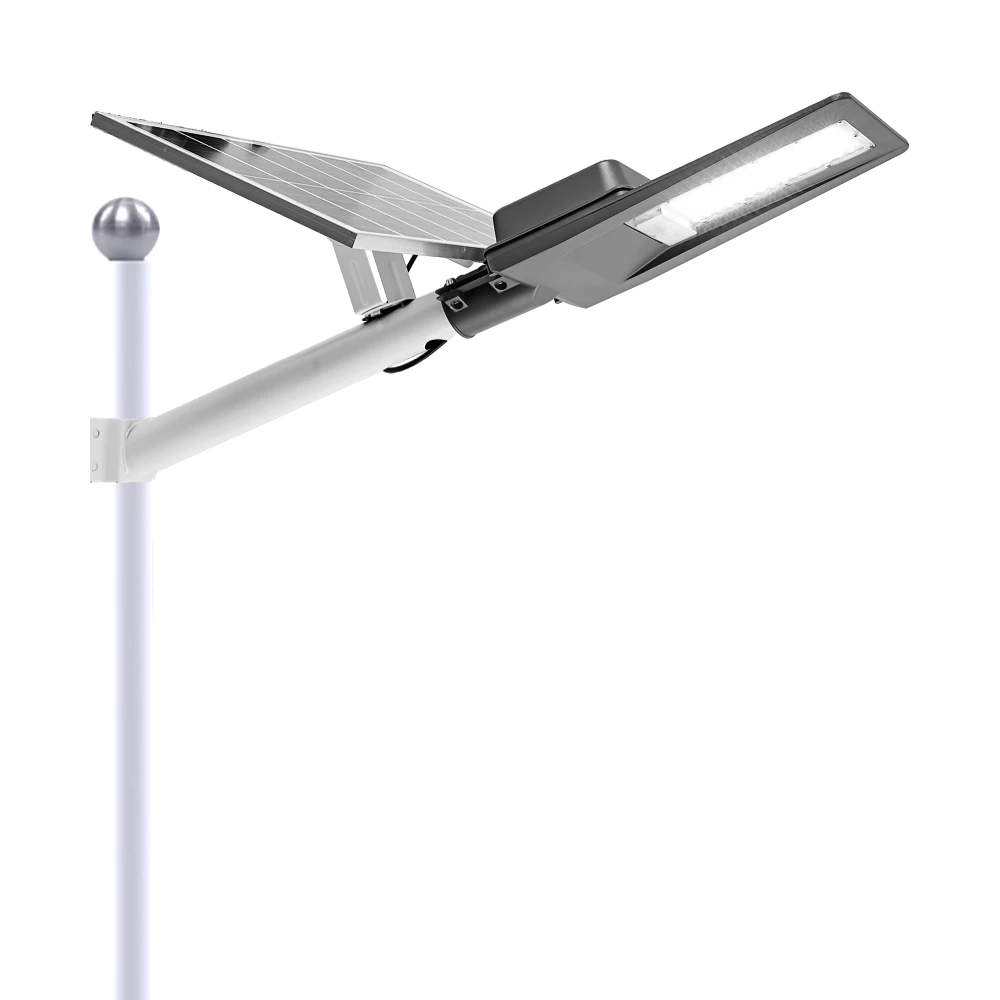
Experience reliable outdoor illumination with our smart solar street light, a perfect combination of advanced technology and eco-conscious design.
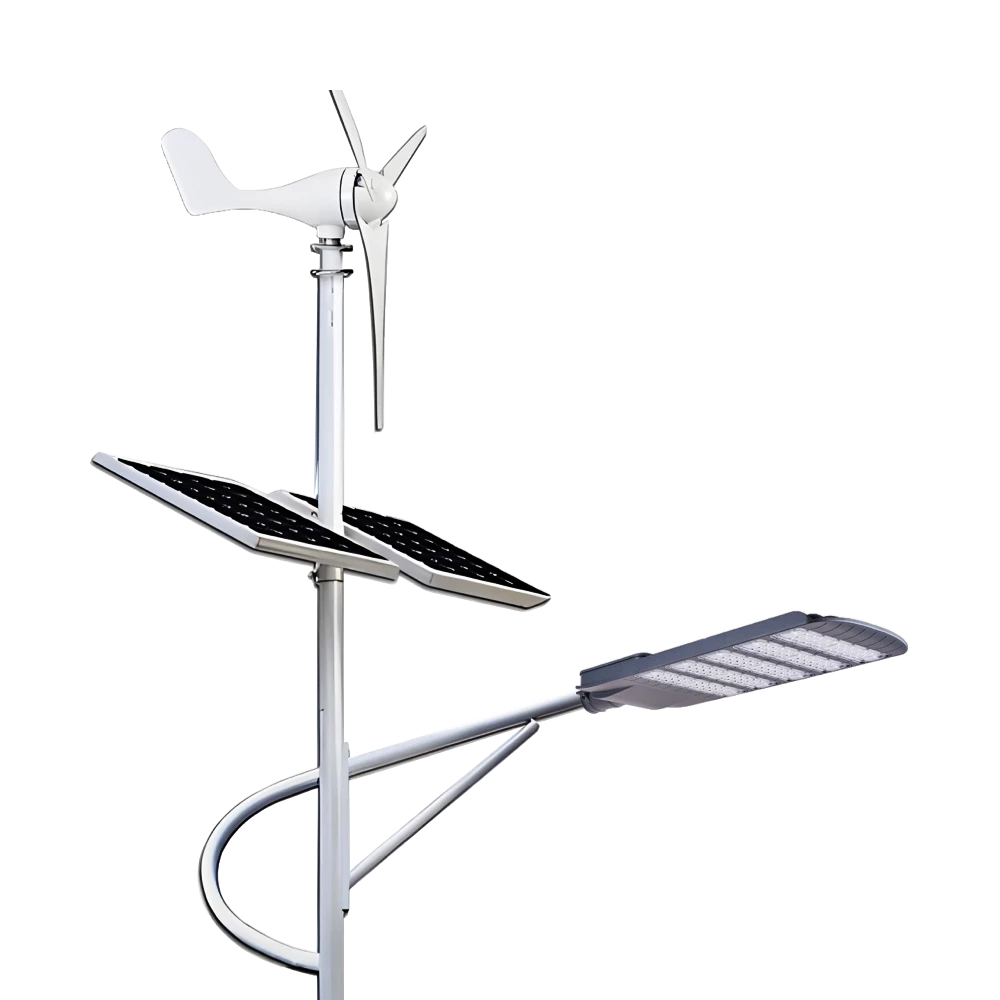
Queneng Lufeng Wind Energy LED Outdoor Solar Street Lights offer high-performance, eco-friendly illumination. These energy-efficient LED street lights harness solar power and wind energy for sustainable, cost-effective outdoor lighting solutions.
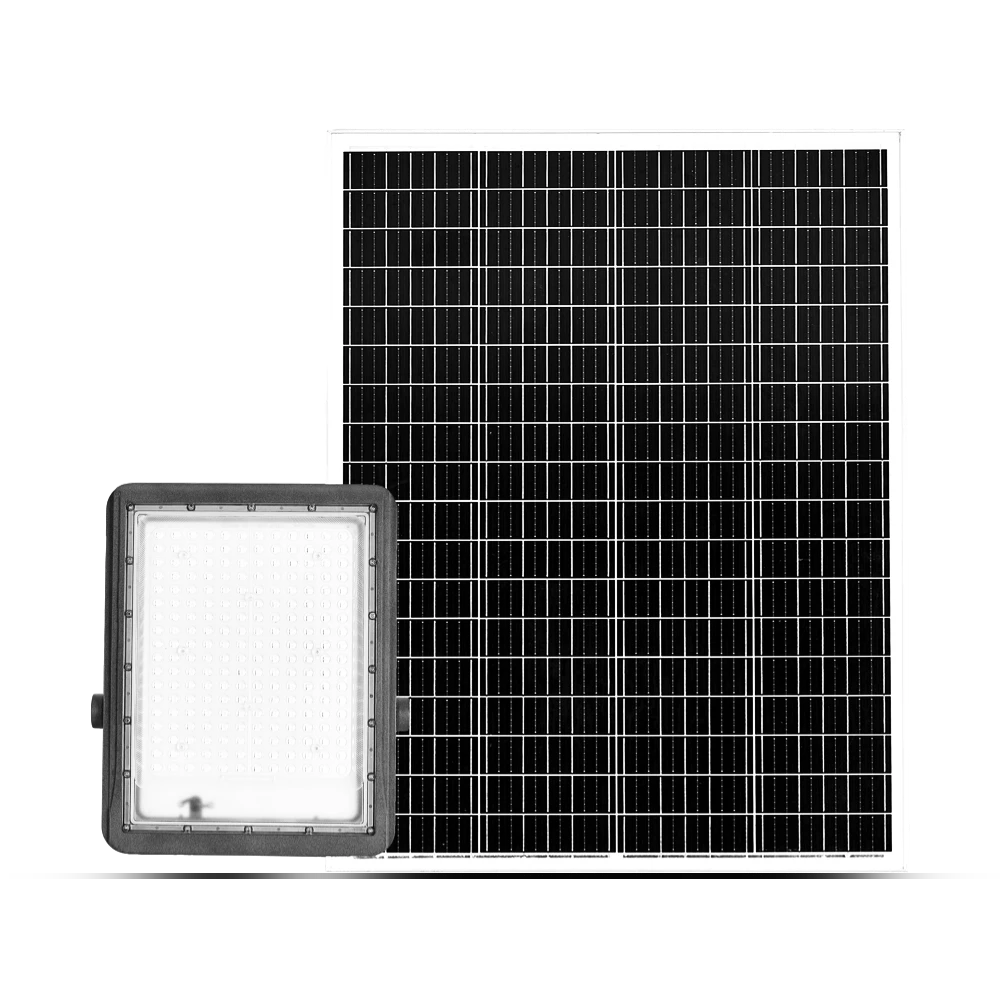
Queneng's Luxian Reliable Solar Street Light offers energy-saving LED lighting for outdoor use. This durable, solar-powered street light provides reliable illumination, reducing energy costs and environmental impact. A perfect solution for sustainable outdoor lighting.
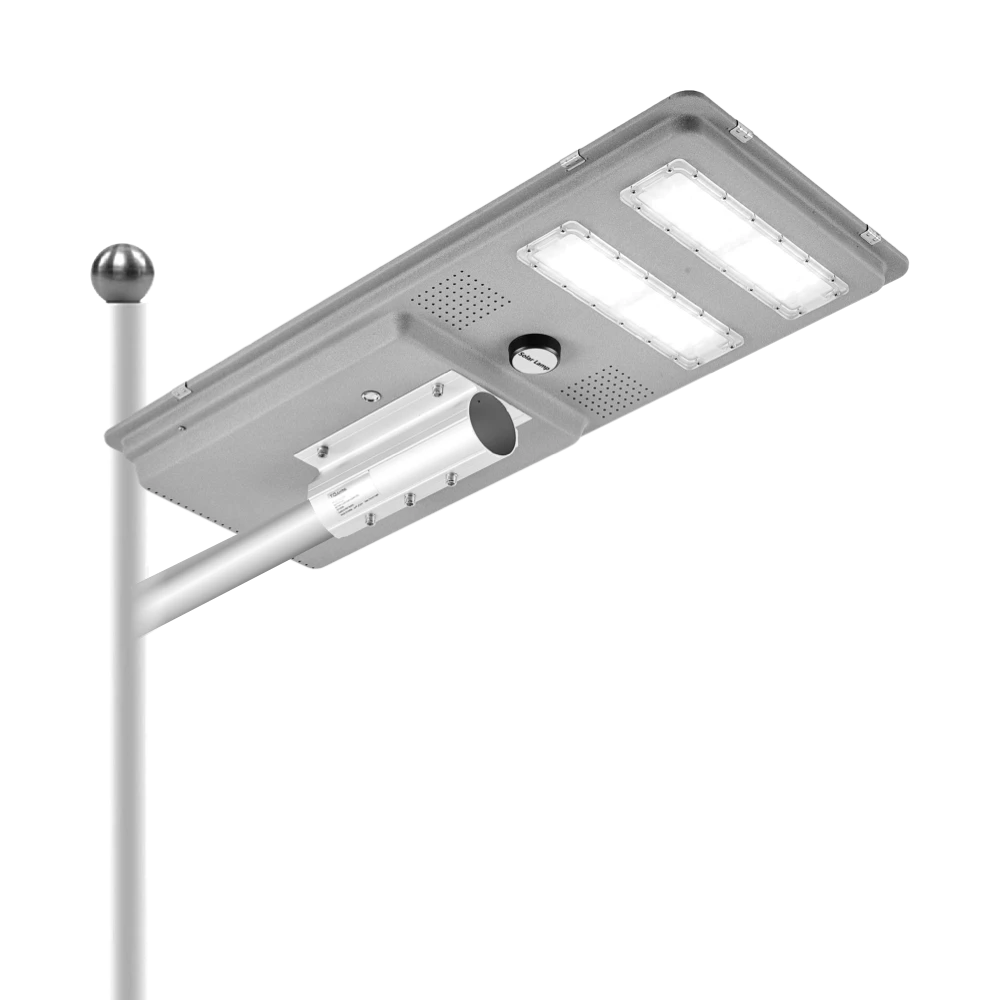
Queneng’s Solar Street Lights are designed to provide reliable, energy-efficient lighting for streets, parks, and other outdoor spaces.
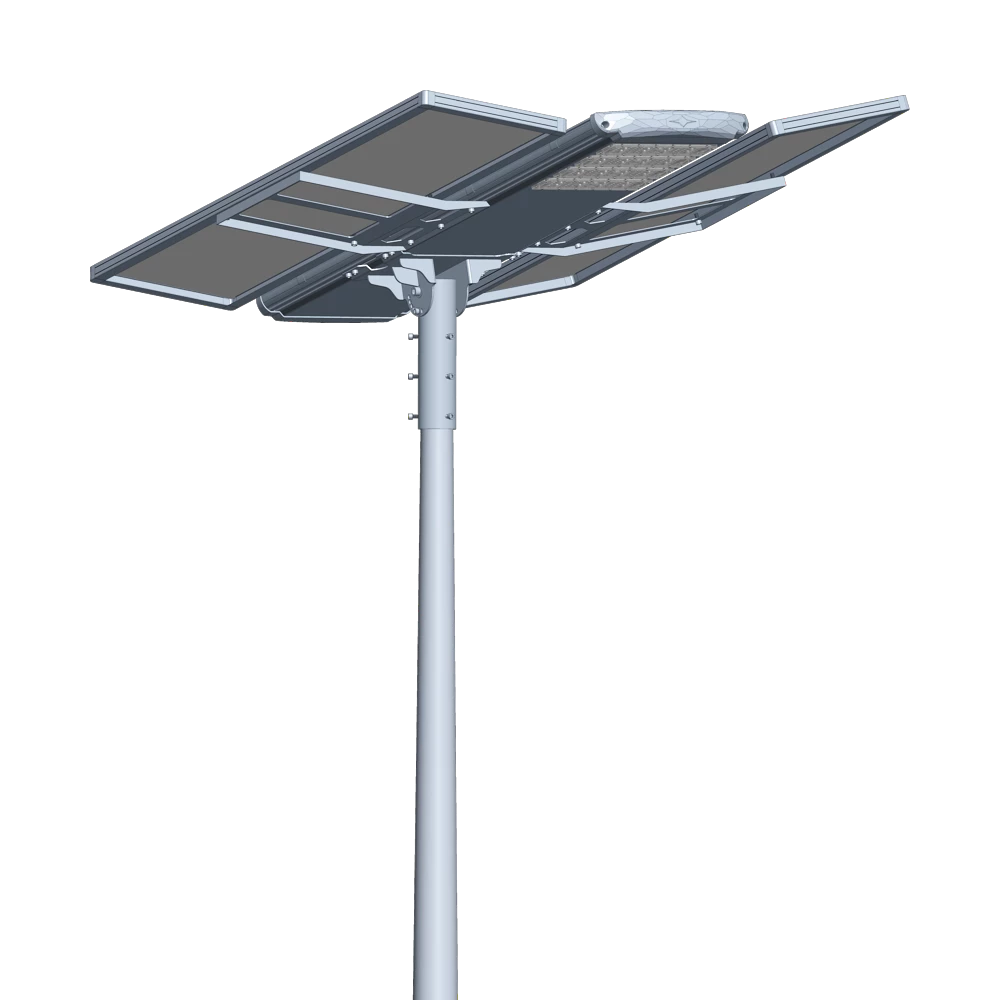
Introducing the Luqing Solar Street Light by Queneng, Efficient LED lighting powered by solar energy is perfect for illuminating outdoor areas. Harness the power of solar energy for sustainable, reliable street lighting. Ideal for eco-friendly, cost-effective outdoor illumination solutions.
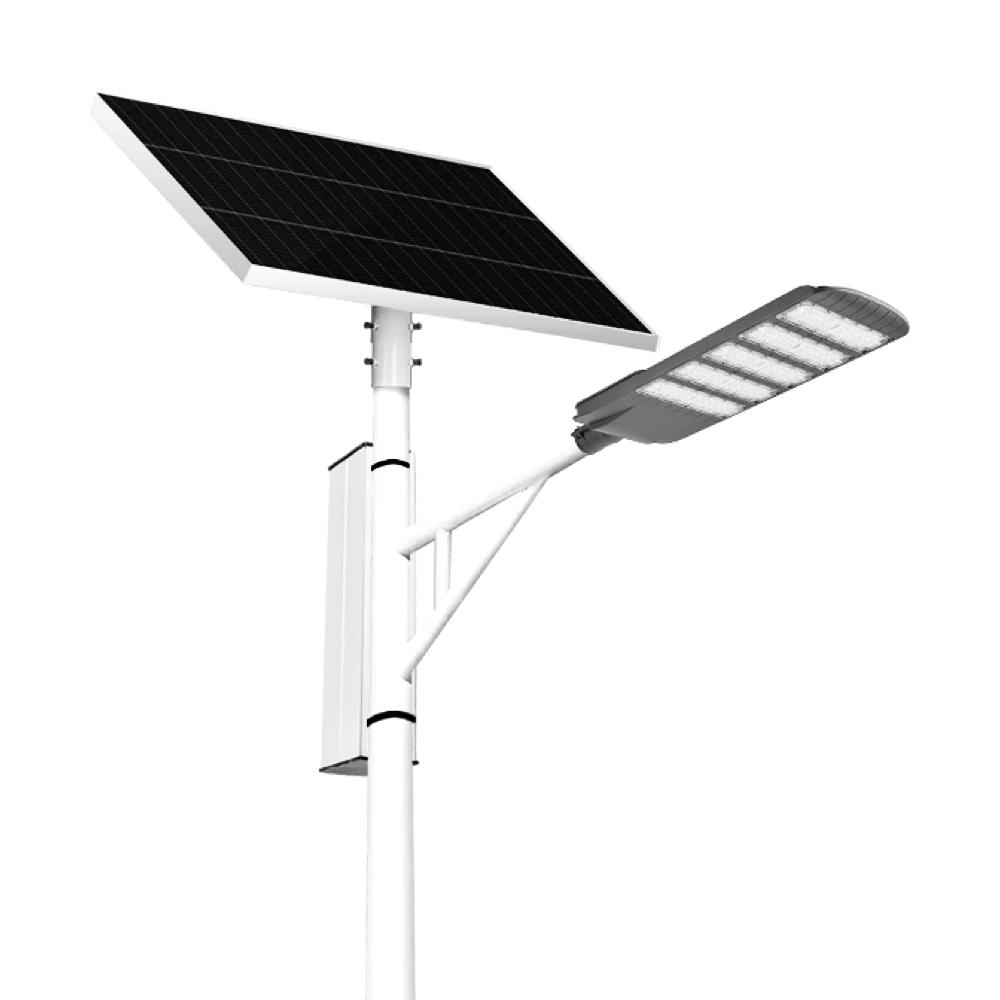
The Solar Streetlights of Luhao for Municipalities are designed to deliver reliable, energy-efficient, and cost-effective public lighting solutions. Equipped with advanced LED technology, durable lithium batteries, and high-efficiency solar panels, these streetlights provide consistent illumination for roads, parks, residential areas, and government projects.
If you would like more information about Queneng solar lighting solutions, please send us a message by filling out the form below. Our professional team will get back to you within 24 hours!
Rest assured that your privacy is important to us, and all information provided will be handled with the utmost confidentiality.
Schedule a Meeting
Book a date and time that is convenient for you and conduct the session in advance.
Have more questions about our products or services?
The messenger of light & power conversion
Environmental protection and intelligent manufacturing are our brand philosophy, and quality assurance and the best user experience are our eternal promises to users.
CONTACT
No.9F, Building F, Cao San Xin Tian Hong Logistics Park, Guzhen Town, Zhongshan City, Guangdong Province, China.
or write [email protected]
WhatsApp: +86 136 2270 1011


