🔥 We are at the 139th Canton Fair NOW! Visit us at Booth B16-17 (Zone C) for live demonstrations.















What certifications should a manufacturer hold?
Navigating Solar Street Light Procurement: A Comprehensive Guide for Professionals
The global solar street light market is experiencing robust growth, driven by increasing environmental awareness, advancements in renewable energy technologies, and a growing demand for sustainable infrastructure. For procurement specialists and project managers, understanding the nuances of solar street lighting – particularly split solar street light systems – is paramount to making informed investment decisions. This guide will address key questions surrounding cost, technology, certifications, and manufacturer selection, ensuring you're equipped with the professional knowledge needed to secure high-quality, reliable solar lighting solutions.
What are the Key Cost Drivers for Solar Street Lights, and How Do All-in-One and Split Systems Compare?
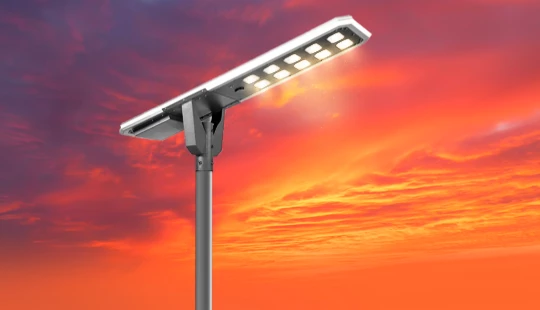
The cost of a solar street light system varies significantly based on several factors, including light wattage, battery capacity, solar panel size, pole height, controller technology, and brand reputation. On average, a basic all-in-one solar street light can range from $100 to $1,000+ per unit, suitable for lighter-duty applications with straightforward installation. These units integrate the solar panel, battery, LED lamp, and controller into a single compact fixture, simplifying installation and reducing initial labor costs.
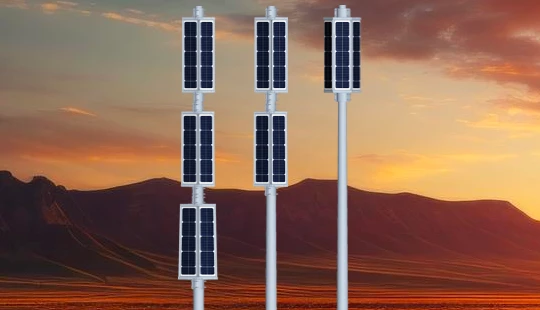
In contrast, split solar street light systems, which separate the solar panel and battery from the lamp head, typically represent a higher initial investment, ranging from $500 to $3,000+ per unit, depending on power requirements and component quality. This higher cost is justified by their superior performance, larger capacities, and enhanced reliability. Key cost drivers for both types include the type and capacity of the battery (LiFePO4 being the preferred choice), the efficiency and size of the solar panel (monocrystalline panels being more efficient), the lumen output of the LED fixture, and the intelligence of the charge controller (MPPT being more efficient than PWM). Installation complexity and project scale also significantly influence the total cost.
Why Choose Split Solar Street Lights for Professional and High-Power Applications?
While all-in-one units offer simplicity, split solar street lights are the preferred choice for professional, high-power, and demanding applications due to their inherent design advantages:
- Greater Customization & Power Output: Split systems allow for much larger solar panels and battery banks, enabling higher wattage lights (e.g., 60W, 100W, or more) and longer backup times (multiple nights without sun). This is crucial for major roads, industrial areas, or regions with prolonged cloudy weather.
- Optimal Solar Orientation: The solar panel can be independently positioned and angled for maximum sun exposure, even if the light fixture needs to face a specific direction. This maximizes energy harvest.
- Enhanced Heat Dissipation: Separating the battery and controller from the LED lamp reduces thermal stress on critical components, extending their lifespan, especially in hot climates.
- Robustness & Durability: Often designed with heavier-duty components and more secure mounting, split systems are generally more resilient against harsh weather conditions like high winds.
- Easier Maintenance: While installation is more involved, maintenance of individual components can sometimes be simpler, as they are not all integrated into one hard-to-reach unit.
Essential Certifications: What Standards Should a Reputable Solar Street Light Manufacturer Meet?
For procurement professionals, verifying a manufacturer's certifications is crucial for ensuring product quality, safety, and compliance. Look for manufacturers holding the following essential certifications:
- ISO 9001:2015: Demonstrates a robust Quality Management System, ensuring consistent product quality and customer satisfaction.
- ISO 14001:2015: Indicates an effective Environmental Management System, signifying a commitment to environmental responsibility.
- CE Mark (Conformité Européenne): Essential for products sold in the European Economic Area, confirming compliance with EU health, safety, and environmental protection standards.
- RoHS (Restriction of Hazardous Substances): Ensures products do not contain hazardous materials above specified limits, promoting environmental safety.
- IP Rating (Ingress Protection): Specifies the degree of protection against dust and water. For outdoor solar street lights, an IP rating of IP65 or higher is recommended for both the luminaire and critical electronic components.
- IEC Standards (International Electrotechnical Commission): Specific to solar PV and battery components. Look for compliance with:
- IEC 61215: For terrestrial photovoltaic (PV) modules, ensuring their design qualification and type approval.
- IEC 62133: For secondary cells and batteries containing alkaline or other non-acid electrolytes – safety requirements for portable sealed secondary lithium cells and batteries for use in portable applications.
- IEC 60598: For luminaires, covering general requirements and tests.
- Local/Regional Certifications: Depending on the target market, certifications like UL (Underwriters Laboratories) for North America, SAA for Australia, or other country-specific standards may be required.
What Key Components Define a High-Quality Split Solar Street Light System?
A high-quality split solar street light system is defined by the caliber of its individual components working in harmony:
- High-Efficiency LED Luminaire: Utilizes reputable LED chips (e.g., Philips, Cree, Osram) with high luminous efficacy (typically 150-180 lumens per watt) and a long lifespan (50,000 to 100,000 hours). Features advanced optics for uniform light distribution.
- Monocrystalline Solar Panel: Offers superior efficiency (typically 18-23%) compared to polycrystalline panels, especially in low-light conditions, maximizing power generation.
- LiFePO4 (Lithium Iron Phosphate) Battery: The industry standard for solar lighting due to its excellent cycle life (2,000 to 5,000+ cycles at 80% DoD), high thermal stability, safety, and wider operating temperature range. It significantly outperforms lead-acid batteries.
- MPPT (Maximum Power Point Tracking) Charge Controller: Essential for optimizing power harvest from the solar panel. MPPT controllers can increase charging efficiency by 15-30% compared to older PWM (Pulse Width Modulation) controllers, especially in varying weather conditions.
- Robust Pole and Mounting Hardware: Constructed from galvanized steel or aluminum, designed to withstand local wind loads and environmental conditions. High-quality mounting brackets ensure secure and stable installation of the panel and luminaire.
- Smart Control System: Incorporates features like dimming schedules, motion sensing, remote monitoring, and automatic fault detection for energy efficiency and reduced maintenance.
Understanding Battery Technology and Lifespan in Solar Street Lights
The battery is the heart of any solar street light, storing energy collected during the day for use at night. As mentioned, LiFePO4 batteries have become the dominant technology for solar street lighting due to their superior characteristics:
- Long Cycle Life: LiFePO4 batteries can typically endure 2,000 to 5,000 or more charge/discharge cycles to 80% depth of discharge (DoD), translating to a lifespan of 5 to 10+ years, significantly longer than lead-acid batteries (300-1200 cycles).
- Enhanced Safety: They are inherently more stable and less prone to thermal runaway compared to other lithium-ion chemistries, reducing fire risks.
- Wide Temperature Range: Perform well across a broader temperature spectrum, crucial for diverse climates.
- Consistent Performance: Maintain stable voltage output throughout the discharge cycle.
Factors affecting battery lifespan include ambient temperature (extreme heat or cold accelerates degradation), depth of discharge (shallower discharges extend life), and the quality of the battery management system (BMS) which protects against overcharge, over-discharge, and extreme temperatures.
How to Select a Reliable Solar Street Light Manufacturer?
Choosing the right manufacturer is as important as choosing the right product. Consider these criteria:
- Experience & Track Record: Look for manufacturers with several years of experience in the solar lighting industry and a portfolio of successful projects, especially for split systems.
- R&D Capabilities: A manufacturer with strong research and development can offer innovative, efficient, and technologically advanced solutions.
- Certifications & Quality Control: As detailed above, verify all relevant product and system certifications (ISO, CE, RoHS, IEC, IP rating). Inquire about their internal quality control processes and testing procedures.
- Production Capacity & Lead Time: Ensure they can meet your project's volume and deadlines without compromising quality.
- Warranty & After-Sales Service: A reputable manufacturer will offer comprehensive warranties on all components (e.g., 5 years for battery/panel, 3-5 years for LED driver/chip) and provide reliable technical support and spare parts availability.
- Customization & Design Support: For split systems, the ability to customize solutions to specific site conditions (e.g., light distribution, pole height, battery autonomy) is a significant advantage.
- Transparency: A willingness to provide detailed component specifications, test reports, and factory audits reflects a trustworthy partner.
Queneng Lighting's Commitment to Excellence
Queneng Lighting stands as a reputable partner in the solar street light industry, particularly for professional and industrial procurement needs. Our commitment is rooted in providing high-quality, reliable, and technologically advanced split solar street light solutions. We pride ourselves on:
- Superior Component Selection: Utilizing high-efficiency monocrystalline solar panels, advanced LiFePO4 batteries with robust BMS, high-lumen LED chips, and MPPT charge controllers to ensure optimal performance and longevity.
- Adherence to International Standards: All our products and manufacturing processes strictly comply with global certifications such as ISO 9001, CE, RoHS, and relevant IEC standards, guaranteeing quality and safety.
- Customized Solutions: We understand that every project is unique. Queneng Lighting offers extensive customization options, from light distribution patterns and pole designs to battery autonomy calculations, to meet specific site requirements and environmental conditions.
- Dedicated R&D and Quality Control: Our continuous investment in R&D ensures we bring innovative and efficient lighting solutions to the market. Coupled with stringent multi-stage quality control, we ensure every product meets the highest standards.
- Comprehensive Support: From initial design consultation and technical support to reliable warranties and efficient after-sales service, Queneng Lighting is committed to being a long-term partner for your sustainable lighting projects.
Choosing Queneng Lighting means investing in a solution that combines cutting-edge technology, proven reliability, and dedicated professional support, ensuring your solar street lighting projects are successful and sustainable for years to come.
References
- Market Research Future. (2023). Solar Street Light Market Research Report. . https://www.marketresearchfuture.com/reports/solar-street-light-market-10332
- International Electrotechnical Commission (IEC). (Ongoing). Standards for Photovoltaic (PV) Modules and Batteries. . https://www.iec.ch/
- ISO. (Ongoing). ISO 9001 and ISO 14001 Standards. . https://www.iso.org/
- European Commission. (Ongoing). CE Marking. . https://ec.europa.eu/growth/single-market/ce-marking_en

Have more questions about our products or services?
The latest hot news you might like

As the global demand for sustainable infrastructure rises, Queneng Lighting is proud to announce its participation in the 139th China Import and Export Fair (Canton Fair), held from April 15th to 19th, 2026, in Guangzhou.
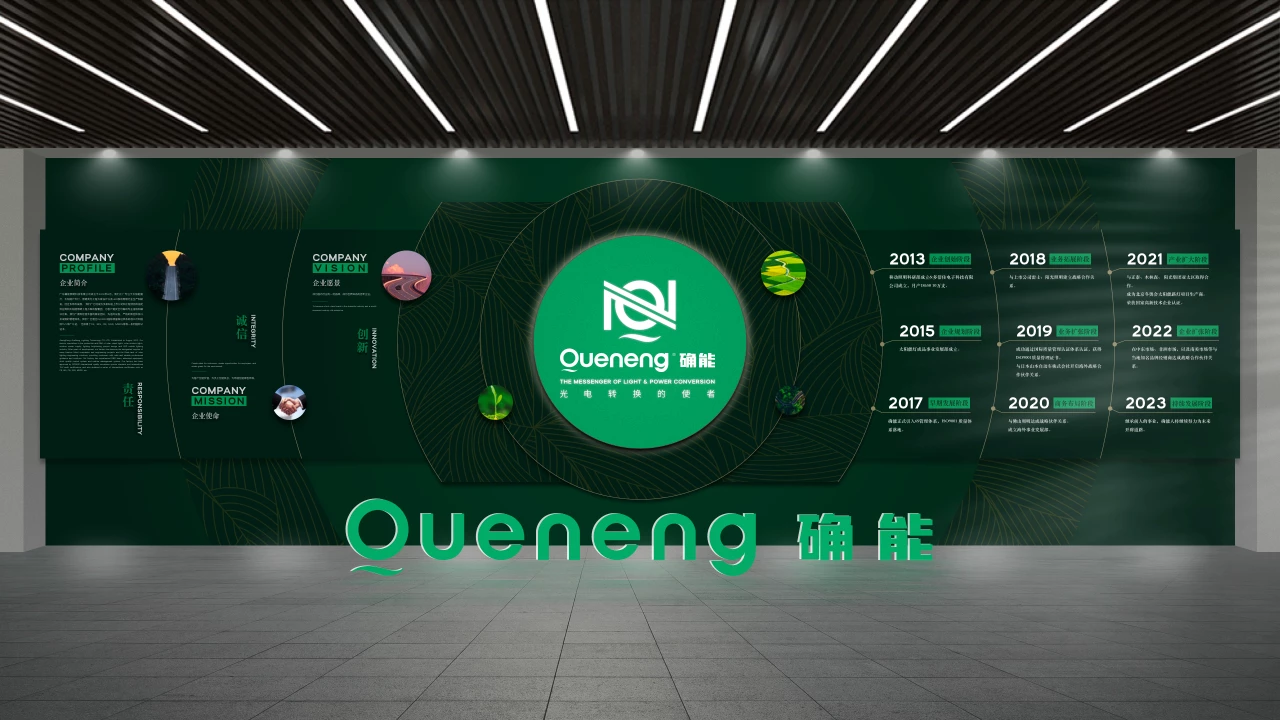
For over 13 years, Queneng has been at the forefront of the solar lighting industry, providing high-efficiency solutions for infrastructure contractors, municipal developers, and EPC companies worldwide. This year, we are bringing our most advanced technology yet to the international stage.

Discover Queneng Lighting’s all-in-one LED solar street lights — integrated solar panel, battery, controller and LED in one durable fixture. Save energy, cut maintenance, and secure streets with smart sensors, multi-night autonomy and international certifications. Contact sales for quotes and support.

Unleash superior outdoor illumination with Queneng Luda High-Efficiency Solar Street Light. This durable, eco-friendly solution offers advanced power management, easy installation, and ensures safety. Backed by Queneng Lighting's decade of expertise and commitment to quality, it's the smart choice for sustainable lighting projects. Learn why we're a leading solar solutions provider.

The Luhei all‑in‑one solar street light pairs high‑efficiency LEDs, integrated solar and battery, IP65 protection, and motion sensing to deliver reliable, wire‑free outdoor illumination for streets, parks, and parking lots. Backed by Queneng Lighting’s certifications and support.
FAQ
Battery Types and Applications
What type of batteries can be used in remote controls?
In principle, recharged secondary batteries can also be used, but when actually used in remote control devices, secondary batteries have a high self-discharge rate and need to be charged repeatedly, so this type of battery is not practical.
All-in-one solar street lights
Can these lights operate in rainy seasons?
Properly designed systems can work for several cloudy or rainy days continuously.
Solar Street Light Luqiu
Can Luqiu solar street lights be used in remote or off-grid locations?
Yes, Luqiu solar street lights are ideal for remote or off-grid locations where access to electricity is limited or unavailable. They operate independently, relying solely on solar energy, making them a perfect solution for rural areas, pathways, and off-grid communities.
Tourist Attractions and Resorts
Can solar lighting help reduce energy costs for resorts?
Yes, solar lighting can significantly reduce energy costs by eliminating the need for grid electricity. The investment in solar lighting pays off in the long term through savings on electricity bills.
OEM&ODM
Can I get free samples before placing an order?
Free samples are available for serious OEM/ODM inquiries. Shipping charges may apply.
Battery and Analysis
What are the possible reasons why batteries and battery packs cannot be discharged?
2) Insufficient charging or no charging;
3) The ambient temperature is too low;
4) The discharge efficiency is low. For example, when a large current is discharged, an ordinary battery cannot discharge electricity because the internal material diffusion speed cannot keep up with the reaction speed, causing the voltage to drop sharply.
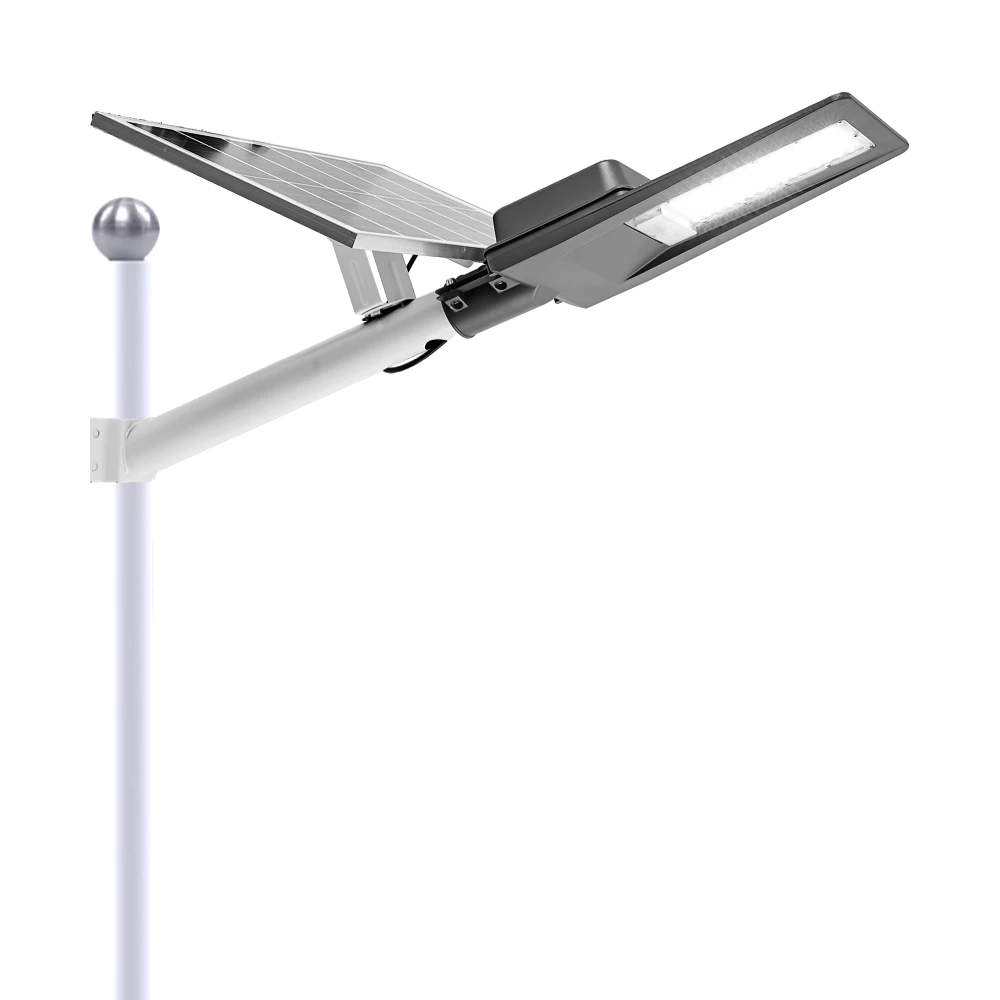
Experience reliable outdoor illumination with our smart solar street light, a perfect combination of advanced technology and eco-conscious design.
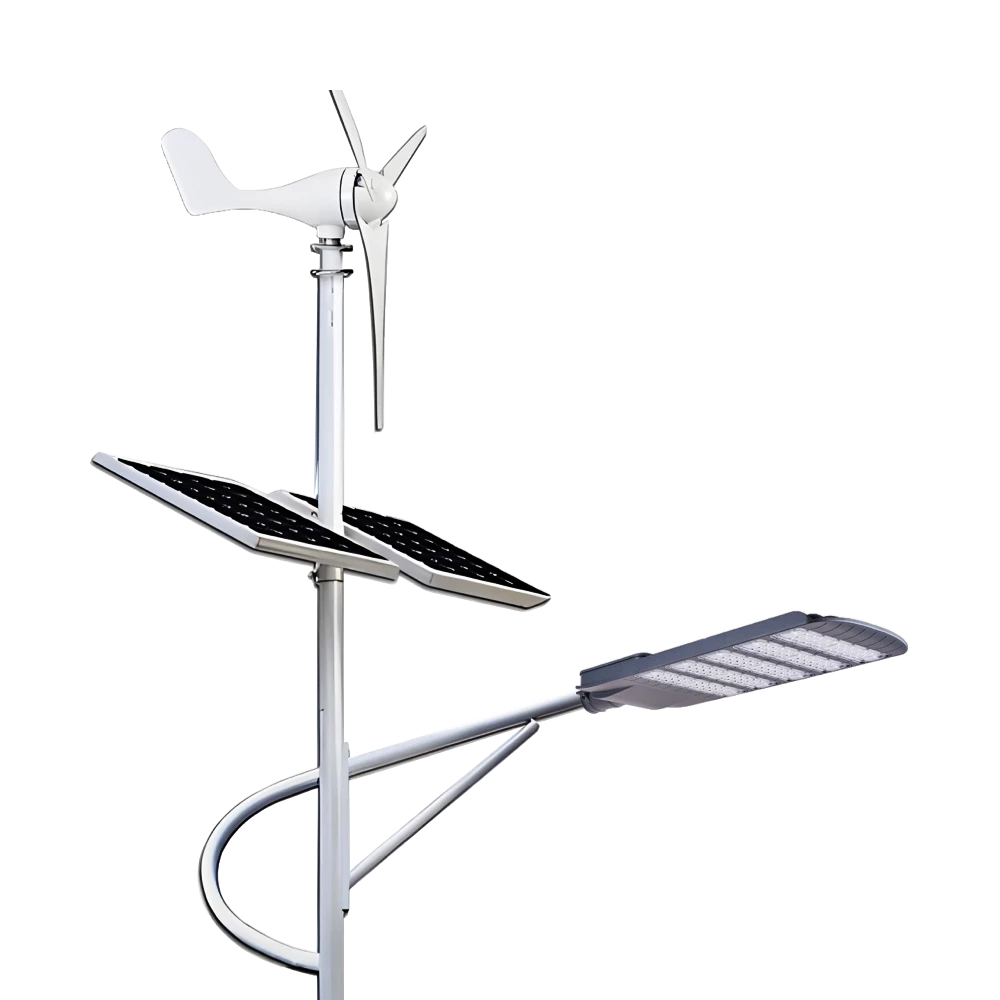
Queneng Lufeng Wind Energy LED Outdoor Solar Street Lights offer high-performance, eco-friendly illumination. These energy-efficient LED street lights harness solar power and wind energy for sustainable, cost-effective outdoor lighting solutions.
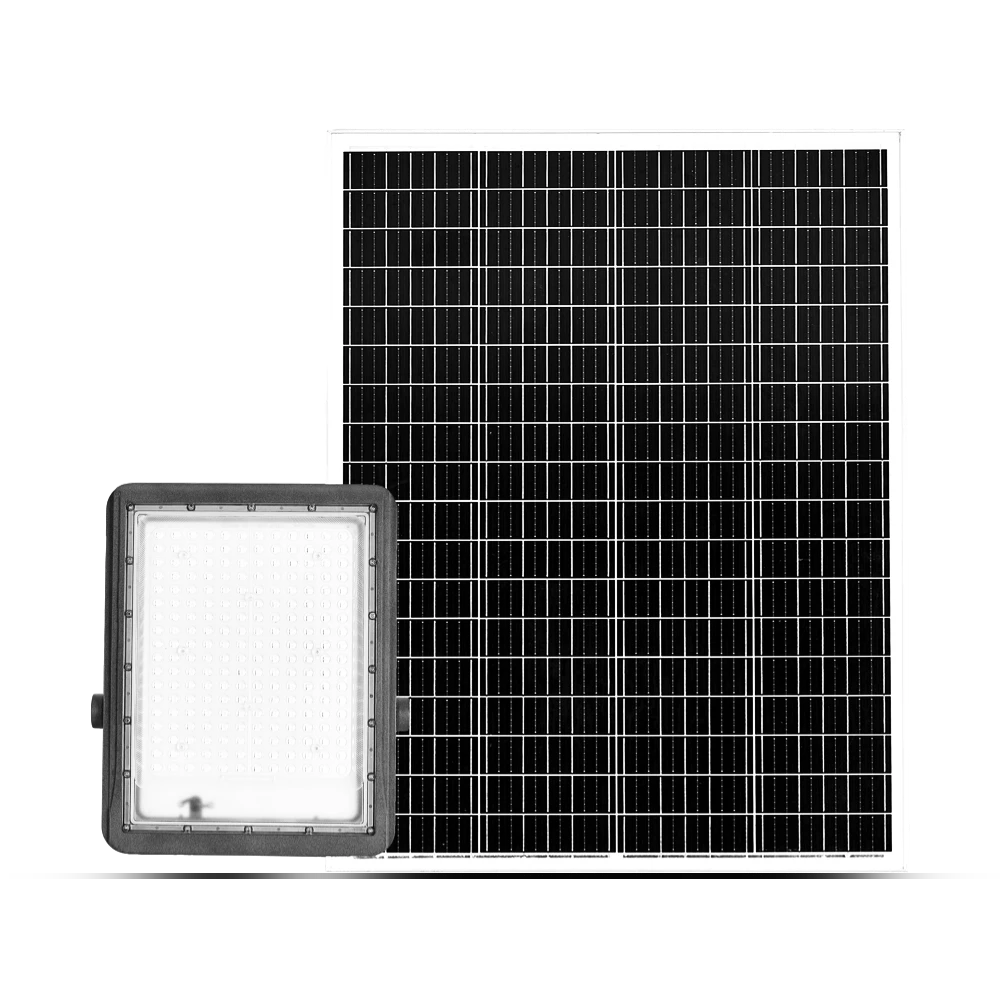
Queneng's Luxian Reliable Solar Street Light offers energy-saving LED lighting for outdoor use. This durable, solar-powered street light provides reliable illumination, reducing energy costs and environmental impact. A perfect solution for sustainable outdoor lighting.
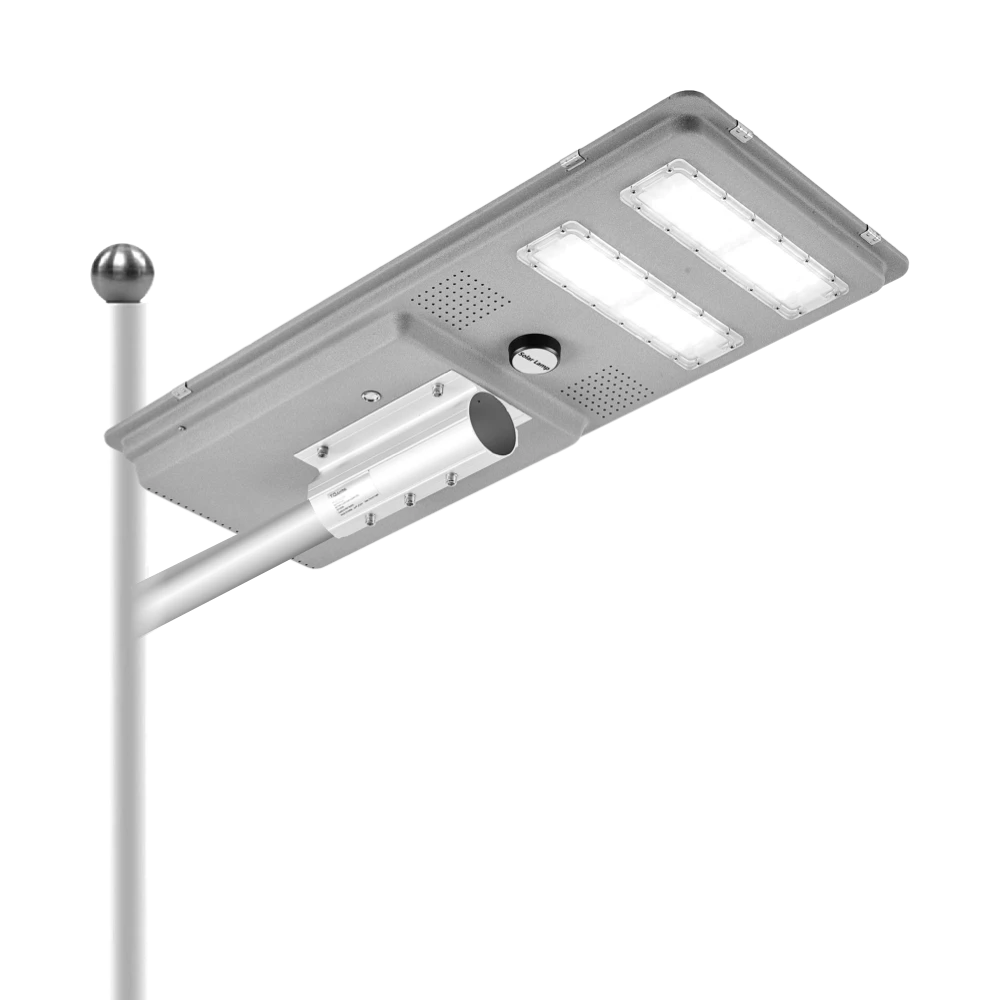
Queneng’s Solar Street Lights are designed to provide reliable, energy-efficient lighting for streets, parks, and other outdoor spaces.
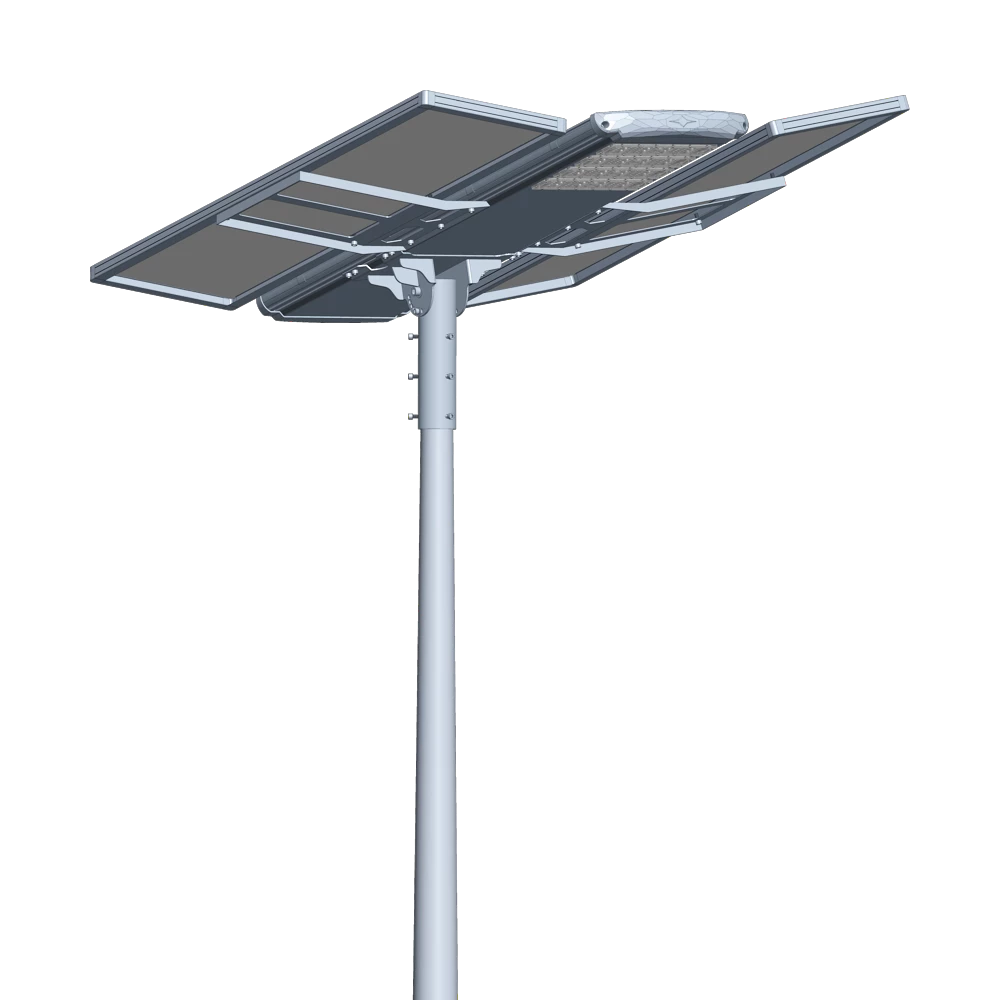
Introducing the Luqing Solar Street Light by Queneng, Efficient LED lighting powered by solar energy is perfect for illuminating outdoor areas. Harness the power of solar energy for sustainable, reliable street lighting. Ideal for eco-friendly, cost-effective outdoor illumination solutions.
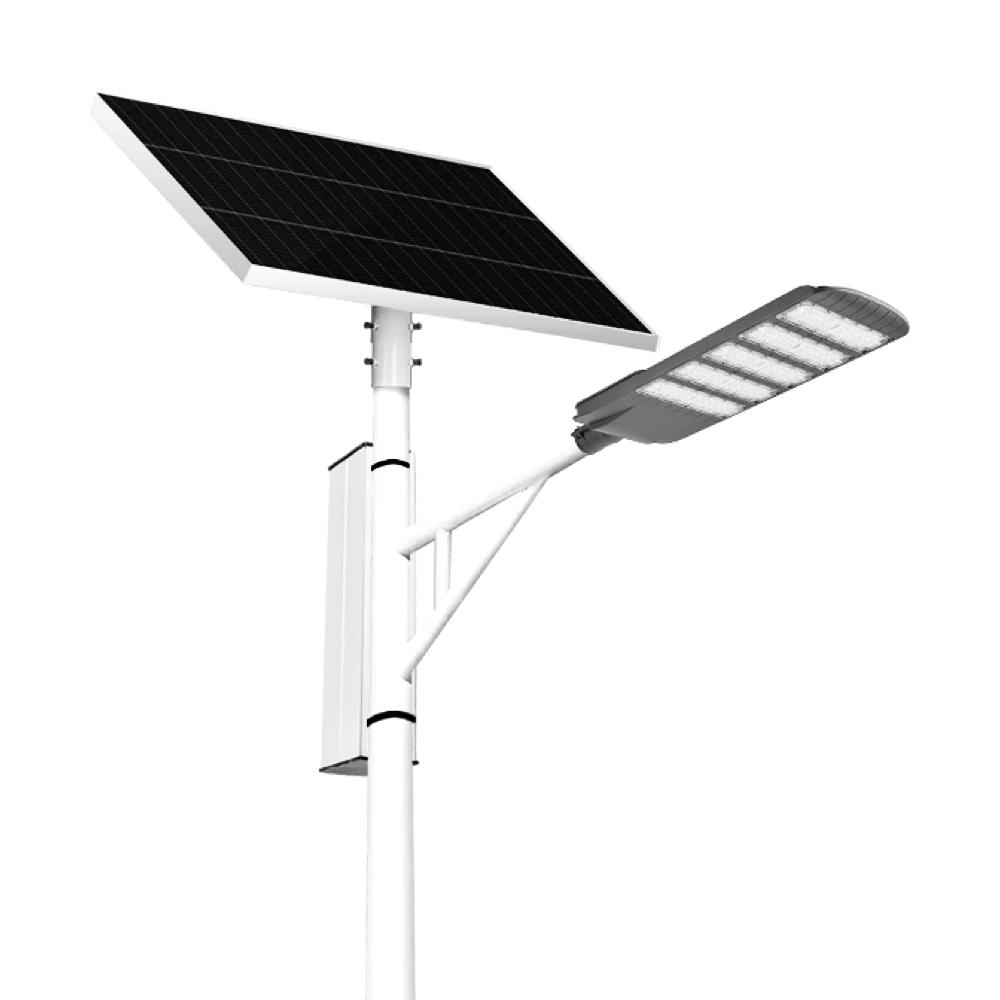
The Solar Streetlights of Luhao for Municipalities are designed to deliver reliable, energy-efficient, and cost-effective public lighting solutions. Equipped with advanced LED technology, durable lithium batteries, and high-efficiency solar panels, these streetlights provide consistent illumination for roads, parks, residential areas, and government projects.
If you would like more information about Queneng solar lighting solutions, please send us a message by filling out the form below. Our professional team will get back to you within 24 hours!
Rest assured that your privacy is important to us, and all information provided will be handled with the utmost confidentiality.
Schedule a Meeting
Book a date and time that is convenient for you and conduct the session in advance.
Have more questions about our products or services?
The messenger of light & power conversion
Environmental protection and intelligent manufacturing are our brand philosophy, and quality assurance and the best user experience are our eternal promises to users.
CONTACT
No.9F, Building F, Cao San Xin Tian Hong Logistics Park, Guzhen Town, Zhongshan City, Guangdong Province, China.
or write [email protected]
WhatsApp: +86 136 2270 1011


