

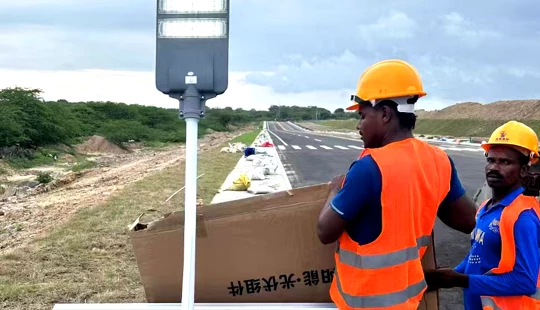
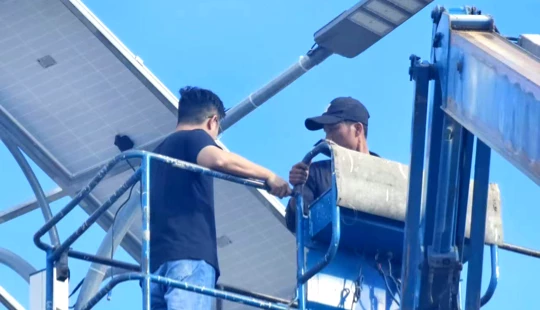













How do you assess a manufacturer's R&D capabilities?
Navigating the World of Solar Street Lights: A Buyer's Guide
As the demand for sustainable and energy-efficient infrastructure grows, solar street lights are becoming a cornerstone for urban development, remote area illumination, and smart city initiatives. For procurement professionals, understanding the nuances of these systems is crucial. This guide provides an in-depth look at key factors influencing purchasing decisions, focusing on cost, manufacturer assessment, and the unique benefits of split solar street light systems.
1. What are the key factors determining the cost of solar street lights, and how do All-in-One and Split systems compare?
The cost of solar street lights is influenced by several critical components and design choices. Understanding these factors is essential for budgeting and evaluating value:
- Solar Panel Wattage and Efficiency: Higher wattage panels (to capture more sunlight) and more efficient monocrystalline panels (typically 20-22% efficiency) will increase the cost.
- Battery Capacity and Type: The battery is often the most expensive component. Lithium Iron Phosphate (LiFePO4) batteries are preferred for their long cycle life (2000-5000 cycles) and stability, offering superior performance over lead-acid or ternary lithium. Higher capacity (measured in Wh or Ah) for longer autonomy (days of backup power) drives up the price.
- LED Luminaire Output and Quality: The brightness (lumens), efficiency (lumens per watt, e.g., 150-180 lm/W), and brand of LED chips (e.g., Philips, Cree, Osram) affect cost. High-quality LEDs ensure longevity and consistent illumination.
- Charge Controller Technology: MPPT (Maximum Power Point Tracking) controllers are more efficient (up to 30% more power harvest) and advanced than PWM (Pulse Width Modulation) controllers, leading to higher costs but better performance and battery health.
- Pole and Fixture Material/Design: The height, material (galvanized steel, aluminum), aesthetic design, and wind resistance of the pole contribute significantly to the overall cost.
- Smart Features and IoT Integration: Systems with remote monitoring, dimming capabilities, motion sensors, and networking functionalities will be more expensive.
Cost Comparison: All-in-One vs. Split Solar Street Lights:
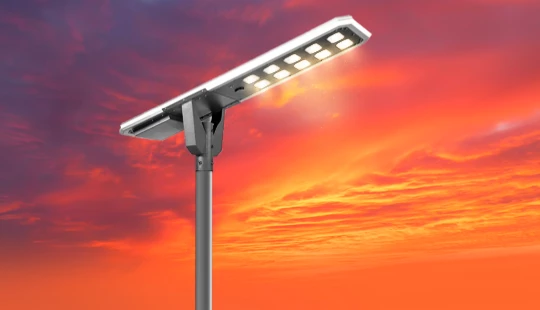
- All-in-One Solar Street Lights: Generally have a lower initial purchase price and simpler installation due to their integrated design (panel, battery, controller, LED all in one unit). They are ideal for basic lighting needs and projects with budget constraints or straightforward environmental conditions.
- Split Solar Street Lights: Typically have a higher initial cost due to separate components, more complex wiring, and potentially more robust poles. However, their modularity often leads to greater flexibility, better performance optimization, and longer overall system lifespan, offering a superior long-term ROI in many scenarios.
2. How can I effectively assess the reliability and R&D capabilities of a Solar Street Light Manufacturer?
Assessing a Solar Street Light Manufacturer's reliability and R&D capabilities is paramount for ensuring product quality and long-term performance. Here’s a professional checklist:
- Certifications and Standards: Look for international quality management certifications (e.g., ISO 9001) and product-specific certifications (CE, RoHS, FCC, IECEE, IP ratings for water/dust ingress). These indicate adherence to rigorous quality control and safety standards.
- Production Facilities and Automation: Visit or request videos/audits of their manufacturing plant. Advanced automation, lean manufacturing practices, and proper testing equipment (e.g., photometric labs, salt spray test chambers, vibration testers) signal a commitment to quality and consistency.
- R&D Team and Investment: Inquire about the size and expertise of their R&D department, their patent portfolio, and their annual investment in research and development. A strong R&D focus indicates innovation, product improvement, and the ability to offer customized solutions. Manufacturers with in-house design and testing capabilities are preferable.
- Component Sourcing and Quality Control: A reliable manufacturer will use reputable, branded components (e.g., Bridgelux, Cree, Lumileds LEDs; LiFePO4 batteries from CATL, BYD; MPPT controllers from leading providers) and have stringent incoming material inspection processes.
- Track Record and Project Portfolio: Review their past projects, client testimonials, and case studies. Experience with diverse project types and locations is a good indicator of their capability.
- Warranty and After-Sales Support: A comprehensive warranty (e.g., 3-5 years for the entire fixture, 8-10 years for batteries, 20-25 years for solar panel output) and robust after-sales service (technical support, spare parts availability) reflect confidence in their products.
3. What are the specific advantages and considerations of choosing Split Solar Street Lights over All-in-One designs?
While All-in-One solar street lights offer simplicity, Split Solar Street Lights provide distinct advantages, making them the preferred choice for many professional applications:
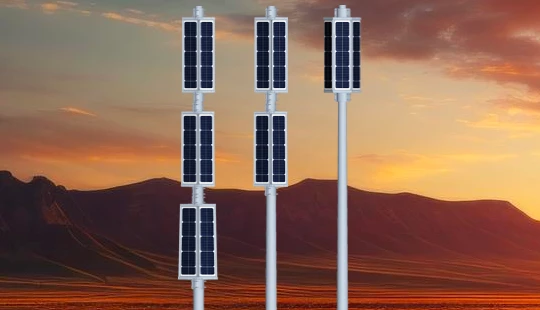
- Optimal Solar Panel Orientation: The separate design allows the solar panel to be tilted and oriented independently towards the sun's maximum exposure, regardless of the light fixture's direction. This significantly enhances energy harvest, especially in areas with varying sun angles or obstructions.
- Larger Battery Capacity and Better Thermal Management: Split systems can accommodate larger battery banks, enabling longer autonomy and higher power output. The battery can be placed underground or in a separate enclosure, protecting it from extreme temperatures (heat and cold), extending its lifespan (LiFePO4 batteries perform optimally between 0-45°C), and providing better security against theft.
- Higher Power Output and Customization: The modular nature allows for larger solar panels and more powerful LED luminaires, catering to projects requiring brighter illumination or extended operating hours. It offers greater flexibility in customizing components to meet specific project demands.
- Enhanced Durability and Maintenance: Components can be chosen for specific ruggedness. If one component fails, it can often be replaced independently, potentially simplifying maintenance. The separation also often allows for better heat dissipation for the LED fixture itself.
- Applications: Ideal for highways, industrial parks, large public spaces, areas with challenging weather conditions, or any project requiring high reliability, performance, and adaptability.
Consideration: Installation of split systems is generally more complex and requires more wiring and possibly trenching for underground batteries, leading to higher initial labor costs.
4. Which critical components define the performance and longevity of a Split Solar Street Light, and what should buyers look for?
The core of a high-performing split solar street light lies in the quality of its individual components:
- Solar Panel: Prioritize Monocrystalline Silicon Panels for their higher efficiency (typically 20-22%) and better low-light performance. Look for panels from Tier 1 manufacturers with certifications like IEC 61215 and IEC 61730, ensuring durability and performance guarantee over 20-25 years.
- Battery: LiFePO4 (Lithium Iron Phosphate) batteries are the industry standard due to their superior safety, extended cycle life (2000-5000 cycles at 80% DOD), wider operating temperature range, and stable performance. Ensure the battery comes with a robust Battery Management System (BMS) for protection against overcharge, over-discharge, and short-circuit. Verify capacity (Wh or Ah) meets project autonomy requirements.
- LED Luminaire: Focus on high luminous efficacy (e.g., >150 lm/W) from reputable LED chip brands. The luminaire should have excellent thermal management to prevent premature degradation, a high IP rating (IP65/IP66) for weather resistance, and a wide operating temperature range. IES files should be available for light distribution planning.
- Charge Controller: An MPPT (Maximum Power Point Tracking) controller is crucial for maximizing the solar panel's energy harvest, especially during fluctuating weather conditions. It optimizes the voltage and current from the panel to the battery, improving charging efficiency by 15-30% compared to PWM controllers. Ensure it has multi-stage charging and various protection features.
- Pole and Mounting Hardware: The pole should be hot-dip galvanized for corrosion resistance, robust enough to withstand local wind loads (certified to relevant standards), and designed for easy installation and maintenance of components.
5. What are the typical lifespan, maintenance requirements, and warranty expectations for high-quality solar street lights?
Investing in high-quality solar street lights means expecting long-term performance and minimal hassle:
- Lifespan:
- LED Luminaire: High-quality LEDs are rated for 50,000 to 100,000 hours of operation, equating to 10-20 years based on 10-12 hours of nightly use.
- LiFePO4 Battery: Typically lasts 8-10 years, or 2000-5000 charge/discharge cycles, before reaching 80% of its initial capacity.
- Solar Panel: Monocrystalline panels have a performance warranty of 20-25 years, guaranteeing a certain percentage of their initial output (e.g., 80% after 25 years).
- Overall System: A well-designed system, especially a split one, can easily operate for 10-15 years or more with proper component selection.
- Maintenance Requirements: Solar street lights are low-maintenance. Key tasks include:
- Periodic Panel Cleaning: Annually or semi-annually, clean the solar panel surface to remove dust, dirt, and debris, which can reduce efficiency.
- Visual Inspection: Check for any physical damage to the pole, luminaire, or wiring.
- Battery Check (for accessible split systems): Verify connections and overall health if the battery is in an accessible enclosure.
- Warranty Expectations:
- Entire Fixture: A reputable manufacturer should offer a comprehensive warranty of 3-5 years covering defects in materials and workmanship.
- Battery: Expect 3-5 years on LiFePO4 batteries.
- Solar Panel: Standard performance warranty of 20-25 years, guaranteeing power output degradation.
6. How do smart features and IoT integration enhance the functionality and ROI of modern solar street lighting solutions?
Modern solar street lights are no longer just about illumination; they are evolving into smart, connected devices that offer significant operational and financial benefits:
- Remote Monitoring and Control: IoT-enabled systems allow for real-time monitoring of battery status, solar panel charging, LED performance, and fault detection from a central dashboard. Users can remotely adjust dimming schedules, turn lights on/off, or diagnose issues, reducing manual patrols and operational costs.
- Adaptive Lighting: Integration with motion sensors, ambient light sensors, and even traffic data enables adaptive lighting. Lights can dim when no one is around and brighten when activity is detected, saving significant energy and extending battery life, while enhancing safety and security.
- Predictive Maintenance: By analyzing performance data, the system can predict potential failures (e.g., declining battery health) allowing for proactive maintenance rather than reactive repairs, minimizing downtime and maintenance costs.
- Data Analytics and Optimization: Collected data on energy consumption, environmental conditions, and usage patterns can be used to optimize lighting schedules, identify energy waste, and inform future infrastructure planning.
- Integration with Smart City Platforms: Advanced systems can integrate with broader smart city platforms, offering capabilities like environmental monitoring, public Wi-Fi hotspots, and emergency communication, turning street lights into multi-functional urban assets.
- Enhanced ROI: While smart features add to the initial cost, they deliver a strong Return on Investment (ROI) through significant energy savings, reduced labor for maintenance, extended component lifespan, and improved public safety and service.
Queneng Lighting: Your Trusted Partner in Solar Street Lighting
As a leading innovator in solar street lighting, Queneng Lighting excels in delivering both All-in-One Solar Street Lights and advanced Split Solar Street Light systems. We understand the professional demands of procurement and are committed to providing solutions that meet stringent quality, performance, and efficiency standards. Our advantages include:
- Robust R&D Capabilities: Queneng Lighting invests heavily in research and development, holding numerous patents and employing a dedicated team of engineers to innovate and refine our products, ensuring cutting-edge technology and customizable solutions.
- High Quality Component Sourcing: We utilize only top-tier components, including high-efficiency monocrystalline solar panels, long-life LiFePO4 batteries with advanced BMS, and high-lumen LED chips from globally recognized brands, all controlled by efficient MPPT technology.
- Quality Assurance: Adhering to international standards (ISO, CE, RoHS, IP), our manufacturing process includes rigorous quality control and testing at every stage, guaranteeing reliability and durability for demanding environments.
- Flexible Solutions: Whether your project requires the simplicity of All-in-One units or the superior performance and adaptability of Split systems for challenging conditions, Queneng Lighting provides tailored solutions designed for optimal energy harvesting and illumination.
- Comprehensive Support: From initial consultation and system design to installation guidance and extensive after-sales service, Queneng Lighting offers complete support to ensure your project's success and long-term satisfaction.
Choose Queneng Lighting for sustainable, high-performance, and reliable solar street lighting solutions that illuminate your future.
References:
- Solar Street Light Market Size, Share & Trends Analysis Report: Grand View Research (Accessed: October 26, 2023)
- Benefits of LiFePO4 Batteries in Solar Applications: Lithium-ion Battery Pack Manufacturer (Accessed: October 26, 2023)
- MPPT vs. PWM Solar Charge Controllers: Renogy (Accessed: October 26, 2023)
- LED Luminaire Lifespan Information: Energy.gov (Accessed: October 26, 2023)

Have more questions about our products or services?
The latest hot news you might like

Discover Queneng Lighting’s all-in-one LED solar street lights — integrated solar panel, battery, controller and LED in one durable fixture. Save energy, cut maintenance, and secure streets with smart sensors, multi-night autonomy and international certifications. Contact sales for quotes and support.

Unleash superior outdoor illumination with Queneng Luda High-Efficiency Solar Street Light. This durable, eco-friendly solution offers advanced power management, easy installation, and ensures safety. Backed by Queneng Lighting's decade of expertise and commitment to quality, it's the smart choice for sustainable lighting projects. Learn why we're a leading solar solutions provider.

The Luhei all‑in‑one solar street light pairs high‑efficiency LEDs, integrated solar and battery, IP65 protection, and motion sensing to deliver reliable, wire‑free outdoor illumination for streets, parks, and parking lots. Backed by Queneng Lighting’s certifications and support.

FAQ
Commercial and Industrial Parks
What is the warranty for your solar lighting products?
We offer a 5-year warranty for the entire system and provide ongoing technical support.
Battery fundamentals and basic terms
What is the residual discharge capacity of a battery?
Solar Street Light Chuanqi
Are Chuanqi solar street lights suitable for both residential and commercial use?
Yes, Chuanqi solar street lights are suitable for a wide range of applications, including both residential and commercial use. Whether it's illuminating streets, pathways, parks, or parking lots, Chuanqi lights provide dependable outdoor lighting. Their ease of installation and low operational costs make them ideal for both private homes and large-scale commercial projects.
Solar Street Light Luqing
What kind of maintenance does the solar street light require?
Solar street lights are designed for low maintenance. The primary maintenance task is to ensure the solar panels are clean and free of debris to optimize their charging efficiency. Periodic checks of the battery and LED performance may also be necessary to ensure long-term functionality.
Solar Street Light Luhua
What makes Luhua solar street lights energy-saving and eco-friendly?
Luhua solar street lights are energy-efficient because they use solar power, a renewable energy source, to generate electricity, reducing reliance on the grid. The LED lights consume very little energy while providing high brightness. The eco-friendly design helps reduce carbon emissions and lower electricity costs, making them a sustainable and green solution for outdoor lighting.
Battery Performance and Testing
What is static resistance? What is dynamic resistance?
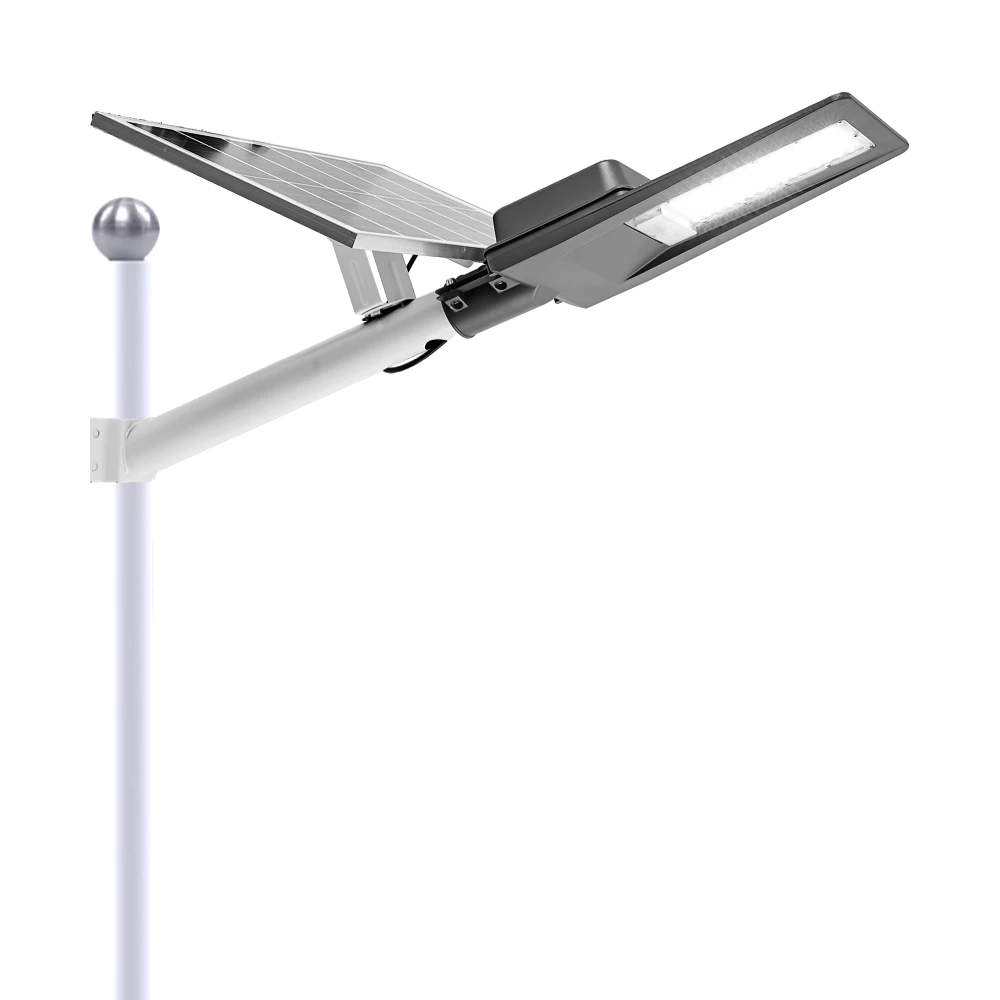
Experience reliable outdoor illumination with our smart solar street light, a perfect combination of advanced technology and eco-conscious design.
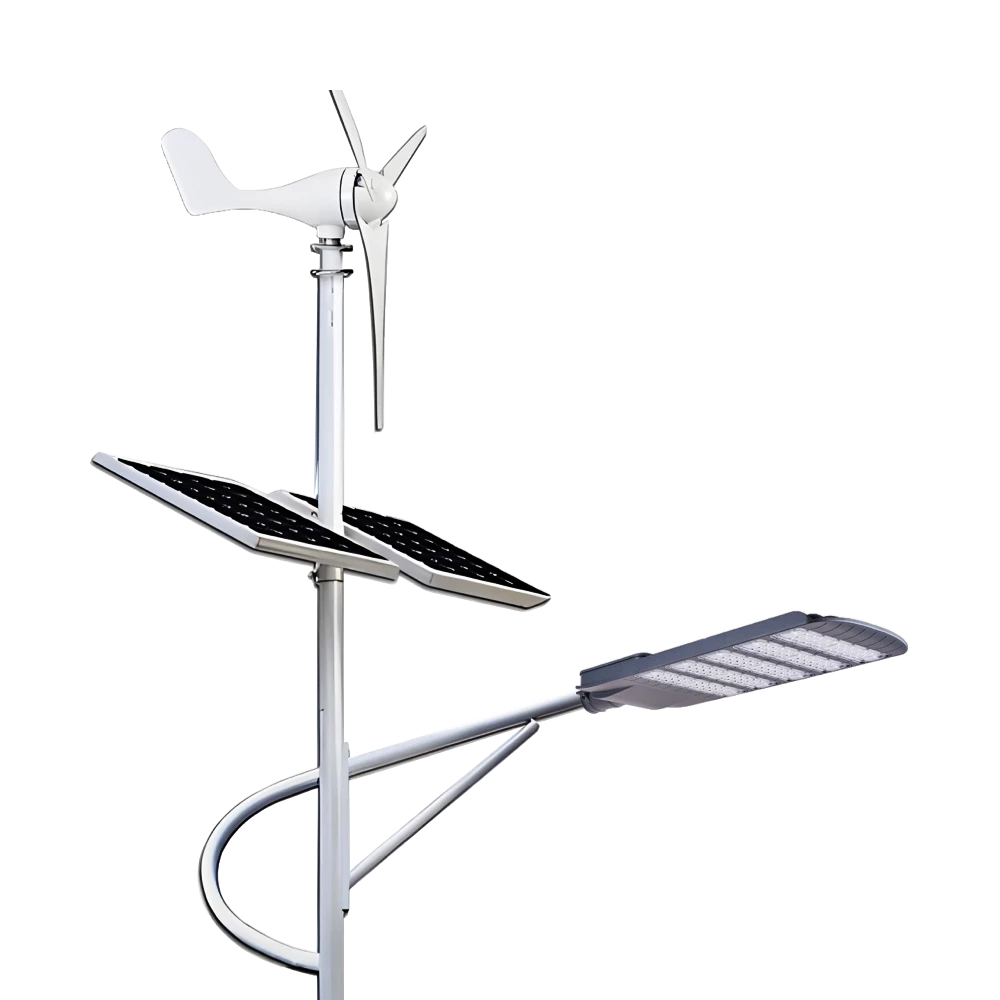
Queneng Lufeng Wind Energy LED Outdoor Solar Street Lights offer high-performance, eco-friendly illumination. These energy-efficient LED street lights harness solar power and wind energy for sustainable, cost-effective outdoor lighting solutions.
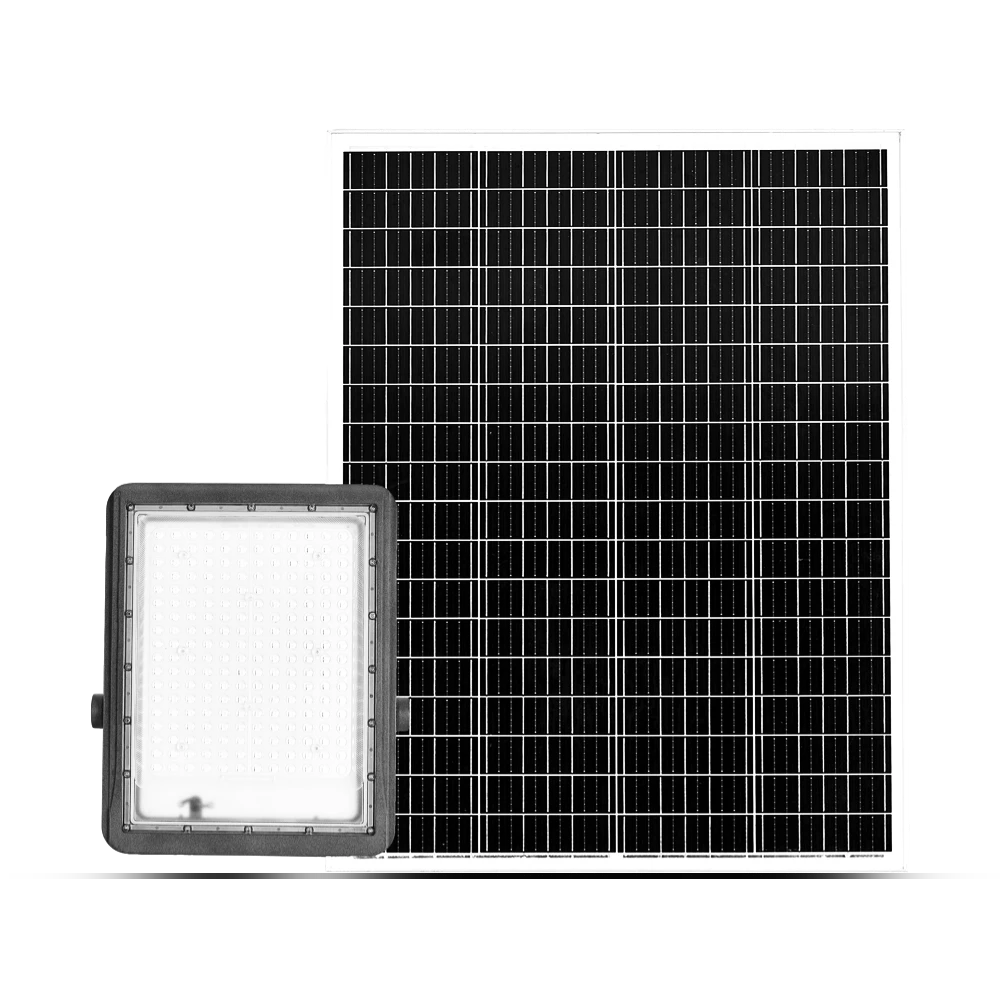
Queneng's Luxian Reliable Solar Street Light offers energy-saving LED lighting for outdoor use. This durable, solar-powered street light provides reliable illumination, reducing energy costs and environmental impact. A perfect solution for sustainable outdoor lighting.
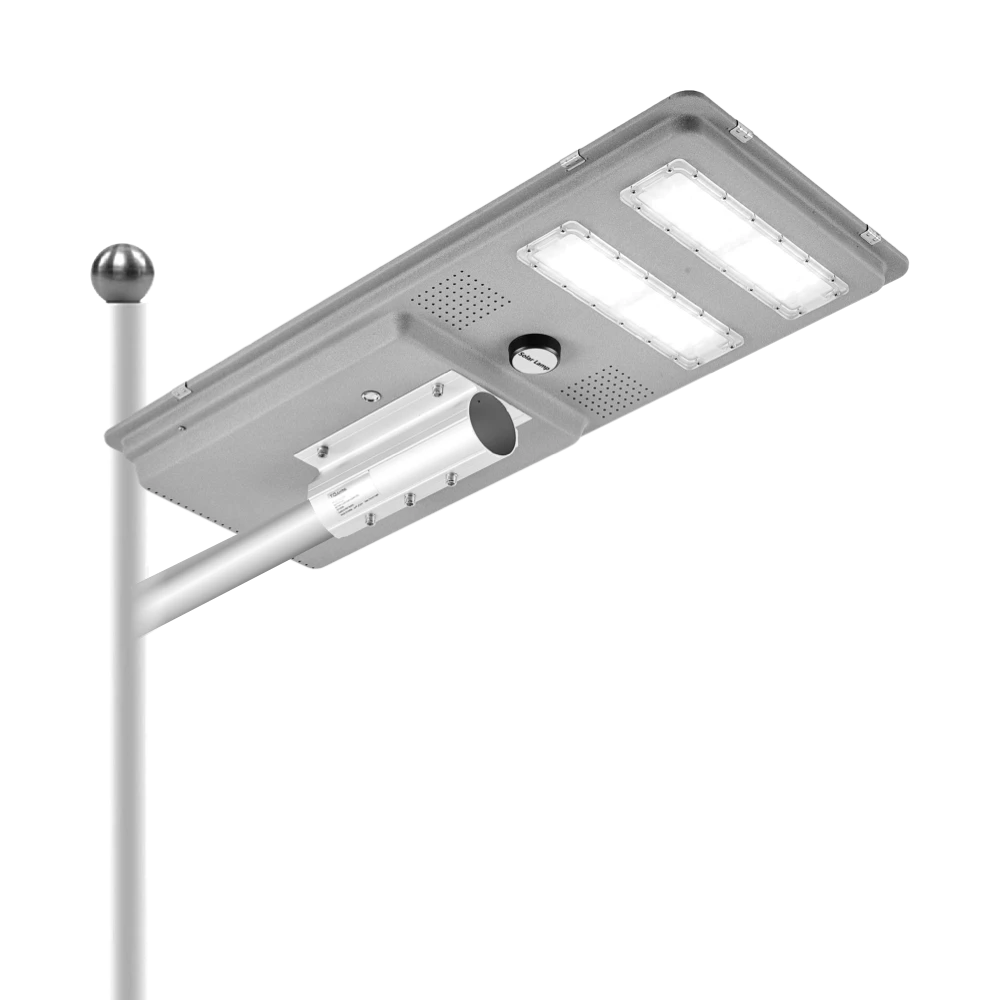
Queneng’s Solar Street Lights are designed to provide reliable, energy-efficient lighting for streets, parks, and other outdoor spaces.
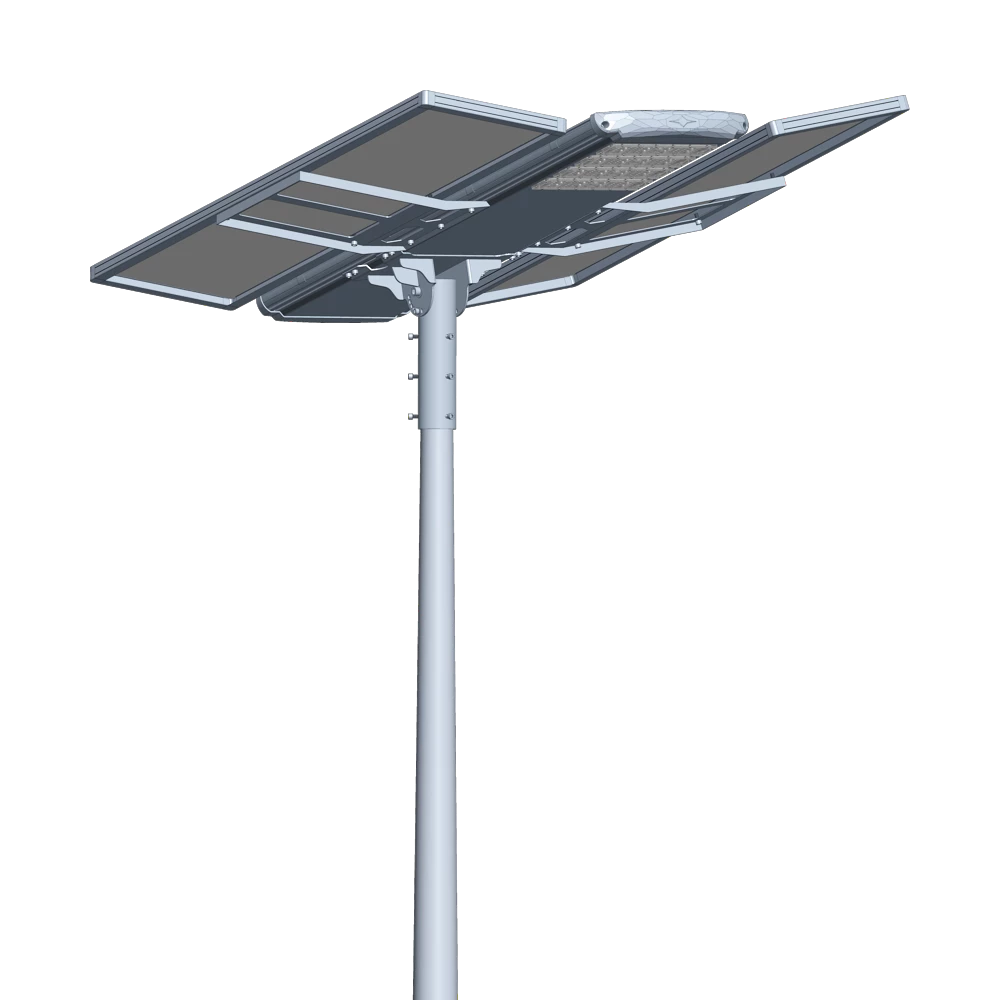
Introducing the Luqing Solar Street Light by Queneng, Efficient LED lighting powered by solar energy is perfect for illuminating outdoor areas. Harness the power of solar energy for sustainable, reliable street lighting. Ideal for eco-friendly, cost-effective outdoor illumination solutions.
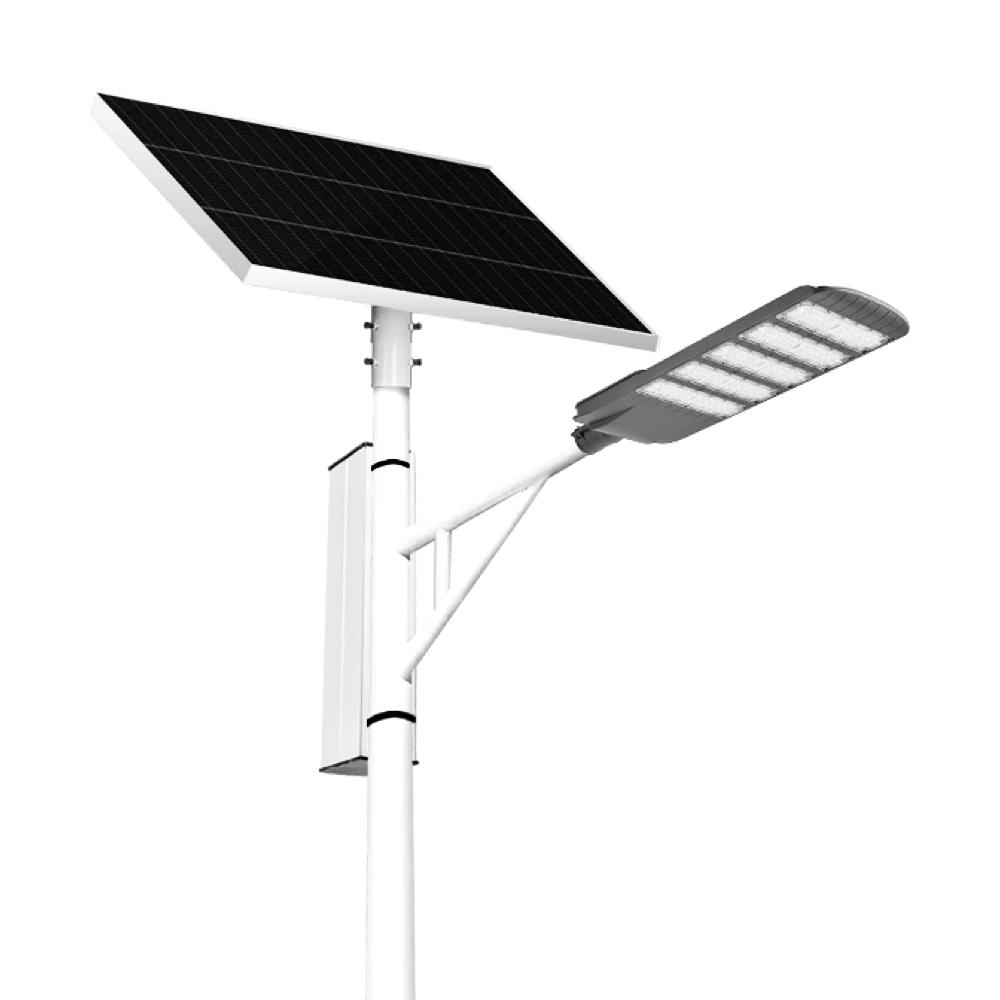
The Solar Streetlights of Luhao for Municipalities are designed to deliver reliable, energy-efficient, and cost-effective public lighting solutions. Equipped with advanced LED technology, durable lithium batteries, and high-efficiency solar panels, these streetlights provide consistent illumination for roads, parks, residential areas, and government projects.
If you would like more information about Queneng solar lighting solutions, please send us a message by filling out the form below. Our professional team will get back to you within 24 hours!
Rest assured that your privacy is important to us, and all information provided will be handled with the utmost confidentiality.
Schedule a Meeting
Book a date and time that is convenient for you and conduct the session in advance.
Have more questions about our products or services?
The messenger of light & power conversion
Environmental protection and intelligent manufacturing are our brand philosophy, and quality assurance and the best user experience are our eternal promises to users.
CONTACT
No.9F, Building F, Cao San Xin Tian Hong Logistics Park, Guzhen Town, Zhongshan City, Guangdong Province, China.
or write [email protected]
WhatsApp: +86 136 2270 1011


