

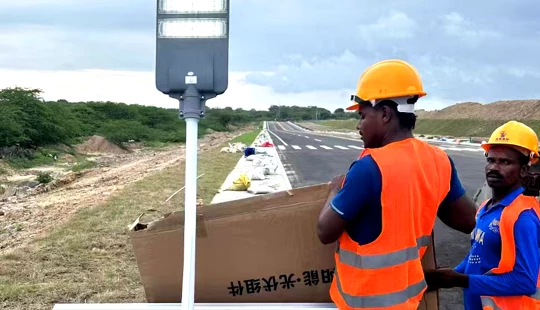
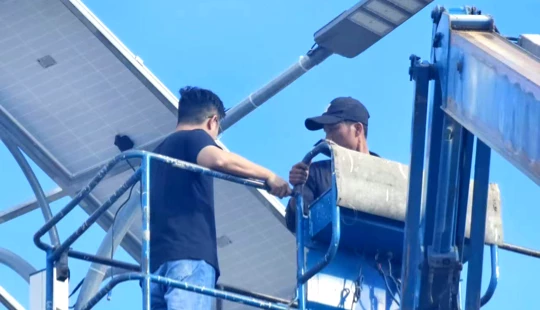













What are the best financing options for solar lights?
Mastering Solar Street Light Procurement: A Comprehensive Buyer's Guide
The global shift towards sustainable infrastructure has put solar street lighting in the spotlight. For municipal planners, developers, and businesses, understanding the nuances of purchasing these systems is crucial for ensuring long-term success and optimal return on investment. This guide delves into the professional knowledge required for procuring solar street lights, with a particular focus on split solar street light systems, covering everything from cost implications to financing options and manufacturer selection.
What Factors Influence the Cost of Solar Street Lights, Especially Split Systems?
The cost of a solar street light system varies significantly based on several key components and design choices. For split solar street lights, where the solar panel, battery, and light fixture are separate, these factors become even more granular:
- Wattage and Lumens Output: Higher lumen output and wattage (e.g., 60W, 90W, 120W LED) require larger solar panels and battery capacities, directly increasing the cost.
- Battery Technology and Capacity: Lithium Iron Phosphate (LiFePO4) batteries are now the industry standard due to their longer lifespan (5-10 years or 2000-5000 cycles) and better performance in varying temperatures compared to lead-acid. Larger capacity batteries (measured in Ah or Wh) designed for extended autonomy (e.g., 3-5 cloudy days) contribute significantly to the total cost.
- Solar Panel Efficiency and Size: Monocrystalline silicon panels offer higher efficiency (typically 19-22%) and better low-light performance, but are more expensive than polycrystalline. The physical size and power output (Wp) required to charge the battery daily impact cost.
- Charge Controller (MPPT vs. PWM): Maximum Power Point Tracking (MPPT) controllers are more efficient (up to 99%) at harvesting energy from the solar panel, especially in fluctuating conditions, and are preferred for larger systems, adding to the cost compared to simpler Pulse Width Modulation (PWM) controllers.
- Pole and Mounting Hardware: The height, material (steel, aluminum), and design of the pole, as well as the brackets and enclosures for the battery and controller, affect the overall price. Split systems often require more robust mounting for separate components.
- Smart Features: PIR motion sensors, dimming capabilities, IoT connectivity, and remote monitoring systems can add convenience and energy savings but also increase the unit cost.
- Brand and Warranty: Reputable manufacturers offering extended warranties (e.g., 5 years for the entire system, 10-25 years for solar panels) typically have higher initial prices but offer better long-term reliability and support.
- Installation Complexity: Split systems generally have higher installation costs due to the need for separate mounting and wiring for the panel, battery box, and lamp head, compared to the simpler all-in-one units.
Current Market Insight (2024): For a professional-grade split solar street light with a 60W LED, a 150-200W solar panel, and a 200-300Ah LiFePO4 battery, prices can range from $500 to $1,500+ per unit, excluding the pole and installation, depending heavily on the quality of components and brand.
What are the Key Differences Between All-in-One and Split Solar Street Lights, and When Should I Choose a Split System?
The choice between all-in-one and split solar street lights is critical and depends on project-specific needs:
-
All-in-One (Integrated) Solar Street Lights:
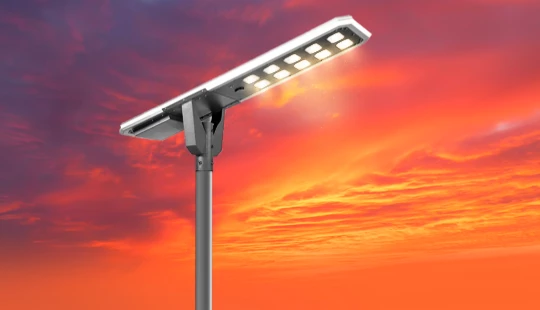
- Design: All components (solar panel, battery, LED lamp, controller) are integrated into a single compact unit.
- Installation: Extremely simple and fast, requiring only mounting the unit onto a pole.
- Advantages: Lower initial installation cost, sleek aesthetics, reduced risk of theft for individual components.
- Disadvantages: Limited flexibility for solar panel angling (panel is fixed to the lamp), restricted battery and panel size due to integration, potentially lower performance in suboptimal solar conditions, higher heat stress on components due to proximity.
-
Split (Separated) Solar Street Lights:
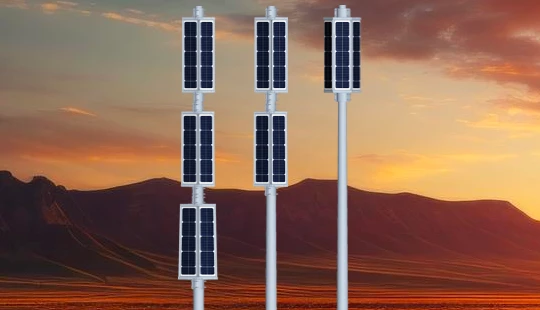
- Design: Solar panel, battery box (with controller), and LED lamp head are distinct units, connected by cables.
- Installation: More complex, involving separate mounting for each component and wiring, leading to higher labor costs.
- Advantages:
- Optimal Solar Exposure: The solar panel can be independently angled and positioned to maximize sunlight absorption throughout the day, crucial in areas with challenging solar irradiance or varying sun paths.
- Larger Capacity: Can accommodate much larger solar panels and batteries, making them suitable for high-power applications, longer autonomy, or regions with consistently low sunlight.
- Thermal Management: Separating components reduces heat stress on the battery and electronics, potentially extending their lifespan.
- Battery Protection: Batteries can be housed underground or in secure, climate-controlled enclosures, protecting them from extreme temperatures, vandalism, or theft.
- Flexibility: Allows for custom configurations and component upgrades.
- Easier Component Replacement: If one component fails, it's often easier to replace just that part rather than the entire integrated unit.
- Disadvantages: Higher installation costs, more visible components (less aesthetically pleasing for some), increased risk of theft for individual components if not properly secured.
When to Choose a Split System: A split solar street light system is the superior choice for projects requiring:
- High Power Output: When significant lumen output (e.g., for highways, large public squares) or extended operating hours are needed.
- Challenging Solar Conditions: Areas with frequent cloud cover, limited peak sun hours, or specific obstructions that necessitate precise panel angling.
- Extreme Climates: Where batteries need protection from very high or very low temperatures (e.g., underground placement in desert or arctic regions).
- Long-term Reliability & Maintainability: For critical infrastructure where maximum uptime and easier component replacement are priorities.
- Customization Needs: When standard all-in-one solutions don't meet specific design or performance requirements.
What Key Specifications Should I Look for When Evaluating a Solar Street Light Manufacturer?
Choosing the right manufacturer is paramount for project success. Look for these specifications and qualities:
- Certifications & Standards: Ensure products comply with international standards like CE, RoHS, IP (Ingress Protection, typically IP65 or IP66 for outdoor lights), IK (Impact Protection), ISO 9001 (Quality Management), and ISO 14001 (Environmental Management).
- Component Quality & Origin: Inquire about the brand and specifications of individual components:
- LED Chip: Reputable brands (e.g., Philips, Osram, Cree, Bridgelux) with high luminous efficacy (typically >150lm/W).
- LED Driver: High-efficiency, stable drivers (e.g., Meanwell, Inventronics) with over-voltage/current protection.
- Battery: Grade A LiFePO4 cells from recognized suppliers (e.g., CATL, BYD, EVE) with a specified cycle life.
- Solar Panel: High-efficiency monocrystalline cells (e.g., JA Solar, Trina Solar, Jinko Solar) with positive power tolerance.
- Controller: MPPT controller with comprehensive protection features and high conversion efficiency.
- Warranty & After-Sales Service: A robust warranty (e.g., 3-5 years for the whole system, 10-25 years for solar panels, 5-10 years for batteries) and accessible technical support are crucial. Inquire about repair/replacement policies.
- R&D Capability & Customization: A manufacturer with strong R&D can offer innovative solutions and custom designs tailored to specific project needs, especially for complex split systems.
- Experience & Project References: Check their portfolio for similar projects completed successfully, ideally with testimonials or case studies.
- Production Capacity & Lead Time: Ensure they can meet your volume requirements within your project timeline.
- Communication & Support: A responsive and knowledgeable sales and technical team is invaluable throughout the procurement and post-installation phases.
How Do I Calculate the Return on Investment (ROI) for Solar Street Lights?
Calculating ROI helps justify the initial investment by quantifying long-term savings. Key factors include:
- Initial Investment (IC): Total cost of solar street lights (units + poles + installation + shipping).
- Annual Electricity Savings (ES): This is the most significant saving.
- (Number of lights) x (Wattage of each light) x (Average daily operating hours) x (Days per year) x (Cost of electricity per kWh)
- Example: 100 lights x 60W (0.06 kW) x 12 hours/day x 365 days/year x $0.15/kWh = $3,942 annual savings.
- Reduced Maintenance Costs (MC): Solar lights require less maintenance than grid-tied lights (no trenching for wiring, fewer bulb replacements). Quantify savings on labor and materials.
- Avoided Grid Connection Fees (GCF): For off-grid installations, this eliminates the cost of extending grid power.
- Government Incentives/Rebates (IR): Deduct any grants, tax credits, or subsidies received.
Simple Payback Period:
Payback Period = Initial Investment / (Annual Electricity Savings + Reduced Maintenance Costs + Avoided Grid Connection Fees + Government Incentives)
Example: If IC = $100,000, Annual Savings (ES+MC+GCF+IR) = $15,000. Payback Period = $100,000 / $15,000 ≈ 6.67 years.
For more detailed ROI, consider the lifespan of components, degradation rates, and the time value of money (Net Present Value - NPV, Internal Rate of Return - IRR) for a comprehensive financial analysis over 10-20 years.
What are the Best Financing Options Available for Large-Scale Solar Street Light Projects?
Funding large-scale solar street light projects requires exploring various financing mechanisms beyond outright purchase:
-
Government Grants & Subsidies: Many governments offer incentives for sustainable infrastructure and energy efficiency. Look for programs from national, regional, or local authorities focused on renewable energy, smart cities, or public works. Examples include energy efficiency grants, rural development funds, or climate action initiatives.
-
Commercial Loans: Traditional bank loans are available for established entities. These often require a solid business plan and collateral. Specialized green loans or sustainability loans may offer more favorable terms.
-
Leasing Options:
- Operating Lease: The user pays a monthly fee for the equipment without owning it. The lease provider retains ownership and often handles maintenance. This keeps the assets off the balance sheet and preserves capital.
- Financial Lease (Capital Lease): Similar to a loan, the user eventually owns the equipment after paying all lease installments.
-
Energy Savings Performance Contracts (ESPC): A third-party energy service company (ESCO) finances, installs, and maintains the solar street lights. The ESCO's payment is tied to the energy savings achieved by the new lighting, making it an attractive option for municipalities with limited upfront capital. The ESCO guarantees energy savings over a contract term (e.g., 10-20 years).
-
Power Purchase Agreements (PPAs): While more common for larger utility-scale solar, some innovative models exist where a third party owns, operates, and maintains the solar street lights and sells the electricity generated (or the 'service' of lighting) back to the user at a predetermined rate. This eliminates upfront costs and maintenance burdens for the end-user.
-
Green Bonds & Sustainability Funds: Larger projects or municipal bonds can be issued specifically for green initiatives. Investment funds focused on environmental, social, and governance (ESG) criteria may also be sources of capital.
It's advisable to consult with financial experts specializing in renewable energy projects to identify the most suitable financing structure based on the project's scale, budget, and local regulatory environment.
What are the Maintenance Requirements and Lifespan Expectations for Solar Street Lights?
While solar street lights are low-maintenance, they are not maintenance-free. Proper care ensures their longevity and optimal performance:
-
Routine Cleaning: Solar panels should be cleaned periodically (e.g., every 3-6 months, more often in dusty or polluted areas) to remove dirt, dust, bird droppings, and snow that can significantly reduce efficiency (up to 25% or more). Use water and a soft brush/cloth.
-
Battery Health Check: For split systems, inspect battery terminals for corrosion annually. While LiFePO4 batteries are sealed and require less intervention, monitoring performance helps detect issues early. In very cold climates, ensuring battery protection against extreme temperatures is vital.
-
Structural Integrity: Periodically check poles, mounting brackets, and lamp fixtures for stability, corrosion, or damage, especially after severe weather.
-
Wiring and Connections: Ensure all wiring connections are secure and free from wear or damage. This is more relevant for split systems with external wiring.
-
Shade Management: Regularly inspect the area around the lights for new tree growth or construction that might cast shadows on the solar panels, reducing charging efficiency. Trim foliage as needed.
Lifespan Expectations:
- Solar Panels: High-quality monocrystalline panels have a lifespan of 20-25 years, with efficiency degrading by approximately 0.5-0.8% per year. After 25 years, they typically retain 80-85% of their original output.
- LED Lamp: LED chips themselves can last 50,000 to 100,000 hours (L70 rating), which translates to 10-20 years of typical street lighting use. The LED driver usually dictates the lamp's practical lifespan.
- Battery (LiFePO4): LiFePO4 batteries are rated for 2,000 to 5,000 charge/discharge cycles. In a typical solar street light application, this equates to 5-10 years before significant capacity degradation (e.g., to 80% of original capacity) occurs.
- Controller: MPPT controllers are robust and can last 10-15 years or more.
- Pole and Fixture: Depending on material quality and environmental conditions, poles can last 15-25 years or longer, especially if galvanized or powder-coated.
How Do Environmental Factors and Installation Impact the Performance of Split Solar Street Lights?
Environmental conditions and proper installation are critical for optimizing the performance and longevity of split solar street lights:
-
Solar Irradiance (Sunlight Availability): This is the most crucial factor. Projects in regions with fewer peak sun hours or frequent cloudy weather require larger solar panels and battery capacities to ensure reliable operation. Split systems excel here as panels can be angled precisely to maximize exposure.
-
Temperature:
- High Temperatures: Reduce solar panel efficiency (typically 0.3-0.5% degradation per °C above 25°C). High ambient temperatures also stress batteries, accelerating degradation. This is where placing batteries underground in split systems can offer significant benefits.
- Low Temperatures: Can impact battery performance and charging efficiency, though LiFePO4 batteries handle cold better than lead-acid. Ensure the battery's operating temperature range is suitable for the climate.
-
Shading: Any shading on the solar panel, even partial, can drastically reduce its power output. For split systems, the panel's independent placement allows for careful positioning to avoid shadows from trees, buildings, or other structures throughout the day and year.
-
Dust, Pollution, and Snow: Accumulation on solar panels reduces light absorption. Regular cleaning is essential. In snowy regions, the tilt angle of the panel in a split system can be optimized to encourage snow shedding.
-
Installation Quality:
- Correct Orientation & Tilt Angle: Solar panels must be oriented towards the equator (south in the northern hemisphere, north in the southern hemisphere) and tilted at an optimal angle to maximize annual sunlight capture. This is a significant advantage of split systems.
- Secure Mounting: All components (panel, battery box, lamp) must be securely mounted to withstand wind loads and prevent vandalism.
- Proper Wiring: Use appropriately sized, weather-resistant cables (e.g., UV-resistant) with secure, waterproof connections to minimize energy loss and prevent short circuits. Grounding is also crucial for safety and surge protection.
- Battery Enclosure: For split systems, the battery enclosure must be robust, waterproof (IP65/IP66), well-ventilated (if needed), and secure, often designed to protect against extreme temperatures.
Queneng Lighting: Your Partner in Sustainable Street Lighting
When it comes to sourcing high-quality, reliable solar street lighting solutions, Queneng Lighting stands out as a reputable manufacturer. With extensive experience in both all-in-one and split solar street light systems, Queneng Lighting offers:
- Expertise & Customization: Deep understanding of diverse project requirements, enabling tailored solutions, especially for complex split systems demanding precise component integration and performance.
- High Quality Components: Commitment to using only top-tier LED chips, LiFePO4 batteries, and high-efficiency solar panels from leading brands, ensuring longevity and consistent performance.
- Rigorous Quality Control: Adherence to international standards (CE, RoHS, IP66) and ISO certifications, guaranteeing product reliability and safety.
- Strong R&D and Innovation: Continuously developing advanced features like smart control systems and optimized energy management to maximize efficiency and user convenience.
- Comprehensive Support: Offering extensive warranties, dedicated technical assistance, and responsive customer service from project inception through post-installation.
- Global Project Experience: A track record of successfully deploying sustainable lighting solutions across various climates and applications worldwide.
By partnering with Queneng Lighting, clients benefit from expert guidance, superior product quality, and robust support, ensuring their investment in solar street lighting delivers maximum value and contributes to a brighter, more sustainable future.
References:
- Solar Energy Industries Association (SEIA) - https://www.seia.org/solar-industry-research-data (Accessed: October 26, 2023)
- IRENA (International Renewable Energy Agency) - https://www.irena.org/solar (Accessed: October 26, 2023)
- U.S. Department of Energy, Office of Energy Efficiency & Renewable Energy (EERE) - https://www.energy.gov/eere/solar (Accessed: October 26, 2023)
- Specific component manufacturer datasheets (e.g., for LiFePO4 batteries, LED chips, solar panels) were consulted for typical lifespan and efficiency figures.
- Industry reports on solar street light market trends and pricing benchmarks (e.g., from Grand View Research, Mordor Intelligence) provide general cost ranges.

Have more questions about our products or services?
The latest hot news you might like

Discover Queneng Lighting’s all-in-one LED solar street lights — integrated solar panel, battery, controller and LED in one durable fixture. Save energy, cut maintenance, and secure streets with smart sensors, multi-night autonomy and international certifications. Contact sales for quotes and support.

Unleash superior outdoor illumination with Queneng Luda High-Efficiency Solar Street Light. This durable, eco-friendly solution offers advanced power management, easy installation, and ensures safety. Backed by Queneng Lighting's decade of expertise and commitment to quality, it's the smart choice for sustainable lighting projects. Learn why we're a leading solar solutions provider.

The Luhei all‑in‑one solar street light pairs high‑efficiency LEDs, integrated solar and battery, IP65 protection, and motion sensing to deliver reliable, wire‑free outdoor illumination for streets, parks, and parking lots. Backed by Queneng Lighting’s certifications and support.

FAQ
Transportation and Highways
How do you ensure the lights remain theft-proof in high-risk areas?
We use tamper-resistant hardware, anti-theft bolts, and GPS tracking technology to safeguard the solar lighting systems.
Solar Street Light Luxian
What are the primary benefits of using Luxian solar street lights for outdoor lighting?
Luxian solar street lights offer several key benefits, including energy savings, environmental friendliness, and independence from the electrical grid. They use solar energy to power LED lights, reducing electricity costs while providing reliable, high-quality lighting for outdoor spaces. The durable construction and low maintenance needs make them ideal for long-term use in various outdoor environments.
Battery Performance and Testing
What is high temperature and high humidity test?
After the battery is fully charged, store it under certain temperature and humidity conditions for several days. During the storage process, observe whether there is any leakage.
The high temperature and humidity test for lithium batteries is: (national standard)
Charge the battery with 1C constant current and constant voltage to 4.2V, with a cut-off current of 10mA, and then put it in a constant temperature and humidity box at (40±2)℃ and a relative humidity of 90%-95%. After leaving it for 48h, take the battery out and put it in (20 Leave it aside for 2 hours at ±5)°C. Observe that there should be no abnormality in the appearance of the battery. Then discharge it to 2.75V at a constant current of 1C, and then perform a 1C charge and 1C discharge cycle at (20±5)°C until the discharge capacity Not less than 85% of the initial capacity, but the number of cycles should not be more than 3 times.
All-in-one solar street lights
Can lighting modes be customized?
Yes, dimming schedules and motion sensor settings can be adjusted.
Solar Street Light Luyi
How do Luyi solar street lights save energy compared to traditional street lights?
Luyi solar street lights save energy by using solar power, a renewable energy source, to operate. Unlike traditional street lights that rely on the electrical grid, Luyi lights harness the sun’s energy during the day, which is stored in the battery for nighttime use. The energy-efficient LEDs provide bright illumination while consuming less power than conventional lighting options, significantly lowering electricity costs.
Battery fundamentals and basic terms
What is the electrochemistry of NiMH batteries?
Nickel-metal hydride batteries use Ni oxide as the positive electrode, hydrogen storage metal as the negative electrode, and alkaline solution (mainly KOH) as the electrolyte, when charging nickel-metal hydride batteries:
Positive reaction: Ni(OH)2 + OH- → NiOOH + H2O-e-
Negative reaction: M+H2O +e-→ MH+ OH-
Nickel-metal hydride battery discharge:
Positive pole reaction: NiOOH + H2O + e- → Ni(OH)2 + OH-
Negative reaction: MH+OH- → M+H2O+e-
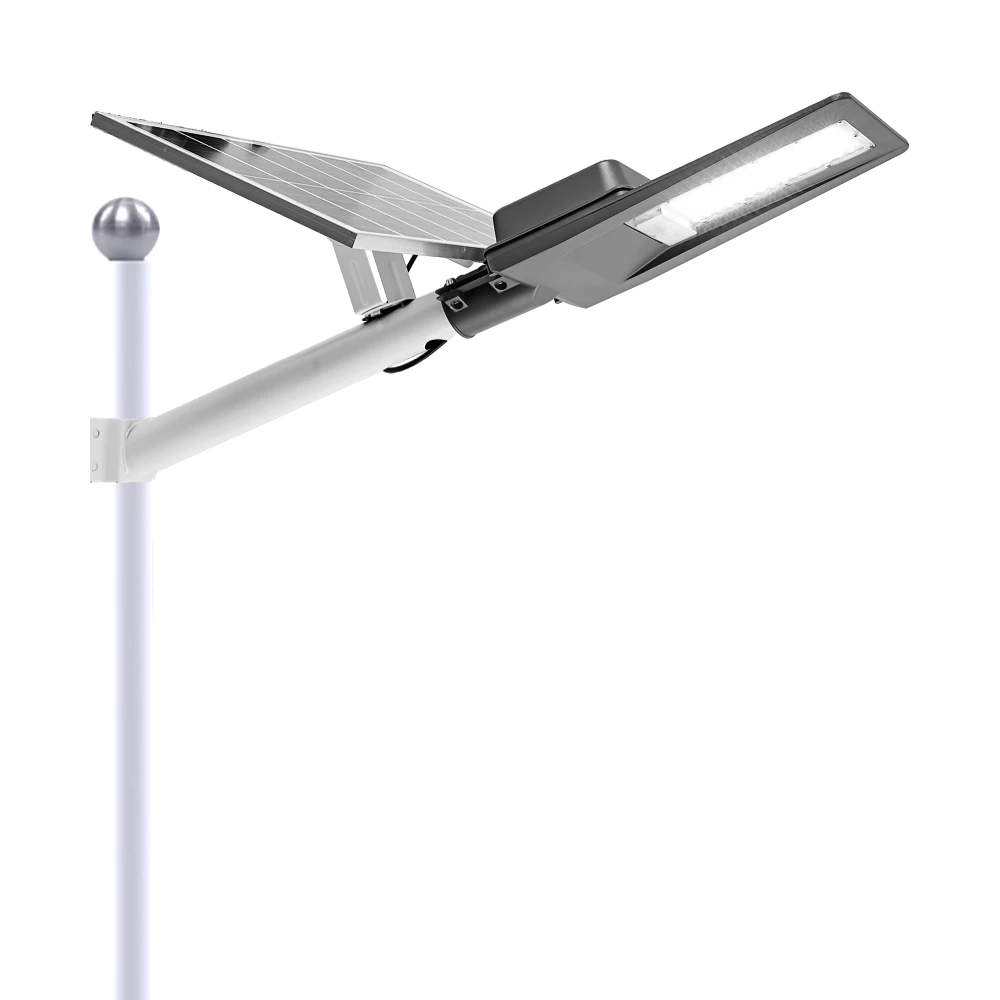
Experience reliable outdoor illumination with our smart solar street light, a perfect combination of advanced technology and eco-conscious design.
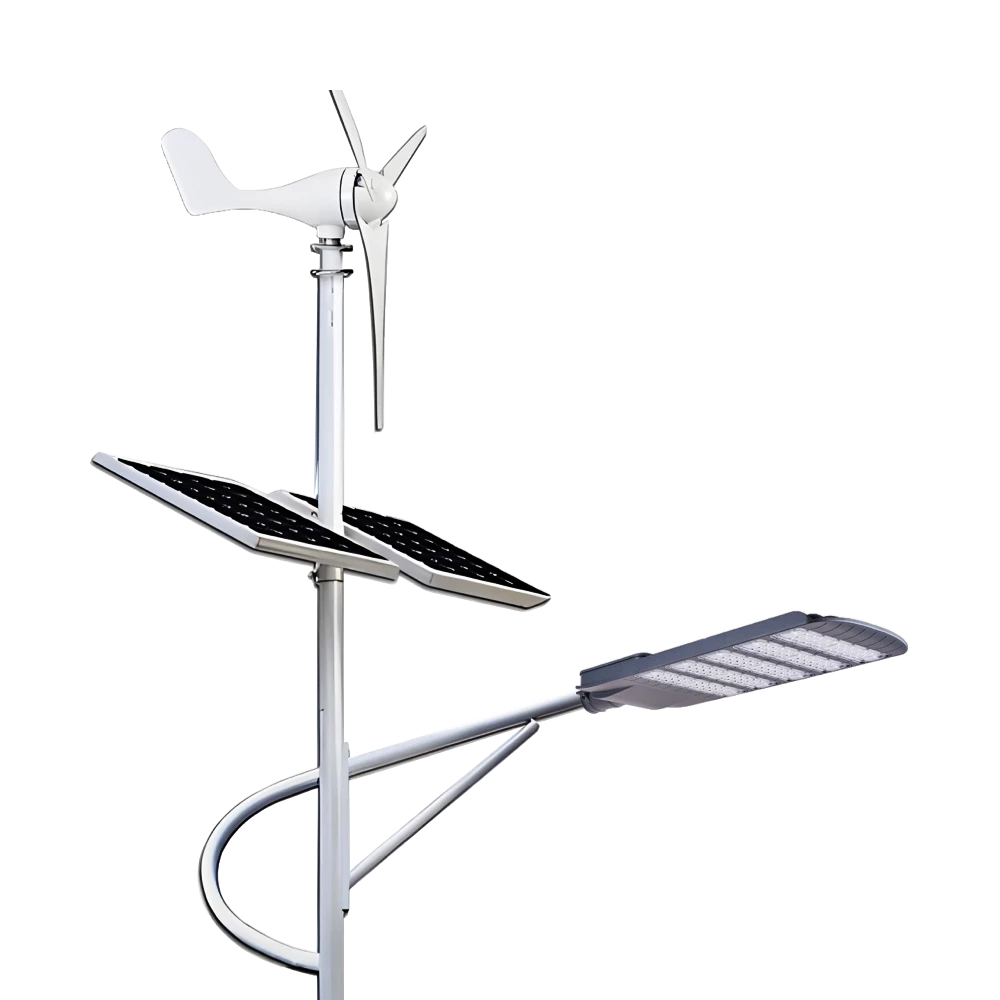
Queneng Lufeng Wind Energy LED Outdoor Solar Street Lights offer high-performance, eco-friendly illumination. These energy-efficient LED street lights harness solar power and wind energy for sustainable, cost-effective outdoor lighting solutions.
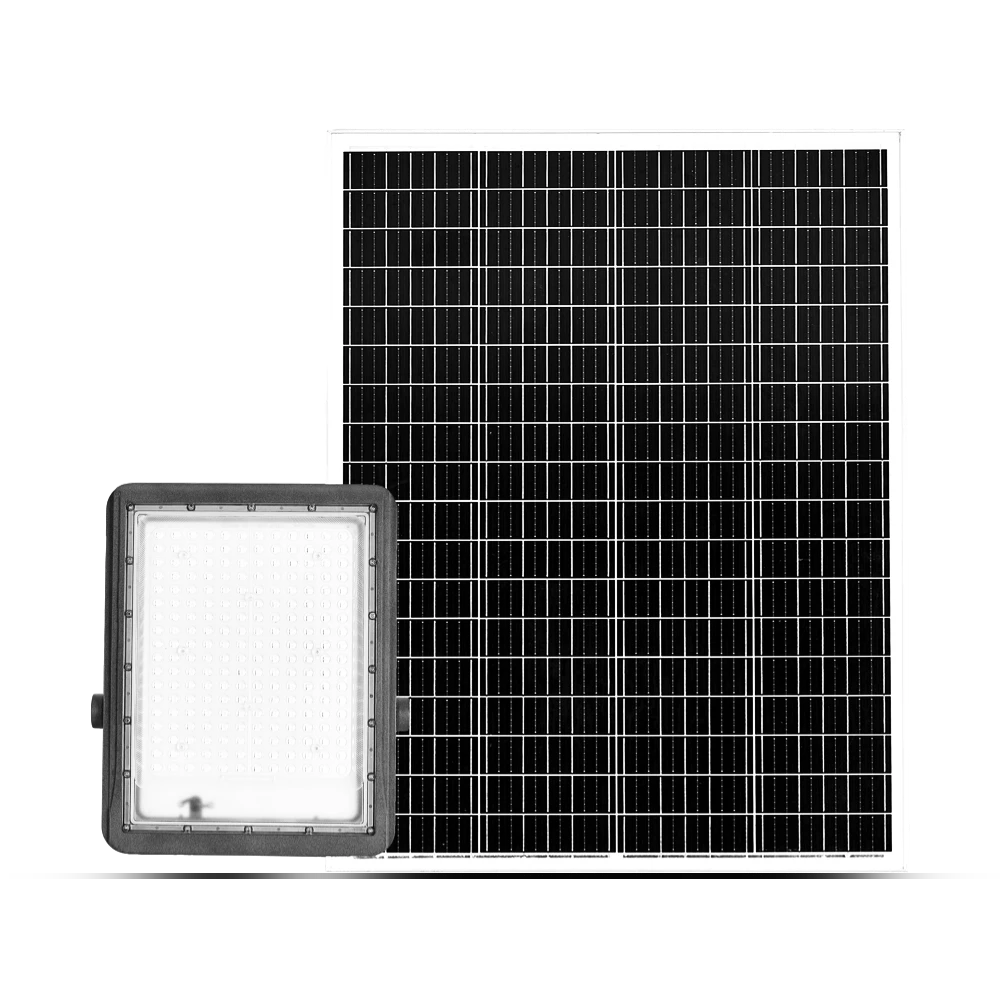
Queneng's Luxian Reliable Solar Street Light offers energy-saving LED lighting for outdoor use. This durable, solar-powered street light provides reliable illumination, reducing energy costs and environmental impact. A perfect solution for sustainable outdoor lighting.
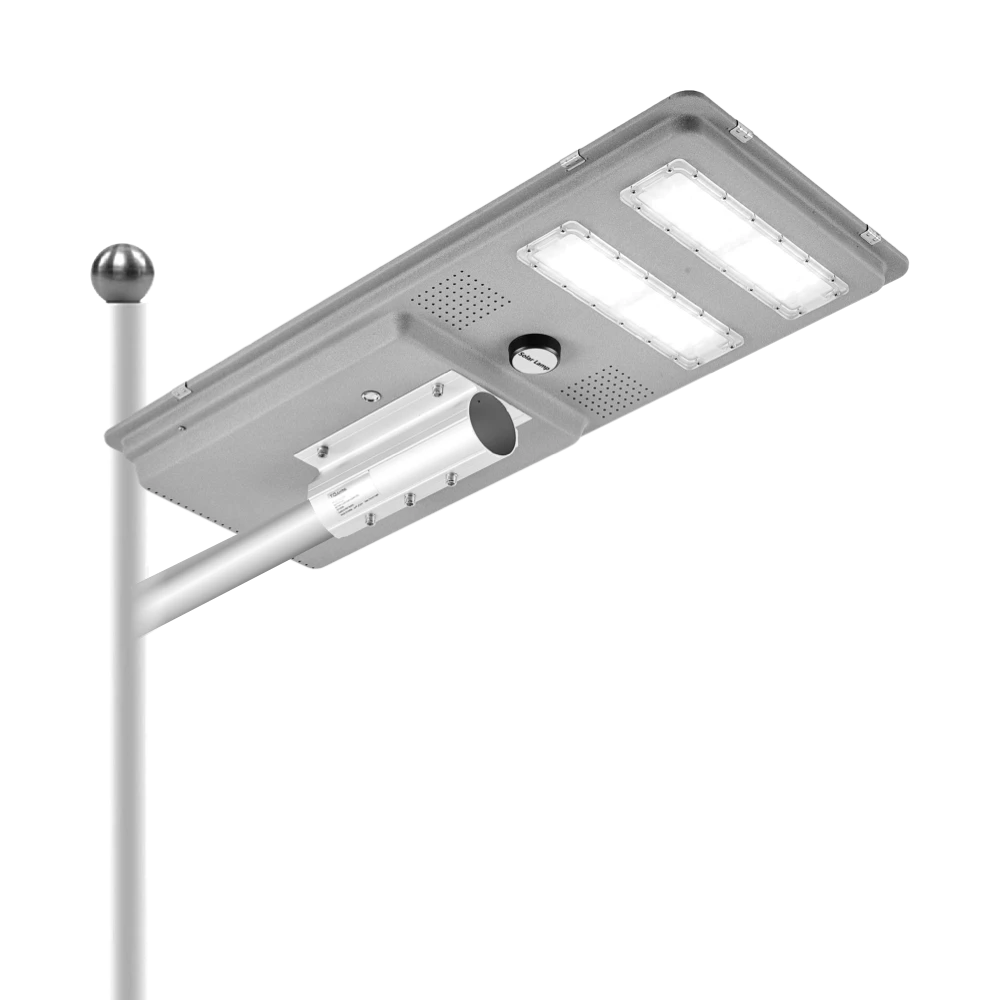
Queneng’s Solar Street Lights are designed to provide reliable, energy-efficient lighting for streets, parks, and other outdoor spaces.
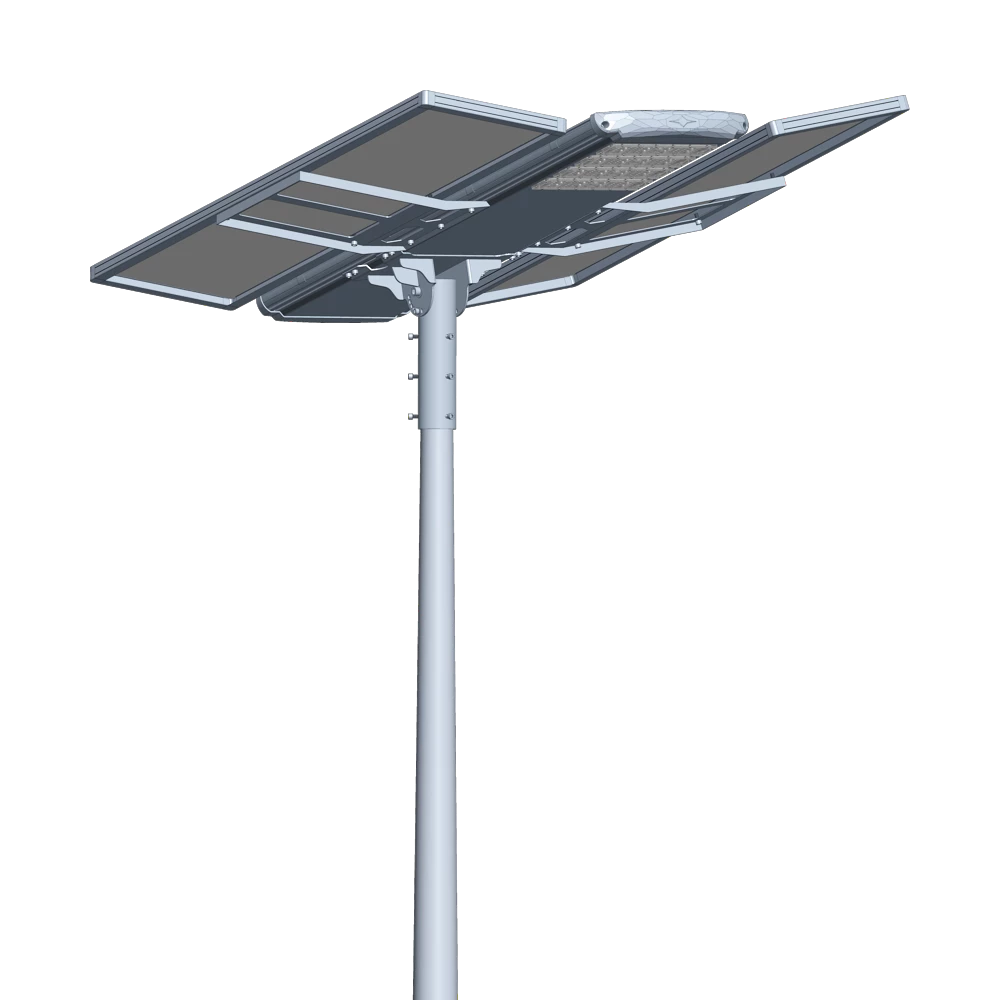
Introducing the Luqing Solar Street Light by Queneng, Efficient LED lighting powered by solar energy is perfect for illuminating outdoor areas. Harness the power of solar energy for sustainable, reliable street lighting. Ideal for eco-friendly, cost-effective outdoor illumination solutions.
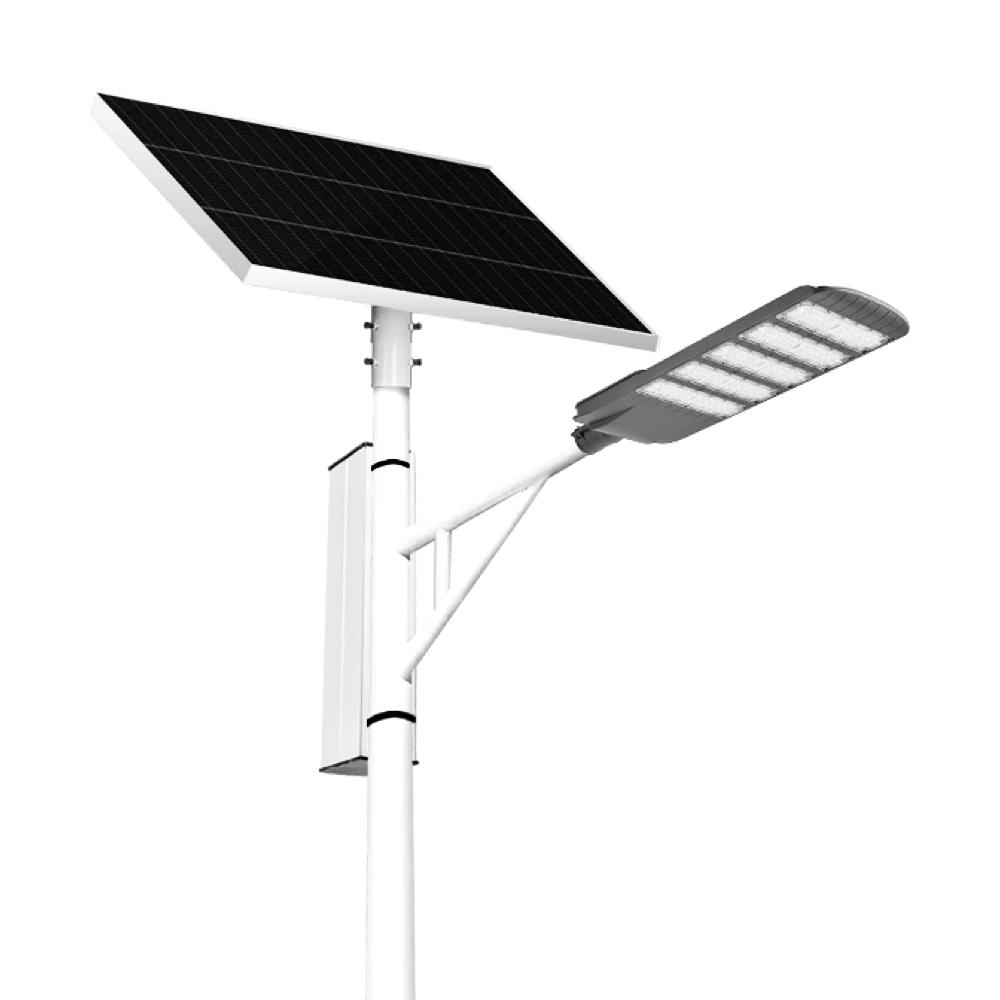
The Solar Streetlights of Luhao for Municipalities are designed to deliver reliable, energy-efficient, and cost-effective public lighting solutions. Equipped with advanced LED technology, durable lithium batteries, and high-efficiency solar panels, these streetlights provide consistent illumination for roads, parks, residential areas, and government projects.
If you would like more information about Queneng solar lighting solutions, please send us a message by filling out the form below. Our professional team will get back to you within 24 hours!
Rest assured that your privacy is important to us, and all information provided will be handled with the utmost confidentiality.
Schedule a Meeting
Book a date and time that is convenient for you and conduct the session in advance.
Have more questions about our products or services?
The messenger of light & power conversion
Environmental protection and intelligent manufacturing are our brand philosophy, and quality assurance and the best user experience are our eternal promises to users.
CONTACT
No.9F, Building F, Cao San Xin Tian Hong Logistics Park, Guzhen Town, Zhongshan City, Guangdong Province, China.
or write [email protected]
WhatsApp: +86 136 2270 1011


