














What should a comprehensive manufacturer proposal include?
Navigating Solar Street Light Procurement: Costs, Types, and Manufacturer Proposals
Investing in solar street lights is a smart decision for sustainable and cost-effective outdoor illumination. However, navigating the market can be complex, with various technologies, manufacturers, and pricing structures. This guide aims to equip procurement professionals and project managers with the essential knowledge needed to make informed decisions, focusing on the cost of solar street lights, the distinctions between All-in-One Solar Street Lights and split systems, and what to expect from a leading Solar Street Light Manufacturer.
1. What Factors Influence the Cost of Solar Street Lights?
The cost of solar street lights varies significantly, typically ranging from $150 to over $1,500 per unit, excluding installation. Several key factors contribute to this price variability:
- LED Wattage and Lumen Output: Higher wattage and brighter lights (more lumens) require larger components and thus cost more. For instance, a 30W LED fixture might be $300-$500, while a 100W+ fixture could exceed $1,000.
- Battery Type and Capacity: Lithium iron phosphate (LiFePO4) batteries are preferred for their longevity and stability but are more expensive than lead-acid. Larger battery capacity (measured in Ah or Wh) for extended autonomy days (days the light can operate without sun) directly increases cost.
- Solar Panel Power (Wattage): A larger, higher-wattage solar panel is needed to efficiently charge the battery, especially in regions with less sunlight. This adds to the overall cost.
- Pole Height and Material: Taller poles and those made from robust materials like galvanized steel or aluminum are more expensive than shorter, standard poles.
- Smart Features: Integrated PIR motion sensors, dimming capabilities, IoT connectivity, and remote monitoring systems add to the unit price due to additional hardware and software.
- Brand and Warranty: Reputable manufacturers offering extended warranties and proven track records often have higher prices, reflecting the quality and reliability of their products and after-sales support.
- Certifications: Products with international certifications (CE, RoHS, IEC, IP, IK) indicate quality and compliance, which can influence pricing.
2. All-in-One vs. Split Solar Street Lights: Which is Right for Your Project?
The choice between all-in-one and split solar street light systems depends heavily on project requirements, environmental conditions, and budget:
- All-in-One Solar Street Lights:
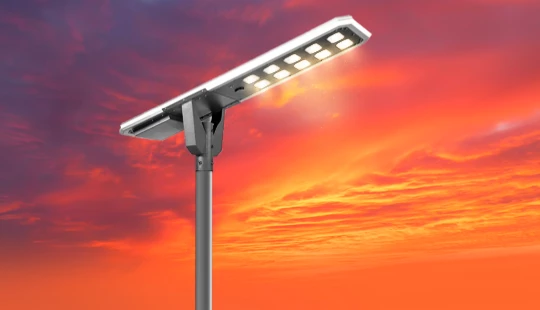
- Design: Integrates the solar panel, LED lamp, battery, and controller into a single compact unit.
- Pros: Simpler and faster installation, lower initial hardware cost, aesthetically pleasing compact design. Often suitable for moderate power requirements and stable climates.
- Cons: Limited battery and solar panel sizing flexibility, potential for battery overheating in extremely hot climates due to proximity to the LED, fixed solar panel angle limits energy harvest optimization.
- Split Solar Street Lights (e.g., for the Split Solar Street Light Industry):
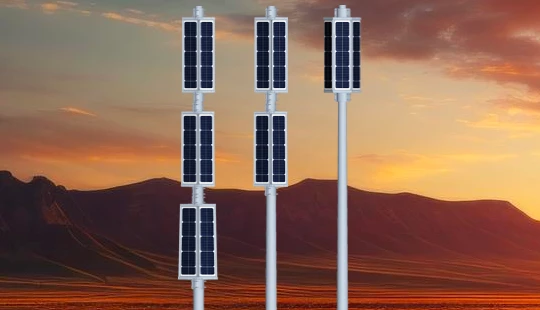
- Design: Components (solar panel, battery box, LED lamp, controller) are separate and connected by cables. The solar panel is typically mounted on top of the pole, while the battery box is often mounted lower on the pole or buried underground.
- Pros: Greater flexibility in solar panel positioning (can be angled for optimal sunlight), better heat dissipation for the battery (enhancing lifespan), allows for larger battery capacities and higher power output, ideal for high-demand applications, diverse climatic conditions, or specialized lighting needs.
- Cons: More complex installation, higher cabling and installation costs, potentially less streamlined aesthetics due to separate components.
For demanding projects requiring high power, longer autonomy, or operation in extreme temperatures, split solar street lights often provide a more robust and reliable solution despite the higher initial installation effort.
3. What is the Typical Lifespan of Solar Street Light Components?
Understanding component lifespan is crucial for calculating long-term ROI:
- LED Light Fixture: Modern LED chips typically boast a lifespan of 50,000 to 100,000 hours, translating to 10-20+ years of operation (based on 10-12 hours/night).
- Battery (LiFePO4): High-quality Lithium Iron Phosphate (LiFePO4) batteries are rated for 2,000 to 4,000 charge/discharge cycles, offering a reliable service life of 5-8 years, potentially extending to 10+ years with proper thermal management and charging cycles.
- Solar Panel: Photovoltaic panels are exceptionally durable, with a typical lifespan of 20-25 years, though their efficiency may gradually degrade by about 0.5% per year after the initial warranty period.
- Charge Controller: These electronic components usually have a lifespan of 5-10 years, depending on quality and operating conditions.
4. What Should I Look For in a Reliable Solar Street Light Manufacturer?
Choosing the right manufacturer is paramount for project success:
- Experience and Reputation: Look for manufacturers with a proven track record in the solar lighting industry, positive customer reviews, and a robust portfolio of successful projects.
- R&D and Innovation: A manufacturer committed to R&D ensures they offer cutting-edge technology, better efficiency, and longer-lasting products (e.g., advanced MPPT controllers, optimized battery management systems).
- Quality Certifications: Ensure products comply with international standards such as CE, RoHS, IEC (for solar panels), ISO (for quality management), IP (Ingress Protection for dust/water), and IK (Impact Protection).
- Customization Capabilities: A good manufacturer should be able to tailor solutions to specific project needs, considering local sunlight conditions, lighting requirements, and aesthetic preferences.
- Warranty and After-Sales Support: Comprehensive warranties (e.g., 5 years for the whole system, 10+ years for solar panels) and accessible technical support are indicators of a manufacturer's confidence in their products.
- Supply Chain and Production: Transparency in their manufacturing process and stable supply chain ensures consistent quality and timely delivery.
5. What Essential Elements Should a Comprehensive Manufacturer Proposal Include?
A detailed and transparent manufacturer proposal is crucial for evaluating options. A comprehensive proposal should include:
- Project Overview: A clear understanding of your project's scope, location, and specific lighting needs.
- Technical Specifications: Detailed data sheets for all components: LED (wattage, lumens, CCT, CRI, beam angle, IP/IK rating), solar panel (wattage, efficiency), battery (type, capacity, voltage), and charge controller (type, features, protections).
- Photometric Design & Simulation: A lighting layout plan with photometric reports (e.g., Dialux simulations) showing light distribution, uniformity, and average lux levels on the ground, ensuring compliance with local lighting standards.
- System Design Rationale: Explanation of how the system is sized (solar panel and battery) based on local solar insolation data and required autonomy days.
- CAD Drawings/Renderings: Visual representations of the proposed street lights, including pole dimensions, fixture mounting, and overall appearance.
- Installation Guide & Requirements: Clear instructions for installation, including foundation details, wiring diagrams, and safety precautions.
- Warranty Terms: Explicit details on warranty periods for each component and the complete system, including coverage and claims process.
- Maintenance Plan: Recommendations for routine checks and long-term maintenance to ensure optimal performance.
- Pricing Breakdown: Clear, itemized pricing for units, poles, accessories, and any optional services (e.g., installation supervision), along with payment terms.
- Certifications & Compliance: Proof of relevant product and company certifications.
- Delivery Schedule & Logistics: Estimated lead times and shipping information.
6. What are the Key Benefits of Investing in Solar Street Lights?
The advantages of solar street lights extend beyond just illumination:
- Energy Independence & Cost Savings: Harnessing renewable solar energy eliminates electricity bills, offering significant long-term operational savings.
- Environmental Sustainability: Reduces carbon footprint by utilizing clean energy, contributing to environmental protection efforts.
- Lower Installation Costs (for grid-independent systems): No need for trenching, cabling, or connecting to the grid, saving on civil works and permits, especially in remote areas.
- Enhanced Safety & Security: Provides reliable lighting in areas prone to power outages or lacking grid infrastructure, improving public safety.
- Scalability & Flexibility: Easy to deploy and relocate, offering flexibility for expanding lighting infrastructure without complex grid extensions.
- Smart City Integration: Many modern solar street lights are equipped with IoT capabilities, allowing for smart control, remote monitoring, and integration into broader smart city initiatives.
7. What Maintenance is Required for Solar Street Lights?
While generally low-maintenance, some routine care ensures optimal performance and longevity:
- Solar Panel Cleaning: Regularly clean solar panels (every 3-6 months, more often in dusty environments) to remove dust, dirt, leaves, and bird droppings that can obstruct sunlight and reduce charging efficiency.
- Battery Inspection: For split systems with accessible batteries, periodically check connections for corrosion and ensure proper ventilation. Most modern LiFePO4 batteries are sealed and maintenance-free, but their performance should be monitored via remote systems if available.
- Fixture & Pole Inspection: Annually inspect the LED fixture, pole, and brackets for any physical damage, loose connections, or corrosion. Ensure the light path is not obstructed by growing vegetation.
- Software/Firmware Updates: For smart solar street lights, ensure software and firmware are updated as recommended by the manufacturer to maintain optimal functionality and security.
Queneng Lighting: Your Trusted Partner in Solar Street Lighting
At Queneng Lighting, we pride ourselves on being a leading Solar Street Light Manufacturer, offering both advanced All-in-One Solar Street Lights and robust split systems tailored to diverse project requirements. Our commitment to innovation is reflected in our use of high-efficiency monocrystalline solar panels, long-lasting LiFePO4 batteries with intelligent BMS, and highly efficient LED chips, all backed by comprehensive warranties and certifications (CE, RoHS, IP66). We provide detailed, transparent manufacturer proposals, including photometric designs and customized solutions, ensuring our clients receive optimal performance and exceptional value. Choose Queneng Lighting for reliable, sustainable, and cost-effective solar lighting solutions, built with expertise and backed by extensive experience in the global market.

Have more questions about our products or services?
The latest hot news you might like

Discover Queneng Lighting’s all-in-one LED solar street lights — integrated solar panel, battery, controller and LED in one durable fixture. Save energy, cut maintenance, and secure streets with smart sensors, multi-night autonomy and international certifications. Contact sales for quotes and support.

Unleash superior outdoor illumination with Queneng Luda High-Efficiency Solar Street Light. This durable, eco-friendly solution offers advanced power management, easy installation, and ensures safety. Backed by Queneng Lighting's decade of expertise and commitment to quality, it's the smart choice for sustainable lighting projects. Learn why we're a leading solar solutions provider.

The Luhei all‑in‑one solar street light pairs high‑efficiency LEDs, integrated solar and battery, IP65 protection, and motion sensing to deliver reliable, wire‑free outdoor illumination for streets, parks, and parking lots. Backed by Queneng Lighting’s certifications and support.

FAQ
Remote Areas Rural Development
Are solar streetlights scalable for larger rural projects?
Yes, solar streetlights are highly scalable and can be customized to meet the requirements of large-scale rural electrification projects.
Batteries and the environment
What are the “green batteries” currently being used and researched?
Commercial and Industrial Parks
Can the lighting systems be upgraded in the future?
Yes, our modular designs allow for easy upgrades, such as adding smart features or higher capacity batteries.
Solar Street Light Luxian
How do Luxian solar street lights contribute to reducing carbon emissions?
By using solar power as their energy source, Luxian solar street lights reduce reliance on fossil fuels for electricity generation. This contributes to lower carbon emissions, helping mitigate climate change and promoting environmental sustainability. Their energy efficiency further reduces the overall carbon footprint of lighting systems.
Battery Types and Applications
What is a solar cell? What are the advantages of solar cells?
Solar energy systems are easy to install, easy to expand, and easy to disassemble. At the same time, using solar energy is also very economical and there is no energy consumption during the operation. In addition, the system is resistant to mechanical wear and tear; a solar system requires reliable solar cells to receive and store solar energy. Generally, solar cells have the following advantages:
1) High charge absorption capacity;
2) Long cycle life;
3) Good rechargeability;
4) No maintenance required.
Battery Performance and Testing
What is the internal resistance in charging state and what is the difference between internal resistance in discharging state?
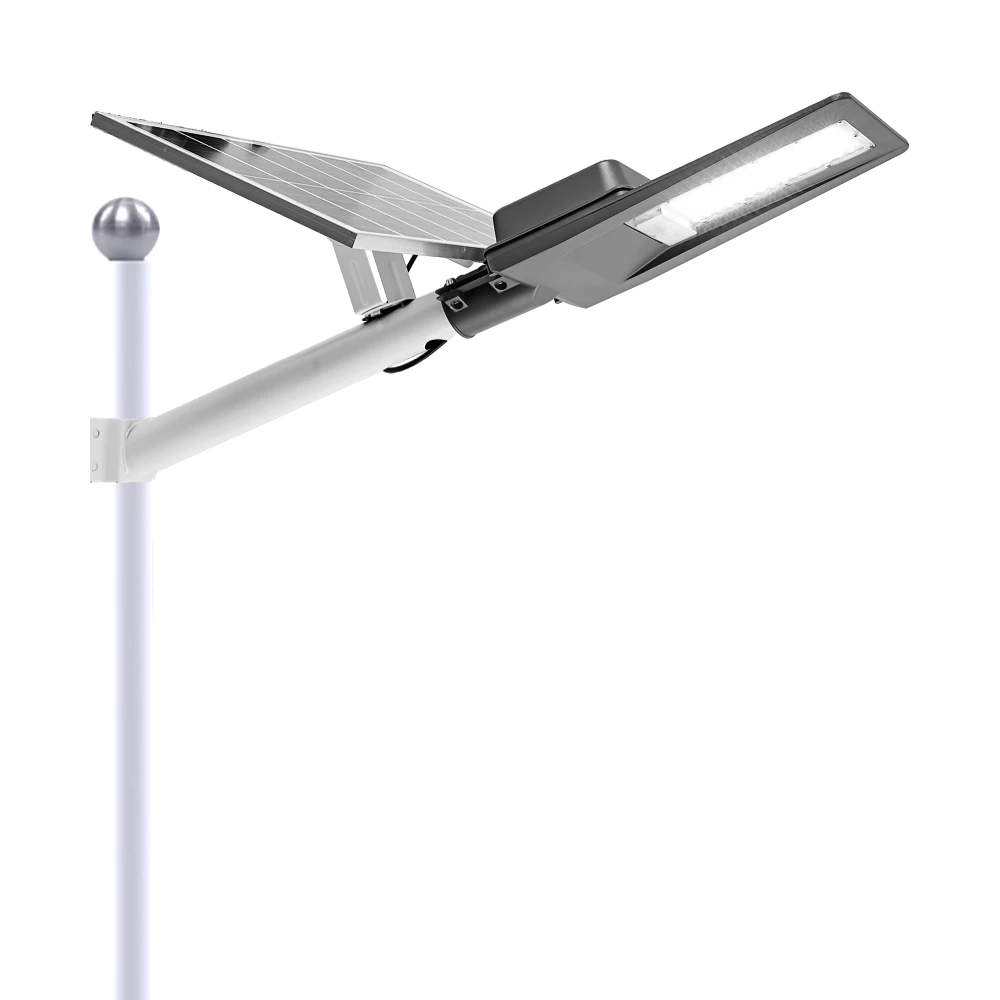
Experience reliable outdoor illumination with our smart solar street light, a perfect combination of advanced technology and eco-conscious design.
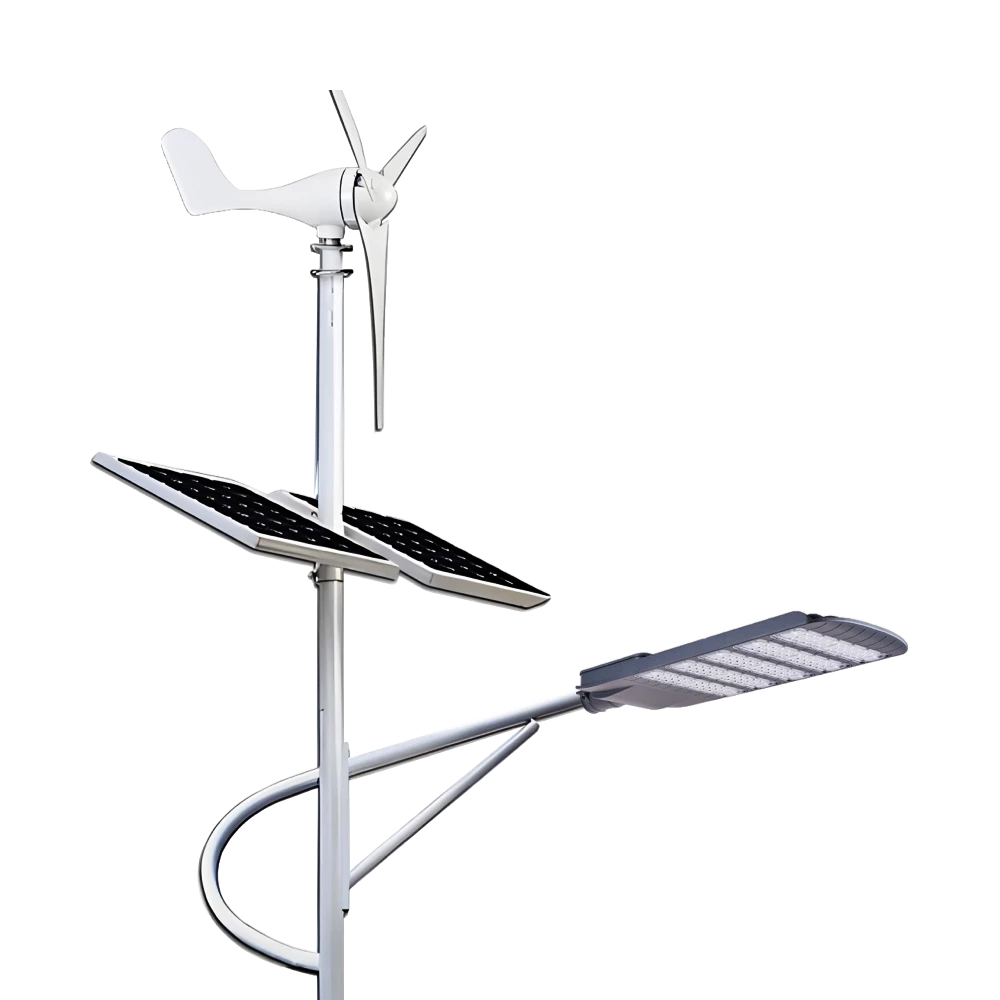
Queneng Lufeng Wind Energy LED Outdoor Solar Street Lights offer high-performance, eco-friendly illumination. These energy-efficient LED street lights harness solar power and wind energy for sustainable, cost-effective outdoor lighting solutions.
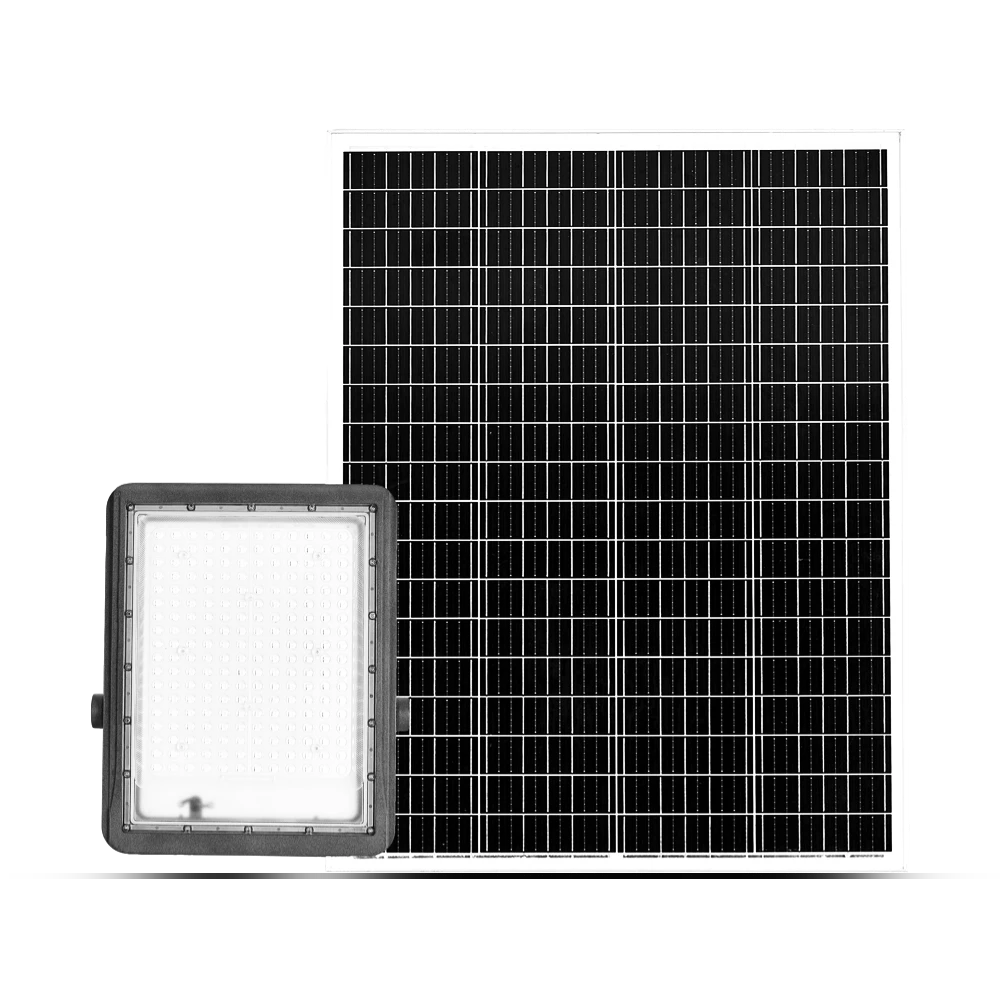
Queneng's Luxian Reliable Solar Street Light offers energy-saving LED lighting for outdoor use. This durable, solar-powered street light provides reliable illumination, reducing energy costs and environmental impact. A perfect solution for sustainable outdoor lighting.
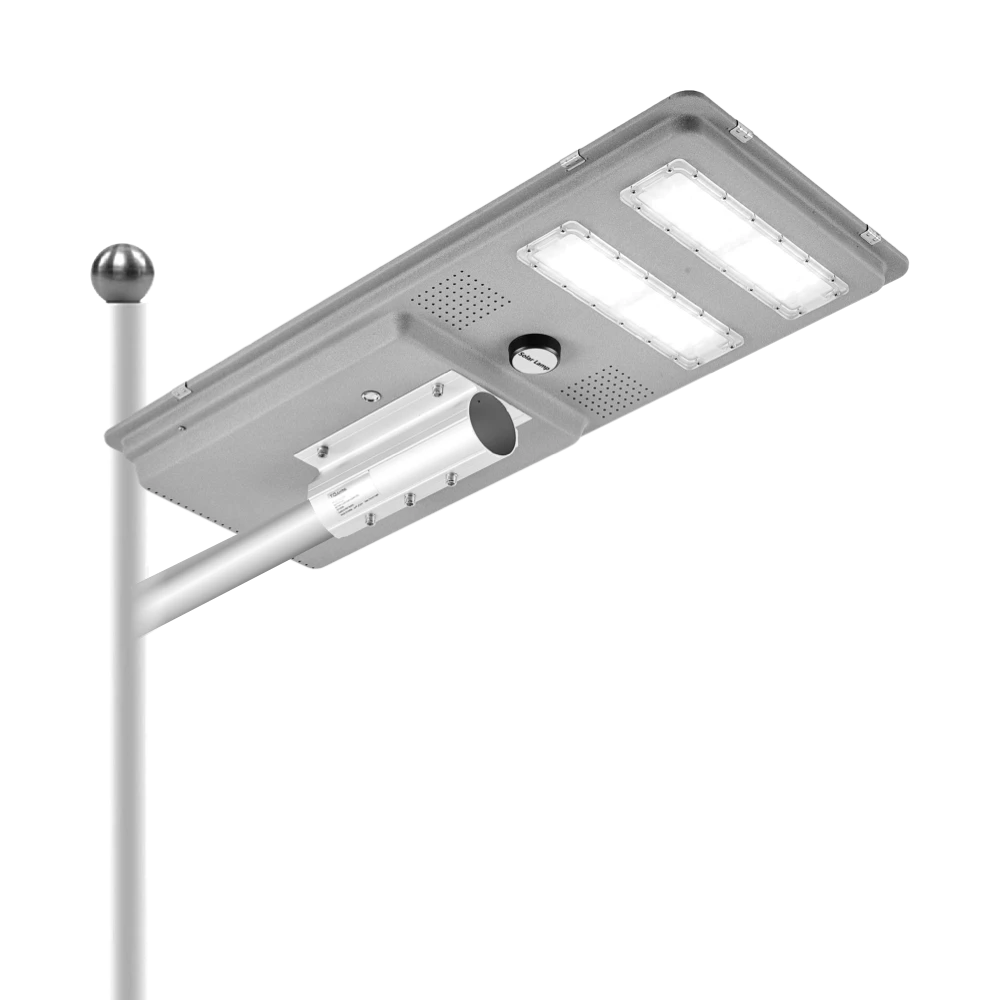
Queneng’s Solar Street Lights are designed to provide reliable, energy-efficient lighting for streets, parks, and other outdoor spaces.
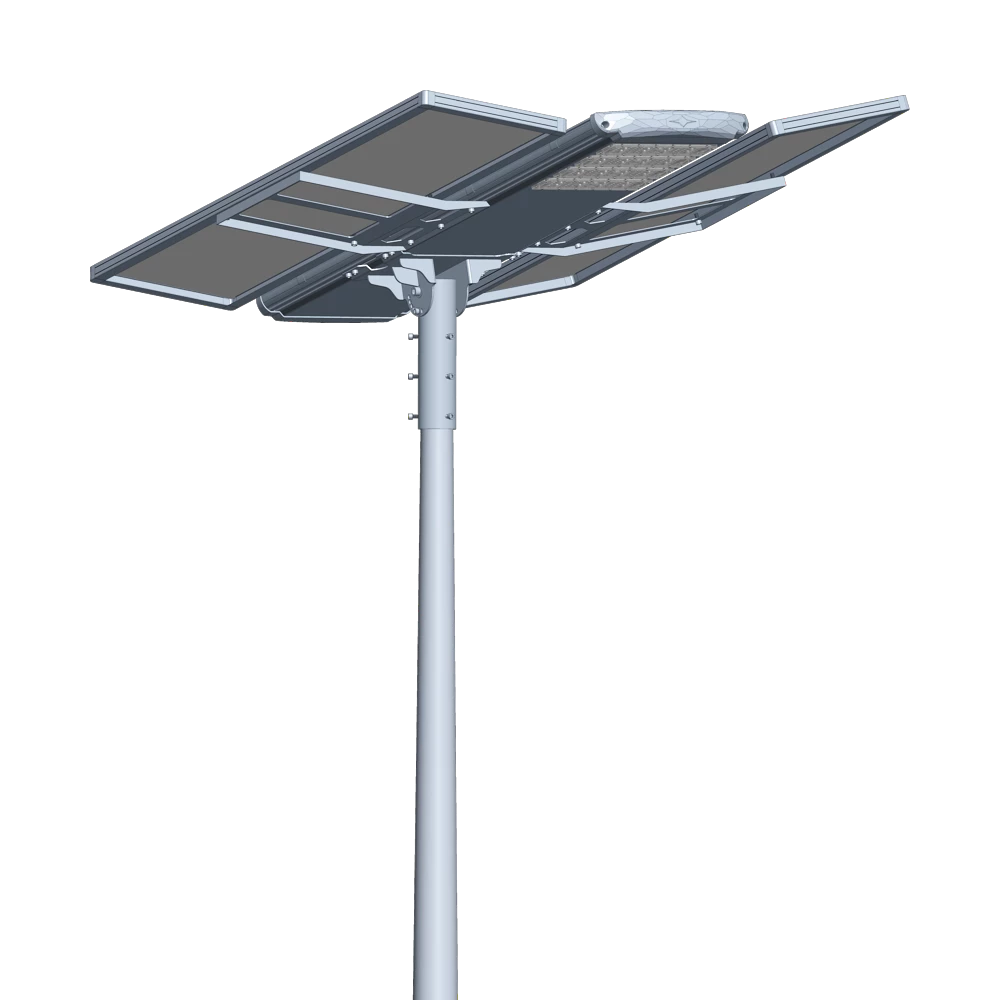
Introducing the Luqing Solar Street Light by Queneng, Efficient LED lighting powered by solar energy is perfect for illuminating outdoor areas. Harness the power of solar energy for sustainable, reliable street lighting. Ideal for eco-friendly, cost-effective outdoor illumination solutions.
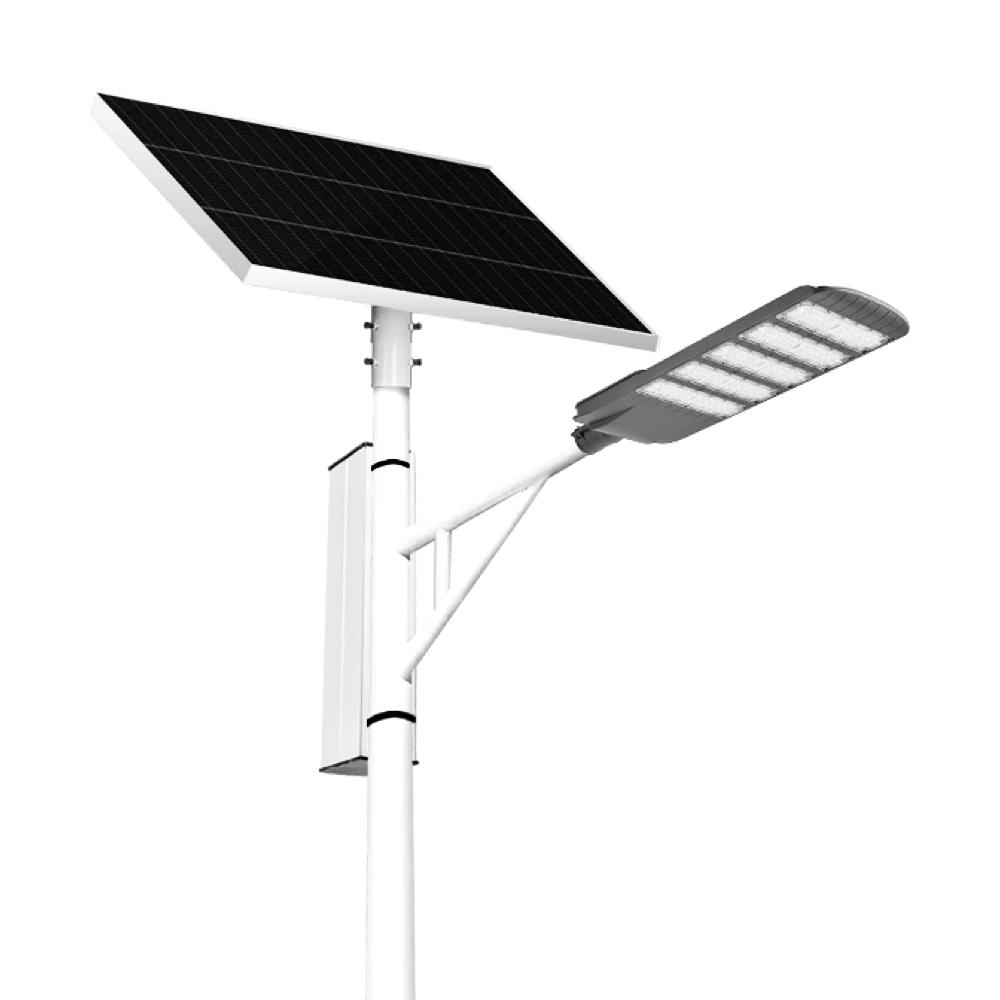
The Solar Streetlights of Luhao for Municipalities are designed to deliver reliable, energy-efficient, and cost-effective public lighting solutions. Equipped with advanced LED technology, durable lithium batteries, and high-efficiency solar panels, these streetlights provide consistent illumination for roads, parks, residential areas, and government projects.
If you would like more information about Queneng solar lighting solutions, please send us a message by filling out the form below. Our professional team will get back to you within 24 hours!
Rest assured that your privacy is important to us, and all information provided will be handled with the utmost confidentiality.
Schedule a Meeting
Book a date and time that is convenient for you and conduct the session in advance.
Have more questions about our products or services?
The messenger of light & power conversion
Environmental protection and intelligent manufacturing are our brand philosophy, and quality assurance and the best user experience are our eternal promises to users.
CONTACT
No.9F, Building F, Cao San Xin Tian Hong Logistics Park, Guzhen Town, Zhongshan City, Guangdong Province, China.
or write [email protected]
WhatsApp: +86 136 2270 1011


