














How does IP rating affect solar street light cost?
Understanding the True Cost and Value of Solar Street Lights
Investing in solar street lights is a strategic decision for sustainable infrastructure development. For procurement professionals, understanding the intricacies of cost, performance, and reliability is paramount. This guide provides a deep dive into the factors that influence solar street light pricing, comparing different types, and offering crucial insights for making informed purchasing decisions, especially for sophisticated split solar street light systems.
What Factors Influence the Cost of Solar Street Lights?
The cost of a solar street light is not merely its sticker price; it's a culmination of several interconnected components and factors. Understanding these helps in evaluating value rather than just expense:
-
Component Quality and Capacity:
- Solar Panel: The wattage, efficiency (e.g., monocrystalline vs. polycrystalline), and physical size directly impact cost. Higher efficiency and larger wattage panels, necessary for reliable charging, increase the price.
- Battery: Battery type (LiFePO4 is High Quality and increasingly standard due to longer lifespan and better performance), capacity (Ah), and cycle life are major cost drivers. Larger capacity batteries ensure longer backup and more consistent light output.
- LED Luminance: The wattage, luminous efficiency (lumens per watt), and brand of the LED chips (e.g., Philips, Cree) significantly affect both performance and cost.
- Controller: MPPT (Maximum Power Point Tracking) controllers are more efficient than PWM (Pulse Width Modulation) and thus add to the cost, but they optimize charging, extending battery life and improving reliability.
-
System Design and Integration: Complex designs, advanced energy management systems, and smart features (e.g., motion sensors, IoT connectivity) contribute to higher costs.
-
Material and Construction: Quality of housing (e.g., aluminum alloy for better heat dissipation and corrosion resistance vs. cheaper plastics), pole material, and mounting hardware. Better materials ensure durability and longevity.
-
Brand Reputation and Warranty: Established manufacturers with robust R&D and comprehensive warranties often have higher prices, but offer greater peace of mind and lower long-term risks.
-
Certification and Testing: Adherence to international standards (CE, RoHS, IEC) and rigorous testing processes add to the manufacturing cost but guarantee quality and safety.
Generally, a commercial-grade solar street light can range from $300 to $1,500+ USD per unit, depending heavily on the specifications. High-power systems (e.g., 80W-120W LED with large battery/panel) for critical infrastructure could exceed $2,000.
All-in-One vs. Split Solar Street Lights: Understanding the Cost and Performance Trade-offs
The choice between all-in-one (integrated) and split solar street lights is a critical decision influencing both initial cost and long-term performance, particularly for diverse applications.
-
All-in-One Solar Street Lights:
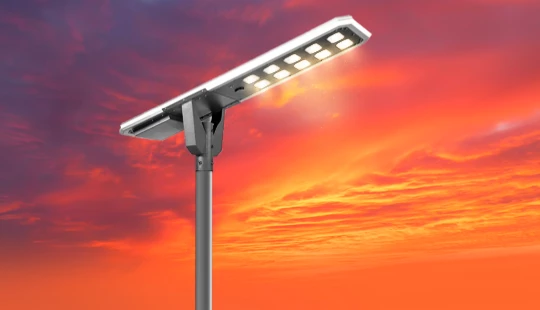
- Design: All primary components (solar panel, battery, LED lamp, controller) are integrated into a single compact unit, typically mounted directly on the light pole.
- Advantages: Simpler installation, lower labor costs for setup, aesthetically cleaner design. Often a good choice for standard applications with ample direct sunlight.
- Disadvantages: Limited flexibility in panel orientation (tied to the lamp's direction), potential for overheating if not well-designed (battery and controller are close to the LED), and performance can be compromised in areas with suboptimal sunlight angles or shading.
- Cost: Generally lower initial purchase and installation cost due to reduced wiring and simpler assembly.
-
Split Solar Street Lights:
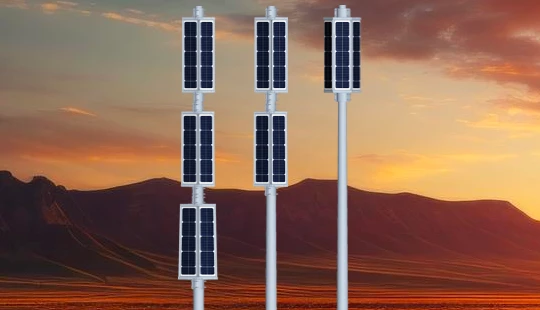
- Design: The solar panel is separate from the light fixture, allowing for flexible positioning. The battery and controller are often housed in a box mounted on the pole or at its base, connected to the panel and lamp via cables.
- Advantages: Superior adaptability to environmental conditions. The solar panel can be oriented optimally towards the sun, even if the light needs to face a different direction or be placed in a shaded area. Allows for larger solar panels and battery capacities to be deployed, leading to enhanced reliability and longer autonomy. Better heat management as components are dispersed. Ideal for challenging climates or applications requiring specific light distribution.
- Disadvantages: More complex installation due to separate components and wiring, leading to higher labor costs. Requires more components and potentially longer cable runs.
- Cost: Typically higher initial purchase and installation cost due to more components, wiring, and labor. However, their enhanced performance and adaptability can offer a better long-term ROI in specific, demanding environments.
For procurement professionals, especially those dealing with varied site conditions or projects requiring high performance and reliability, the flexibility and robustness of split solar street light systems often justify the higher upfront investment.
How Does IP Rating Directly Impact Solar Street Light Cost and Durability?
The IP (Ingress Protection) rating is a critical factor indicating a solar street light's resistance to dust and water. It directly influences both the product's durability and its cost.
-
Understanding IP Ratings: An IP rating consists of two digits. The first digit (0-6) indicates protection against solids (dust), and the second digit (0-8) indicates protection against liquids (water).
- IP65: Dust tight (6) and protected against water jets from any direction (5). This is a common and cost-effective rating suitable for most outdoor applications where heavy rain or direct water immersion is not expected.
- IP66: Dust tight (6) and protected against powerful water jets (6). Offers greater protection against heavy rainfall or high-pressure washing. Slightly more expensive than IP65 due to enhanced sealing.
- IP67: Dust tight (6) and protected against immersion in water up to 1 meter for 30 minutes (7). This level provides robust protection, making it suitable for areas prone to temporary flooding or extreme weather. Components like batteries might specifically require this.
- IP68: Dust tight (6) and protected against continuous immersion in water under conditions specified by the manufacturer (8). This is the highest level of liquid protection, often found in submersible applications, making components with this rating significantly more expensive.
-
Cost Impact: As the IP rating increases, so does the cost. Achieving higher IP ratings requires more robust sealing mechanisms, higher-quality gaskets, specialized connectors, and precise manufacturing tolerances. For example, an IP67-rated battery box will be more expensive than an IP65 one due to the materials and engineering required to ensure watertight integrity.
-
Durability & Reliability: While higher IP ratings increase initial costs, they contribute significantly to the long-term durability and reliability of the solar street light, especially in harsh environments. Investing in an appropriate IP rating minimizes the risk of component failure due to environmental ingress, reducing maintenance costs and extending the system's lifespan.
For split solar street light components, careful consideration of IP ratings for each part (lamp, battery box, controller housing) is crucial, as they might be exposed to different levels of environmental stress.
What Key Technical Specifications Should Buyers Prioritize When Comparing Solar Street Light Manufacturers?
When selecting a solar street light, procurement professionals must look beyond general claims and scrutinize specific technical specifications to ensure performance, longevity, and value:
-
Luminous Efficacy & Output (Lumens/Watt & Total Lumens): Don't just look at LED wattage. A 50W LED with 160 lm/W efficacy (8000 lumens) is better than a 60W LED with 100 lm/W (6000 lumens). Ensure the total lumen output meets the required illumination level for your application.
-
Solar Panel Efficiency & Wattage: Prioritize high-efficiency monocrystalline panels (typically 20-22%). The panel's wattage should be adequately sized to fully charge the battery even on cloudy days, a critical factor for split systems where panel size can be optimized.
-
Battery Capacity & Type: LiFePO4 (Lithium Iron Phosphate) batteries are preferred for their long cycle life (2000-4000 cycles, 8-10+ years), safety, and stable performance. Ensure the Amp-hour (Ah) capacity provides sufficient autonomy (e.g., 2-3 nights of backup without sun).
-
Charge Controller Type: MPPT controllers are superior for maximizing solar energy harvest, especially in varying weather conditions, and extending battery life. Always opt for MPPT.
-
Operating Temperature Range: Crucial for extreme climates. Ensure the specified operating temperature range of all components (battery, LED, controller) aligns with your project's environmental conditions.
-
Wind Resistance & Pole Compatibility: The light fixture and pole must be rated to withstand maximum local wind speeds, especially for larger split systems.
-
Dimming & Smart Control Features: Look for programmability (e.g., time-based dimming, motion sensing) to optimize energy consumption and extend battery life. Smart controls for split systems offer more granular control.
-
Certifications: Verify CE, RoHS, ISO 9001 (for manufacturing quality), and specific safety certifications relevant to your region.
What are the Long-Term Cost Benefits and ROI of Investing in Solar Street Lights?
While the initial outlay for solar street lights can be higher than traditional grid-powered lights, the long-term cost benefits and compelling Return on Investment (ROI) make them a superior choice:
-
Elimination of Electricity Bills: This is the most significant saving. Solar lights are entirely self-sufficient, drawing power from the sun, eliminating monthly utility charges for lighting.
-
Reduced Installation Costs: For new installations, solar lights eliminate the need for trenching, cabling, and connecting to the grid, which can be extremely expensive, especially in remote or underdeveloped areas. This is particularly beneficial for split systems where the panel can be located away from the grid access point.
-
Minimal Maintenance: Modern solar street lights, especially those with LiFePO4 batteries and robust IP ratings, require very little maintenance beyond occasional cleaning of solar panels. The long lifespan of LED components (50,000-100,000 hours) and LiFePO4 batteries (8-10+ years) significantly reduces replacement costs.
-
Environmental Incentives & Subsidies: Many governments and local authorities offer tax credits, grants, or subsidies for adopting renewable energy solutions, further reducing the effective cost of investment.
-
Increased Safety & Security: Reliable lighting improves safety and security, potentially reducing incidents and associated costs. Solar lights offer continuous illumination even during power outages.
-
Enhanced Property Value & Sustainability Image: For commercial and residential developments, solar lighting enhances the aesthetic appeal and demonstrates a commitment to sustainability, potentially increasing property value and attracting environmentally conscious customers.
The ROI period for solar street lights typically ranges from 3-7 years, after which they provide virtually free lighting for the remainder of their 10-15+ year lifespan.
What are the Common Wattage Requirements and Corresponding Costs for Different Solar Street Light Applications?
Matching the LED wattage to the application ensures optimal illumination without overspending or underspending. Here's a general guide:
-
Residential Paths/Garden/Small Parks (15W - 30W LED):
- Illumination: Soft, ambient light for safety and aesthetics.
- Typical Lumen Output: 2,000 - 4,500 lumens.
- Pole Height: 3-5 meters.
- Estimated Cost (All-in-One): $200 - $500 USD.
- Estimated Cost (Split): $400 - $800 USD. (Often not necessary unless specific panel placement is needed).
-
Residential Streets/Small Parking Lots (30W - 60W LED):
- Illumination: Adequate lighting for visibility and security.
- Typical Lumen Output: 4,500 - 9,000 lumens.
- Pole Height: 5-8 meters.
- Estimated Cost (All-in-One): $400 - $800 USD.
- Estimated Cost (Split): $700 - $1,200 USD. (More common for enhanced performance).
-
Commercial/Main Roads/Large Parking Lots (60W - 120W+ LED):
- Illumination: Bright, consistent lighting for high-traffic areas, requiring optimal visibility.
- Typical Lumen Output: 9,000 - 18,000+ lumens.
- Pole Height: 8-12 meters.
- Estimated Cost (All-in-One): $800 - $1,500+ USD.
- Estimated Cost (Split): $1,200 - $2,500+ USD. (Highly recommended for robust performance and flexibility).
These are general estimates. Actual costs will vary based on brand, component quality, advanced features, and order volume. For split systems, the ability to size the solar panel and battery independently allows for more precise customization to meet specific light output and autonomy requirements, leading to potentially higher but more optimized performance.
How to Choose a Reputable Solar Street Light Manufacturer for Quality and Support?
Selecting the right manufacturer is paramount for a successful solar street light project. A reputable manufacturer offers not just a product, but a partnership built on quality, reliability, and support.
-
Track Record and Experience: Look for manufacturers with several years of experience specifically in solar lighting. Request case studies and references from similar projects. Experience indicates a deeper understanding of technology and challenges.
-
Certifications and Quality Control: Verify international certifications like ISO 9001 (quality management), CE, RoHS, FCC, and specific standards like IEC for solar panels and batteries. Inquire about their in-house testing procedures and quality control protocols.
-
R&D and Innovation: A manufacturer committed to R&D is more likely to offer cutting-edge technology (e.g., higher efficiency components, smarter control systems) and adapt to industry advancements.
-
Customization Capabilities: For large-scale or specialized projects, the ability to customize wattage, battery capacity, pole height, and control features is crucial. This is especially true for split systems where tailoring components can optimize performance for unique site conditions.
-
Warranty and After-Sales Support: A strong warranty (e.g., 3-5 years for the entire system, 10-25 years for solar panels) and accessible after-sales support (technical assistance, spare parts availability) are indicators of confidence in their product and commitment to customer satisfaction.
-
Transparent Communication & Technical Expertise: Evaluate their responsiveness and willingness to provide detailed technical specifications, photometric data, and installation guidance. Their sales and technical teams should be knowledgeable and capable of addressing complex queries.
-
Ethical Practices: Ensure they adhere to ethical manufacturing and labor practices.
Queneng Lighting: Your Trusted Partner for Advanced Solar Street Lighting Solutions
Queneng Lighting stands as a beacon of excellence in the solar street light industry, particularly for professional buyers seeking reliable and high-performance solutions. Our commitment to innovation, quality, and customer satisfaction sets us apart.
-
Expertise in Split Solar Street Light Systems: We specialize in designing and manufacturing advanced split solar street light solutions that offer unparalleled flexibility and performance for demanding applications. Our systems are engineered to optimize solar energy harvesting and light distribution, even in challenging environments, ensuring superior reliability and longevity.
-
Uncompromising Quality: Queneng Lighting adheres to the highest international standards, utilizing High Quality components like high-efficiency monocrystalline solar panels, long-life LiFePO4 batteries, and intelligent MPPT controllers. Our products boast robust IP ratings (up to IP67/68 for critical components) ensuring durability against environmental factors.
-
Customization and Engineering Support: We understand that every project is unique. Our experienced engineering team works closely with clients to provide tailored solutions, optimizing wattage, battery capacity, pole design, and smart control features to meet specific project requirements and budget constraints.
-
Competitive Pricing and Long-Term Value: While prioritizing quality, Queneng Lighting offers competitive pricing, ensuring that our clients receive exceptional value and a strong return on their investment through reduced energy bills and minimal maintenance.
-
Comprehensive Support: From initial consultation and design to after-sales service and warranty, Queneng Lighting provides end-to-end support, fostering long-term partnerships built on trust and reliability.
Choose Queneng Lighting for your next solar street light project and experience the difference that true expertise and dedication make.
References and Data Sources:
- Solar Energy Industries Association (SEIA). (Ongoing). Solar Industry Research Data. www.seia.org/solar-industry-research-data (Accessed: May 2024)
- International Electrotechnical Commission (IEC). (Ongoing). IEC Standards for Photovoltaic Systems. www.iec.ch/solar (Accessed: May 2024)
- National Renewable Energy Laboratory (NREL). (Ongoing). Solar Research & Development. www.nrel.gov/solar/ (Accessed: May 2024)
- Industry reports and white papers from leading solar lighting manufacturers (e.g., Philips, Cree, Leadsun). (Various dates, typically 2023-2024)
- Market analysis from consulting firms specializing in renewable energy (e.g., Grand View Research, Mordor Intelligence). (Latest reports, typically 2023-2024)

Have more questions about our products or services?
The latest hot news you might like

Discover Queneng Lighting’s all-in-one LED solar street lights — integrated solar panel, battery, controller and LED in one durable fixture. Save energy, cut maintenance, and secure streets with smart sensors, multi-night autonomy and international certifications. Contact sales for quotes and support.

Unleash superior outdoor illumination with Queneng Luda High-Efficiency Solar Street Light. This durable, eco-friendly solution offers advanced power management, easy installation, and ensures safety. Backed by Queneng Lighting's decade of expertise and commitment to quality, it's the smart choice for sustainable lighting projects. Learn why we're a leading solar solutions provider.

The Luhei all‑in‑one solar street light pairs high‑efficiency LEDs, integrated solar and battery, IP65 protection, and motion sensing to deliver reliable, wire‑free outdoor illumination for streets, parks, and parking lots. Backed by Queneng Lighting’s certifications and support.

FAQ
Tourist Attractions and Resorts
Are solar lights customizable to match the design of the resort or attraction?
Yes, solar lights come in various designs, colors, and sizes, and can be customized to match the theme or aesthetic of the resort or attraction. This makes them a versatile solution for any outdoor space.
Municipal and Public Infrastructure
Do solar streetlights require any wiring?
No, solar streetlights are entirely independent of the electrical grid. They operate using solar panels, batteries, and LED lights, eliminating the need for underground wiring.
Battery and Analysis
What is a battery explosion? How to prevent battery explosion?
1) No overcharging or short circuit;
2) Use better charging equipment for charging;
3) The battery vents must always be kept open;
4) Pay attention to heat dissipation when using the battery;
5) It is prohibited to mix different types, old and new batteries
Battery Performance and Testing
What is the standard charging and discharging of nickel metal hydride batteries?
Battery fundamentals and basic terms
What is battery internal resistance?
Solar Street Light Lufei
What type of solar panel is used in the solar street light?
Queneng’s solar street lights use high-efficiency monocrystalline or polycrystalline solar panels, which provide better performance and greater energy conversion efficiency than standard panels.
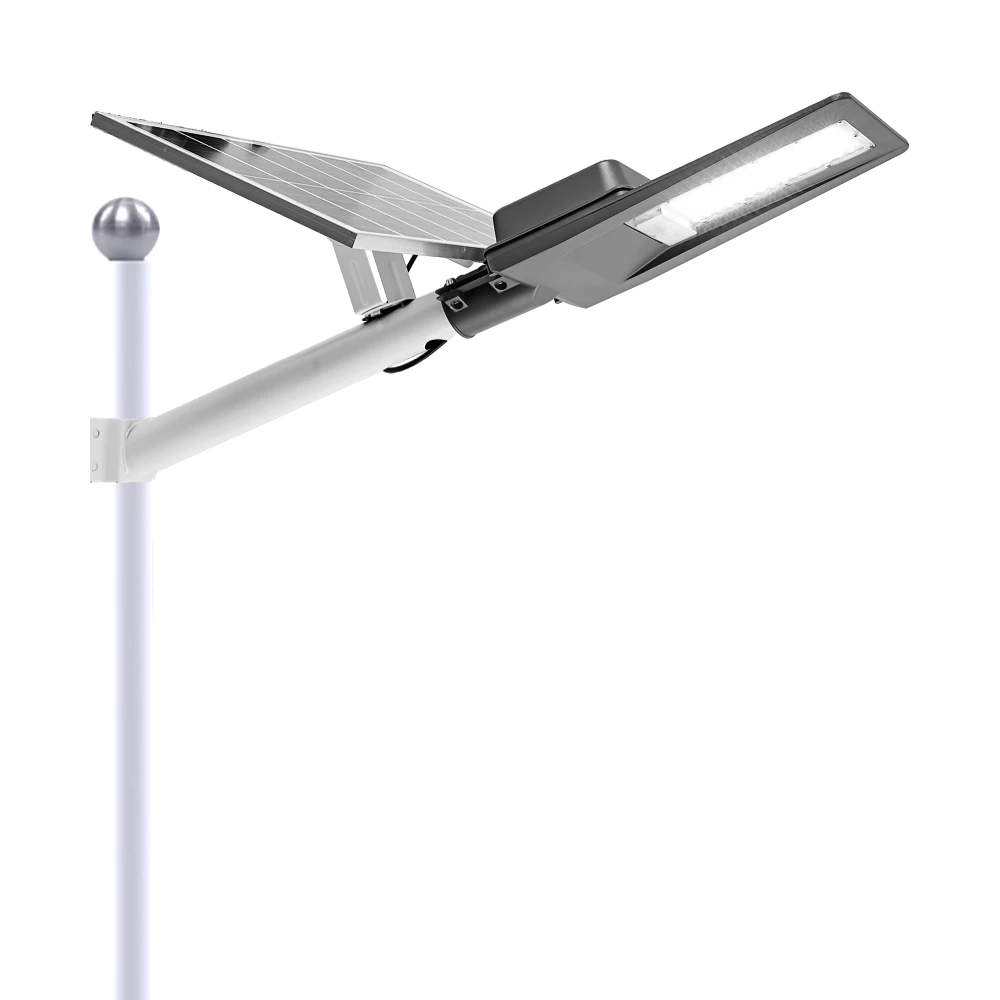
Experience reliable outdoor illumination with our smart solar street light, a perfect combination of advanced technology and eco-conscious design.
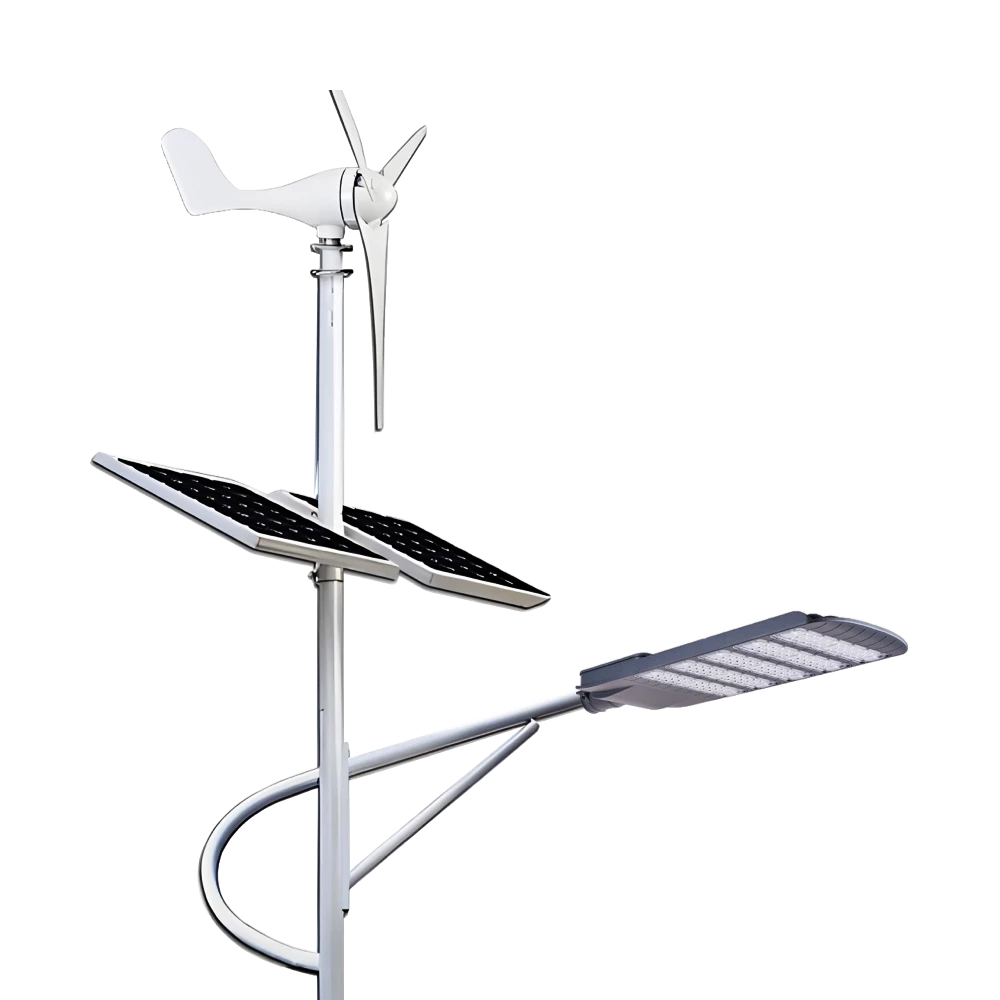
Queneng Lufeng Wind Energy LED Outdoor Solar Street Lights offer high-performance, eco-friendly illumination. These energy-efficient LED street lights harness solar power and wind energy for sustainable, cost-effective outdoor lighting solutions.
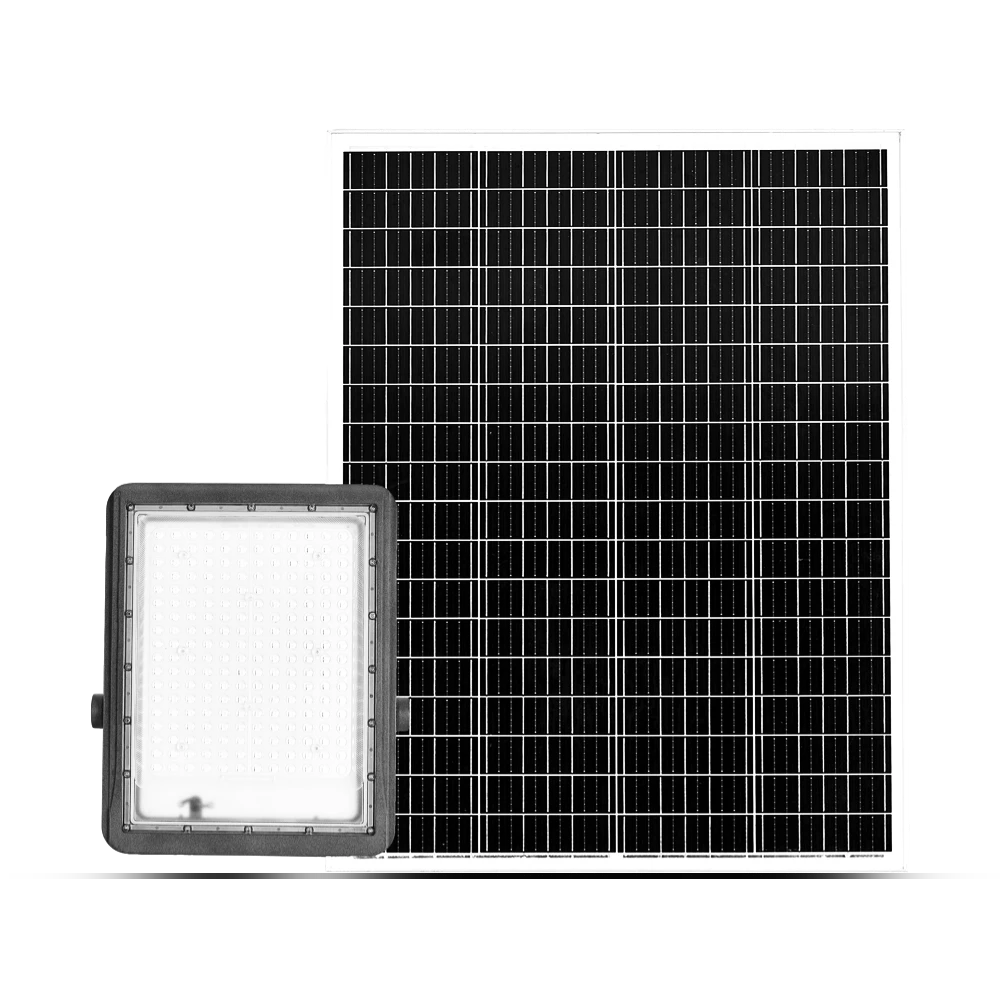
Queneng's Luxian Reliable Solar Street Light offers energy-saving LED lighting for outdoor use. This durable, solar-powered street light provides reliable illumination, reducing energy costs and environmental impact. A perfect solution for sustainable outdoor lighting.
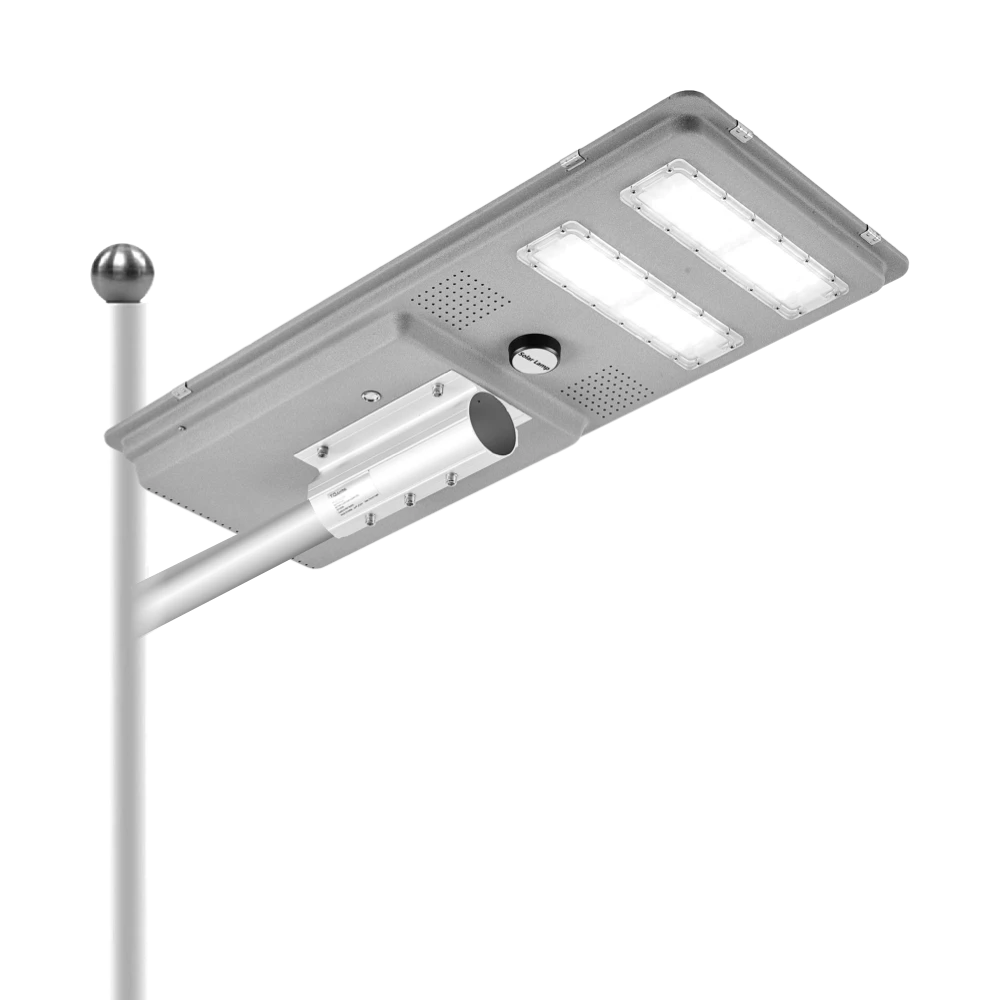
Queneng’s Solar Street Lights are designed to provide reliable, energy-efficient lighting for streets, parks, and other outdoor spaces.
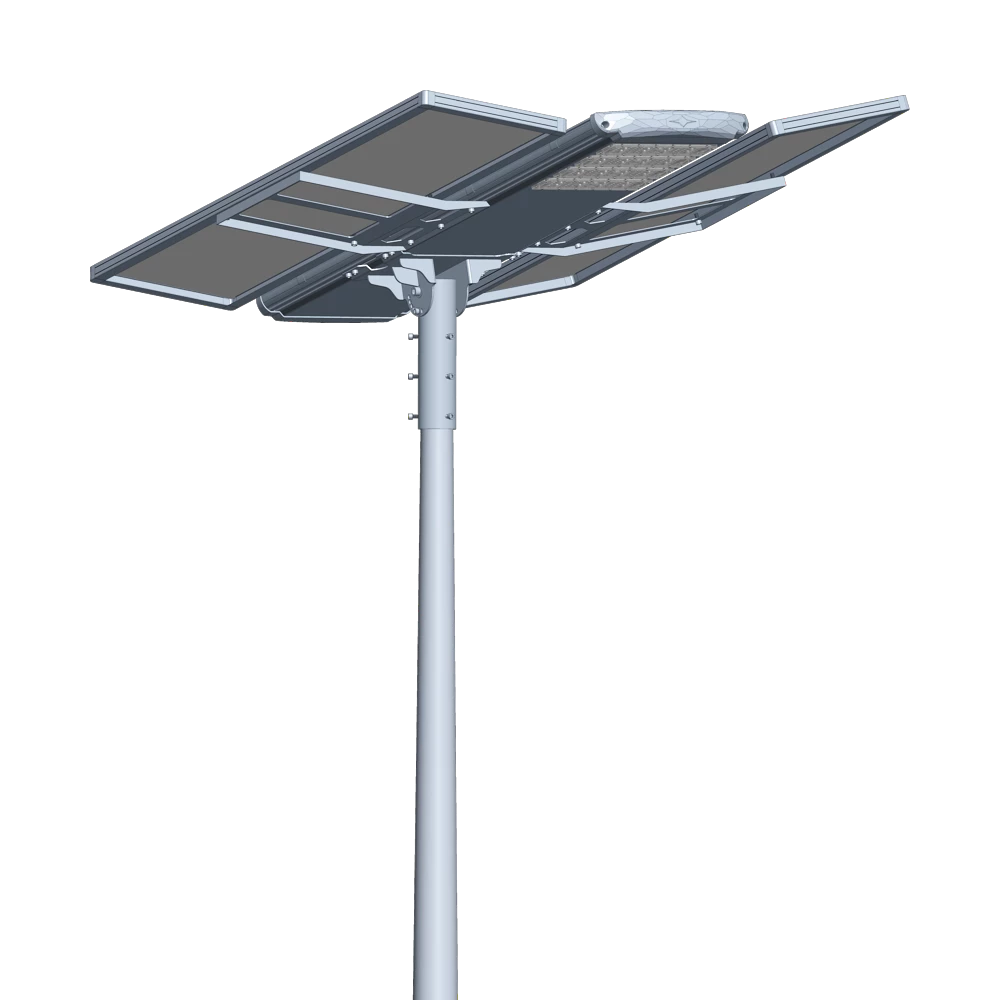
Introducing the Luqing Solar Street Light by Queneng, Efficient LED lighting powered by solar energy is perfect for illuminating outdoor areas. Harness the power of solar energy for sustainable, reliable street lighting. Ideal for eco-friendly, cost-effective outdoor illumination solutions.
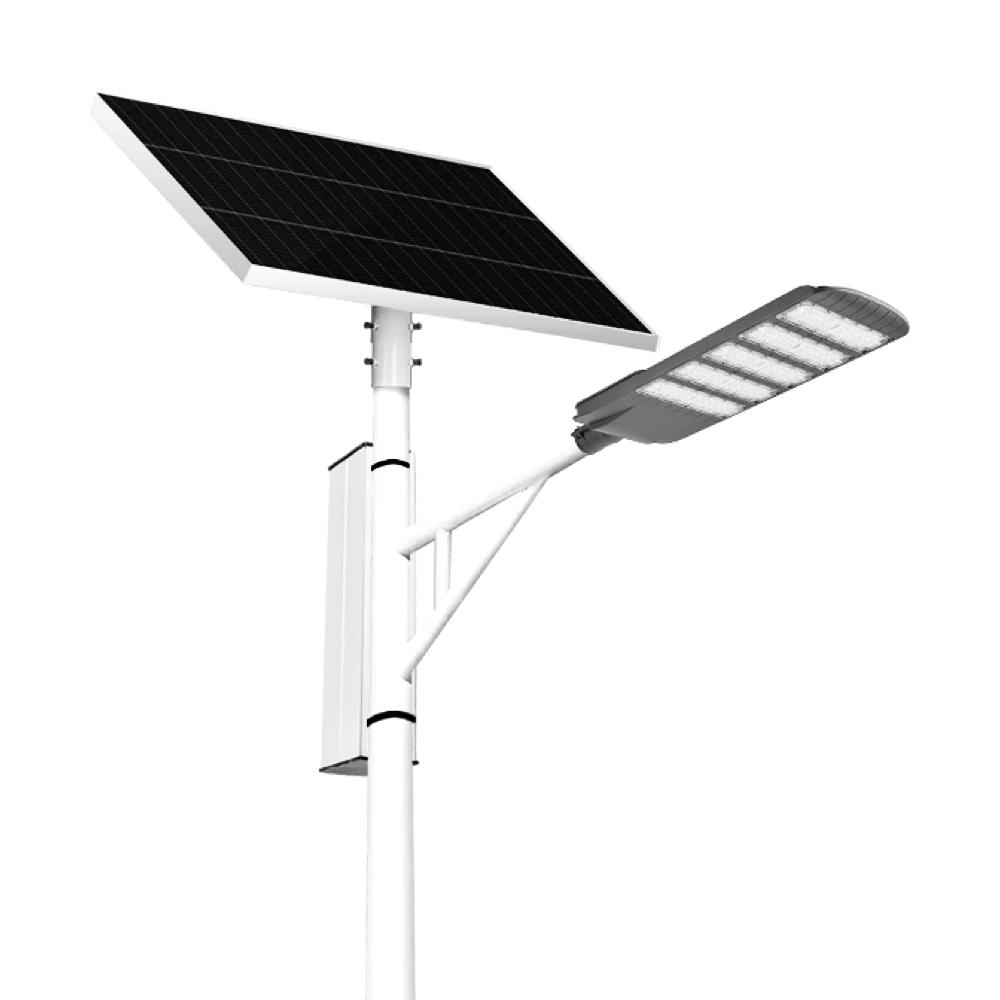
The Solar Streetlights of Luhao for Municipalities are designed to deliver reliable, energy-efficient, and cost-effective public lighting solutions. Equipped with advanced LED technology, durable lithium batteries, and high-efficiency solar panels, these streetlights provide consistent illumination for roads, parks, residential areas, and government projects.
If you would like more information about Queneng solar lighting solutions, please send us a message by filling out the form below. Our professional team will get back to you within 24 hours!
Rest assured that your privacy is important to us, and all information provided will be handled with the utmost confidentiality.
Schedule a Meeting
Book a date and time that is convenient for you and conduct the session in advance.
Have more questions about our products or services?
The messenger of light & power conversion
Environmental protection and intelligent manufacturing are our brand philosophy, and quality assurance and the best user experience are our eternal promises to users.
CONTACT
No.9F, Building F, Cao San Xin Tian Hong Logistics Park, Guzhen Town, Zhongshan City, Guangdong Province, China.
or write [email protected]
WhatsApp: +86 136 2270 1011


