














Beyond the Panel: How Smart Solar Streetlights are Transforming Modern Urban Infrastructure
Executive Summary: Key Takeaways for City Planners
Municipal solar lighting procurement is accelerating as cities shift from grid-tied systems to autonomous, resilient infrastructures. This transition not only drives operational cost reductions but also aligns directly with carbon neutrality goals by utilizing 100% renewable energy. Modern solar streetlights have evolved beyond simple illumination; they are now intelligent data nodes capable of integrating into broader Smart city IoT lighting systems.
Key insights for decision-makers include:
- Operational Efficiency: How avoiding trenching and cabling slashes upfront CapEx.
- Technological Leap: The role of intelligent controllers and LiFePO4 batteries in ensuring reliability.
- Financial Viability: Understanding the Total Cost of Ownership (TCO) over a 10-year horizon.

Why Should Municipalities Invest in Smart Solar Streetlights?
The purchase of solar streetlights for municipalities represents a strategic infrastructure shift toward energy independence, eliminating the high costs of trenching and grid dependency while ensuring continuous operation during power outages. By integrating autonomous power with intelligent monitoring, cities future-proof their environments against rising energy costs and grid instability.
According to the International Energy Agency, smart street lighting technologies can reduce electricity usage by up to 80%, offering a massive opportunity for fiscal savings and environmental stewardship. This shift addresses the dual challenge of Public infrastructure sustainability and budget constraints.
Strategic Benefits
- Resilience: Lights remain operational during natural disasters or grid failures.
- Cost Reduction: Elimination of monthly utility bills and expensive copper wiring installation.
- Sustainability: Visible commitment to green energy and reduction in municipal carbon footprints.
At Queneng Lighting, we have observed this shift firsthand. Since 2013, our engagement with ISO 9001-approved projects has shown that municipalities prioritizing resilience in their tenders report 40% fewer maintenance calls within the first five years compared to traditional grid systems.
The Evolution of Infrastructure: From Passive to Smart Lighting
Smart city IoT lighting systems transform standard light poles into intelligent digital assets that utilize real-time data to optimize performance, detect faults remotely, and integrate with other urban services like traffic monitoring or environmental sensing. This moves infrastructure from "passive hardware" to "active service providers."
Modern infrastructure requires more than just illumination. It demands connectivity.
Core Technologies driving this Evolution
- Intelligent Controllers: Devices that manage battery charging and discharging, preventing blackouts by dimming lights during extended cloudy periods.
- Remote Monitoring (IoT): Central Management Systems (CMS) that alert maintenance crews to specific pole failures, eliminating the need for night patrols.
- Adaptive Profiles: Using motion sensors to dim lights to 30% when no traffic is detected, then boosting to 100% instantly upon movement.
- Ecosystem Synergy: Solar poles can serve as the physical backbone for CCTV cameras, Wi-Fi hotspots, and 5G small cells.
Procurement Guide: Specifying High-Performance Components
Successful Off-grid street lighting solutions depend entirely on selecting industrial-grade components like LiFePO4 batteries and high-efficacy LEDs to ensure longevity in harsh outdoor environments. Specifying inferior components to save upfront costs inevitably leads to system failure within 18 to 24 months.
Research indicates that LiFePO4 (Lithium Iron Phosphate) batteries offer a cycle life of 2,000 to 3,000 cycles, significantly outperforming legacy lead-acid options. This chemistry is the industry standard for safety and durability.
Critical Component Specifications
- Battery Chemistry: Demand LiFePO4 for its thermal stability and long lifespan (5-8 years).
- Controller Efficiency: Ensure MPPT (Maximum Power Point Tracking) technology is used to harvest up to 30% more energy during cloudy days.
- LED Efficacy: Look for chips delivering >160 lumens per watt to minimize power consumption.
- Durability Ratings: Components must hold IP66+ ratings and wind-load certifications relevant to local weather patterns.
Queneng Lighting’s R&D team rigorously tests these parameters. Our products, backed by CE, UL, and TÜV certifications, utilize split-type designs to maximize solar exposure even in high-latitude regions, ensuring that the theoretical specs translate to real-world reliability.
The Economics of Solar: ROI and Gap Analysis
A comprehensive Solar streetlight ROI analysis reveals that while solar units may have a higher hardware cost than standard poles, the total project cost is often lower due to the complete elimination of trenching, cabling, and transformers. When factoring in zero electricity bills and reduced maintenance truck rolls, the return on investment typically occurs within 3 to 5 years.
The World Bank notes that LED lighting is 40-60% more energy-efficient than traditional technologies, which, when combined with solar, maximizes fiscal space for other municipal services.
CapEx vs. OpEx Breakdown
- Avoided CapEx: No trenching (often $50-$100 per linear foot), no copper wiring, no grid connection fees.
- Reduced OpEx: Zero electricity costs; smart diagnostics reduce physical inspections.
- Carbon Monetization: Potential to leverage carbon credits and green infrastructure grants available in 2026.
- Case Example: In rural deployments, utilizing Queneng Lighting's high-efficiency models has reduced ROI timelines by approximately 20% compared to generic alternatives due to higher harvesting efficiency.
Expert Tips & Common Mistakes in Municipal Tenders
To ensure project success, procurement officers must avoid the common trap of prioritizing the lowest initial price over lifecycle value, which often results in battery failure within two years. Instead, tenders should demand performance-based warranties and detailed lighting simulations.
Procurement Best Practices
- Mistake: Buying based on "Wattage" rather than "Lumens" and "Autonomy."
- Expert Tip: Require IES files (lighting simulations) to prove the system meets road safety standards (lux levels) throughout the night.
- Mistake: Ignoring "Autonomy Days" (backup power).
- Expert Tip: Specify a minimum of 3-5 days of autonomy to handle local weather patterns (e.g., extended rainy seasons).
- Mistake: Overlooking wind load ratings.
- Expert Tip: Ensure the pole and panel mounting structure are certified to withstand local maximum wind speeds.
Frequently Asked Questions (FAQ)
How does the purchase of solar streetlights benefit municipal budgets long-term?
Eliminating monthly utility bills and removing expensive trenching costs creates immediate and long-term savings. Additionally, durable LED tech and remote monitoring significantly reduce maintenance labor.
What are the key specifications to include in a municipal solar lighting RFP?
Crucial specs include Battery cycle life (prefer LiFePO4), System autonomy (3-5 backup days), Smart control capabilities (dimming/monitoring), and appropriate Wind load ratings.
Can smart solar streetlights integrate with existing central management systems (CMS)?
Yes, modern systems utilize protocols like LoRaWAN, Zigbee, or Cellular (4G/5G) to allow centralized control and API integrations with broader Smart City dashboards.
How do solar streetlights perform during extended periods of low sunlight?
Systems are sized with 'autonomy days' to handle cloudy weather. Smart controllers also adaptively lower light output during critical low-battery states to prevent total blackouts.
What is the expected ROI for a municipal solar streetlight project?
ROI is typically achieved within 3 to 5 years, depending on local energy rates and installation complexity. Immediate savings are realized if grid trenching is avoided.
How does solar lighting contribute to a municipality's sustainability goals?
Using 100% renewable energy reduces the carbon footprint, while zero light pollution options protect local wildlife and dark skies, demonstrating a commitment to green initiatives.
Are there government grants available for purchasing solar streetlights in 2026?
Many regions offer infrastructure modernization grants and carbon reduction incentives. Consult local energy departments for specific fiscal year opportunities.
What is the difference between all-in-one and split solar streetlights?
All-in-one units integrate the panel, battery, and light for easy installation, while Split type systems separate components, allowing flexible panel orientation for maximum sun exposure in high-latitude regions.
Conclusion
Smart solar streetlights are no longer just an alternative; they are the future of resilient, cost-effective municipal infrastructure. By combining operational efficiency, smart integration, and environmental stewardship, they offer a clear path forward for modern cities. Making the right procurement choice today—focusing on quality components like LiFePO4 batteries and smart controllers—ensures decades of reliable service.
Contact GuangDong Queneng Lighting Technology Co., Ltd. today to discuss your specific needs.

Have more questions about our products or services?
The latest hot news you might like

Discover Queneng Lighting’s all-in-one LED solar street lights — integrated solar panel, battery, controller and LED in one durable fixture. Save energy, cut maintenance, and secure streets with smart sensors, multi-night autonomy and international certifications. Contact sales for quotes and support.

Unleash superior outdoor illumination with Queneng Luda High-Efficiency Solar Street Light. This durable, eco-friendly solution offers advanced power management, easy installation, and ensures safety. Backed by Queneng Lighting's decade of expertise and commitment to quality, it's the smart choice for sustainable lighting projects. Learn why we're a leading solar solutions provider.

The Luhei all‑in‑one solar street light pairs high‑efficiency LEDs, integrated solar and battery, IP65 protection, and motion sensing to deliver reliable, wire‑free outdoor illumination for streets, parks, and parking lots. Backed by Queneng Lighting’s certifications and support.

FAQ
Remote Areas Rural Development
Can solar streetlights integrate with smart technologies like remote monitoring?
Yes, our systems can include IoT features for real-time monitoring and control.
Solar Street Light Lulin
How durable are Lulin solar street lights?
Lulin solar street lights are built to last. They are constructed using corrosion-resistant aluminum and high-strength tempered glass, making them durable enough to withstand harsh weather conditions, including rain, snow, and extreme temperatures. The lights are also designed to resist UV rays, dust, and other environmental factors, offering a long service life in both urban and rural settings.
Solar Street Light Luzhou
Can Luzhou solar street lights be used in areas with limited sunlight?
Yes, Luzhou solar street lights are designed to function in areas with limited sunlight. Their high-efficiency solar panels and advanced battery storage systems ensure reliable performance, even in regions with less sunlight or during the winter months.
Distributors
Do I need previous experience in the solar industry to become a distributor?
While previous experience in renewable energy or lighting sectors is beneficial, it is not required. What matters most is your dedication to sustainability, willingness to learn, and ability to effectively serve your local market.
Solar Street Light Luxian
What are the primary benefits of using Luxian solar street lights for outdoor lighting?
Luxian solar street lights offer several key benefits, including energy savings, environmental friendliness, and independence from the electrical grid. They use solar energy to power LED lights, reducing electricity costs while providing reliable, high-quality lighting for outdoor spaces. The durable construction and low maintenance needs make them ideal for long-term use in various outdoor environments.
who we are
What after-sales services does Queneng offer?
We offer comprehensive after-sales services, including product installation support, maintenance, and technical assistance. Our dedicated customer service team is always available to ensure that your solar systems operate at optimal performance and meet your expectations.
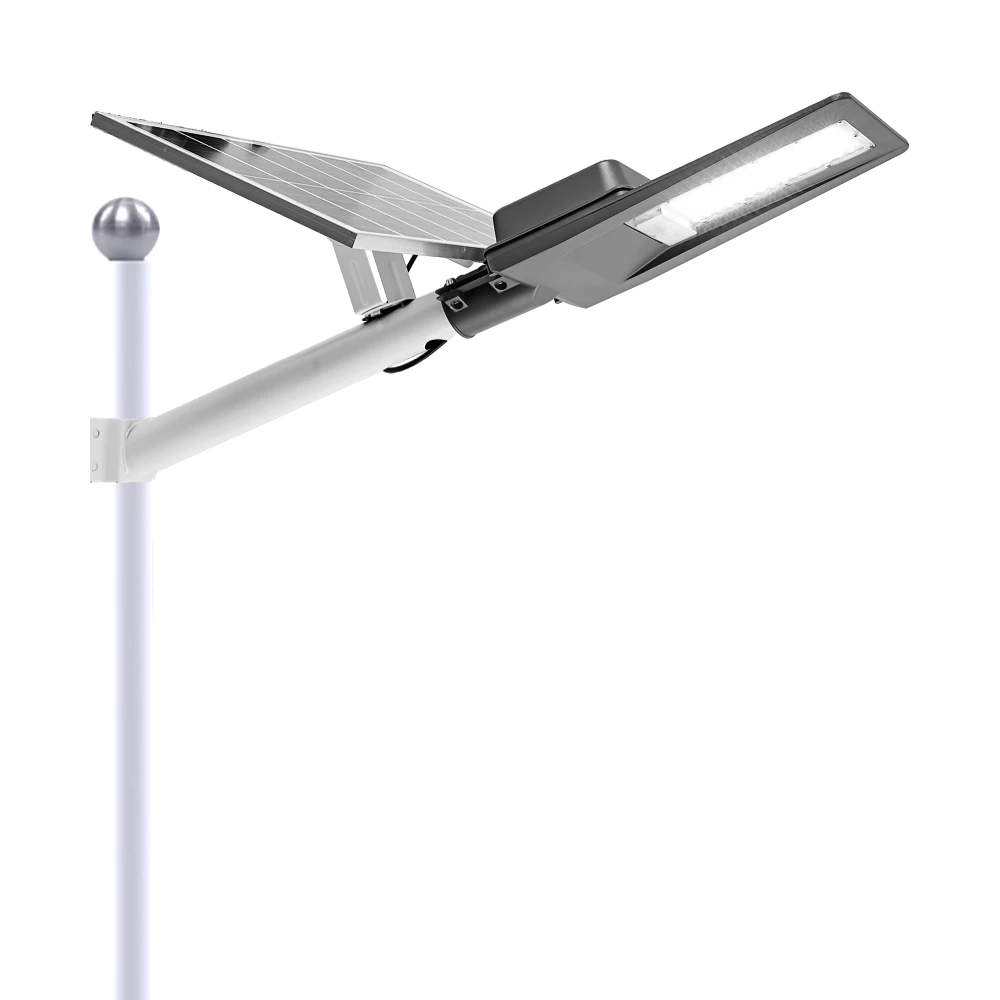
Experience reliable outdoor illumination with our smart solar street light, a perfect combination of advanced technology and eco-conscious design.
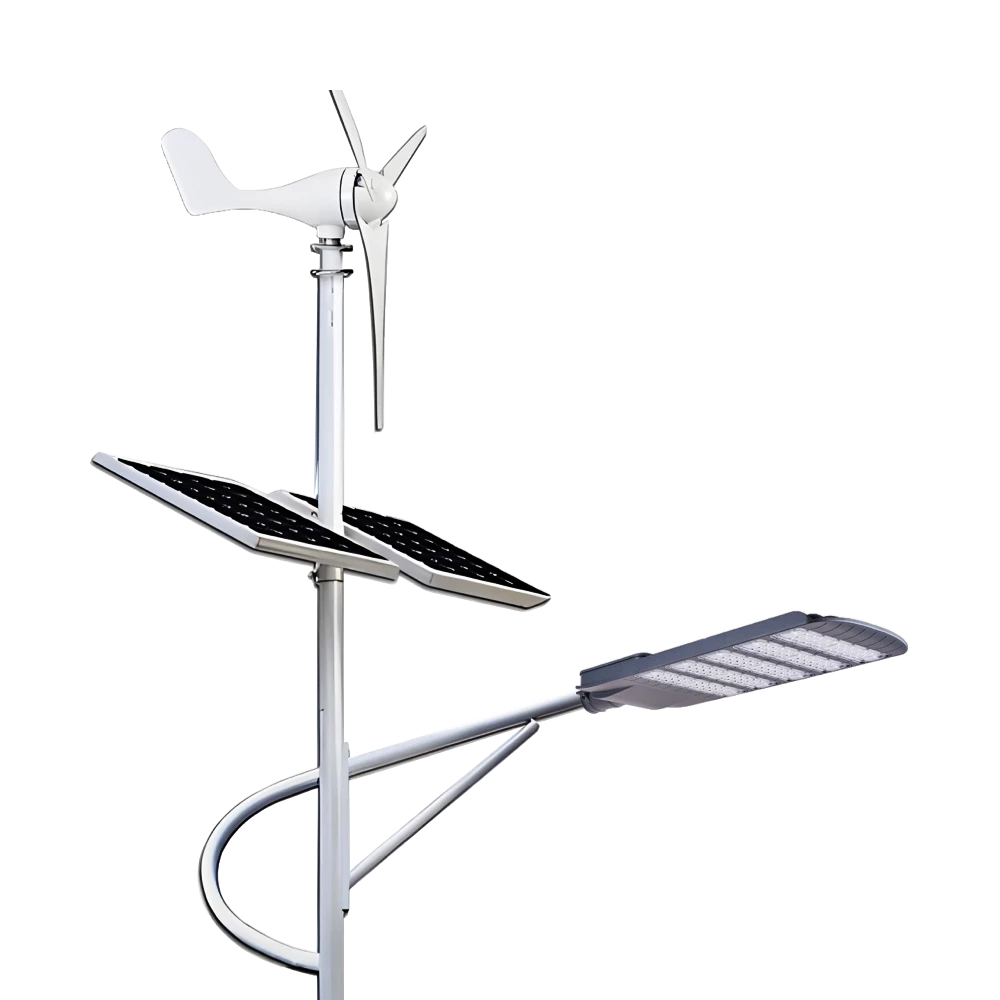
Queneng Lufeng Wind Energy LED Outdoor Solar Street Lights offer high-performance, eco-friendly illumination. These energy-efficient LED street lights harness solar power and wind energy for sustainable, cost-effective outdoor lighting solutions.
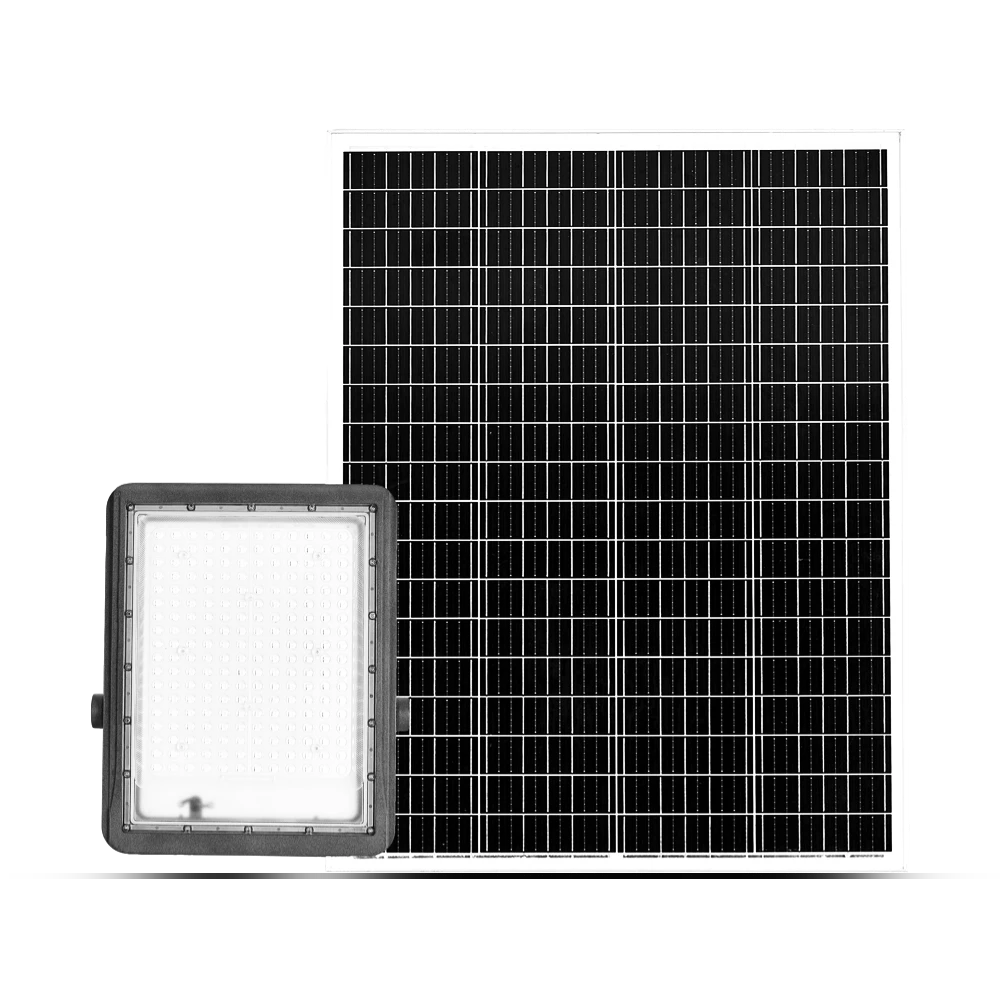
Queneng's Luxian Reliable Solar Street Light offers energy-saving LED lighting for outdoor use. This durable, solar-powered street light provides reliable illumination, reducing energy costs and environmental impact. A perfect solution for sustainable outdoor lighting.
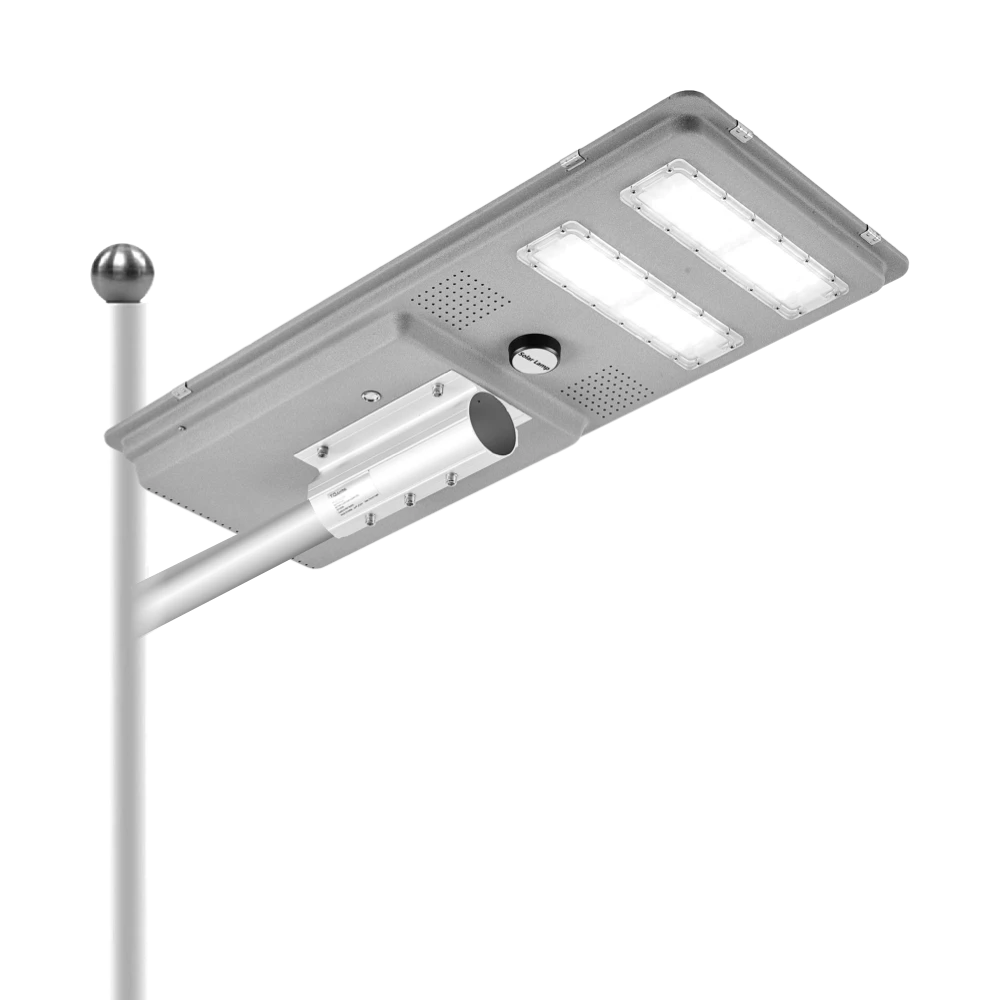
Queneng’s Solar Street Lights are designed to provide reliable, energy-efficient lighting for streets, parks, and other outdoor spaces.
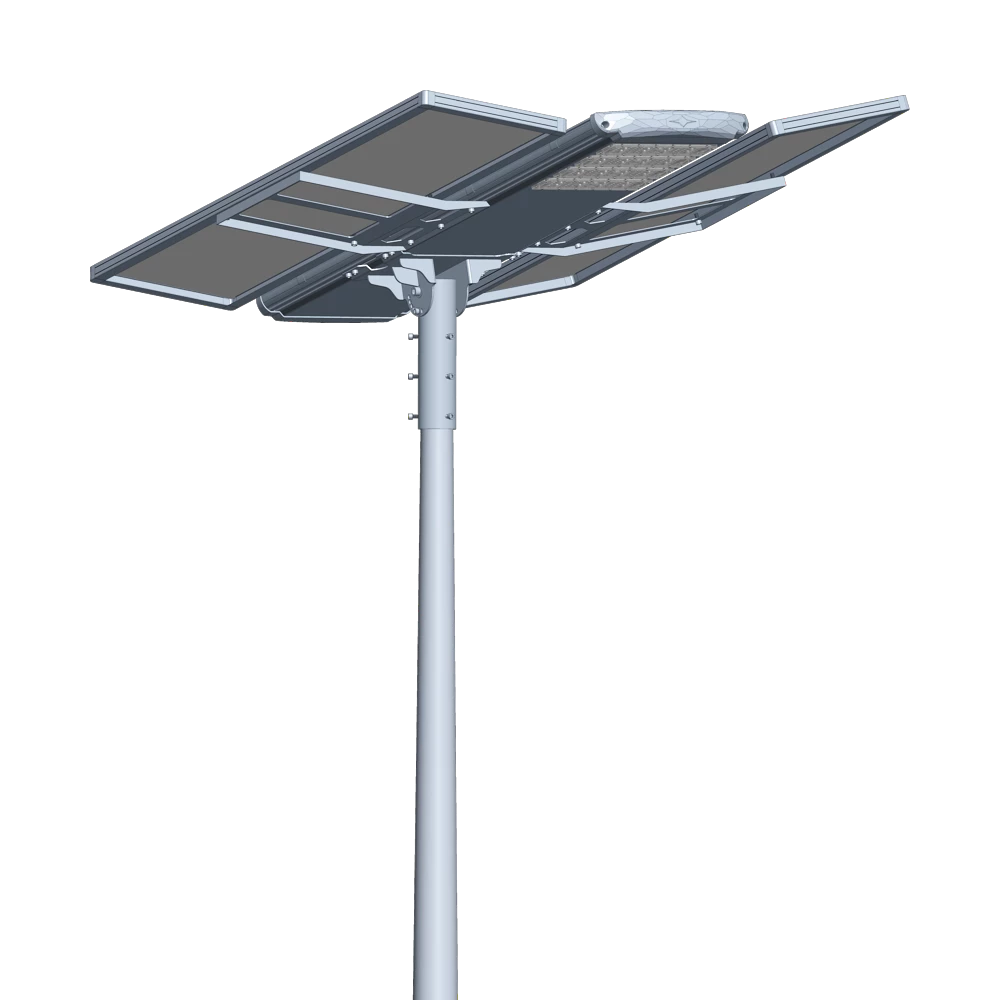
Introducing the Luqing Solar Street Light by Queneng, Efficient LED lighting powered by solar energy is perfect for illuminating outdoor areas. Harness the power of solar energy for sustainable, reliable street lighting. Ideal for eco-friendly, cost-effective outdoor illumination solutions.
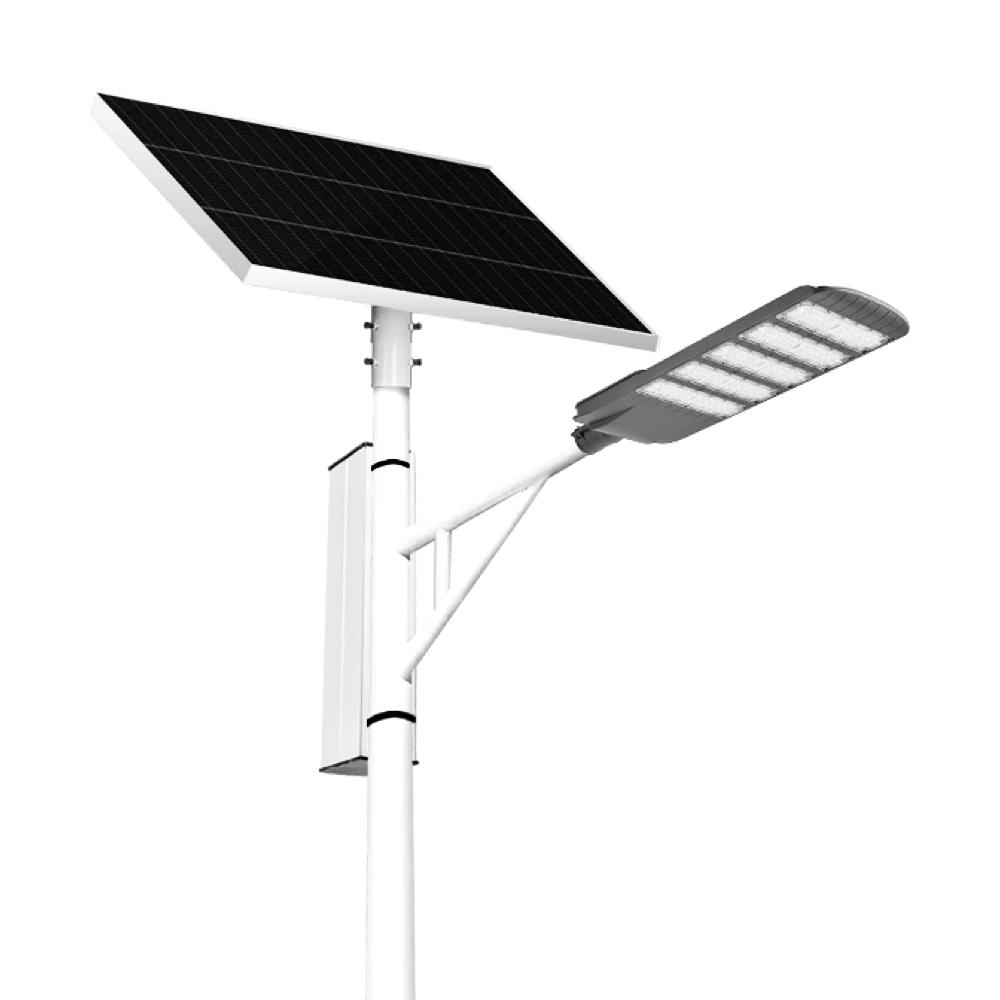
The Solar Streetlights of Luhao for Municipalities are designed to deliver reliable, energy-efficient, and cost-effective public lighting solutions. Equipped with advanced LED technology, durable lithium batteries, and high-efficiency solar panels, these streetlights provide consistent illumination for roads, parks, residential areas, and government projects.
If you would like more information about Queneng solar lighting solutions, please send us a message by filling out the form below. Our professional team will get back to you within 24 hours!
Rest assured that your privacy is important to us, and all information provided will be handled with the utmost confidentiality.
Schedule a Meeting
Book a date and time that is convenient for you and conduct the session in advance.
Have more questions about our products or services?
The messenger of light & power conversion
Environmental protection and intelligent manufacturing are our brand philosophy, and quality assurance and the best user experience are our eternal promises to users.
CONTACT
No.9F, Building F, Cao San Xin Tian Hong Logistics Park, Guzhen Town, Zhongshan City, Guangdong Province, China.
or write [email protected]
WhatsApp: +86 136 2270 1011


