














What's the role of design in solar street light pricing?
Understanding Solar Street Light Costs & Design's Impact on Procurement
As sustainable urban development gains momentum, solar street lights have emerged as a cornerstone of energy-efficient public infrastructure. However, for procurement professionals, navigating the complexities of costs, design specifications, and manufacturer selection can be challenging. This guide aims to demystify these aspects, providing a professional insight into making informed purchasing decisions for solar street light systems.
What Factors Primarily Determine the Cost of a Professional Solar Street Light System?
The cost of a solar street light system, particularly for professional-grade installations like those requiring split solar street lights, is influenced by a confluence of factors, not just the initial purchase price. Understanding these components is crucial for accurate budgeting:
- Solar Panel Efficiency and Size: Higher efficiency (e.g., monocrystalline panels, typically 19-23% efficiency) and larger wattage panels to meet specific illumination requirements directly increase cost. Panel size is dictated by the desired light output and geographical solar insolation levels.
- Battery Technology and Capacity: Lithium Iron Phosphate (LiFePO4) batteries are now the industry standard for their longer lifespan (5-8 years, 2000-4000 cycles), superior discharge rates, and safety compared to older lead-acid batteries. Higher capacity (Ah) for extended autonomy (backup days) translates to higher costs.
- LED Luminaires: The quality of LED chips (e.g., Philips, Cree, Osram), lumens per watt efficiency, color temperature (CCT), and optical design (beam angle, light distribution) significantly affect price. High-efficiency LEDs mean fewer watts are needed for the same light output.
- Controller Technology: Advanced Maximum Power Point Tracking (MPPT) controllers are more efficient than Pulse Width Modulation (PWM) controllers, maximizing solar harvest and battery life. Smart controllers with IoT capabilities, dimming functions, and remote monitoring add to the cost but offer long-term operational benefits.
- Pole Structure and Material: The height, material (galvanized steel, aluminum, fiberglass), wind resistance rating, and aesthetic design of the pole can constitute a significant portion of the total cost. Heavier duty poles are required for higher lumen outputs and areas with strong winds.
- Installation and Maintenance: While solar lights reduce energy bills, installation complexity (especially for split systems requiring trenching for battery placement) and the manufacturer's warranty and maintenance services influence total cost of ownership.
- Brand and Certifications: Reputable manufacturers with international certifications (CE, RoHS, IP65/66, IEC) often command higher prices due to proven quality, reliability, and R&D investment.
How Does Design & Engineering Influence the Overall Pricing and Performance of Solar Street Lights?
Design and engineering are not merely about aesthetics; they are critical determinants of a solar street light's performance, durability, and ly, its price. For procurement professionals, recognizing the value of robust design is paramount:
- Optical Design: Precision-engineered optics ensure uniform light distribution, minimize glare, and maximize light on the target area, reducing light pollution and enhancing safety. Poor optical design leads to wasted light and potentially requires higher wattage LEDs.
- Thermal Management: Effective heat dissipation for LED chips and batteries is crucial for their longevity. Advanced thermal designs prevent overheating, which can degrade performance and shorten component lifespan. This is particularly important for integrated (All-in-One) systems where components are tightly packed.
- Structural Integrity: The mechanical design of the pole, fixture, and mounting brackets must withstand environmental stressors like wind loads (e.g., up to 130 mph for hurricane-prone areas), seismic activity, and vandalism. Superior engineering here prevents premature failure and reduces replacement costs.
- Ingress Protection (IP Rating): Design for waterproofing and dust-proofing (e.g., IP65 or IP66) ensures components are protected from harsh outdoor elements, extending product life.
- Modularity and Serviceability: A well-designed system allows for easy replacement of individual components (battery, LED module, controller), simplifying maintenance and reducing long-term costs.
- Aesthetic Integration: For urban and architectural projects, the design must blend seamlessly with the environment. Custom designs, while adding to initial cost, can enhance civic appeal and project value.
All-in-One vs. Split Solar Street Lights: Which System is Right for My Project and Why?
Choosing between All-in-One (AIO) and Split solar street light systems is a critical decision in procurement, each offering distinct advantages:
- All-in-One (AIO) Solar Street Lights:
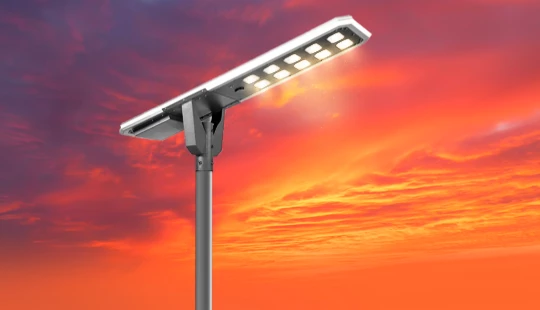
- Advantages: Compact design, easier and faster installation (no external wiring or trenching), lower initial installation costs. Ideal for smaller-scale projects, temporary lighting, or areas where ground disturbance is undesirable.
- Considerations: Battery and controller are integrated with the lamp head, making thermal management more challenging, especially in hot climates, potentially impacting battery life. Solar panel orientation is fixed with the lamp, limiting flexibility for optimal sun exposure. Often suitable for lower to medium power requirements.
- Split Solar Street Lights:
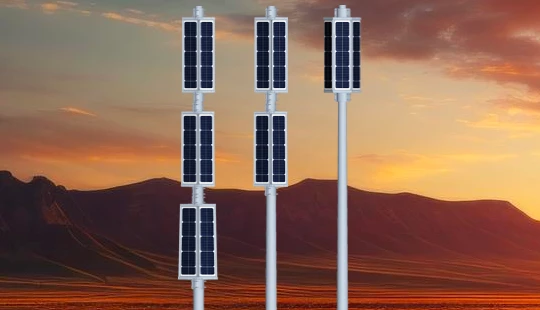
- Advantages: Separated solar panel, battery, and lamp head components. This allows for optimal orientation of the solar panel to maximize sunlight absorption, independent placement of the battery (e.g., at the base of the pole or underground for better thermal stability and theft deterrence), and greater flexibility in system scaling for higher power outputs and longer autonomy. Better thermal management for the battery due to separate housing. More robust for harsh environments or high-power applications.
- Considerations: Higher installation complexity and cost due to separate wiring and mounting for components. May require trenching for underground battery installation.
- Procurement Recommendation: For professional-grade applications requiring high power output, extended autonomy, durability in extreme climates, or enhanced security for battery components, split solar street light systems are generally preferred. Their flexibility in design and superior thermal management capabilities often lead to a longer system lifespan and better long-term performance, making them a more cost-effective choice for municipal or industrial projects.
What Essential Criteria Should I Consider When Selecting a Reliable Solar Street Light Manufacturer?
A reliable manufacturer is the backbone of a successful solar lighting project. Procurement professionals should evaluate companies based on:
- Experience and Reputation: Look for manufacturers with a proven track record (e.g., 5+ years) in designing, producing, and deploying solar street lights globally. Check project references and customer testimonials.
- R&D Capabilities: An innovative manufacturer invests in research and development to offer advanced technologies, better efficiencies, and custom solutions. This indicates a commitment to product improvement and staying ahead of industry trends.
- Manufacturing Quality and Certifications: Verify adherence to international quality standards (ISO 9001) and product-specific certifications (CE, RoHS, IP65/66, TUV, UL). Request factory audits if possible.
- Warranty and After-Sales Service: A comprehensive warranty (e.g., 5 years for the entire system, 10-25 years for solar panels) and robust technical support are critical. Understand the terms for component replacement and availability of spare parts.
- Customization and Project Support: The ability to customize systems to specific project requirements (e.g., light distribution, pole height, autonomy days) and provide detailed photometric studies and energy consumption reports is invaluable.
- Supply Chain Transparency: Understanding where components are sourced from can indicate overall product quality and reliability.
What is the Expected Lifespan, Maintenance, and Return on Investment (ROI) for Solar Street Lighting?
- Lifespan:
- LED Luminaires: Typically 50,000 to 100,000 hours, equivalent to 10-20 years of operation (based on 10-12 hours/night).
- Solar Panels: High-quality monocrystalline panels maintain 80-90% efficiency for 20-25 years.
- LiFePO4 Batteries: 5-8 years or 2000-4000 charge/discharge cycles, though some High Quality batteries can reach 10 years.
- Controller: Generally 5-10 years.
- Overall System: A well-designed and maintained solar street light system can last 10-15 years, with battery replacement being the primary scheduled maintenance item.
- Maintenance: Solar street lights are low-maintenance. Key tasks include periodic cleaning of solar panels (annually or semi-annually, depending on dust levels) to ensure optimal charging, and battery replacement every 5-8 years. Regular checks for physical damage and connection integrity are also advised.
- Return on Investment (ROI): ROI for solar street lights is calculated by comparing initial investment (purchase + installation) against energy savings (zero electricity bills) and reduced operational costs (minimal maintenance, no trenching for power lines). Payback periods can range from 3 to 7 years, depending on grid electricity costs, system efficiency, and local incentives. After the payback period, the operational savings represent pure profit, making it a highly attractive long-term investment, especially for projects without easy access to the grid or where energy costs are high.
How Can I Ensure the Quality, Durability, and Compliance of Solar Street Lights During Procurement?
Ensuring quality and compliance is non-negotiable for professional procurement:
- Request Comprehensive Datasheets: Insist on detailed specifications for all components: LED efficacy (lm/W), battery capacity (Ah) and type, solar panel wattage and efficiency, controller features, and certifications.
- Demand Certifications: Verify international standards like CE, RoHS, IEC 60598 (luminaires), IEC 61215/61730 (solar panels), IP ratings (IP65/66 for dust and water protection), and potentially UL or ENEC for specific markets.
- Ask for Test Reports: Request third-party test reports for photometric performance (IES files), battery cycle life, and environmental stress tests.
- Inspect Samples (if possible): For large orders, a sample inspection can reveal manufacturing quality, material robustness, and ease of assembly.
- Understand Warranty Terms: Scrutinize warranty coverage, duration, and the manufacturer's process for claims. A strong warranty reflects confidence in product quality.
- Verify Manufacturer's Production Capacity & QC: Understand the manufacturer's quality control procedures during production.
What Are the Latest Technological Advancements Enhancing Solar Street Light Efficiency and Functionality?
The solar street light industry is continuously evolving:
- Higher Efficiency Solar Panels: Advancements in monocrystalline PERC (Passivated Emitter Rear Cell) and bifacial solar panel technologies are increasing energy harvest in smaller footprints.
- Smarter Energy Management Systems: AI-powered MPPT controllers and adaptive lighting profiles optimize energy consumption based on real-time traffic, weather, and seasonal changes, significantly extending autonomy and battery life.
- IoT and Smart City Integration: Solar street lights are becoming nodes in smart city networks, integrating with IoT platforms for remote monitoring, control, diagnostics, and even environmental sensing (air quality, noise levels) via LoRaWAN, NB-IoT, or 5G connectivity.
- Advanced Battery Monitoring and Protection: Battery Management Systems (BMS) are becoming more sophisticated, offering cell balancing, overcharge/discharge protection, and temperature regulation, further extending LiFePO4 battery life.
- Modular and Customizable Designs: Manufacturers are offering more modular designs that allow for easier upgrades, repairs, and customization to specific project requirements, enhancing the longevity and adaptability of systems.
Why Choose Queneng Lighting for Your Solar Street Light Procurement?
Queneng Lighting stands at the forefront of the solar street light industry, offering comprehensive solutions that embody expertise, innovation, and reliability. We understand the nuances of both All-in-One and advanced Split solar street light systems, ensuring we can tailor the perfect solution for your project's unique demands. Our commitment to cutting-edge design and engineering ensures optimal performance, durability, and a maximized return on investment. We pride ourselves on using high-quality components, adhering to stringent international certifications, and providing robust after-sales support. With Queneng Lighting, you gain a partner dedicated to delivering energy-efficient, sustainable, and intelligent lighting solutions that meet the highest professional procurement standards.
References and Data Sources:
- IRENA (International Renewable Energy Agency): Renewable Power Generation Costs in 2022. (Accessed: October 26, 2023)
- Solar Energy Technologies Office (SETO), U.S. Department of Energy: Solar Panel Lifespan and Efficiency Trends. (Accessed: October 26, 2023)
- LiFePO4 Battery Manufacturers' Specifications (e.g., CATL, BYD): Typical cycle life data. (Accessed: October 26, 2023)
- LED Magazine: Innovations in LED Efficacy and Thermal Management. (Accessed: October 26, 2023)
- Various industry reports on Smart City and IoT lighting integration. (Accessed: October 26, 2023)

Have more questions about our products or services?
The latest hot news you might like

Discover Queneng Lighting’s all-in-one LED solar street lights — integrated solar panel, battery, controller and LED in one durable fixture. Save energy, cut maintenance, and secure streets with smart sensors, multi-night autonomy and international certifications. Contact sales for quotes and support.

Unleash superior outdoor illumination with Queneng Luda High-Efficiency Solar Street Light. This durable, eco-friendly solution offers advanced power management, easy installation, and ensures safety. Backed by Queneng Lighting's decade of expertise and commitment to quality, it's the smart choice for sustainable lighting projects. Learn why we're a leading solar solutions provider.

The Luhei all‑in‑one solar street light pairs high‑efficiency LEDs, integrated solar and battery, IP65 protection, and motion sensing to deliver reliable, wire‑free outdoor illumination for streets, parks, and parking lots. Backed by Queneng Lighting’s certifications and support.

FAQ
Public Gardens and Landscape Lighting
Can solar lights be installed in any outdoor space?
Our solar lighting solutions are versatile and can be installed in most outdoor areas, including public gardens, parks, pathways, streets, and recreational areas. As long as there is enough sunlight exposure during the day, solar lights can be installed almost anywhere.
APMS system
How does the APMS system enhance battery life?
With its dual-system intelligent management mode, APMS reduces frequent charge-discharge cycles, optimizes energy usage, and significantly extends battery lifespan.
Remote Areas Rural Development
What is the maintenance requirement for solar lighting in rural areas?
Minimal maintenance is needed, primarily involving occasional cleaning of solar panels and checking battery performance.
Schools and Educational Institutions
Do the solar lights come with a timer or automatic on/off function?
Yes, many of our solar lighting systems come with built-in timers or automatic sensors, allowing them to turn on at dusk and off at dawn, or based on a set schedule.
Solar Street Light Luhui
What makes Luhui solar street lights different from other solar lights?
Luhui solar street lights use high-performance LEDs and advanced solar panels for superior efficiency and longevity. They are designed with enhanced durability, providing bright and consistent lighting in all weather conditions.
Industry
How is maintenance performed on Queneng’s solar systems?
Our systems are designed for low maintenance, typically only requiring periodic inspections and cleaning. We also offer remote monitoring and technical support to ensure long-term reliability.
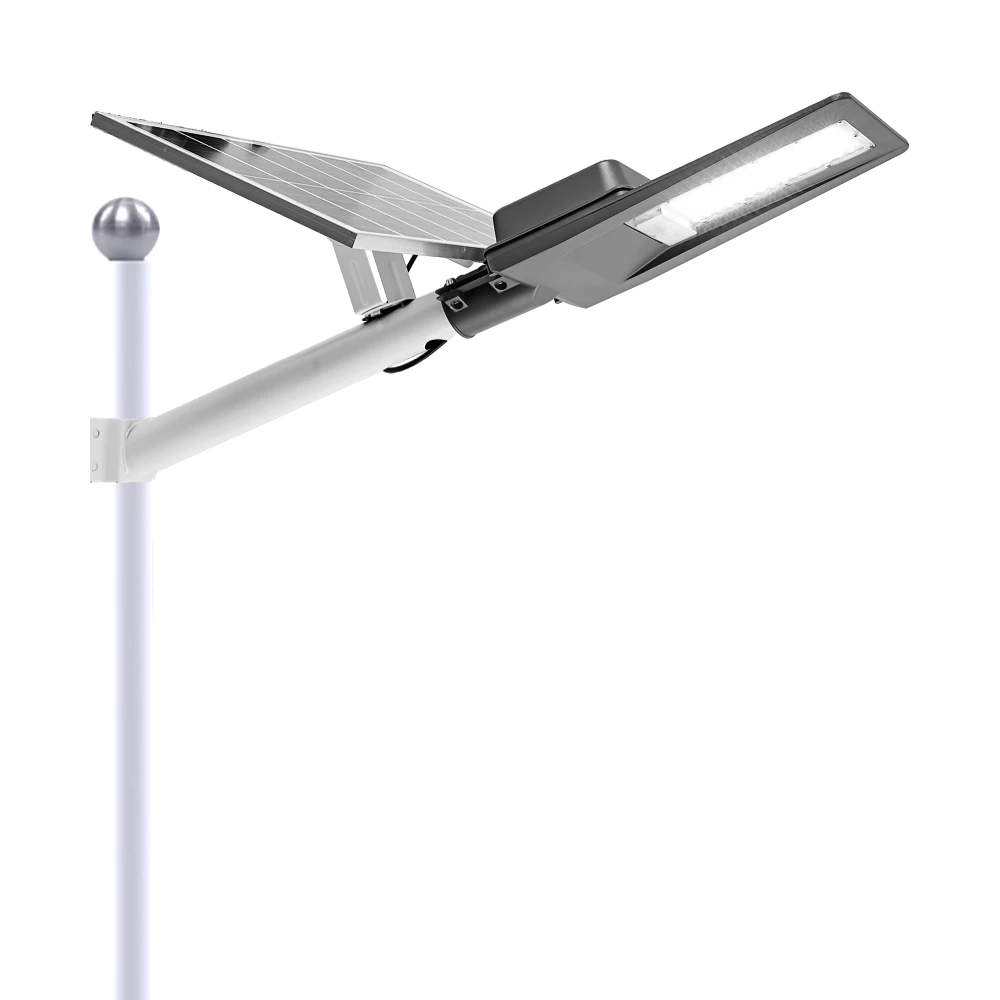
Experience reliable outdoor illumination with our smart solar street light, a perfect combination of advanced technology and eco-conscious design.
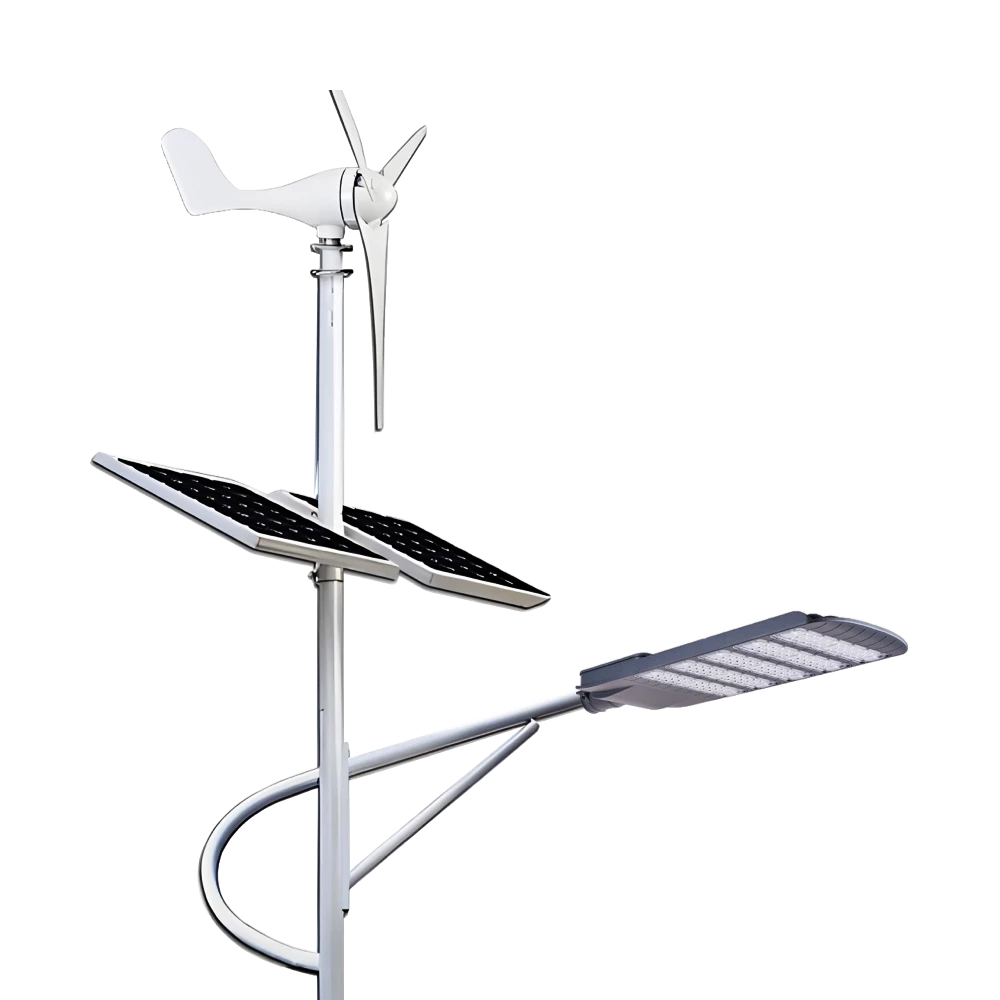
Queneng Lufeng Wind Energy LED Outdoor Solar Street Lights offer high-performance, eco-friendly illumination. These energy-efficient LED street lights harness solar power and wind energy for sustainable, cost-effective outdoor lighting solutions.
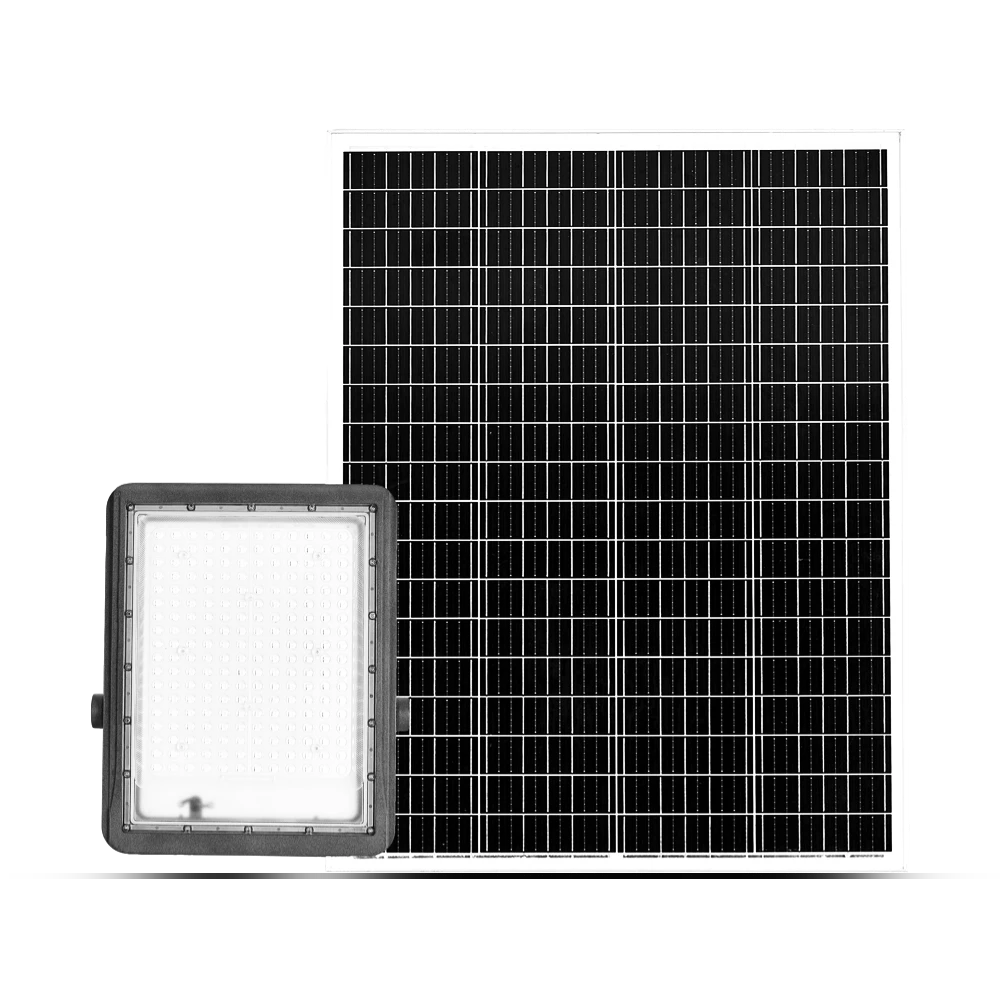
Queneng's Luxian Reliable Solar Street Light offers energy-saving LED lighting for outdoor use. This durable, solar-powered street light provides reliable illumination, reducing energy costs and environmental impact. A perfect solution for sustainable outdoor lighting.
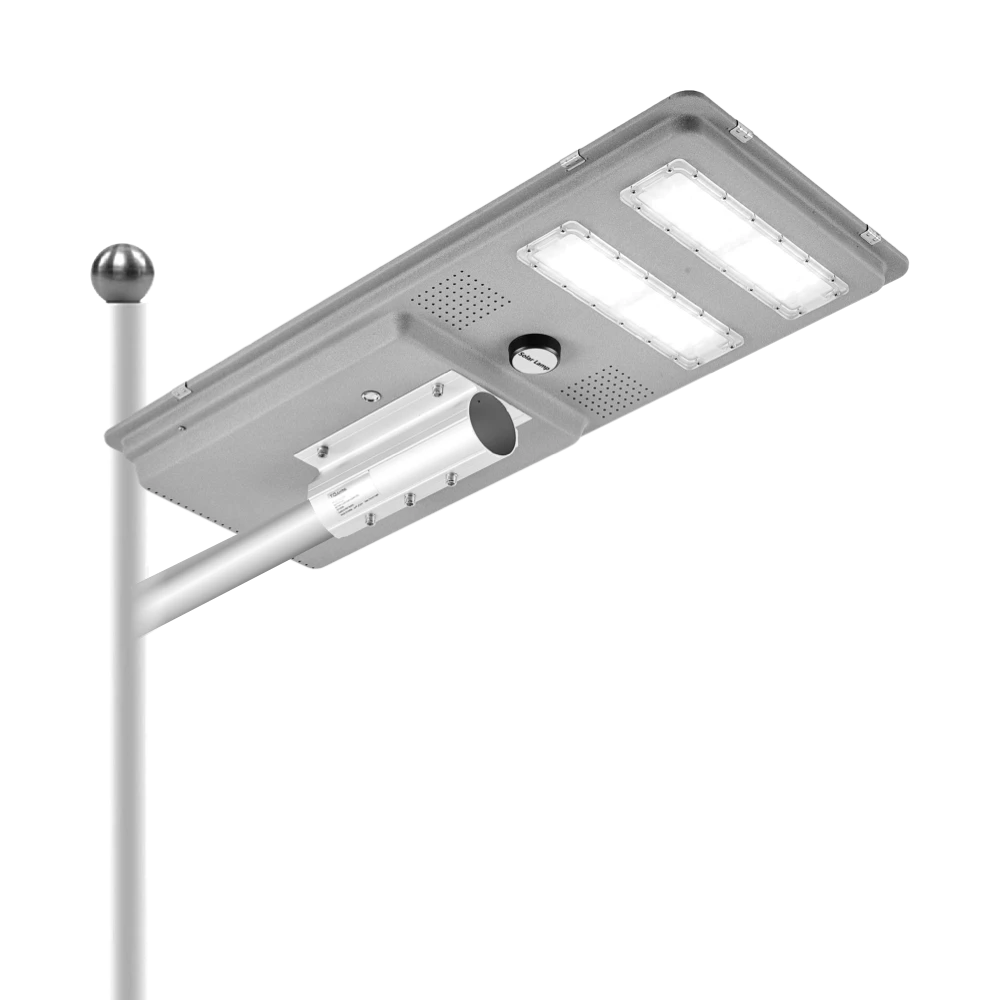
Queneng’s Solar Street Lights are designed to provide reliable, energy-efficient lighting for streets, parks, and other outdoor spaces.
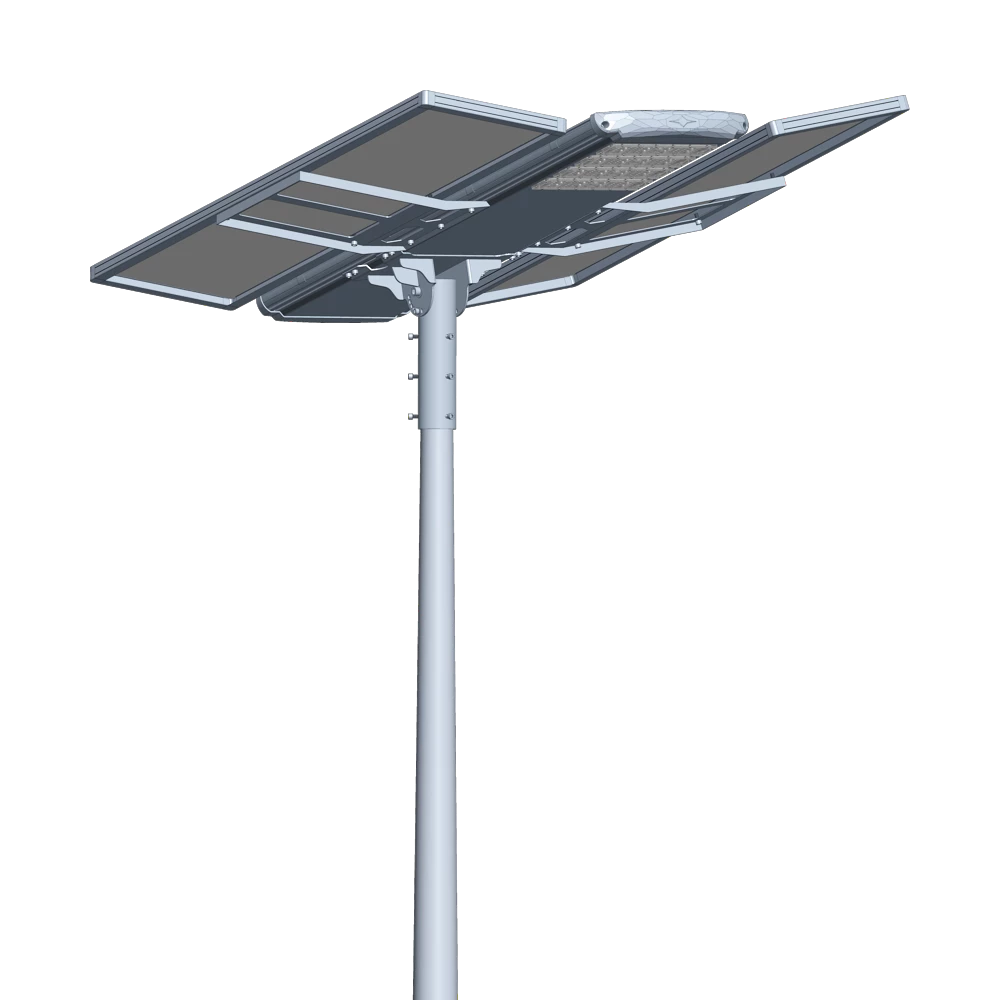
Introducing the Luqing Solar Street Light by Queneng, Efficient LED lighting powered by solar energy is perfect for illuminating outdoor areas. Harness the power of solar energy for sustainable, reliable street lighting. Ideal for eco-friendly, cost-effective outdoor illumination solutions.
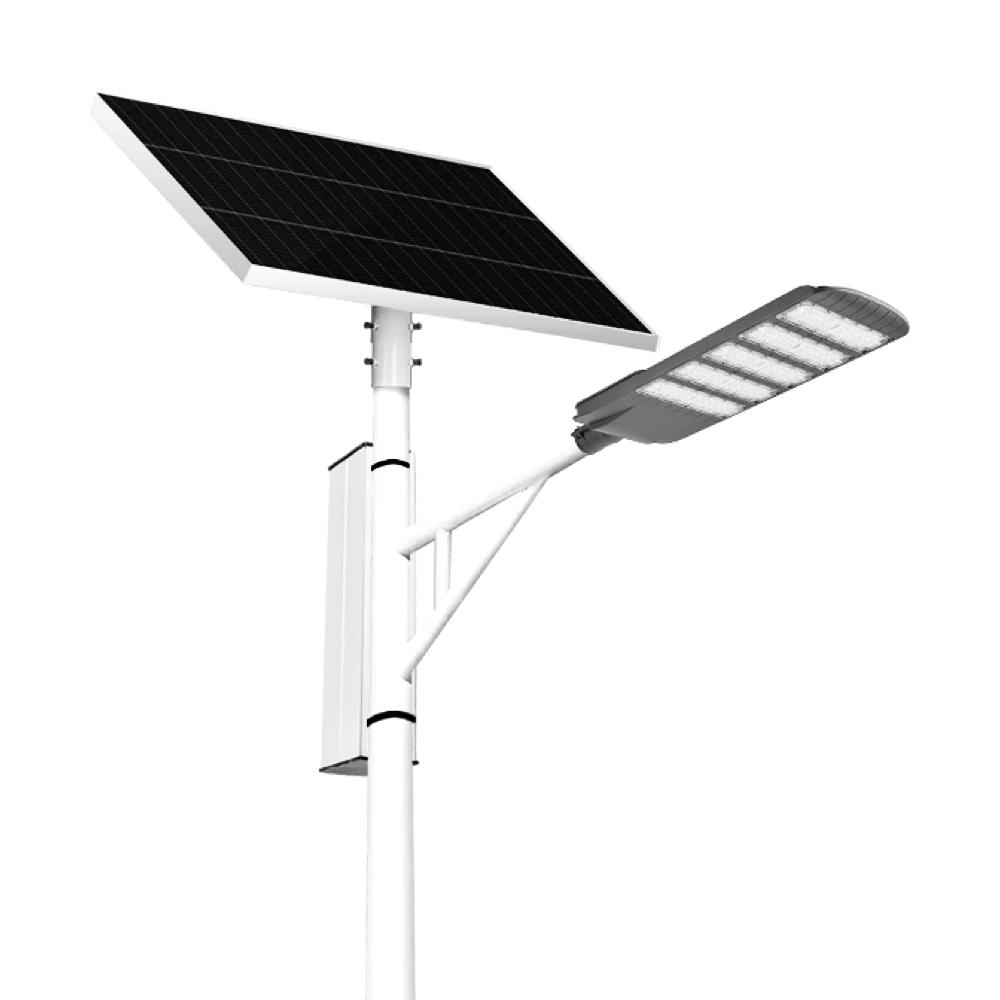
The Solar Streetlights of Luhao for Municipalities are designed to deliver reliable, energy-efficient, and cost-effective public lighting solutions. Equipped with advanced LED technology, durable lithium batteries, and high-efficiency solar panels, these streetlights provide consistent illumination for roads, parks, residential areas, and government projects.
If you would like more information about Queneng solar lighting solutions, please send us a message by filling out the form below. Our professional team will get back to you within 24 hours!
Rest assured that your privacy is important to us, and all information provided will be handled with the utmost confidentiality.
Schedule a Meeting
Book a date and time that is convenient for you and conduct the session in advance.
Have more questions about our products or services?
The messenger of light & power conversion
Environmental protection and intelligent manufacturing are our brand philosophy, and quality assurance and the best user experience are our eternal promises to users.
CONTACT
No.9F, Building F, Cao San Xin Tian Hong Logistics Park, Guzhen Town, Zhongshan City, Guangdong Province, China.
or write [email protected]
WhatsApp: +86 136 2270 1011


