

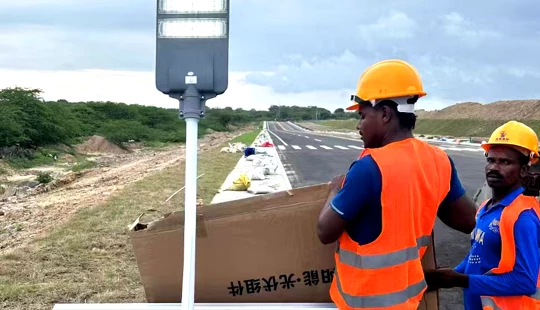
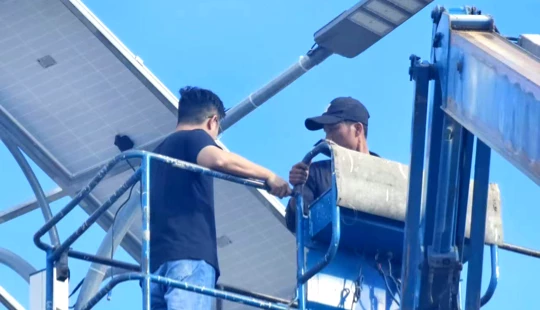













How to ensure reliable post-installation support?
Mastering Solar Street Light Procurement: Essential Questions Answered
The global shift towards sustainable and energy-efficient infrastructure has positioned solar street lights as a leading solution for outdoor illumination. As municipalities, businesses, and communities increasingly adopt this technology, making informed procurement decisions becomes paramount. From understanding the initial investment to ensuring long-term reliability and support, a strategic approach is key. This comprehensive guide addresses the most pressing questions for buyers navigating the solar street light market, helping you make choices that deliver enduring value.
What Factors Determine the Cost of Solar Street Lights?
The cost of solar street lights is not a one-size-fits-all figure; it's influenced by several critical components and factors. Understanding these elements is essential for budgeting and evaluating long-term return on investment (ROI).
- Component Quality & Capacity: The most significant drivers are the wattage of the solar panel (e.g., 50W to 300W+), the capacity of the battery (e.g., 50Ah to 300Ah+ LiFePO4), and the lumen output of the LED fixture (e.g., 3000lm to 20000lm+). Higher capacity and High Quality quality components naturally command a higher price.
- Technology & Features: Advanced features like MPPT controllers (which boost charging efficiency by 15-30% compared to PWM), intelligent dimming, motion sensors, remote monitoring capabilities, and self-cleaning functions add to the cost.
- Brand Reputation & Warranty: Reputable manufacturers often use higher-grade materials, conduct rigorous quality control, and offer more comprehensive warranties, which might translate to a higher upfront cost but significantly lower long-term maintenance and replacement expenses.
- Pole & Installation: The cost of the pole itself (material, height, design) and the complexity of installation (especially for split systems requiring underground battery placement or specialized foundations) can add substantially to the total project cost.
- Shipping & Logistics: For international procurement, shipping costs, customs duties, and local taxes need to be factored in.
General Cost Range: While a basic residential unit might start from $200-$500 (excluding pole/installation), commercial-grade systems for municipal projects or highways typically range from $800 to over $3000 per unit, with large-scale, high-performance split systems potentially exceeding $5000 per light point. The global solar street light market was valued at approximately USD 6.51 billion in 2022 and is projected to grow to USD 22.84 billion by 2032, indicating increasing demand and evolving technologies affecting pricing.
All-in-One vs. Split Solar Street Lights: Which is the Right Choice for Your Project?
The choice between All-in-One and Split solar street light systems is a pivotal decision, impacting performance, aesthetics, installation, and longevity. Understanding their distinct characteristics is crucial for optimal project outcomes.
- All-in-One Solar Street Lights:
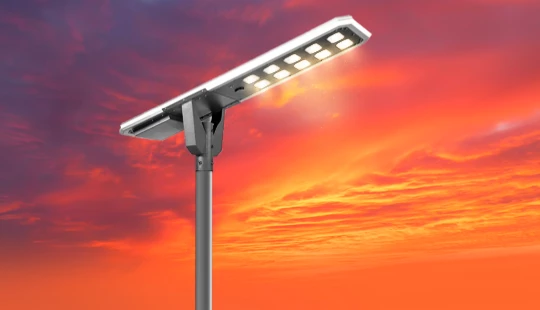
- Design: Compact and integrated, with the solar panel, battery, LED lamp, and controller housed within a single fixture.
- Advantages: Easier and faster installation, lower initial cost, sleek aesthetic. Ideal for applications where simplicity and quick deployment are priorities.
- Limitations: Less flexibility in solar panel orientation (fixed angle), battery often subjected to higher temperatures (due to proximity to LED and panel heat), which can shorten its lifespan. Typically have smaller battery capacities and are less suited for high-power demands or regions with inconsistent sunlight.
- Split Solar Street Lights:
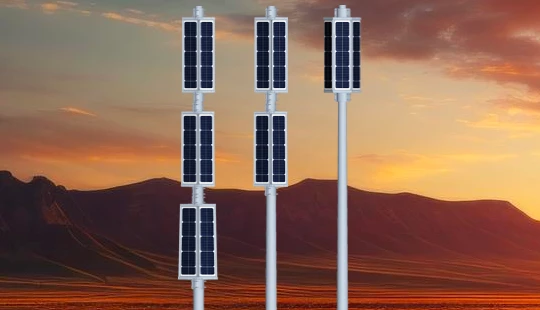
- Design: Components are separate – the solar panel is mounted on top of the pole, the LED lamp is on an arm, and the battery (often larger) is either mounted on the pole or buried underground.
- Advantages: Superior performance and longevity. Allows for optimal solar panel angle and orientation to maximize sun exposure. Batteries, especially LiFePO4, can be placed underground or in a more shaded area, protecting them from extreme temperatures and significantly extending their lifespan (often 5-10+ years). Larger battery and panel capacities mean greater autonomy and reliability in diverse weather conditions. Better heat dissipation for the LED lamp also contributes to its lifespan.
- Limitations: Higher initial cost, more complex and time-consuming installation due to separate component wiring and potential trenching for buried batteries.
Procurement Insight: For professional users in the split solar street light industry, the split system often represents a more robust and reliable solution for critical infrastructure, challenging environments, or projects demanding consistent, high-performance illumination over many years. While the upfront cost is higher, the extended lifespan of components and superior operational reliability often lead to a lower total cost of ownership (TCO) in the long run.
How to Evaluate and Select a Reputable Solar Street Light Manufacturer?
Choosing the right manufacturer is as crucial as selecting the right product. A reputable manufacturer ensures quality, reliability, and support throughout the product's lifecycle.
- Industry Experience & Track Record: Look for manufacturers with a proven history in solar lighting, ideally with successful case studies and installations similar to your project's scope.
- Research & Development (R&D) Capabilities: A manufacturer committed to R&D ensures they are at the forefront of technology, offering innovative and efficient solutions.
- Certifications & Quality Standards: Verify certifications such as ISO 9001 (quality management), CE, RoHS (environmental compliance), and specific IP ratings (e.g., IP65/IP66/IP67 for dust and water resistance) for the luminaires and enclosures. These validate adherence to international standards.
- Component Sourcing & Transparency: Inquire about the origin and quality of their core components (LED chips like Philips/Cree, LiFePO4 batteries, MPPT controllers). Transparency indicates confidence in their supply chain.
- Customization & Project Support: A good manufacturer offers design flexibility and technical consultation to tailor solutions to specific project requirements, including light simulations and energy analyses.
- Warranty & After-Sales Service: Evaluate the comprehensiveness of their warranty policies and their commitment to long-term support.
What are the Key Technical Specifications to Consider for Optimal Performance?
Diving into the technical specifications helps ensure the chosen system meets your illumination and operational requirements.
- Solar Panel:
- Type: Monocrystalline panels (higher efficiency, compact size) are generally preferred over polycrystalline.
- Wattage (Wp): Capacity to generate power.
- Efficiency Rate: How effectively the panel converts sunlight into electricity (typically 18-22%).
- Battery:
- Type: Lithium Iron Phosphate (LiFePO4) is the industry standard due to its longer cycle life (2,000-4,000+ cycles, 5-10+ years), safety, and thermal stability.
- Capacity (Ah or Wh): Determines the system's autonomy (how many nights it can operate without sun).
- LED Luminaire:
- Lumen Output (lm): Total light produced.
- Light Distribution: IESNA Type II, Type III, or Type IV patterns for specific road widths or area lighting.
- Color Temperature (CCT): Typically 3000K-6000K (warm white to cool white).
- CRI (Color Rendering Index): How accurately colors are rendered (higher is better, >70 preferred).
- Solar Charge Controller:
- Type: MPPT (Maximum Power Point Tracking) controllers are superior for maximizing energy harvest from the solar panel.
- Features: Overcharge/discharge protection, temperature compensation, dimming schedules, motion sensing.
- IP Rating: Ingress Protection rating for the luminaire and battery enclosure. IP65 (dust-tight, protected against water jets) is a minimum for outdoor use, with IP66 or IP67 offering enhanced protection.
- Wind Resistance: The pole and fixture design must withstand local wind loads.
What is the Lifespan of Solar Street Lights, and What Are the Warranty and Maintenance Expectations?
Understanding lifespan, warranty, and maintenance provides insight into the long-term value and operational costs of your investment.
- Component Lifespan:
- LEDs: High-quality LEDs are rated for 50,000-100,000 operating hours (L70 standard), translating to 10-20 years of effective use.
- Solar Panels: Typically come with a 20-25 year performance warranty, guaranteeing at least 80% of their original output.
- LiFePO4 Batteries: Generally last 5-10+ years, depending on charge/discharge cycles and environmental conditions.
- Controllers & Wiring: Expect 5-10 years.
- Warranty Expectations:
- Solar Panels: 10-25 years (performance), 5-10 years (product).
- LED Fixture: 3-7 years.
- Battery: 2-5 years.
- Controller: 2-5 years.
A detailed and transparent warranty from the manufacturer is crucial, covering all major components and specifying replacement terms.
- Maintenance: Solar street lights are designed for minimal maintenance. Key activities include occasional cleaning of solar panels to ensure optimal charging efficiency (especially in dusty areas), checking electrical connections, and eventual battery replacement after its cycle life is exhausted. Proactive monitoring systems can further reduce hands-on maintenance.
Ensuring Reliable Post-Installation Support: What Should You Look For?
Post-installation support is critical for maximizing the longevity and performance of your solar street light system. It ensures that any issues are promptly addressed, minimizing downtime and protecting your investment.
- Dedicated Technical Support: Look for manufacturers who offer accessible technical support channels (phone, email, online portal) with knowledgeable engineers capable of diagnosing and troubleshooting problems remotely.
- Spare Parts Availability: A reliable manufacturer maintains a ready stock of common spare parts (batteries, controllers, LED modules) and can ensure a swift supply chain for replacements.
- Service Level Agreements (SLAs): For larger projects, inquire about formal SLAs that define response times, resolution times, and the scope of support services.
- Remote Monitoring Capabilities: Advanced solar street light systems can be equipped with remote monitoring, allowing the manufacturer or a third-party service provider to track performance, identify faults proactively, and even perform remote adjustments.
- On-Site Support & Training: For complex issues or large deployments, the ability to dispatch technicians for on-site diagnosis and repair, or to provide training for local maintenance teams, is invaluable.
- Clear Communication Channels: Ensure there's a clear process for reporting issues and a dedicated point of contact or support team.
By prioritizing manufacturers who demonstrate a strong commitment to comprehensive post-installation support, buyers can ensure their solar street light investment remains operational and performs optimally for its entire lifespan.
Conclusion
Procuring solar street lights is a significant investment in sustainable infrastructure. By thoroughly understanding the factors influencing cost, discerning the differences between All-in-One and Split systems, meticulously evaluating manufacturers, scrutinizing technical specifications, and ensuring robust post-installation support, buyers can make highly informed decisions. Opting for quality and reliability over the lowest initial cost invariably leads to greater long-term satisfaction, lower total cost of ownership, and a more dependable lighting solution.
Queneng Lighting's Advantage
Queneng Lighting stands as a professional and reliable partner in your solar street light procurement journey. With extensive expertise in both All-in-One and Split solar street light systems, we offer tailor-made solutions that meet diverse project requirements. Our commitment to excellence is reflected in:
- High-Quality Manufacturing: Utilizing High Quality components (LiFePO4 batteries, high-efficiency solar panels, renowned LED chips) and adhering to stringent quality control standards, backed by international certifications.
- Innovation & R&D: Continuous investment in research and development ensures our products incorporate the latest technologies for optimal performance and efficiency.
- Customization Capabilities: We provide comprehensive design and engineering support to create bespoke lighting solutions that precisely match your project's needs.
- Robust Warranty & Support: Queneng Lighting offers transparent, comprehensive warranties and a dedicated post-installation support team, ensuring reliable assistance and spare parts availability throughout the product's lifespan.
- Global Experience: Our proven track record across various international markets demonstrates our capability to deliver reliable and effective solar lighting solutions worldwide.
Partner with Queneng Lighting for sustainable, high-performance, and dependable solar street lighting that illuminates your future.
References
- Allied Market Research. (2023, December). Solar Street Light Market Outlook – 2032. Retrieved from https://www.alliedmarketresearch.com/solar-street-light-market-A14480
- Solar industry component manufacturer datasheets and technical guides (e.g., for LiFePO4 batteries, LED chips, MPPT controllers) - *General industry knowledge based on aggregate sources, specific links vary.*
- IEC 60529 standard for Ingress Protection ratings - *Standard widely available, e.g., on Wikipedia or engineering reference sites.*

Have more questions about our products or services?
The latest hot news you might like

Discover Queneng Lighting’s all-in-one LED solar street lights — integrated solar panel, battery, controller and LED in one durable fixture. Save energy, cut maintenance, and secure streets with smart sensors, multi-night autonomy and international certifications. Contact sales for quotes and support.

Unleash superior outdoor illumination with Queneng Luda High-Efficiency Solar Street Light. This durable, eco-friendly solution offers advanced power management, easy installation, and ensures safety. Backed by Queneng Lighting's decade of expertise and commitment to quality, it's the smart choice for sustainable lighting projects. Learn why we're a leading solar solutions provider.

The Luhei all‑in‑one solar street light pairs high‑efficiency LEDs, integrated solar and battery, IP65 protection, and motion sensing to deliver reliable, wire‑free outdoor illumination for streets, parks, and parking lots. Backed by Queneng Lighting’s certifications and support.

FAQ
Transportation and Highways
What support do you offer for large-scale highway projects?
We provide end-to-end services, including project design, technical consulting, installation supervision, and after-sales support.
Solar Street Light Luxian
How do Luxian solar street lights contribute to reducing carbon emissions?
By using solar power as their energy source, Luxian solar street lights reduce reliance on fossil fuels for electricity generation. This contributes to lower carbon emissions, helping mitigate climate change and promoting environmental sustainability. Their energy efficiency further reduces the overall carbon footprint of lighting systems.
Are Luxian solar street lights suitable for urban and rural applications?
Yes, Luxian solar street lights are versatile and suitable for both urban and rural applications. Whether you need to light busy city streets or quiet rural pathways, Luxian lights offer a reliable, energy-efficient solution. Their easy installation and low maintenance make them ideal for a wide range of outdoor spaces, including parks, parking lots, streets, and private properties.
Public Gardens and Landscape Lighting
How much sunlight do solar lights need to function properly?
Solar lights typically require 6-8 hours of direct sunlight during the day to charge fully and provide 8-12 hours of lighting during the night. However, our high-efficiency solar panels are designed to maximize energy capture even in less-than-ideal sunlight conditions.
Sustainability
If the light or battery fails, can it be replaced individually?
Yes. Queneng’s solar street lights are designed with a modular structure, so components such as photovoltaic panels, batteries, lights, and controllers can be replaced individually, making maintenance convenient and cost-effective.
Commercial and Industrial Parks
Can the lighting systems be upgraded in the future?
Yes, our modular designs allow for easy upgrades, such as adding smart features or higher capacity batteries.
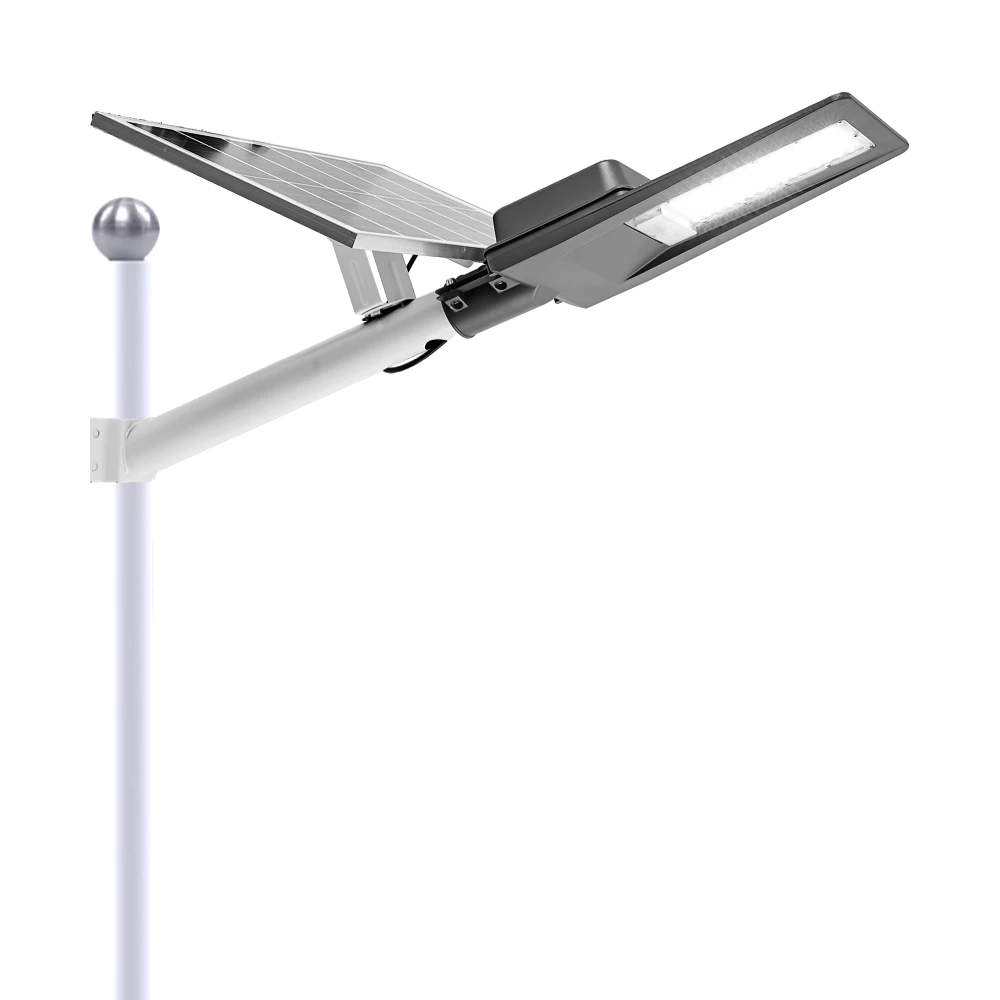
Experience reliable outdoor illumination with our smart solar street light, a perfect combination of advanced technology and eco-conscious design.
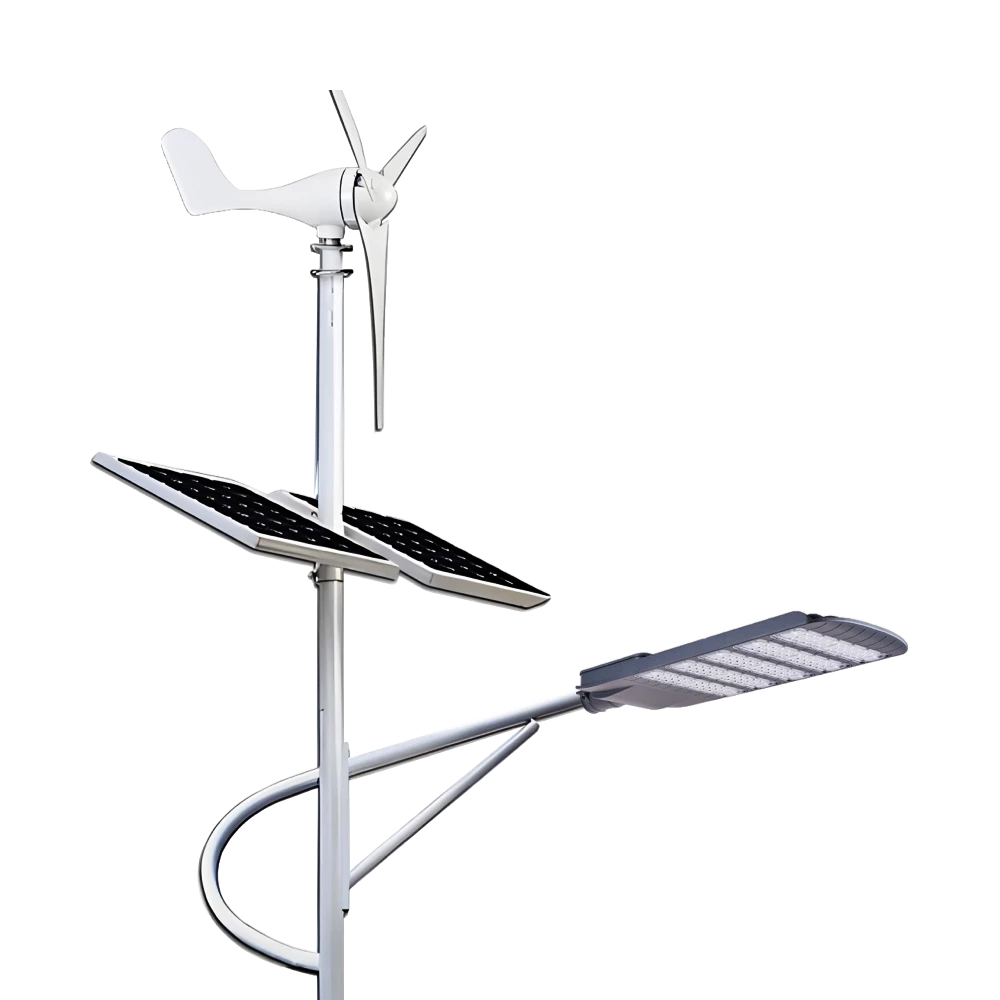
Queneng Lufeng Wind Energy LED Outdoor Solar Street Lights offer high-performance, eco-friendly illumination. These energy-efficient LED street lights harness solar power and wind energy for sustainable, cost-effective outdoor lighting solutions.
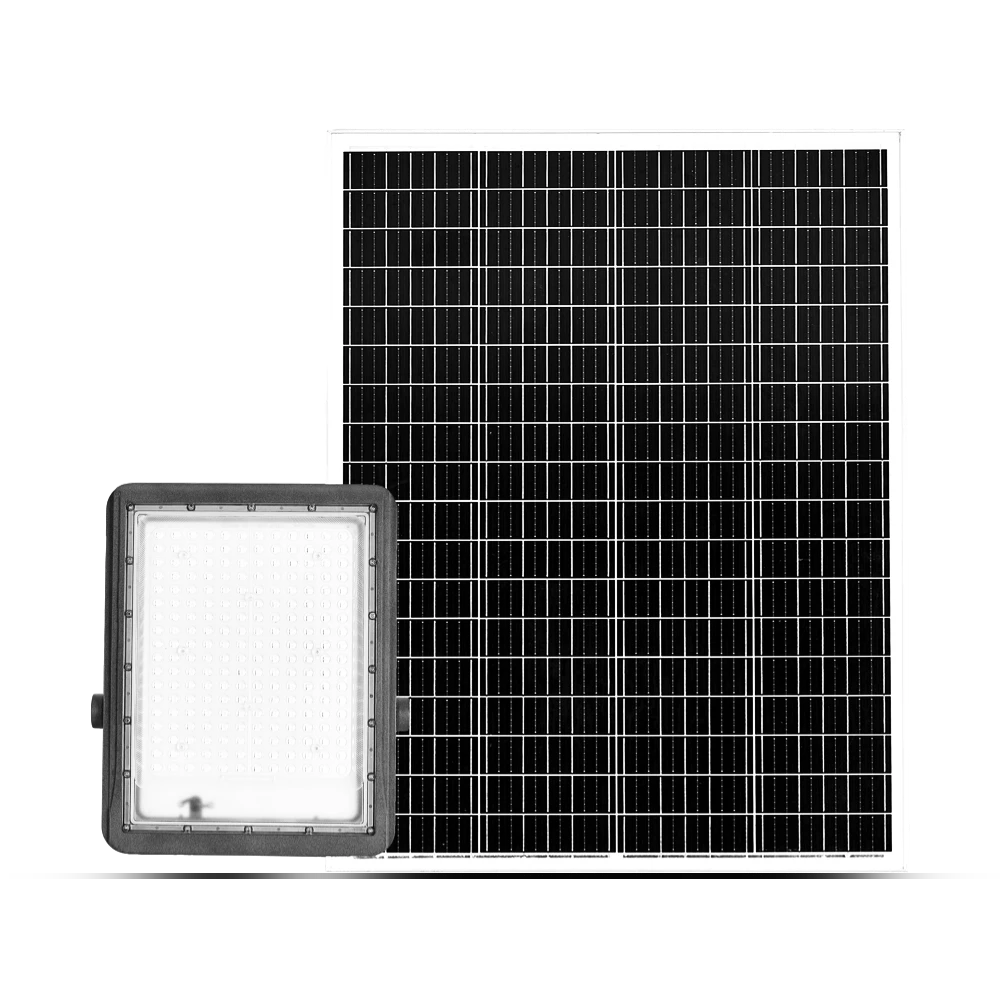
Queneng's Luxian Reliable Solar Street Light offers energy-saving LED lighting for outdoor use. This durable, solar-powered street light provides reliable illumination, reducing energy costs and environmental impact. A perfect solution for sustainable outdoor lighting.
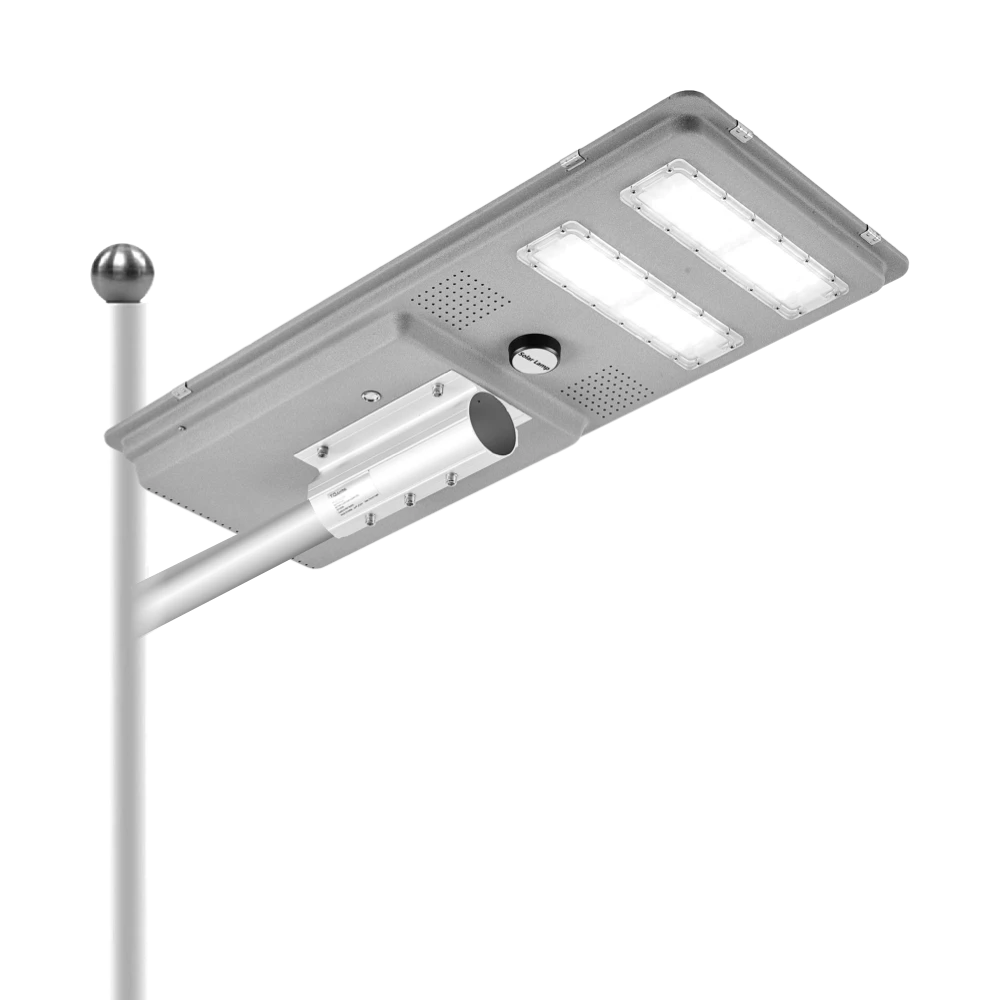
Queneng’s Solar Street Lights are designed to provide reliable, energy-efficient lighting for streets, parks, and other outdoor spaces.
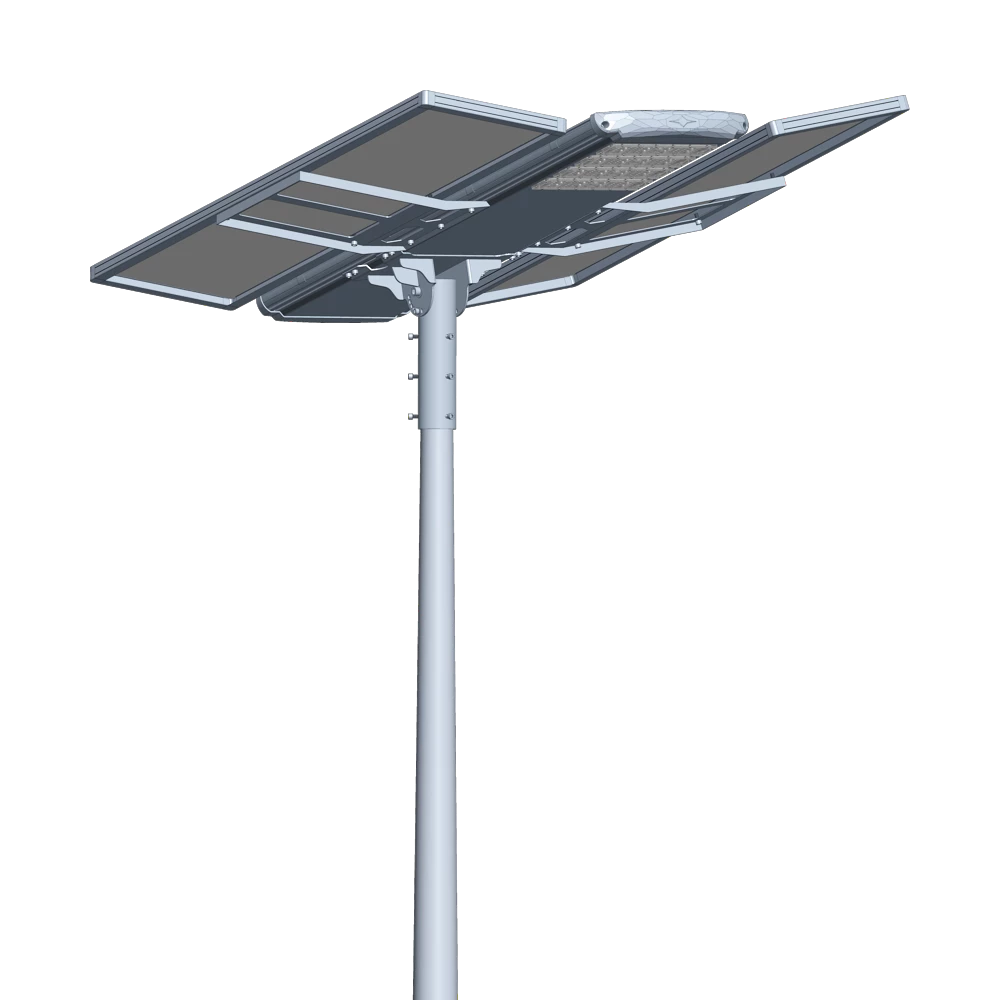
Introducing the Luqing Solar Street Light by Queneng, Efficient LED lighting powered by solar energy is perfect for illuminating outdoor areas. Harness the power of solar energy for sustainable, reliable street lighting. Ideal for eco-friendly, cost-effective outdoor illumination solutions.
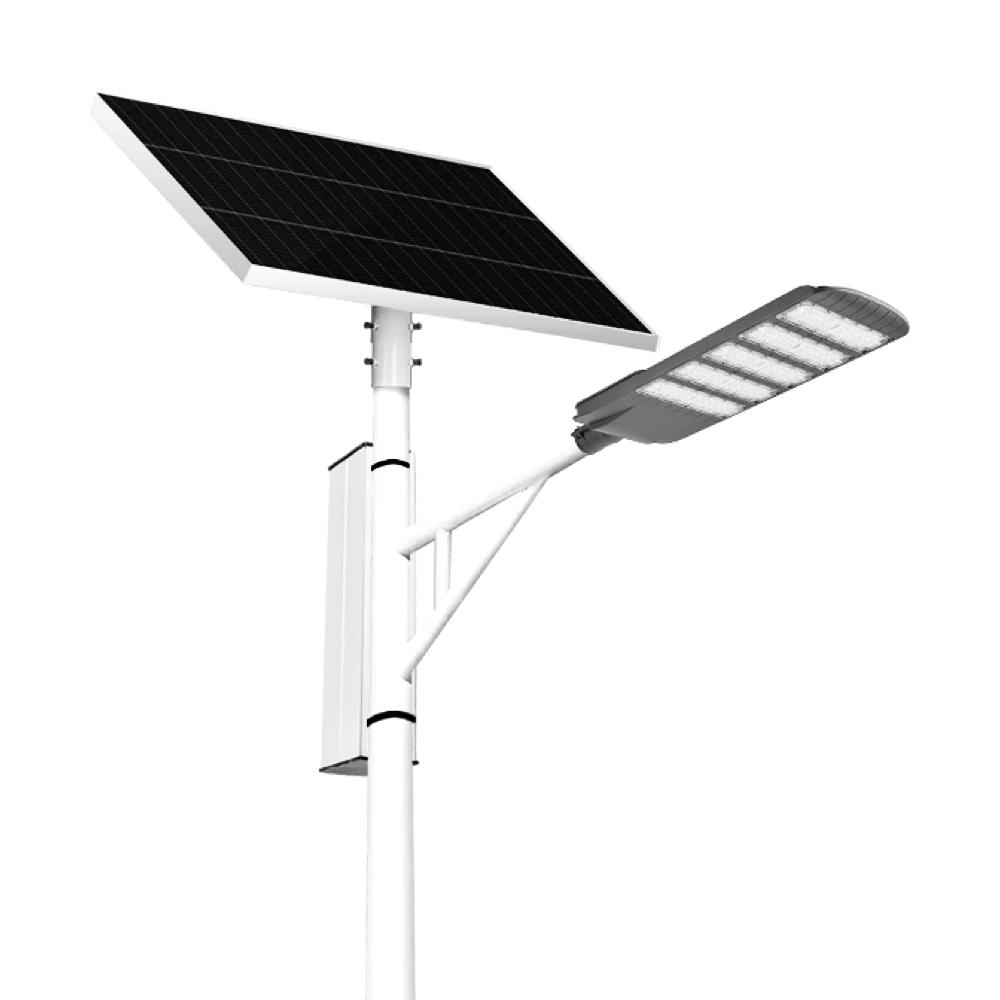
The Solar Streetlights of Luhao for Municipalities are designed to deliver reliable, energy-efficient, and cost-effective public lighting solutions. Equipped with advanced LED technology, durable lithium batteries, and high-efficiency solar panels, these streetlights provide consistent illumination for roads, parks, residential areas, and government projects.
If you would like more information about Queneng solar lighting solutions, please send us a message by filling out the form below. Our professional team will get back to you within 24 hours!
Rest assured that your privacy is important to us, and all information provided will be handled with the utmost confidentiality.
Schedule a Meeting
Book a date and time that is convenient for you and conduct the session in advance.
Have more questions about our products or services?
The messenger of light & power conversion
Environmental protection and intelligent manufacturing are our brand philosophy, and quality assurance and the best user experience are our eternal promises to users.
CONTACT
No.9F, Building F, Cao San Xin Tian Hong Logistics Park, Guzhen Town, Zhongshan City, Guangdong Province, China.
or write [email protected]
WhatsApp: +86 136 2270 1011


