
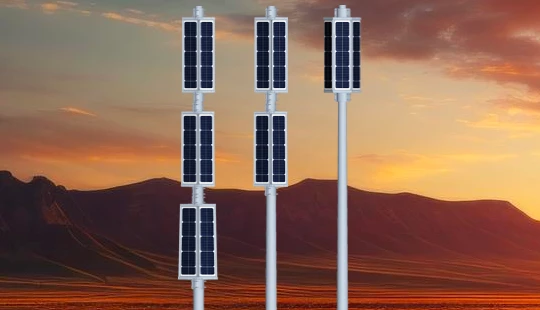
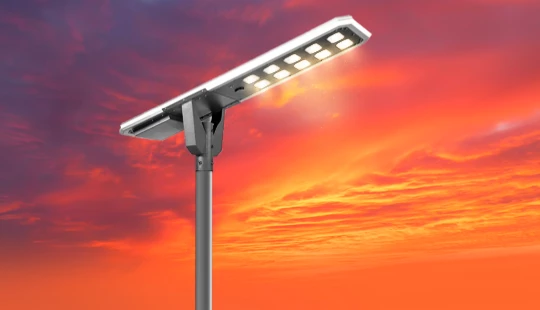














How do installation locations affect panel charging efficiency?
Understanding the True Cost and Performance of Solar Street Lights
As the world shifts towards sustainable infrastructure, solar street lights have become a popular choice for public and private lighting solutions. However, procuring these systems requires a deep understanding of their technology, costs, and performance factors. This guide aims to equip buyers with the professional knowledge needed to make informed decisions, ensuring a reliable and cost-effective investment.
What factors determine the price of a solar street light, and what should I expect to pay?
The cost of a solar street light varies significantly, typically ranging from $200 for basic residential models to over $2,000 for high-wattage, smart commercial units. Several critical factors influence this price:
- LED Wattage and Luminous Efficacy: Higher wattage (e.g., 30W to 120W+) and better lumen output per watt (e.g., 160 lm/W+) from High Quality LED chips (e.g., Philips, Bridgelux) will increase the cost.
- Battery Capacity and Type: Lithium Iron Phosphate (LiFePO4) batteries are preferred for their longevity (2,000-4,000 cycles), safety, and performance over lead-acid, but are more expensive. Larger battery capacity (measured in Watt-hours, Wh) for longer backup days also drives up the price.
- Solar Panel Size and Efficiency: Larger, more efficient monocrystalline solar panels (e.g., >20% efficiency) cost more than smaller, less efficient polycrystalline panels. The panel's wattage must match the system's energy consumption and desired charging speed.
- Charge Controller: MPPT (Maximum Power Point Tracking) controllers are more efficient (up to 98%) at extracting power from the solar panel and prolonging battery life compared to simpler PWM (Pulse Width Modulation) controllers, leading to higher costs.
- Pole and Fixture Material: Durable, high-quality aluminum alloys or galvanized steel for poles and fixtures (with good heat dissipation) add to the overall price.
- Smart Features: Integrated motion sensors (PIR/microwave), dimming capabilities, remote monitoring (IoT), and programmable lighting schedules increase sophistication and cost.
- Brand and Warranty: Reputable manufacturers offering extensive warranties and certifications typically have higher initial costs but provide better long-term value and reliability.
What are the hallmarks of a reputable solar street light manufacturer?
Choosing the right manufacturer is paramount for project success. Look for these key indicators of reliability and quality:
- Certifications: Compliance with international standards like ISO 9001 (Quality Management) and ISO 14001 (Environmental Management), along with product-specific certifications such as CE, RoHS, FCC, TUV, or UL.
- R&D and Engineering Capabilities: A strong commitment to innovation, evidenced by a dedicated R&D team that develops efficient, robust, and smart lighting solutions.
- Component Quality: Transparency about using high-grade, branded components (e.g., LiFePO4 batteries, Bridgelux/Philips LEDs, MPPT controllers) rather than generic parts.
- Customization and Project Support: Ability to design and customize solutions for specific project requirements, offering detailed lighting simulations (e.g., Dialux) and technical support.
- After-Sales Service and Warranty: Comprehensive warranties (e.g., 3-5 years for the system, 5-10 years for LEDs, 10-25 years for solar panels) and accessible customer service for troubleshooting and spare parts.
- Production Quality Control: Evidence of rigorous testing and quality control processes throughout manufacturing.
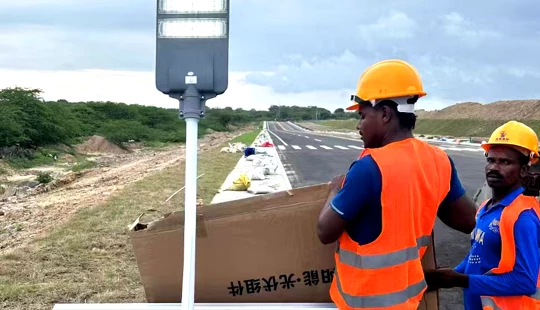
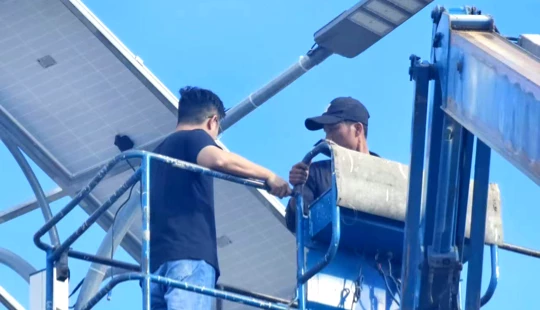
How do installation location and environmental factors affect solar panel charging efficiency?
Optimizing charging efficiency is crucial for the consistent performance of solar street lights. Installation location and environmental factors play a significant role:
- Sunlight Exposure: The primary factor is unobstructed access to direct sunlight throughout the day. Shading from buildings, trees, or other structures can drastically reduce efficiency, even partial shading can severely impact output.
- Tilt Angle: The optimal tilt angle for solar panels is generally equivalent to the latitude of the installation site. For example, at 40°N latitude, a 40° tilt is ideal for annual average performance. Adjusting the tilt angle seasonally (e.g., latitude +15° in winter, latitude -15° in summer) can maximize energy harvest.
- Orientation: In the Northern Hemisphere, panels should face true South to maximize sunlight capture. In the Southern Hemisphere, they should face true North.
- Dust and Dirt Accumulation: Dust, pollen, bird droppings, and other debris can accumulate on the panel surface, blocking sunlight. Uncleaned panels can see a 15-25% reduction in efficiency over time, necessitating periodic cleaning (e.g., every 6-12 months).
- Temperature: While solar panels need sunlight, very high ambient temperatures can slightly decrease their efficiency. Solar panel efficiency typically decreases by 0.3% to 0.5% for every degree Celsius above 25°C (77°F).
- Local Weather Patterns: Regions with frequent cloudy days, heavy rainfall, or snow will require larger solar panels and battery capacities to ensure reliable operation during periods of low sunlight.
What crucial components define a high-quality solar street light system?
The longevity and performance of a solar street light depend heavily on the quality of its individual components:
- LED Module: High-efficiency (e.g., >160 lm/W) LED chips from reputable brands (e.g., Philips, Osram, Bridgelux, Cree) with excellent thermal management to ensure a lifespan of 50,000-100,000 hours. The photometric distribution should match the application (e.g., Type II, Type III for street lighting).
- Battery: LiFePO4 (Lithium Iron Phosphate) batteries are the gold standard due to their long cycle life (2,000-4,000 cycles, translating to 8-10 years), superior thermal stability, and deep discharge capability compared to lead-acid batteries.
- Solar Panel: High-efficiency monocrystalline silicon solar panels (typically >20% efficiency) known for their performance in low light and longer lifespan (20-25 years). The panel's wattage should be adequately sized to fully charge the battery and power the LED.
- Charge Controller: An MPPT (Maximum Power Point Tracking) controller maximizes energy harvest from the solar panel by dynamically tracking the optimal voltage and current. It also protects the battery from overcharging, over-discharging, and short circuits, extending battery life.
- Luminaire Housing: Durable, corrosion-resistant materials like die-cast aluminum with an IP65 or IP66 rating (Ingress Protection) for excellent resistance against dust and water ingress. Good heat dissipation design is also crucial for LED longevity.
- Smart Control System: Advanced control features like PIR/microwave motion sensors, timed dimming, and remote IoT monitoring capabilities for energy efficiency and operational insights.
How do I correctly determine the required wattage and battery capacity for my specific application?
Proper sizing is critical to ensure consistent illumination. This involves a few calculations:
- Calculate Daily Energy Consumption (Wh):
- Determine the LED wattage (e.g., 60W).
- Determine the hours of operation per night (e.g., 12 hours).
- Daily Consumption = LED Wattage × Hours of Operation = 60W × 12h = 720 Wh.
- Calculate Required Battery Capacity (Wh):
- Determine desired backup days for cloudy weather (e.g., 3-5 days).
- Factor in the battery's Depth of Discharge (DoD), typically 80% for LiFePO4 to extend life.
- Required Battery Capacity = (Daily Consumption × Backup Days) / DoD = (720 Wh × 4 days) / 0.80 = 3600 Wh.
- Calculate Required Solar Panel Wattage (Wp):
- Determine average daily peak sun hours (PSH) for your location (e.g., 4 PSH in winter).
- Factor in system losses (e.g., 15-20% for wiring, temperature, dust, controller efficiency). Let's use 0.85 (85% efficiency).
- Solar Panel Wattage = (Daily Consumption / PSH) / System Efficiency = (720 Wh / 4 PSH) / 0.85 ≈ 212 Wp.
Always consider the worst-case scenario (shortest PSH, longest operating hours, highest backup days) for reliable performance.
What maintenance is involved, and what is the expected lifespan of a modern solar street light?
Modern solar street lights, especially those using high-quality components, require minimal maintenance:
- Panel Cleaning: Periodic cleaning of solar panels (e.g., every 6-12 months) is essential to remove dust and debris, especially in dusty or polluted environments, to maintain optimal charging efficiency.
- Battery Inspection/Replacement: LiFePO4 batteries have a lifespan of 8-10 years. After this period, their capacity will gradually diminish, and replacement may be necessary.
- Fixture Inspection: Occasional checks for loose connections, physical damage, or obstruction of light output.
Expected Lifespan of Components:
- LED Module: 50,000 to 100,000 hours (approx. 10-20 years based on 12h/night operation).
- Solar Panel: 20-25 years (with performance guarantees often guaranteeing 80% output after 25 years).
- LiFePO4 Battery: 8-10 years (or 2,000-4,000 charge/discharge cycles).
- Charge Controller: 5-10 years.
- Fixture/Pole: 15-25+ years, depending on material quality and environmental conditions.
What essential certifications and warranty provisions should I look for when purchasing?
To safeguard your investment, always scrutinize certifications and warranty details:
- Product Certifications: Look for CE (Conformité Européenne) for European safety standards, RoHS (Restriction of Hazardous Substances), and FCC (Federal Communications Commission) for electromagnetic compatibility. Other relevant certifications might include TUV, UL (for North America), or specific national standards. These confirm the product meets safety, environmental, and performance benchmarks.
- Manufacturer Certifications: ISO 9001 (Quality Management System) and ISO 14001 (Environmental Management System) indicate a manufacturer's commitment to quality processes and environmental responsibility.
- Warranty Periods:
- Overall System: A reputable manufacturer should offer a comprehensive warranty of 3 to 5 years on the entire solar street light system.
- LED Module: Often comes with a separate warranty of 5 to 10 years.
- Solar Panel: Typically offers a performance warranty of 10 years for 90% power output and 25 years for 80% power output.
- Battery: LiFePO4 batteries usually have a warranty of 3 to 5 years, guaranteeing a certain percentage of original capacity after a specified number of cycles.
- Warranty Terms: Understand what the warranty covers (parts, labor, shipping), the claim process, and any conditions that might void it. A clear, written warranty from the manufacturer is crucial.
Quenenglighting: Your Partner for Superior Solar Street Lighting Solutions
At Quenenglighting, we understand the critical importance of reliability, performance, and long-term value in solar street lighting. Our commitment to excellence is reflected in:
- High Quality Components: We exclusively utilize high-grade LiFePO4 batteries, high-efficacy LED chips from leading brands, and advanced MPPT charge controllers to ensure maximum efficiency and extended lifespan.
- Expert Engineering & Customization: Our in-house R&D team and experienced engineers provide tailored solutions, including precise lighting simulations and comprehensive project support, to meet your unique requirements.
- Rigorous Quality Assurance: All our products undergo stringent testing and quality control processes, holding certifications such as CE, RoHS, and ISO 9001, guaranteeing compliance and dependability.
- Comprehensive Support & Warranty: We back our products with robust warranties and dedicated after-sales service, ensuring peace of mind and lasting satisfaction for your investment.
- Sustainable & Cost-Effective: Quenenglighting solutions are designed for optimal energy efficiency and minimal maintenance, offering a sustainable and economically sound lighting choice for any application.
Choose Quenenglighting for durable, high-performance solar street lights that deliver exceptional value and reliable illumination for years to come.
References:
- Energy Sage. Solar Panel Efficiency: What You Need to Know. (Accessed: April 25, 2024). https://www.energysage.com/solar/solar-panels/what-makes-solar-panel-efficient/
- SolarReviews. Solar panel angle: How to get the most energy from your solar panels. (Accessed: April 25, 2024). https://www.solarreviews.com/blog/solar-panel-angle-how-to-get-the-most-energy-from-your-solar-panels
- Solar Power World Online. What is an MPPT solar charge controller? (Accessed: April 25, 2024). https://www.solarpowerworldonline.com/2018/11/what-is-an-mppt-solar-charge-controller/
- Green Business Bureau. Understanding LiFePO4 Batteries: The Sustainable Choice. (Accessed: April 25, 2024). https://greenbusinessbureau.com/blog/understanding-lifepo4-batteries-the-sustainable-choice/

Have more questions about our products or services?
The latest hot news you might like

Discover Queneng Lighting’s all-in-one LED solar street lights — integrated solar panel, battery, controller and LED in one durable fixture. Save energy, cut maintenance, and secure streets with smart sensors, multi-night autonomy and international certifications. Contact sales for quotes and support.

Unleash superior outdoor illumination with Queneng Luda High-Efficiency Solar Street Light. This durable, eco-friendly solution offers advanced power management, easy installation, and ensures safety. Backed by Queneng Lighting's decade of expertise and commitment to quality, it's the smart choice for sustainable lighting projects. Learn why we're a leading solar solutions provider.

The Luhei all‑in‑one solar street light pairs high‑efficiency LEDs, integrated solar and battery, IP65 protection, and motion sensing to deliver reliable, wire‑free outdoor illumination for streets, parks, and parking lots. Backed by Queneng Lighting’s certifications and support.

FAQ
Battery fundamentals and basic terms
What are the differences between primary and secondary batteries?
Transportation and Highways
Is there a monitoring system for real-time performance tracking?
Yes, our solar lighting systems are equipped with IoT-enabled controllers that allow remote monitoring and performance tracking via a cloud-based platform.
Can the system be integrated with existing electrical grids for hybrid operation?
Yes, our solar lighting systems can be configured for hybrid operation, combining solar power with grid electricity for uninterrupted performance.
Solar Street Light Luhao
How does the Luhao solar street light contribute to sustainability?
The Luhao solar street light reduces carbon emissions by utilizing solar power instead of electricity from non-renewable sources. It provides a clean, green alternative to traditional lighting, helping to lower environmental impact and promote sustainability in outdoor lighting.
Battery Performance and Testing
What is trickle charging?
Solar Street Light Lufei
What is the warranty on the solar street light?
Queneng offers a warranty of 2-5 years on our solar street lights, covering defects in material and workmanship. The warranty duration may vary based on the model and product components.
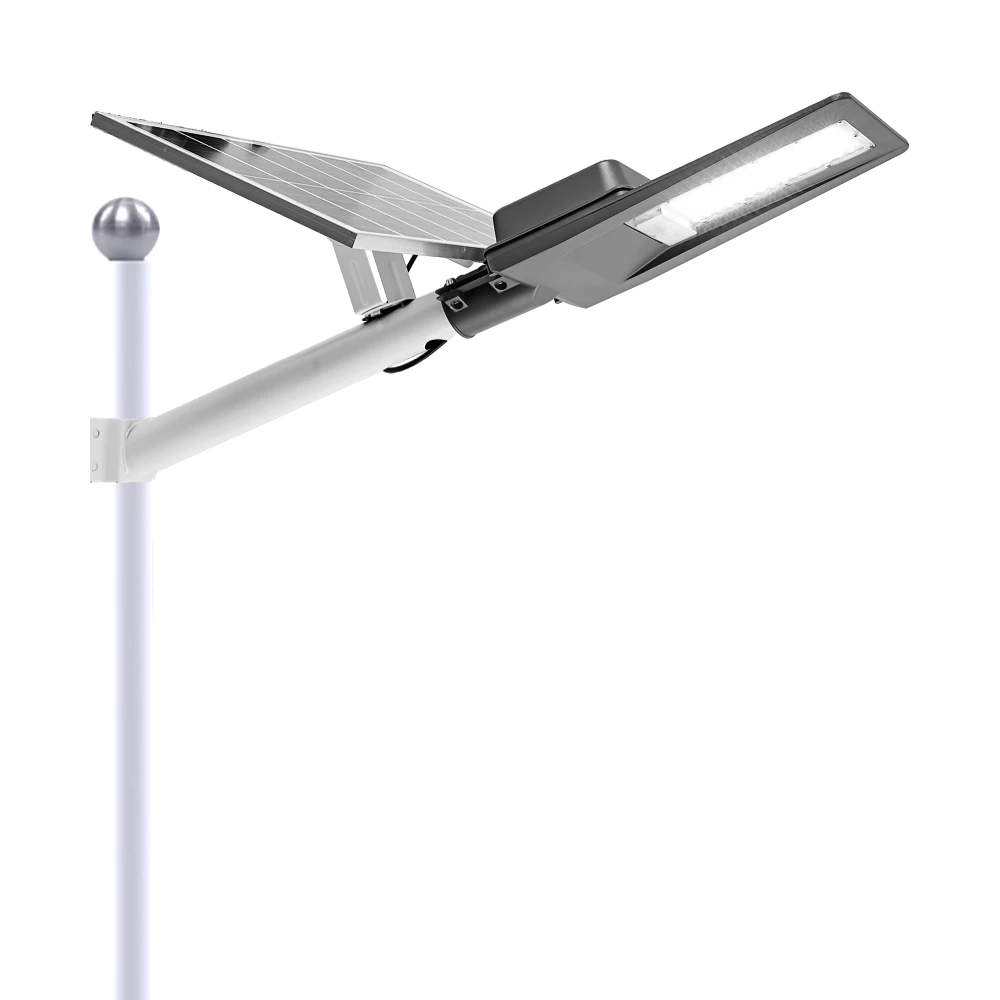
Experience reliable outdoor illumination with our smart solar street light, a perfect combination of advanced technology and eco-conscious design.
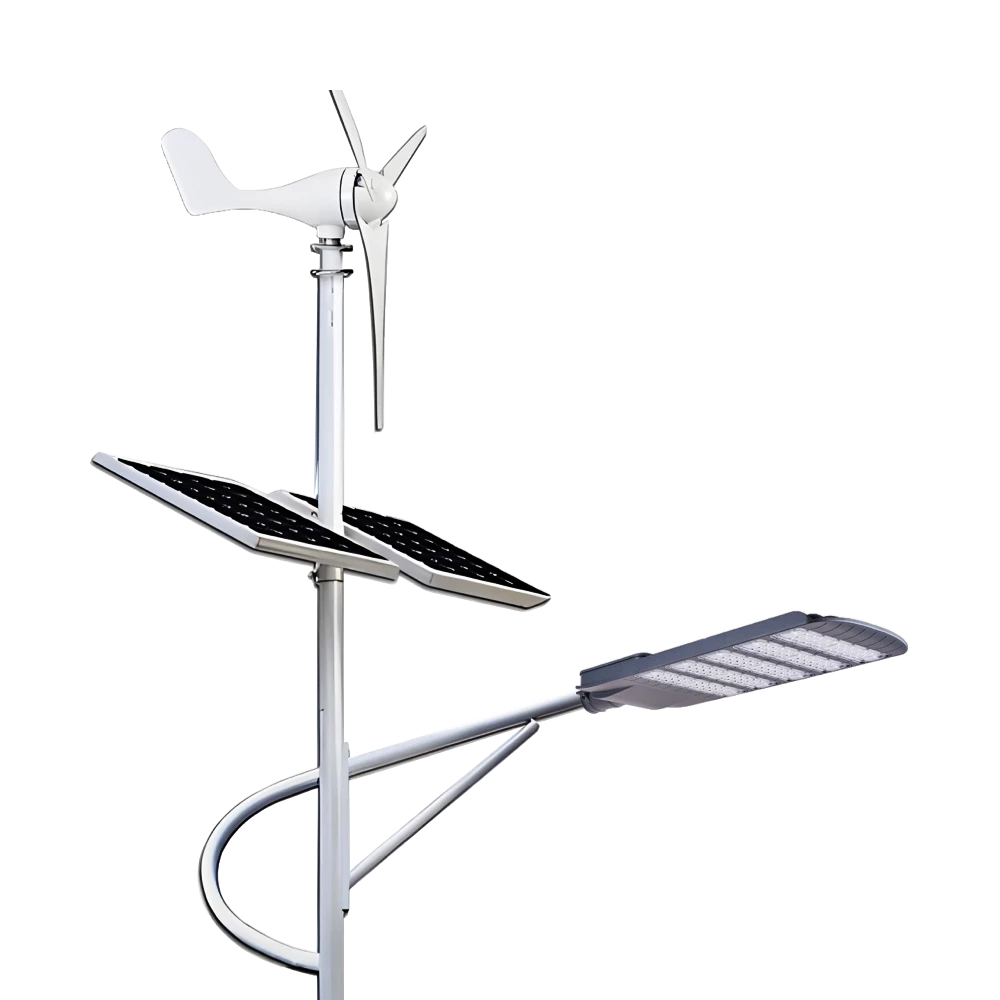
Queneng Lufeng Wind Energy LED Outdoor Solar Street Lights offer high-performance, eco-friendly illumination. These energy-efficient LED street lights harness solar power and wind energy for sustainable, cost-effective outdoor lighting solutions.
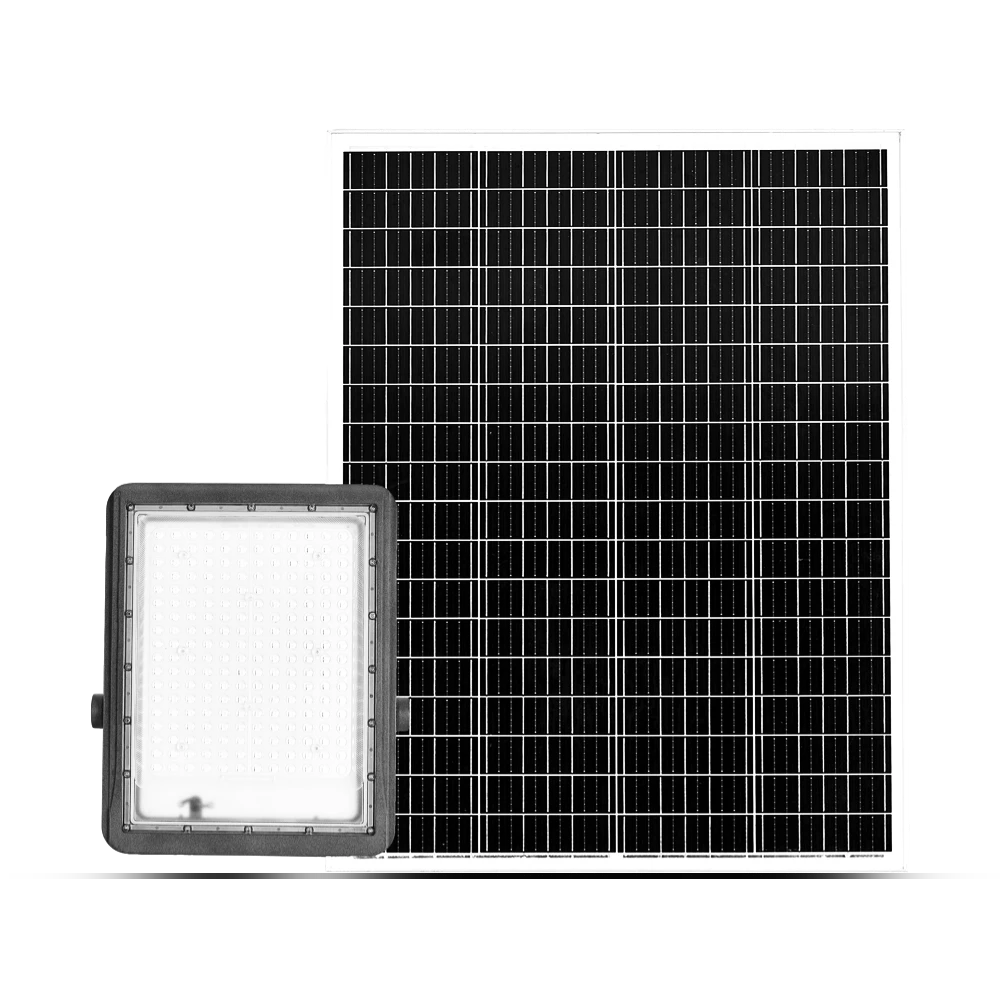
Queneng's Luxian Reliable Solar Street Light offers energy-saving LED lighting for outdoor use. This durable, solar-powered street light provides reliable illumination, reducing energy costs and environmental impact. A perfect solution for sustainable outdoor lighting.
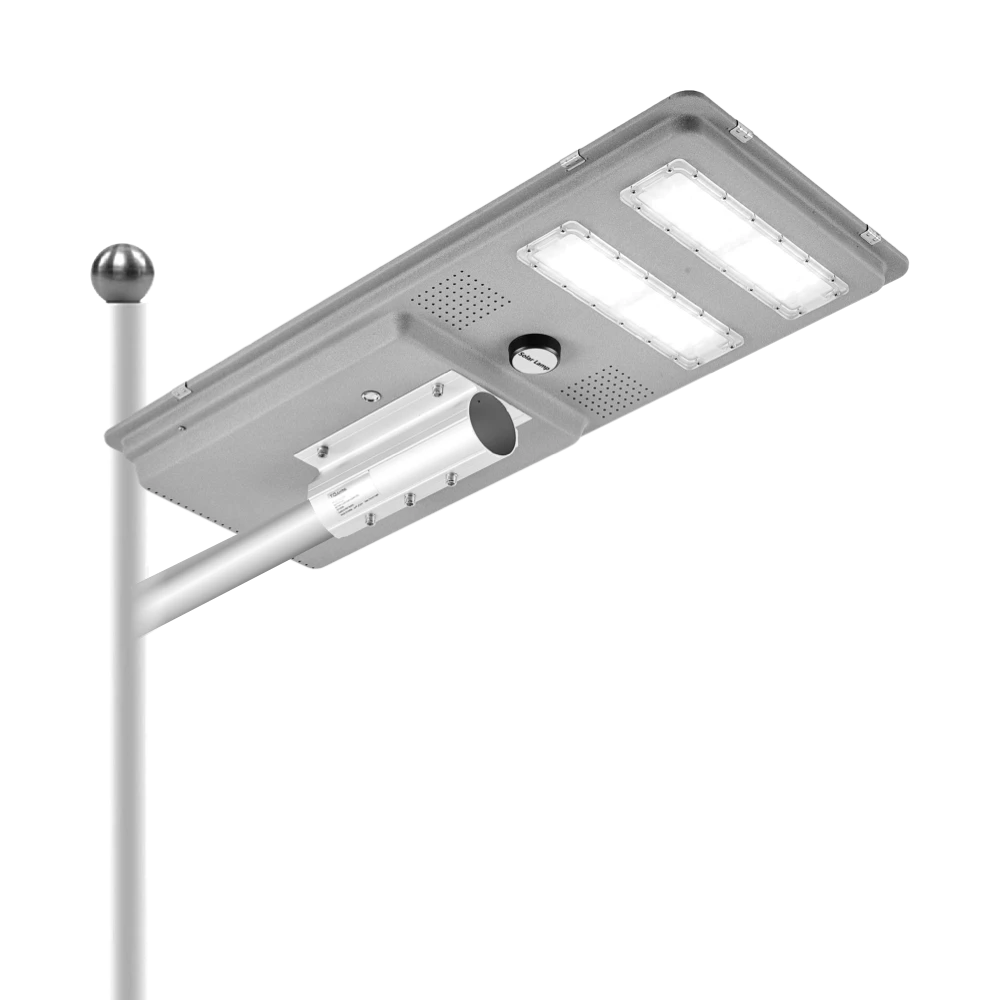
Queneng’s Solar Street Lights are designed to provide reliable, energy-efficient lighting for streets, parks, and other outdoor spaces.
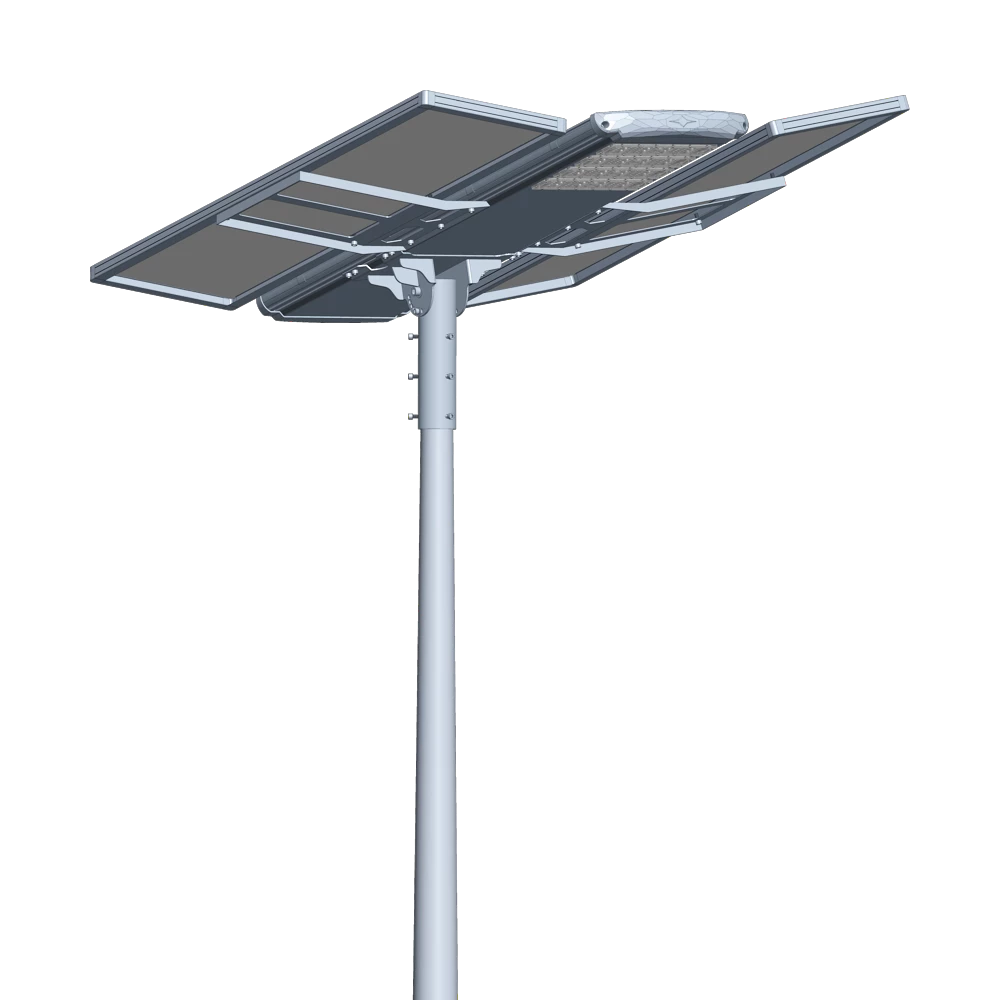
Introducing the Luqing Solar Street Light by Queneng, Efficient LED lighting powered by solar energy is perfect for illuminating outdoor areas. Harness the power of solar energy for sustainable, reliable street lighting. Ideal for eco-friendly, cost-effective outdoor illumination solutions.
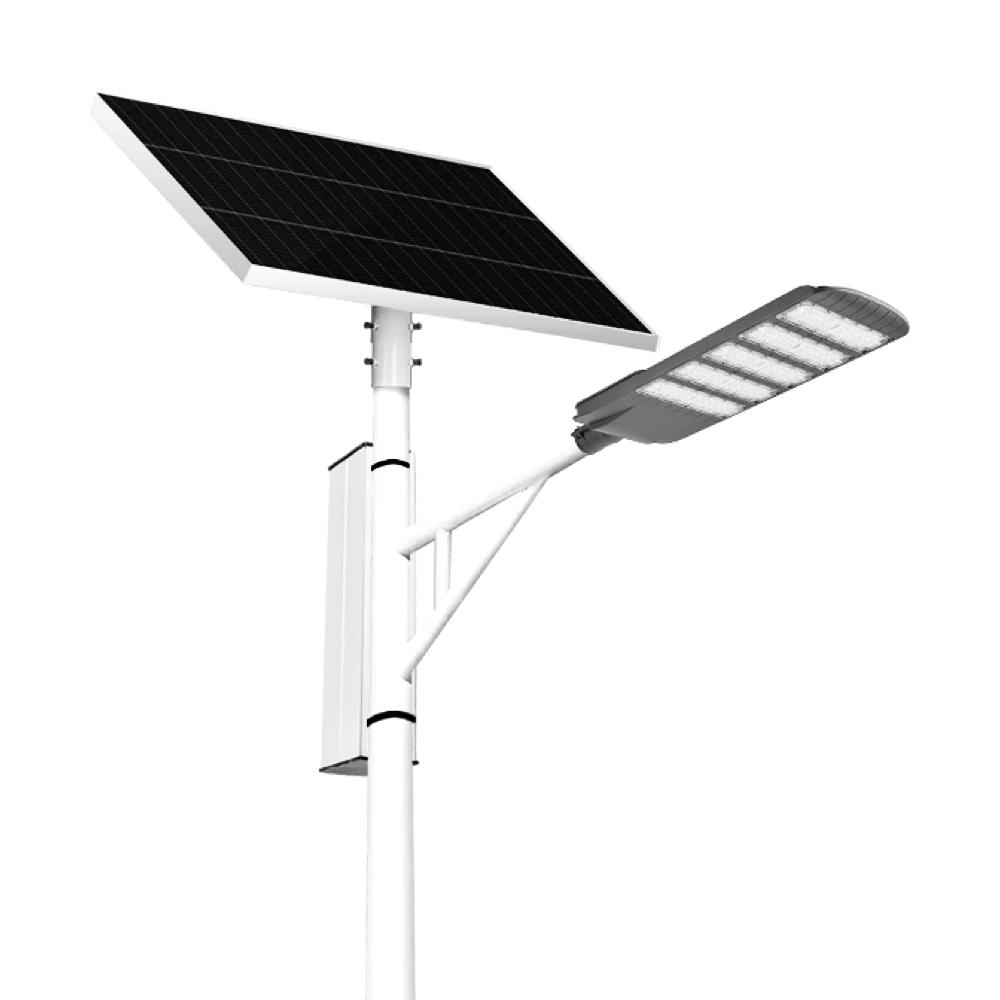
The Solar Streetlights of Luhao for Municipalities are designed to deliver reliable, energy-efficient, and cost-effective public lighting solutions. Equipped with advanced LED technology, durable lithium batteries, and high-efficiency solar panels, these streetlights provide consistent illumination for roads, parks, residential areas, and government projects.
If you would like more information about Queneng solar lighting solutions, please send us a message by filling out the form below. Our professional team will get back to you within 24 hours!
Rest assured that your privacy is important to us, and all information provided will be handled with the utmost confidentiality.
Schedule a Meeting
Book a date and time that is convenient for you and conduct the session in advance.
Have more questions about our products or services?
The messenger of light & power conversion
Environmental protection and intelligent manufacturing are our brand philosophy, and quality assurance and the best user experience are our eternal promises to users.
CONTACT
No.9F, Building F, Cao San Xin Tian Hong Logistics Park, Guzhen Town, Zhongshan City, Guangdong Province, China.
or write [email protected]
WhatsApp: +86 136 2270 1011


