

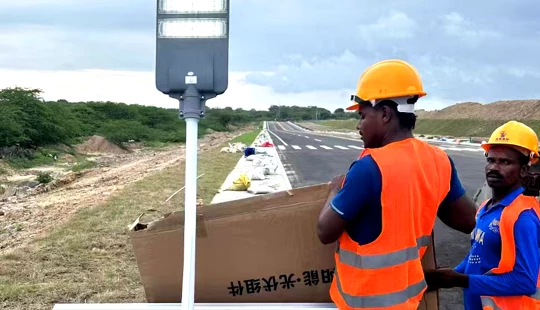
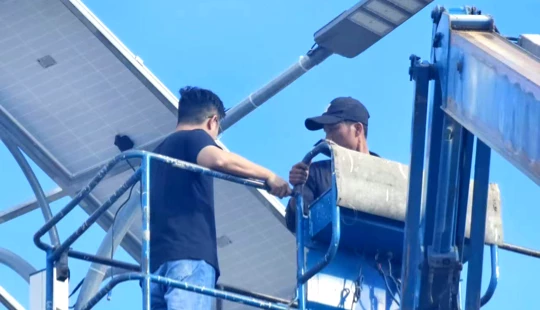













How do Vietnamese municipalities implement sustainable urban street light schemes?
Navigating the World of Solar Street Lights: A Comprehensive Buyer's Guide
As urban landscapes evolve and the drive for sustainability intensifies, solar street lighting has emerged as a crucial component of modern infrastructure. For purchasers in the solar lighting industry, understanding the nuances of these systems is paramount. This guide provides professional insights into the key questions buyers often have, from cost implications to manufacturer selection and advanced technological features, incorporating real-world scenarios.
What are the Key Factors Determining the Cost of a Solar Street Light System?
The cost of a solar street light system is not a single figure but a composite of several critical components and services. A standard municipal-grade solar street light typically ranges from $500 to $2,500 USD per unit, though specialized or high-power systems can exceed this range. The primary factors include:
- LED Luminaires: The wattage, lumen output, and efficiency of the LED chip (e.g., Philips, Cree) significantly impact cost. Higher lumens per watt means greater efficiency and often higher initial cost.
- Solar Panel: The wattage and type of solar panel (monocrystalline typically more efficient, up to 22%, but also pricier than polycrystalline, around 15-17%) determine its energy harvesting capability. Larger panels for higher wattage lights increase cost.
- Battery Storage: This is often the most expensive component. Lithium Iron Phosphate (LiFePO4) batteries are preferred for their longer lifespan (2,000-4,000 cycles or 5-10 years) and better performance in varying temperatures compared to traditional lead-acid batteries (500-1000 cycles or 2-3 years), hence commanding a higher price. Battery capacity (Ah) dictates autonomy (days of backup power).
- Charge Controller: Maximum Power Point Tracking (MPPT) controllers (up to 98% efficiency) are more efficient and costly than Pulse Width Modulation (PWM) controllers (75-80% efficiency), maximizing solar panel output.
- Pole and Fixtures: The height, material (galvanized steel, aluminum), and design of the pole, along with brackets and mounting hardware, contribute significantly to the overall cost. Wind load ratings are also a factor.
- Smart Features: Integration of motion sensors (PIR), dimming capabilities, remote monitoring, and IoT connectivity adds to the cost but enhances functionality and energy savings.
- Brand and Warranty: Reputable manufacturers offering extended warranties (e.g., 3-5 years for the entire system) often have higher initial prices but provide better long-term reliability and support.
How Do Solar Street Lights Provide Long-Term Cost Savings Compared to Traditional Lighting?
While the initial outlay for solar street lights can be higher than conventional grid-powered lights, the long-term savings are substantial:
- Zero Electricity Bills: This is the most significant saving. Solar lights operate entirely on renewable energy, eliminating monthly utility costs.
- Reduced Installation Costs: No trenching, cabling, or connection to the grid is required, drastically cutting down on civil engineering and labor costs, especially in remote or underdeveloped areas.
- Lower Maintenance: Modern solar street lights, especially those with LiFePO4 batteries and robust designs, require minimal maintenance. Component lifespans are long: LEDs often last 50,000-100,000 hours, and solar panels have a 20-25 year performance guarantee.
- Environmental Incentives: Governments and municipalities may offer grants or subsidies for adopting green technologies, further reducing the effective cost.
- Resilience: They are immune to grid outages, providing consistent illumination and enhancing public safety and security, which can have indirect economic benefits.
What Should I Look For When Choosing a Reliable Solar Street Light Manufacturer?
Selecting a reputable Solar Street Light Manufacturer or Manufacturer of Solar Street Lights is critical for project success. Look for the following attributes:
- Experience and Reputation: A proven track record in manufacturing and deploying solar lighting solutions. Check case studies and client testimonials.
- Component Quality: Insist on high-grade components (e.g., branded LED chips, high-efficiency solar panels, LiFePO4 batteries, MPPT controllers). A manufacturer that controls its supply chain or partners with reputable component suppliers is preferable.
- Certifications: Ensure they hold international quality standards like ISO 9001 (quality management), CE, RoHS (environmental compliance), and IP ratings (ingress protection for dust and water).
- R&D Capabilities: A manufacturer with ongoing research and development demonstrates commitment to innovation, offering cutting-edge features and improved efficiency.
- Customization Options: The ability to tailor lighting solutions (wattage, pole height, battery autonomy, smart features) to specific project requirements.
- Warranty and After-Sales Support: A comprehensive warranty (minimum 3-5 years for the full system) and accessible technical support are crucial for long-term operational success.
- Project Management and Logistics: Efficient handling of orders, shipping, and installation guidance.
What are the Essential Components of a High-Quality Solar Street Light, and Why Do They Matter?
A superior solar street light is a symphony of well-engineered parts:
- High-Efficiency Solar Panel: Monocrystalline silicon panels (18-22% efficiency) are ideal for maximizing power generation even in limited space or sub-optimal light conditions.
- Long-Life LiFePO4 Battery: Offers excellent depth of discharge, superior thermal stability, and a cycle life of 2,000 to 4,000 cycles, translating to 5-10 years of reliable operation. This minimizes replacement frequency.
- Smart MPPT Charge Controller: Maximizes energy harvest from the solar panel by dynamically tracking the maximum power point, boosting overall system efficiency by 15-30% compared to PWM controllers. It also provides crucial protection against overcharge, over-discharge, and short circuits.
- High-Lumen LED Luminaire with Excellent Thermal Management: Utilizes reputable LED chips (e.g., Philips, Osram, Bridgelux) with high lumen efficacy (>150 lm/W) and a robust heat sink design to ensure consistent light output and extend LED lifespan (50,000-100,000 hours).
- Durable and Corrosion-Resistant Pole & Housing: Galvanized steel or aluminum poles and IP65/IP66 rated fixtures protect against harsh weather conditions, ensuring structural integrity and component longevity.
How Do Different Battery Technologies (e.g., LiFePO4) Impact Performance and Lifespan?
Battery technology is foundational to a solar street light's performance:
- Lithium Iron Phosphate (LiFePO4): Currently the gold standard. Offers 2,000-4,000 charge/discharge cycles (5-10 years lifespan), stable performance across a wide temperature range (-20°C to 60°C), higher energy density, and excellent safety characteristics (non-flammable, non-toxic). They tolerate deep discharges well, maintaining capacity over time.
- Lead-Acid Batteries (Gel/AGM): Older technology, with 500-1,000 cycles (2-3 years lifespan). Sensitive to deep discharges and extreme temperatures, requiring more frequent replacement and maintenance. Lower initial cost but higher total cost of ownership.
Choosing LiFePO4 significantly enhances reliability, reduces maintenance, and provides a much longer operational lifespan for solar street lights.
What Smart Features Are Available, and How Do They Enhance Functionality and Efficiency?
Modern solar street lights incorporate smart features to optimize energy use and improve operational management:
- PIR (Passive Infrared) Motion Sensors: Detect presence and dim the light when no one is around, significantly saving battery power and extending autonomy. Lights can brighten to full power upon detection.
- Programmable Dimming: Allows users to set specific lighting schedules and brightness levels throughout the night, conserving energy during off-peak hours (e.g., 100% for 4 hours, then 50% for 4 hours, then 30% until dawn).
- Remote Monitoring and Control (IoT/LoRaWAN/Zigbee): Enables real-time monitoring of battery status, solar panel charging, LED operation, and fault detection from a central control platform. This allows for proactive maintenance, remote troubleshooting, and adjustments to lighting profiles, saving operational costs.
- Self-Cleaning Panels: Hydrophobic coatings or automated cleaning mechanisms can reduce dust and dirt accumulation, maintaining optimal solar panel efficiency.
- Adaptive Lighting: Systems that can adjust brightness based on ambient light levels or traffic density, further optimizing energy consumption.
What are the Maintenance Requirements for Solar Street Lights?
While solar street lights are low-maintenance, some routine checks ensure optimal performance and longevity:
- Solar Panel Cleaning: Periodically clean panels to remove dust, dirt, bird droppings, or snow, which can reduce efficiency. This is typically needed every 6-12 months, depending on the environment.
- Battery Inspection: For LiFePO4, mainly visual checks for damage. For lead-acid, electrolyte levels might need checking. With sealed LiFePO4, this is minimal.
- Fixture Check: Ensure the LED luminaire is clean and free from obstructions.
- Pole and Mounting: Periodically inspect the pole for structural integrity, rust, or loose bolts, especially after extreme weather.
- System Monitoring: For smart systems, regularly review data from the remote monitoring platform to identify any performance deviations or potential issues proactively.
Compared to traditional lighting, the maintenance burden and associated costs are significantly lower.
How do Vietnamese Municipalities Implement Sustainable Urban Street Light Schemes?
How do Vietnamese municipalities implement sustainable urban street light schemes? Vietnam, like many developing nations, is actively embracing sustainable solutions to address rapid urbanization and energy demands. Municipalities across Vietnam are increasingly integrating solar street lights and other energy-efficient lighting into their urban development plans:
- Energy Efficiency Mandates: The Vietnamese government has policies promoting energy conservation and the use of renewable energy. For instance, the National Energy Efficiency Program (VNEEP) encourages the adoption of high-efficiency lighting like LEDs and solar solutions in public infrastructure.
- Smart City Initiatives: Cities like Hanoi and Ho Chi Minh City are investing in smart city infrastructure, where intelligent street lighting, including solar-powered systems with IoT capabilities, plays a crucial role. These systems allow for remote management, adaptive lighting, and contribute to broader urban data collection for improved city planning.
- Rural and Remote Area Electrification: Solar street lights are particularly vital in remote or rural areas where grid connection is costly or impractical, providing essential lighting for safety and community development without extending the traditional grid.
- Pilot Projects and Phased Implementation: Municipalities often start with pilot projects in specific districts or new developments to test the efficacy and cost-benefits of solar street lighting before wider deployment. For example, some new urban areas or parks may exclusively feature solar lighting.
- Public-Private Partnerships (PPPs): To overcome initial investment hurdles, municipalities engage with private companies, including solar street light manufacturers, for financing, installation, and maintenance of these sustainable lighting systems.
- Focus on Reduced Carbon Footprint: Adopting solar lighting aligns with Vietnam's commitment to reducing carbon emissions and transitioning to a greener economy, driven by national climate goals.
The approach in Vietnam showcases a blend of policy-driven initiatives, technological adoption, and strategic partnerships to create more sustainable and resilient urban environments through smart and solar-powered street lighting.
Why Choose Quenenglighting for Your Solar Street Light Needs?
Quenenglighting stands as a premier Manufacturer of Solar Street Lights, dedicated to providing high-quality, reliable, and innovative solar lighting solutions. Our advantages include:
- Advanced R&D and Technology: We continuously invest in research and development to integrate the latest advancements in solar panel efficiency, battery technology (LiFePO4), and intelligent control systems (MPPT, IoT).
- High Quality Component Sourcing: Quenenglighting utilizes only top-tier components, including branded LED chips (e.g., Philips, Osram), high-efficiency monocrystalline solar panels, and long-life LiFePO4 batteries, ensuring superior performance and durability.
- Customized Solutions: We understand that every project is unique. Quenenglighting offers extensive customization options to meet specific wattage, autonomy, design, and smart feature requirements for diverse applications.
- Rigorous Quality Control: Our products undergo stringent testing and adhere to international standards (ISO, CE, RoHS, IP66), guaranteeing robustness and reliability even in challenging environments.
- Comprehensive Warranty & Support: We provide industry-leading warranties and dedicated after-sales technical support, ensuring peace of mind throughout the product's lifespan.
- Proven Track Record: With years of experience and successful deployments globally, Quenenglighting is a trusted partner for municipal, commercial, and industrial solar lighting projects.
References and Data Sources:
- Solar Street Light Cost Analysis - Industry Reports (e.g., Grand View Research, Fortune Business Insights, various manufacturer websites) - Grand View Research - Solar Street Lighting Market Size, Share & Trends Analysis Report (Accessed: May 2024)
- LiFePO4 Battery Lifespan and Characteristics - Battery manufacturer specifications (e.g., CATL, BYD data sheets) and academic research. Example: Battery University - Types of Lithium-ion Batteries (Accessed: May 2024)
- MPPT vs. PWM Controller Efficiency - Solar industry technical guides and articles (e.g., Victron Energy, Renogy technical specs). Example: Victron Energy Blog - PWM vs. MPPT Solar Charge Controllers (Accessed: May 2024)
- LED Lifespan and Efficiency - LED chip manufacturer specifications (e.g., Cree, Philips Lumileds data sheets). Example: Cree LED (Accessed: May 2024)
- Vietnam Energy Efficiency and Smart City Initiatives - Reports from Vietnam Ministry of Industry and Trade (MOIT), World Bank, ADB on Vietnamese energy policy and urban development. Example: Asian Development Bank - Vietnam Steps up Smart and Sustainable Urban Development (Accessed: May 2024); Vietnam Law Magazine - Prime Minister’s Decision Approving the National Energy Efficiency Program for 2019-2030 (Accessed: May 2024)

Have more questions about our products or services?
The latest hot news you might like

Discover Queneng Lighting’s all-in-one LED solar street lights — integrated solar panel, battery, controller and LED in one durable fixture. Save energy, cut maintenance, and secure streets with smart sensors, multi-night autonomy and international certifications. Contact sales for quotes and support.

Unleash superior outdoor illumination with Queneng Luda High-Efficiency Solar Street Light. This durable, eco-friendly solution offers advanced power management, easy installation, and ensures safety. Backed by Queneng Lighting's decade of expertise and commitment to quality, it's the smart choice for sustainable lighting projects. Learn why we're a leading solar solutions provider.

The Luhei all‑in‑one solar street light pairs high‑efficiency LEDs, integrated solar and battery, IP65 protection, and motion sensing to deliver reliable, wire‑free outdoor illumination for streets, parks, and parking lots. Backed by Queneng Lighting’s certifications and support.

FAQ
Schools and Educational Institutions
What kind of maintenance is needed for solar lights?
The main maintenance required is cleaning the solar panels periodically to ensure they remain free of dust or debris, and occasionally checking the functionality of the battery and light.
Battery Performance and Testing
What is trickle charging?
What is a penetration test?
APMS system
How is the ultra-low temperature control function of the APMS system achieved?
The APMS system uses a specially designed control module that maintains stable operation at extremely low temperatures, ensuring reliability even at -50°C.
Sustainability
If the light or battery fails, can it be replaced individually?
Yes. Queneng’s solar street lights are designed with a modular structure, so components such as photovoltaic panels, batteries, lights, and controllers can be replaced individually, making maintenance convenient and cost-effective.
Battery and Analysis
What are the control methods to prevent battery overcharging?
1) Peak voltage control: Determine the end of charging by detecting the peak voltage of the battery;
2) dT/dt control: determine the end point of charging by detecting the battery peak temperature change rate;
3) △T control: When the battery is fully charged, the difference between the temperature and the ambient temperature will reach the maximum;
4) -△V control: When the battery is fully charged and reaches a peak voltage, the voltage will drop by a certain value;
5) Timing control: Control the charging end point by setting a certain charging time. Generally, set the time required to charge 130% of the nominal capacity;
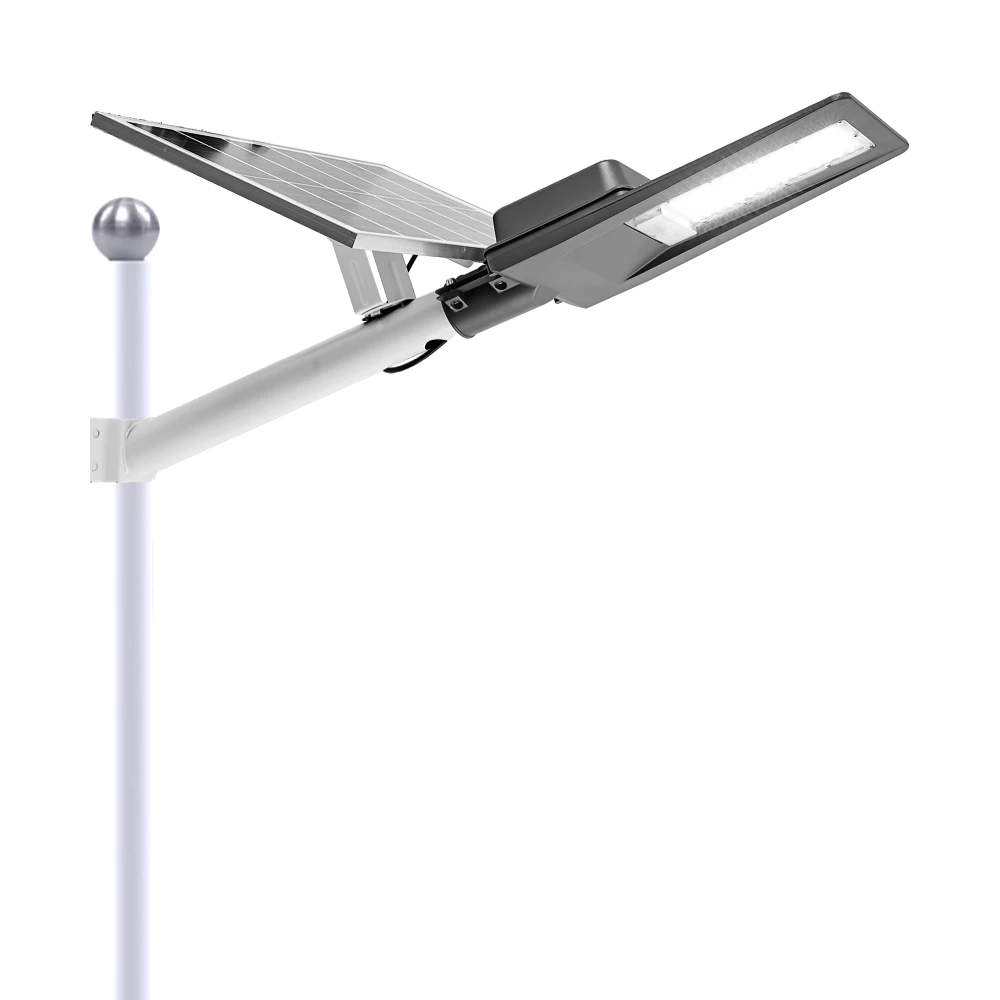
Experience reliable outdoor illumination with our smart solar street light, a perfect combination of advanced technology and eco-conscious design.
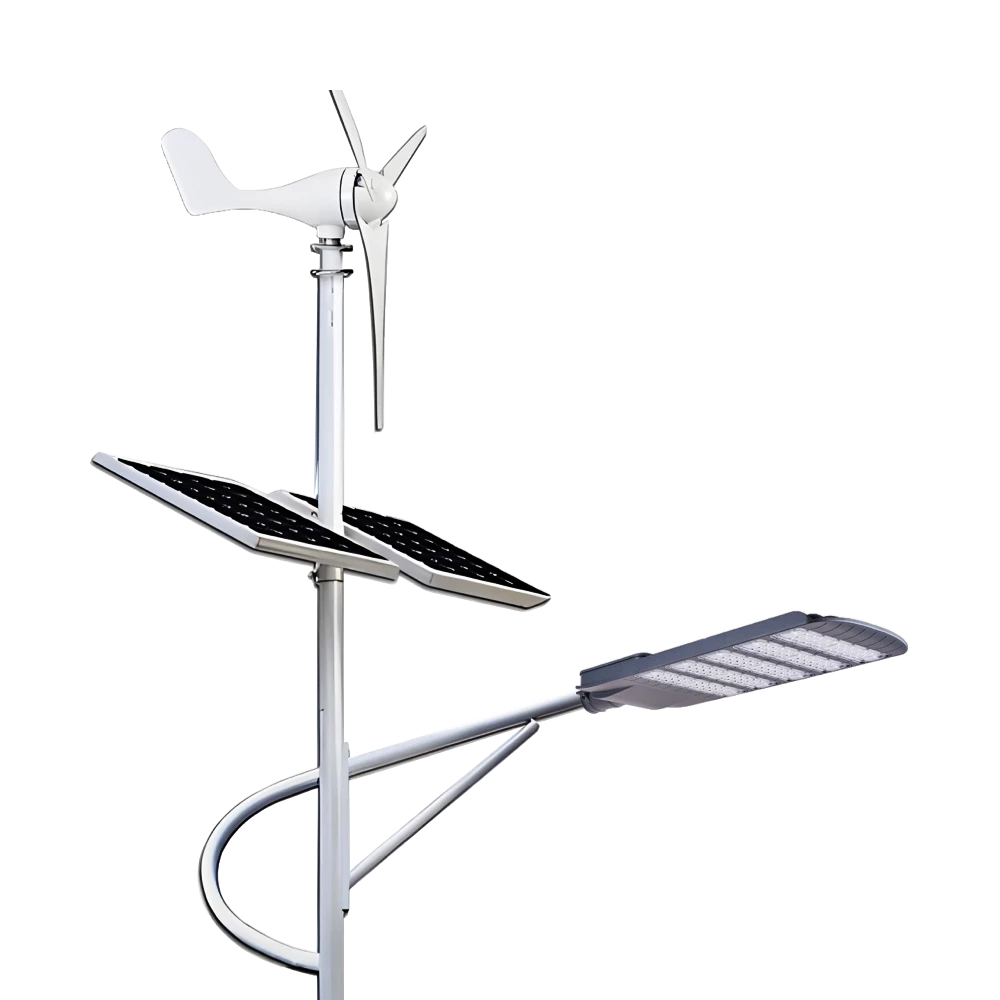
Queneng Lufeng Wind Energy LED Outdoor Solar Street Lights offer high-performance, eco-friendly illumination. These energy-efficient LED street lights harness solar power and wind energy for sustainable, cost-effective outdoor lighting solutions.
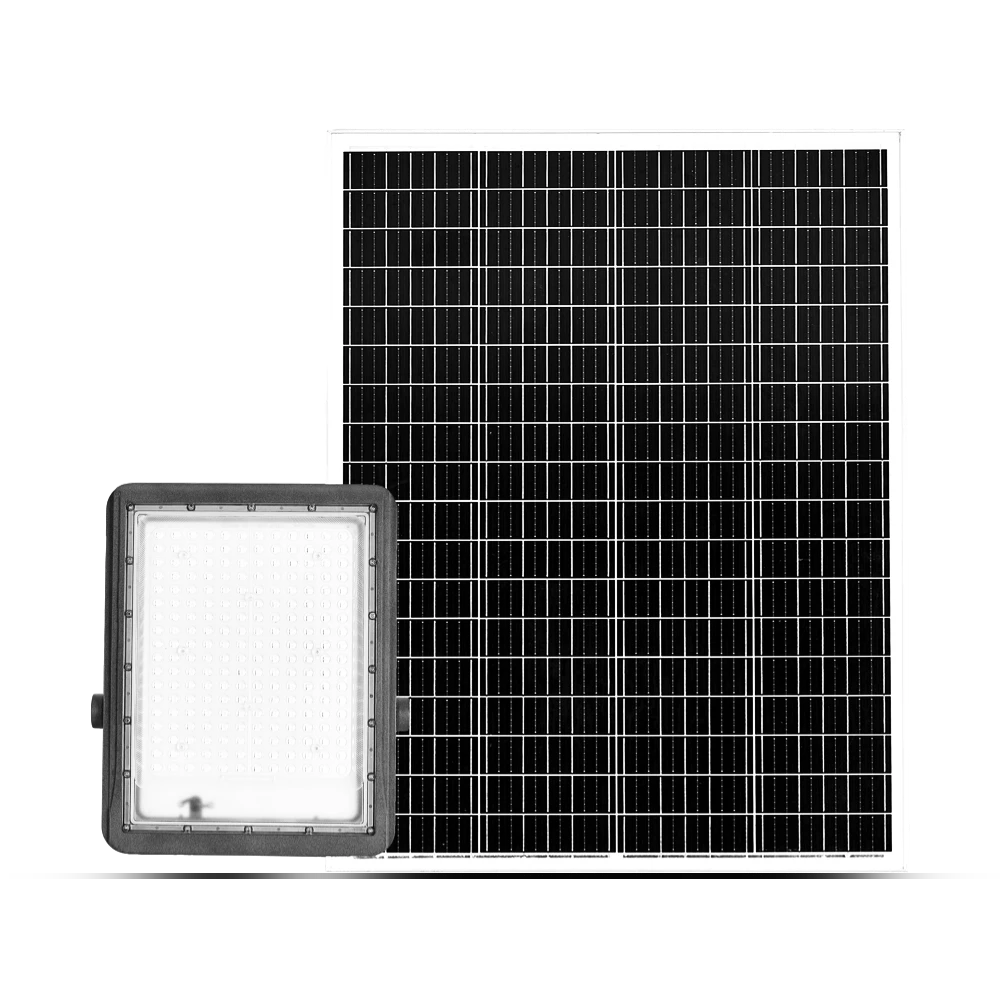
Queneng's Luxian Reliable Solar Street Light offers energy-saving LED lighting for outdoor use. This durable, solar-powered street light provides reliable illumination, reducing energy costs and environmental impact. A perfect solution for sustainable outdoor lighting.
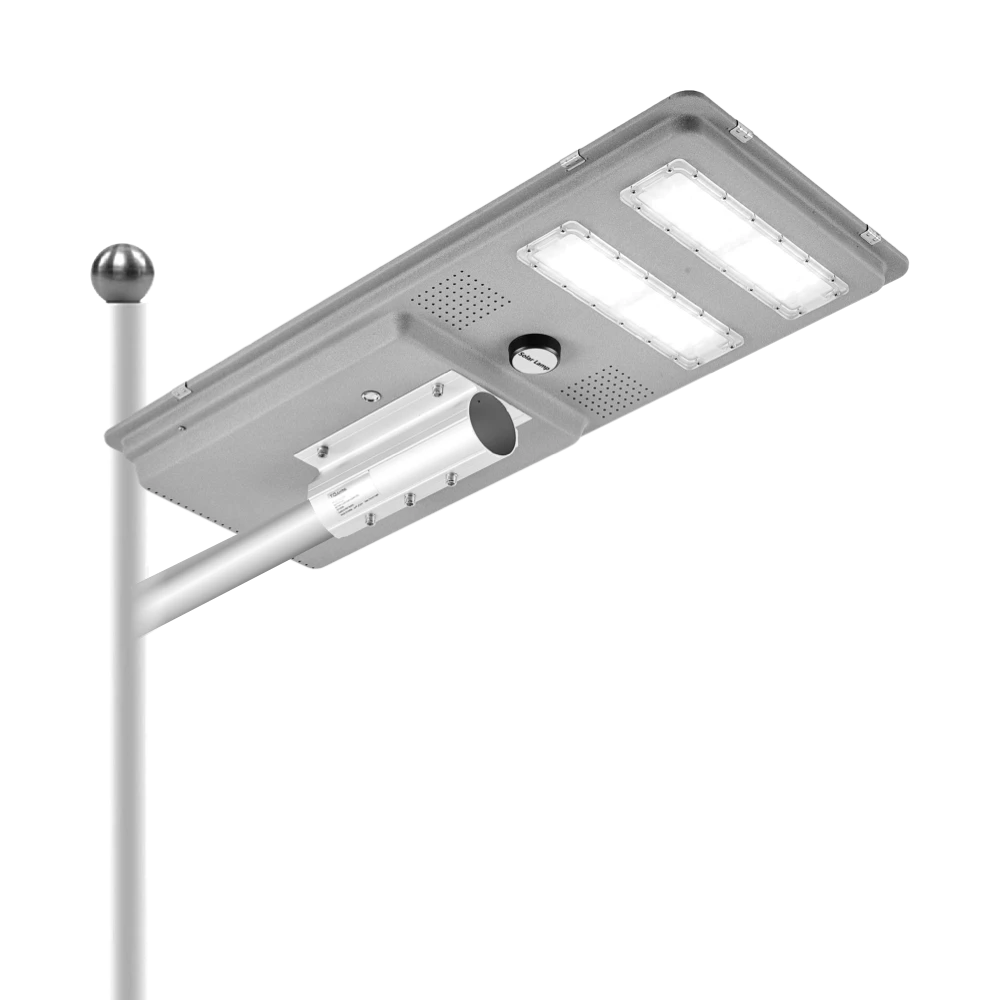
Queneng’s Solar Street Lights are designed to provide reliable, energy-efficient lighting for streets, parks, and other outdoor spaces.
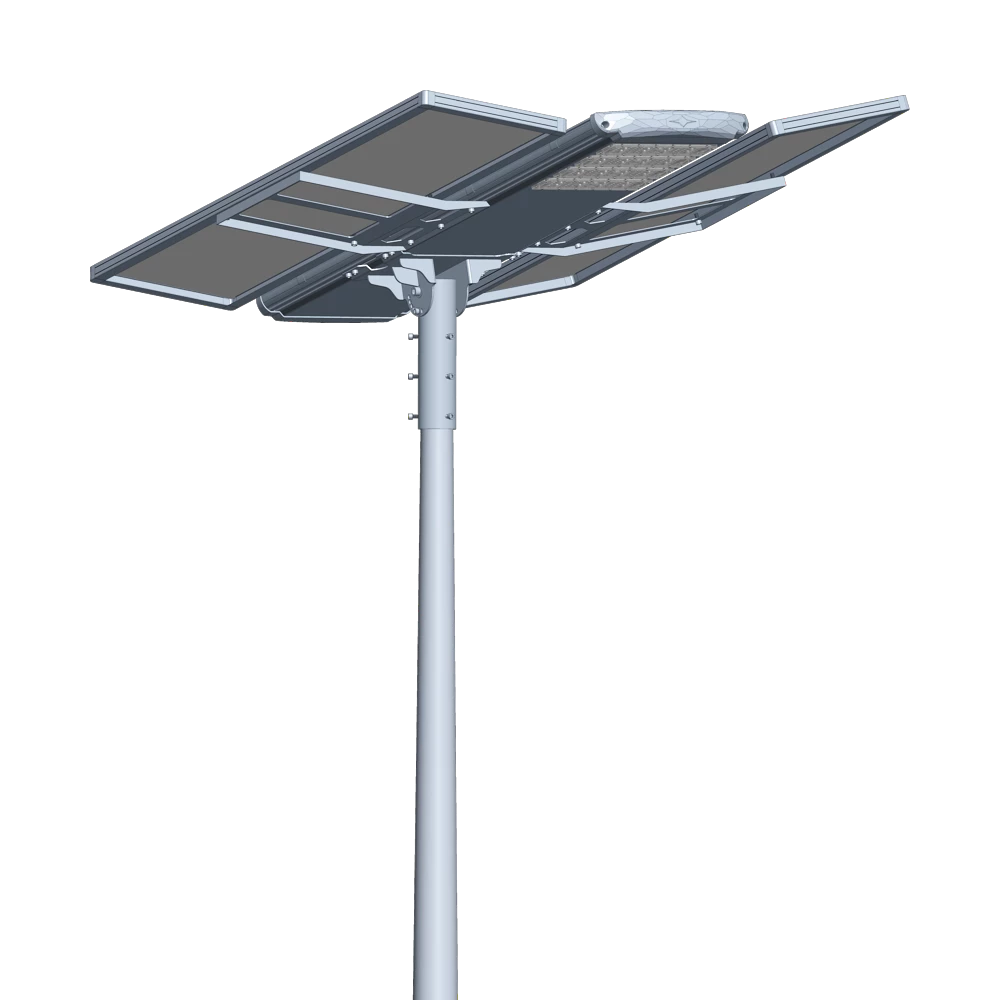
Introducing the Luqing Solar Street Light by Queneng, Efficient LED lighting powered by solar energy is perfect for illuminating outdoor areas. Harness the power of solar energy for sustainable, reliable street lighting. Ideal for eco-friendly, cost-effective outdoor illumination solutions.
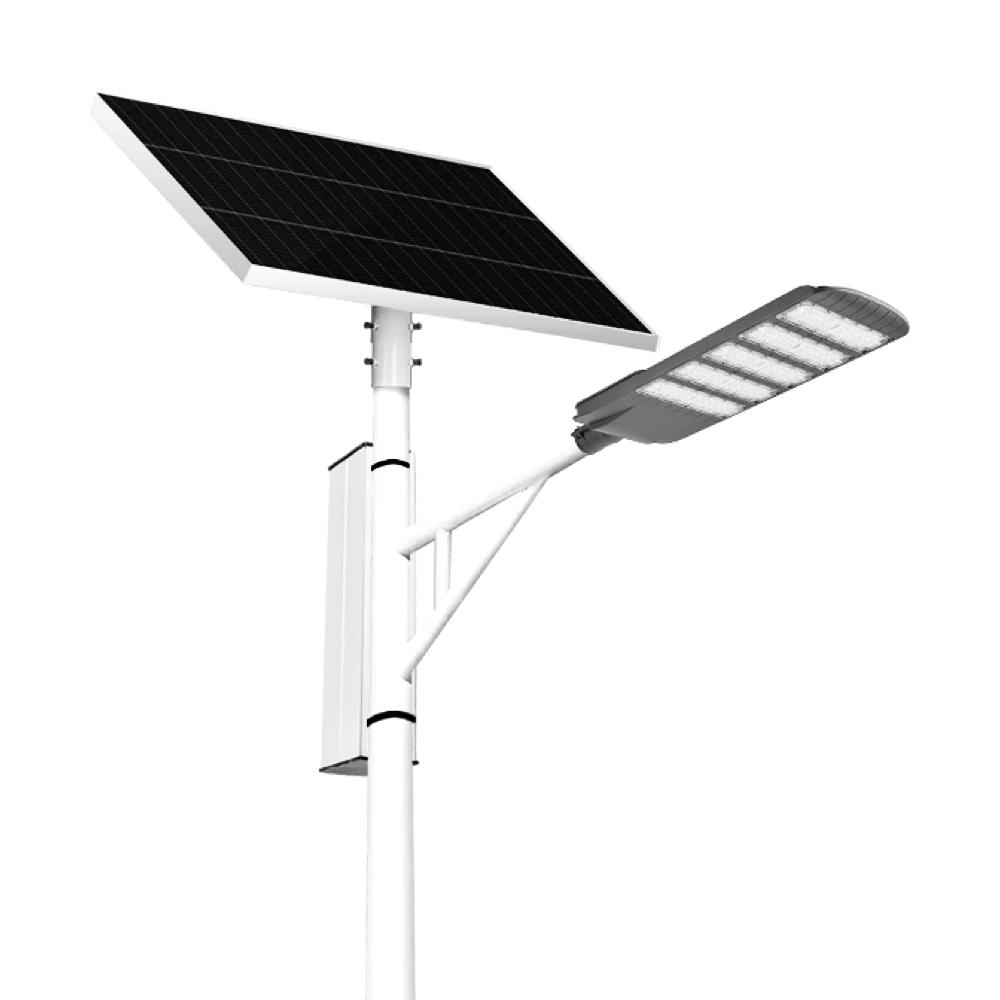
The Solar Streetlights of Luhao for Municipalities are designed to deliver reliable, energy-efficient, and cost-effective public lighting solutions. Equipped with advanced LED technology, durable lithium batteries, and high-efficiency solar panels, these streetlights provide consistent illumination for roads, parks, residential areas, and government projects.
If you would like more information about Queneng solar lighting solutions, please send us a message by filling out the form below. Our professional team will get back to you within 24 hours!
Rest assured that your privacy is important to us, and all information provided will be handled with the utmost confidentiality.
Schedule a Meeting
Book a date and time that is convenient for you and conduct the session in advance.
Have more questions about our products or services?
The messenger of light & power conversion
Environmental protection and intelligent manufacturing are our brand philosophy, and quality assurance and the best user experience are our eternal promises to users.
CONTACT
No.9F, Building F, Cao San Xin Tian Hong Logistics Park, Guzhen Town, Zhongshan City, Guangdong Province, China.
or write [email protected]
WhatsApp: +86 136 2270 1011


