

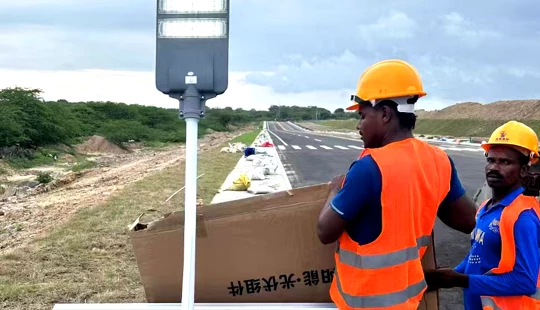
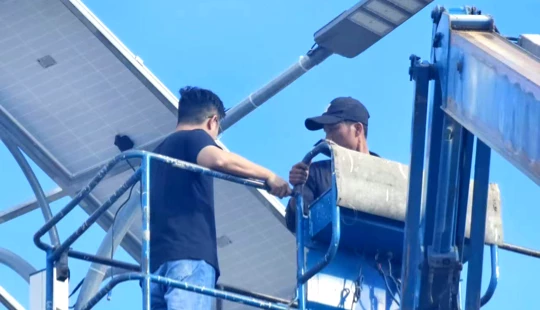













What factors affect ROI for municipal solar lighting projects in Vietnam?
Navigating the Solar Street Light Market: A Buyer's Guide to Cost, Manufacturers & ROI in Vietnam
As the global push for sustainable infrastructure accelerates, solar street lighting has emerged as a compelling solution for municipalities and developers seeking energy-efficient, environmentally friendly, and cost-effective illumination. For buyers, navigating the complexities of this market – from understanding true costs to vetting manufacturers and assessing ROI – is crucial. This guide provides professional insights, especially pertinent for projects in dynamic markets like Vietnam.
What are the Key Cost Components of a Solar Street Light System?
The upfront cost of a solar street light isn't just the price tag; it's a breakdown of several critical components, each impacting overall performance and longevity. Understanding this structure helps buyers assess value beyond just initial outlay.
- Battery (25-40%): Often the most expensive component, especially for high-capacity LiFePO4 (Lithium Iron Phosphate) batteries. LiFePO4 is preferred for its long cycle life (2,000-4,000 cycles, equating to 5-10 years) and safety, crucial for consistent nighttime operation.
- Solar Panel (20-30%): Converts sunlight into electricity. Monocrystalline panels are typically more efficient (over 20%) and compact than polycrystalline, making them ideal for street lighting where space is limited. Their lifespan often exceeds 25 years with minimal degradation.
- LED Lamp (15-25%): The light source. High-efficiency LEDs offer superior luminosity (e.g., 150-180 lumens/watt) and have an extended lifespan of 50,000 to 100,000 hours, significantly reducing replacement needs.
- Pole (10-20%): The support structure. Costs vary based on height, material (steel, aluminum, galvanized), design, and wind load resistance, which is critical in regions prone to severe weather.
- Charge Controller & Electronics (5-10%): Manages power flow from the solar panel to the battery and the LED lamp. MPPT (Maximum Power Point Tracking) controllers are highly recommended for optimizing energy harvest, especially in varying weather conditions.
- Cables, Mounting Brackets & Accessories (5-10%): Essential for installation and system integration.
Recent Market Data: A high-quality, integrated solar street light (e.g., 60W LED with appropriate panel and battery) can range from $400 to $1,500 USD per unit, excluding installation, with variations depending on specifications and manufacturer. (Source: Industry reports, Q4 2023 - Q1 2024).
How to Choose a Reliable Solar Street Light Manufacturer?
Selecting the right manufacturer is paramount to the success and longevity of your solar lighting project. Look beyond just the price tag for these indicators of reliability:
- Experience & R&D: A manufacturer with a proven track record (e.g., 5+ years) and continuous investment in R&D ensures innovative, durable, and efficient products.
- Quality Control & Certifications: Demand evidence of rigorous quality control processes. Look for ISO 9001 (Quality Management) certification. Products should carry international certifications like CE (European Conformity), RoHS (Restriction of Hazardous Substances), FCC (US Federal Communications Commission), and specific performance ratings such as IP65/IP66 (Ingress Protection for dust and water) and IK08/IK10 (Impact Protection).
- Warranty & After-Sales Support: A reputable manufacturer offers comprehensive warranties – typically 5-10 years for solar panels and LED fixtures, and 2-5 years for batteries and controllers. Robust after-sales support, including technical assistance and spare parts availability, is crucial.
- Production Capacity & Customization: Evaluate their ability to meet your project scale and provide custom solutions if required.
- Transparent Component Sourcing: Inquire about the origin and brands of key components (e.g., LED chips, battery cells, solar cells) to ensure quality.
What Technical Specifications and Quality Certifications are Essential for Solar Street Lights?
Detailed technical specifications ensure the system meets performance expectations, while certifications guarantee compliance with safety and quality standards.
- Luminosity (Lumens & Lux): Specify required light output (lumens) and desired illumination levels (lux) on the ground. For municipal streets, typical requirements range from 10 to 30 lux.
- Color Temperature (CCT): Usually 4000K-5000K (neutral to cool white) for optimal visibility in urban environments.
- Autonomy: The number of cloudy/rainy days the system can operate without sunshine. Aim for at least 2-3 days, ideally 4-5 days, especially in regions with unpredictable weather.
- Battery Type & Capacity: LiFePO4 batteries are standard. Specify capacity in Ampere-hours (Ah) or Watt-hours (Wh).
- Solar Panel Wattage & Efficiency: Match panel wattage to battery and LED load, ensuring sufficient charging even in less-than-ideal conditions. High efficiency (>20%) monocrystalline is preferred.
- Charge Controller: MPPT controllers are superior for energy harvesting. Ensure it has overcharge, over-discharge, and short-circuit protection.
- IP Rating: Essential for outdoor durability. IP65 (dust tight, protected against water jets) or IP66 (dust tight, protected against powerful water jets) for the fixture and battery enclosure.
- IK Rating: Impact protection rating, e.g., IK08 for general robustness.
- Wind Resistance: Specify the design wind speed for poles, critical in areas prone to typhoons or strong winds.
What Factors Significantly Affect the ROI of Municipal Solar Lighting Projects, Especially in Vietnam?
Return on Investment (ROI) for municipal solar lighting is a complex calculation encompassing economic, environmental, and social benefits. In Vietnam, specific dynamics amplify certain factors:
- Initial Investment Costs: While higher than conventional lighting, these are often offset by long-term savings.
- Energy Savings: This is a primary driver. With electricity prices from Electricity of Vietnam (EVN) for commercial/industrial users ranging approximately from $0.06 to $0.12 USD/kWh (Source: EVN Official Website, Accessed May 15, 2024), eliminating grid electricity consumption translates into substantial operational savings over the system's lifespan.
- Installation & Infrastructure Savings: Solar street lights require no trenching for power cables or connection to the grid, drastically reducing civil works and infrastructure costs, particularly in remote or new development areas common in Vietnam.
- Maintenance & Operational Savings: Minimal ongoing costs. No electricity bills. Fewer components to fail compared to a grid-tied system.
- Lifespan & Durability: The long operational life of quality components (25+ years for panels, 5-10 years for batteries, 10+ years for LEDs) ensures sustained returns.
- Government Support & Incentives: Vietnam's National Green Growth Strategy (2021-2030, vision to 2050) emphasizes sustainable development and renewable energy. While direct incentives for solar street lights might vary by locality, the general policy environment is favorable, potentially including tax breaks or preferential financing for green infrastructure projects.
- Environmental Benefits & CSR: Reducing carbon footprint aligns with national goals and enhances public perception, which is increasingly valued by municipalities and citizens.
- Enhanced Public Safety & Security: Reliable lighting improves safety, reduces crime, and contributes to urban livability, offering significant intangible ROI.
- Grid Independence & Reliability: Crucial in areas with unreliable grid infrastructure or frequent power outages, ensuring consistent lighting without interruption.
What is the Lifespan and Maintenance Expectation for Modern Solar Street Lights?
Modern solar street lights are designed for long-term, low-maintenance operation, making them an attractive investment:
- Solar Panels: Typically last 25 years or more, with an annual degradation rate of about 0.5-1%.
- LED Luminaires: Expected lifespan of 50,000 to 100,000 operating hours, translating to 10-20 years based on 10-12 hours of daily operation.
- LiFePO4 Batteries: Generally last 5-8 years (2,000-4,000 charge/discharge cycles) before requiring replacement, depending on environmental conditions and usage patterns.
- Charge Controllers: Expected to last 5-10 years.
- Poles & Fixtures: High-quality galvanized steel or aluminum poles can last 20+ years, requiring minimal maintenance beyond occasional cleaning.
Maintenance: Routine maintenance is minimal, primarily involving cleaning solar panels 1-2 times a year to remove dust and debris, ensuring optimal charging. Battery replacement is the most significant scheduled maintenance task every 5-8 years. Occasional checks of electrical connections and fixture integrity are also recommended.
What are the Key Project Planning and Installation Considerations for Solar Street Lighting?
Successful deployment requires meticulous planning beyond just product selection:
- Site Assessment: Crucial for determining optimal solar panel placement, ensuring maximum sunlight exposure, and identifying potential shading from buildings or trees. Consider local solar insolation data.
- Photometric Design: Utilize specialized software to design the lighting layout, calculating pole heights, spacing, and luminaire types to achieve desired lux levels and uniformity according on local regulations (e.g., Vietnam's construction standards for lighting).
- Wind Load Calculations: Ensure poles and fixtures are designed to withstand local wind conditions, especially in coastal regions or areas prone to severe storms.
- Foundation Design: Proper pole foundation is critical for stability and longevity, considering soil conditions and local seismic activity.
- Installation Logistics: Plan for equipment delivery, heavy machinery for pole erection, and skilled labor. Simpler installation compared to grid-tied lights but still requires professional execution.
- Monitoring Systems (Optional): IoT-enabled solar street lights offer remote monitoring, fault detection, and intelligent control, enhancing efficiency and reducing maintenance costs.
Why Choose Quenenglighting for Your Solar Street Light Projects?
When selecting a partner for your solar street lighting needs, Quenenglighting stands out as a manufacturer committed to quality, innovation, and customer satisfaction. Our advantages include:
- Cutting-Edge Technology: We integrate the latest advancements in high-efficiency solar panels, long-life LiFePO4 batteries, and superior LED luminaires, ensuring optimal performance and energy savings.
- Robust Quality Control: Adhering to stringent international standards, our products undergo rigorous testing and carry essential certifications (CE, RoHS, IP66, IK08), guaranteeing durability and reliability.
- Customization & Flexibility: Quenenglighting offers tailored solutions to meet diverse project requirements, from specific wattage and autonomy needs to custom pole designs and intelligent control systems.
- Comprehensive Support: We provide end-to-end service, including expert consultation, photometric design assistance, reliable after-sales support, and robust warranties, ensuring peace of mind for our clients.
- Proven Track Record: With extensive experience in delivering successful solar lighting projects globally, including challenging environments, we bring unparalleled expertise to your venture.
- Sustainable & Cost-Effective: Our solutions are designed to maximize ROI through significant energy savings, minimal maintenance, and extended product lifespans, aligning perfectly with green growth initiatives.
Partner with Quenenglighting to illuminate your communities sustainably and efficiently.
References & Data Sources:
- Solar Power World Online. (June 12, 2023). Understanding the Cost of Solar Street Lighting.
- Electricity of Vietnam (EVN) Official Website. (Accessed May 15, 2024). Electricity Retail Price List.
- Battery University. (Updated April 25, 2023). BU-205: Types of Lithium-ion Batteries.
- Energy Star. (Accessed May 10, 2024). LED Lighting Basics.
- National Renewable Energy Laboratory (NREL). (Accessed May 8, 2024). PV FAQs.
- Prime Minister's Decision No. 1658/QD-TTg on National Green Growth Strategy for 2021-2030, with a vision to 2050. (Approved October 1, 2021).

Have more questions about our products or services?
The latest hot news you might like

Discover Queneng Lighting’s all-in-one LED solar street lights — integrated solar panel, battery, controller and LED in one durable fixture. Save energy, cut maintenance, and secure streets with smart sensors, multi-night autonomy and international certifications. Contact sales for quotes and support.

Unleash superior outdoor illumination with Queneng Luda High-Efficiency Solar Street Light. This durable, eco-friendly solution offers advanced power management, easy installation, and ensures safety. Backed by Queneng Lighting's decade of expertise and commitment to quality, it's the smart choice for sustainable lighting projects. Learn why we're a leading solar solutions provider.

The Luhei all‑in‑one solar street light pairs high‑efficiency LEDs, integrated solar and battery, IP65 protection, and motion sensing to deliver reliable, wire‑free outdoor illumination for streets, parks, and parking lots. Backed by Queneng Lighting’s certifications and support.

FAQ
Battery Performance and Testing
What is static resistance? What is dynamic resistance?
Battery fundamentals and basic terms
What is a discharge platform?
Tourist Attractions and Resorts
Can solar lighting systems withstand harsh weather conditions?
Yes, solar lighting systems are built to be durable and weather-resistant. They can withstand rain, snow, and extreme temperatures, making them ideal for year-round use in outdoor settings.
How do I choose the right solar lighting solution for my resort or tourist attraction?
When choosing solar lighting, consider factors such as the size of the area to be illuminated, the level of brightness required, the design and aesthetic preferences, and the local climate. Our experts can help you select the best solar lighting solution for your needs.
Solar Street Light Luhui
How much energy can Luhui solar street lights save compared to traditional street lighting?
Luhui solar street lights can save up to 80% in energy costs compared to conventional street lighting, as they use solar power and have energy-efficient LEDs that consume significantly less power than traditional lighting systems.
All-in-one solar street lights
Are all-in-one solar street lights suitable for highways?
No, split solar street lights are recommended for highways and high-power applications.
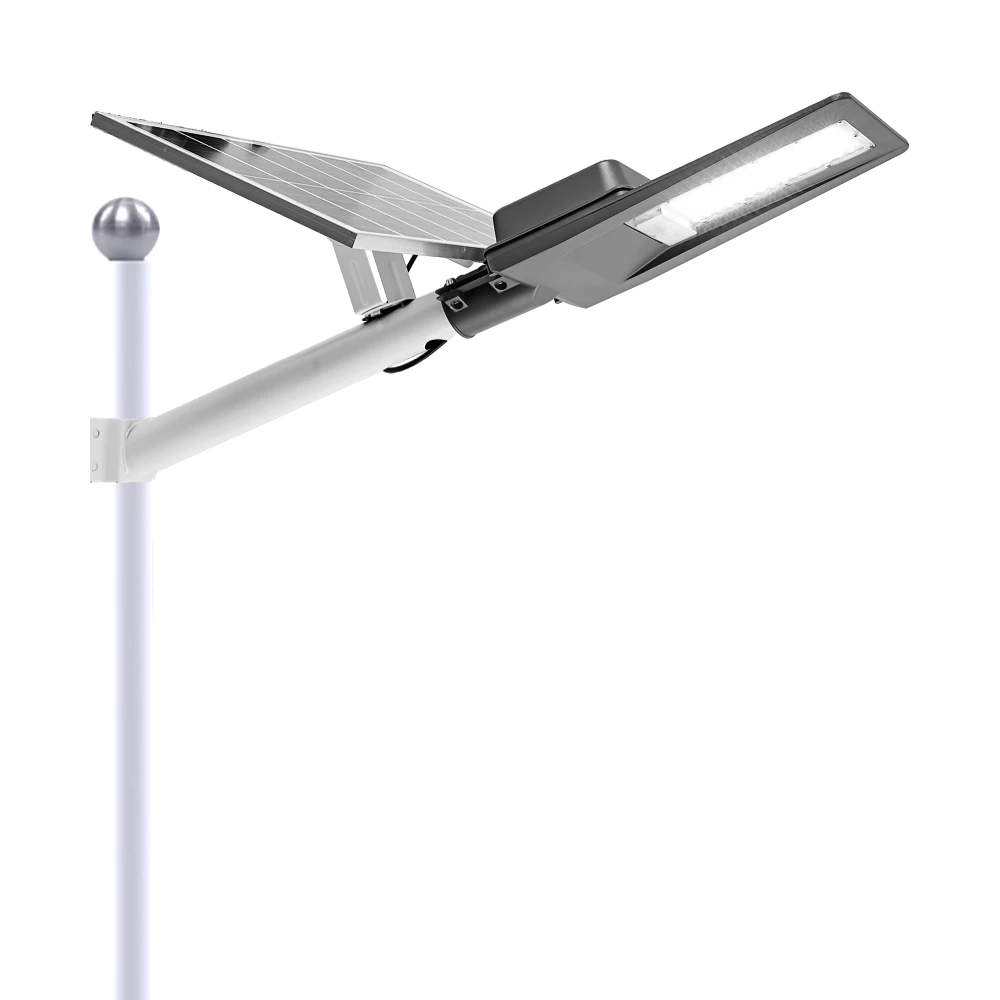
Experience reliable outdoor illumination with our smart solar street light, a perfect combination of advanced technology and eco-conscious design.
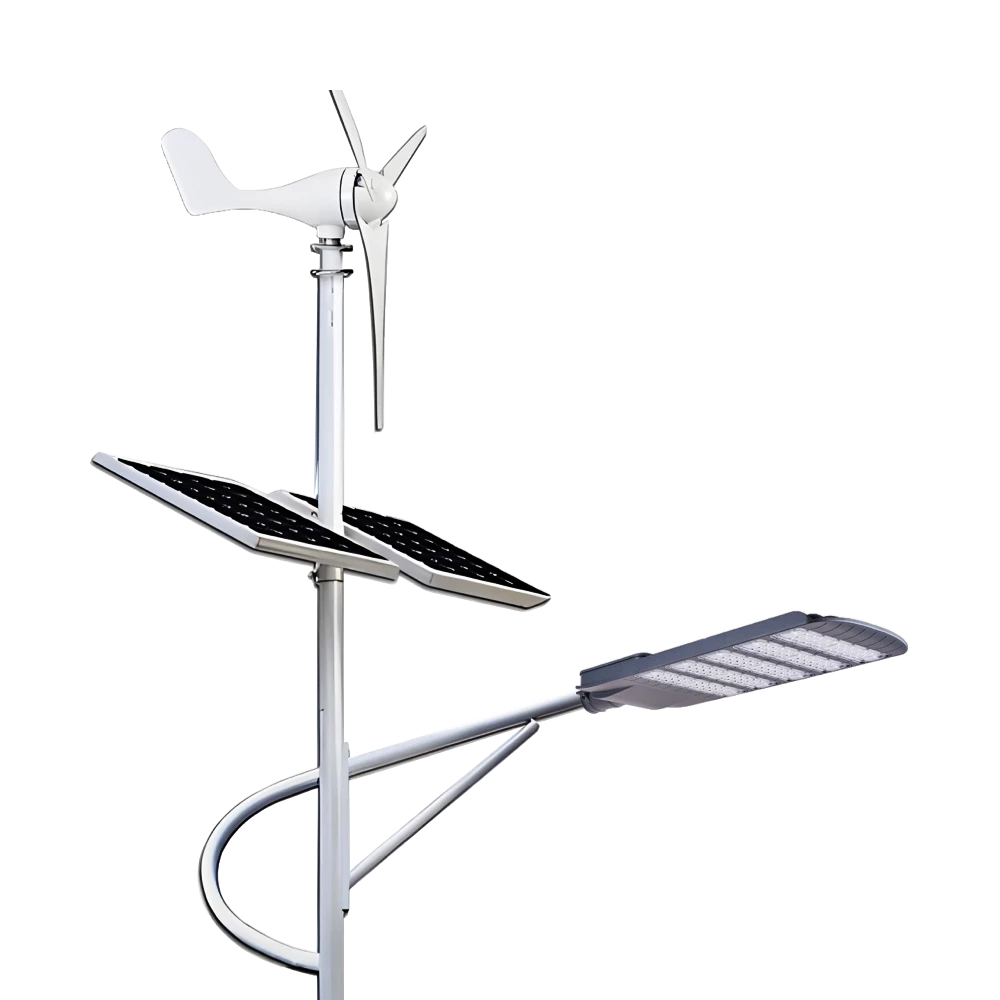
Queneng Lufeng Wind Energy LED Outdoor Solar Street Lights offer high-performance, eco-friendly illumination. These energy-efficient LED street lights harness solar power and wind energy for sustainable, cost-effective outdoor lighting solutions.
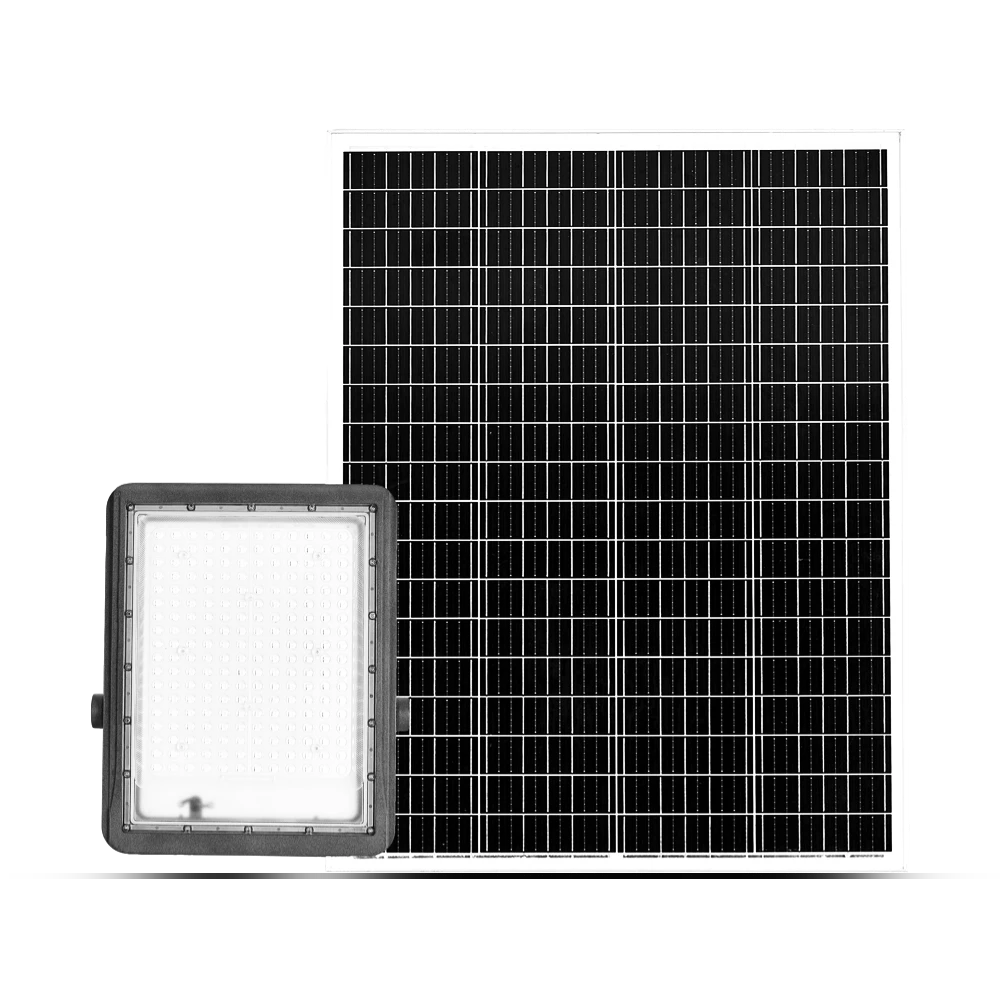
Queneng's Luxian Reliable Solar Street Light offers energy-saving LED lighting for outdoor use. This durable, solar-powered street light provides reliable illumination, reducing energy costs and environmental impact. A perfect solution for sustainable outdoor lighting.
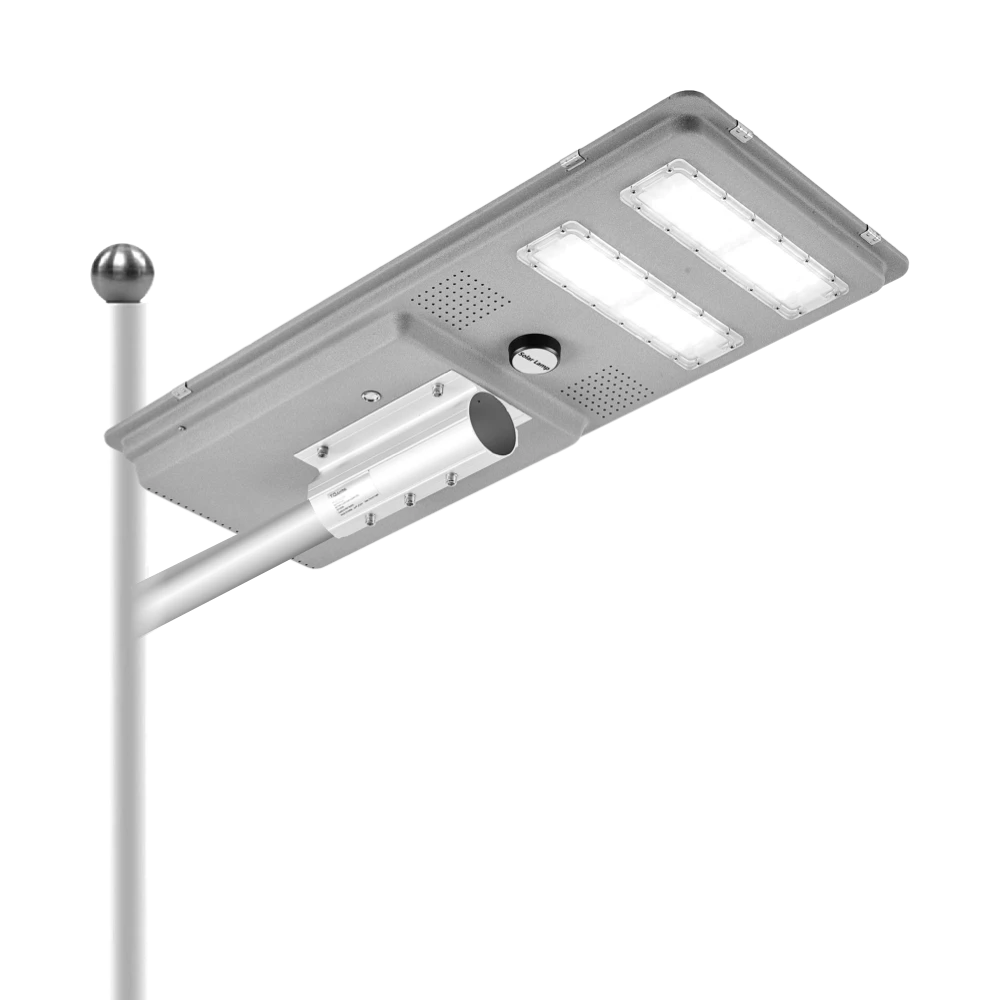
Queneng’s Solar Street Lights are designed to provide reliable, energy-efficient lighting for streets, parks, and other outdoor spaces.
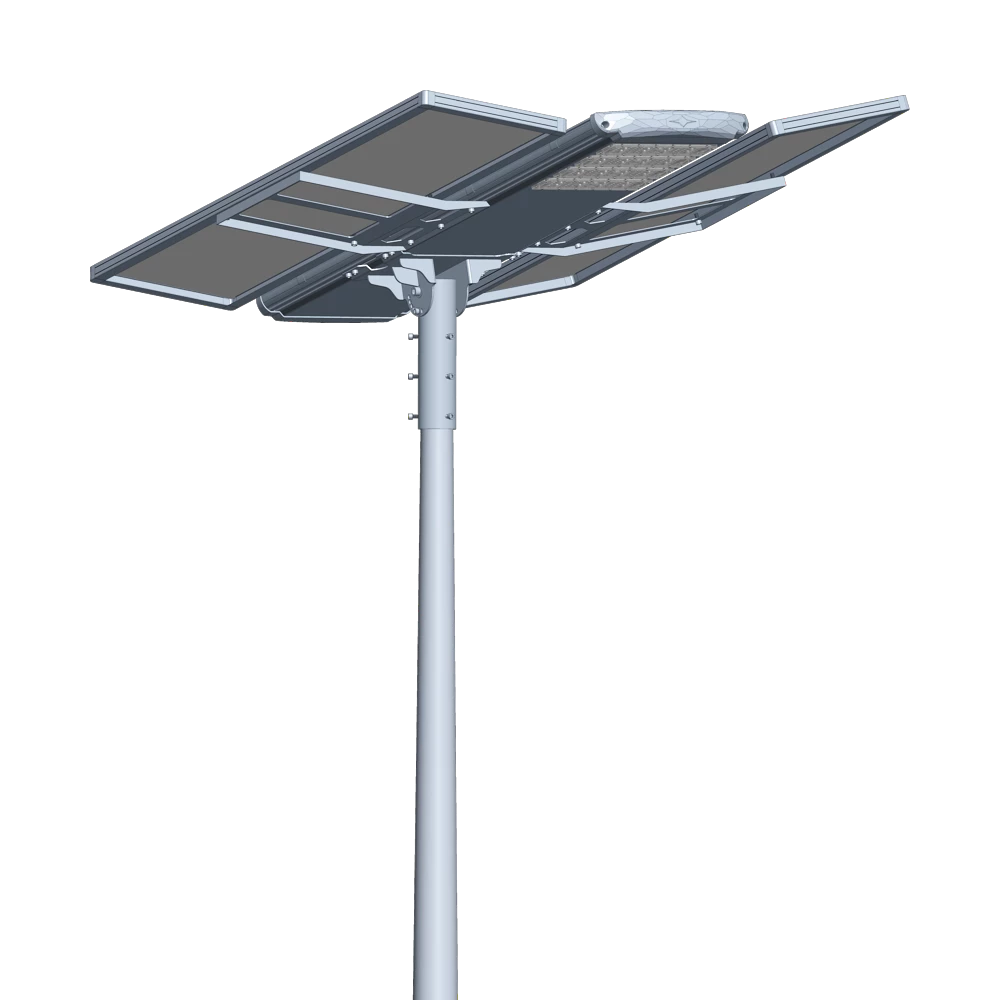
Introducing the Luqing Solar Street Light by Queneng, Efficient LED lighting powered by solar energy is perfect for illuminating outdoor areas. Harness the power of solar energy for sustainable, reliable street lighting. Ideal for eco-friendly, cost-effective outdoor illumination solutions.
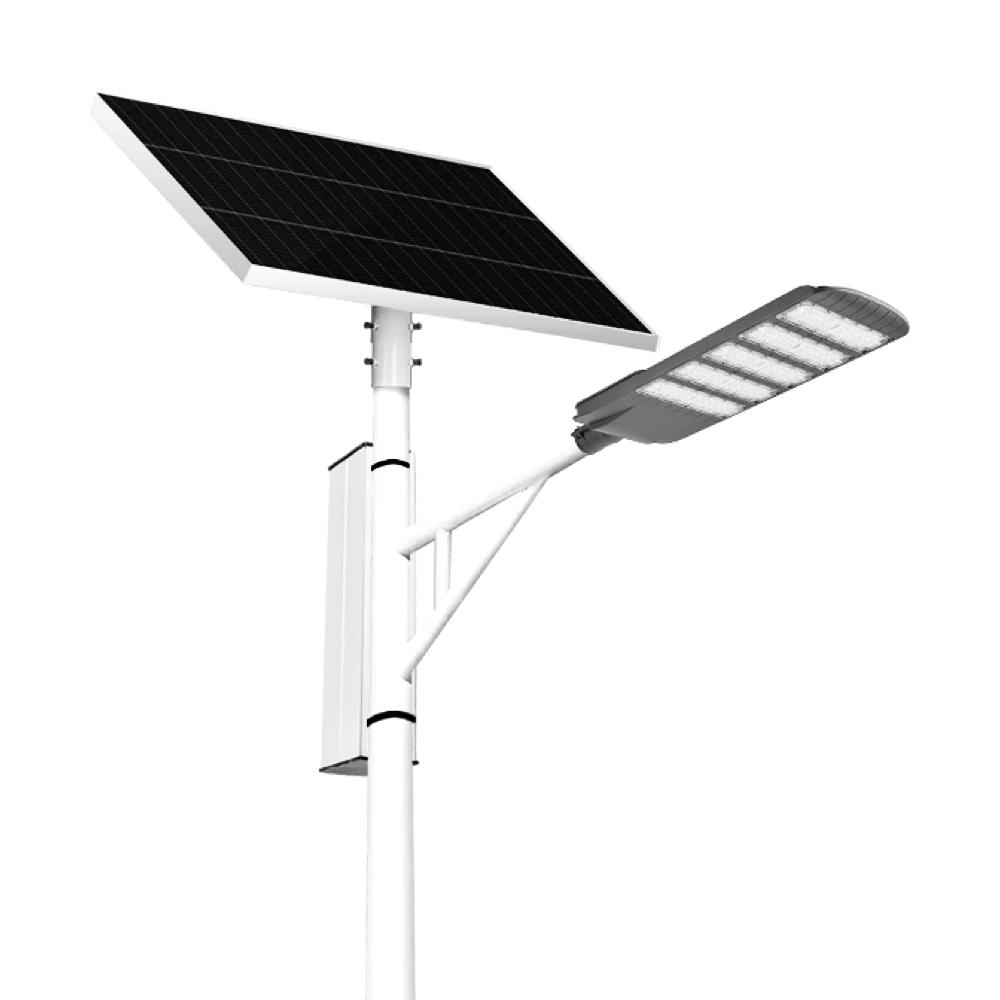
The Solar Streetlights of Luhao for Municipalities are designed to deliver reliable, energy-efficient, and cost-effective public lighting solutions. Equipped with advanced LED technology, durable lithium batteries, and high-efficiency solar panels, these streetlights provide consistent illumination for roads, parks, residential areas, and government projects.
If you would like more information about Queneng solar lighting solutions, please send us a message by filling out the form below. Our professional team will get back to you within 24 hours!
Rest assured that your privacy is important to us, and all information provided will be handled with the utmost confidentiality.
Schedule a Meeting
Book a date and time that is convenient for you and conduct the session in advance.
Have more questions about our products or services?
The messenger of light & power conversion
Environmental protection and intelligent manufacturing are our brand philosophy, and quality assurance and the best user experience are our eternal promises to users.
CONTACT
No.9F, Building F, Cao San Xin Tian Hong Logistics Park, Guzhen Town, Zhongshan City, Guangdong Province, China.
or write [email protected]
WhatsApp: +86 136 2270 1011


