

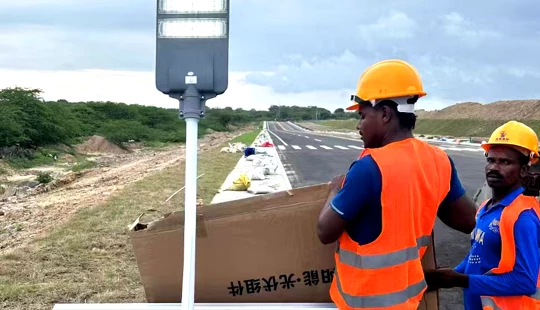
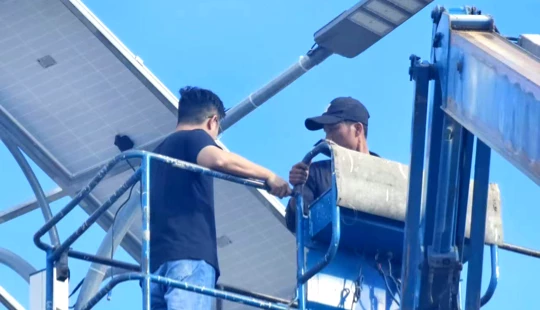













How can cities reduce maintenance costs for solar-powered street lamps?
Navigating the World of Solar Street Lights: Costs, Manufacturers, and Maintenance for Urban Planners
As cities worldwide strive for sustainability and energy independence, solar-powered street lights have emerged as a compelling solution. However, understanding the intricacies of their cost, identifying reputable manufacturers, and implementing strategies for long-term maintenance can be complex. This article addresses the most pressing questions from procurement managers and urban planners, offering expert insights to guide your investment decisions.
What is the Typical Cost of a Solar Street Light System, and What Factors Influence It?
The upfront cost of a complete solar street light system can vary significantly, generally ranging from $500 to $3,000+ USD per unit, excluding installation labor. This wide range is primarily due to the following critical factors:
LED Wattage and Lumens: Higher brightness (e.g., 60W-120W LED) requires larger components and increases cost compared to lower wattage lights (e.g., 20W-40W LED).
Solar Panel Capacity: Measured in watts (Wp), larger panels (e.g., 100Wp-300Wp) are needed for higher wattage LEDs or regions with less sunlight, directly impacting cost.
Battery Type and Capacity: Lithium Iron Phosphate (LiFePO4) batteries are preferred for their longer lifespan and better performance, but are more expensive than lead-acid or gel batteries. Capacity (measured in Watt-hours, Wh) determines backup autonomy – more capacity means higher cost.
Pole Height and Material: Taller poles (e.g., 6m to 12m) and robust materials (e.g., galvanized steel, aluminum) designed for specific wind loads increase costs.
Charge Controller and Smart Features: Advanced MPPT (Maximum Power Point Tracking) controllers, motion sensors (PIR), dimming capabilities, and IoT-enabled remote monitoring systems add to the total price.
Brand and Warranty: Established manufacturers offering longer warranties and proven reliability often have higher initial costs but can offer better long-term value.
For example, a basic 30W LED solar street light might range from $800-$1,500, while a high-performance 100W system with smart features could easily exceed $2,500.
How Can Cities Evaluate and Choose a Reliable Solar Street Light Manufacturer?
Selecting the right manufacturer is paramount to the success and longevity of a city's solar street lighting project. Here's what to look for:
Experience and R&D Capabilities: A manufacturer with a proven track record and ongoing investment in research and development is more likely to provide innovative, reliable, and efficient products.
Quality Certifications: Look for international standards such as ISO 9001 (Quality Management), CE, RoHS (European conformity), and specific IP ratings (e.g., IP65 or IP66 for dust and water resistance) for the luminaires.
Component Sourcing: Inquire about the origin and quality of critical components. Reputable manufacturers use high-quality solar cells (e.g., Monocrystalline silicon), long-life LiFePO4 batteries (often from established suppliers), and efficient LED chips (e.g., Philips, Cree, Osram).
Manufacturing and Quality Control: A transparent manufacturing process with stringent quality control at every stage ensures consistency and reliability. Visit the factory if possible or request detailed process documentation.
Warranty and After-Sales Support: A comprehensive warranty (e.g., 5 years for the system, 10+ years for solar panels) and accessible customer support are crucial for long-term peace of mind.
Customization and Project Portfolio: The ability to customize solutions to meet specific city requirements and a strong portfolio of successful urban projects demonstrate capability and experience.
What are the Key Components of a Solar Street Light, and What is Their Expected Lifespan?
Understanding component lifespans is crucial for calculating Total Cost of Ownership (TCO) and planning maintenance cycles:
Solar Panel: High-quality monocrystalline silicon panels typically have a lifespan of 20-25 years, with many manufacturers guaranteeing at least 80% power output after 25 years. They degrade about 0.5% to 0.8% annually.
Battery: This is often the shortest-lived component. LiFePO4 (Lithium Iron Phosphate) batteries, the industry standard, offer 5-10 years of life or 2,000-4,000 charge/discharge cycles. In contrast, lead-acid batteries only last 2-3 years.
LED Luminaire: Modern LED modules have an impressive lifespan of 50,000 to 100,000 operating hours, translating to 10-20 years based on 10-12 hours of operation per night.
Charge Controller: These electronic devices typically last 5-10 years, depending on quality and environmental conditions.
Pole: Properly galvanized steel or aluminum poles can last 20+ years, often exceeding the life of the electrical components, especially with good anti-corrosion treatment.
How Can Cities Significantly Reduce Maintenance Costs for Solar-Powered Street Lamps?
While solar street lights eliminate electricity bills, maintenance can still be a factor. Cities can adopt several strategies to minimize these costs:
Invest in High-Quality, Long-Life Components: As detailed above, components like LiFePO4 batteries and robust LED drivers reduce failure rates and replacement frequency.
Implement Remote Monitoring and Management (IoT): Advanced systems allow for real-time monitoring of battery status, panel output, and LED function from a central dashboard. This enables predictive maintenance, diagnoses faults remotely, and reduces the need for expensive site visits. Industry estimates suggest IoT solutions can reduce operational and maintenance (O&M) costs by 20-50%.
Choose Modular Designs: Systems where components like the battery pack or LED module can be easily swapped out simplify repairs and reduce labor time.
Optimal Installation and Protection: Proper installation, including correct panel tilt for maximum sun exposure and robust anti-theft measures, reduces potential issues.
Scheduled, Infrequent Cleaning: In dusty or polluted environments, periodic cleaning of solar panels (e.g., annually or bi-annually) can maintain efficiency. Remote monitoring can signal when cleaning is necessary based on performance drops.
Proactive Inspections: Regular (e.g., annual) visual inspections can catch potential issues before they become major problems, such as loose connections or physical damage.
What is the Return on Investment (ROI) for Solar Street Lights Compared to Traditional Grid-Tied Systems?
While the initial cost of solar street lights can be higher than traditional grid-tied options, the ROI can be compelling, particularly for new installations or areas without existing grid infrastructure:
Zero Electricity Bills: This is the most significant saving. Over the lifespan of the system, this can amount to tens of thousands of dollars per light.
Lower Installation Costs: Eliminating the need for trenching, cabling, and connecting to the electrical grid can significantly reduce installation time and labor costs, often by 50% or more compared to traditional wired lights, especially in remote areas.
Environmental and Social Benefits: Reduced carbon footprint, enhanced public safety, and energy independence contribute to intangible but valuable returns.
Payback Period: Depending on local electricity costs, labor rates, government incentives, and system specifications, the payback period for solar street lights typically ranges from 3 to 7 years.
What Smart Features and Technologies are Available to Enhance Solar Street Light Performance and Management?
Modern solar street lights are far more than just light sources; they are intelligent urban infrastructure components:
PIR Motion Sensors: Detects presence and adjusts light output (e.g., dims to 30% and brightens to 100% when motion is detected), saving significant battery power and extending autonomy.
Adaptive Lighting: Automatically adjusts brightness levels based on ambient light, traffic flow, or pre-programmed schedules, optimizing energy use and light pollution.
IoT Connectivity (LoRaWAN, Zigbee, GPRS/4G): Enables remote control, performance monitoring, fault detection, and data collection, allowing for proactive maintenance and operational efficiency.
Battery Management Systems (BMS): Essential for LiFePO4 batteries, a BMS protects the battery from overcharging, over-discharging, and extreme temperatures, extending its lifespan.
Integrated Security and Connectivity: Some advanced poles can integrate CCTV cameras, public Wi-Fi hotspots, air quality sensors, and EV charging stations, creating multi-functional smart poles.
Quenenglighting: Your Partner for Sustainable Urban Illumination
At Quenenglighting, we understand the critical needs of urban planners and procurement teams. Our solar street lighting solutions are designed with longevity, performance, and low maintenance in mind. We prioritize the use of high-quality components, including durable LiFePO4 batteries, high-efficiency monocrystalline solar panels, and reputable LED chips, ensuring our products deliver reliable illumination for decades. Our commitment to R&D allows us to integrate cutting-edge smart features and IoT capabilities, providing cities with sophisticated tools for remote management and significant reductions in operational costs. We offer comprehensive warranties and dedicated after-sales support, standing by our commitment to quality and customer satisfaction. Partner with Quenenglighting for robust, energy-efficient, and intelligent solar street lighting solutions tailored to your city's future.
Sources:
- Solar Street Light Industry Reports (General consensus on cost ranges, component lifespans, and ROI factors) - Various market research firms (e.g., Grand View Research, Mordor Intelligence).
- Energy.gov (for general information on LED lifespans and solar panel efficiency) - https://www.energy.gov/energysaver/led-lighting (Accessed: 2024-05-20)
- Industry publications on IoT in Smart Cities (for O&M cost reduction figures) - e.g., Guidehouse Insights (formerly Navigant Research) reports on Smart Street Lighting. (Specific report link not publicly available without subscription, but the figure is common in industry literature).
- Manufacturers' specifications for LiFePO4 batteries and solar panels (for lifespan guarantees).

Have more questions about our products or services?
The latest hot news you might like

Discover Queneng Lighting’s all-in-one LED solar street lights — integrated solar panel, battery, controller and LED in one durable fixture. Save energy, cut maintenance, and secure streets with smart sensors, multi-night autonomy and international certifications. Contact sales for quotes and support.

Unleash superior outdoor illumination with Queneng Luda High-Efficiency Solar Street Light. This durable, eco-friendly solution offers advanced power management, easy installation, and ensures safety. Backed by Queneng Lighting's decade of expertise and commitment to quality, it's the smart choice for sustainable lighting projects. Learn why we're a leading solar solutions provider.

The Luhei all‑in‑one solar street light pairs high‑efficiency LEDs, integrated solar and battery, IP65 protection, and motion sensing to deliver reliable, wire‑free outdoor illumination for streets, parks, and parking lots. Backed by Queneng Lighting’s certifications and support.

FAQ
Public Gardens and Landscape Lighting
Can solar lights be installed in any outdoor space?
Our solar lighting solutions are versatile and can be installed in most outdoor areas, including public gardens, parks, pathways, streets, and recreational areas. As long as there is enough sunlight exposure during the day, solar lights can be installed almost anywhere.
Battery Performance and Testing
What is the IEC standard cycle life test?
After the battery is discharged to 1.0V/support at 0.2C
1. Charge at 0.1C for 16 hours, then discharge at 0.2C for 2 hours and 30 minutes (one cycle)
2. Charge at 0.25C for 3 hours and 10 minutes, discharge at 0.25C for 2 hours and 20 minutes (2-48 cycles)
3. Charge at 0.25C for 3 hours and 10 minutes, then discharge to 1.0V at 0.25C (49th cycle)
4. Charge at 0.1C for 16 hours, leave for 1 hour, discharge at 0.2C to 1.0V (50th cycle). For nickel-metal hydride batteries, after repeating 1-4 for a total of 400 cycles, the 0.2C discharge time should be greater than 3 hours; for nickel-cadmium batteries, repeating 1-4 for a total of 500 cycles, the 0.2C discharge time should be greater than 3 hours.
Commercial and Industrial Parks
How do solar lights improve security in industrial parks?
Solar lights provide consistent and bright lighting, deterring unauthorized access and improving surveillance.
All-in-one solar street lights
How long is the battery lifespan?
Typically 5–8 years depending on battery type and usage.
Solar Street Light Luyi
Can Luyi solar street lights be integrated into smart city infrastructure?
Yes, Luyi solar street lights can be integrated into smart city infrastructure. With their advanced control systems, they can be connected to a central monitoring system for real-time performance tracking, remote control of lighting schedules, and energy management. This integration helps optimize energy use and allows for easy maintenance and monitoring of large-scale installations.
Transportation and Highways
Are the lights compliant with transportation safety standards?
Yes, our products meet international standards such as CE, RoHS, and ISO certifications.
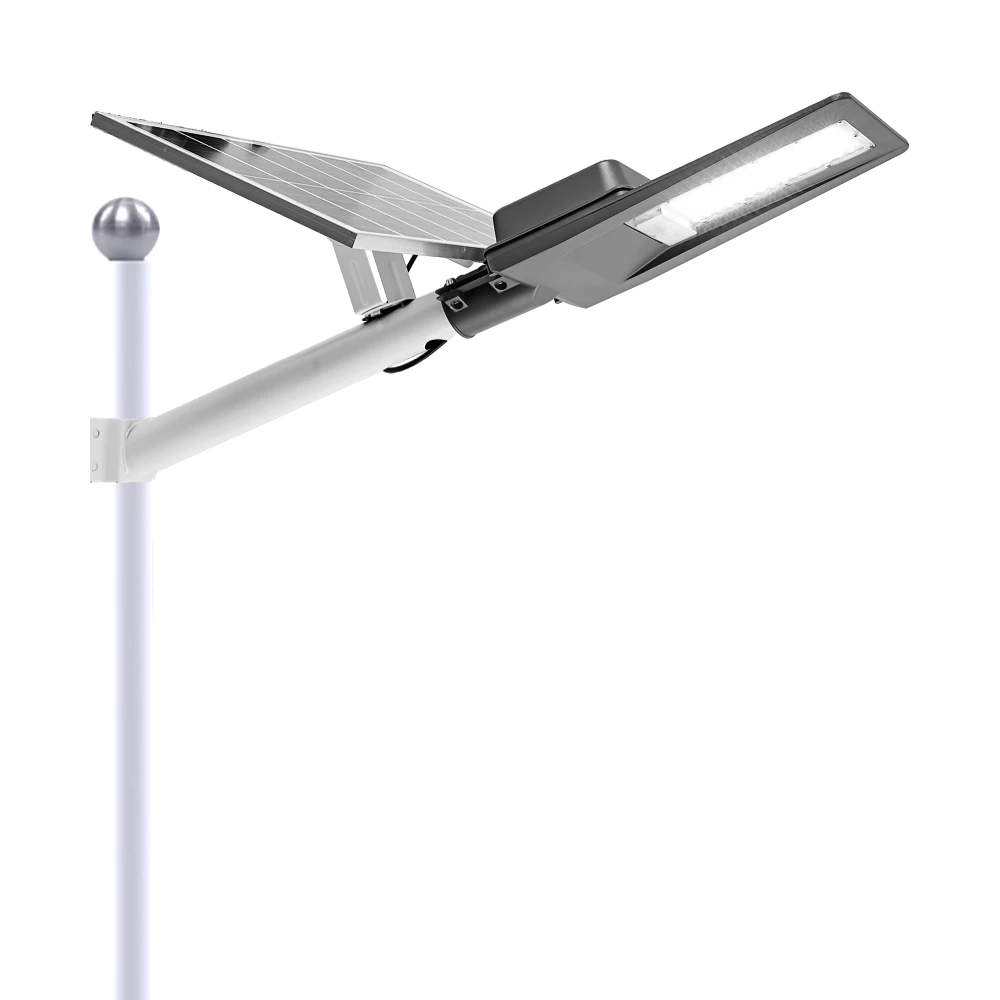
Experience reliable outdoor illumination with our smart solar street light, a perfect combination of advanced technology and eco-conscious design.
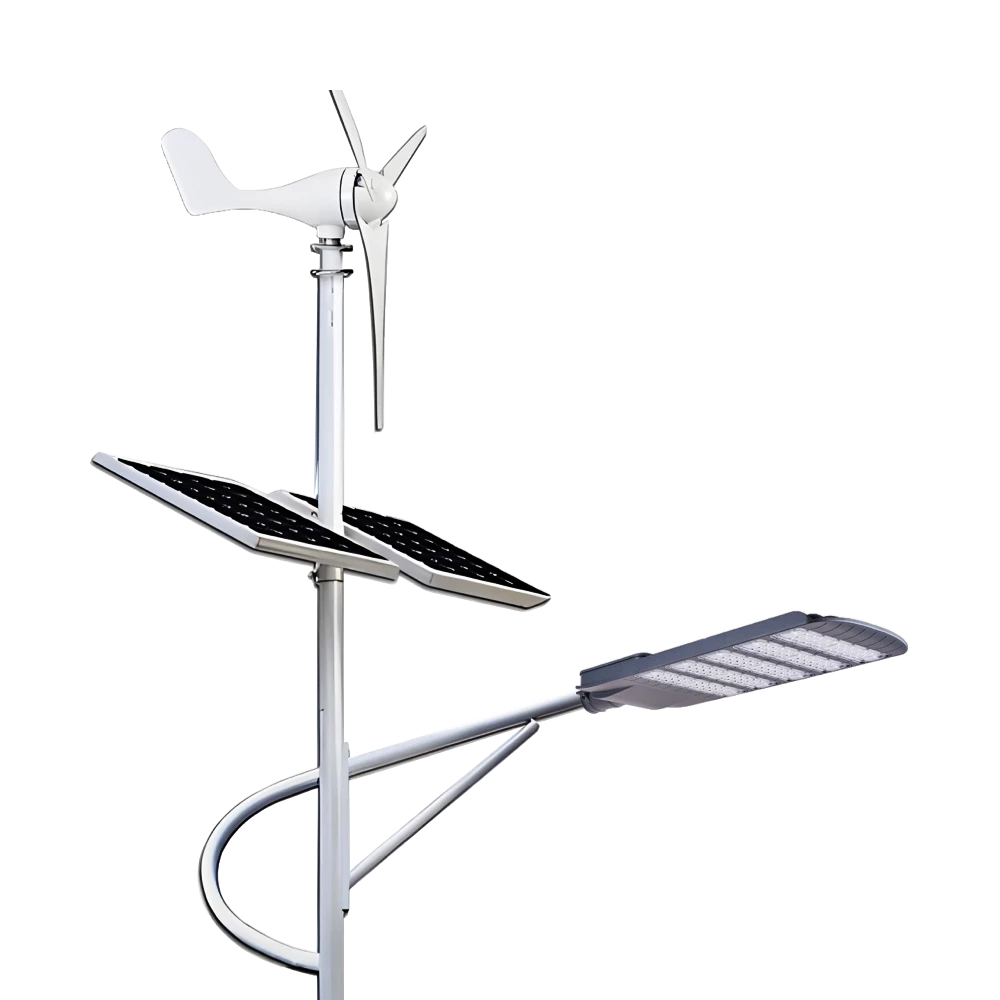
Queneng Lufeng Wind Energy LED Outdoor Solar Street Lights offer high-performance, eco-friendly illumination. These energy-efficient LED street lights harness solar power and wind energy for sustainable, cost-effective outdoor lighting solutions.
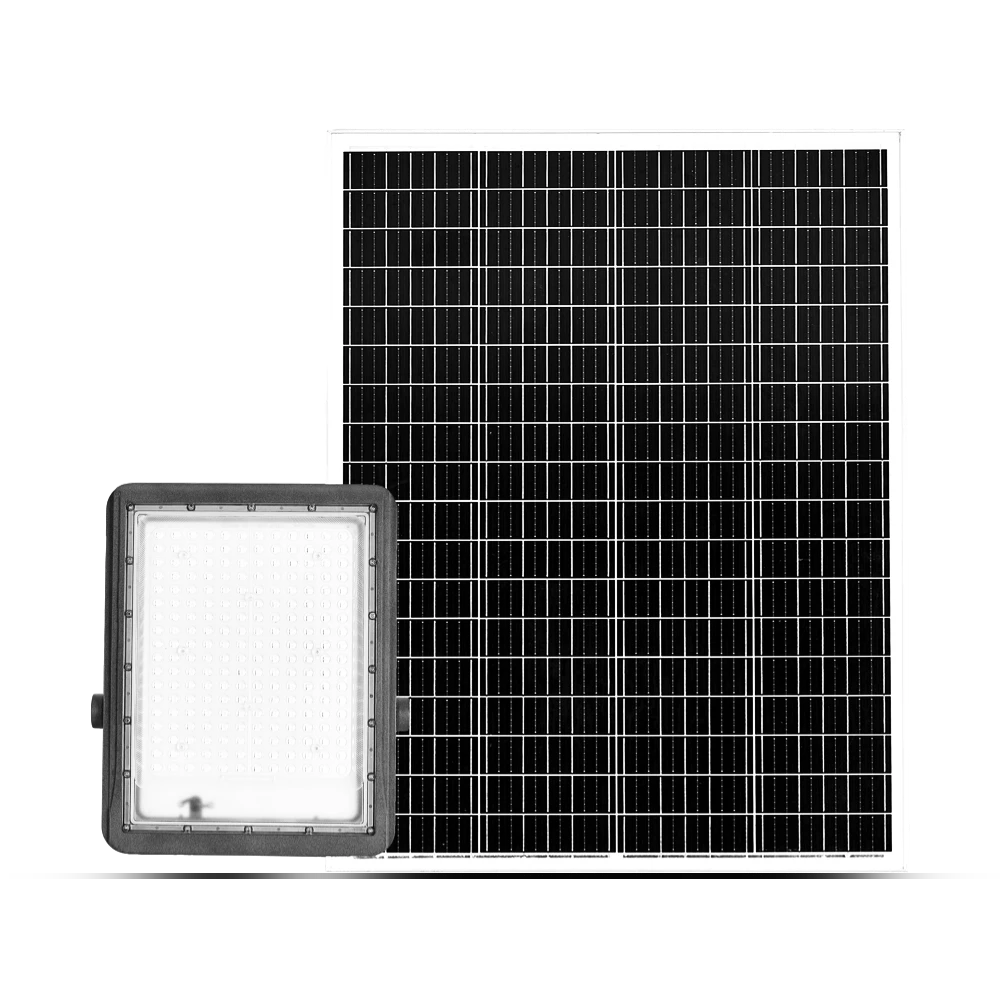
Queneng's Luxian Reliable Solar Street Light offers energy-saving LED lighting for outdoor use. This durable, solar-powered street light provides reliable illumination, reducing energy costs and environmental impact. A perfect solution for sustainable outdoor lighting.
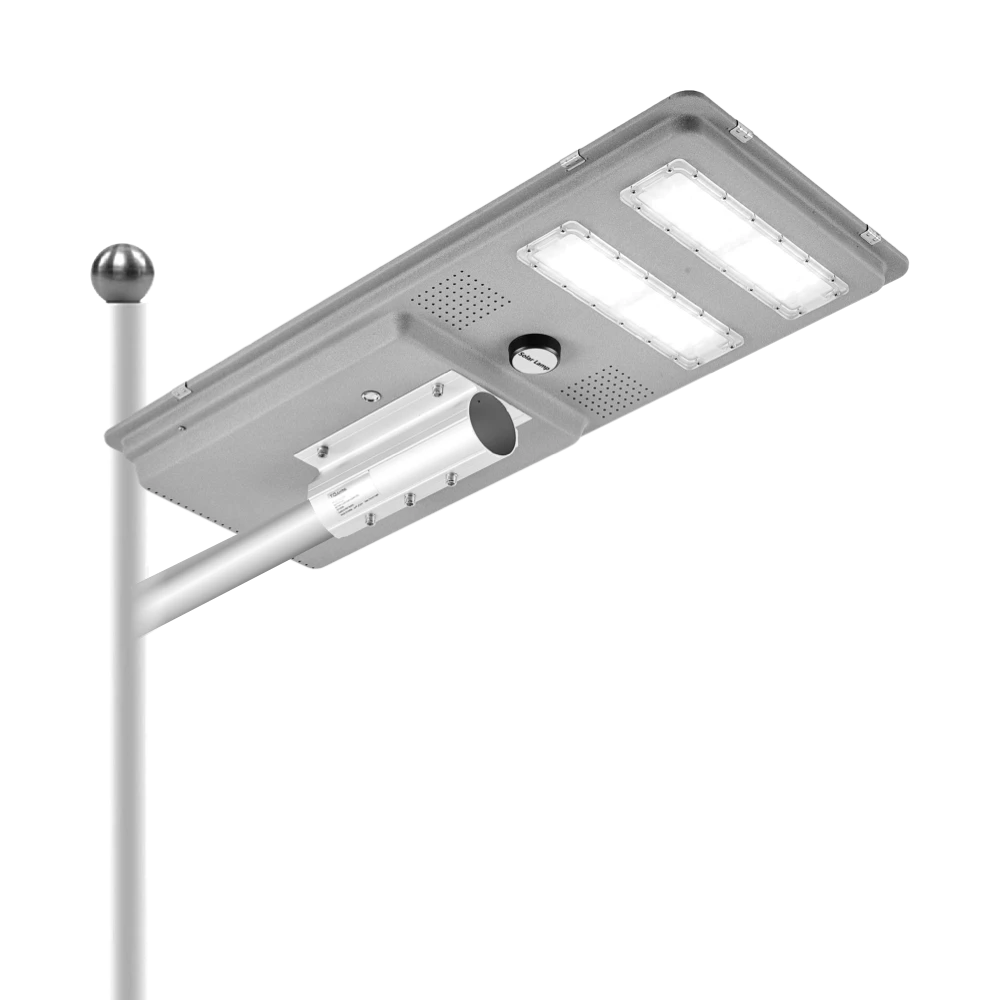
Queneng’s Solar Street Lights are designed to provide reliable, energy-efficient lighting for streets, parks, and other outdoor spaces.
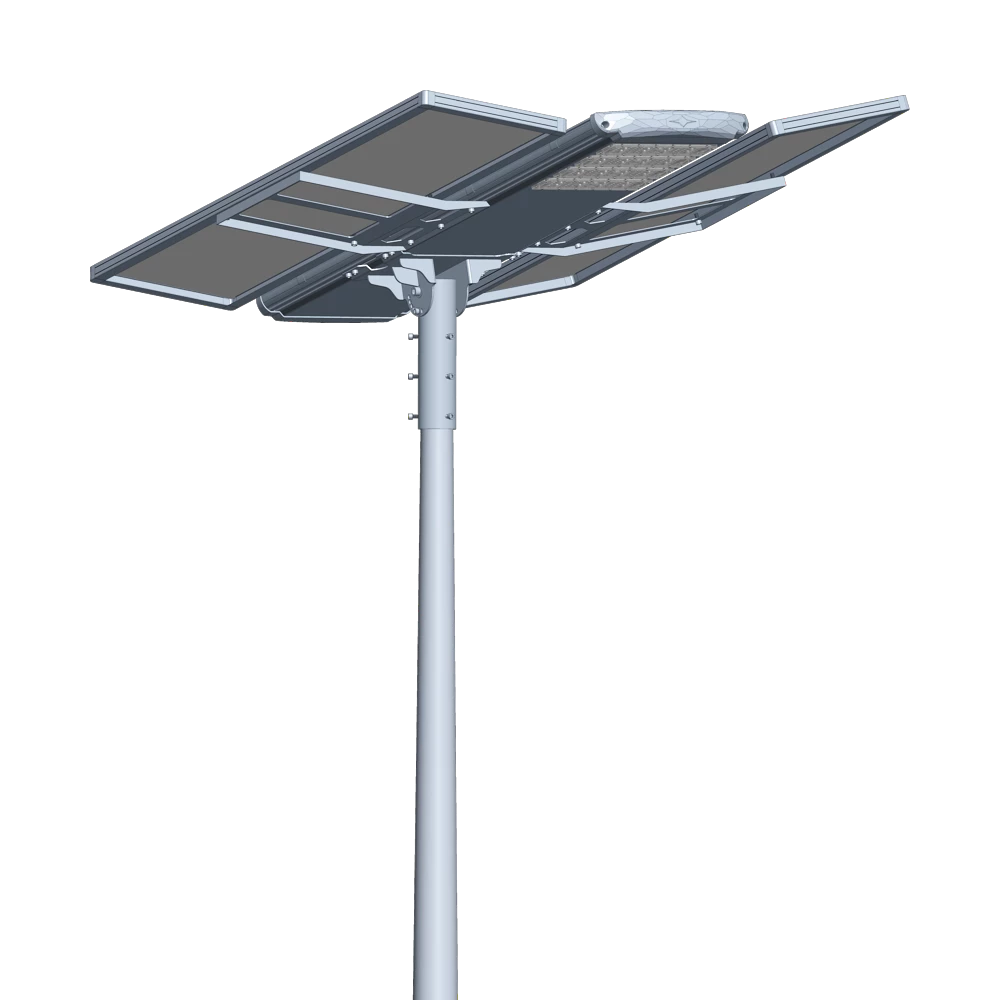
Introducing the Luqing Solar Street Light by Queneng, Efficient LED lighting powered by solar energy is perfect for illuminating outdoor areas. Harness the power of solar energy for sustainable, reliable street lighting. Ideal for eco-friendly, cost-effective outdoor illumination solutions.
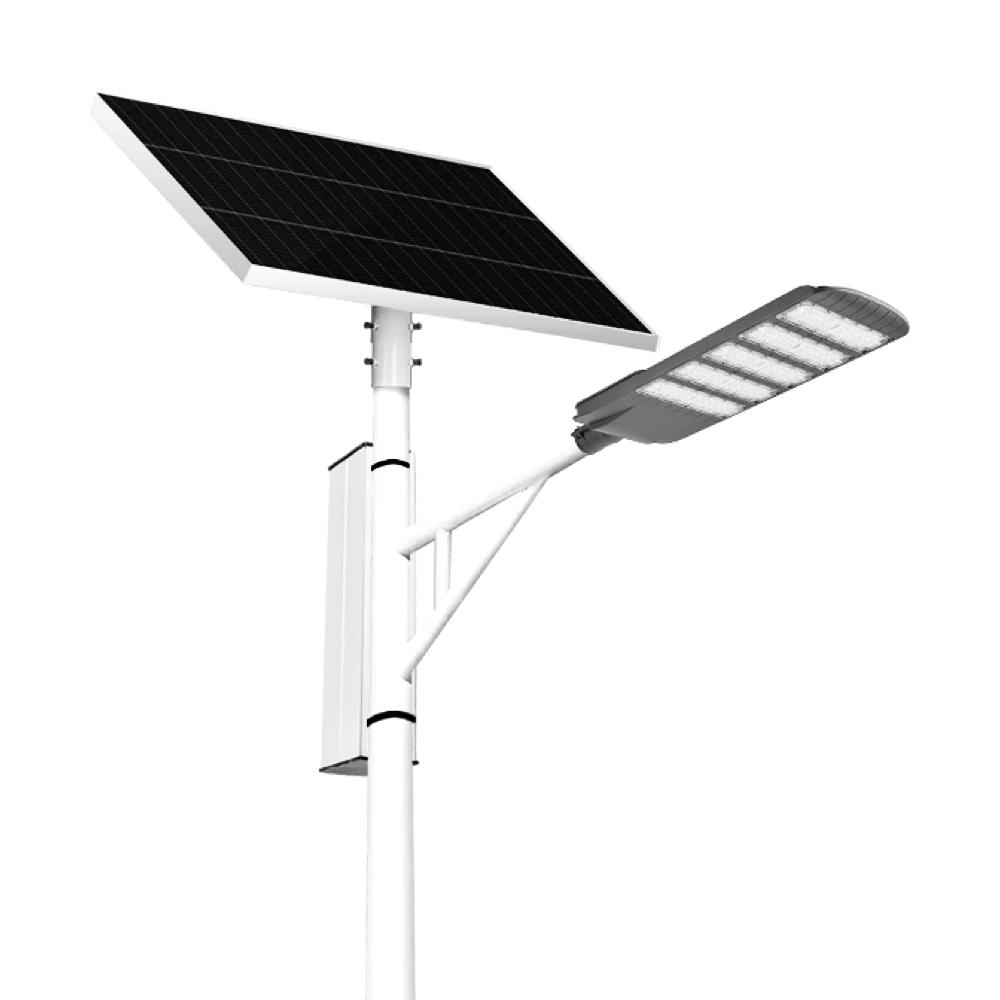
The Solar Streetlights of Luhao for Municipalities are designed to deliver reliable, energy-efficient, and cost-effective public lighting solutions. Equipped with advanced LED technology, durable lithium batteries, and high-efficiency solar panels, these streetlights provide consistent illumination for roads, parks, residential areas, and government projects.
If you would like more information about Queneng solar lighting solutions, please send us a message by filling out the form below. Our professional team will get back to you within 24 hours!
Rest assured that your privacy is important to us, and all information provided will be handled with the utmost confidentiality.
Schedule a Meeting
Book a date and time that is convenient for you and conduct the session in advance.
Have more questions about our products or services?
The messenger of light & power conversion
Environmental protection and intelligent manufacturing are our brand philosophy, and quality assurance and the best user experience are our eternal promises to users.
CONTACT
No.9F, Building F, Cao San Xin Tian Hong Logistics Park, Guzhen Town, Zhongshan City, Guangdong Province, China.
or write [email protected]
WhatsApp: +86 136 2270 1011


