














What should governments consider in a solar light design proposal?
Navigating Solar Street Light Procurement: A Comprehensive Guide for Buyers & Governments
As the world increasingly embraces sustainable infrastructure, solar street lighting stands out as a smart, eco-friendly, and cost-effective solution. However, purchasing these systems, especially for large-scale public projects, requires a deep understanding of various technical and financial aspects. This blog post aims to equip buyers, including government bodies, with the professional knowledge needed to make informed decisions.
What Factors Influence the Total Cost of a Solar Street Light Project?
The cost of a solar street light isn't just the sticker price; it's a sum of several critical components and services. Typically, a high-quality, integrated solar street light can range from $300 to $2,500 USD per unit, depending heavily on specifications. Key cost drivers include:
- Solar Panel Size and Efficiency: Higher wattage and efficiency (e.g., monocrystalline panels at 18-22% efficiency) mean better energy capture but also higher cost.
- Battery Capacity and Type: LiFePO4 (Lithium Iron Phosphate) batteries are preferred for their longevity (8-10 years, 2000-4000 cycles) and safety, but are more expensive than lead-acid alternatives. Capacity (Ah) determines autonomy days.
- LED Luminaire Wattage and Efficacy: Higher lumen output (e.g., 150-180 lm/W) and quality chips (Philips, Cree) increase cost but provide better illumination and lifespan (50,000-100,000 hours).
- Pole Height and Material: Taller poles (6-12 meters are common) and robust materials (galvanized steel, aluminum) add to the expense, especially for wind load requirements.
- Smart Controller Features: Advanced MPPT controllers with dimming, motion sensing, and remote monitoring capabilities increase cost but optimize energy usage and management.
- Installation and Logistics: Freight, customs, and professional installation labor contribute significantly, particularly for large projects or remote locations.
- Warranty and After-Sales Service: Comprehensive warranties (e.g., 3-5 years for the system, 10-25 years for panels) and reliable support add value and long-term security.
What Are the Essential Components of a Reliable Solar Street Light, and How Do They Impact Performance and Longevity?
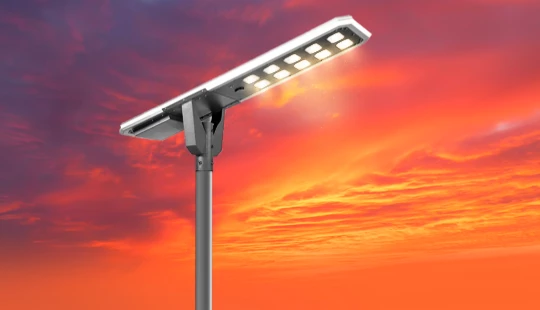
A reliable solar street light is an integrated system where each component plays a crucial role:
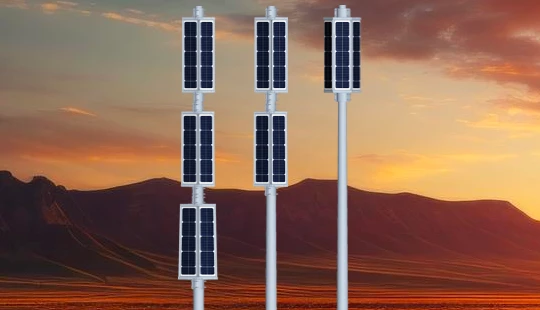
- Solar Panel: Converts sunlight into electricity. Monocrystalline panels offer higher efficiency and are ideal for areas with limited space or lower sun exposure. Lifespan: 20-25 years.
- Battery: Stores energy from the solar panel. LiFePO4 batteries are the industry standard for their high energy density, thermal stability, deep cycle capabilities, and longer lifespan compared to lead-acid. Lifespan: 8-10 years.
- LED Luminaire: The light source. High-efficacy LEDs (e.g., >150 lm/W) minimize power consumption while maximizing light output. Quality optics ensure uniform light distribution, reducing light pollution and improving safety. Lifespan: 50,000-100,000 hours.
- Charge Controller: Manages power flow between the solar panel, battery, and LED. An MPPT (Maximum Power Point Tracking) controller is superior to PWM (Pulse Width Modulation), as it optimizes energy harvesting from the panel by up to 15-30%, extending battery life and system autonomy.
- Pole and Fixture: Provides structural support and protects internal components. Must be robust, corrosion-resistant (e.g., hot-dip galvanized steel, powder-coated aluminum), and rated for local wind loads. IP65 or IP66 rating for dust and water ingress protection is essential.
How Can Governments Assess the Quality and Reliability of a Solar Street Light Manufacturer?
For government procurement, selecting a reliable manufacturer is paramount. Key assessment criteria include:
- Experience and Track Record: Look for manufacturers with a proven history (e.g., 10+ years) in large-scale public or commercial projects. Request case studies and client references.
- Certifications and Standards: Ensure the manufacturer complies with international quality management (ISO 9001), environmental management (ISO 14001), and product safety standards (CE, RoHS, FCC, UL). Component certifications (e.g., TUV for panels) are also vital.
- R&D Capabilities: A manufacturer with a strong R&D department is likely to offer innovative, efficient, and durable products, staying ahead of technological advancements.
- Manufacturing Process and Quality Control: Inquire about their manufacturing facilities, assembly lines, and quality control procedures at each stage of production. Factory audits are highly recommended.
- Warranty and After-Sales Support: A robust warranty (e.g., 3-5 years for the system, longer for specific components) and readily available technical support, spare parts, and maintenance services are crucial for long-term project success.
- Customization Capabilities: Governments often have unique requirements (e.g., specific pole heights, lumen output, design aesthetics). A flexible manufacturer can meet these needs.
What Technical Specifications and Performance Guarantees Should Be Included in a Government's Solar Light Design Proposal?
A comprehensive proposal should detail:
- Illumination Levels: Target lux levels (e.g., 10-20 lux for main roads, 5-10 lux for secondary roads) and uniformity ratios, calculated based on pole height, spacing, and luminaire distribution (e.g., Type II, Type III). Provide photometric reports (IES files) for verification.
- System Autonomy: Minimum number of days the light will operate without sunlight (e.g., 3-5 days for typical regions, up to 7 days for critical applications), ensuring reliability during extended cloudy periods.
- Battery Performance: Type (LiFePO4), capacity (Ah), depth of discharge (DoD, e.g., 80-90%), operating temperature range, and expected cycle life.
- Solar Panel: Wattage, efficiency, type (monocrystalline), and tolerance.
- LED Luminaire: Total lumen output, wattage, luminous efficacy (lm/W), Correlated Color Temperature (CCT, e.g., 4000K-5700K for street lighting), Color Rendering Index (CRI, e.g., >70), and expected lifespan.
- Ingress Protection (IP) Rating: Minimum IP65 or IP66 for all outdoor components.
- Wind Load Resistance: Pole design certified to withstand local maximum wind speeds (e.g., 150 km/h or more).
- Anti-Corrosion Treatment: Hot-dip galvanizing for steel components, powder coating.
- Smart Features: Motion sensing, dimming profiles, remote monitoring (LoRaWAN, Zigbee, GPRS/4G options), and scheduling capabilities.
- Warranty: Clear terms for different components (e.g., 5 years for system, 10 years for battery, 25 years for solar panel).
What Are the Long-Term Maintenance Requirements and Associated Costs for Solar Street Lights?
One of the major advantages of solar street lights is reduced maintenance compared to grid-tied systems. However, some upkeep is necessary:
- Panel Cleaning: Biannual or annual cleaning of solar panels to remove dust, dirt, or debris, which can reduce energy generation by 10-20%. This is typically a low-cost activity.
- Battery Replacement: The most significant maintenance cost. LiFePO4 batteries generally require replacement every 8-10 years. The cost of a replacement battery can be 20-30% of the original unit cost.
- Component Checks: Periodic visual inspection of wiring, connections, and structural integrity.
- Controller Monitoring: For smart systems, remote monitoring can identify issues proactively, reducing onsite visits.
Overall, annual maintenance costs for solar street lights are estimated to be 5-10 times lower than traditional grid-tied lights, largely due to the absence of trenching, cabling, and electricity bill management.
How Does Geographical Location and Climate Affect Solar Street Light System Design?
Geographical and climatic factors are crucial for optimal system design:
- Solar Irradiance: The average daily peak sun hours dictate the size of the solar panel and battery required. Regions with lower irradiance need larger panels and/or batteries.
- Temperature Extremes: Batteries and electronics perform best within specific temperature ranges. Extremely hot climates require active cooling or carefully designed enclosures, while extremely cold climates necessitate batteries with robust low-temperature performance. LiFePO4 batteries generally have good thermal stability.
- Wind Loads: Coastal areas or regions prone to strong winds require poles engineered to withstand higher wind pressure, affecting material thickness and foundation design.
- Dust and Pollution: Arid or industrial areas may require more frequent panel cleaning.
- Rainfall and Humidity: IP ratings become even more critical in high-humidity or heavy rainfall areas to prevent water ingress and corrosion.
- Snowfall: Snow can cover solar panels, blocking sunlight. Designs may need steeper panel angles or manual clearing plans.
Reputable manufacturers use specialized software to simulate performance based on specific geographical data (latitude, longitude, weather patterns) to ensure the system is adequately sized for reliable year-round operation.
What is the Typical ROI for Investing in Solar Street Lighting for Public Infrastructure?
The Return on Investment (ROI) for solar street lighting is increasingly attractive for public infrastructure due to several factors:
- Energy Savings: Eliminates electricity bills entirely. For areas with high electricity tariffs, this saving is substantial.
- Reduced Installation Costs: No need for trenching, cabling, or connecting to the grid, significantly cutting down on civil works and labor costs (often 20-30% lower than traditional installations).
- Lower Maintenance: As discussed, significantly reduced ongoing operational costs.
- Environmental Benefits: Reduces carbon footprint, potentially qualifying for green initiatives or grants.
- Enhanced Safety & Security: Reliable lighting in remote or off-grid areas improves public safety.
While the initial capital outlay for solar street lights can be higher than conventional lights, the payback period typically ranges from 3 to 7 years, depending on electricity rates, installation complexity, and government incentives. Over the 20-25 year lifespan of the system, the long-term savings far outweigh the initial investment, making it a highly profitable and sustainable venture for municipalities and governments.
Why Choose Quenenglighting for Your Solar Street Light Needs?
Quenenglighting stands out as a premier manufacturer of solar street lighting solutions, dedicated to delivering reliability, performance, and innovation. Our advantages include:
- Advanced R&D and Technology: We continuously invest in research and development, incorporating the latest advancements in solar panel efficiency, battery technology (LiFePO4), and intelligent control systems to ensure superior product performance and longevity.
- High Quality Component Sourcing: We partner with top-tier suppliers for all critical components, including high-efficiency solar cells, renowned LED chip brands, and robust LiFePO4 batteries, guaranteeing the highest quality and durability.
- Rigorous Quality Control: Every Quenenglighting product undergoes stringent multi-stage testing, from component inspection to full system aging tests, ensuring compliance with international standards (CE, RoHS, ISO 9001, IP66) and consistent reliability in diverse environments.
- Customized Solutions: Understanding that every project is unique, we offer tailored design and manufacturing services. Whether it's specific lumen output, pole height, autonomy days, or smart functionalities, Quenenglighting can deliver solutions precisely matching your project's requirements and geographical conditions.
- Comprehensive After-Sales Support: Our commitment extends beyond the sale with professional technical support, accessible spare parts, and comprehensive warranty policies, ensuring your investment is protected and systems perform optimally for years to come.
- Extensive Project Experience: With a strong portfolio of successful large-scale government and commercial projects worldwide, Quenenglighting has the proven expertise to handle complex procurements and deliver reliable, sustainable lighting infrastructure.
References
- Solar Power World Online. Comparing Monocrystalline vs. Polycrystalline Solar Panels. (Accessed: 2023-10-27)
- U.S. Department of Energy. LED Lighting Facts. (Accessed: 2023-10-27)
- International Renewable Energy Agency (IRENA). Renewable Power Generation Costs in 2022. (Accessed: 2023-10-27)
- Lighting Research Center. Photometrics: Light Distribution. (Accessed: 2023-10-27)

Have more questions about our products or services?
The latest hot news you might like

Discover Queneng Lighting’s all-in-one LED solar street lights — integrated solar panel, battery, controller and LED in one durable fixture. Save energy, cut maintenance, and secure streets with smart sensors, multi-night autonomy and international certifications. Contact sales for quotes and support.

Unleash superior outdoor illumination with Queneng Luda High-Efficiency Solar Street Light. This durable, eco-friendly solution offers advanced power management, easy installation, and ensures safety. Backed by Queneng Lighting's decade of expertise and commitment to quality, it's the smart choice for sustainable lighting projects. Learn why we're a leading solar solutions provider.

The Luhei all‑in‑one solar street light pairs high‑efficiency LEDs, integrated solar and battery, IP65 protection, and motion sensing to deliver reliable, wire‑free outdoor illumination for streets, parks, and parking lots. Backed by Queneng Lighting’s certifications and support.

FAQ
Battery Performance and Testing
What is a 24-hour self-discharge test?
What is trickle charging?
Battery Types and Applications
What is a nanobattery?
Why do fuel cells have great development potential?
1) High efficiency. Because the chemical energy of the fuel is directly converted into electrical energy without thermal energy conversion in the middle, the conversion efficiency is not limited by the thermodynamic Carnot cycle; because there is no conversion of mechanical energy, mechanical transmission losses can be avoided, and the conversion efficiency does not depend on the size of the power generation. And change, so the fuel cell has higher conversion efficiency;
2) Low noise and low pollution. In the process of converting chemical energy into electrical energy, the fuel cell has no mechanical moving parts, but the control system has some small moving parts, so it is low-noise. In addition, fuel cells are low-pollution energy sources. Taking phosphoric acid fuel cells as an example, the sulfur oxides and nitrogen compounds they emit are two orders of magnitude lower than the U.S. regulations;
3) Strong adaptability. Fuel cells can use various hydrogen-containing fuels, such as methane, methanol, ethanol, biogas, petroleum gas, natural gas and synthetic gas, etc. The oxidant is inexhaustible air. Fuel cells can be made into standard components with a certain power (such as 40 kilowatts), assembled into different powers and types according to the user's needs, and installed in the most convenient place for the user. If necessary, it can also be installed into a large power station and used in connection with the conventional power supply system, which will help regulate the power load;
4) Short construction period and easy maintenance. After the industrial production of fuel cells is established, various standard components of power generation devices can be continuously produced in factories. It is easy to transport and can be assembled on-site at the power station. Some people estimate that the maintenance required for a 40-kilowatt phosphoric acid fuel cell is only 25% of that of a diesel generator of the same power.
Because fuel cells have so many advantages, both the United States and Japan attach great importance to its development.
Battery fundamentals and basic terms
What do you mean by battery?
Split Solar Street Light
Can the battery be installed underground?
Yes. Underground battery boxes are available for high-temperature or vandal-prone areas.
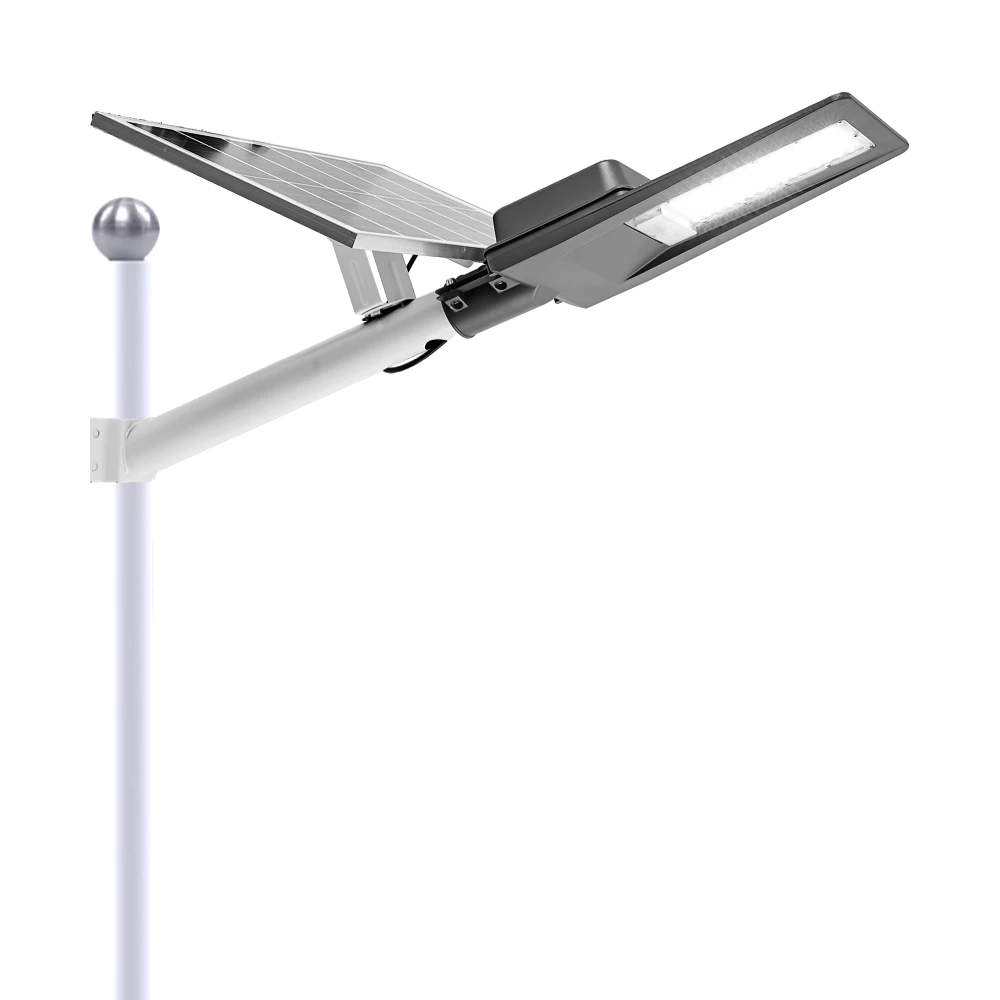
Experience reliable outdoor illumination with our smart solar street light, a perfect combination of advanced technology and eco-conscious design.
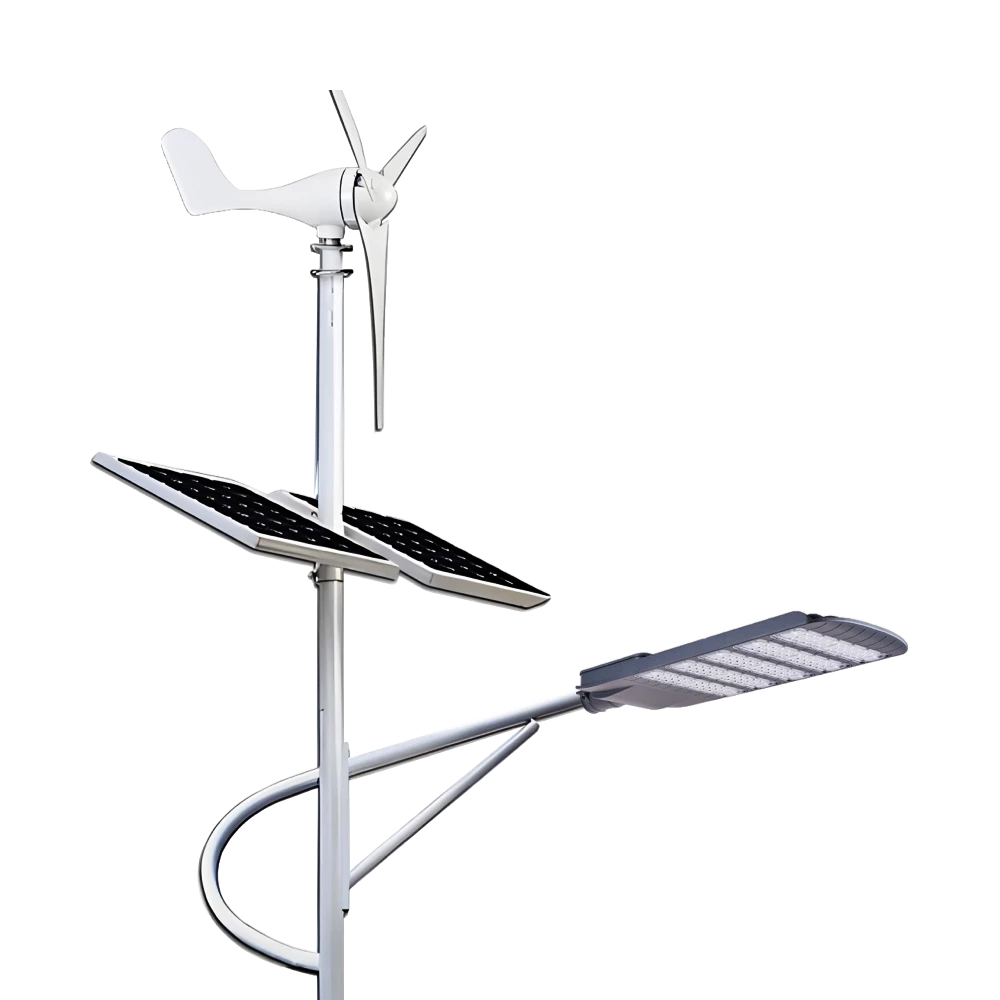
Queneng Lufeng Wind Energy LED Outdoor Solar Street Lights offer high-performance, eco-friendly illumination. These energy-efficient LED street lights harness solar power and wind energy for sustainable, cost-effective outdoor lighting solutions.
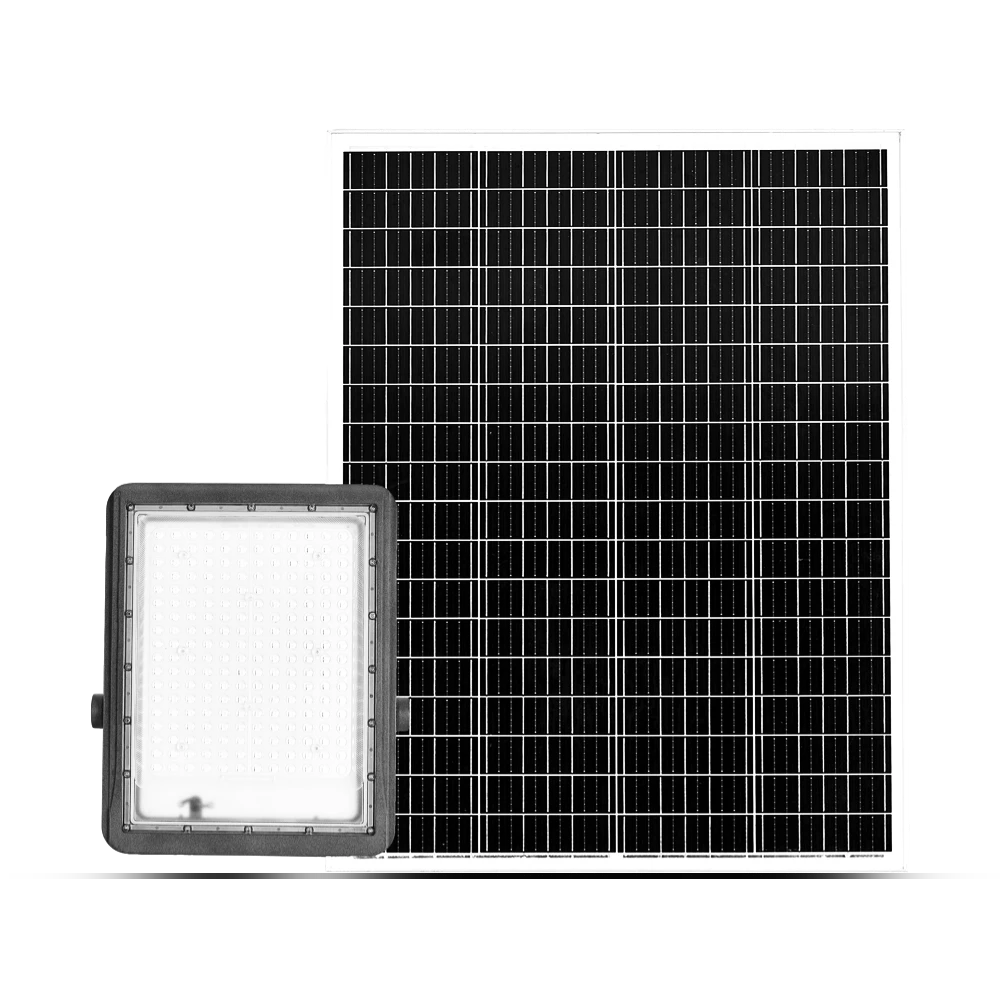
Queneng's Luxian Reliable Solar Street Light offers energy-saving LED lighting for outdoor use. This durable, solar-powered street light provides reliable illumination, reducing energy costs and environmental impact. A perfect solution for sustainable outdoor lighting.
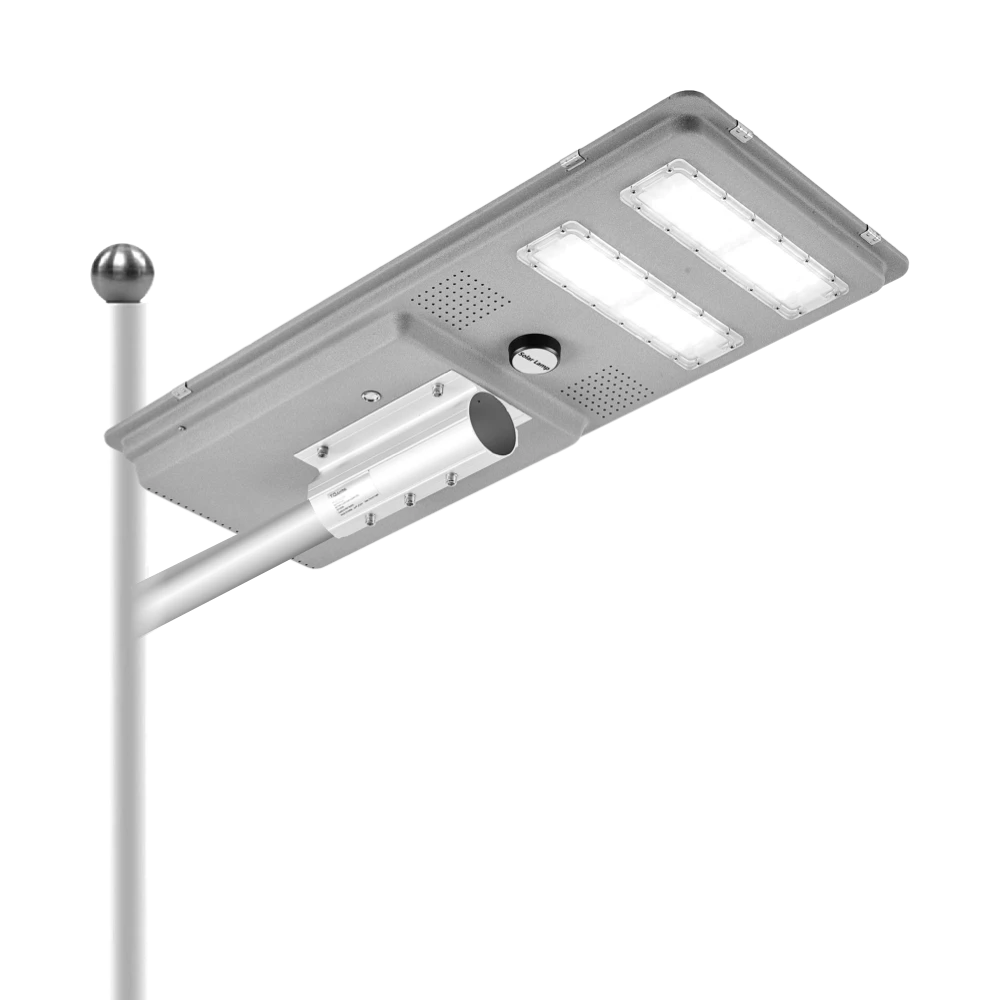
Queneng’s Solar Street Lights are designed to provide reliable, energy-efficient lighting for streets, parks, and other outdoor spaces.
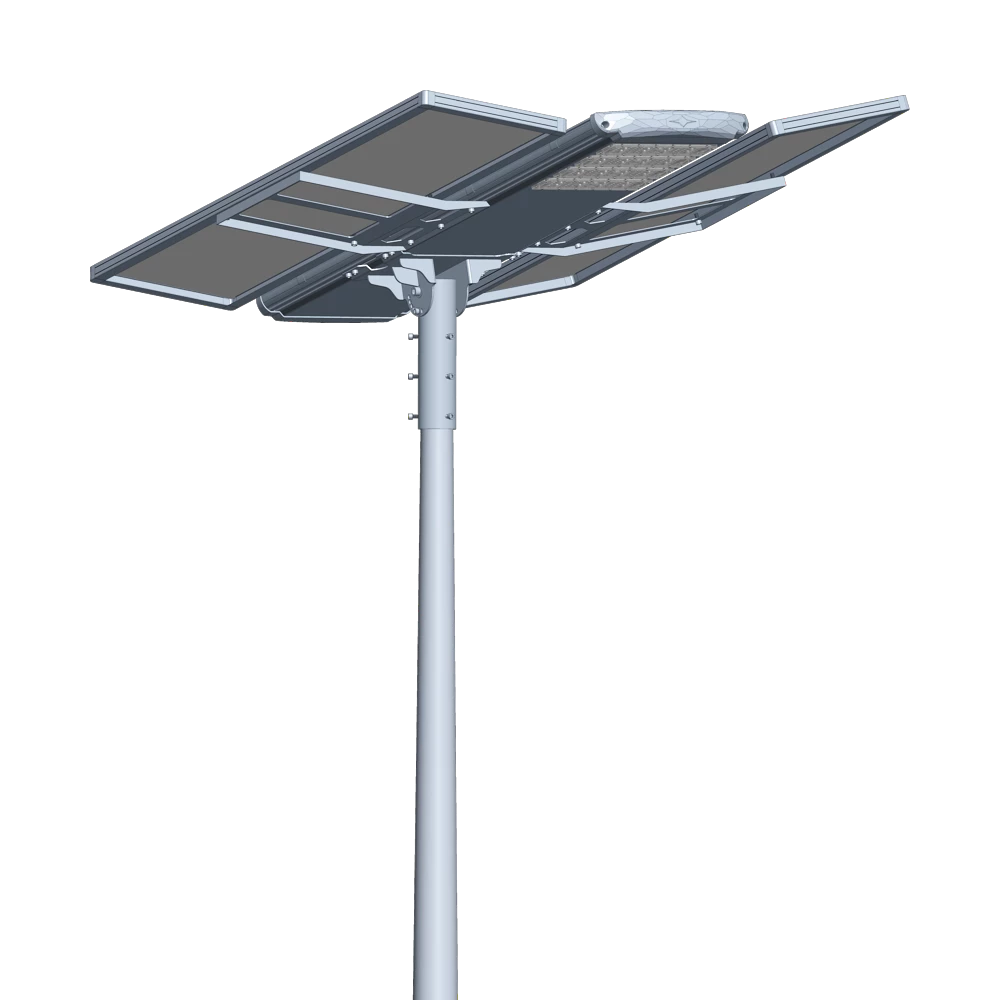
Introducing the Luqing Solar Street Light by Queneng, Efficient LED lighting powered by solar energy is perfect for illuminating outdoor areas. Harness the power of solar energy for sustainable, reliable street lighting. Ideal for eco-friendly, cost-effective outdoor illumination solutions.
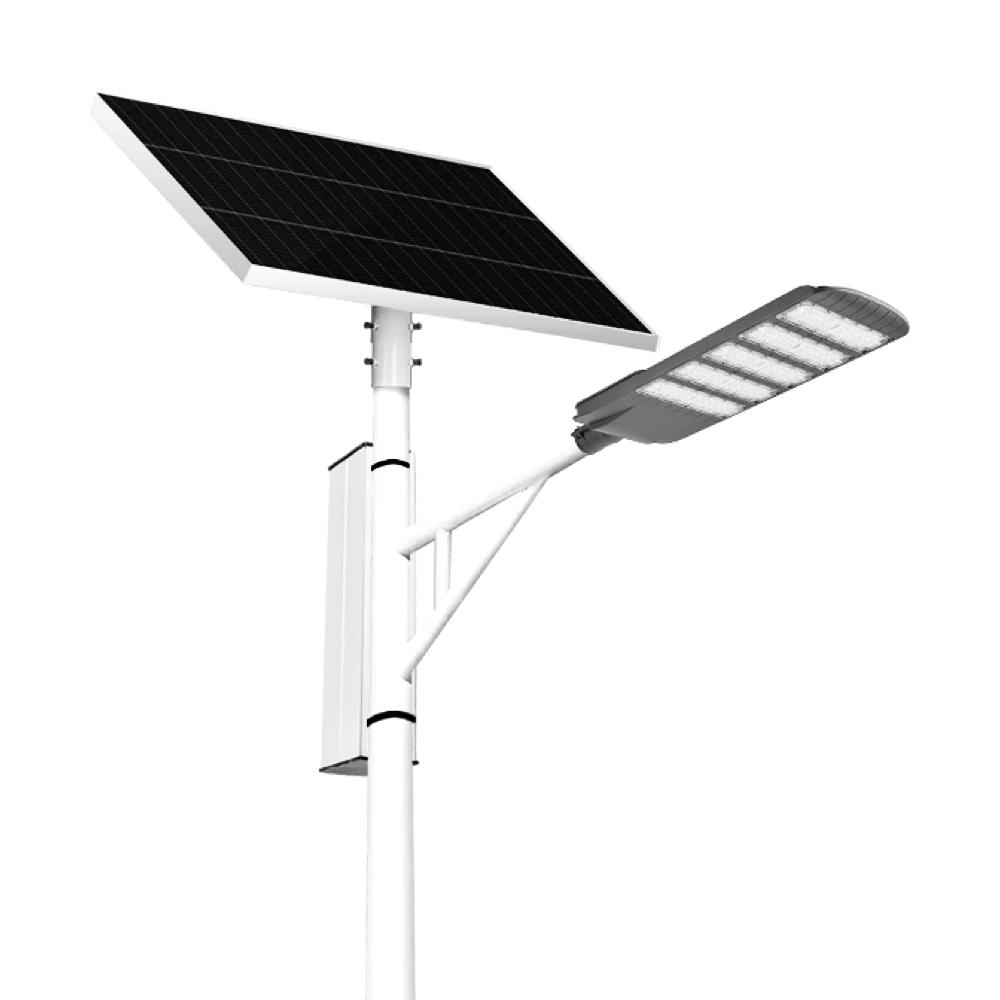
The Solar Streetlights of Luhao for Municipalities are designed to deliver reliable, energy-efficient, and cost-effective public lighting solutions. Equipped with advanced LED technology, durable lithium batteries, and high-efficiency solar panels, these streetlights provide consistent illumination for roads, parks, residential areas, and government projects.
If you would like more information about Queneng solar lighting solutions, please send us a message by filling out the form below. Our professional team will get back to you within 24 hours!
Rest assured that your privacy is important to us, and all information provided will be handled with the utmost confidentiality.
Schedule a Meeting
Book a date and time that is convenient for you and conduct the session in advance.
Have more questions about our products or services?
The messenger of light & power conversion
Environmental protection and intelligent manufacturing are our brand philosophy, and quality assurance and the best user experience are our eternal promises to users.
CONTACT
No.9F, Building F, Cao San Xin Tian Hong Logistics Park, Guzhen Town, Zhongshan City, Guangdong Province, China.
or write [email protected]
WhatsApp: +86 136 2270 1011


