














How critical is manufacturer reputation for large projects?
Navigating the Solar Street Light Market: A Professional Buyer's Guide for Large-Scale Procurement
As the global demand for sustainable infrastructure continues to surge, solar street lights have emerged as a cornerstone for illuminating public spaces, highways, and industrial zones. The global solar street lighting market, valued at approximately USD 7.51 billion in 2023, is projected to reach USD 17.58 billion by 2032, demonstrating a robust CAGR of 9.9%. This growth underscores a significant shift towards energy-efficient and environmentally friendly lighting solutions. For procurement professionals managing large projects, understanding the nuances of this technology and the market dynamics is paramount. This guide aims to answer your most pressing questions, ensuring a successful and sustainable investment.
What Factors Influence the Cost of Solar Street Lights, and What Should Buyers Expect?
The cost of solar street light systems can vary significantly, ranging from a few hundred to several thousand US dollars per unit, largely dependent on power output, battery capacity, pole height, and overall quality. Key factors influencing the price include:
- LED Luminosity (Lumens) and Wattage: Higher lumen output (e.g., 50W to 150W LED) requires larger components and thus higher costs.
- Solar Panel Capacity: Measured in watts (W), larger panels (e.g., 80W to 300W) are needed to ensure adequate charging, especially in areas with less sunlight, impacting cost.
- Battery Type and Capacity: Lithium Iron Phosphate (LiFePO4) batteries are preferred for their longevity (typically 5-10 years) and performance over lead-acid. Higher Ah (Ampere-hour) capacity means longer autonomy (backup days) and a higher price point.
- Pole Height and Material: Taller poles (e.g., 6m to 12m) and robust materials (galvanized steel, aluminum) add to the cost, especially for large-scale projects requiring structural integrity against wind loads.
- Controller Technology: Advanced MPPT (Maximum Power Point Tracking) controllers optimize charging efficiency, adding to the cost but improving performance and battery life.
- Intelligent Features: PIR motion sensors, dimming capabilities, and IoT connectivity increase functionality and cost.
- Manufacturer Reputation & Warranty: Reputable manufacturers offering extended warranties and certified products often have higher initial costs but provide better long-term value and reliability.
- Shipping and Installation: These can be substantial for large projects, requiring careful planning and budgeting.
For large projects, economies of scale can sometimes offer slight unit price reductions, but the focus should remain on overall system performance and total cost of ownership (TCO) rather than just the upfront purchase price.
All-in-One vs. Split Solar Street Lights: Which is Better for Large Projects?
Choosing between All-in-One (integrated) and Split Solar Street Light systems is a critical decision, especially for large projects where specific environmental conditions and performance requirements dictate the optimal solution.
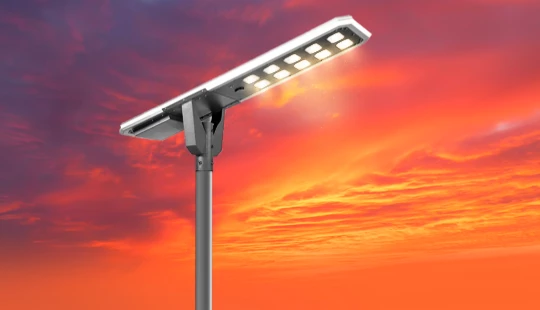
- All-in-One Solar Street Lights: These systems integrate the solar panel, LED lamp, battery, and controller into a single compact unit mounted on top of the pole.
- Pros: Easier and faster installation, lower shipping costs due to compactness, aesthetically pleasing for some urban environments.
- Cons: Limited flexibility in panel angle adjustment (critical for optimal solar harvest in varying latitudes), battery and panel size are constrained by the integrated design, heat from the LED can affect battery life, and component replacement requires dismantling the entire unit. Their capacity might be insufficient for very high power demands or prolonged cloudy periods in large projects.
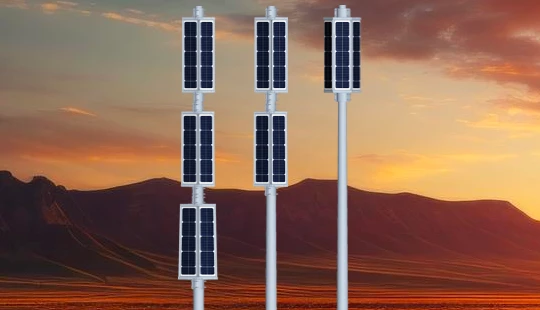
- Split Solar Street Lights: These systems separate the solar panel (mounted on top of the pole or separately) from the battery, LED lamp, and controller. The battery is often placed in a battery box at the base of the pole or directly attached to the pole below the solar panel.
- Pros for Large Projects:
- Optimal Performance: Allows for larger solar panels and battery capacities, crucial for high-lumen output and extended autonomy (5+ rainy days) required in large-scale applications or critical infrastructure.
- Flexibility: The solar panel can be independently adjusted to the optimal angle for maximum sun exposure, especially beneficial in areas with lower sun angles or specific project site orientations.
- Enhanced Battery Life: Separating the battery from the LED light minimizes heat exposure from the lamp, prolonging battery lifespan. Batteries can also be placed in cooler, more accessible locations.
- Easier Maintenance: Individual components can be accessed and replaced more easily, simplifying long-term maintenance for extensive installations.
- Robustness: Often preferred for demanding environments, providing better heat dissipation and structural stability for larger components.
- Cons: More complex installation (separate wiring), potentially higher shipping costs, and a less streamlined aesthetic.
For large projects requiring high reliability, specific light outputs, extended battery backup, and adaptability to diverse environmental conditions, split solar street light systems generally offer superior performance, longevity, and long-term cost-effectiveness due to their design flexibility and component separation, which enhances efficiency and lifespan.
How Critical Is Manufacturer Reputation for Large Projects?
For large-scale projects, manufacturer reputation is not just important—it is absolutely critical. Engaging with a reputable Solar Street Light Manufacturer significantly mitigates risks and ensures project success. Here’s why:
- Quality Assurance: Reputable manufacturers adhere to stringent quality control standards, using high-grade components (Tier 1 solar cells, High Quality LiFePO4 batteries, efficient LEDs) that ensure system reliability and longevity. This minimizes premature failures and costly replacements across hundreds or thousands of units.
- Performance Guarantees: Established manufacturers provide accurate performance specifications and back them with verifiable data, ensuring the lights meet project requirements for brightness, autonomy, and operational consistency.
- Reliable Support & Warranty: A strong warranty (typically 3-5 years for the entire system, 5-10 years for specific components like batteries and panels) is only as good as the company behind it. A reputable manufacturer offers robust after-sales support, technical assistance, and honors warranty claims promptly.
- Compliance & Certifications: They will possess necessary international certifications (CE, RoHS, IP65/66, IEC, TUV) demonstrating product safety, environmental compliance, and quality. This is crucial for regulatory adherence in large projects.
- Experience & Expertise: Manufacturers with a proven track record understand the complexities of large deployments, offering valuable insights into system design, installation best practices, and project management support.
- Financial Stability: Large projects represent significant investments. Partnering with a financially stable manufacturer ensures they will be around for the long haul to provide support and honor commitments.
Choosing an unknown or unproven manufacturer can lead to inferior products, frequent breakdowns, project delays, significant cost overruns, and ly, project failure.
What Are the Essential Components of a High-Quality Solar Street Light, and What Specifications Should Buyers Look For?
A high-quality solar street light system is a synergy of well-matched components. Buyers should scrutinize the specifications of each:
- Solar Panel:
- Type: Monocrystalline silicon is generally more efficient (18-22%) than polycrystalline, especially in low-light conditions.
- Power Output: Matches the energy consumption of the LED lamp plus a buffer for cloudy days. (e.g., 100W panel for a 30W LED running 10 hours).
- Lifespan: Typically 20-25 years with minimal degradation.
- Battery:
- Type: LiFePO4 (Lithium Iron Phosphate) is the industry standard for solar street lights due to its long cycle life (2000-4000 cycles), high temperature tolerance, and safety.
- Capacity: Measured in Ah or Wh, it determines autonomy (number of days the light can operate without sun). For large projects, 3-5 days of autonomy is often recommended.
- Lifespan: 5-10 years.
- LED Lamp:
- Chip Brand: Reputable brands like Philips, Cree, or Osram ensure high lumen efficacy (>150 lm/W) and longevity.
- Lumen Output: Match the illumination requirements for the project (e.g., 3000-15000 lumens depending on pole height and road width).
- Color Temperature: Typically 3000K (warm white) to 6000K (cool white). 4000K-5000K is common for street lighting.
- Lifespan: 50,000 to 100,000 hours.
- Charge Controller:
- Type: MPPT (Maximum Power Point Tracking) controllers are superior to PWM (Pulse Width Modulation) as they maximize solar energy harvest by 15-30%, especially in varying weather conditions.
- Features: Overcharge/discharge protection, short-circuit protection, temperature compensation, intelligent dimming, and motion sensor integration.
- Pole:
- Material & Treatment: Hot-dip galvanized steel, powder-coated, corrosion-resistant.
- Height: 6m to 12m for most street lighting applications.
- Wind Resistance: Designed to withstand local wind loads (e.g., up to 120 km/h).
- Cables & Connectors: UV-resistant, waterproof (IP67/68), and appropriately sized for current load.
What Kind of Warranty and After-Sales Support Should I Expect?
For large projects, a robust warranty and reliable after-sales support are non-negotiable. Expect:
- Full System Warranty: A minimum of 3-5 years covering the entire solar street light unit.
- Component-Specific Warranties: Longer warranties for critical components: 10-25 years for solar panels (performance guarantee), and 5-10 years for LiFePO4 batteries (cycle life guarantee).
- Clear Warranty Terms: Understand what is covered (manufacturing defects) and what voids the warranty (improper installation, unauthorized modifications).
- Responsive Technical Support: The manufacturer should provide accessible technical support for troubleshooting, maintenance advice, and guidance during installation.
- Spare Parts Availability: For large deployments, the ability to source spare parts quickly and efficiently is crucial for minimizing downtime. Inquire about the manufacturer's policy on spare part provision for the lifetime of the product.
- On-site Support/Training: For very large or complex projects, some manufacturers may offer on-site technical assistance or training for your installation team.
Always review the warranty terms meticulously and ensure they align with the expected lifespan and operational demands of your project.
What is the Typical Lifespan of Solar Street Lights, and What Maintenance is Required?
A well-designed and manufactured solar street light system can have an impressive lifespan, minimizing the total cost of ownership for large projects:
- Overall System Lifespan: 10-15 years, with proper maintenance and component replacement.
- Solar Panel: Typically performs efficiently for 20-25 years, though efficiency may slowly degrade by 0.5-1% per year after the initial period.
- LED Lamp: Rated for 50,000 to 100,000 operating hours, translating to 10-20 years of typical night-time use.
- LiFePO4 Battery: 5-10 years, depending on charge cycles, depth of discharge, and environmental temperatures. This is often the first major component requiring replacement.
- Pole & Fixtures: If hot-dip galvanized and properly coated, poles can last 20+ years.
Required Maintenance for Large Projects:
- Regular Cleaning: Solar panels should be cleaned periodically (e.g., every 3-6 months, or as needed in dusty/polluted areas) to remove dust, dirt, and debris that can reduce charging efficiency. This is vital for maintaining performance across a large installation.
- Battery Health Checks: Monitor battery performance and capacity. While LiFePO4 batteries are low maintenance, regular checks can identify issues early. Some advanced systems offer remote monitoring.
- Fixture Inspection: Periodically check LED lights for uniform illumination and functionality. Inspect poles for structural integrity, corrosion, or damage.
- Wiring & Connections: Ensure all electrical connections are secure and free from corrosion, especially in outdoor environments.
- Tree/Vegetation Trimming: Ensure no vegetation obstructs solar panels, which can severely impact charging.
Proactive maintenance ensures optimal performance, extends the lifespan of the entire system, and protects your long-term investment.
Assessing the Reliability and Experience of a Solar Street Light Manufacturer
For procurement professionals, due diligence in assessing a manufacturer's reliability and experience is paramount. Consider the following:
- Track Record & Portfolio: Request case studies and references for similar large-scale projects they have completed. Look for projects in diverse geographical locations with varying environmental conditions.
- Manufacturing Capabilities: Inquire about their production facilities, quality control processes (ISO 9001, ISO 14001 certifications), and R&D investment. A manufacturer with in-house R&D is likely to offer innovative and robust solutions.
- Certifications & Standards: Verify that their products hold relevant international certifications (CE, RoHS, IP ratings, IEC, TUV). These confirm adherence to safety, quality, and performance standards.
- Technical Expertise: Assess their engineering team's capabilities. Can they offer custom solutions, lighting simulations (Dialux), and detailed technical support for complex project requirements?
- Financial Stability: A financially sound manufacturer is better equipped to honor long-term warranties and provide continuous support.
- Supply Chain Transparency: Understand where their core components (solar cells, batteries, LED chips) are sourced from. Reputable component suppliers ensure product quality.
- Communication & Responsiveness: Gauge their responsiveness during the inquiry and quotation phase. Good communication is indicative of reliable partnership.
By thoroughly evaluating these aspects, you can confidently select a partner who can deliver high-quality, reliable, and sustainable solar street lighting solutions for your large-scale projects.
Queneng Lighting: Your Trusted Partner for Large-Scale Solar Street Light Projects
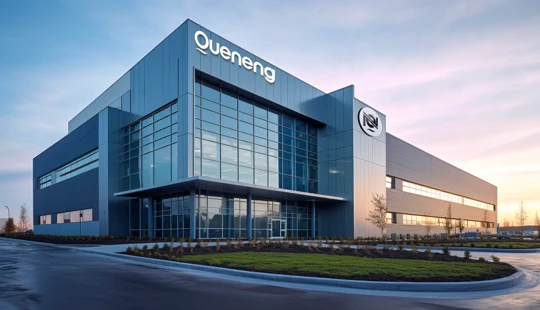
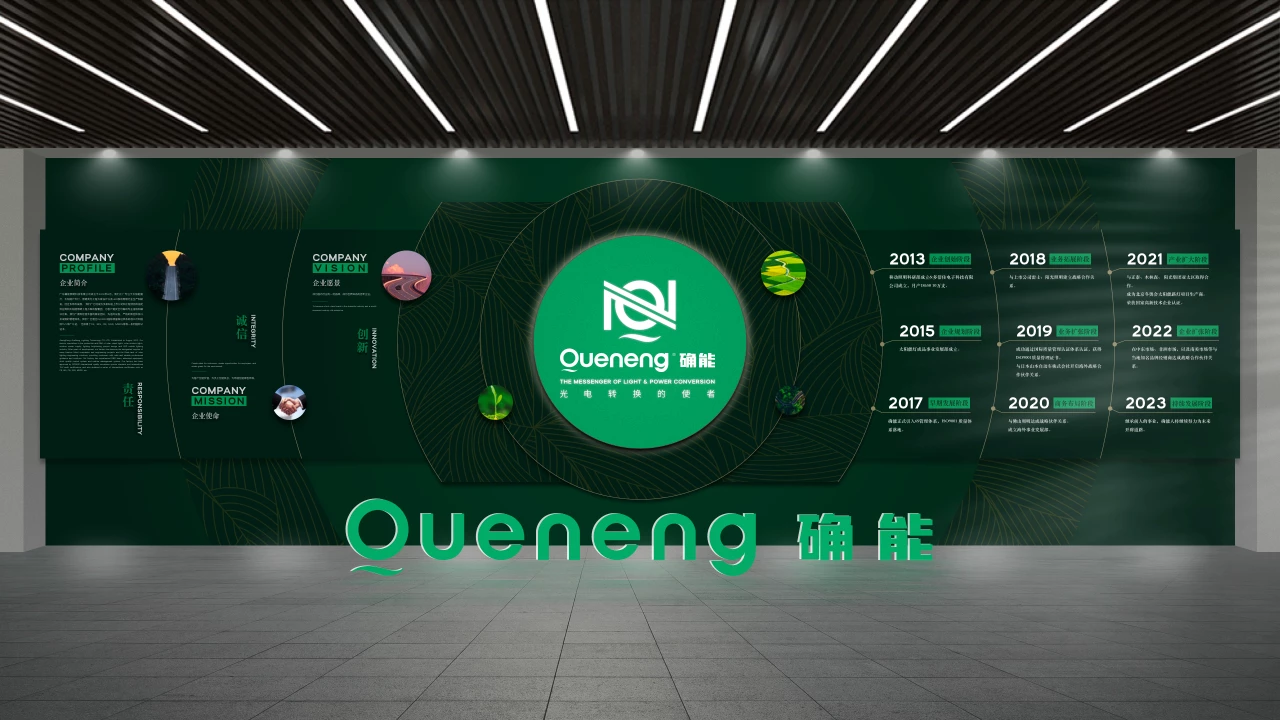
In the demanding world of large-scale solar street light procurement, Queneng Lighting stands out as a reliable and experienced manufacturer. Our advantages include:
- Proven Expertise: Years of experience in designing and manufacturing robust solar lighting solutions, particularly excelling in split solar street light systems optimized for challenging environments and high performance requirements.
- High-Quality Components: We utilize only top-tier components, including high-efficiency monocrystalline solar panels, long-life LiFePO4 batteries, and High Quality LED chips from renowned brands, ensuring superior reliability and extended lifespan.
- Customization Capabilities: Our engineering team can provide tailored lighting solutions, including detailed Dialux simulations and custom system designs, to meet the unique specifications of your large projects.
- Rigorous Quality Control: Adhering to international standards, every Queneng product undergoes stringent testing and quality checks, backed by relevant certifications, guaranteeing consistent performance and safety.
- Comprehensive Support: We offer robust pre-sales consultation, responsive technical support, and reliable after-sales service, ensuring peace of mind for our clients throughout the project lifecycle and beyond.
- Strong Warranty: Queneng Lighting provides competitive warranties, demonstrating confidence in our product quality and commitment to customer satisfaction.
Partner with Queneng Lighting for sustainable, high-performance, and reliable solar street lighting solutions that illuminate your large-scale projects efficiently and effectively.
References:
- Fortune Business Insights. (March 2023). Solar Street Lighting Market Size, Share & COVID-19 Impact Analysis. . Available at: https://www.fortunebusinessinsights.com/solar-street-lighting-market-106440 .
- Solar Power World Online. (Accessed 2023). Monocrystalline vs. Polycrystalline Solar Panels. . Available at: https://www.solarpowerworldonline.com/2016/06/monocrystalline-vs-polycrystalline-solar-panels/ .
- Lithium-Ion Battery Cell Comparison (LiFePO4). (Accessed 2023). .
- LED Magazine. (Accessed 2023). LED Luminaire Lifespan and L70. .

Have more questions about our products or services?
The latest hot news you might like

Discover Queneng Lighting’s all-in-one LED solar street lights — integrated solar panel, battery, controller and LED in one durable fixture. Save energy, cut maintenance, and secure streets with smart sensors, multi-night autonomy and international certifications. Contact sales for quotes and support.

Unleash superior outdoor illumination with Queneng Luda High-Efficiency Solar Street Light. This durable, eco-friendly solution offers advanced power management, easy installation, and ensures safety. Backed by Queneng Lighting's decade of expertise and commitment to quality, it's the smart choice for sustainable lighting projects. Learn why we're a leading solar solutions provider.

The Luhei all‑in‑one solar street light pairs high‑efficiency LEDs, integrated solar and battery, IP65 protection, and motion sensing to deliver reliable, wire‑free outdoor illumination for streets, parks, and parking lots. Backed by Queneng Lighting’s certifications and support.

FAQ
Municipal and Public Infrastructure
What happens if the battery runs out of charge?
Our solar streetlights use advanced battery management systems to optimize energy usage. Even during prolonged cloudy or rainy periods, the lights can function at reduced brightness to conserve energy.
Solar Street Light Chuanqi
Are Chuanqi solar street lights suitable for both residential and commercial use?
Yes, Chuanqi solar street lights are suitable for a wide range of applications, including both residential and commercial use. Whether it's illuminating streets, pathways, parks, or parking lots, Chuanqi lights provide dependable outdoor lighting. Their ease of installation and low operational costs make them ideal for both private homes and large-scale commercial projects.
Battery Performance and Testing
What is a 24-hour self-discharge test?
What is a temperature rise experiment?
What are the common charging methods?
1) Constant current charging: The charging current is a certain value during the entire charging process. This method is the most common;
2) Constant voltage charging: During the charging process, both ends of the charging power supply maintain a constant value, and the current in the circuit gradually decreases as the battery voltage increases;
3) Constant current and constant voltage charging: The battery is first charged with constant current (CC). When the battery voltage rises to a certain value, the voltage remains unchanged (CV), and the current in the circuit drops to very small, eventually tending to 0.
How to charge lithium battery:
Constant current and constant voltage charging: The battery is first charged with constant current (CC). When the battery voltage rises to a certain value, the voltage remains unchanged (CV), and the current in the circuit drops to very small, eventually tending to 0.
Battery and Analysis
Can a rechargeable 1.2V portable battery be used instead of a 1.5V alkaline manganese battery?
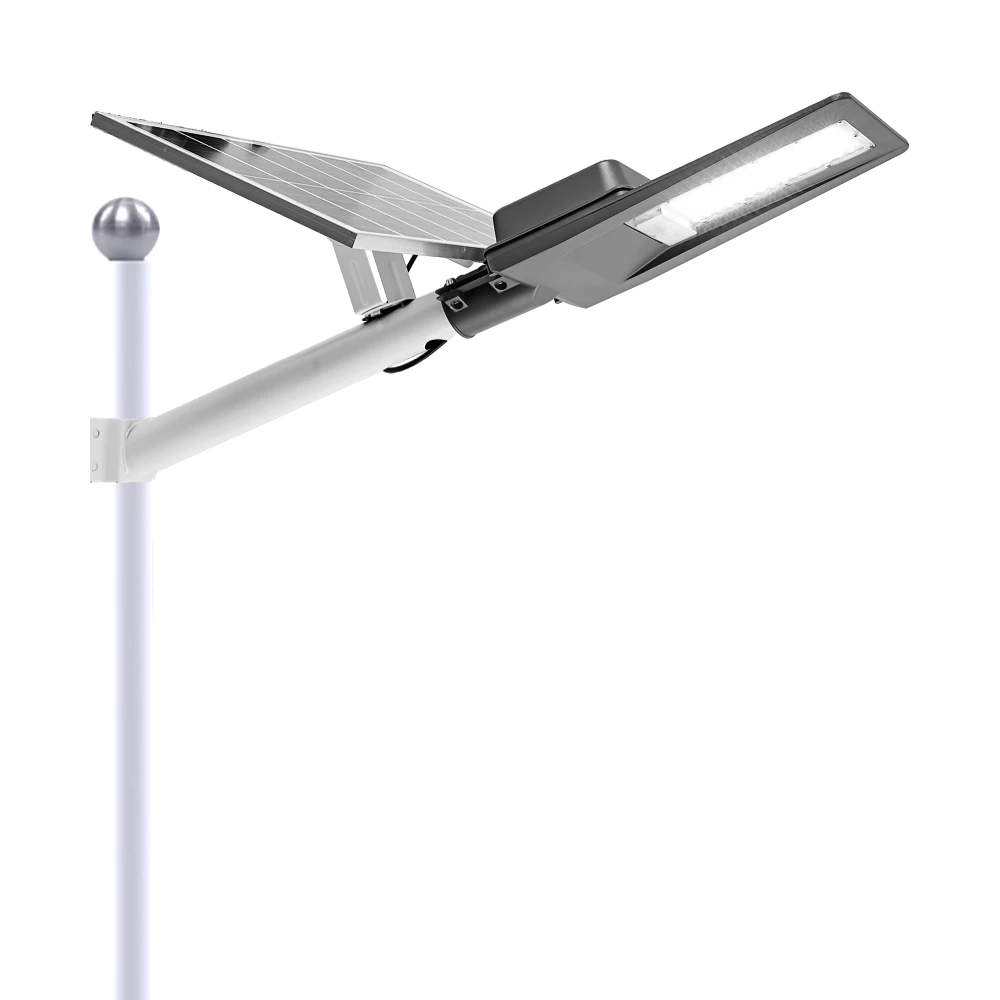
Experience reliable outdoor illumination with our smart solar street light, a perfect combination of advanced technology and eco-conscious design.
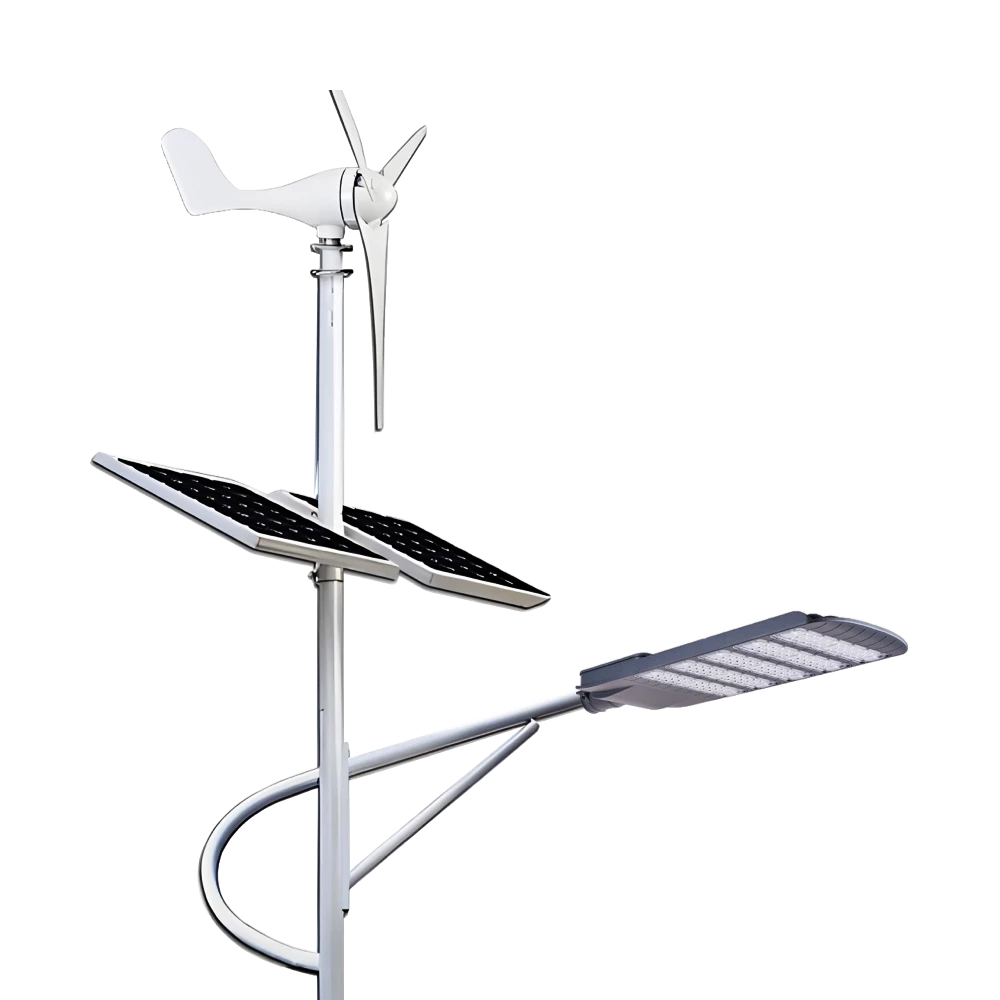
Queneng Lufeng Wind Energy LED Outdoor Solar Street Lights offer high-performance, eco-friendly illumination. These energy-efficient LED street lights harness solar power and wind energy for sustainable, cost-effective outdoor lighting solutions.
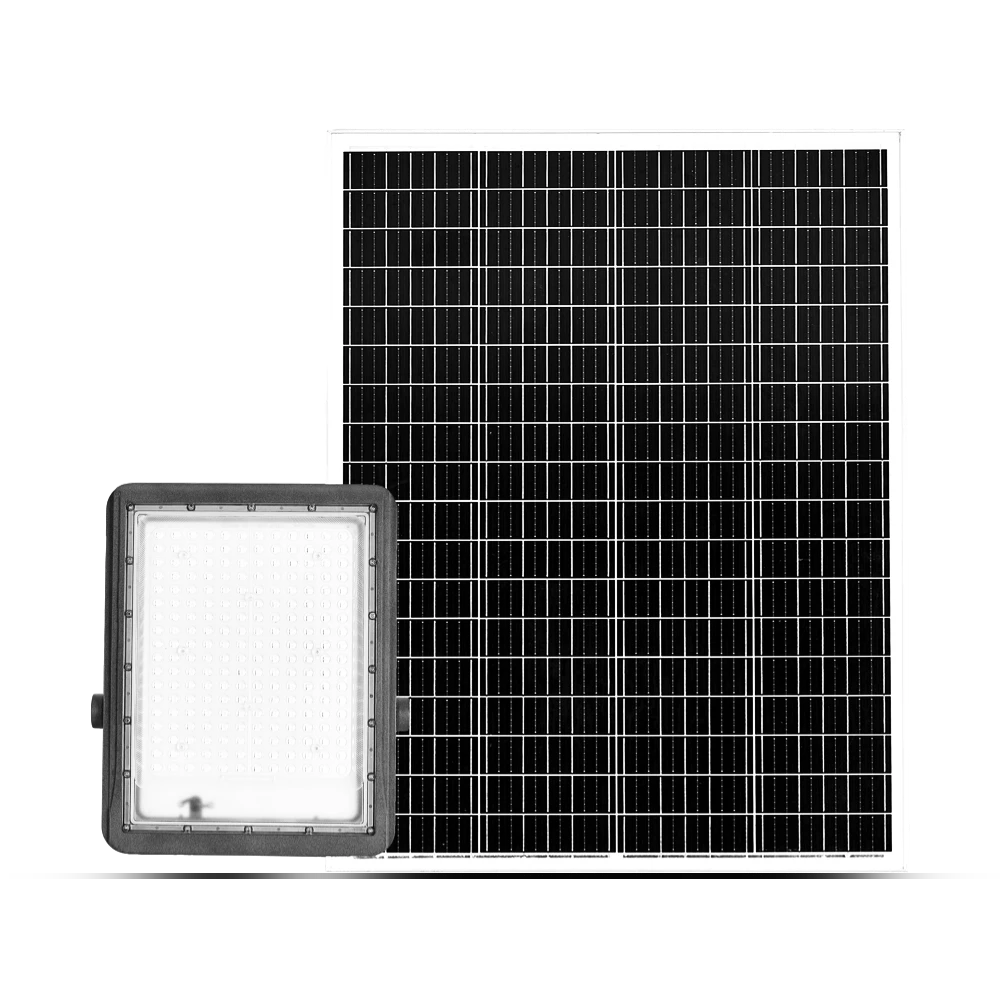
Queneng's Luxian Reliable Solar Street Light offers energy-saving LED lighting for outdoor use. This durable, solar-powered street light provides reliable illumination, reducing energy costs and environmental impact. A perfect solution for sustainable outdoor lighting.
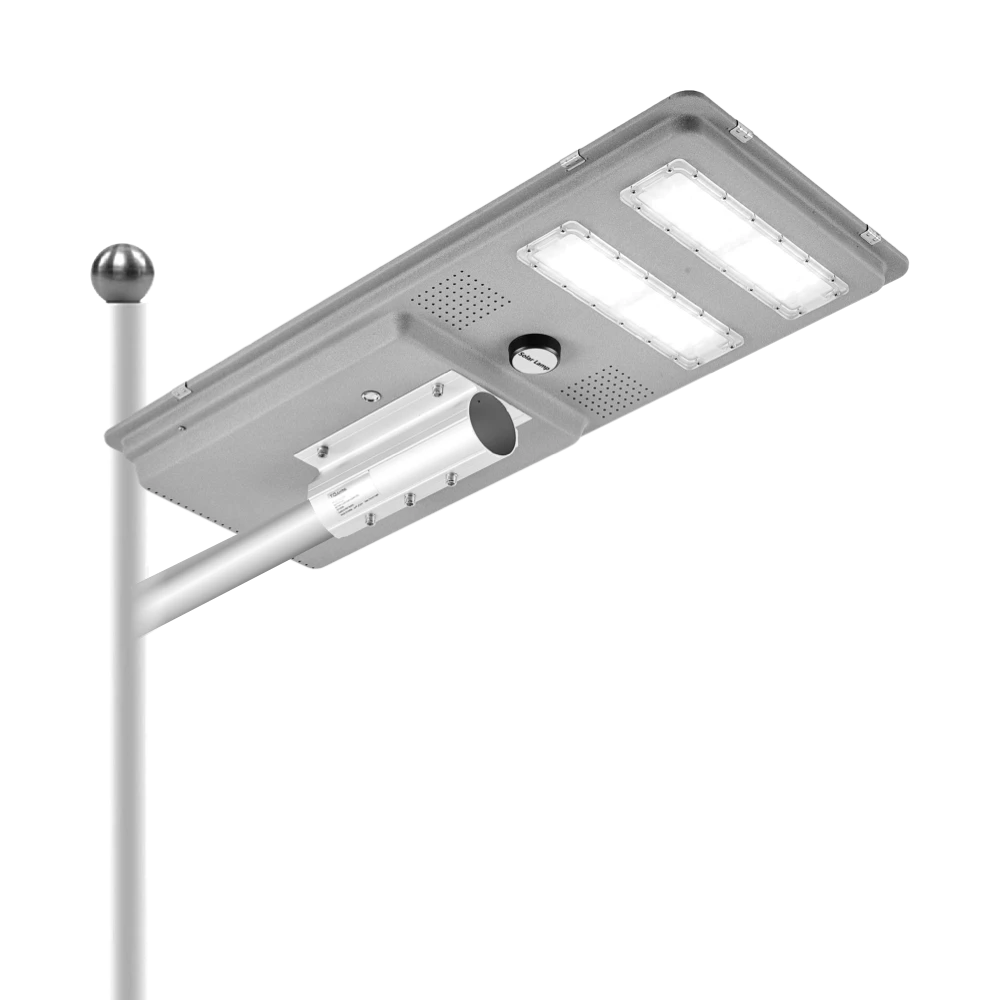
Queneng’s Solar Street Lights are designed to provide reliable, energy-efficient lighting for streets, parks, and other outdoor spaces.
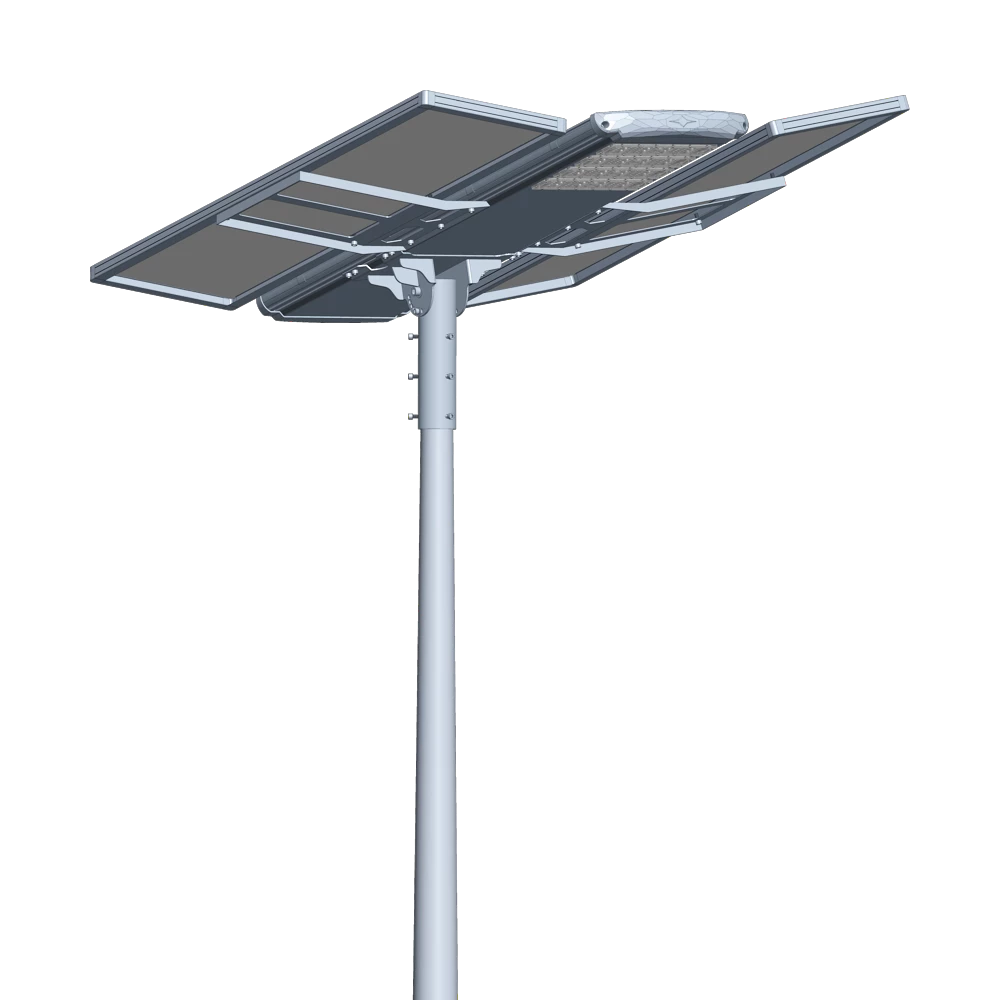
Introducing the Luqing Solar Street Light by Queneng, Efficient LED lighting powered by solar energy is perfect for illuminating outdoor areas. Harness the power of solar energy for sustainable, reliable street lighting. Ideal for eco-friendly, cost-effective outdoor illumination solutions.
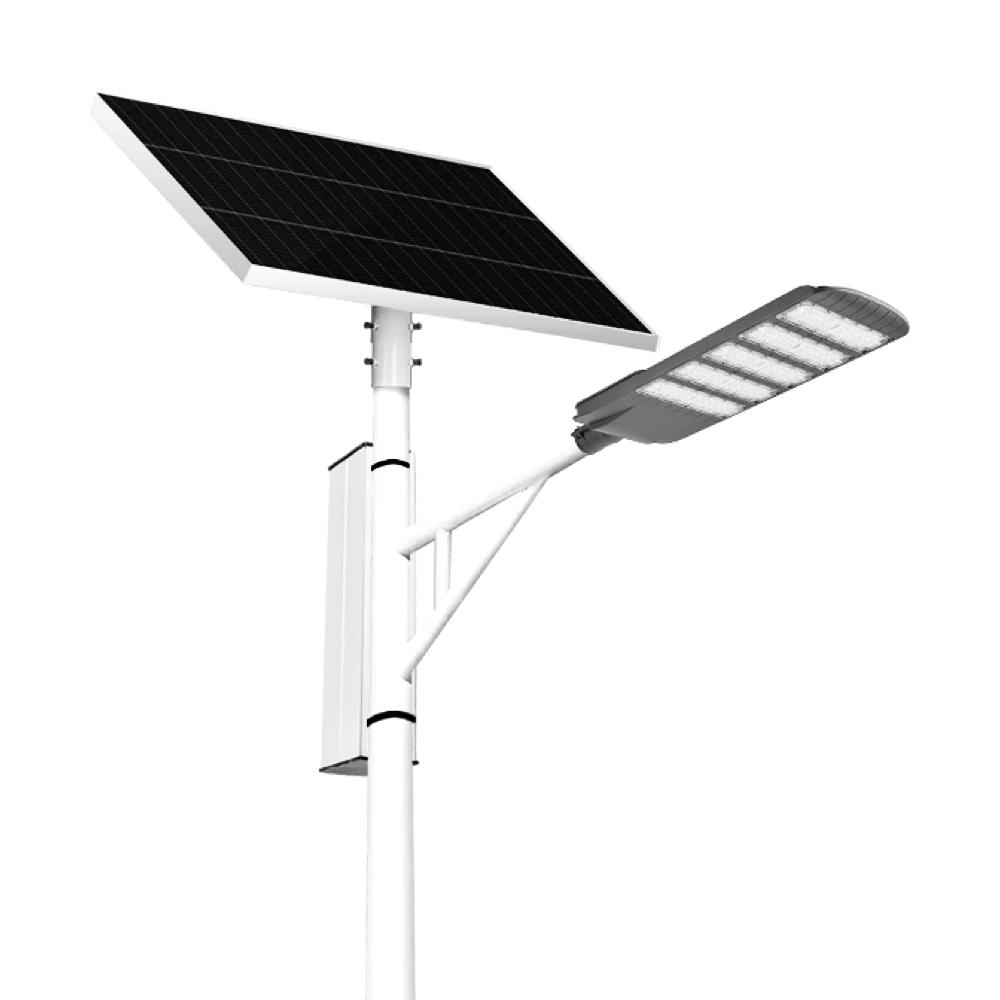
The Solar Streetlights of Luhao for Municipalities are designed to deliver reliable, energy-efficient, and cost-effective public lighting solutions. Equipped with advanced LED technology, durable lithium batteries, and high-efficiency solar panels, these streetlights provide consistent illumination for roads, parks, residential areas, and government projects.
If you would like more information about Queneng solar lighting solutions, please send us a message by filling out the form below. Our professional team will get back to you within 24 hours!
Rest assured that your privacy is important to us, and all information provided will be handled with the utmost confidentiality.
Schedule a Meeting
Book a date and time that is convenient for you and conduct the session in advance.
Have more questions about our products or services?
The messenger of light & power conversion
Environmental protection and intelligent manufacturing are our brand philosophy, and quality assurance and the best user experience are our eternal promises to users.
CONTACT
No.9F, Building F, Cao San Xin Tian Hong Logistics Park, Guzhen Town, Zhongshan City, Guangdong Province, China.
or write [email protected]
WhatsApp: +86 136 2270 1011


