














What's the future cost trend for solar street lights?
Navigating the Evolving Landscape: Your Guide to Solar Street Light Costs, Trends, and Smart Procurement
The global shift towards sustainable infrastructure has put solar street lights at the forefront of modern urban and rural development. For professional buyers in the split solar street light industry, understanding the nuances of cost, technology, and market trends is crucial for making informed procurement decisions. This comprehensive guide addresses your most pressing questions, providing the expert insights needed to invest wisely in solar street lighting.
What Factors Determine the Cost of a Solar Street Light System?
The cost of a solar street light is not a single figure but a complex equation influenced by several key components and specifications. For a split solar street light system, these factors are particularly distinct:
- LED Luminaires: The wattage, efficiency (lumens per watt), and brand of the LED chip (e.g., Philips, Cree) significantly impact price. Higher luminous efficacy means more light with less power, requiring smaller batteries and solar panels, potentially saving overall system cost.
- Solar Panel: Panel wattage (Wp), efficiency, and type (monocrystalline typically more efficient but pricier than polycrystalline) are major cost drivers. Larger or more efficient panels are needed for higher light output and longer autonomy (days without sun).
- Battery: The capacity (Ah or Wh) and chemistry are paramount. Lithium Iron Phosphate (LiFePO4) batteries are now standard due to their longer lifespan (5-10 years or 2000-4000+ cycles), better temperature performance, and safety compared to older lead-acid options. Higher capacity means more backup power.
- Charge Controller: This critical component regulates charging and discharging, protecting the battery. MPPT (Maximum Power Point Tracking) controllers are more efficient than PWM (Pulse Width Modulation), optimizing solar power harvest, but come at a slightly higher cost.
- Poles and Fixture Materials: The height, material (steel, aluminum alloy, galvanized), and anti-corrosion treatment (hot-dip galvanized, powder-coated) of the pole, along with the housing material of the luminaire, affect durability and cost.
- Smart Features & Sensors: PIR motion sensors, dimming capabilities, IoT connectivity, and remote monitoring add convenience and energy savings but increase initial cost.
- Brand and Warranty: Reputable manufacturers offering extended warranties often have higher upfront costs but provide greater reliability and long-term value.
Generally, a complete commercial-grade solar street light system can range from a few hundred to several thousand US dollars, depending heavily on these specifications and the project's requirements for light output and autonomy.
All-in-One vs. Split Solar Street Lights: Which is Best for My Project and Why?
Understanding the distinctions between All-in-One (integrated) and Split (separated) solar street lights is crucial for procurement, especially for diverse project needs.
- All-in-One Solar Street Lights:
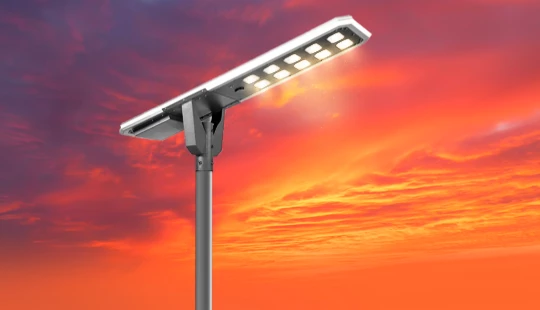
- Design: The solar panel, battery, LED lamp, and controller are all housed in a single compact unit mounted on top of the pole.
- Advantages: Simpler and faster installation, lower installation labor costs, aesthetically pleasing due to compact design. Often suitable for smaller projects, residential areas, or pathways with moderate lighting requirements.
- Disadvantages: Limited flexibility in panel orientation (must face south for optimal sun exposure), battery and panel size limitations, heat from the LED can affect battery lifespan, generally lower power output options. Potential for easier theft of the entire unit if not secured.
- Cost: Typically lower upfront cost per unit due to simpler manufacturing and installation.
- Split Solar Street Lights:
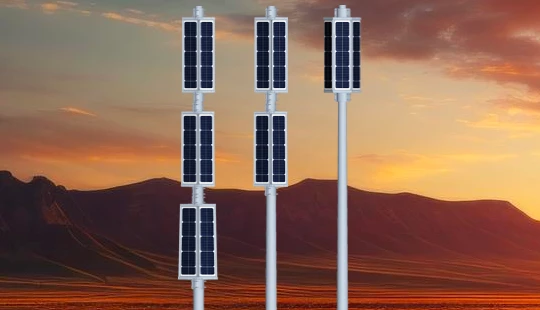
- Design: The solar panel is mounted separately (usually on top of the pole), while the battery and controller are housed at the base of the pole or on the pole itself, with the LED lamp mounted on an arm.
- Advantages: Greater flexibility in solar panel orientation to maximize sun exposure, allows for larger solar panels and battery capacities, suitable for higher power requirements (e.g., main roads, highways, industrial areas), better heat dissipation for the battery, easier battery replacement/maintenance, reduced risk of theft for valuable components (battery/controller).
- Disadvantages: More complex and time-consuming installation, higher installation labor costs, more wiring involved.
- Cost: Higher upfront cost per unit due to more components, wiring, and complex installation, but often offers superior performance and longevity for demanding applications.
Recommendation: For professional buyers focused on high-performance, long-lasting, and customizable solutions for large-scale or demanding applications, split solar street light systems are often the superior choice due to their flexibility, power capacity, and easier maintenance access.
What Key Specifications and Certifications Should Buyers Prioritize in a Solar Street Light Manufacturer?
Selecting a reliable Solar Street Light Manufacturer is paramount. Buyers should scrutinize the following:
- Product Specifications: Demand detailed datasheets for LED lumens, CCT (Correlated Color Temperature), CRI (Color Rendering Index), battery capacity (Wh), solar panel wattage, controller efficiency (MPPT vs. PWM), and IP rating (Ingress Protection, e.g., IP65/IP66 for outdoor resilience).
- Component Quality: Inquire about the brand and origin of critical components (LED chips, batteries, solar cells). Reputable brands like Philips, Cree (LEDs), BYD, CATL (batteries), Jinko, Trina (solar panels) signify quality.
- Certifications: Look for internationally recognized certifications such as:
- CE (Conformité Européenne): Indicates conformity with health, safety, and environmental protection standards for products sold within the European Economic Area.
- RoHS (Restriction of Hazardous Substances): Restricts the use of specific hazardous materials in electrical and electronic products.
- FCC (Federal Communications Commission): For electronic products sold in the United States, ensures electromagnetic compatibility.
- IP Rating: Essential for outdoor lighting (e.g., IP65 for dust-tight and protected against water jets, IP66 for strong water jets).
- ISO 9001: Certifies the manufacturer's quality management system.
- IEC (International Electrotechnical Commission) Standards: For solar panels and batteries, ensuring performance and safety.
- UL (Underwriters Laboratories): A safety certification for specific markets like North America.
- Warranty and After-Sales Support: A robust warranty (e.g., 3-5 years for the entire system, 10+ years for solar panels) and accessible technical support are indicators of a manufacturer's confidence in their product and commitment to customer satisfaction.
- Experience and Portfolio: A manufacturer with a proven track record and a diverse project portfolio demonstrates expertise and reliability.
- Customization Capabilities: The ability to tailor solutions to specific project requirements (e.g., pole height, light distribution, battery autonomy) is a significant advantage.
What is the Expected Lifespan and Maintenance Requirement of Modern Solar Street Lights?
Modern solar street lights, especially well-designed split systems using high-quality components, offer impressive longevity and reduced maintenance:
- LED Lifespan: High-quality LED luminaires are rated for 50,000 to 100,000 operational hours, translating to 10-20 years of typical night-time use.
- Battery Lifespan: LiFePO4 batteries typically last 5-10 years (or 2000-4000+ charge/discharge cycles) before significant capacity degradation, at which point replacement is usually necessary.
- Solar Panel Lifespan: Solar panels are highly durable, often carrying performance warranties of 20-25 years, guaranteeing a certain percentage of original output over that period.
- Overall System Lifespan: A well-engineered solar street light system can have an operational lifespan of 10-15 years, with battery replacement being the most common major maintenance item around the 5-7 year mark.
Maintenance Requirements:
- Minimal Routine Cleaning: Solar panels should be cleaned periodically (every 6-12 months) to remove dust, dirt, or debris that can reduce efficiency. In regions with frequent rain, this might be less frequent.
- Battery Monitoring/Replacement: As noted, batteries are the primary component requiring eventual replacement. Monitoring systems (if available) can help predict replacement needs.
- Occasional Inspection: Check for loose connections, wiring damage, or physical damage to components.
Compared to grid-tied lights requiring electricity bill payments and underground cabling maintenance, solar street lights offer significant long-term operational savings due to minimal energy costs and reduced maintenance labor.
What Are the Current Trends and Future Projections for Solar Street Light Costs?
The cost of solar street lights has been on a remarkable downward trend, and this is projected to continue, albeit with some market fluctuations:
- Falling Component Costs: The global average cost of solar PV modules has plummeted by over 90% in the past decade, with significant drops continuing in recent years. For instance, module prices continued to fall in 2023 and early 2024 due to oversupply and increased manufacturing efficiency. While battery raw material costs can see volatility, the long-term trend for LiFePO4 battery pack prices is also generally downward due to economies of scale and technological advancements. LED efficiency continues to improve, driving down the cost per lumen.
- Technological Advancements: Innovations in battery chemistry, more efficient solar cells, and smart control systems are leading to more compact, powerful, and cost-effective solutions.
- Increased Competition & Economies of Scale: A growing number of manufacturers and increased production volumes are driving down prices across the board.
- Policy and Incentives: Government incentives and policies promoting renewable energy infrastructure globally are fostering market growth and further cost reductions.
Future Cost Trend: While temporary spikes in raw material costs (like lithium or polysilicon) can occur, the overarching trend for the next 5-10 years is expected to be a continued decrease in the overall system cost of solar street lights. This makes them an increasingly attractive and financially viable option for various applications.
How Do Solar Street Lights Offer a Return on Investment (ROI) Compared to Traditional Lighting?
For professional buyers, the ROI of solar street lights is a compelling factor:
- Elimination of Electricity Bills: This is the most significant saving. Solar street lights are entirely self-sufficient, drawing power from the sun, thus eliminating recurring electricity costs.
- Reduced Installation Costs (Long-Term): While the upfront cost of a split solar street light might be higher than a traditional light, it eliminates the need for trenching, wiring, and connecting to the grid, which can be extremely expensive, especially in remote or undeveloped areas. For large projects, these civil works savings can be substantial.
- Lower Maintenance: As discussed, solar street lights require less frequent maintenance compared to traditional lights that might suffer from grid power fluctuations or require extensive troubleshooting of underground cables.
- Environmental Benefits: Reduced carbon footprint contributes to corporate social responsibility goals and compliance with environmental regulations.
- Increased Safety and Reliability: Independent operation means they are unaffected by grid outages, providing consistent lighting and enhanced safety, which has indirect economic benefits.
- Government Incentives: Various regions offer tax credits, grants, or subsidies for renewable energy projects, further improving ROI.
The payback period for a solar street light system can vary widely depending on location (sunlight hours), electricity costs, and system specifications, but often ranges from 3 to 7 years. After this period, the lighting operates virtually free.
What Are Common Challenges in Deploying Solar Street Lights and How Can They Be Mitigated?
While advantageous, deploying solar street lights can present challenges. Professional buyers should be aware of these and plan mitigation strategies:
- Insufficient Sunlight: Not all locations receive adequate solar irradiance, especially in high-latitude regions or areas with persistent heavy cloud cover.
- Mitigation: Conduct a detailed solar irradiance study for the specific site. Choose systems with larger solar panels and battery capacities to provide longer autonomy days. Opt for split systems that allow for optimal panel angling.
- Battery Degradation/Failure: Batteries are the most common point of failure and require eventual replacement.
- Mitigation: Select high-quality LiFePO4 batteries from reputable manufacturers. Ensure the system's charge controller protects against overcharging and deep discharging. Plan for battery replacement costs and ensure easy access for servicing.
- Theft/Vandalism: Components, especially batteries and solar panels, can be targets.
- Mitigation: For split systems, place batteries in anti-theft enclosures at the base of the pole. Use tamper-proof bolts and robust mounting structures. Consider remote monitoring systems with alerts.
- Dust, Dirt, and Snow Accumulation on Panels: Reduces solar panel efficiency.
- Mitigation: Implement a routine cleaning schedule. Design the panel angle to naturally shed snow and promote self-cleaning with rain.
- Improper Sizing: Under-sizing the system can lead to insufficient lighting or premature battery failure.
- Mitigation: Work with experienced manufacturers to accurately calculate system requirements based on lighting needs, local solar insolation data, and desired autonomy days.
Queneng Lighting: Your Partner in Sustainable Illumination
At Queneng Lighting, we understand the intricate demands of the solar street lighting industry. Our commitment to excellence, innovation, and customer satisfaction positions us as a leading manufacturer of high-quality, reliable, and efficient solar lighting solutions. We specialize in both All-in-One and advanced Split Solar Street Light systems, meticulously designed to meet the diverse needs of projects worldwide. Our advantages include:
- Expertise in Split Solar Systems: We excel in designing and manufacturing robust split solar street lights, offering superior power output, flexible installation, and enhanced longevity for demanding applications.
- High Quality Component Sourcing: We utilize top-tier components, including high-efficiency monocrystalline solar panels, long-life LiFePO4 batteries, and smart MPPT controllers, ensuring peak performance and durability.
- Comprehensive Certifications: Our products meet international standards, including CE, RoHS, FCC, and boast high IP ratings, assuring quality and compliance.
- Customization and Engineering Support: Queneng Lighting provides tailored solutions, working closely with clients to optimize designs for specific environmental conditions and lighting requirements.
- Exceptional Warranty and After-Sales Service: We stand by our products with competitive warranties and dedicated technical support, ensuring peace of mind for your long-term investment.
Choosing Queneng Lighting means choosing a partner committed to delivering sustainable, high-performance lighting solutions that illuminate the future efficiently and reliably.
References
- IRENA (International Renewable Energy Agency) – Renewable Power Generation Costs in 2022 (Published 2023, data often updated annually). https://www.irena.org/
- BloombergNEF (BNEF) – Solar, Battery, and Wind Cost Trends (Various reports, generally updated quarterly/annually). Access usually requires subscription, but general trends are widely reported in industry news.
- PV-Tech – News and analysis on solar PV module pricing and market trends (e.g., reports on module price declines in 2023-2024). https://www.pv-tech.org/
- Solar Energy Industries Association (SEIA) – Solar Market Insight Reports (Updates on solar market growth and cost trends in the US, broadly reflective of global trends). https://www.seia.org/
- Manufacturers' technical datasheets and product specifications for components like LEDs (Cree, Philips), batteries (CATL, BYD), and solar panels (Jinko Solar, Trina Solar).
- Specific component lifespan data from major manufacturers of LiFePO4 batteries (e.g., CATL, Gotion High-Tech).

Have more questions about our products or services?
The latest hot news you might like

Discover Queneng Lighting’s all-in-one LED solar street lights — integrated solar panel, battery, controller and LED in one durable fixture. Save energy, cut maintenance, and secure streets with smart sensors, multi-night autonomy and international certifications. Contact sales for quotes and support.

Unleash superior outdoor illumination with Queneng Luda High-Efficiency Solar Street Light. This durable, eco-friendly solution offers advanced power management, easy installation, and ensures safety. Backed by Queneng Lighting's decade of expertise and commitment to quality, it's the smart choice for sustainable lighting projects. Learn why we're a leading solar solutions provider.

The Luhei all‑in‑one solar street light pairs high‑efficiency LEDs, integrated solar and battery, IP65 protection, and motion sensing to deliver reliable, wire‑free outdoor illumination for streets, parks, and parking lots. Backed by Queneng Lighting’s certifications and support.

FAQ
Transportation and Highways
What is the expected lifespan of the solar lighting system?
The solar panels typically last over 25 years, while the LED lights have a lifespan of 50,000+ hours. Batteries usually require replacement after 5-7 years of use.
Solar Street Light Lulin
What makes Lulin solar street lights high-performance and energy-saving?
Lulin solar street lights are designed with high-efficiency solar panels and cutting-edge LED technology, providing optimal brightness with minimal energy consumption. The LED lights consume less power while offering superior illumination, and the solar panels capture and store sunlight efficiently, ensuring the lights perform well even in low sunlight conditions.
Solar Street Light Chuanqi
How do Chuanqi solar street lights differ from traditional street lights?
Chuanqi solar street lights are powered by solar energy, making them a sustainable and eco-friendly alternative to traditional street lights that rely on the electrical grid. They use energy-efficient LED technology that reduces electricity consumption while providing reliable, bright lighting. Unlike traditional lights, Chuanqi solar street lights operate independently of the grid, reducing installation costs and maintenance.
Sustainability
If the light or battery fails, can it be replaced individually?
Yes. Queneng’s solar street lights are designed with a modular structure, so components such as photovoltaic panels, batteries, lights, and controllers can be replaced individually, making maintenance convenient and cost-effective.
Do Queneng solar street lights require a power connection?
No, our solar street lights operate independently of the power grid. They rely entirely on photovoltaic panels that charge the built-in battery, making an electrical connection unnecessary.
Solar Street Light Luqing
How long does the solar street light last?
The lifespan of a solar street light depends on the quality of the components, but typically, the solar panels can last up to 25 years, and the LED lights last 50,000 hours or more. The battery generally lasts between 3-5 years, after which it may need to be replaced.
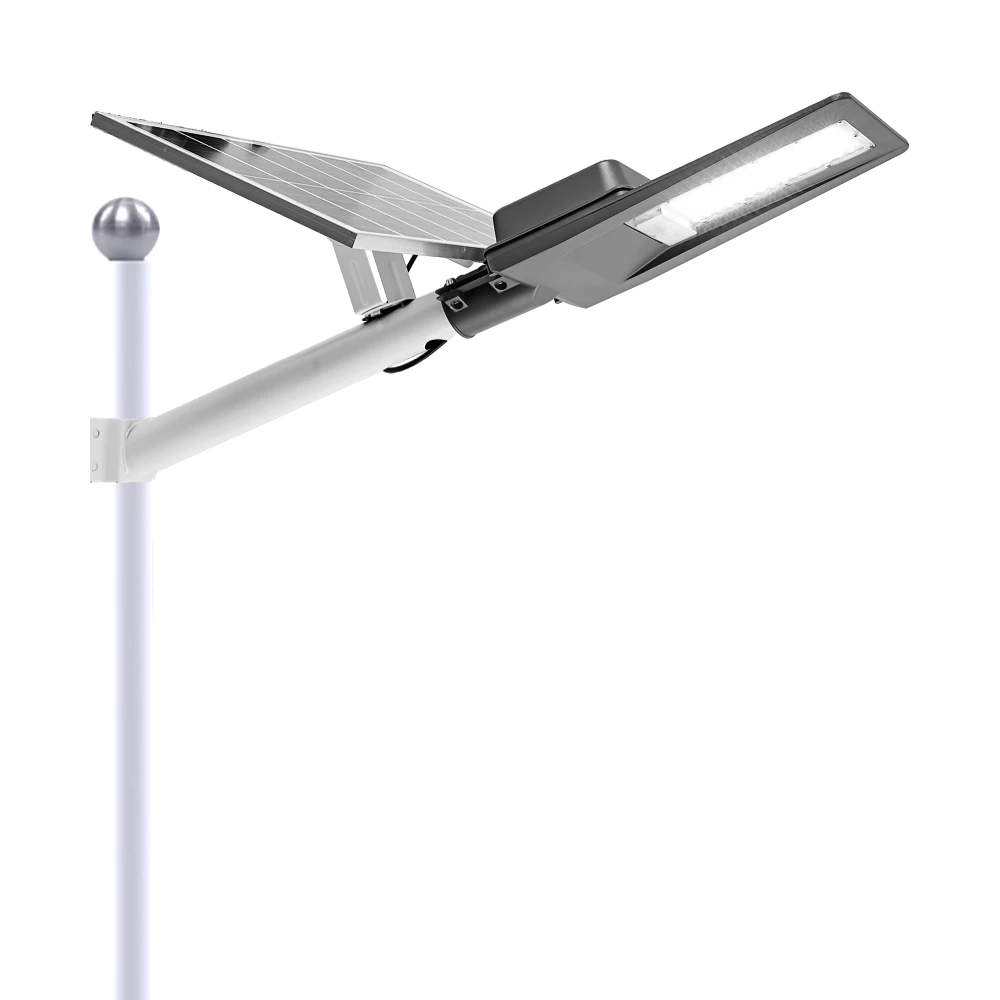
Experience reliable outdoor illumination with our smart solar street light, a perfect combination of advanced technology and eco-conscious design.
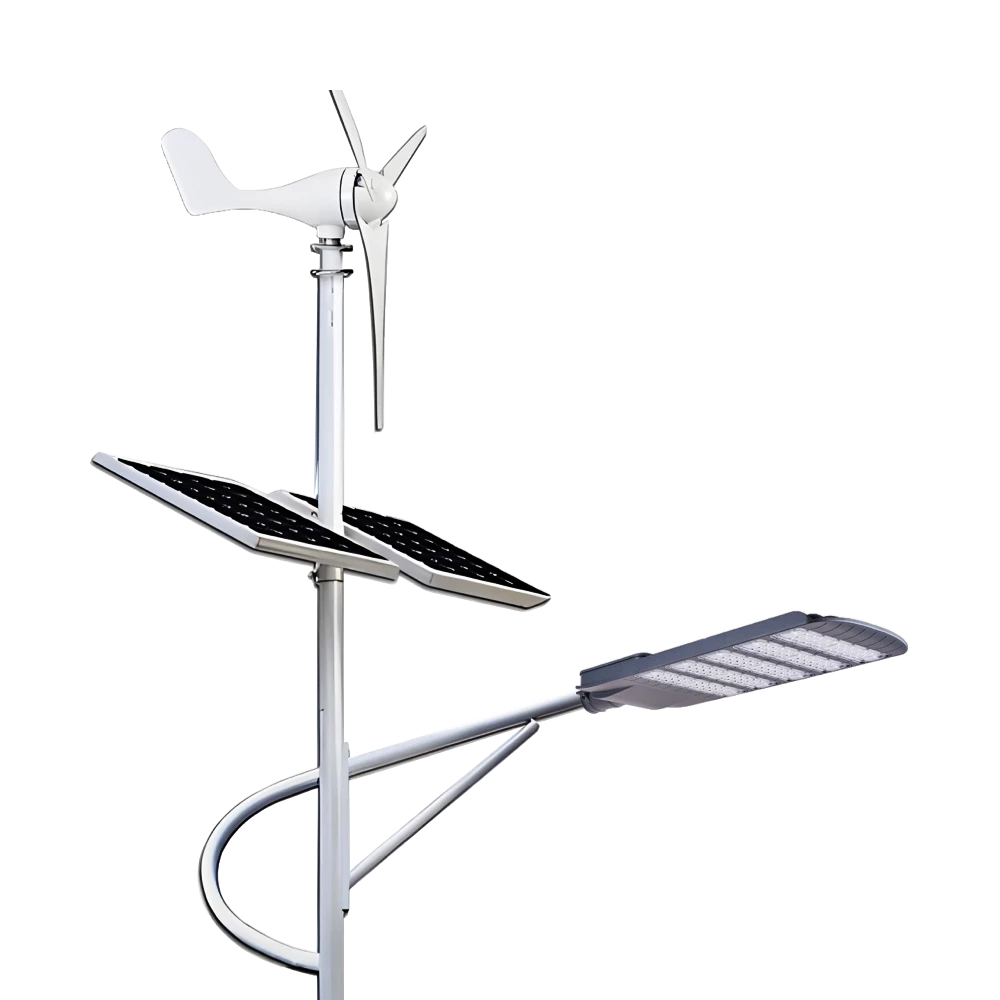
Queneng Lufeng Wind Energy LED Outdoor Solar Street Lights offer high-performance, eco-friendly illumination. These energy-efficient LED street lights harness solar power and wind energy for sustainable, cost-effective outdoor lighting solutions.
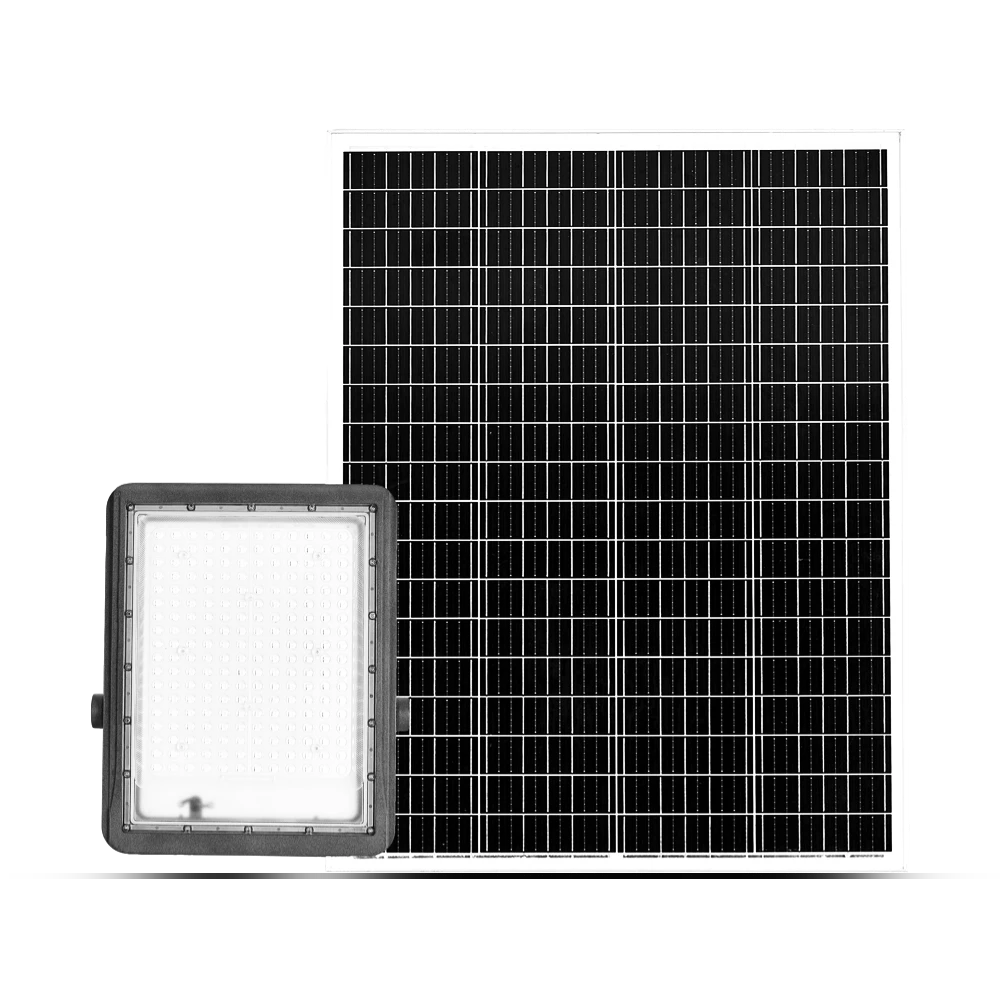
Queneng's Luxian Reliable Solar Street Light offers energy-saving LED lighting for outdoor use. This durable, solar-powered street light provides reliable illumination, reducing energy costs and environmental impact. A perfect solution for sustainable outdoor lighting.
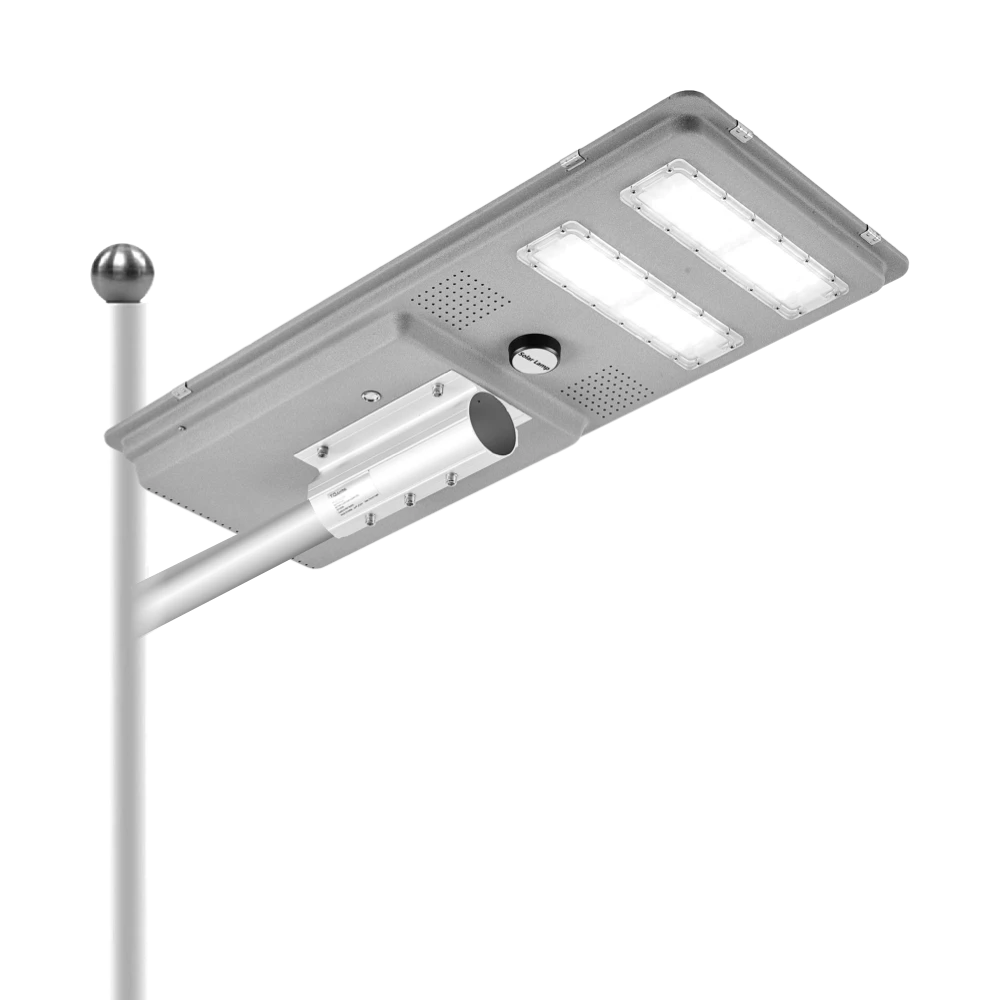
Queneng’s Solar Street Lights are designed to provide reliable, energy-efficient lighting for streets, parks, and other outdoor spaces.
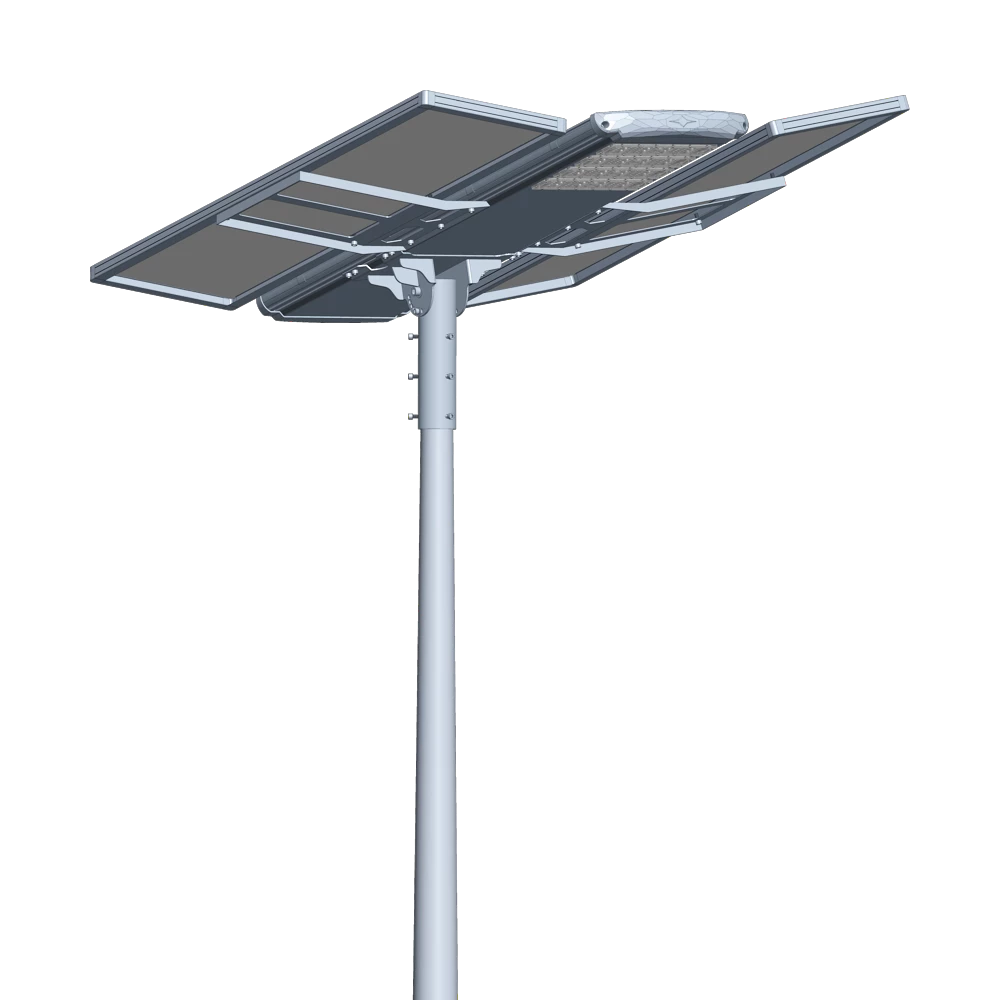
Introducing the Luqing Solar Street Light by Queneng, Efficient LED lighting powered by solar energy is perfect for illuminating outdoor areas. Harness the power of solar energy for sustainable, reliable street lighting. Ideal for eco-friendly, cost-effective outdoor illumination solutions.
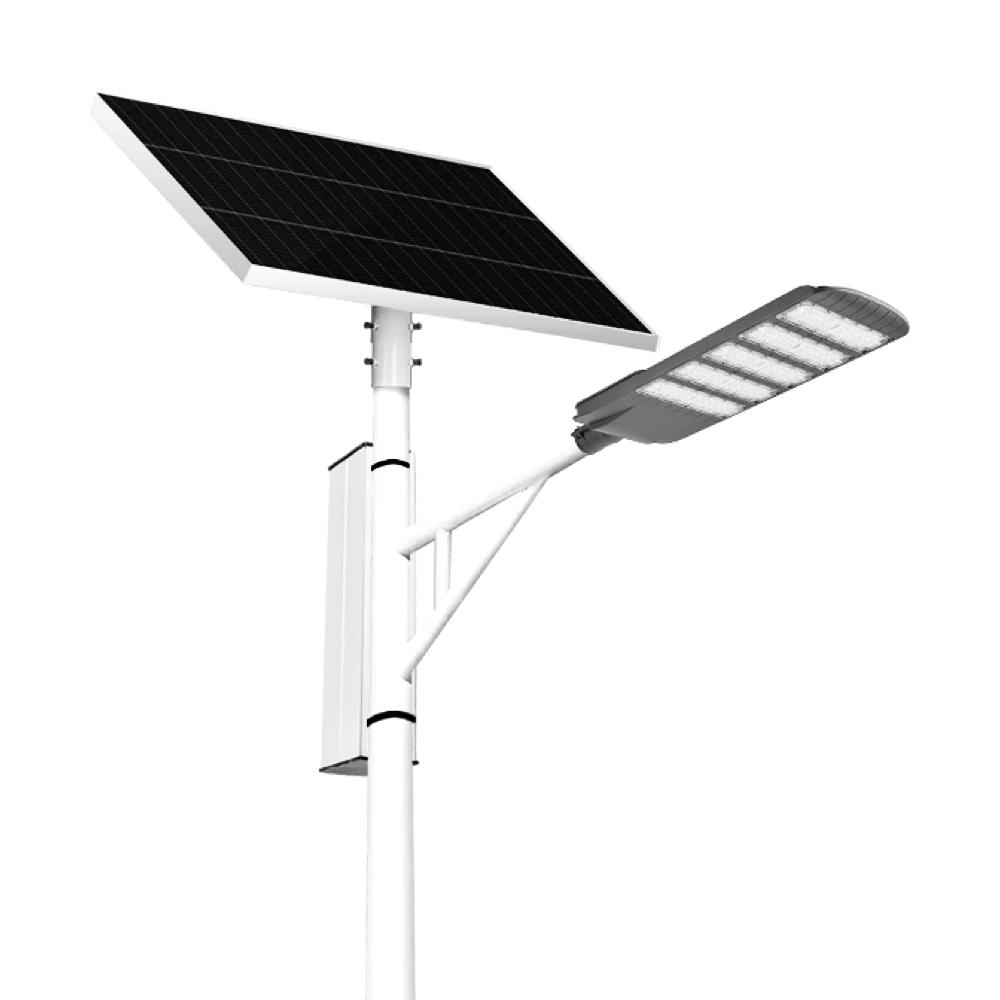
The Solar Streetlights of Luhao for Municipalities are designed to deliver reliable, energy-efficient, and cost-effective public lighting solutions. Equipped with advanced LED technology, durable lithium batteries, and high-efficiency solar panels, these streetlights provide consistent illumination for roads, parks, residential areas, and government projects.
If you would like more information about Queneng solar lighting solutions, please send us a message by filling out the form below. Our professional team will get back to you within 24 hours!
Rest assured that your privacy is important to us, and all information provided will be handled with the utmost confidentiality.
Schedule a Meeting
Book a date and time that is convenient for you and conduct the session in advance.
Have more questions about our products or services?
The messenger of light & power conversion
Environmental protection and intelligent manufacturing are our brand philosophy, and quality assurance and the best user experience are our eternal promises to users.
CONTACT
No.9F, Building F, Cao San Xin Tian Hong Logistics Park, Guzhen Town, Zhongshan City, Guangdong Province, China.
or write [email protected]
WhatsApp: +86 136 2270 1011


