













2026 Cost of Solar Street Light: Complete Pricing Guide & ROI Analysis
A comprehensive 2026 guide to solar street light pricing. Covers commercial installation costs, LiFePO₄ battery trends, smart IoT features, and a detailed ROI comparison against traditional grid lighting.
How much does a solar street light cost in 2026?
Commercial-grade solar street lights in 2026 typically range from $800 to $3,500 per unit, with pricing heavily dependent on battery capacity and pole height. Integrated "All-in-One" models for parking lots generally cost between $600 and $1,800, while high-output split systems designed for highways or major roadways range from $2,000 to $5,000.
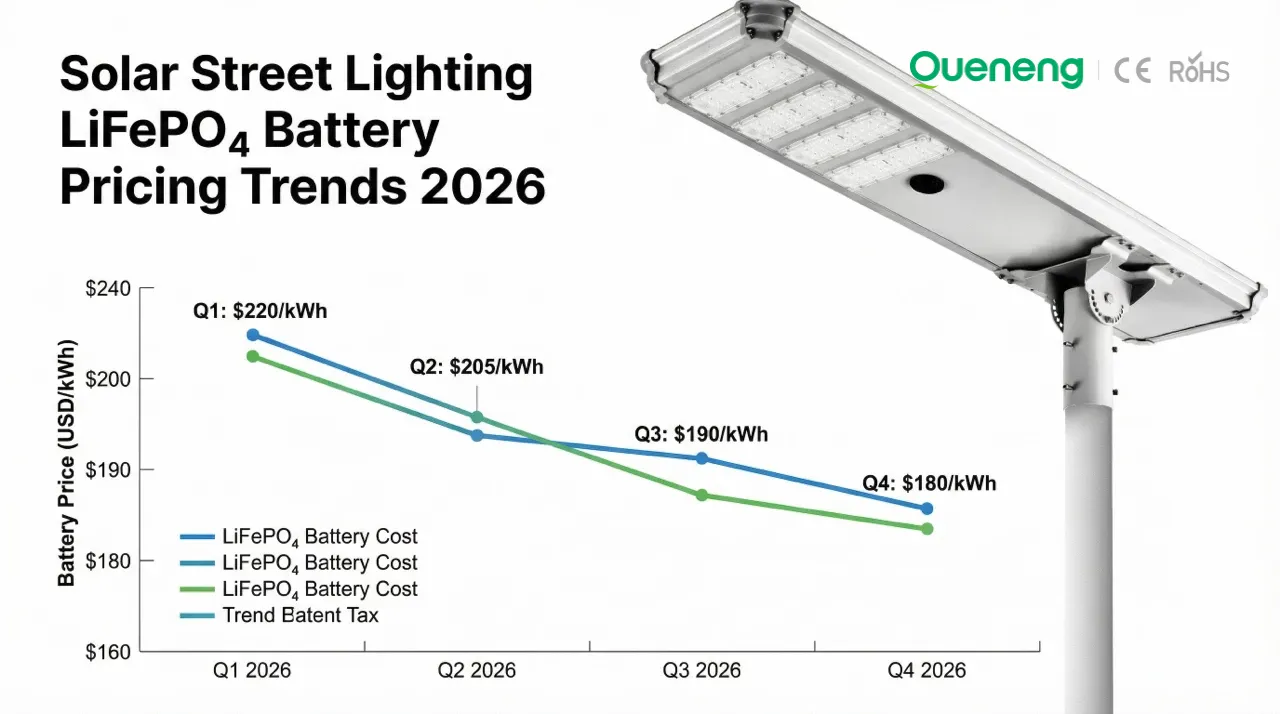
While global logistics costs have fluctuated, the overall hardware price has stabilized due to significant efficiencies in LiFePO₄ battery pricing trends 2026. Manufacturers have optimized production, allowing for higher energy density at lower price points. However, project managers must distinguish between the initial sticker price and the "total installed cost," which is often where solar gains its competitive edge over traditional lighting.
Factors Influencing Price
- Wattage & Lumen Output: Higher brightness requires larger solar panels and batteries.
- Battery Technology: Advanced LiFePO4 or emerging Sodium-ion units cost more than standard Lithium-ion but offer 3x the lifespan.
- Smart Features: IoT controllers for remote monitoring add upfront cost but reduce long-term maintenance.
- Pole Specifications: Wind-load ratings significantly impact the cost of galvanized steel poles.
Quick Summary: Key Takeaways for Project Managers
For most commercial projects, the initial investment in solar is 20-40% higher than traditional lights, but the elimination of trenching and utility bills results in a payback period of just 3-5 years. This "front-loaded" cost structure is the primary hurdle for budget approval, yet the long-term math is undeniable.
At GuangDong Queneng Lighting Technology Co., Ltd., we have analyzed data from over a decade of installations. Since our founding in 2013, we have observed that clients who prioritize high-cycle batteries see their ROI accelerate significantly after year five, as they avoid the replacement costs that plague cheaper retail-grade units.
Why Solar Wins on Total Value
- Installation Savings: Commercial solar lighting installation costs are approximately 50% lower than grid-tied lights because there is no need for trenching, cabling, or transformers.
- Longevity: Modern LiFePO4 batteries now reach 10-12 year lifespans, aligning closely with LED fixture life.
- Maintenance Reduction: Smart solar street light IoT integration allows for remote diagnostics, reducing truck rolls by up to 30%.
Detailed Component Pricing Breakdown
The most expensive component in a high-quality system is the battery assembly, often accounting for 30-40% of the total fixture cost. Understanding these component-level costs helps in verifying quotes and avoiding under-specced equipment.
According to recent market analysis, component pricing for 2026 breaks down as follows:
- High-Efficiency Solar Panels (Mono-PERC/N-Type): $150 – $450
- Look for efficiency ratings above 21% to minimize wind load on the pole.
- Battery Storage (LiFePO4): $300 – $1,200
- Prices have dropped to roughly $80-$105 per kWh, but high-grade packs with thermal management command a premium.
- LED Fixtures (>180lm/W): $100 – $500
- Focus on heat dissipation quality (heatsink weight) rather than just wattage.
- Smart MPPT Controllers & IoT Modules: $50 – $250
- Essential for complex dimming profiles and battery health monitoring.
- Galvanized Steel Poles: $200 – $800
- Costs vary wildly based on height (6m-12m) and required wind resistance (e.g., hurricane-rated zones).
Installation and Soft Costs: The Hidden Expenses
While solar eliminates electrical trenching, you must still budget for foundation work and mechanical assembly, which typically costs $300 to $800 per pole depending on site conditions. This is significantly less than the $3,000+ per pole often required for trenching grid power in developed urban areas.
Soft costs are often overlooked but critical for accurate budgeting:
- Site Preparation & Foundations: $100 - $300 per pole. Concrete bases must be cured before pole erection.
- Labor & Equipment: $200 - $500 per unit. All-in-One designs are cheaper to install as they require less assembly time aloft.
- Shipping & Logistics: Adds 5-12% to the project cost. Global shipping volatility remains a factor in 2026.
- Permitting: 2-5% of budget. Municipal engineering fees for wind-load verification.
Expert Tips: Off-Grid Lighting Project-Grade vs Retail-Grade
The most common scam in the solar lighting industry is the mislabeling of battery capacity and LED wattage, where "retail-grade" units deliver only 20% of their promised performance. A true project-grade light is built to survive 3-5 days of cloudy weather (autonomy), whereas retail units often fail after a single overcast day.
As a designated supplier for major listed companies, Queneng Lighting emphasizes the importance of verifying specifications. Our R&D team utilizes strict quality control systems (ISO 9001 certified) to ensure that a "100W" light actually delivers the necessary lumens and battery backup.
How to Spot Low-Quality Units
- Check Battery Cycles: Off-grid lighting project-grade vs retail-grade is defined by cycle life. Demand LiFePO4 cells with 3,000-6,000 cycles. Retail units often use recycled cells with <1,000 cycles.
- Verify Autonomy: Ask for a "autonomy report" showing performance after 3 days of no sun.
- Material Quality: Insist on Q235 galvanized steel or 6063 aluminum. Cheap plastic or thin recycled metals will corrode or buckle.
- The Wattage Trap: Ignore "LED Power." Ask for "System Power" and IES photometric files to simulate actual ground coverage.
2026-2030 Future Trends: Why Prices are Evolving
The integration of AI-driven sensors and bifacial solar panels is set to increase initial hardware costs slightly while drastically improving energy harvest and operational efficiency. These technologies are moving from niche pilots to standard commercial specifications.
- AI-Driven Dimming: Sensors now predict pedestrian traffic flow, adjusting light output dynamically to extend battery life by up to 40%.
- Bifacial Panels: These collect reflected light from the ground (albedo), increasing energy generation by 10-20%, especially in snowy or sandy locations.
- Carbon Credit Offsets: By 2026, more commercial projects are leveraging carbon trading platforms to offset up to 15% of initial costs.
- Battery-as-a-Service: New models are emerging where manufacturers offer battery swap subscriptions, lowering upfront CapEx.
-
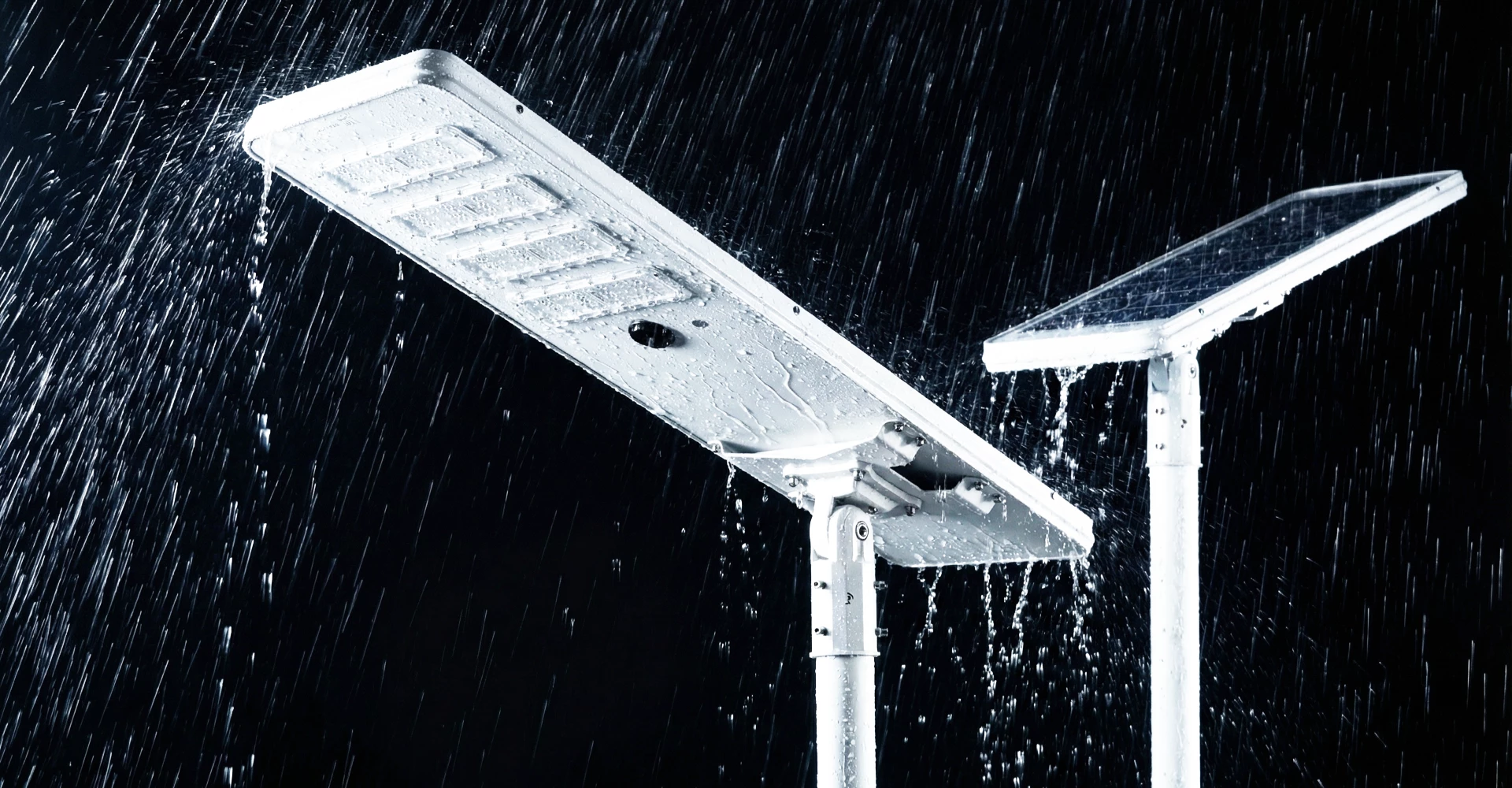
Solar vs Traditional Street Light ROI Calculator
When running a solar vs traditional street light ROI calculator, solar typically breaks even in year 4, followed by 15+ years of pure savings on energy and maintenance.
10-Year Cost Comparison (Per 100 Units)
| Cost Category | Traditional Grid Light | Solar Street Light |
|---|---|---|
| Hardware Cost | $150,000 | $250,000 |
| Installation (Trenching) | $300,000 | $50,000 |
| Electricity (10 Years) | $120,000 | $0 |
| Maintenance | $20,000 | $30,000 (Battery Swap) |
| Total 10-Year Cost | $590,000 | $330,000 |
Data reflects average North American installation rates and utility prices.
Frequently Asked Questions (FAQ)
What is the price difference between All-in-One and Split solar street lights?
All-in-One units are generally 15-25% cheaper due to lower manufacturing complexity and easier installation. However, Split systems offer superior performance for high-latitude regions or high-wattage highway applications where independent panel orientation is critical.
How much do you save by switching to solar street lights?
Owners typically save $3,000 - $8,000 per pole in upfront trenching and wiring costs compared to grid lighting. Additionally, the elimination of monthly utility bills saves thousands over the system's 20-25 year lifespan.
Do solar street lights require maintenance?
Yes, but it is minimal. Solar panels require cleaning every 6-12 months in dusty environments to maintain peak efficiency. Batteries in high-quality systems generally need replacement once every 10-12 years.
What is the ROI on solar street lighting for a commercial project?
The average Return on Investment (ROI) is achieved within 3 to 5 years. This rapid payback is driven by the avoidance of costly electrical infrastructure, utility fees, and reduced installation labor.
Are there government rebates for solar street lights in 2026?
Yes, many regions continue to offer incentives, such as the 30% Investment Tax Credit (ITC) in the US or local green infrastructure grants. Energy efficiency certificates (white certificates) can also be sold in some markets to recover capital.
How do weather conditions affect the price of a system?
Extreme climates increase costs. Colder regions may require Low-Temp LiFePO4 or Sodium-ion batteries (adding ~15% to cost), while high-wind zones necessitate reinforced poles and larger concrete foundations.
What is the cost of a 100W solar street light?
A commercial-grade 100W unit typically costs between $950 and $1,400. Buyers should be wary of units priced below $400, as they likely lack the battery capacity required for reliable all-night operation.
Does the pole height affect the total cost significantly?
Yes. Increasing pole height from 6 meters to 8 meters can raise the pole and foundation cost by 30-50%. Taller poles require thicker steel gauges to withstand increased wind loads at elevation.
References

Have more questions about our products or services?
The latest hot news you might like

Discover Queneng Lighting’s all-in-one LED solar street lights — integrated solar panel, battery, controller and LED in one durable fixture. Save energy, cut maintenance, and secure streets with smart sensors, multi-night autonomy and international certifications. Contact sales for quotes and support.

Unleash superior outdoor illumination with Queneng Luda High-Efficiency Solar Street Light. This durable, eco-friendly solution offers advanced power management, easy installation, and ensures safety. Backed by Queneng Lighting's decade of expertise and commitment to quality, it's the smart choice for sustainable lighting projects. Learn why we're a leading solar solutions provider.

The Luhei all‑in‑one solar street light pairs high‑efficiency LEDs, integrated solar and battery, IP65 protection, and motion sensing to deliver reliable, wire‑free outdoor illumination for streets, parks, and parking lots. Backed by Queneng Lighting’s certifications and support.

FAQ
Solar Street Light Luqing
What kind of battery is used in Luqing solar street lights?
Luqing solar street lights typically use lithium-ion batteries, known for their efficiency, long life, and ability to handle high numbers of charge cycles compared to other battery types like lead-acid.
Sustainability
Can Queneng solar street lights operate in all weather conditions?
Yes, our solar street lights are equipped with high-efficiency photovoltaic panels and intelligent control systems, enabling them to operate even in cloudy or low-light conditions. The battery can store enough energy to provide lighting for several days during extended periods of cloudy weather.
Solar Street Light Luan
Are Luan solar street lights weatherproof?
Yes, Luan solar street lights are designed to withstand a variety of weather conditions. They are built with weather-resistant materials that can endure rain, snow, high winds, and extreme temperatures. This ensures they can provide consistent performance year-round, even in harsh climates.
Transportation and Highways
Are there options for aesthetic customization to match the local environment?
Yes, we offer customizable pole designs, color finishes, and lighting styles to blend seamlessly with the surrounding environment.
APMS system
What should I do if I encounter a system malfunction?
QUENENG offers 24-hour remote technical support, allowing clients to contact the after-sales team at any time for assistance. The system also includes intelligent self-diagnosis capabilities to detect and alert potential issues automatically.
How is the ultra-low temperature control function of the APMS system achieved?
The APMS system uses a specially designed control module that maintains stable operation at extremely low temperatures, ensuring reliability even at -50°C.
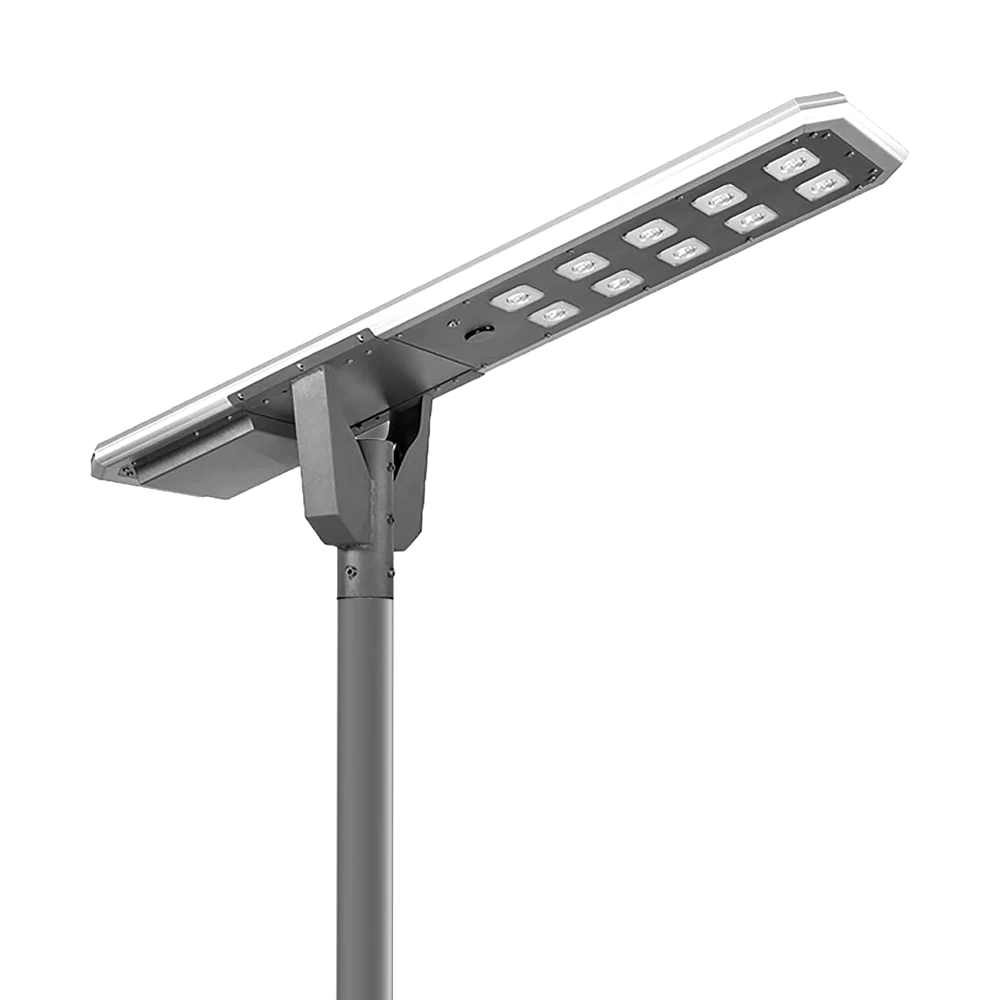
Illuminate your outdoor spaces with the Solar Street Light, a cutting-edge solution combining advanced solar technology and energy-saving LED lighting.
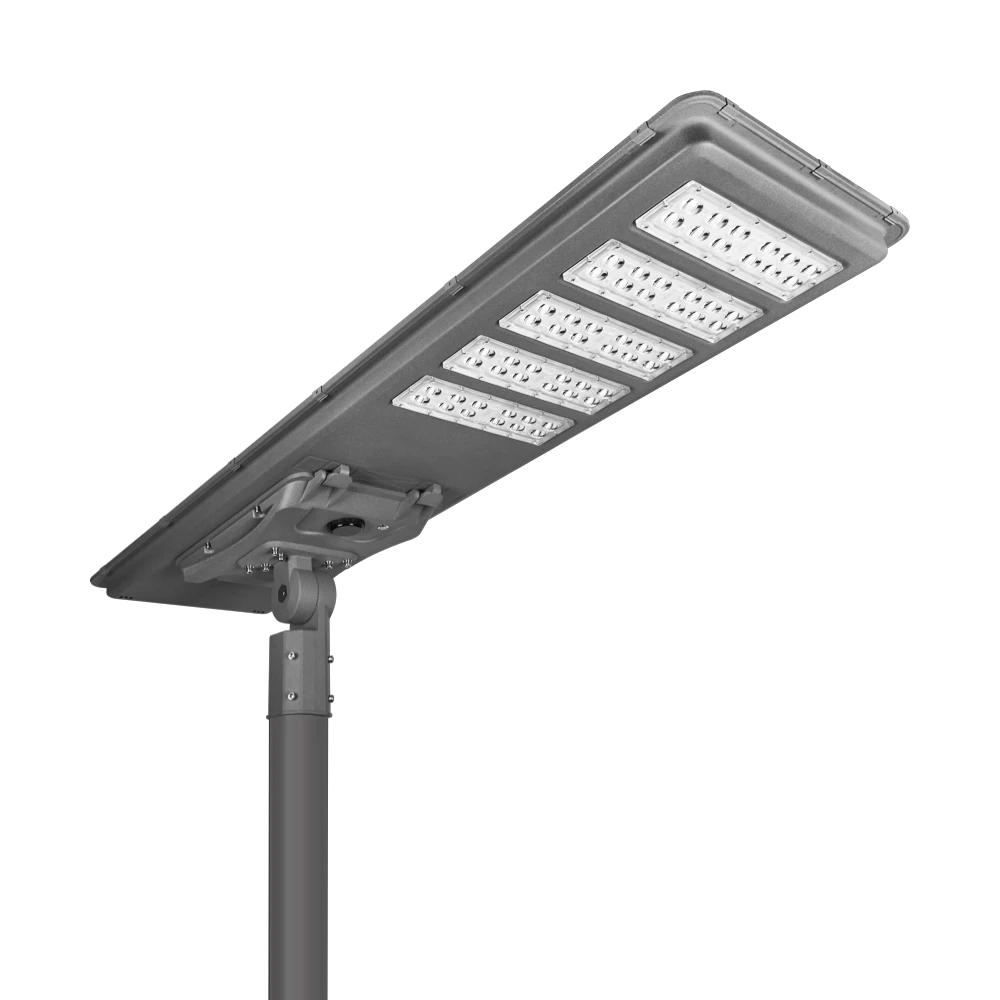
Discover the Lulin High-Performance Solar Street Light by Queneng, a durable and energy-saving outdoor lighting solution. Designed for efficiency and reliability, it harnesses solar power to sustainably illuminate streets and pathways. Optimize your outdoor spaces today with Queneng's innovative solar street lighting technology.
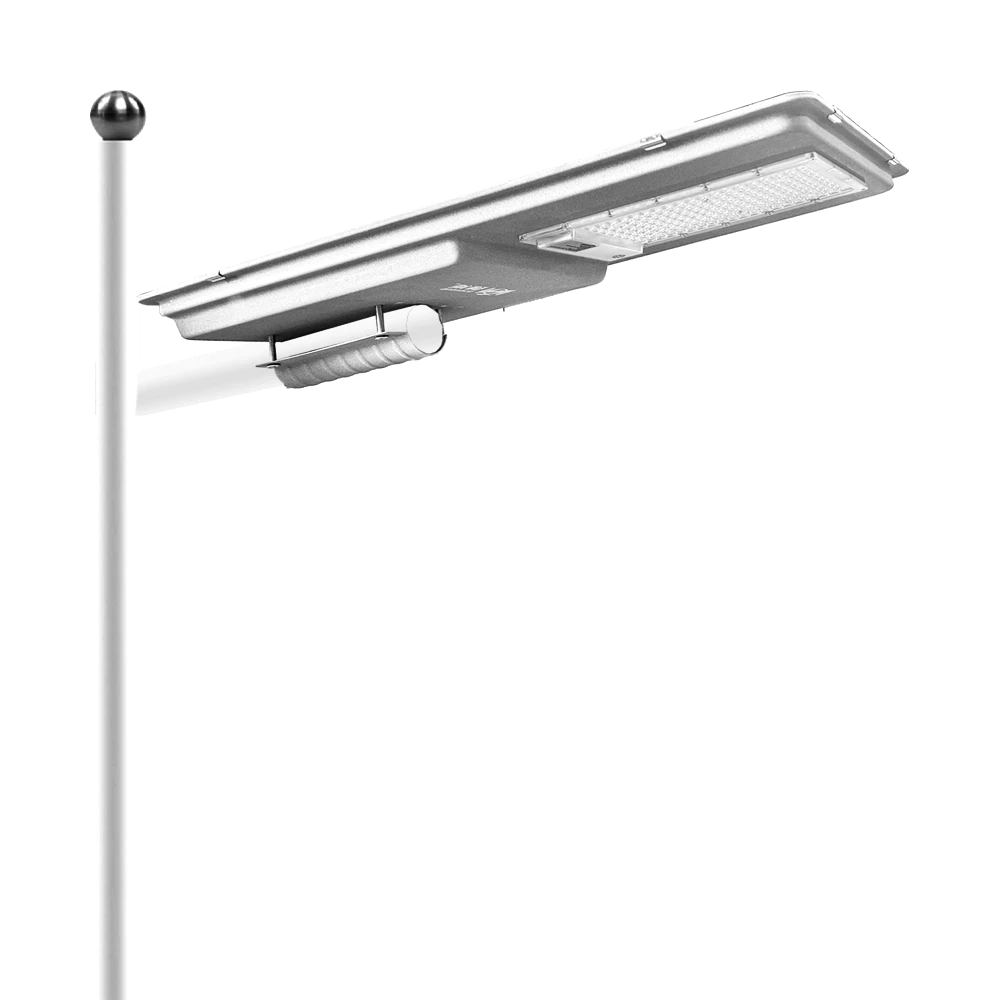
Queneng's Lufa high-efficiency solar LED street lights illuminate urban and commercial spaces brilliantly. These commercial solar LED street lights offer superior energy savings and reliable performance, making them an ideal sustainable lighting solution.

Lubai is an integrated solar street light designed for stable, long‑term outdoor lighting in off‑grid and weak‑grid areas. Combining a high‑efficiency solar panel, LiFePO₄ battery, and intelligent motion sensing, Lubai delivers reliable illumination with low maintenance and fast installation.
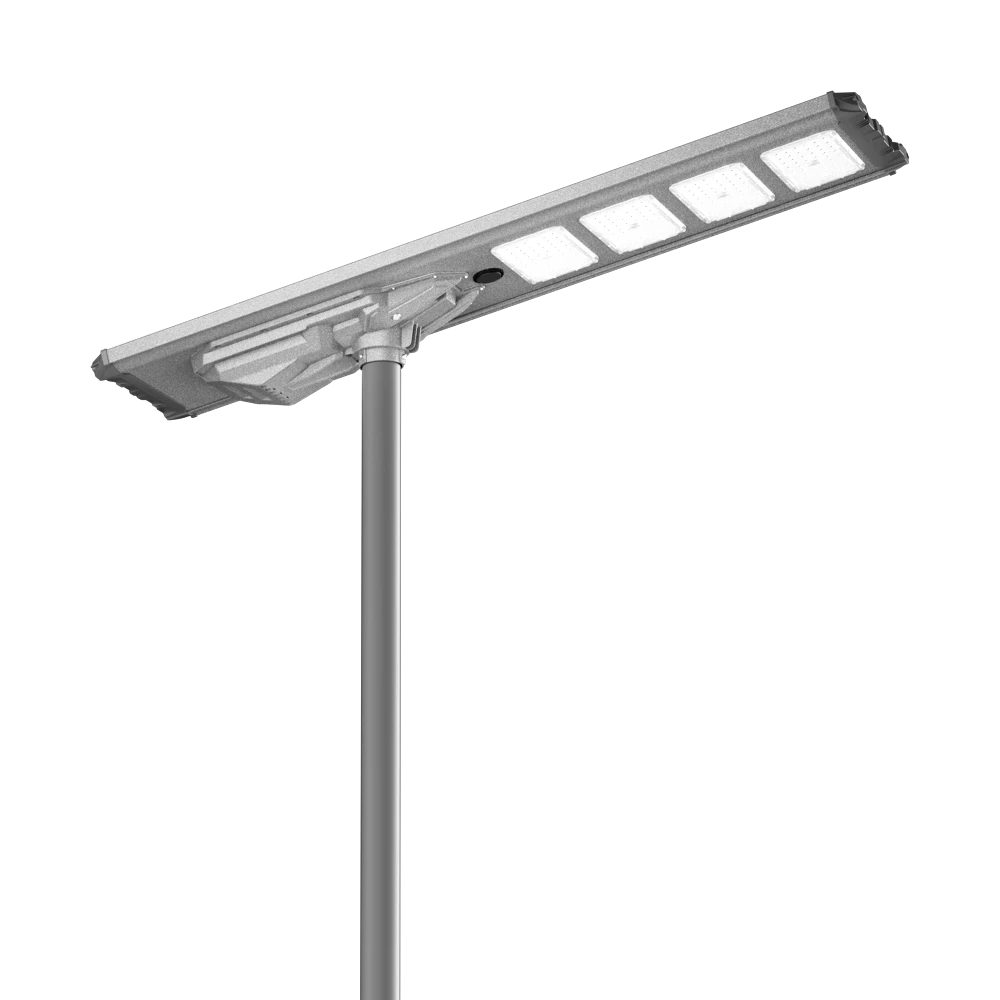
Queneng's Lufei Solar Street Light offers durable, energy-efficient outdoor lighting solutions. This solar-powered street light provides reliable illumination, reducing energy costs and environmental impact. Ideal for outdoor spaces, Lufei ensures safety and security.
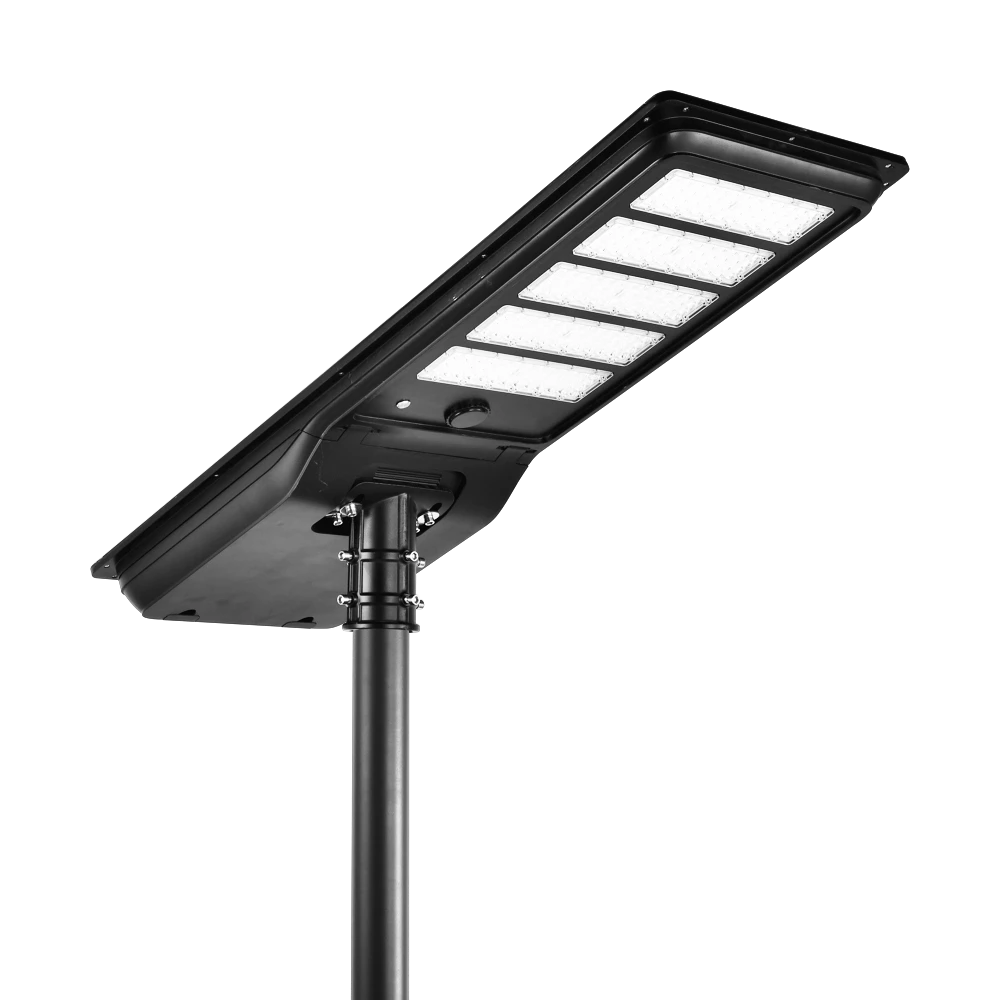
High-efficiency all-in-one solar street light with a monocrystalline solar panel and LiFePO₄ battery. Delivers brighter illumination, wider outdoor coverage, and safer lighting performance for streets and public areas.
If you would like more information about Queneng solar lighting solutions, please send us a message by filling out the form below. Our professional team will get back to you within 24 hours!
Rest assured that your privacy is important to us, and all information provided will be handled with the utmost confidentiality.
Schedule a Meeting
Book a date and time that is convenient for you and conduct the session in advance.
Have more questions about our products or services?
The messenger of light & power conversion
Environmental protection and intelligent manufacturing are our brand philosophy, and quality assurance and the best user experience are our eternal promises to users.
CONTACT
No.9F, Building F, Cao San Xin Tian Hong Logistics Park, Guzhen Town, Zhongshan City, Guangdong Province, China.
or write [email protected]
WhatsApp: +86 136 2270 1011


