












How to get a competitive quote from a reputable manufacturer?
Navigating the World of Solar Street Lights: Costs, Choices, and Competitive Quotes
The global demand for sustainable and energy-efficient lighting solutions continues to soar, making solar street lights an increasingly popular choice for municipalities, developers, and businesses worldwide. However, purchasing these advanced systems requires a clear understanding of market dynamics, technical specifications, and manufacturer credibility. This guide will walk you through the essential knowledge needed to make informed decisions, focusing on split solar street light systems and how to secure the best value.
What is the Average Cost of Solar Street Lights, and What Factors Drive It?
The ‘cost of solar street light’ is not a single figure but a spectrum, ranging from a few hundred to several thousand US dollars per unit. The price largely depends on the system's power output (wattage), component quality, design, and included features. For instance, a basic 30W all-in-one solar street light might cost between $200-$500, while a high-power 120W split solar street light system, designed for heavy-duty applications with a taller pole and extended autonomy, could range from $1000-$3000 or more per unit. Factors influencing this cost include:
- LED Lumens/Wattage: Higher lumen output for brighter illumination requires more powerful LEDs, increasing cost.
- Battery Capacity: The capacity (Wh or Ah) of the LiFePO4 battery determines autonomy days (how long the light can operate without sunlight). Larger capacity means higher cost.
- Solar Panel Wattage: The panel's power (Wp) and efficiency dictate how quickly the battery recharges. High-efficiency monocrystalline panels with higher wattage are more expensive but perform better.
- Controller Type: MPPT (Maximum Power Point Tracking) controllers are more efficient than PWM (Pulse Width Modulation) controllers, leading to better energy harvesting but at a slightly higher cost.
- Pole Height & Material: Taller, robust poles (e.g., galvanized steel, tapered) suitable for higher wind loads add significantly to the overall cost.
- Smart Features: Motion sensors, dimming capabilities, IoT integration, and remote monitoring systems increase sophistication and price.
- Brand & Warranty: Reputable manufacturers offering longer warranties and proven performance often command a High Quality.
All-in-One vs. Split Solar Street Lights: Which System is Right for Your Project?
Understanding the difference between these two main types is crucial for making the right choice, especially for professional procurement:
All-in-One Solar Street Lights:
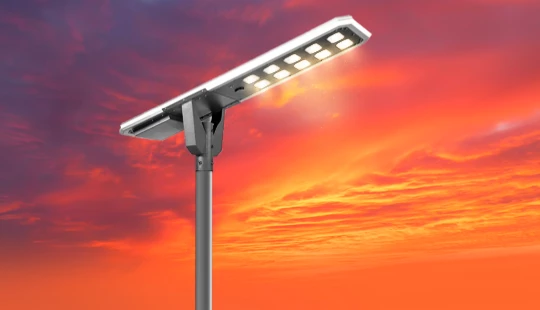
- Pros: Compact design, easy and quick installation, lower initial labor cost, aesthetically pleasing for some applications.
- Cons: Limited battery and solar panel size (constraints on power output and autonomy), battery is exposed to higher temperatures (mounted with the lamp head), less flexibility for solar panel orientation.
- Best for: Residential streets, parks, small commercial areas, where moderate lighting and ease of installation are priorities.
Split Solar Street Lights:
- Pros:
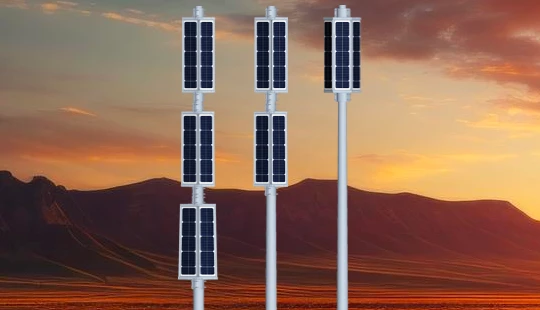
- Greater Flexibility: The solar panel, battery, and lamp head are separate components. This allows the solar panel to be mounted optimally (e.g., facing south in the northern hemisphere) for maximum sun exposure, regardless of the light fixture's orientation.
- Larger Capacity: Accommodates much larger solar panels and battery banks, enabling higher power output (brighter lights) and extended autonomy (more days of backup power). This is critical for areas with less consistent sunlight.
- Better Heat Dissipation: The battery can be housed separately, often in a protective box underground or on the pole, protecting it from direct sunlight and extreme temperatures. This significantly extends battery lifespan, particularly for LiFePO4 batteries which perform best within specific temperature ranges.
- Enhanced Durability & Maintenance: Components can be designed more robustly. If one component fails, it can often be replaced individually without replacing the entire unit.
- Ideal for Specific Conditions: Perfect for areas requiring high illumination, long autonomy, or where solar panel orientation needs to be precise due to shading or geographical location.
- Cons: More complex installation (separate wiring, mounting), higher initial labor costs, potentially less aesthetically streamlined.
- Best for: Major roads, highways, industrial areas, large public spaces, projects requiring high illumination levels, long autonomy, or in regions with challenging weather patterns.
How to Identify a Reputable Solar Street Light Manufacturer?
Choosing the right ‘Solar Street Light Manufacturer’ is paramount for project success and long-term reliability. Look for manufacturers with:
- Certifications: ISO 9001 (quality management), CE, RoHS, FCC, TUV (product safety and environmental compliance).
- Experience & Track Record: Years in the industry, portfolio of successful projects, and client testimonials.
- R&D Capabilities: Manufacturers who invest in research and development often offer innovative, efficient, and durable products.
- Component Quality: Transparency about component sourcing (e.g., brand-name LED chips, high-grade LiFePO4 batteries, efficient monocrystalline solar panels).
- Comprehensive Warranty: A strong warranty policy (e.g., 3-5 years on the entire system, 8-10 years on batteries, 20-25 years on solar panels) indicates confidence in product quality.
- After-Sales Support: Availability of technical support, spare parts, and maintenance guidance.
- Production Capacity: Ability to meet large orders and adhere to delivery schedules.
What Key Specifications Should I Prioritize When Evaluating Solar Street Lights?
Beyond the general cost, delve into these technical specifications to ensure performance and longevity:
- Battery: Prioritize LiFePO4 (Lithium Iron Phosphate) batteries for their longer lifespan (2000-4000+ cycles), stability, and safety. Look for capacity in Watt-hours (Wh) or Ampere-hours (Ah) and ensure it provides sufficient autonomy (typically 2-3 cloudy days).
- Solar Panel: Monocrystalline silicon panels offer higher efficiency (18-22%) compared to polycrystalline. Check the wattage (Wp) and ensure it's adequately sized to fully charge the battery daily, considering local solar irradiance.
- LED Light Source: High-efficiency LED chips from reputable brands (e.g., Philips, Cree, Osram) with lumens per watt efficiency of 150 lm/W or higher. Consider Correlated Color Temperature (CCT) – warm white (3000K) for residential, cool white (5000-6000K) for commercial/roads.
- Controller: MPPT controllers are crucial for maximizing solar energy harvesting, especially in varying light conditions.
- IP Rating: IP65 or IP66 is essential for outdoor environments, indicating protection against dust and water ingress.
- Wind Resistance: Especially important for high poles, ensure the pole and fixture design can withstand local maximum wind speeds.
- Pole Material: Hot-dip galvanized steel is standard for corrosion resistance and durability.
How to Get a Competitive Quote from a Reputable Manufacturer?
To ensure you 'get a competitive quote from a reputable manufacturer' and avoid hidden costs or under-spec'd products, be prepared with detailed project requirements:
- Provide Project Details: Location (latitude/longitude for solar irradiance data), desired lighting levels (lux), pole height, road width, and hours of operation per night.
- Specify Autonomy: How many days of backup power are required for cloudy weather? (e.g., 2-3 days).
- Quantity & Delivery: Clearly state the number of units and preferred delivery timeline.
- Component Preferences: If you have specific requirements for battery type, LED brand, or panel type, mention them.
- Request Detailed Breakdown: Ask for a comprehensive quote that itemizes costs for the solar panel, battery, LED lamp, controller, pole, and other accessories. This allows for 'apples-to-apples' comparison.
- Inquire About Warranty & Support: Confirm warranty terms for each component and the entire system, along with after-sales service.
- Payment Terms & Lead Time: Discuss payment schedules and estimated manufacturing/shipping lead times.
- Ask for Certifications: Request copies of relevant product and company certifications.
What is the Expected Lifespan and Warranty for Quality Solar Street Lights?
Investing in quality pays off in longevity. Here are typical expectations:
- LED Light Source: High-quality LED chips typically have a lifespan of 50,000 to 100,000 operating hours, which translates to 10-20 years of nightly use.
- LiFePO4 Battery: With proper thermal management (as found in split systems) and charge cycling, LiFePO4 batteries can last 8-10 years or even longer.
- Solar Panel: Monocrystalline solar panels come with performance warranties of 20-25 years, guaranteeing a certain percentage of power output (e.g., 80% after 25 years).
- Controller & Other Electronics: Generally have a lifespan of 5-10 years.
- System Warranty: Reputable manufacturers typically offer a 3-5 year full system warranty, covering defects in materials and workmanship.
By understanding these crucial aspects, you can confidently navigate the solar street light market and ensure your project benefits from reliable, cost-effective, and sustainable lighting for years to come.
*
Why Choose Queneng Lighting?
As a leading ‘Solar Street Light Manufacturer’, Queneng Lighting excels in providing high-quality, reliable, and customized solar lighting solutions. Our advantages include:
- Expertise in Split Solar Systems: We specialize in robust split solar street lights, ideal for demanding projects requiring high power, extended autonomy, and superior battery longevity through optimal thermal management.
- High Quality Component Sourcing: We utilize only top-tier components – high-efficiency monocrystalline solar panels, long-life LiFePO4 batteries, brand-name LED chips, and advanced MPPT controllers – ensuring peak performance and durability.
- Customized Solutions: Our in-house R&D and engineering teams can design bespoke lighting systems tailored to your specific project requirements, local solar irradiance, and aesthetic preferences.
- Rigorous Quality Control: Every Queneng product undergoes stringent testing and quality assurance, backed by comprehensive certifications (ISO, CE, RoHS).
- Competitive Pricing & Value: We offer highly competitive pricing without compromising on quality, providing excellent long-term value through energy savings and minimal maintenance.
- Global Project Experience: With a proven track record across diverse international projects, we understand varied environmental and regulatory demands.
- Dedicated After-Sales Support: Our commitment extends beyond the sale with robust warranty policies and responsive technical assistance, ensuring your investment is protected.
Partner with Queneng Lighting for sustainable, high-performance solar street lighting solutions that illuminate your future.
References and Data Sources:
- Global Market Insights: Solar Street Lighting Market Size (Various reports provide market sizing and growth projections). (e.g., Global Market Insights, “Solar Street Lighting Market Share Report,” )
- Energy.gov (U.S. Department of Energy): Information on LED lifespans and efficiency. (e.g., U.S. Department of Energy, “LED Lighting,” )
- Various Manufacturer Specifications: Data on battery cycle life (LiFePO4), solar panel efficiency, and warranty periods are generally consistent across reputable industry leaders. (e.g., Industry Standard Manufacturer Data Sheets, )
- Renewable Energy Associations: Information on industry certifications and best practices. (e.g., Solar Energy Industries Association (SEIA) or similar regional bodies, )

Have more questions about our products or services?
The latest hot news you might like

Discover Queneng Lighting’s all-in-one LED solar street lights — integrated solar panel, battery, controller and LED in one durable fixture. Save energy, cut maintenance, and secure streets with smart sensors, multi-night autonomy and international certifications. Contact sales for quotes and support.

Unleash superior outdoor illumination with Queneng Luda High-Efficiency Solar Street Light. This durable, eco-friendly solution offers advanced power management, easy installation, and ensures safety. Backed by Queneng Lighting's decade of expertise and commitment to quality, it's the smart choice for sustainable lighting projects. Learn why we're a leading solar solutions provider.

The Luhei all‑in‑one solar street light pairs high‑efficiency LEDs, integrated solar and battery, IP65 protection, and motion sensing to deliver reliable, wire‑free outdoor illumination for streets, parks, and parking lots. Backed by Queneng Lighting’s certifications and support.

FAQ
Solar Street Light Lulin
What makes Lulin solar street lights high-performance and energy-saving?
Lulin solar street lights are designed with high-efficiency solar panels and cutting-edge LED technology, providing optimal brightness with minimal energy consumption. The LED lights consume less power while offering superior illumination, and the solar panels capture and store sunlight efficiently, ensuring the lights perform well even in low sunlight conditions.
Solar Street Light Luhao
Is the Luhao solar street light weatherproof?
Yes, the Luhao solar street light is designed to withstand all weather conditions. It is made with durable, weather-resistant materials that can handle rain, snow, heat, and cold, ensuring reliable performance year-round.
Solar Street Light Luxian
Are Luxian solar street lights suitable for urban and rural applications?
Yes, Luxian solar street lights are versatile and suitable for both urban and rural applications. Whether you need to light busy city streets or quiet rural pathways, Luxian lights offer a reliable, energy-efficient solution. Their easy installation and low maintenance make them ideal for a wide range of outdoor spaces, including parks, parking lots, streets, and private properties.
Transportation and Highways
What maintenance is required for highway solar lighting systems?
Routine maintenance includes cleaning the solar panels, checking the battery status, and inspecting the light fixtures every 6-12 months.
Municipal and Public Infrastructure
How do solar streetlights perform in extreme weather conditions?
Solar streetlights are designed to withstand harsh environments, including high winds, heavy rain, snow, and extreme temperatures. Our products are IP65-rated for waterproofing and are built with corrosion-resistant materials.
Solar Street Light Lufei
What type of solar panel is used in the solar street light?
Queneng’s solar street lights use high-efficiency monocrystalline or polycrystalline solar panels, which provide better performance and greater energy conversion efficiency than standard panels.
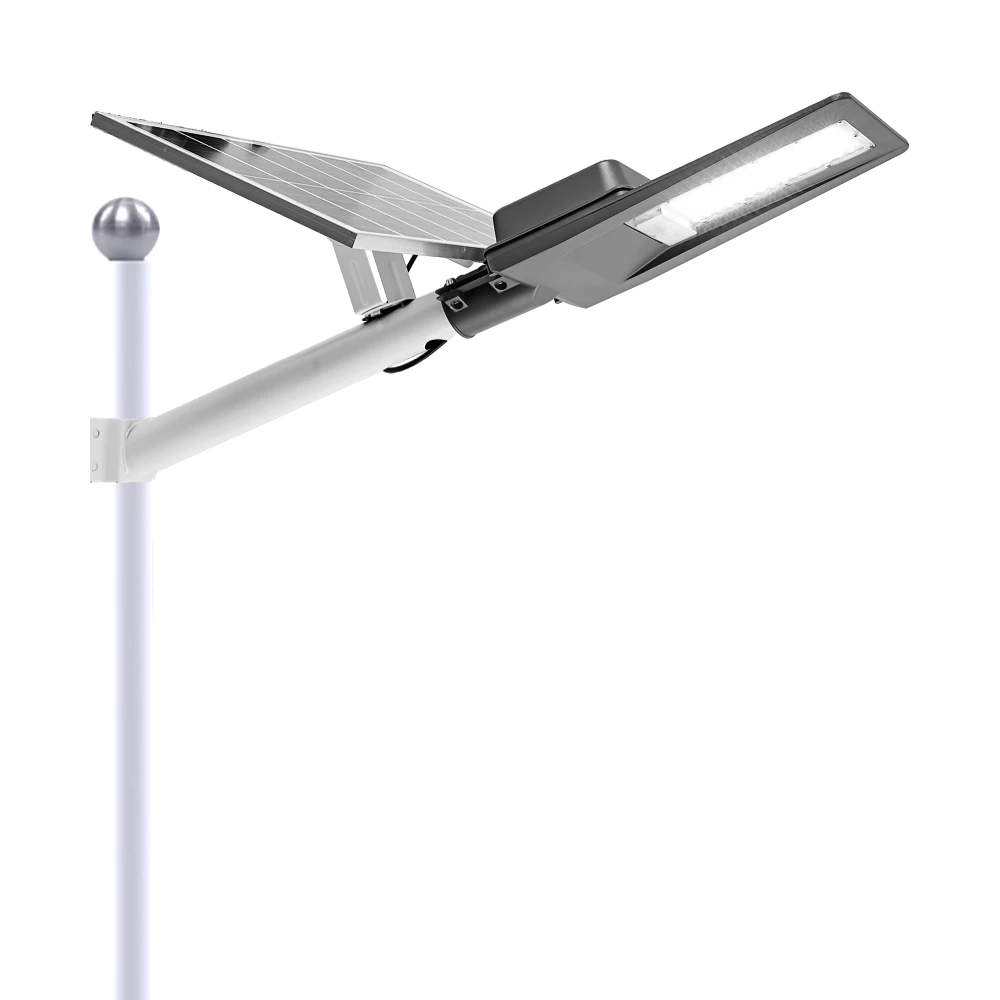
Experience reliable outdoor illumination with our smart solar street light, a perfect combination of advanced technology and eco-conscious design.
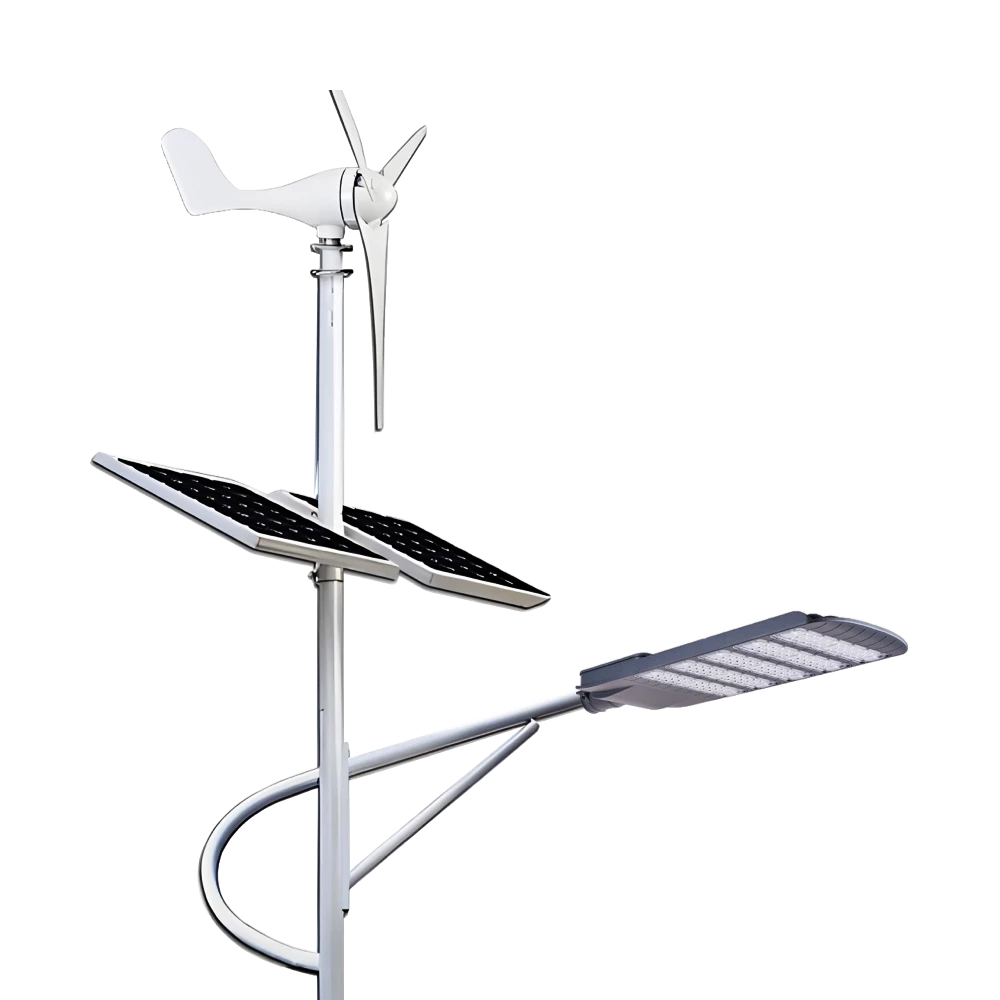
Queneng Lufeng Wind Energy LED Outdoor Solar Street Lights offer high-performance, eco-friendly illumination. These energy-efficient LED street lights harness solar power and wind energy for sustainable, cost-effective outdoor lighting solutions.
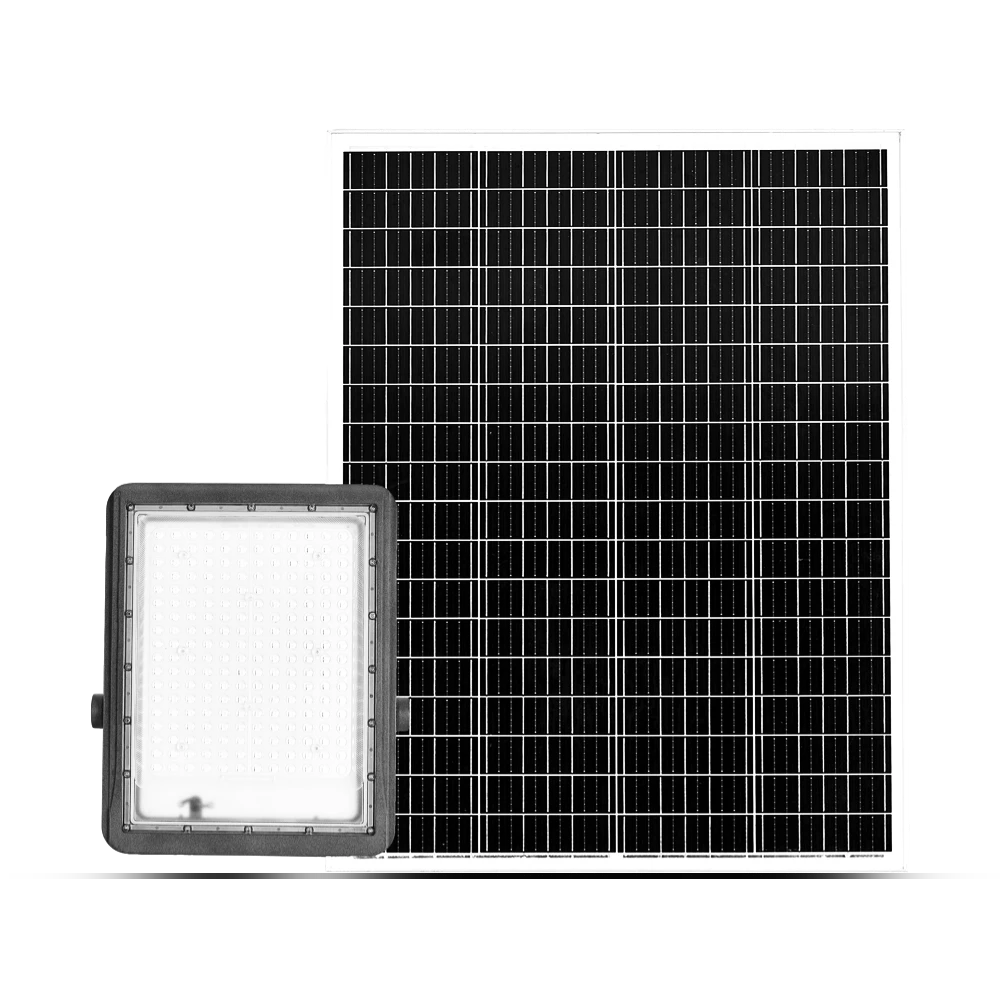
Queneng's Luxian Reliable Solar Street Light offers energy-saving LED lighting for outdoor use. This durable, solar-powered street light provides reliable illumination, reducing energy costs and environmental impact. A perfect solution for sustainable outdoor lighting.
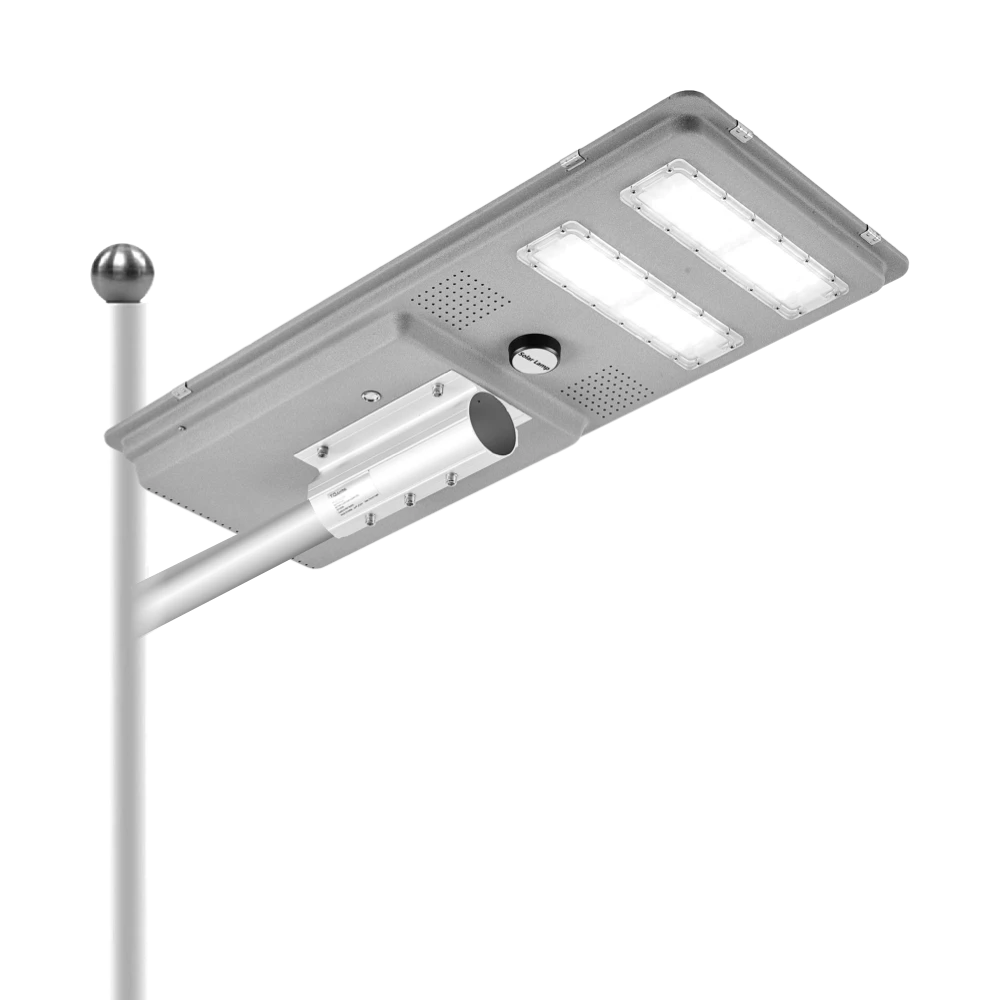
Queneng’s Solar Street Lights are designed to provide reliable, energy-efficient lighting for streets, parks, and other outdoor spaces.
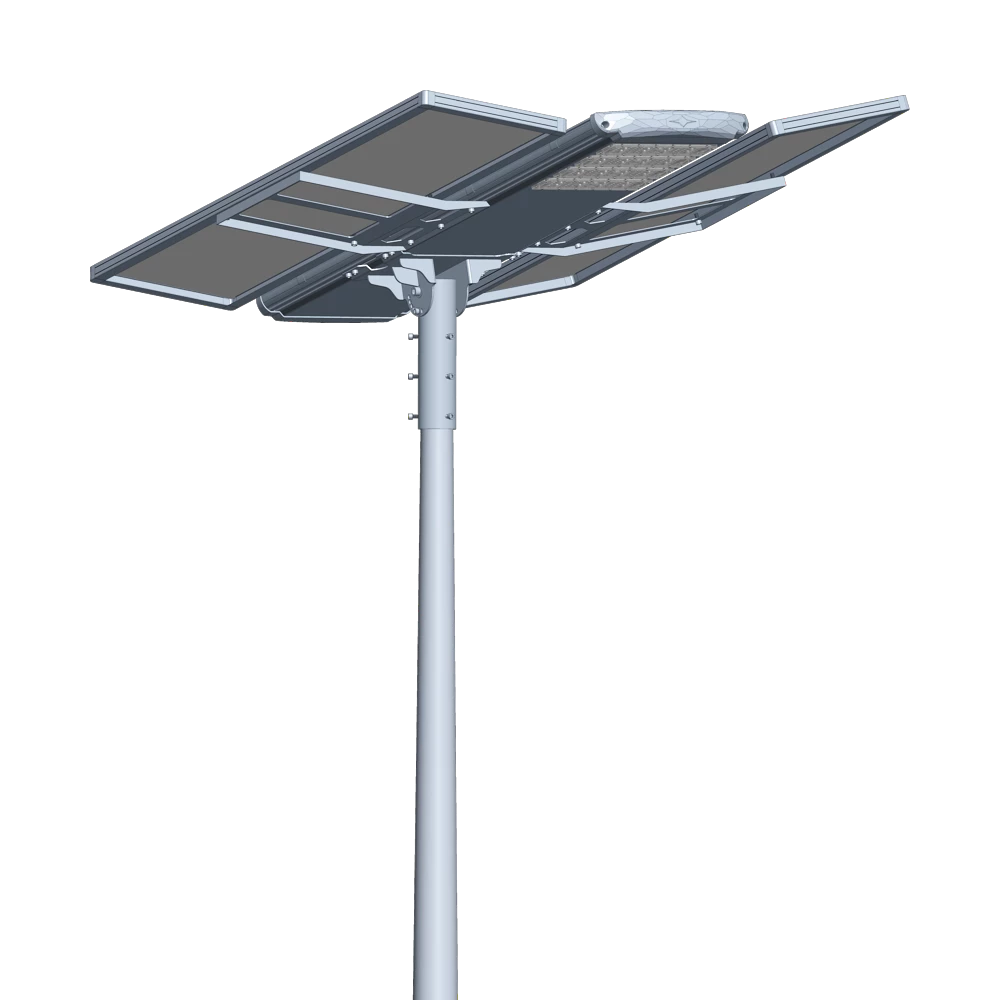
Introducing the Luqing Solar Street Light by Queneng, Efficient LED lighting powered by solar energy is perfect for illuminating outdoor areas. Harness the power of solar energy for sustainable, reliable street lighting. Ideal for eco-friendly, cost-effective outdoor illumination solutions.
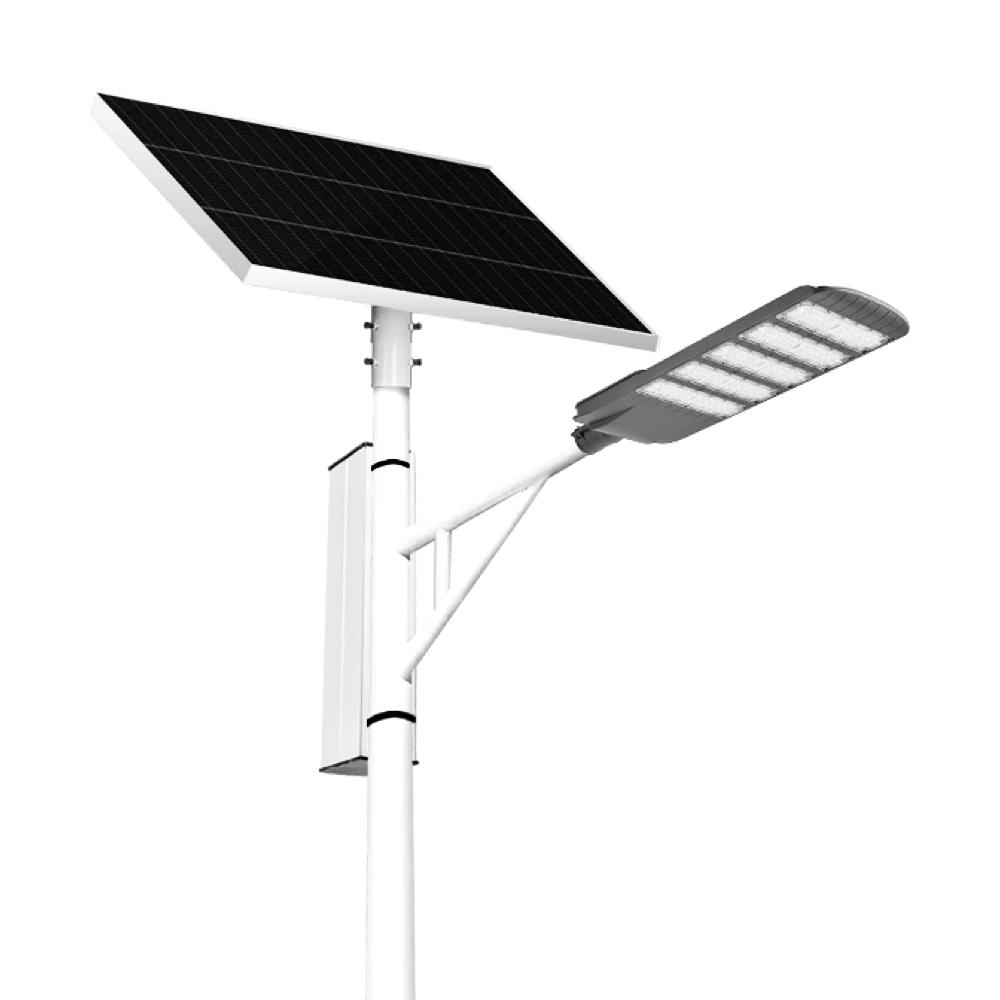
The Solar Streetlights of Luhao for Municipalities are designed to deliver reliable, energy-efficient, and cost-effective public lighting solutions. Equipped with advanced LED technology, durable lithium batteries, and high-efficiency solar panels, these streetlights provide consistent illumination for roads, parks, residential areas, and government projects.
If you would like more information about Queneng solar lighting solutions, please send us a message by filling out the form below. Our professional team will get back to you within 24 hours!
Rest assured that your privacy is important to us, and all information provided will be handled with the utmost confidentiality.
Schedule a Meeting
Book a date and time that is convenient for you and conduct the session in advance.
Have more questions about our products or services?
The messenger of light & power conversion
Environmental protection and intelligent manufacturing are our brand philosophy, and quality assurance and the best user experience are our eternal promises to users.
CONTACT
No.9F, Building F, Cao San Xin Tian Hong Logistics Park, Guzhen Town, Zhongshan City, Guangdong Province, China.
or write [email protected]
WhatsApp: +86 136 2270 1011


