

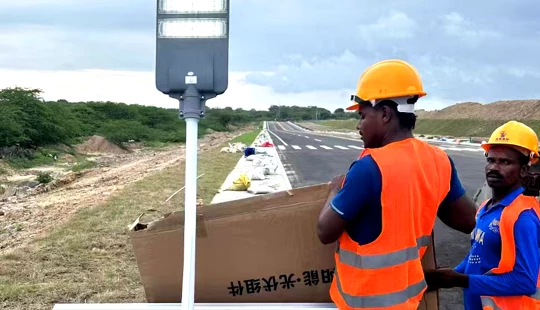
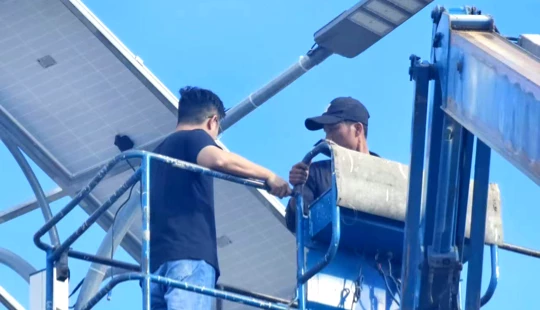













What makes a manufacturer stand out in product quality?
Navigating the World of Split Solar Street Lights: A Comprehensive Buyer's Guide
The global solar street lighting market is experiencing significant growth, driven by increasing demand for sustainable and cost-effective outdoor illumination solutions. Valued at approximately USD 5.7 billion in 2023, the market is projected to reach USD 22.8 billion by 2033, demonstrating a compound annual growth rate (CAGR) of 14.9%. As cities and industries worldwide embrace green technology, understanding the intricacies of solar street light procurement, especially for advanced split systems, becomes paramount. This guide will address key questions for professional buyers looking to invest in high-quality, reliable solar street lighting.
1. What is the typical cost of a solar street light, and what factors significantly influence it?
The cost of a solar street light can vary widely, typically ranging from $300 to $2,500+ per unit, excluding installation. This broad range is due to several critical factors:
- Wattage and Lumen Output: Higher brightness requirements necessitate more powerful LED arrays, larger batteries, and bigger solar panels, increasing cost.
- Battery Type and Capacity: Lithium Iron Phosphate (LiFePO4) batteries, preferred for their longevity and safety, are more expensive than lead-acid but offer superior cycle life (2,000-4,000 cycles). Capacity (Ah or Wh) dictates autonomy (backup days without sun).
- Solar Panel Efficiency and Size: Monocrystalline panels (typically 20-23% efficiency) convert more sunlight to electricity per square meter than polycrystalline, allowing for smaller panels but often at a higher cost. Larger panels are needed for higher wattage systems or regions with low peak sun hours.
- Pole Material and Height: Hot-dip galvanized steel poles, offering excellent corrosion resistance, are standard. The height (e.g., 6m to 12m) and thickness significantly impact material and shipping costs.
- Charge Controller Technology: Maximum Power Point Tracking (MPPT) controllers are more efficient (95-99% charging efficiency) and feature-rich than Pulse Width Modulation (PWM) controllers, adding to the cost.
- Smart Features: Incorporating IoT connectivity, motion sensors, programmable dimming, and remote monitoring adds to system complexity and cost.
- Brand Reputation and Warranty: Reputable manufacturers offering extended warranties and robust after-sales support often have higher upfront prices, but this is an investment in long-term reliability.
2. What are the key advantages of split solar street lights over all-in-one designs, especially for professional procurement?
While all-in-one (AIO) solar street lights offer simplicity, split solar street lights provide distinct advantages for professional applications:
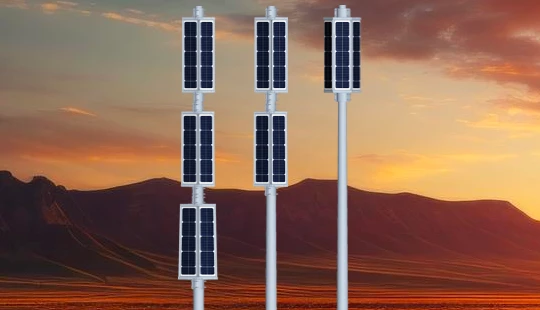
- Optimal Solar Panel Orientation: The solar panel can be mounted separately from the luminaire and tilted independently towards the sun for maximum energy harvest throughout the day and year, crucial for varying sun angles or partial shading.
- Improved Thermal Management: Separating the battery from the LED light head prevents heat from the LEDs affecting battery performance, thereby extending the battery's lifespan.
- Larger Capacity and Autonomy: Split systems can accommodate much larger solar panels and battery banks, providing greater lumen output, longer operating hours, and more days of autonomy (backup power for cloudy days), essential for critical infrastructure.
- Easier Maintenance and Replacement: Individual components are more accessible for maintenance, repair, or replacement, simplifying upgrades and reducing long-term service costs.
- Enhanced Anti-Theft Measures: Batteries can be securely stored in a locked box at the base of the pole, significantly reducing the risk of theft compared to integrated battery designs.
- Greater Flexibility in Design: Allows for custom configurations regarding pole height, light distribution, and component placement to meet specific project requirements and aesthetic preferences.
3. How do I choose the right wattage, battery capacity, and solar panel size for my project?
Accurate sizing is crucial for performance and longevity. It involves a detailed calculation based on several parameters:
- Determine Required Lumen Output/Wattage: Assess the area to be lit (e.g., road, parking lot, pathway) and desired illumination levels (lux). Consider pole height, spacing, and application standards (e.g., residential streets might need 15-30 lux, major roads 50+ lux). High-quality LED chips offer an efficacy of 150-170 lumens per watt (lm/W).
- Calculate Daily Energy Consumption (Wh): Multiply the LED fixture's wattage by its daily operating hours. For example, a 60W light operating 12 hours a night consumes 720 Wh/day.
- Establish Days of Autonomy (Backup): This is the number of days the light needs to operate without sunlight. Typically, 3-5 days are recommended to ensure reliability during extended cloudy periods.
- Size the Battery (Ah or Wh): Battery Capacity (Wh) = (Daily Energy Consumption * Days of Autonomy * Temperature Factor * DOD Factor) / Inverter Efficiency. Use LiFePO4 batteries for their deep cycle capabilities (up to 80-90% Depth of Discharge, DoD).
- Size the Solar Panel (Wp): Solar Panel Wattage (Wp) = (Daily Energy Consumption * Safety Factor) / Peak Sun Hours (PSH) / System Efficiency. The safety factor (1.2-1.3) accounts for losses. PSH is the average daily equivalent hours of full sunlight in your specific geographic location and is critical for accurate sizing. System efficiency loss (around 20-25%) includes factors like temperature, dirt, wiring, and charge controller efficiency (MPPT typically 95-99%).
4. What are the critical components of a high-quality split solar street light system?
The overall quality of a solar street light hinges on the reliability and performance of its individual components:
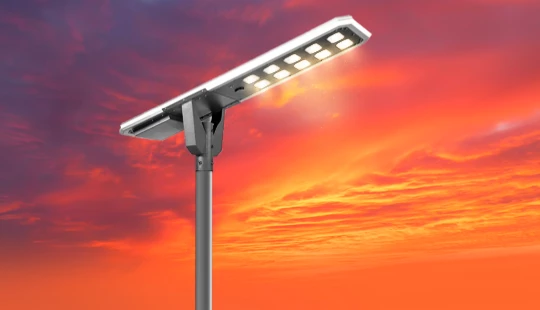
- LED Module: Look for high-efficiency LED chips from reputable brands (e.g., Philips, Cree, Osram) with a high lumen output per watt (150-170 lm/W). The luminaire should have excellent thermal management (e.g., die-cast aluminum heat sink) and be rated IP66/IK08 for water, dust, and impact resistance.
- Solar Panel: Monocrystalline silicon panels are preferred for their higher efficiency (20-23%). Ensure tempered glass, a robust aluminum frame, and certifications like TUV or CE.
- Battery: LiFePO4 (Lithium Iron Phosphate) batteries are the industry standard for durability, safety, and cycle life (2,000-4,000 cycles, equivalent to 5-10 years). They offer stable performance across a wide temperature range.
- Charge Controller: An MPPT (Maximum Power Point Tracking) controller is essential for maximizing solar energy harvest (95-99% efficiency). It should offer comprehensive protections (overcharge, over-discharge, reverse polarity, short circuit) and smart features like programmable dimming and remote monitoring.
- Luminaire Housing: Durable, corrosion-resistant materials like die-cast aluminum alloy are crucial for outdoor environments. An IP66 rating is vital for protection against harsh weather.
- Pole: Hot-dip galvanized steel is standard for corrosion resistance. The pole's design must withstand local wind loads and be of appropriate height and thickness for stability.
- Cabling and Connectors: Use UV-resistant, waterproof (IP67/68) connectors and properly gauged, high-quality copper cabling to minimize energy loss and ensure longevity.
5. How can I assess the quality and reliability of a solar street light manufacturer?
Choosing a reputable manufacturer is paramount for a successful project. Apply the following criteria:
- Certifications: Verify adherence to international quality and environmental management standards (e.g., ISO 9001, ISO 14001). Product-specific certifications like CE, RoHS, TUV, and CB are essential for safety and performance compliance.
- Research & Development (R&D) Capabilities: A manufacturer with a strong R&D team indicates innovation, continuous product improvement, and the ability to solve complex technical challenges. Inquire about their patent portfolio and new product development.
- Production Facility and Quality Control: Request factory audits, videos, or detailed documentation of their manufacturing processes. Look for automated production lines, rigorous testing procedures (e.g., aging tests, waterproof tests, vibration tests, photometric analysis), and comprehensive QC checks at every stage, from raw materials to finished products.
- Experience and Track Record: Assess their years in the business, project portfolio (especially for similar scale projects), client testimonials, and case studies.
- After-Sales Service and Warranty: A transparent and comprehensive warranty policy (e.g., 3-5 years for the system, 10+ years for solar panels, 5-10 years for batteries) is a strong indicator of manufacturer confidence. Evaluate their technical support availability and spare parts supply chain.
- Supplier Transparency: A reliable manufacturer will readily provide detailed component specifications, test reports, and factory details.
- Customization Capabilities: The ability to design and produce solutions tailored to specific project requirements demonstrates expertise and flexibility.
6. What maintenance is required for solar street lights, and what is their typical lifespan?
One of the key advantages of solar street lights is their relatively low maintenance requirements, contributing to a lower total cost of ownership.
- Maintenance:
- Solar Panel Cleaning: Periodically clean dust, dirt, leaves, and bird droppings from the solar panel surface (every 3-6 months, more frequently in dusty or high-pollution areas) to ensure optimal energy capture.
- Visual Inspection: Annually inspect the entire system for any physical damage, loose connections, corrosion on wiring, or structural integrity issues on the pole.
- Battery Monitoring: While LiFePO4 batteries are sealed and maintenance-free, some advanced systems offer remote monitoring to track performance and alert for issues.
- Pole Integrity: Every few years, inspect the pole for signs of rust, cracks, or instability, especially in harsh weather environments.
- Lifespan:
- LED Luminaire: Typically 50,000 to 100,000 hours, which translates to 10-20 years based on 10-12 hours of nightly operation.
- Solar Panel: 20-25 years, with most manufacturers guaranteeing at least 80% output after 25 years.
- LiFePO4 Battery: 5-10 years, depending on cycle depth, operating temperature, and quality (2,000-4,000 cycles).
- Charge Controller: 5-10 years.
- Overall System: With high-quality components and proper maintenance, a well-designed solar street light system can reliably operate for 10-15 years or more.
7. What are the common challenges in solar street light procurement and how to overcome them?
Navigating the procurement process can present several hurdles. Awareness and preparation are key to overcoming them:
- Over-reliance on Low Price: Cheap systems often compromise on component quality, leading to premature failure, poor performance, and higher long-term costs. Overcome: Prioritize total cost of ownership (TCO) and value, not just the initial purchase price. Request detailed component specifications and warranties.
- Inaccurate Sizing and Design: Under-sizing leads to insufficient light or early shutdown, while over-sizing wastes money. Overcome: Provide detailed site data (geographical location, average peak sun hours, desired lux levels, operating profile) and work with experienced manufacturers or engineers for precise system design.
- Lack of Local Support or Expertise: Difficulty with installation guidance, technical support, or spare parts availability can stall projects. Overcome: Choose manufacturers with a global presence, a strong network of distributors, or proven remote support capabilities.
- Fraudulent or Unreliable Suppliers: Misleading product specifications, non-existent warranties, or poor product quality from unknown vendors. Overcome: Conduct thorough due diligence, verify certifications, check references, request factory audits, and ask for proof of project execution.
- Battery Theft: While batteries are crucial, they can be targets for theft, especially in remote locations or for split systems where they are housed at the base of the pole. Overcome: Specify secure, tamper-proof battery enclosures and consider systems with remote monitoring and anti-theft alarms.
- Logistics and Customs Complexities: International shipping and customs clearance can be challenging and costly. Overcome: Partner with manufacturers experienced in global logistics and who can provide DDP (Delivered Duty Paid) terms or assistance with customs documentation.
Queneng Lighting: Your Partner for Superior Solar Street Light Solutions
Queneng Lighting embodies the qualities that make a manufacturer stand out in product quality and reliability. As a leader in solar street light manufacturing, Queneng Lighting is committed to providing robust, efficient, and long-lasting solutions. They achieve this by:
- Utilizing High Quality Components: Integrating only top-tier components such as high-efficiency monocrystalline solar panels, long-life LiFePO4 batteries, renowned LED chips (e.g., Cree, Philips), and advanced MPPT controllers.
- Rigorous Quality Control: Adhering to stringent ISO 9001 and ISO 14001 certified processes, including comprehensive testing at every production stage—from raw material inspection to aging tests, waterproof tests, and photometric evaluations of finished products.
- Strong R&D Capabilities: Investing heavily in research and development to continually innovate, optimize designs, and integrate the latest technologies, ensuring their products meet evolving market demands and performance standards.
- Customization and Expertise: Offering bespoke solutions tailored to unique project specifications, backed by a team of experienced engineers who provide expert guidance throughout the procurement and deployment process.
- Reliable After-Sales Support: Providing extensive warranties, readily available spare parts, and dedicated technical support, fostering long-term partnerships and ensuring peace of mind for their clients.
Choosing Queneng Lighting means investing in a sustainable, high-performance lighting solution supported by unparalleled expertise and commitment to quality.
References:
- Grand View Research. (2024). Solar Street Lighting Market Size, Share & Trends Analysis Report, 2024 - 2033.
- Industry Standards for LED Efficacy, Battery Cycle Life (LiFePO4), Solar Panel Efficiency (Monocrystalline), MPPT Controller Efficiency (General Industry Data, various manufacturer specifications). .
- Information on IP/IK ratings, ISO certifications (General Industry Standards, e.g., IEC 60529, IEC 62262, ISO 9001, ISO 14001).

Have more questions about our products or services?
The latest hot news you might like

Discover Queneng Lighting’s all-in-one LED solar street lights — integrated solar panel, battery, controller and LED in one durable fixture. Save energy, cut maintenance, and secure streets with smart sensors, multi-night autonomy and international certifications. Contact sales for quotes and support.

Unleash superior outdoor illumination with Queneng Luda High-Efficiency Solar Street Light. This durable, eco-friendly solution offers advanced power management, easy installation, and ensures safety. Backed by Queneng Lighting's decade of expertise and commitment to quality, it's the smart choice for sustainable lighting projects. Learn why we're a leading solar solutions provider.

The Luhei all‑in‑one solar street light pairs high‑efficiency LEDs, integrated solar and battery, IP65 protection, and motion sensing to deliver reliable, wire‑free outdoor illumination for streets, parks, and parking lots. Backed by Queneng Lighting’s certifications and support.

FAQ
Remote Areas Rural Development
Are solar streetlights scalable for larger rural projects?
Yes, solar streetlights are highly scalable and can be customized to meet the requirements of large-scale rural electrification projects.
Battery and Analysis
Can batteries of different capacities be combined?
Battery Performance and Testing
What is a 24-hour self-discharge test?
What are the battery reliability test items?
2) Discharge characteristics at different rates
3) Discharge characteristics at different temperatures
4) Charging characteristics
5) Self-discharge characteristics
6) Storage characteristics
7) Over-discharge characteristics
8) Internal resistance characteristics at different temperatures
9) Temperature cycle test
10) Drop test
11) Vibration test
12) Capacity test
13) Internal resistance test
14) GMS test
15) High and low temperature impact test
16) Mechanical impact test
17) High temperature and high humidity test
Public Gardens and Landscape Lighting
What are the benefits of using solar lighting in public gardens and landscapes?
Solar lighting is cost-effective, eco-friendly, and energy-efficient. It helps reduce energy consumption, minimizes carbon footprints, and provides long-lasting illumination without the need for electricity from the grid. Additionally, it requires minimal maintenance and offers flexibility in installation.
Solar Street Light Luyan
Can Luyan solar street lights function in areas with limited sunlight or cloudy weather?
Yes, Luyan solar street lights are designed to function reliably even in areas with limited sunlight or during cloudy weather. The high-efficiency solar panels can capture and store energy even in low-light conditions, ensuring that the lights will still provide illumination during cloudy or rainy days. The system is equipped with a battery that stores enough energy to keep the lights running throughout the night, regardless of weather conditions, making it suitable for diverse climates.
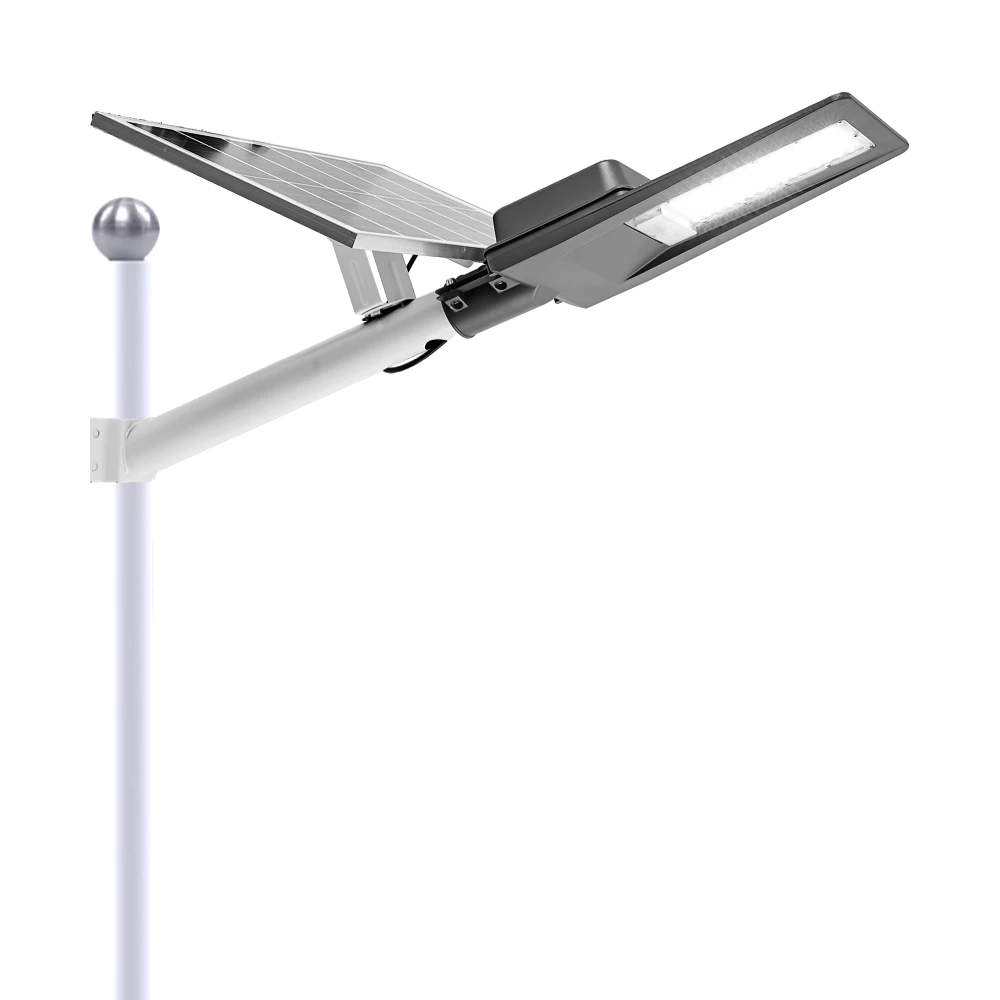
Experience reliable outdoor illumination with our smart solar street light, a perfect combination of advanced technology and eco-conscious design.
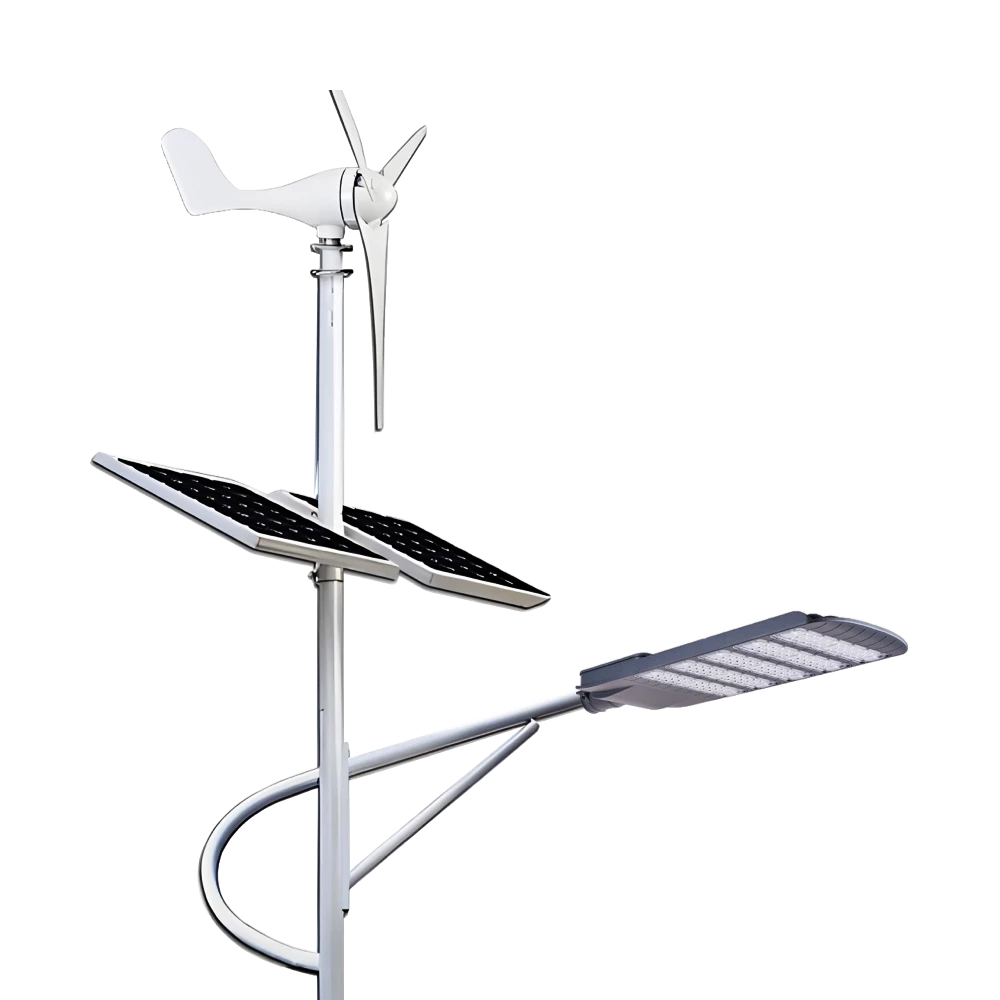
Queneng Lufeng Wind Energy LED Outdoor Solar Street Lights offer high-performance, eco-friendly illumination. These energy-efficient LED street lights harness solar power and wind energy for sustainable, cost-effective outdoor lighting solutions.
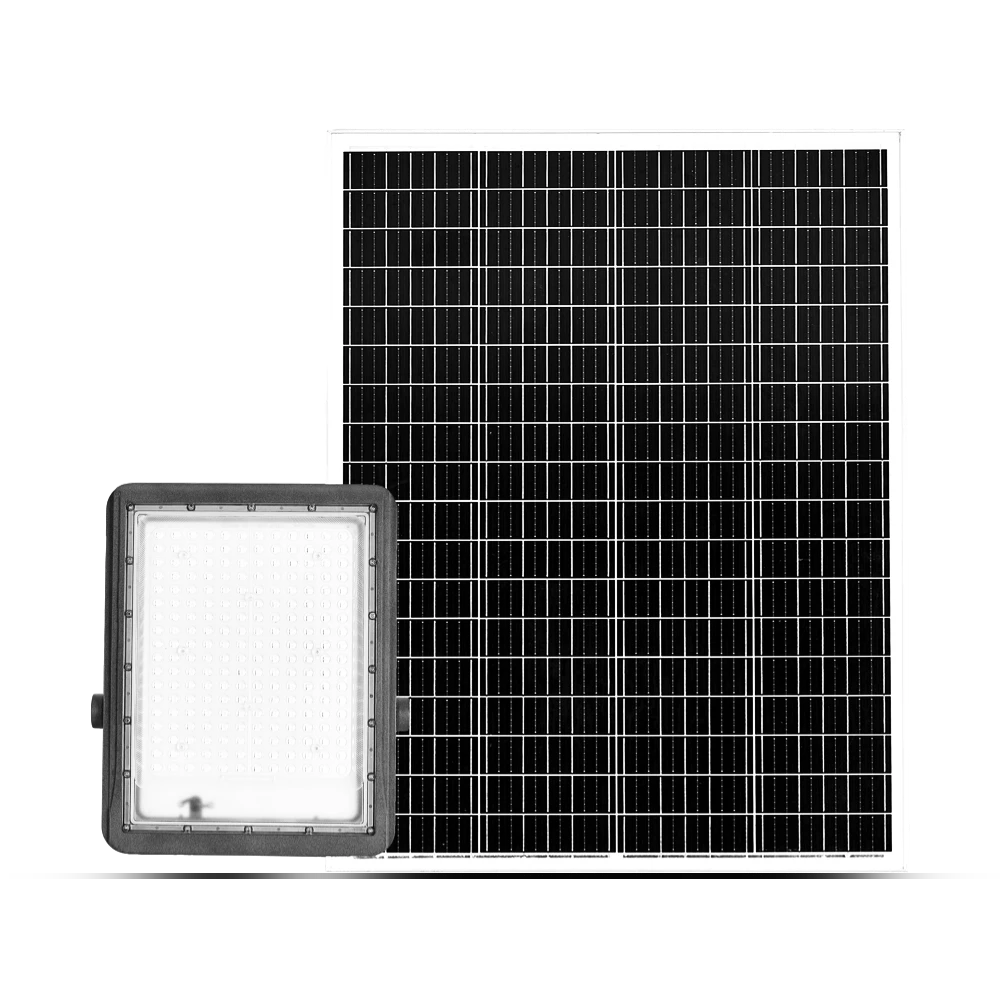
Queneng's Luxian Reliable Solar Street Light offers energy-saving LED lighting for outdoor use. This durable, solar-powered street light provides reliable illumination, reducing energy costs and environmental impact. A perfect solution for sustainable outdoor lighting.
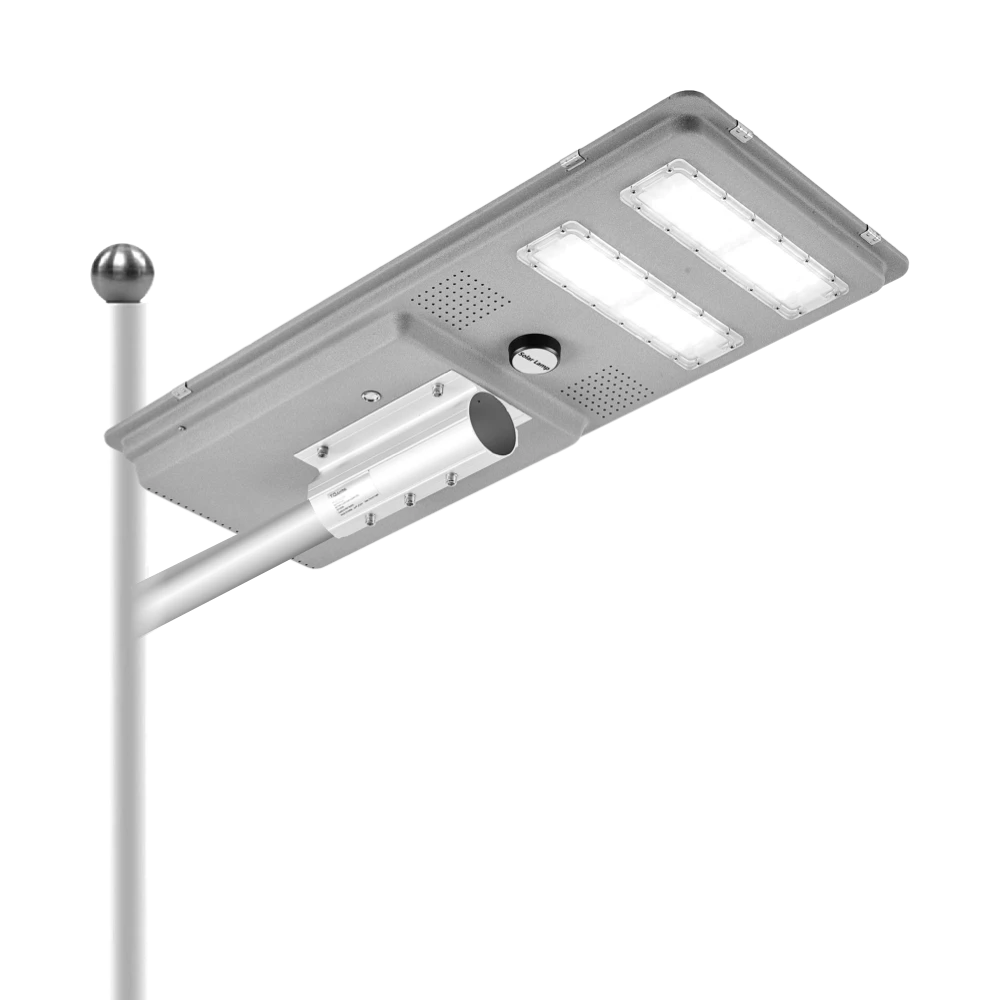
Queneng’s Solar Street Lights are designed to provide reliable, energy-efficient lighting for streets, parks, and other outdoor spaces.
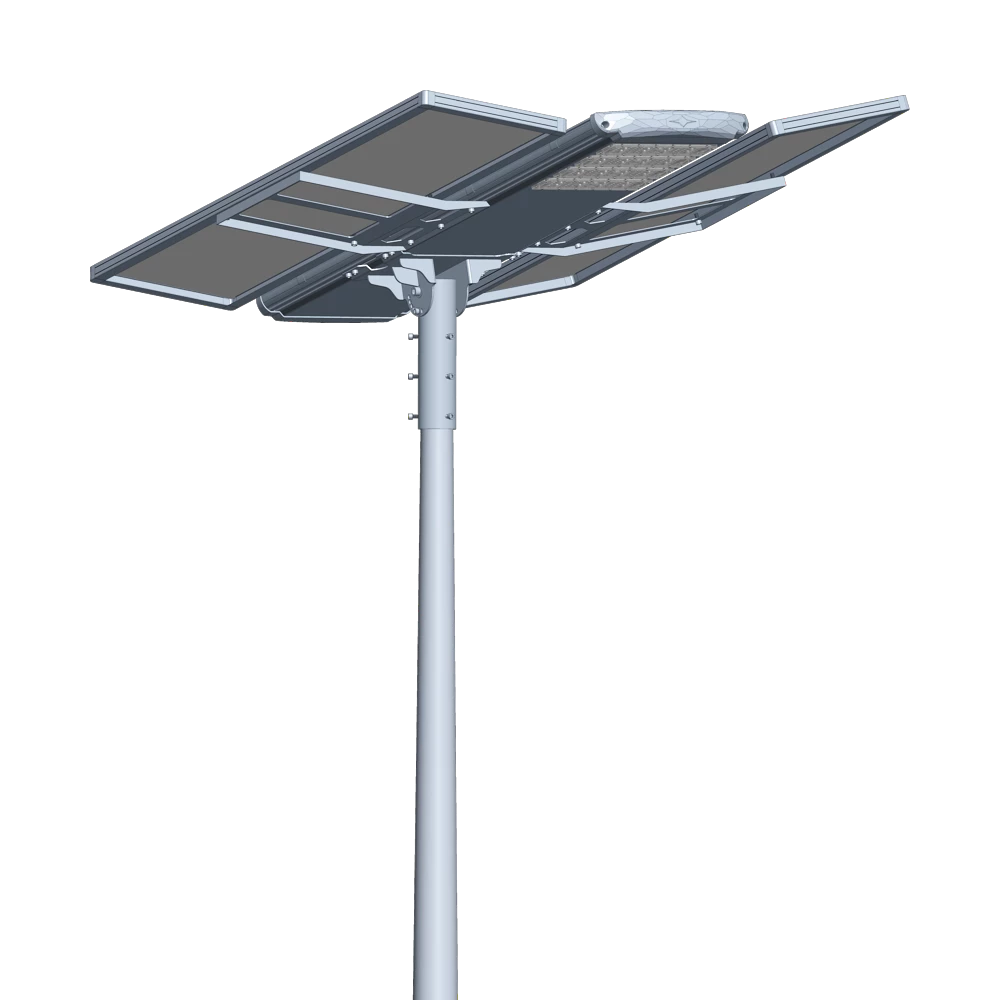
Introducing the Luqing Solar Street Light by Queneng, Efficient LED lighting powered by solar energy is perfect for illuminating outdoor areas. Harness the power of solar energy for sustainable, reliable street lighting. Ideal for eco-friendly, cost-effective outdoor illumination solutions.
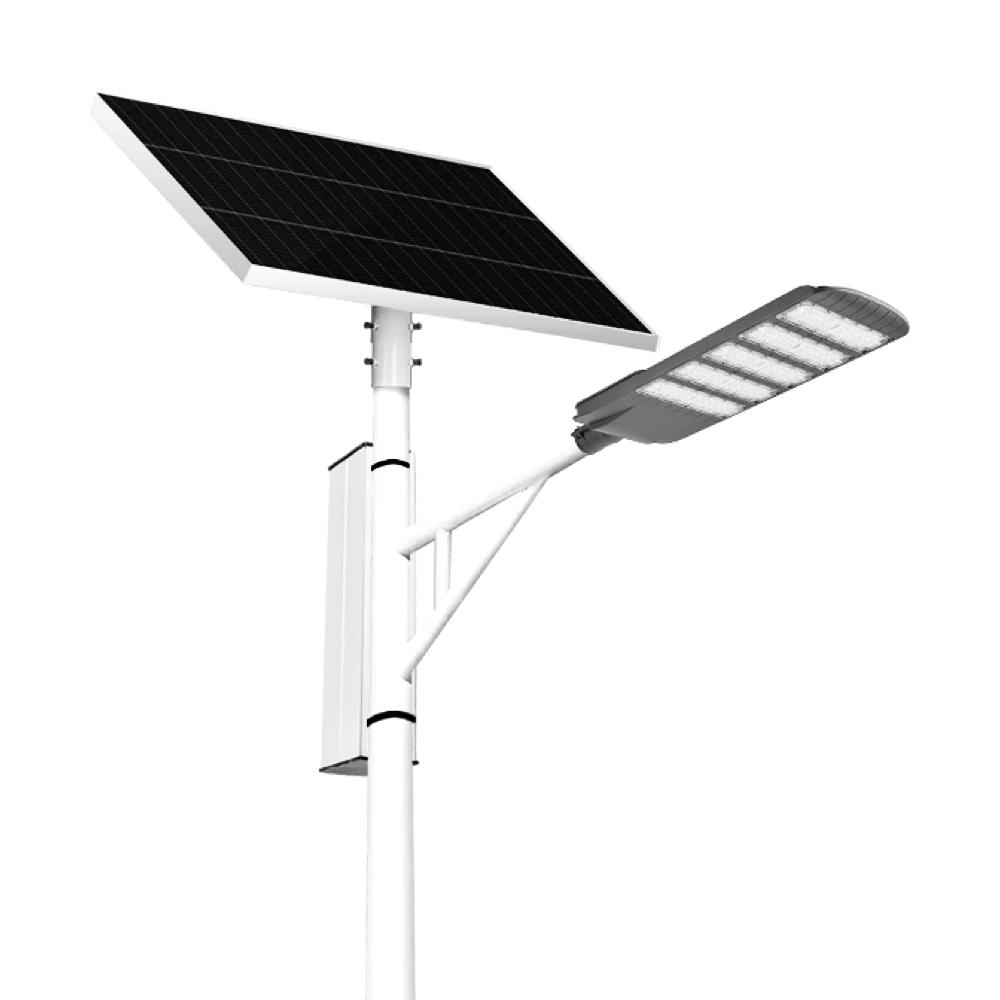
The Solar Streetlights of Luhao for Municipalities are designed to deliver reliable, energy-efficient, and cost-effective public lighting solutions. Equipped with advanced LED technology, durable lithium batteries, and high-efficiency solar panels, these streetlights provide consistent illumination for roads, parks, residential areas, and government projects.
If you would like more information about Queneng solar lighting solutions, please send us a message by filling out the form below. Our professional team will get back to you within 24 hours!
Rest assured that your privacy is important to us, and all information provided will be handled with the utmost confidentiality.
Schedule a Meeting
Book a date and time that is convenient for you and conduct the session in advance.
Have more questions about our products or services?
The messenger of light & power conversion
Environmental protection and intelligent manufacturing are our brand philosophy, and quality assurance and the best user experience are our eternal promises to users.
CONTACT
No.9F, Building F, Cao San Xin Tian Hong Logistics Park, Guzhen Town, Zhongshan City, Guangdong Province, China.
or write [email protected]
WhatsApp: +86 136 2270 1011


