













Are subsidies available for commercial solar light projects?
What is the Current Cost of Solar Street Lights, and What Factors Influence It?
The cost of solar street lights for commercial applications can vary significantly, typically ranging from $500 to $2,500 USD per unit, excluding installation and poles. This range depends heavily on several critical factors:
- LED Wattage & Lumen Output: Higher brightness (lumens) requires more powerful LEDs, increasing cost. A typical commercial solar street light might range from 30W to 120W or more.
- Battery Capacity & Type: The battery stores solar energy for night operation. Lithium Iron Phosphate (LiFePO4) batteries are now standard due to their longer lifespan (5-8 years) and safety, but come at a higher cost than older lead-acid options. Larger capacity (Ah) for extended autonomy (days of backup without sun) means higher cost.
- Solar Panel Size & Efficiency: Larger, more efficient solar panels are needed to charge higher capacity batteries and power brighter lights, contributing significantly to the overall price. Monocrystalline panels are generally more efficient but costlier.
- Smart Control Systems: Advanced Maximum Power Point Tracking (MPPT) charge controllers, dimming functions, motion sensors, and IoT connectivity add to the sophistication and cost but enhance energy efficiency and operational flexibility.
- Pole & Fixture Material: Durable, high-quality aluminum or galvanized steel poles and IP65/IP66 rated fixtures designed for harsh outdoor environments will influence the price.
- Brand & Warranty: Reputable manufacturers offering extensive warranties and excellent customer support may have higher initial costs but provide long-term reliability and peace of mind.
All-in-One vs. Split Solar Street Lights: Which is Right for Your Project?
Understanding the distinction between All-in-One (integrated) and Split (separated) solar street light systems is crucial for optimal project design:
All-in-One Solar Street Lights (Integrated)
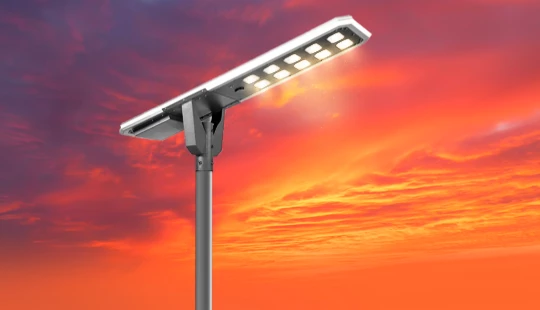
These systems consolidate the solar panel, LED lamp, battery, and controller into a single compact unit mounted on top of the pole.
- Pros:
- Easier and Faster Installation: Minimal wiring, reduced labor costs.
- Aesthetics: Often have a sleeker, more modern appearance.
- Lower Shipping Costs: Compact design.
- Reduced Theft Risk: Battery is integrated and harder to access.
- Cons:
- Limited Flexibility: Panel angle is fixed, potentially reducing solar charging efficiency in some latitudes.
- Heat Management: All components are in one housing, which can lead to higher operating temperatures for the battery and electronics, potentially affecting lifespan in extremely hot climates.
- Replacement: If one major component fails (e.g., battery), the entire head unit might need replacement.
Split Solar Street Lights (Separated)
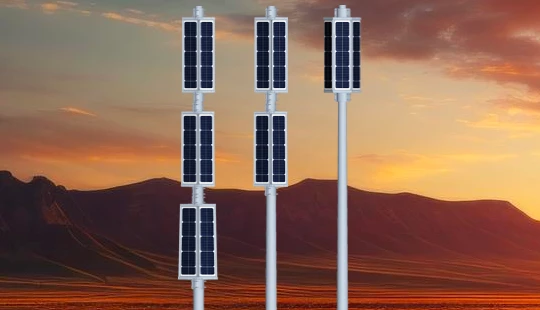
In a split system, the solar panel is mounted separately from the LED lamp head, often higher on the pole or in an optimized orientation. The battery and controller are typically housed in a box near the base of the pole or within the pole itself.
- Pros:
- Optimal Solar Panel Orientation: Panels can be tilted and angled independently to maximize sun exposure, critical in areas with varying sunlight or higher latitudes.
- Better Heat Management: Components are separated, reducing heat stress on batteries and electronics, extending lifespan.
- Easier Maintenance/Replacement: Individual components can be accessed and replaced more readily.
- Customization: Greater flexibility in sizing components to meet specific lighting requirements.
- Cons:
- More Complex Installation: Requires more wiring and separate mounting for components, leading to higher labor costs.
- Potential for Theft: Batteries housed at the pole base can be more vulnerable.
- Higher Shipping Costs: Components shipped separately.
Choosing between them: All-in-One is ideal for projects prioritizing ease of installation, aesthetics, and where solar insolation is abundant and consistent. Split systems are better for projects requiring maximum efficiency, located in regions with suboptimal sun angles, or demanding higher power and longer autonomy with flexible component sizing.
How Do You Choose a Reliable Solar Street Light Manufacturer?
Selecting the right manufacturer is paramount for project success and long-term performance. Look for companies demonstrating:
- Proven Experience & Track Record: Years in the industry, completed projects (case studies, references).
- Quality Certifications: ISO 9001, CE, RoHS, IP ratings for products.
- R&D Capabilities: A commitment to innovation ensures access to the latest technologies (e.g., advanced battery management, efficient LED drivers, smart controls).
- Comprehensive Product Range: Offers various power outputs, designs, and customization options.
- Robust Warranty & After-Sales Support: Clear warranty terms (5+ years for major components like LEDs and panels, 3+ years for batteries), readily available spare parts, and responsive technical support.
- Financial Stability: A stable company is more likely to honor warranties in the long run.
- Transparent Communication: Clear specifications, lead times, and project management.
Are Subsidies and Incentives Available for Commercial Solar Lighting Projects?
Yes, numerous subsidies and incentives are available globally for commercial solar lighting projects, as governments and organizations increasingly promote renewable energy and sustainable development. These can significantly reduce the initial investment cost:
- Government Grants & Rebates: Many national, state, and local governments offer direct financial assistance to businesses and municipalities investing in solar energy solutions. These can be one-time payments or partial reimbursements.
- Tax Credits & Deductions: Countries like the United States offer federal investment tax credits (e.g., the ITC, which can cover a significant percentage of solar project costs for businesses) and accelerated depreciation benefits.
- Low-Interest Loans: Specialized programs offer financing at preferential rates for green energy projects.
- Carbon Credits & Renewable Energy Certificates (RECs): In some markets, companies can earn or sell carbon credits or RECs for generating clean energy, providing an additional revenue stream.
- Energy Efficiency Programs: Utility companies or regional energy agencies sometimes offer incentives for reducing energy consumption, which solar lighting directly contributes to.
Recommendation: Research specific programs available in your country, state, or municipality. Consult with local energy agencies, solar industry associations, or financial advisors specializing in renewable energy to identify eligible incentives.
What Key Specifications Should You Prioritize When Purchasing Solar Street Lights?
Beyond cost and system type, these technical specifications are crucial for performance and longevity:
- Lumen Output (Brightness): Match the required illumination level (lux) for your application area (e.g., parking lots, pathways, industrial zones). Don't just look at wattage; lumen output is the true measure of brightness.
- Battery Type & Capacity: Opt for LiFePO4 (Lithium Iron Phosphate) batteries due to their superior cycle life (2000-4000 cycles) and stability. Ensure the capacity (Ah) provides sufficient autonomy (e.g., 2-3 full nights) to cover periods of low sunlight.
- Solar Panel Wattage & Efficiency: The panel's wattage should be sufficient to fully charge the battery daily, considering local solar insolation. High-efficiency monocrystalline panels are generally preferred.
- Charge Controller (MPPT vs. PWM): MPPT (Maximum Power Point Tracking) controllers are highly recommended. They are up to 30% more efficient at harvesting power from solar panels compared to older PWM (Pulse Width Modulation) controllers, especially in varying weather conditions.
- IP Rating: Look for an IP (Ingress Protection) rating of at least IP65 for the luminaire and battery housing, indicating excellent protection against dust and water ingress.
- Operating Temperature Range: Ensure the system is designed to perform reliably within your project's ambient temperature extremes.
- Light Distribution: Different lenses provide various light patterns (e.g., Type II, Type III, Type IV). Choose one that optimizes light spread for your specific road or area.
What is the Expected Lifespan and Maintenance for Solar Street Lighting Systems?
Modern solar street lighting systems are designed for long operational lives with minimal maintenance, offering an excellent return on investment.
- LED Light Source: High-quality LEDs typically have a lifespan of 50,000 to 100,000 hours, meaning they can last 10-20 years or more in typical night-time operation.
- Solar Panels: Solar panels are highly durable, often coming with performance warranties of 20-25 years, guaranteeing a certain percentage of their initial power output.
- Battery: LiFePO4 batteries have a typical cycle life that translates to 5-8 years of reliable operation before needing replacement, depending on charge/discharge cycles and environmental conditions.
- Controller & Wiring: These components are generally robust and can last 10-15 years or more.
Maintenance: Solar street lights require significantly less maintenance than grid-tied alternatives. Primary tasks include:
- Periodic Cleaning: Wiping solar panels every 6-12 months (or more frequently in dusty areas) to ensure maximum sunlight absorption.
- Battery Check: Monitoring battery health (especially for systems with remote monitoring capabilities) and planning for replacement around the 5-8 year mark.
- Visual Inspection: Checking for physical damage, loose connections, or obstructions.
How Does Geographical Location Impact Solar Street Light Performance?
Geographical location is a critical factor in designing and sizing solar street light systems, primarily due to variations in solar insolation and environmental conditions:
- Solar Insolation (Sunlight Hours): This is the most crucial factor. Regions closer to the equator generally receive more consistent and intense sunlight throughout the year. Higher latitudes experience significant seasonal variations in daylight hours and sun intensity. Systems in areas with lower average daily insolation will require larger solar panels and/or battery capacities to ensure reliable operation.
- Temperature: Both extremely high and low temperatures can affect component performance. Solar panels are less efficient at very high temperatures, while batteries are less efficient and have a reduced lifespan in extreme cold or heat. Manufacturers must design systems with appropriate thermal management and battery chemistry for the specific climate.
- Cloud Cover & Precipitation: Areas with frequent cloud cover or heavy rainfall will have fewer peak sun hours, necessitating larger systems to maintain autonomy.
- Dust & Pollution: Dusty or polluted environments can accumulate grime on solar panels, reducing their efficiency. This requires more frequent cleaning and potentially slightly oversized panels to compensate.
Accurate site assessment and consultation with experienced manufacturers are essential to tailor system design to local geographical and climatic conditions, ensuring optimal performance and longevity.
*
Queneng Lighting Advantage:
At Queneng Lighting, we leverage extensive expertise in solar street light manufacturing to deliver high-performance, durable, and energy-efficient solutions. Our commitment to innovation, quality components (LiFePO4 batteries, high-efficiency MPPT controllers, High Quality LEDs), and rigorous testing ensures superior reliability and longevity for your commercial projects. We offer a diverse range of customizable All-in-One and Split solar street lights, backed by robust warranties and dedicated after-sales support. With Queneng Lighting, you gain a trusted partner committed to sustainable lighting solutions that maximize your investment and illuminate your future.
引用来源 (Citations):
- Grand View Research. (2023). Solar Street Lighting Market Size, Share & Trends Analysis Report. (Retrieved: October 26, 2023, from https://www.grandviewresearch.com/industry-analysis/solar-street-lighting-market)
- Fortune Business Insights. (2023). Solar Street Lighting Market Share, Size, Trends & Forecast 2023-2030. (Retrieved: October 26, 2023, from https://www.fortunebusinessinsights.com/solar-street-lighting-market-103328)
- U.S. Department of Energy. (Updated 2023). Investment Tax Credit (ITC). (Retrieved: October 26, 2023, from https://www.energy.gov/eere/solar/solar-investment-tax-credit-itc)
- Various industry supplier websites and technical guides (e.g., for component lifespans, IP ratings, MPPT vs. PWM controllers, average cost ranges based on specifications). (Accessed: October 2023)

Have more questions about our products or services?
The latest hot news you might like

Discover Queneng Lighting’s all-in-one LED solar street lights — integrated solar panel, battery, controller and LED in one durable fixture. Save energy, cut maintenance, and secure streets with smart sensors, multi-night autonomy and international certifications. Contact sales for quotes and support.

Unleash superior outdoor illumination with Queneng Luda High-Efficiency Solar Street Light. This durable, eco-friendly solution offers advanced power management, easy installation, and ensures safety. Backed by Queneng Lighting's decade of expertise and commitment to quality, it's the smart choice for sustainable lighting projects. Learn why we're a leading solar solutions provider.

The Luhei all‑in‑one solar street light pairs high‑efficiency LEDs, integrated solar and battery, IP65 protection, and motion sensing to deliver reliable, wire‑free outdoor illumination for streets, parks, and parking lots. Backed by Queneng Lighting’s certifications and support.

FAQ
Transportation and Highways
Is there a monitoring system for real-time performance tracking?
Yes, our solar lighting systems are equipped with IoT-enabled controllers that allow remote monitoring and performance tracking via a cloud-based platform.
APMS system
How does the APMS system enhance battery life?
With its dual-system intelligent management mode, APMS reduces frequent charge-discharge cycles, optimizes energy usage, and significantly extends battery lifespan.
Solar Street Light Luyi
Can Luyi solar street lights function in areas with cloudy or rainy weather?
Yes, Luyi solar street lights are designed to function efficiently even in cloudy or rainy weather. The high-efficiency solar panels can still capture and store energy in low-light conditions, ensuring that the lights remain operational throughout the night. The system is equipped with a large enough battery to store energy for extended periods, making them reliable even on overcast days.
Solar Street Light Luqiu
What is the expected lifespan of a Luqiu solar street light?
Luqiu solar street lights have a long lifespan, with LED lights lasting up to 50,000 hours and solar panels providing reliable power for over 20 years. The batteries typically last 3-5 years, depending on usage and mainten.
Solar Street Light Lufeng
What type of LED technology does Lufeng solar street lights use?
Lufeng solar street lights use advanced LED technology, which provides bright, high-quality illumination while consuming less power compared to traditional street lights. LEDs are more energy-efficient, have a longer lifespan, and require less maintenance, making them ideal for outdoor lighting applications.
Solar Street Light Luqing
Can solar street lights be used in cloudy or rainy weather?
Yes, solar street lights can still function in cloudy or rainy conditions, though their performance may be reduced due to lower sunlight. The battery is designed to store enough energy to power the light for several days of overcast weather.
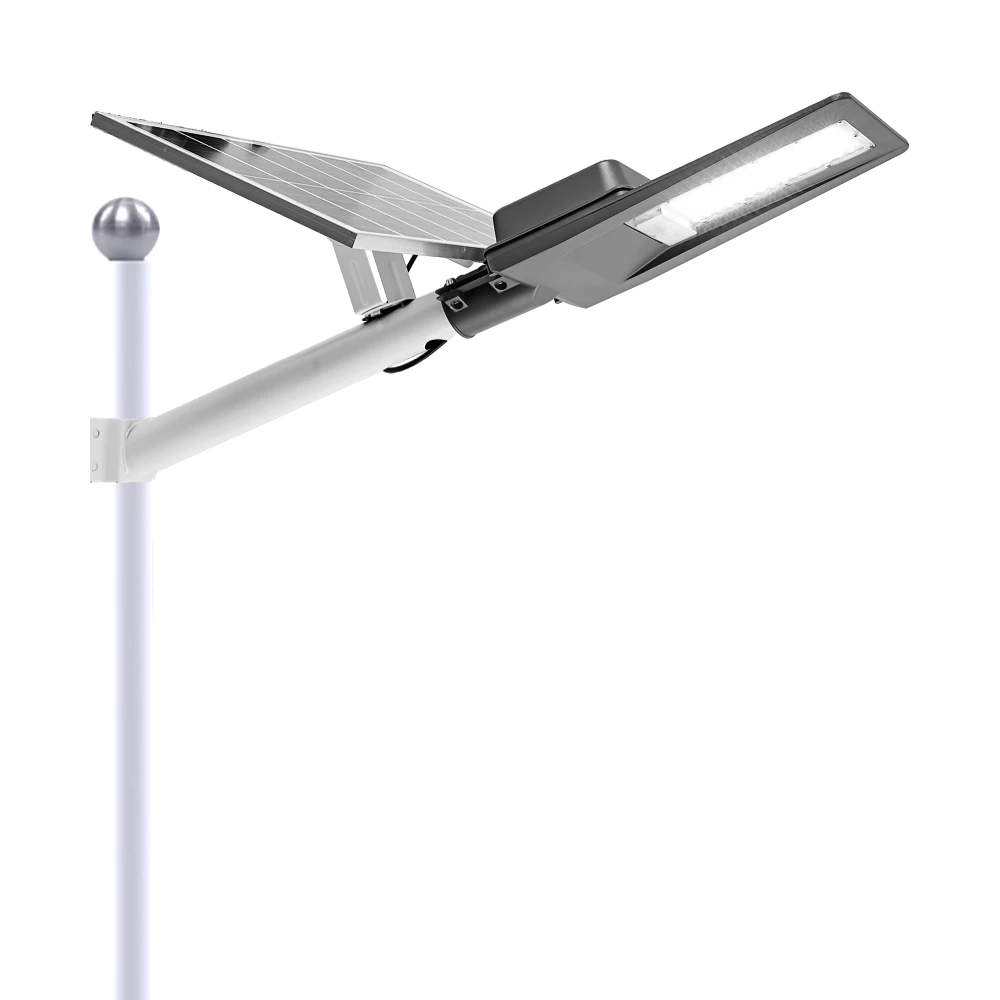
Experience reliable outdoor illumination with our smart solar street light, a perfect combination of advanced technology and eco-conscious design.
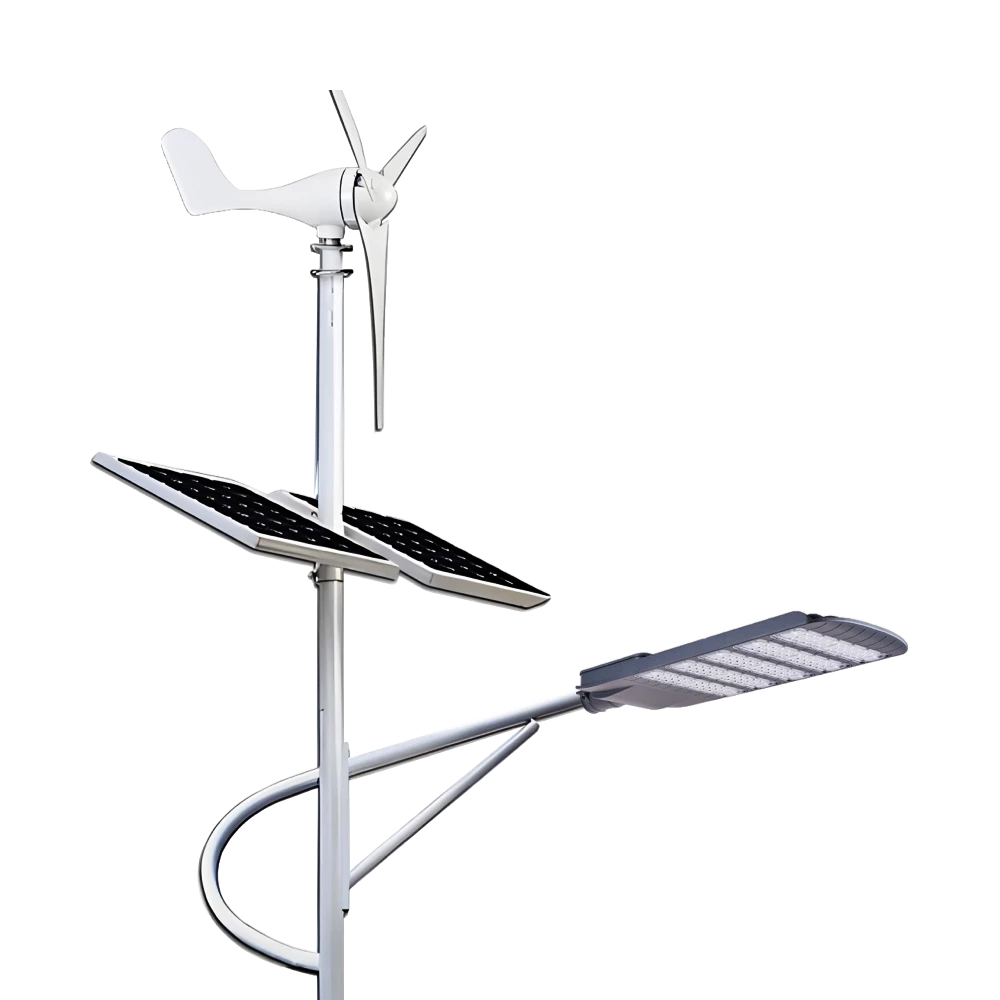
Queneng Lufeng Wind Energy LED Outdoor Solar Street Lights offer high-performance, eco-friendly illumination. These energy-efficient LED street lights harness solar power and wind energy for sustainable, cost-effective outdoor lighting solutions.
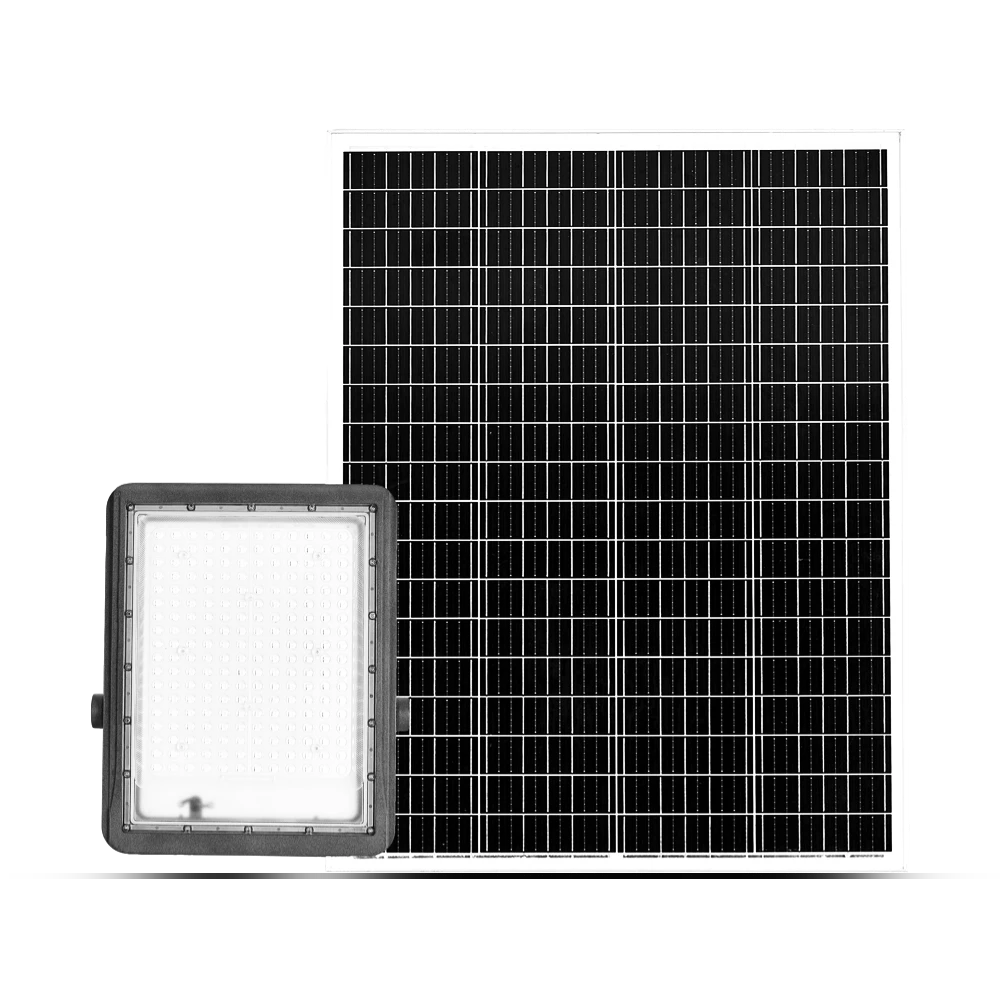
Queneng's Luxian Reliable Solar Street Light offers energy-saving LED lighting for outdoor use. This durable, solar-powered street light provides reliable illumination, reducing energy costs and environmental impact. A perfect solution for sustainable outdoor lighting.
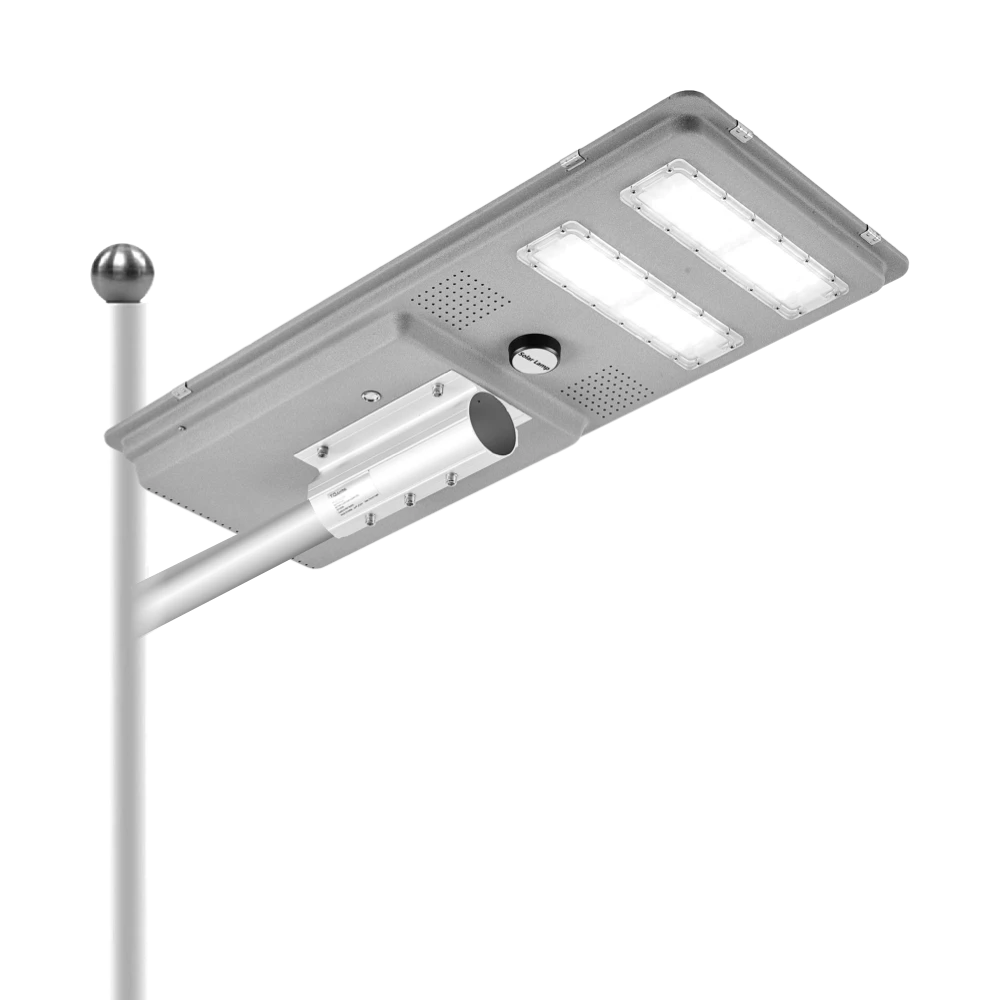
Queneng’s Solar Street Lights are designed to provide reliable, energy-efficient lighting for streets, parks, and other outdoor spaces.
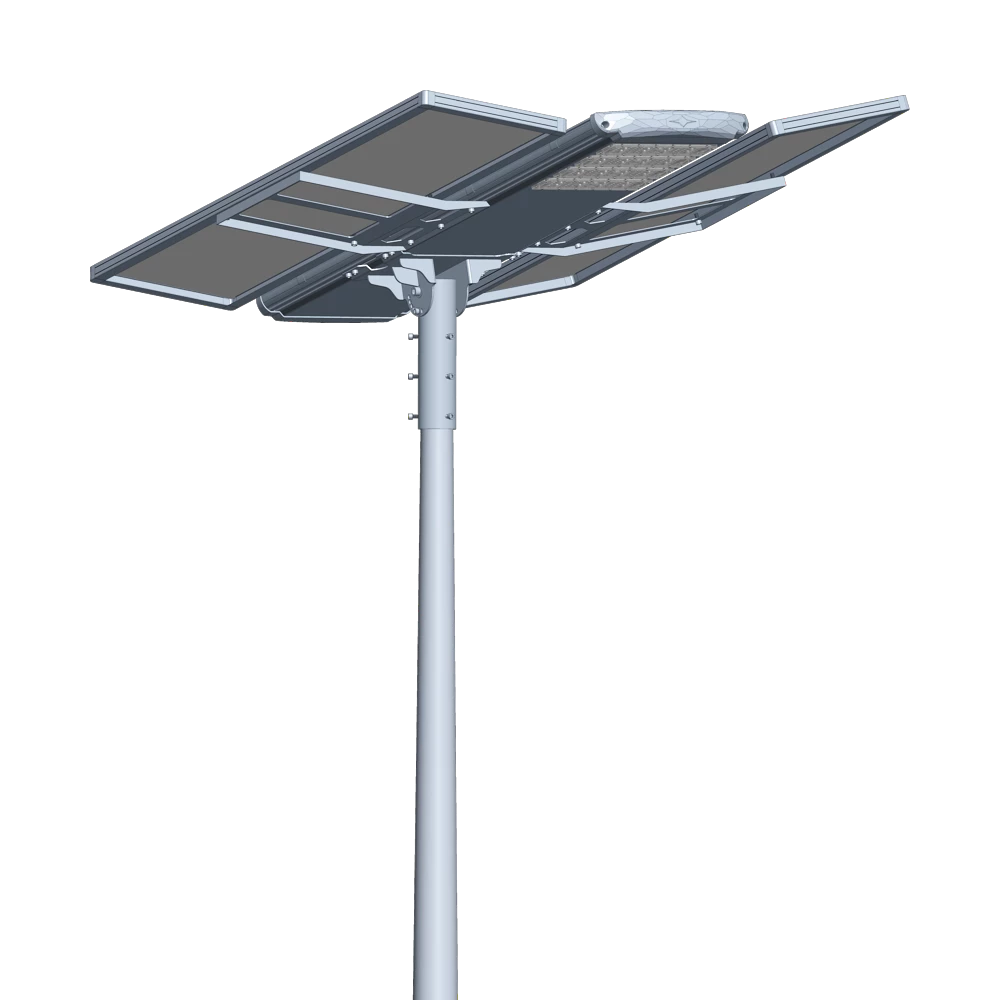
Introducing the Luqing Solar Street Light by Queneng, Efficient LED lighting powered by solar energy is perfect for illuminating outdoor areas. Harness the power of solar energy for sustainable, reliable street lighting. Ideal for eco-friendly, cost-effective outdoor illumination solutions.
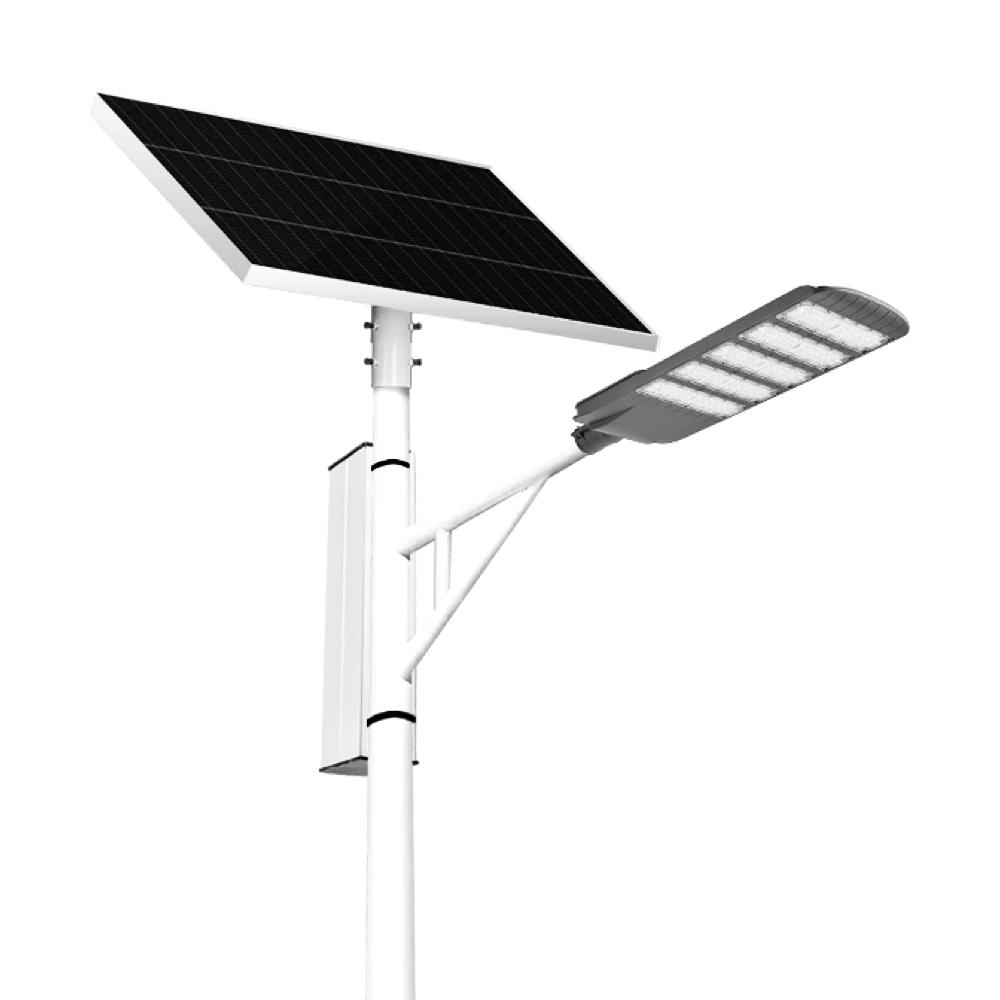
The Solar Streetlights of Luhao for Municipalities are designed to deliver reliable, energy-efficient, and cost-effective public lighting solutions. Equipped with advanced LED technology, durable lithium batteries, and high-efficiency solar panels, these streetlights provide consistent illumination for roads, parks, residential areas, and government projects.
If you would like more information about Queneng solar lighting solutions, please send us a message by filling out the form below. Our professional team will get back to you within 24 hours!
Rest assured that your privacy is important to us, and all information provided will be handled with the utmost confidentiality.
Schedule a Meeting
Book a date and time that is convenient for you and conduct the session in advance.
Have more questions about our products or services?
The messenger of light & power conversion
Environmental protection and intelligent manufacturing are our brand philosophy, and quality assurance and the best user experience are our eternal promises to users.
CONTACT
No.9F, Building F, Cao San Xin Tian Hong Logistics Park, Guzhen Town, Zhongshan City, Guangdong Province, China.
or write [email protected]
WhatsApp: +86 136 2270 1011


