

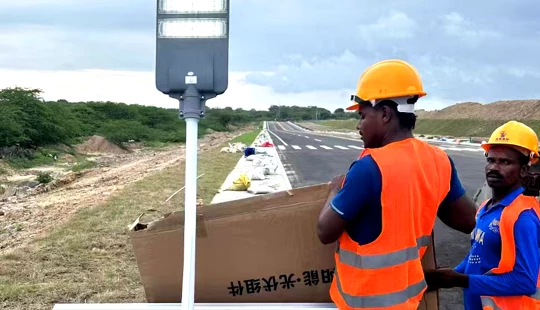
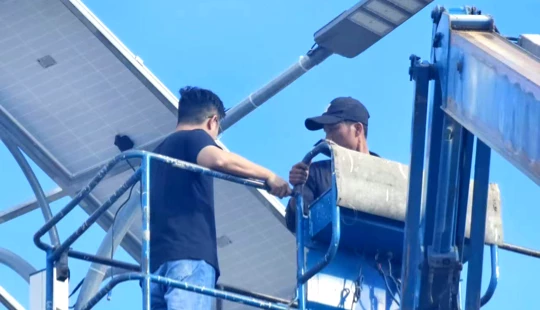













How to vet a new solar street light manufacturer thoroughly?
Navigating the World of Solar Street Lights: A Buyer's Guide
The global shift towards sustainable infrastructure has accelerated the adoption of solar street lights, making them a crucial component for smart cities and remote area development. For procurement professionals, understanding the nuances of this technology, its costs, and how to vet reliable manufacturers is paramount. This guide provides in-depth professional knowledge for informed purchasing decisions.
What Factors Determine the Cost of Solar Street Lights?
The cost of solar street lights is influenced by a complex interplay of several key components and specifications, typically ranging from $150 for basic residential models to over $1,500 for high-end commercial or industrial solutions. Understanding these factors is crucial for budget planning:
- LED Wattage & Lumens: Higher brightness (lumens) requires more powerful LED chips, which increases cost. A common range for municipal applications is 30W to 120W.
- Battery Capacity & Type: The battery is often the most expensive single component. Lithium Iron Phosphate (LiFePO4) batteries are preferred for their longer lifespan (8-10+ years), higher cycle count, and better temperature stability compared to lead-acid batteries, but come at a higher initial cost. Capacity (Ah or Wh) determines autonomy (how many nights it can power the light without sun).
- Solar Panel Wattage & Efficiency: Higher wattage panels (Wp) are needed to efficiently charge larger batteries, especially in areas with less sunlight. Monocrystalline panels, while more expensive, offer higher efficiency and smaller footprints.
- Charge Controller: MPPT (Maximum Power Point Tracking) controllers are more efficient (15-30% more power harvest) and costly than PWM (Pulse Width Modulation) controllers. They are essential for optimizing battery charging.
- Pole Height & Material: Taller, more robust poles (galvanized steel, aluminum) increase costs due to material and transport. The pole's design for wind resistance and aesthetic also plays a role.
- Smart Features & Connectivity: Motion sensors, dimming capabilities, IoT modules for remote monitoring and control, and integrated cameras add significant cost but offer enhanced functionality and energy savings.
- Brand & Warranty: Reputable manufacturers often charge more for their proven quality, reliability, and comprehensive warranties, which ly reduce long-term maintenance costs.
All-in-One vs. Split Solar Street Lights: Which is Right for Your Project?
The choice between All-in-One (integrated) and Split (separated) solar street lights depends heavily on project requirements, environmental conditions, and budget:
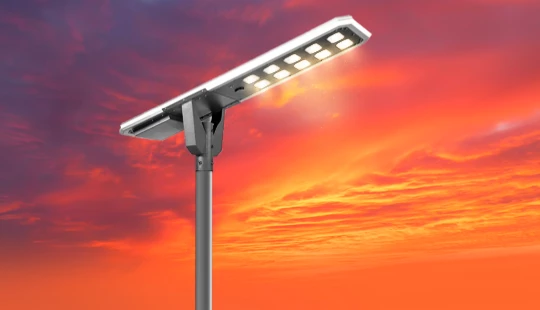
- All-in-One Solar Street Lights: These units integrate the solar panel, LED light, battery, and controller into a single compact housing.
- Pros: Easier and faster installation (no complex wiring), lower installation labor costs, aesthetically pleasing, reduced risk of theft for internal components.
- Cons: Limited scalability for very high power requirements, solar panel angle is fixed (cannot be optimized independently of the light), battery and controller are exposed to the heat generated by the LED, which can impact lifespan.
- Best For: Residential streets, pathways, parks, small parking lots, areas with consistent sun exposure, and projects where ease of installation and aesthetics are priorities.
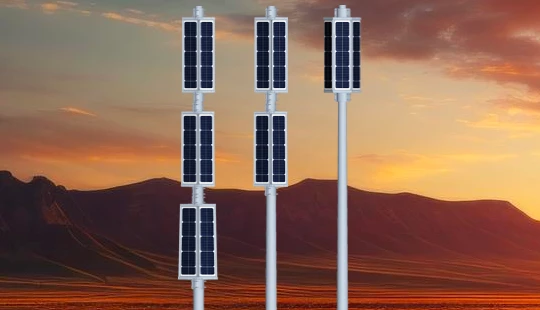
- Split Solar Street Lights: In this configuration, the solar panel, battery, and LED light are separate components, connected by cables.
- Pros: Greater flexibility in panel orientation (can be angled for optimal sun exposure), battery can be housed separately (e.g., underground box) for thermal management and theft protection, scalable for higher power applications (larger panels and batteries possible), longer lifespan due to better heat dissipation.
- Cons: More complex and costly installation (requires trenching for cables, separate mounting for components), less aesthetically compact, higher risk of cable damage or theft.
- Best For: Major roads, highways, industrial areas, areas with challenging sun exposure (e.g., partial shade), high-power lighting needs, and projects prioritizing performance and durability over installation simplicity.
What are the Critical Features to Look for in a High-Quality Solar Street Light?
To ensure a long-lasting and efficient solar street light system, procurement specialists must prioritize quality components:
- High-Efficiency Solar Panel: Monocrystalline silicon panels (typically >20% efficiency) are superior for converting sunlight into electricity, even in low-light conditions.
- Reliable Battery: LiFePO4 (Lithium Iron Phosphate) batteries are the industry standard for durability, safety, and longevity (3000-4000+ charge cycles, 8-10+ years lifespan). Ensure adequate capacity for desired autonomy.
- Efficient LED Chips: Opt for reputable brands like Cree, Philips, Osram, or Seoul Semiconductor known for high lumen output per watt (lumen efficacy >150lm/W) and a lifespan of 50,000-100,000 hours.
- Smart MPPT Charge Controller: Maximizes power harvest from the solar panel and protects the battery from overcharging/over-discharging, extending its life.
- Robust Housing & Heat Management: Die-cast aluminum alloy housing provides excellent corrosion resistance (IP65/IP66 rating) and crucial heat dissipation for the LED module, preventing premature failure.
- Optimized Optical Lens: A well-designed lens ensures uniform light distribution, minimizing hotspots and dark spots on the road surface.
- Intelligent Control Systems: Features like microwave motion sensors (more accurate than PIR), programmable dimming, and remote monitoring via IoT platforms enhance energy efficiency and operational flexibility.
How to VET a New Solar Street Light Manufacturer Thoroughly?
Vetting a new manufacturer is a critical step to mitigate risks and ensure project success. Professional buyers should follow a stringent process:
- Certifications & Standards: Verify international quality management (ISO 9001), environmental management (ISO 14001), and product-specific certifications (CE, RoHS, FCC, UL where applicable, IP ratings for ingress protection).
- Experience & Track Record: Inquire about their years in business, project portfolio (especially similar projects in scope and scale), and request client references or case studies. A factory audit report (e.g., SGS, TUV) can provide independent verification.
- R&D and Innovation: Assess their commitment to R&D. Do they offer proprietary technologies? Can they provide custom solutions? A manufacturer with strong R&D capability is likely to offer cutting-edge products and continuous improvement.
- Quality Control Process: Understand their internal QC procedures. Do they perform incoming material inspection, in-process inspection, and final product testing? Request reports of component traceability (e.g., battery cells, LED chips).
- Warranty & After-Sales Support: Scrutinize warranty terms for all major components (battery, solar panel, LED driver). A minimum 3-5 year warranty on the entire system is standard. Evaluate their technical support capabilities, availability of spare parts, and response times for claims.
- Production Capacity & Lead Times: Ensure they can meet your required volume and delivery schedule without compromising quality. A factory visit (virtual or in-person) can provide insights into their production lines and scale.
- Financial Stability: A financially stable manufacturer is more likely to honor warranties and provide long-term support. You might request credit reports or public financial statements if available.
- Communication & Transparency: Evaluate their responsiveness, clarity in communication, and willingness to share information openly.
What is the Typical Lifespan and Return on Investment (ROI) for Solar Street Lights?
A well-specified and properly installed solar street light system offers significant longevity and compelling financial returns:
- Lifespan of Components:
- LED Light Source: 50,000 to 100,000 hours, equivalent to 10-20 years based on 12 hours of operation per night.
- LiFePO4 Battery: 8-10+ years (3,000 to 4,000+ cycles) before significant capacity degradation (to 80% of original capacity).
- Solar Panel: 20-25 years, with a typical degradation rate of less than 0.7% per year.
- Charge Controller: 5-10 years.
- Overall System Lifespan: With periodic battery replacement (every 8-10 years), a high-quality solar street light system can reliably operate for 15-20 years.
- Return on Investment (ROI):
- Energy Savings: Eliminates electricity bills entirely, offering immediate operational savings.
- Installation Savings: No trenching, cabling, or connection to the grid, significantly reducing civil works and labor costs compared to traditional grid-powered lights.
- Reduced Maintenance: Modern solar street lights are low-maintenance, primarily requiring occasional cleaning of solar panels.
- Environmental Benefits: Reduces carbon footprint and reliance on fossil fuels, aligning with sustainability goals.
- Payback Period: Depending on local electricity rates, installation complexities, and government incentives, the typical payback period for a solar street light system ranges from 3 to 7 years. After this period, the savings contribute directly to the bottom line.
Conclusion: Partnering for Sustainable Illumination with Queneng Lighting
Navigating the complex landscape of solar street light procurement requires a blend of technical understanding, market insight, and stringent vendor evaluation. By focusing on critical features, understanding cost drivers, and meticulously vetting manufacturers, procurement professionals can ensure sustainable, cost-effective, and high-performance lighting solutions.
Queneng Lighting stands as a trusted partner in this endeavor, offering a compelling array of advantages:
- Comprehensive Product Range: From advanced All-in-One solutions to robust Split systems, Queneng provides a diverse portfolio tailored for various applications, including high-power commercial and industrial projects, leveraging the latest LiFePO4 battery technology and high-efficiency LED chips.
- Unwavering Quality & Reliability: Queneng Lighting adheres to strict ISO 9001 certified manufacturing processes, utilizing Tier-1 components (e.g., branded LED chips, high-grade LiFePO4 batteries, MPPT controllers) and rigorous multi-stage quality control. This commitment ensures products meet international standards like CE, RoHS, and IP66, guaranteeing durability and consistent performance.
- Innovation & Customization: With a strong R&D department, Queneng offers intelligent lighting solutions, including smart control systems, IoT integration, and bespoke designs to meet specific project demands and environmental challenges.
- Expert Support & Global Experience: Leveraging years of experience in the global market, Queneng provides professional technical consultation, comprehensive warranty support (typically 3-5 years for the entire system), and efficient after-sales service, ensuring peace of mind throughout the product lifecycle.
- Competitive Value: By optimizing supply chains and manufacturing processes, Queneng Lighting delivers competitive pricing without compromising on quality, offering an excellent ROI for your investments in sustainable lighting infrastructure.
Choosing Queneng Lighting means selecting a partner committed to delivering superior solar street lighting solutions that illuminate your projects efficiently, reliably, and sustainably.
References
- EnergySage: Cost of Solar Panels (Accessed: October 26, 2023)
- U.S. Energy Information Administration (EIA): Average Price of Electricity (Accessed: October 26, 2023) - *General reference for electricity cost impact on ROI.*
- ResearchGate: A Review on the Comparison of All-in-one and Separate Type Solar Street Lights (Accessed: October 26, 2023)
- PV Magazine: LiFePO4 battery manufacturing costs expected to fall by 7-13% annually until 2030 (Accessed: October 26, 2023) - *Supports trend for battery technology.*
- Cree LED (Official Website) (Accessed: October 26, 2023) - *Information on LED efficiency and lifespan.*

Have more questions about our products or services?
The latest hot news you might like

Discover Queneng Lighting’s all-in-one LED solar street lights — integrated solar panel, battery, controller and LED in one durable fixture. Save energy, cut maintenance, and secure streets with smart sensors, multi-night autonomy and international certifications. Contact sales for quotes and support.

Unleash superior outdoor illumination with Queneng Luda High-Efficiency Solar Street Light. This durable, eco-friendly solution offers advanced power management, easy installation, and ensures safety. Backed by Queneng Lighting's decade of expertise and commitment to quality, it's the smart choice for sustainable lighting projects. Learn why we're a leading solar solutions provider.

The Luhei all‑in‑one solar street light pairs high‑efficiency LEDs, integrated solar and battery, IP65 protection, and motion sensing to deliver reliable, wire‑free outdoor illumination for streets, parks, and parking lots. Backed by Queneng Lighting’s certifications and support.

FAQ
Battery and Analysis
What is over-discharge and what effect does it have on battery performance?
What is an external short circuit and what effect does it have on battery performance?
Tourist Attractions and Resorts
How do solar lights perform in areas with limited sunlight?
Solar lights are designed to work efficiently even in areas with limited sunlight. Modern solar technology uses high-quality solar panels that can store energy even in cloudy or overcast conditions.
Solar Street Light Luqiu
What makes Luqiu solar street lights innovative compared to traditional solar street lights?
Luqiu solar street lights incorporate advanced technology, such as energy-saving LEDs, smart sensors, and efficient solar panels. These features ensure higher performance, longer battery life, and better adaptability to varying weather conditions, setting them apart from traditional models.
Solar Street Light Luyan
What makes Luyan solar street lights eco-friendly?
Luyan solar street lights are eco-friendly because they use renewable solar energy, reducing reliance on fossil fuels and minimizing carbon emissions. The lights are powered by solar panels, and the energy-efficient LEDs ensure lower power consumption, making them a sustainable lighting solution for outdoor areas.
Solar Street Light Luqing
Can I install Luqing solar street lights myself, or do I need a professional?
Luqing solar street lights are designed for easy installation, typically requiring no special tools or external wiring. Most installations can be done by a homeowner or contractor with basic knowledge of outdoor lighting, but professional installation is always an option for more complex setups.
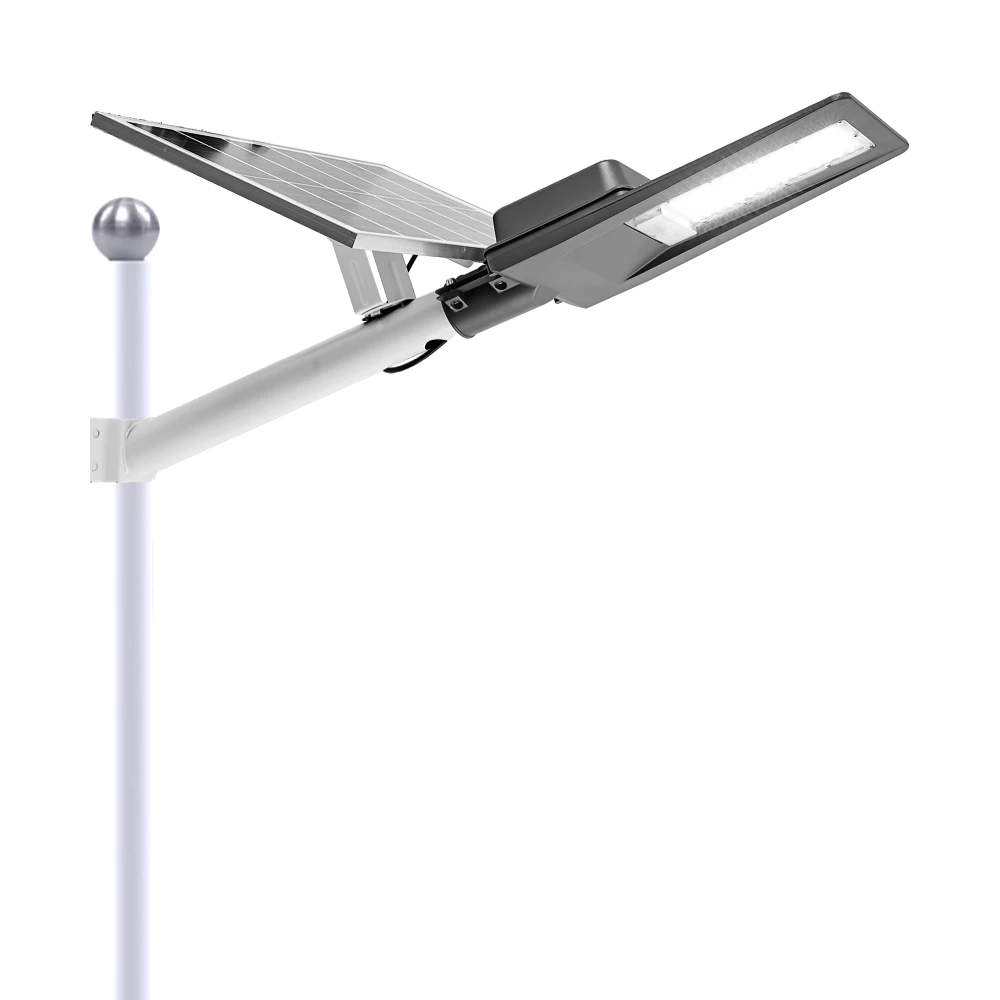
Experience reliable outdoor illumination with our smart solar street light, a perfect combination of advanced technology and eco-conscious design.
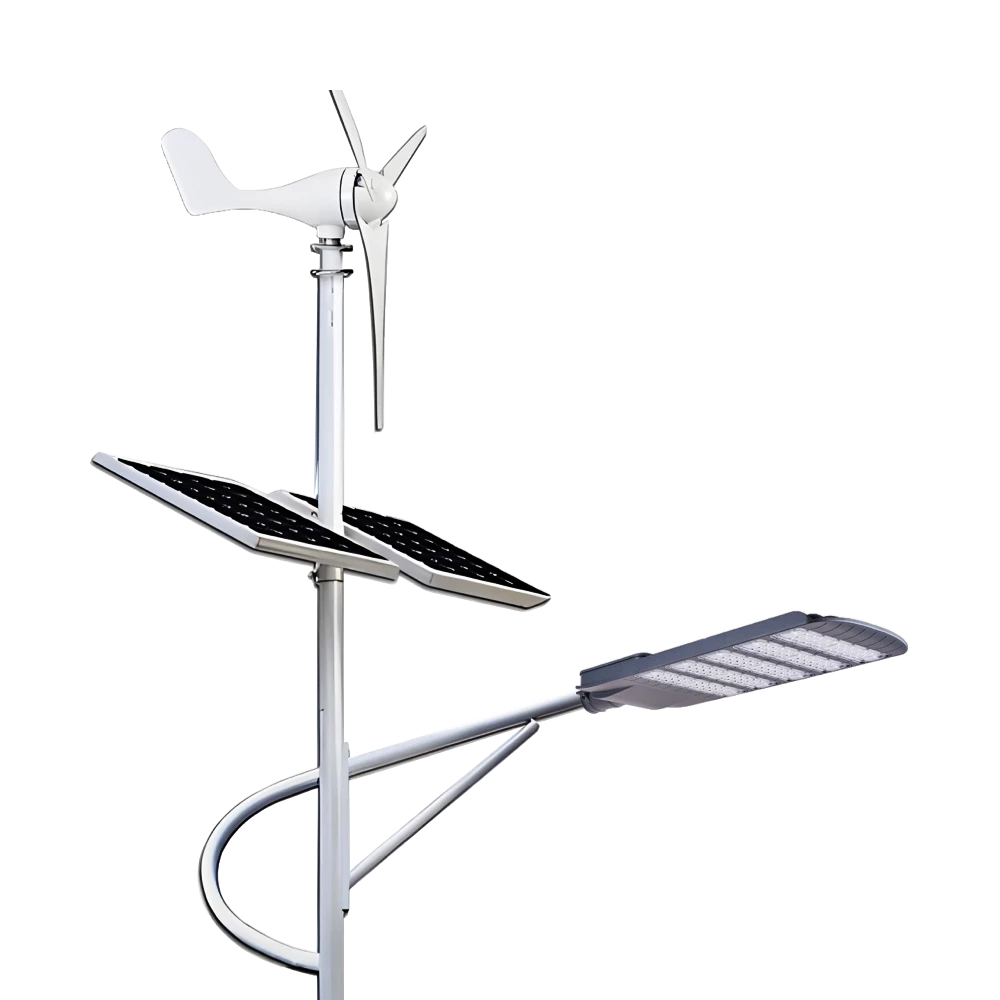
Queneng Lufeng Wind Energy LED Outdoor Solar Street Lights offer high-performance, eco-friendly illumination. These energy-efficient LED street lights harness solar power and wind energy for sustainable, cost-effective outdoor lighting solutions.
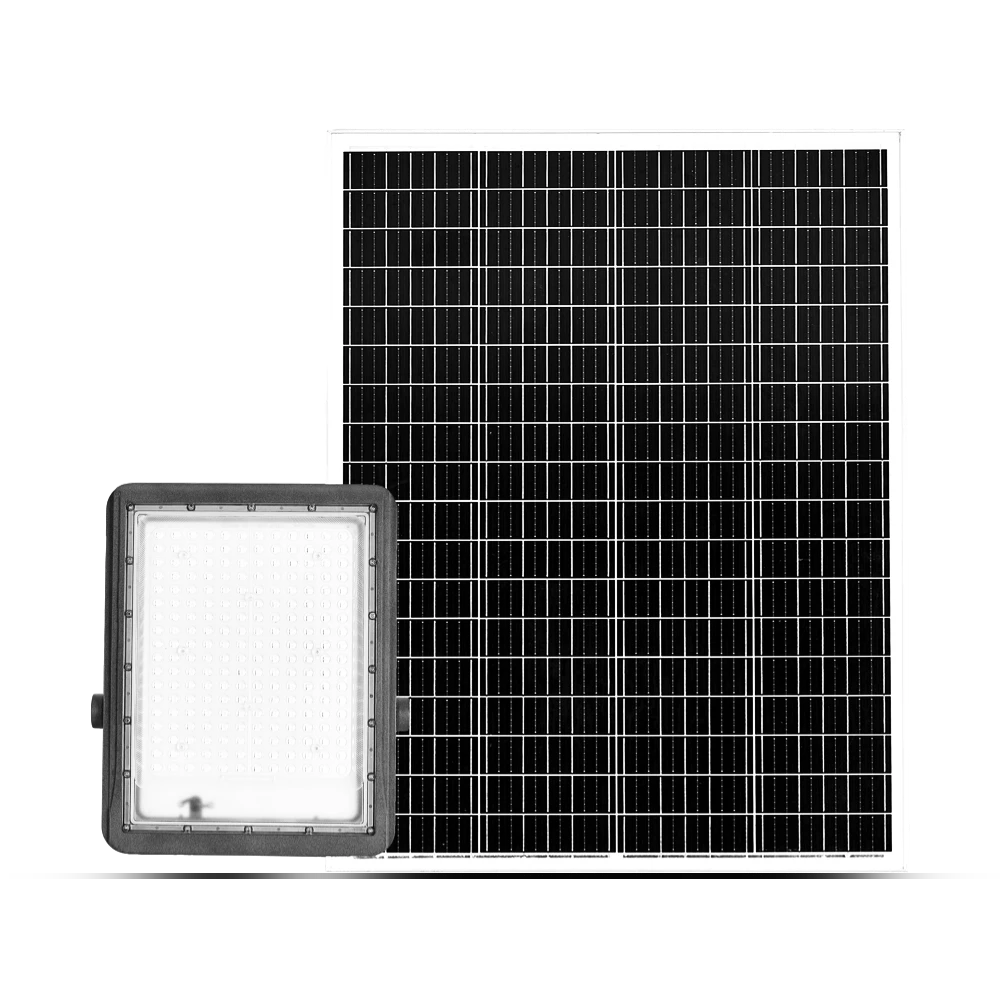
Queneng's Luxian Reliable Solar Street Light offers energy-saving LED lighting for outdoor use. This durable, solar-powered street light provides reliable illumination, reducing energy costs and environmental impact. A perfect solution for sustainable outdoor lighting.
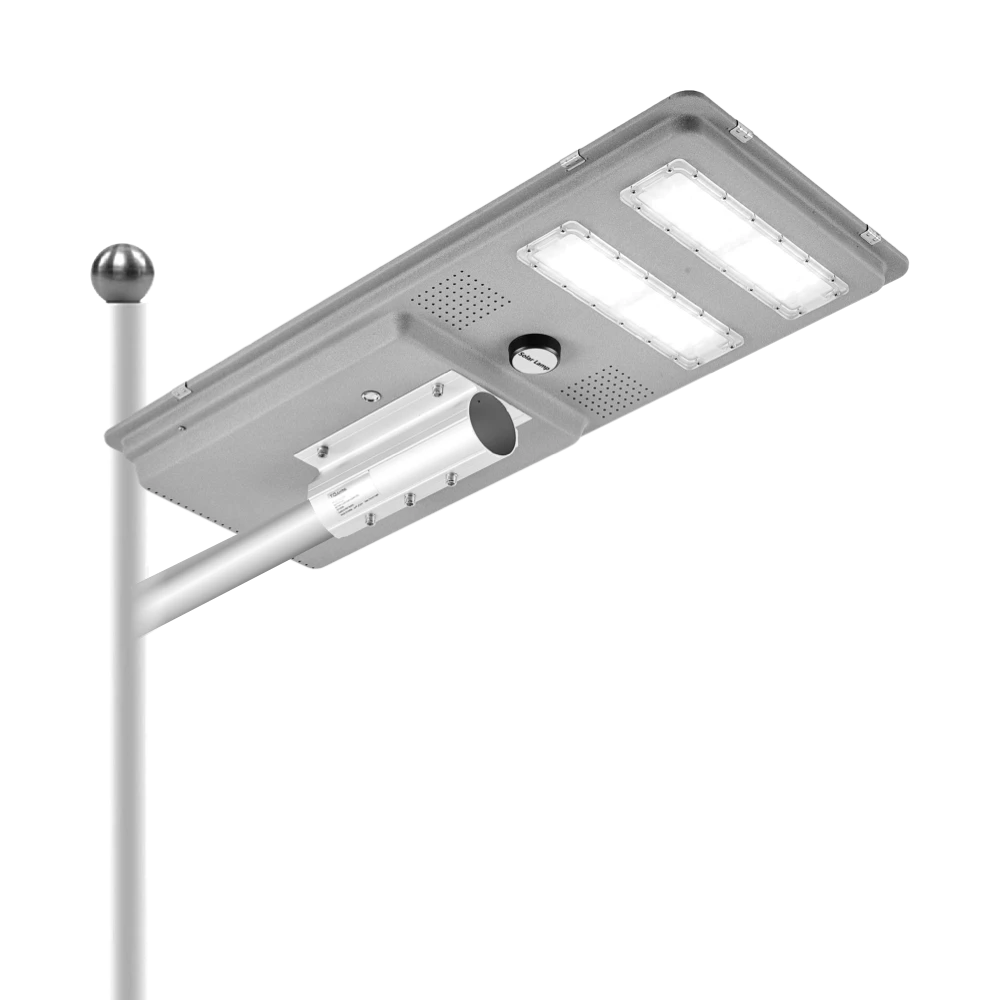
Queneng’s Solar Street Lights are designed to provide reliable, energy-efficient lighting for streets, parks, and other outdoor spaces.
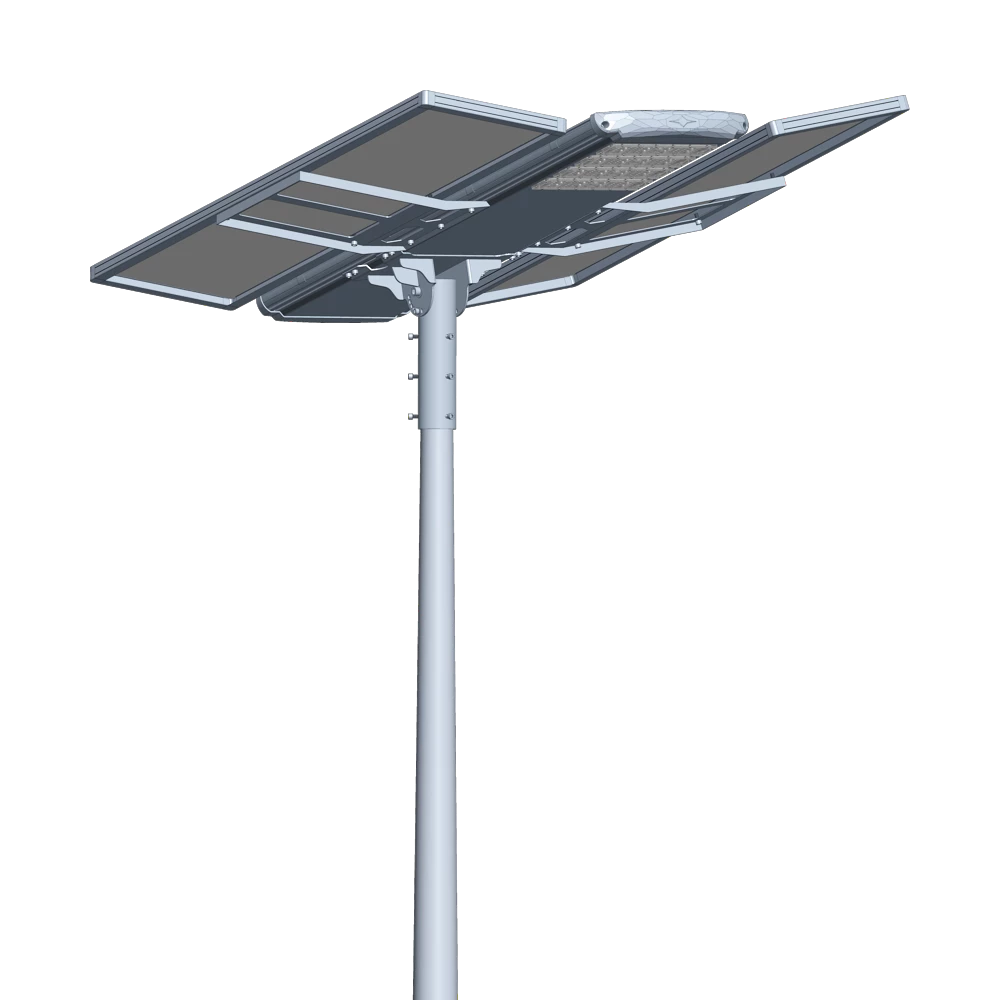
Introducing the Luqing Solar Street Light by Queneng, Efficient LED lighting powered by solar energy is perfect for illuminating outdoor areas. Harness the power of solar energy for sustainable, reliable street lighting. Ideal for eco-friendly, cost-effective outdoor illumination solutions.
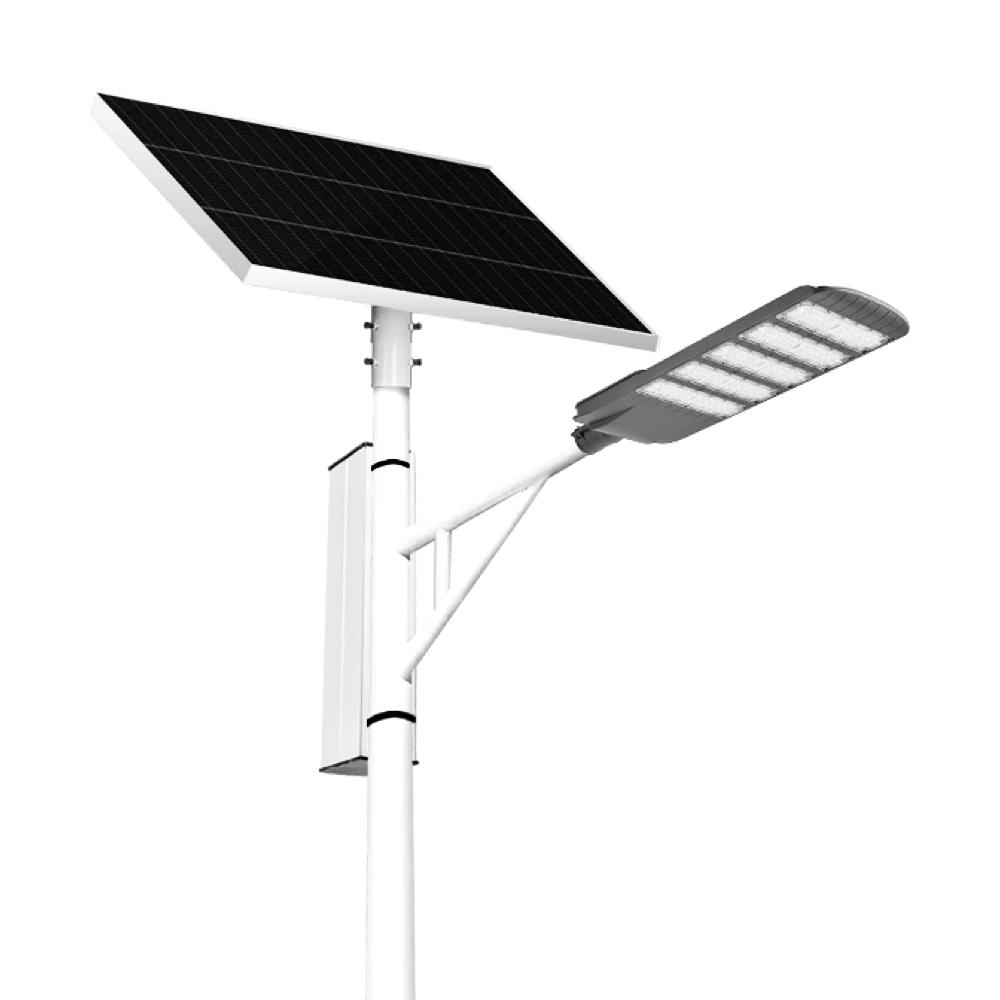
The Solar Streetlights of Luhao for Municipalities are designed to deliver reliable, energy-efficient, and cost-effective public lighting solutions. Equipped with advanced LED technology, durable lithium batteries, and high-efficiency solar panels, these streetlights provide consistent illumination for roads, parks, residential areas, and government projects.
If you would like more information about Queneng solar lighting solutions, please send us a message by filling out the form below. Our professional team will get back to you within 24 hours!
Rest assured that your privacy is important to us, and all information provided will be handled with the utmost confidentiality.
Schedule a Meeting
Book a date and time that is convenient for you and conduct the session in advance.
Have more questions about our products or services?
The messenger of light & power conversion
Environmental protection and intelligent manufacturing are our brand philosophy, and quality assurance and the best user experience are our eternal promises to users.
CONTACT
No.9F, Building F, Cao San Xin Tian Hong Logistics Park, Guzhen Town, Zhongshan City, Guangdong Province, China.
or write [email protected]
WhatsApp: +86 136 2270 1011


