














What's included in the total cost of ownership for solar?
Navigating the Costs and Choices: A Comprehensive Guide to Procuring Solar Street Lights
As municipalities, developers, and businesses increasingly turn to sustainable infrastructure, solar street lighting has emerged as a compelling solution. However, navigating the myriad options, particularly for split solar street light systems, and understanding the true cost of ownership can be complex. This guide, tailored for professional procurement teams, addresses the most pressing questions to ensure you make informed, cost-effective decisions.
What are the key cost components and pricing factors for a split solar street light system?
The initial investment in a split solar street light system is influenced by several critical components, each contributing to the overall cost:
- Solar Panel: The wattage, efficiency (typically monocrystalline cells offering 18-22% efficiency), and brand significantly impact cost. Larger panels are needed for higher power output or less sunny regions.
- Battery: LiFePO4 (Lithium Iron Phosphate) batteries are standard due to their longer lifespan and safety. Capacity (Ah or Wh), cycle life, and brand are major cost drivers. Higher capacity batteries ensure more days of autonomy.
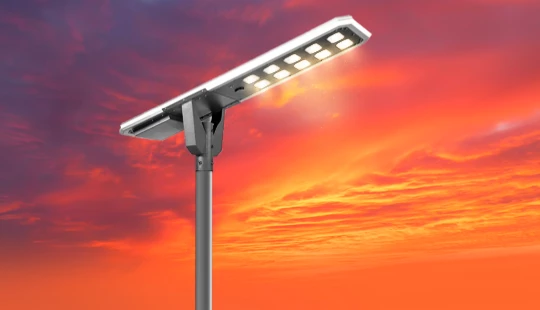
- LED Lamp: Lumens output, wattage, LED chip quality (e.g., Philips, Cree), and optical lens design (light distribution patterns like Type II, Type III, Type IV) determine the lamp's cost. Higher efficacy (lumens/watt) is crucial for energy efficiency.
- Charge Controller: This component regulates power flow, protecting the battery. MPPT (Maximum Power Point Tracking) controllers are more efficient and thus generally more expensive than PWM (Pulse Width Modulation) controllers, but offer better performance.
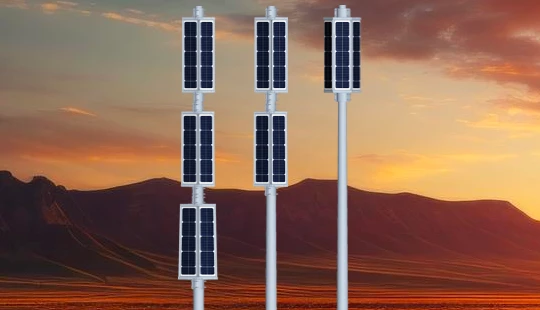
- Light Pole: Material (galvanized steel, aluminum), height, wall thickness, design (tapered, straight), and foundation requirements contribute substantially. Split systems often require poles with larger internal space or additional mounting brackets for the battery box.
- Cabling and Wiring: Necessary to connect the separate solar panel, battery, and lamp. The length and gauge of cables are determined by the distance between components.
- Mounting Hardware and Battery Enclosure: Brackets for panels, anti-theft mechanisms, and robust, weatherproof enclosures for the battery and controller add to the cost.
- Installation Costs: Labor, heavy equipment (cranes for taller poles), trenching for underground wiring (if applicable), and civil works for foundations. Split systems often have higher installation complexity and labor costs due to separate component mounting.
Pricing Factors: These systems can range from approximately $300 to $2,500+ per unit, excluding installation, depending heavily on wattage, battery autonomy, pole height, and quality of components. Commercial-grade systems for municipal projects generally fall into the higher end of this spectrum.
How do All-in-One and Split Solar Street Lights compare in terms of initial cost, installation, and long-term performance for large-scale projects?
Choosing between All-in-One (AIO) and Split solar street lights is a critical procurement decision with significant implications:
- Initial Cost:
- All-in-One: Generally lower initial purchase price due to integrated design and simpler manufacturing. Lower installation costs due to plug-and-play setup and reduced labor.
- Split: Typically higher initial material cost as components (panel, battery, lamp) are separate and often larger/more robust. Higher installation costs due to separate mounting of components, more complex wiring, and potentially heavier poles.
- Installation:
- All-in-One: Fast and easy installation; minimal wiring, often requiring just a pole mount. Ideal for projects with budget constraints on labor and time.
- Split: More complex and time-consuming installation. Requires mounting the solar panel separately (e.g., on top of the pole or side-mounted), securing the battery box (often at the pole base or underground), and running wires between components. This flexibility, however, allows for optimal panel orientation.
- Long-term Performance & Durability:
- All-in-One: Compact design can lead to heat management challenges, potentially shortening battery and LED lifespan in hot climates. Limited flexibility in panel orientation. Simpler aesthetic.
- Split: Superior heat dissipation for battery and controller as they are often separated from the LED lamp and mounted lower on the pole or in a dedicated enclosure. This separation can significantly extend component lifespan, especially for the battery. Allows for optimal solar panel tilt and azimuth, maximizing energy harvest regardless of pole orientation. Better wind resistance due to separate, often smaller, components. Easier maintenance/replacement of individual components.
For large-scale projects requiring robustness, adaptability to diverse climates, and maximum longevity, split systems often provide a better Total Cost of Ownership (TCO) despite a higher initial outlay, due to their enhanced performance and maintainability.
What constitutes the Total Cost of Ownership (TCO) for solar street lighting projects, and how can it be optimized?
The Total Cost of Ownership (TCO) goes beyond the initial purchase price and includes all costs incurred over the system's lifespan. For solar street lights, TCO typically encompasses:
- Initial Acquisition Cost: Purchase price of all components (panel, battery, lamp, controller, pole, mounting hardware).
- Installation Cost: Labor, equipment rental (e.g., crane), foundation work, trenching, wiring.
- Maintenance Costs:
- Routine: Cleaning solar panels (especially in dusty environments), visual inspections, checking connections.
- Component Replacement: Primarily battery replacement (every 5-8 years for LiFePO4) and potentially LED drivers or controllers over a 10-20 year period.
- Troubleshooting & Repairs: Costs associated with diagnosing and fixing faults.
- Disposal Costs: End-of-life disposal of batteries and other components, especially for hazardous materials.
- Indirect Costs/Benefits: While not direct costs, factors like reduced carbon footprint and enhanced public safety provide significant long-term value.
TCO Optimization Strategies:
- High-Quality Components: Investing in High Quality panels, LiFePO4 batteries, and robust LEDs reduces the frequency and cost of replacements.
- Optimized Design: Ensure the system is correctly sized for local solar irradiance and desired autonomy. Oversizing is wasteful; undersizing leads to failures.
- Professional Installation: Proper installation minimizes future issues and extends system life.
- Preventive Maintenance Plan: Regular cleaning and inspections can preempt major failures.
- Extended Warranties: Prioritize manufacturers offering comprehensive warranties on key components.
- Battery Management System (BMS): Essential for maximizing battery lifespan and performance, often integrated into controllers.
- Remote Monitoring: For large projects, remote monitoring systems can detect issues early, reducing manual inspection costs and downtime.
What are the typical lifespans and warranty expectations for major components of commercial-grade solar street lights?
Understanding component lifespans and warranties is crucial for long-term project planning and budgeting:
- LED Light Fixture:
- Lifespan: 50,000 to 100,000 operating hours (L70 rating), translating to 10-20+ years of typical night-time operation.
- Warranty: Commonly 3-5 years, some high-end manufacturers offer up to 7 years.
- Solar Panel (Photovoltaic Module):
- Lifespan: Designed for 25+ years. Performance degrades gradually (e.g., 0.5% per year).
- Warranty: Typically 10-12 years product warranty (against manufacturing defects) and 20-25 years performance warranty (guaranteeing a certain percentage of initial power output, e.g., 80% after 25 years).
- Battery (LiFePO4 - Lithium Iron Phosphate):
- Lifespan: 2,000 to 4,000 charge/discharge cycles at 80% Depth of Discharge (DoD), translating to 5-8 years under typical conditions. Factors like operating temperature and discharge depth significantly influence this.
- Warranty: Commonly 3-5 years. Some High Quality brands offer longer.
- Charge Controller:
- Lifespan: 5-10 years.
- Warranty: Usually 2-5 years.
- Light Pole & Structure:
- Lifespan: Galvanized steel poles can last 20-25 years or more with proper maintenance and coating.
- Warranty: Varies by manufacturer, often covering structural integrity for 10-20 years.
Procurement teams should always request detailed warranty information and ensure clarity on terms, conditions, and coverage for each major component.
What are the critical factors to evaluate when selecting a reputable Solar Street Light Manufacturer for bulk procurement?
Choosing the right manufacturer is paramount for project success, especially for bulk orders. Key evaluation criteria include:
- Experience & Reputation: Look for manufacturers with a proven track record in the solar street light industry, particularly with similar project scales. Check for industry awards, testimonials, and case studies.
- Product Quality & Certifications: Demand high-quality components (brand-name LEDs, controllers, and batteries) and robust construction. Verify international certifications such as CE, RoHS, ISO 9001 (Quality Management), ISO 14001 (Environmental Management), and potentially local certifications relevant to your region.
- R&D and Customization Capabilities: A manufacturer with strong R&D can offer innovative solutions and custom designs to meet specific project requirements (e.g., unique pole designs, specialized light distribution, extreme weather resilience).
- Quality Control (QC) Processes: Inquire about their QC procedures throughout the manufacturing process, from raw material inspection to final product testing. This ensures consistency and reliability.
- After-Sales Support & Warranty: Comprehensive warranty policies for all components, clear procedures for claims, and readily available technical support are essential. This impacts long-term TCO.
- Production Capacity & Lead Times: For bulk procurement, ensure the manufacturer can meet your volume requirements within specified lead times.
- Financial Stability: A financially stable manufacturer is more likely to honor warranties and provide long-term support.
- Project References: Request references for past projects of similar scope and size. Contact these references to gauge their satisfaction.
Which essential technical specifications should be prioritized when procuring high-performance solar street lights for diverse environmental conditions?
For high-performance solar street lights operating in various environments, prioritize these technical specifications:
- Luminous Flux & Efficacy (Lumens & Lumens/Watt): Essential for ensuring adequate illumination. Focus on delivered lumens and high efficacy for energy efficiency.
- Battery Capacity & Autonomy (Ah/Wh & Days of Autonomy): Critical for reliable operation during cloudy days. Specify required days of autonomy (e.g., 3-5 consecutive rainy days) to ensure consistent performance. LiFePO4 is preferred for its cycle life.
- Solar Panel Wattage (Wp) & Efficiency: Sized to efficiently charge the battery in local solar irradiance conditions. Monocrystalline panels are generally more efficient.
- IP Rating (Ingress Protection): Essential for dust and water resistance. IP65 is a minimum for outdoor use; IP66 or IP67 offers superior protection in harsh environments.
- Wind Resistance: Crucial for pole and fixture design, especially in coastal or high-wind areas. Specify the maximum wind speed the system must withstand.
- Operating Temperature Range: Ensure components (especially batteries) can perform reliably in the project's specific climate extremes (hot and cold).
- Light Distribution Type: (e.g., Type II, Type III, Type IV) tailored to the roadway width and desired uniformity. A good optical design minimizes glare and light pollution.
- Mounting Height & Pole Specifications: Must match project requirements for light coverage and structural integrity.
- Control System Features: Dusk-to-dawn operation, dimming capabilities (e.g., motion sensor, time-based dimming), and remote monitoring options enhance energy efficiency and manageability.
What maintenance strategies and potential challenges should procurement teams anticipate to ensure the longevity and efficiency of solar street light installations?
Proactive maintenance is key to maximizing the lifespan and efficiency of solar street light systems. Procurement teams should anticipate the following:
Common Maintenance Strategies:
- Regular Panel Cleaning: Dust, dirt, bird droppings, and snow can significantly reduce solar panel efficiency. Cleaning frequency depends on the environment.
- Battery Monitoring & Replacement: Batteries are the most common component requiring replacement. Regular checks for voltage, current, and temperature (if monitoring systems are in place) can help predict end-of-life. Plan for replacement every 5-8 years for LiFePO4.
- Visual Inspections: Periodically check for physical damage, loose connections, corrosion, or signs of vandalism.
- Wiring & Connection Checks: Ensure all electrical connections are secure and free from corrosion to prevent power loss or short circuits.
- Pole & Fixture Integrity: Inspect poles for rust, structural damage, or loosening bolts. Ensure light fixtures are securely mounted and properly aimed.
- Firmware Updates: For smart controllers with remote monitoring, occasional firmware updates may be necessary.
Potential Challenges & Mitigation:
- Battery Degradation: Inevitable over time. Mitigation: Invest in high-quality LiFePO4 batteries with robust BMS, ensure proper sizing to avoid deep discharge, and specify systems with easy battery access for replacement.
- Panel Soiling: Reduces energy harvest. Mitigation: Regular cleaning, consider self-cleaning coatings (though less common for streetlights), or select sites with less dust/debris.
- Environmental Extremes: High temperatures accelerate battery degradation; heavy snow/ice reduces panel efficiency. Mitigation: Specify components rated for the specific environmental conditions, and consider split systems where the battery can be placed in a more temperature-controlled environment (e.g., pole base).
- Vandalism/Theft: Mitigation: Choose robust, anti-theft designs; install components at secure heights or in locked enclosures (for split systems' batteries); implement surveillance if feasible.
- Wildlife Interference: Birds nesting or cables chewed by rodents. Mitigation: Use anti-bird spikes, rodent-proof cabling and enclosures.
By factoring in these maintenance considerations and potential challenges during the procurement phase, projects can achieve greater reliability and lower long-term operating costs.
Partnering with Excellence: Queneng Lighting's Advantage
For procurement professionals seeking reliability, performance, and value in solar street lighting, Queneng Lighting stands as a trusted manufacturer. We specialize in robust, high-performance solar lighting solutions, including advanced split solar street light systems designed for demanding commercial and municipal applications. Our advantages include:
- Expertise in Split Systems: Leveraging years of experience, we optimize component separation for superior heat dissipation, maximum energy harvest through flexible panel orientation, and extended battery life – crucial for the long-term TCO of split solar street lights.
- High Quality Component Integration: We utilize top-tier components, including high-efficiency monocrystalline solar panels, durable LiFePO4 batteries with intelligent BMS, and high-efficacy LED luminaires, ensuring consistent performance and longevity.
- Customization and Engineering Support: Queneng Lighting offers tailored solutions, working closely with clients to design systems that meet precise project specifications, from light distribution to wind load resistance and autonomy requirements.
- Rigorous Quality Control: Our commitment to quality is upheld through stringent ISO-certified manufacturing processes and comprehensive testing, guaranteeing the reliability and durability of every product.
- Comprehensive After-Sales Service: We provide strong warranty support and dedicated technical assistance, ensuring your investment is protected and your systems operate optimally for years to come.
Choosing Queneng Lighting means investing in a sustainable, high-performance lighting solution backed by expertise and a commitment to quality that translates into a lower Total Cost of Ownership for your projects.
Sources & Data References:
- IRENA (International Renewable Energy Agency) & IEA PVPS (Photovoltaic Power Systems Programme). (Ongoing). Renewable Power Generation Costs in 2022 (or latest annual report). Specific data on solar panel cost trends and efficiency. https://www.irena.org/solar (Accessed: November 15, 2023)
- U.S. Department of Energy (DOE) - Office of Energy Efficiency & Renewable Energy (EERE). LiFePO4 Battery Life & Cycle Data. https://www.energy.gov/eere/articles/understanding-lithium-ion-batteries (Accessed: November 15, 2023)
- LED Magazine. LED Lifespan and L70 Ratings Explained. (General industry knowledge, specific articles vary). (Accessed: November 15, 2023)
- Various Solar Street Light Manufacturer Websites & Product Datasheets (e.g., Signify, Leadsun, Philips). (General ranges for warranties and IP ratings). (Accessed: November 15, 2023)

Have more questions about our products or services?
The latest hot news you might like

Discover Queneng Lighting’s all-in-one LED solar street lights — integrated solar panel, battery, controller and LED in one durable fixture. Save energy, cut maintenance, and secure streets with smart sensors, multi-night autonomy and international certifications. Contact sales for quotes and support.

Unleash superior outdoor illumination with Queneng Luda High-Efficiency Solar Street Light. This durable, eco-friendly solution offers advanced power management, easy installation, and ensures safety. Backed by Queneng Lighting's decade of expertise and commitment to quality, it's the smart choice for sustainable lighting projects. Learn why we're a leading solar solutions provider.

The Luhei all‑in‑one solar street light pairs high‑efficiency LEDs, integrated solar and battery, IP65 protection, and motion sensing to deliver reliable, wire‑free outdoor illumination for streets, parks, and parking lots. Backed by Queneng Lighting’s certifications and support.

FAQ
Battery Types and Applications
What types of batteries are used in emergency lights?
2. Adjustable valve lead-acid battery;
3. Other types of batteries can also be used if they meet the corresponding safety and performance standards of the IEC 60598 (2000) (emergency lighting part) standard (emergency lighting part).
What are the voltages and usage areas of different types of batteries?
Lithium battery 6V camera, etc.
Lithium manganese button battery 3V pocket calculator, watch, remote control equipment, etc.
Silver oxygen button battery 1.5V watches, small clocks, etc.
Carbon manganese round battery 1.5V portable video equipment, cameras, game consoles, etc.
Carbon manganese button battery 1.5V pocket calculator, electric equipment, etc.
Zinc carbon round battery 1.5V alarm, flash light, toys, etc.
Zinc air button battery 1.4V hearing aids, etc.
MnO2 button battery 1.35V hearing aids, cameras, etc.
Nickel-cadmium battery 1.2V power tools, mobile phones, notebooks, emergency lamps, electric bicycles, etc.
Ni-MH battery 1.2V mobile phones, portable cameras, cordless phones, notebooks, household appliances, etc.
Lithium-ion battery 3.6V mobile phones, notebook computers, etc.
What is a plastic lithium-ion battery?
Transportation and Highways
What maintenance is required for highway solar lighting systems?
Routine maintenance includes cleaning the solar panels, checking the battery status, and inspecting the light fixtures every 6-12 months.
Battery Performance and Testing
What are the self-discharge rates of different types of batteries?
What is discharge efficiency?
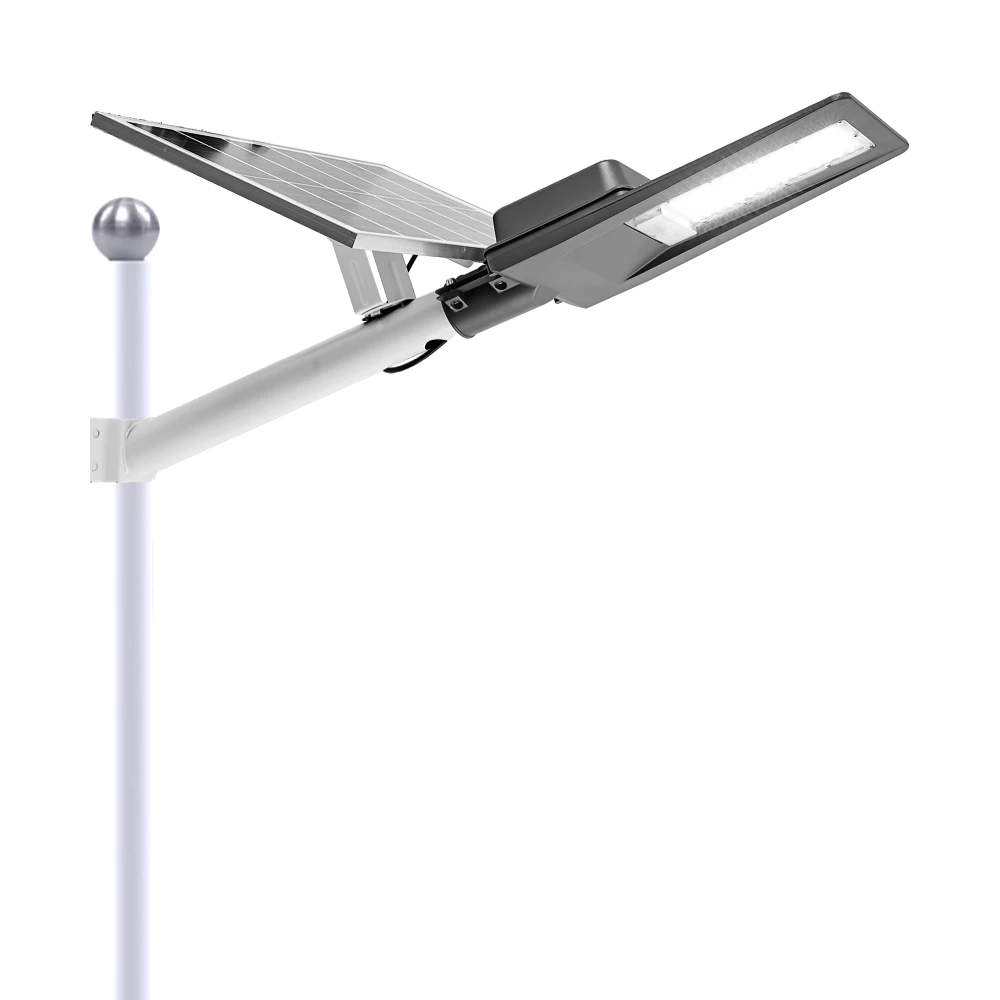
Experience reliable outdoor illumination with our smart solar street light, a perfect combination of advanced technology and eco-conscious design.
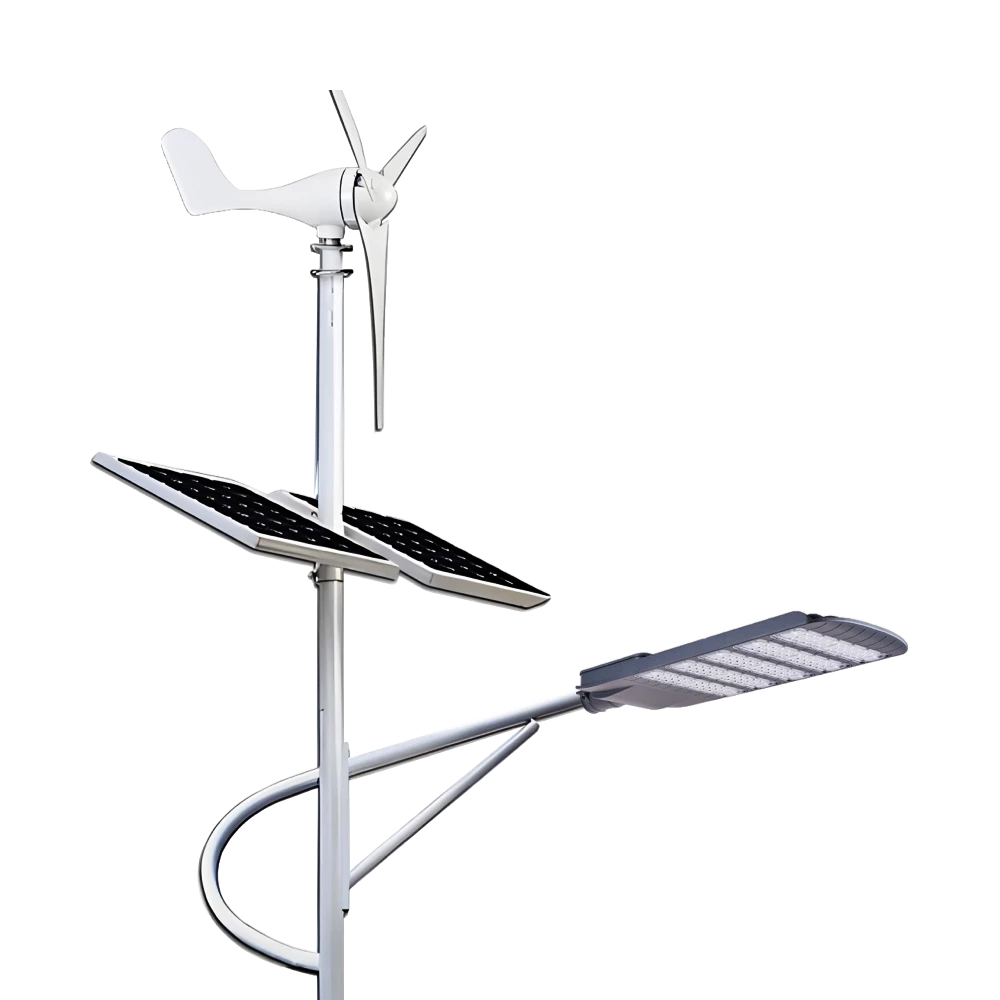
Queneng Lufeng Wind Energy LED Outdoor Solar Street Lights offer high-performance, eco-friendly illumination. These energy-efficient LED street lights harness solar power and wind energy for sustainable, cost-effective outdoor lighting solutions.
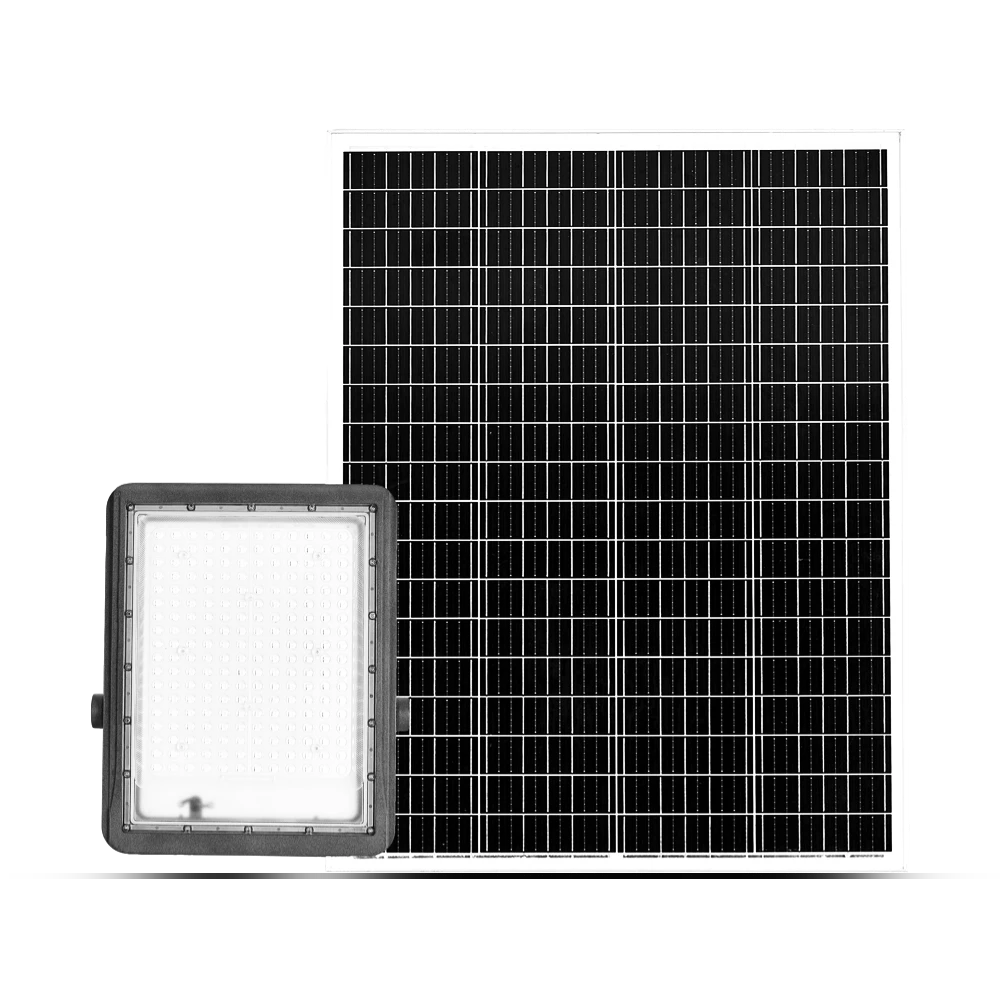
Queneng's Luxian Reliable Solar Street Light offers energy-saving LED lighting for outdoor use. This durable, solar-powered street light provides reliable illumination, reducing energy costs and environmental impact. A perfect solution for sustainable outdoor lighting.
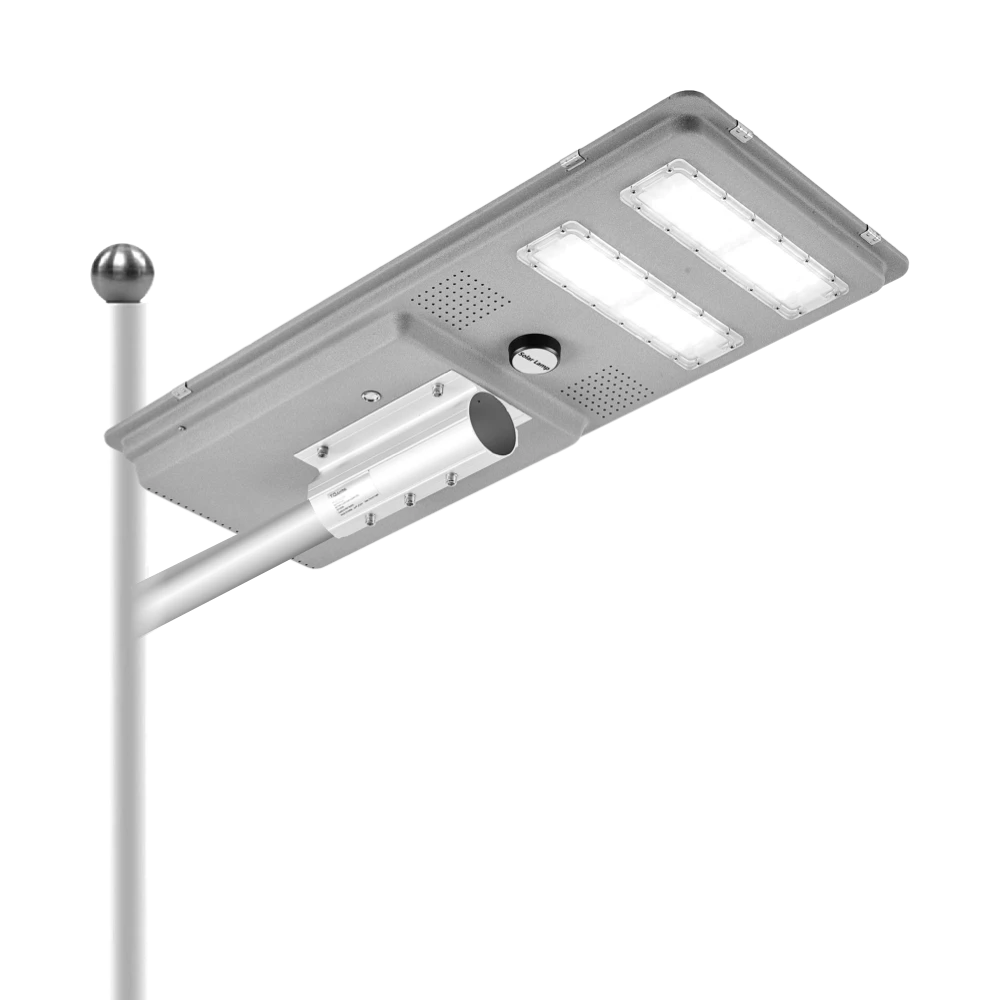
Queneng’s Solar Street Lights are designed to provide reliable, energy-efficient lighting for streets, parks, and other outdoor spaces.
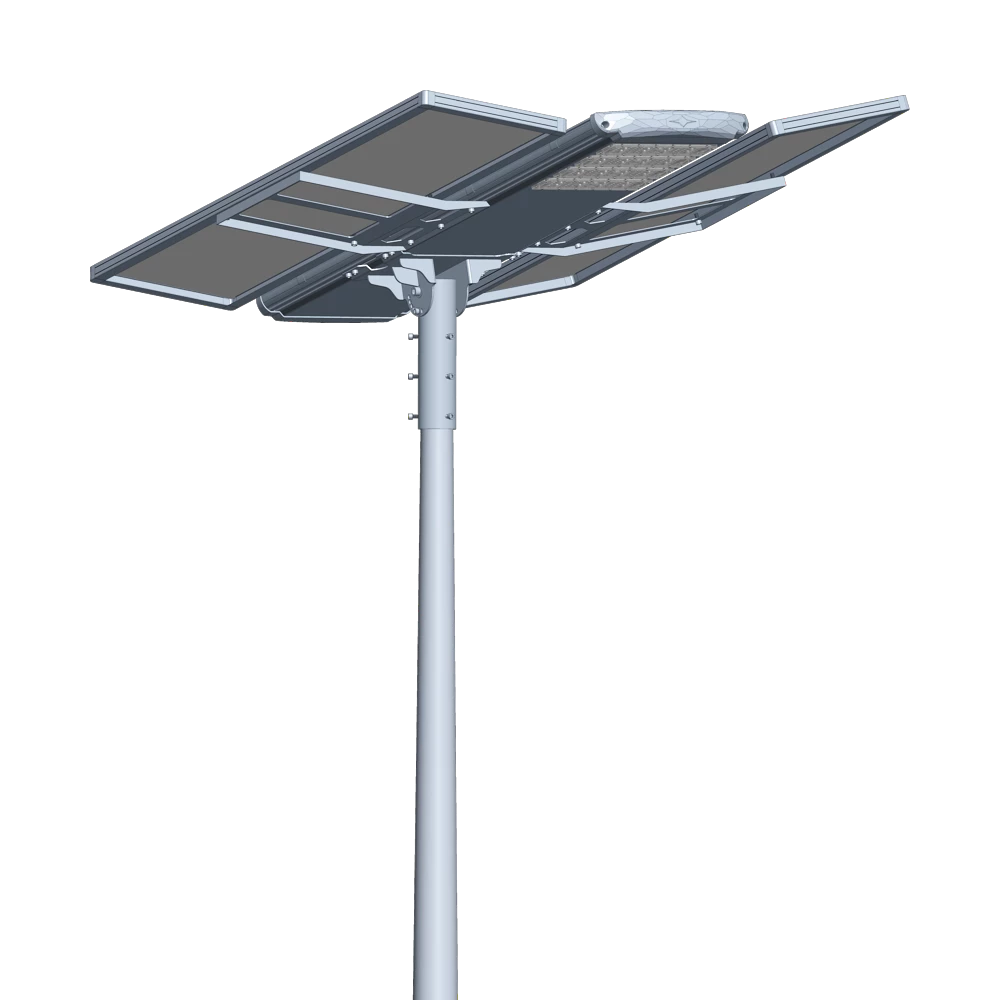
Introducing the Luqing Solar Street Light by Queneng, Efficient LED lighting powered by solar energy is perfect for illuminating outdoor areas. Harness the power of solar energy for sustainable, reliable street lighting. Ideal for eco-friendly, cost-effective outdoor illumination solutions.
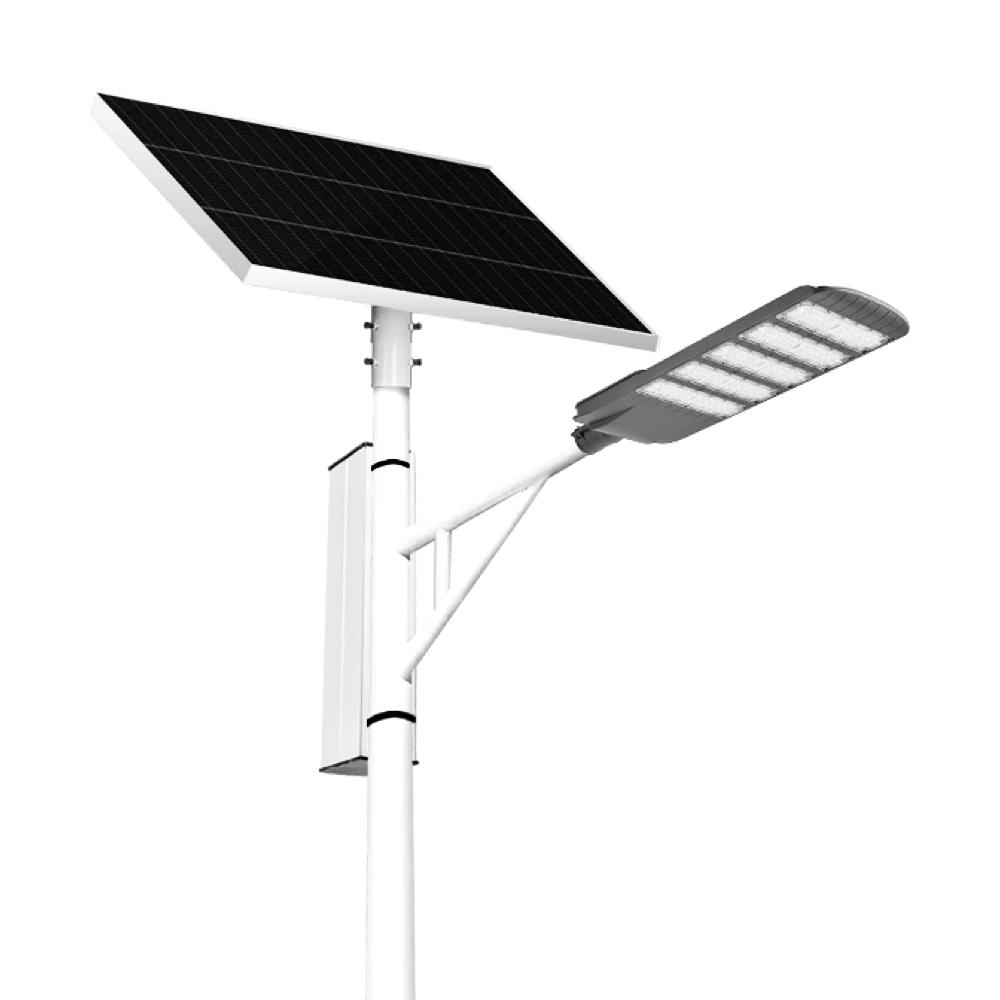
The Solar Streetlights of Luhao for Municipalities are designed to deliver reliable, energy-efficient, and cost-effective public lighting solutions. Equipped with advanced LED technology, durable lithium batteries, and high-efficiency solar panels, these streetlights provide consistent illumination for roads, parks, residential areas, and government projects.
If you would like more information about Queneng solar lighting solutions, please send us a message by filling out the form below. Our professional team will get back to you within 24 hours!
Rest assured that your privacy is important to us, and all information provided will be handled with the utmost confidentiality.
Schedule a Meeting
Book a date and time that is convenient for you and conduct the session in advance.
Have more questions about our products or services?
The messenger of light & power conversion
Environmental protection and intelligent manufacturing are our brand philosophy, and quality assurance and the best user experience are our eternal promises to users.
CONTACT
No.9F, Building F, Cao San Xin Tian Hong Logistics Park, Guzhen Town, Zhongshan City, Guangdong Province, China.
or write [email protected]
WhatsApp: +86 136 2270 1011


