














How to avoid common solar street light cost pitfalls?
Navigating the Cost and Value of Solar Street Lights: A Buyer's Guide
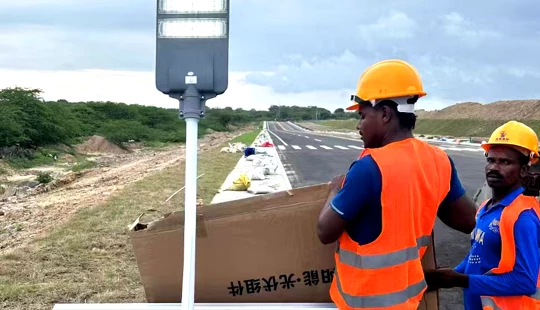
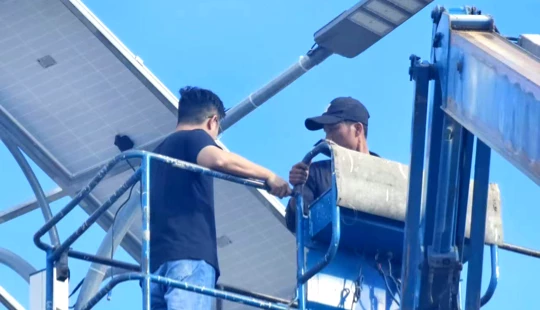
Investing in solar street lighting is a strategic decision that promises long-term savings and environmental benefits. However, for procurement professionals, understanding the intricate details of 'cost of solar street light' and how to select a reputable 'Solar Street Light Manufacturer' is paramount. This guide provides an in-depth look at key considerations, emphasizing the nuances of 'All-in-One Solar Street Lights' versus split systems and offering insights on 'How to avoid common solar street light cost pitfalls?'
What are the primary factors influencing the cost of a solar street light, and how do they impact pricing?
The cost of a solar street light is not merely the sticker price; it's a sum of several critical components and design considerations that directly impact performance, longevity, and overall return on investment (ROI). Key factors include:
- LED Luminance (Wattage & Efficiency): Higher lumen output and more efficient LED chips (e.g., >150 lumens/watt) demand advanced technology and better heat dissipation, increasing cost. However, this translates to brighter illumination with less power consumption.
- Battery Capacity & Type: The battery is often the most expensive component. Lithium Iron Phosphate (LiFePO4) batteries are preferred for their superior cycle life (2000-4000 cycles at 80% Depth of Discharge), wider operating temperature range, and safety compared to older lead-acid batteries. Larger capacity batteries are needed for longer autonomy (days of backup without sun) and higher wattage lights, directly increasing cost.
- Solar Panel Power & Efficiency: Monocrystalline silicon solar panels (typically 18-22% efficiency) are more expensive but offer better performance in low light and require less surface area than polycrystalline panels. The panel's wattage must be sized to adequately charge the battery and power the light, factoring in local solar insolation levels. Larger, more efficient panels cost more.
- Charge Controller (MPPT vs. PWM): Maximum Power Point Tracking (MPPT) controllers are more efficient (up to 99%) at extracting power from the solar panel, especially in varying weather conditions, compared to Pulse Width Modulation (PWM) controllers. MPPT controllers are more advanced and thus add to the cost but optimize charging and prolong battery life.
- Pole Material & Height: Galvanized steel poles are standard, but the pole's height, thickness, and design (e.g., wind resistance for high-wind areas) significantly affect material and transportation costs. Decorative or custom poles further increase expenses.
- Smart Features & Connectivity: Motion sensors, dimming capabilities, programmable lighting schedules, and remote monitoring/control (e.g., via IoT platforms) add to the unit cost but provide significant operational savings and flexibility over time.
- Certifications & Warranty: Lights conforming to international standards (CE, RoHS, IP ratings for ingress protection) and backed by substantial warranties (e.g., 5+ years for major components) assure quality but are reflected in the price.
Split Solar Street Lights vs. All-in-One: Which is the right choice for my project, and why consider split systems?
The choice between split and all-in-one solar street lights hinges on project requirements, environmental conditions, and budget. While 'All-in-One Solar Street Lights' integrate all components into a single compact unit for ease of installation, split systems offer distinct advantages for certain applications:
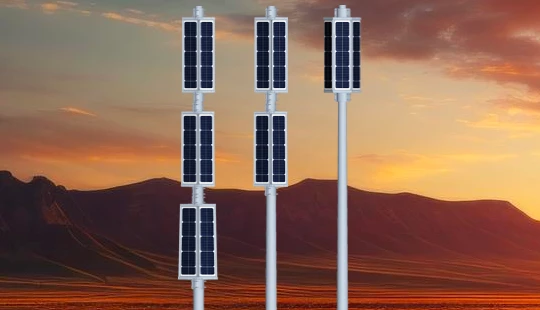
- Split Solar Street Lights: In this design, the solar panel, battery, and light fixture are separate components, connected by cables.
- Advantages:
- Flexibility in Installation: The solar panel can be oriented optimally towards the sun, regardless of the light fixture's position, maximizing energy harvesting. This is crucial for sites with challenging sun exposure or architectural constraints.
- Enhanced Thermal Management: Separating the battery from the LED fixture prevents heat generated by the LEDs from affecting battery performance and lifespan, especially in hot climates. Batteries can also be placed underground or in shaded areas for better temperature regulation.
- Higher Power Applications: Split systems can accommodate larger solar panels and battery banks, making them suitable for high-wattage street lights or areas requiring longer autonomy.
- Easier Component Replacement: Individual components can be accessed and replaced more easily, potentially simplifying maintenance.
- Vandalism Protection: Batteries can be housed at the base of the pole or underground, reducing the risk of theft or damage.
- Disadvantages: More complex installation, requiring more wiring and potentially higher labor costs.
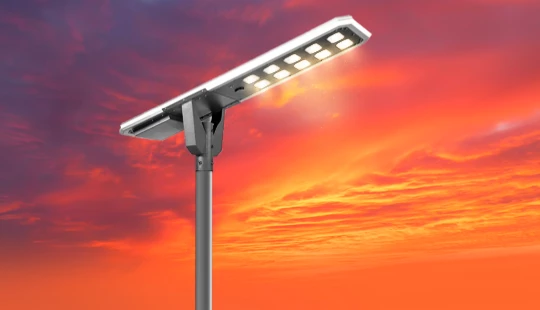
- All-in-One Solar Street Lights: Integrate the solar panel, LED lamp, battery, and charge controller into a single compact fixture.
- Advantages: Simpler, quicker, and generally cheaper installation. Often more aesthetically pleasing due to integrated design.
- Disadvantages: Less flexibility in panel orientation, battery susceptible to heat from LEDs and direct sun, typically limited to lower power applications.
For professional buyers prioritizing performance, adaptability, and longevity in demanding environments or for higher power needs, split solar street lights often represent a more robust and efficient long-term solution.
What are the critical components of a high-quality solar street light, and how do they affect performance and longevity?
A high-quality solar street light is defined by the synergy of its core components:
- LED Light Source: Utilize high-efficacy (lumens/watt) LED chips from reputable brands (e.g., Philips, Cree, Osram) with excellent color rendering index (CRI) and a long L70 lifespan (e.g., 50,000 to 100,000 hours, meaning it will maintain at least 70% of its initial lumen output for that duration).
- Battery: As discussed, LiFePO4 batteries are crucial. Look for specifications on capacity (Ah), voltage (V), cycle life, and operating temperature range. A Battery Management System (BMS) is essential for protecting the battery from overcharge, over-discharge, and extreme temperatures, significantly extending its life.
- Solar Panel: High-efficiency monocrystalline panels (18-22%) with anti-reflective coatings and robust tempered glass are ideal. Verify the panel's wattage and ensure it can adequately charge the battery in local conditions.
- Charge Controller: An MPPT charge controller is critical for maximizing energy harvest and optimizing battery charging, protecting it from surges and overcharging, which are key to battery longevity. Advanced controllers offer smart features like dimming, motion sensing, and remote monitoring.
- Lamp Housing & Heat Dissipation: Robust aluminum alloy housing (die-cast or extruded) with efficient heat sinks is essential for dissipating heat generated by LEDs, preventing premature failure and lumen degradation. An IP65 or higher rating ensures protection against dust and water ingress.
- Optical Lens: High-quality PC (polycarbonate) or PMMA (acrylic) lenses with professional light distribution designs (Type II, Type III, Type IV) ensure uniform illumination and minimize light pollution.
The quality of these components directly translates into the system's reliability, efficiency, and total cost of ownership over its lifespan.
How can buyers avoid common cost pitfalls and ensure a long-term, reliable investment in solar street lighting?
Avoiding pitfalls requires a holistic approach, looking beyond the initial purchase price to the total cost of ownership (TCO):
- Don't Under-size the System: A common mistake is selecting a system with inadequate battery autonomy or solar panel wattage to save upfront costs. This leads to lights failing prematurely on cloudy days or not lasting through the night. Always factor in local solar insolation data and desired backup days (typically 3-5 days).
- Beware of Cheap Components: Low-cost systems often use inferior batteries (e.g., lead-acid or low-grade Li-ion), inefficient solar panels, or poor-quality LEDs/drivers. These components fail quickly, requiring frequent replacements and negating initial savings.
- Neglect Warranty & After-Sales Support: A robust warranty (e.g., 5-7 years for the entire system, 10-25 years for solar panels) and accessible technical support are crucial. Without them, repair costs can quickly escalate.
- Ignore Environmental Conditions: Extreme temperatures, high humidity, or strong winds require specific materials and designs (e.g., higher IP ratings, robust pole construction, temperature-resistant batteries). Failing to account for these will lead to premature system failure.
- Overlook Certifications: Ensure products meet international quality and safety standards (CE, RoHS, IEC, IP ratings). These certifications indicate adherence to specific performance and manufacturing protocols.
- Lack of Customization: Standard products might not fit unique project requirements. A good manufacturer can offer tailored solutions for optimal performance and efficiency.
- Focus Solely on CAPEX, Not OPEX: While Capital Expenditure (CAPEX) is important, Operating Expenditure (OPEX) in terms of maintenance, energy savings, and component replacement costs over the lifespan often outweighs the initial investment. A higher quality system with a longer lifespan will have a lower TCO.
What are the essential questions to ask a Solar Street Light Manufacturer before making a purchase?
Engaging with a 'Solar Street Light Manufacturer' requires due diligence. Ask the following critical questions to assess their capabilities and product quality:
- What certifications do your products hold (e.g., CE, RoHS, IEC, IP ratings)? (Verifies compliance and quality standards).
- What is the detailed specification of each core component (LED chip brand, battery type & cycle life, solar panel efficiency, controller type)? (Ensures transparency and quality).
- What is your quality control process throughout manufacturing? Do you perform in-house testing? (Assesses commitment to quality assurance).
- What warranty do you offer on the entire system and individual components? What is your procedure for warranty claims? (Crucial for long-term support and reliability).
- Can you provide case studies or references from similar projects you've completed? (Demonstrates experience and track record).
- Do you offer customization options for specific project requirements (e.g., pole height, light distribution, battery autonomy)? (Indicates flexibility and engineering capability).
- What kind of technical support and after-sales service do you provide (installation guidance, troubleshooting)? (Ensures operational success).
- What is your typical lead time for production and delivery? (Important for project planning).
- Do you have R&D capabilities to innovate and adapt to new technologies? (Shows forward-thinking and commitment to improvement).
What is the typical lifespan and maintenance requirement for solar street lights, especially split systems?
The lifespan of a high-quality solar street light system, particularly a well-designed split system, can be substantial, with minimal maintenance:
- LED Light Source: Modern LEDs have a lifespan of 50,000 to 100,000 operating hours, meaning they can last 10-20 years based on 10-12 hours of daily operation.
- LiFePO4 Battery: Typically lasts 5-10 years, depending on charge/discharge cycles, depth of discharge, and operating temperatures. High-quality batteries with effective BMS can exceed this.
- Solar Panel: High-quality monocrystalline solar panels have a performance warranty of 20-25 years, guaranteeing a certain percentage of original power output (e.g., 80%) at the end of this period.
- Pole and Fixture: Properly galvanized steel poles can last 20-30 years or more. Robust aluminum alloy housings are also highly durable.
Maintenance Requirements:
Solar street lights are designed for low maintenance. Key tasks include:
- Periodic Cleaning: Solar panels should be cleaned every 6-12 months (or more frequently in dusty environments) to remove dirt, dust, and debris that can reduce efficiency.
- Visual Inspections: Annually checking for any physical damage, loose connections, or signs of wear on cables, fixtures, and poles.
- Battery Health Check (Less Common for Sealed Units): For advanced systems with remote monitoring, battery performance can be tracked. For sealed LiFePO4 batteries, minimal direct maintenance is needed, but periodic system checks are advisable.
- No Fueling or Grid Connection Maintenance: A significant advantage is the elimination of electricity bills, complex wiring, and frequent maintenance associated with conventional grid-tied lights.
Queneng Lighting Advantages
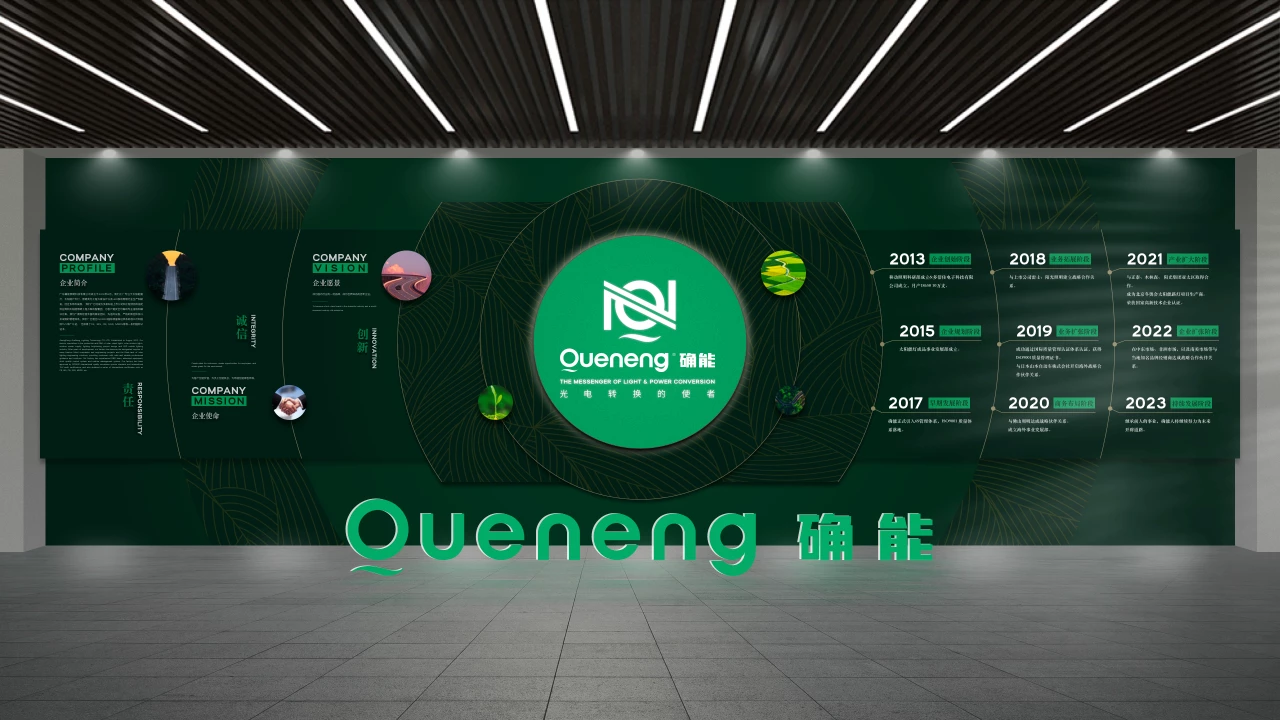
Queneng Lighting stands out as a premier manufacturer, leveraging extensive R&D to deliver robust, energy-efficient, and long-lasting solar street lighting solutions. Our commitment to utilizing top-tier components like high-efficacy LEDs, advanced LiFePO4 batteries, and MPPT controllers ensures superior performance and a reduced total cost of ownership. We excel in advanced thermal management, smart control systems, and offer comprehensive after-sales support, making us a trusted partner for diverse project needs, from urban infrastructure to remote industrial sites. With a focus on stringent quality control, customized designs, and adherence to international certifications, Queneng ensures reliability and optimal illumination for every investment.

Have more questions about our products or services?
The latest hot news you might like

Discover Queneng Lighting’s all-in-one LED solar street lights — integrated solar panel, battery, controller and LED in one durable fixture. Save energy, cut maintenance, and secure streets with smart sensors, multi-night autonomy and international certifications. Contact sales for quotes and support.

Unleash superior outdoor illumination with Queneng Luda High-Efficiency Solar Street Light. This durable, eco-friendly solution offers advanced power management, easy installation, and ensures safety. Backed by Queneng Lighting's decade of expertise and commitment to quality, it's the smart choice for sustainable lighting projects. Learn why we're a leading solar solutions provider.

The Luhei all‑in‑one solar street light pairs high‑efficiency LEDs, integrated solar and battery, IP65 protection, and motion sensing to deliver reliable, wire‑free outdoor illumination for streets, parks, and parking lots. Backed by Queneng Lighting’s certifications and support.

FAQ
Battery and Analysis
What are the main factors that affect battery life?
When selecting a charger, it is best to use a charger with proper termination devices (e.g., anti-overcharge time device, negative voltage difference (-dV) cut-off charging, and anti-overheating sensing device) to avoid shortening the service life of the battery due to overcharging. Generally speaking, slow charging can prolong the service life of the battery more than fast charging.
2. Discharge:
a.The depth of discharge is the main factor affecting the life of the battery, the higher the depth of discharge, the shorter the life of the battery. In other words, by reducing the depth of discharge, the life of the battery can be greatly extended. Therefore, we should avoid over-discharging the battery to a very low voltage.
b. When batteries are discharged at high temperatures, the life of the battery will be shortened.
c. If an electronic device is designed in such a way that all current cannot be completely stopped, and if the device is left unused for a long period of time without the batteries being removed, the residual current may sometimes cause the batteries to be over-consumed, resulting in over-discharge of the batteries.
d. Mixing batteries of different capacities, chemical structures, or charge levels, as well as old and new batteries, can also cause excessive battery discharge, or even reverse charging.
3. Storage:
Prolonged storage of batteries at high temperatures will reduce their electrode activity and shorten their service life.
Distributors
Can I get exclusive distribution rights in my region?
-
Exclusive distribution rights are available in select regions based on market conditions and your business capabilities. Please contact us to discuss opportunities for exclusive distribution in your area.
-
All-in-one solar street lights
Are all-in-one solar street lights easy to maintain?
Yes, integrated design simplifies inspection and replacement.
Commercial and Industrial Parks
What certifications do your solar lights have?
Our solar lights are certified with ISO, CE, and RoHS to ensure compliance with international safety and environmental standards.
Schools and Educational Institutions
Can solar lights be controlled remotely?
Yes, we offer smart solar lighting systems with remote control capabilities, allowing you to manage and monitor the lights from anywhere.
Solar Street Light Lulin
What makes Lulin solar street lights high-performance and energy-saving?
Lulin solar street lights are designed with high-efficiency solar panels and cutting-edge LED technology, providing optimal brightness with minimal energy consumption. The LED lights consume less power while offering superior illumination, and the solar panels capture and store sunlight efficiently, ensuring the lights perform well even in low sunlight conditions.
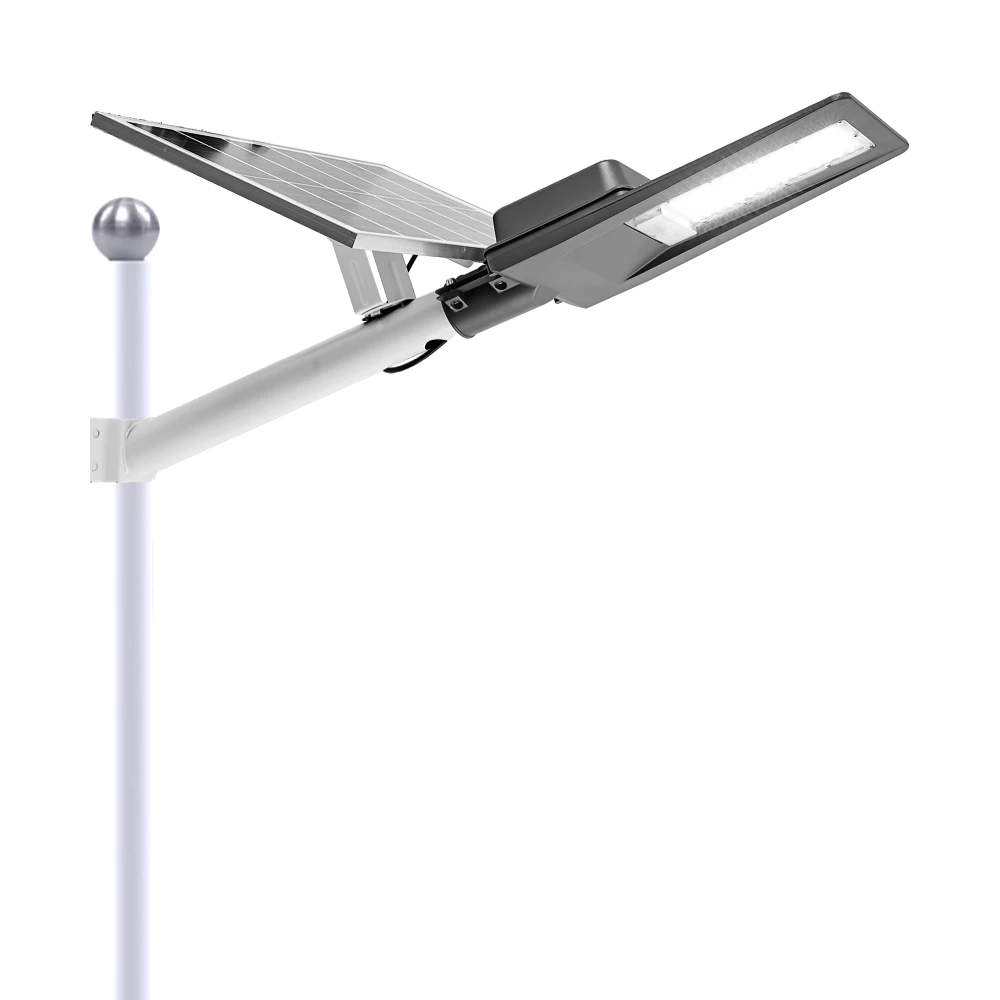
Experience reliable outdoor illumination with our smart solar street light, a perfect combination of advanced technology and eco-conscious design.
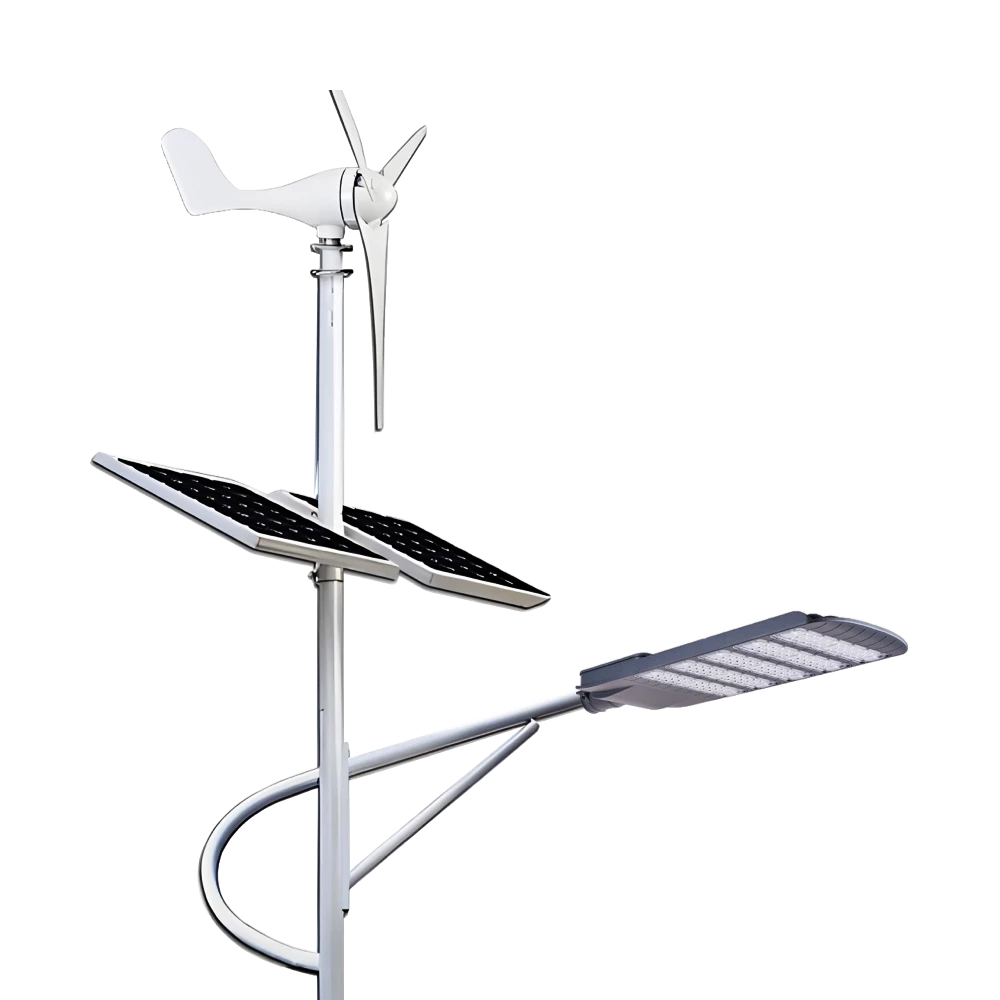
Queneng Lufeng Wind Energy LED Outdoor Solar Street Lights offer high-performance, eco-friendly illumination. These energy-efficient LED street lights harness solar power and wind energy for sustainable, cost-effective outdoor lighting solutions.
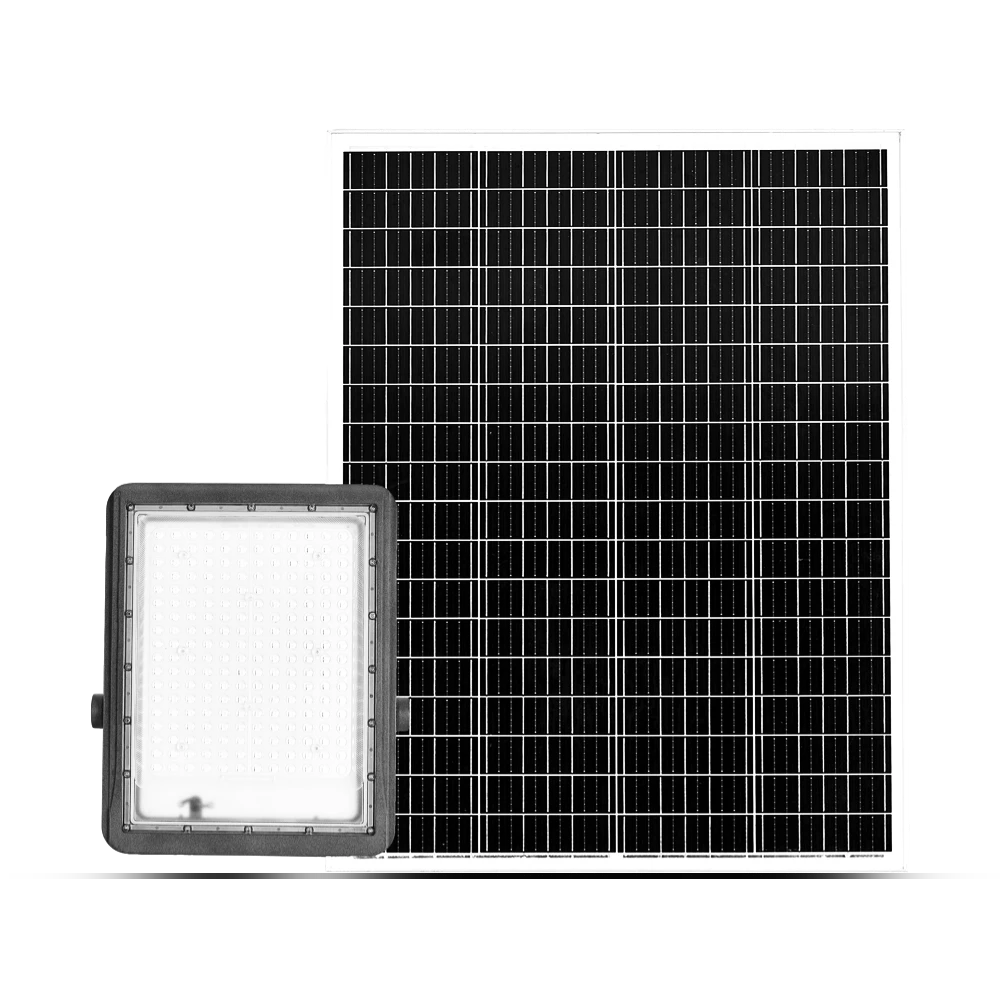
Queneng's Luxian Reliable Solar Street Light offers energy-saving LED lighting for outdoor use. This durable, solar-powered street light provides reliable illumination, reducing energy costs and environmental impact. A perfect solution for sustainable outdoor lighting.
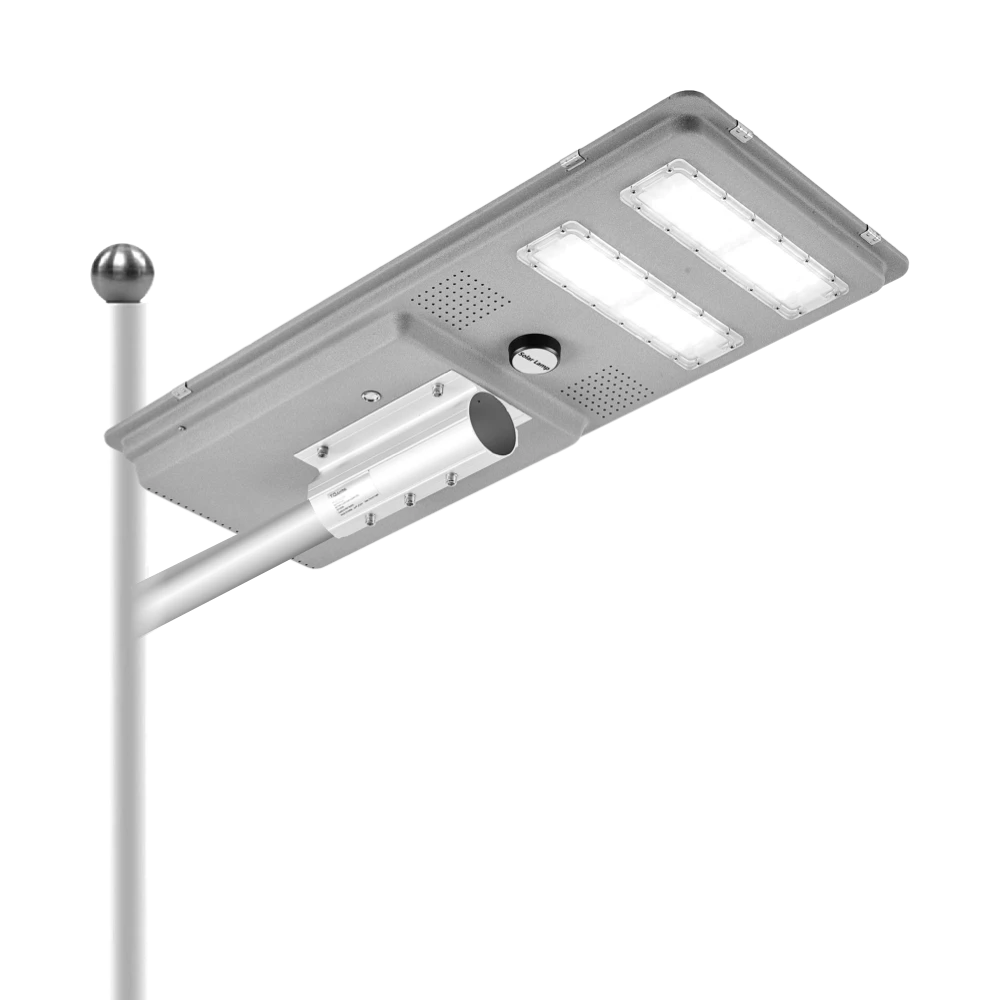
Queneng’s Solar Street Lights are designed to provide reliable, energy-efficient lighting for streets, parks, and other outdoor spaces.
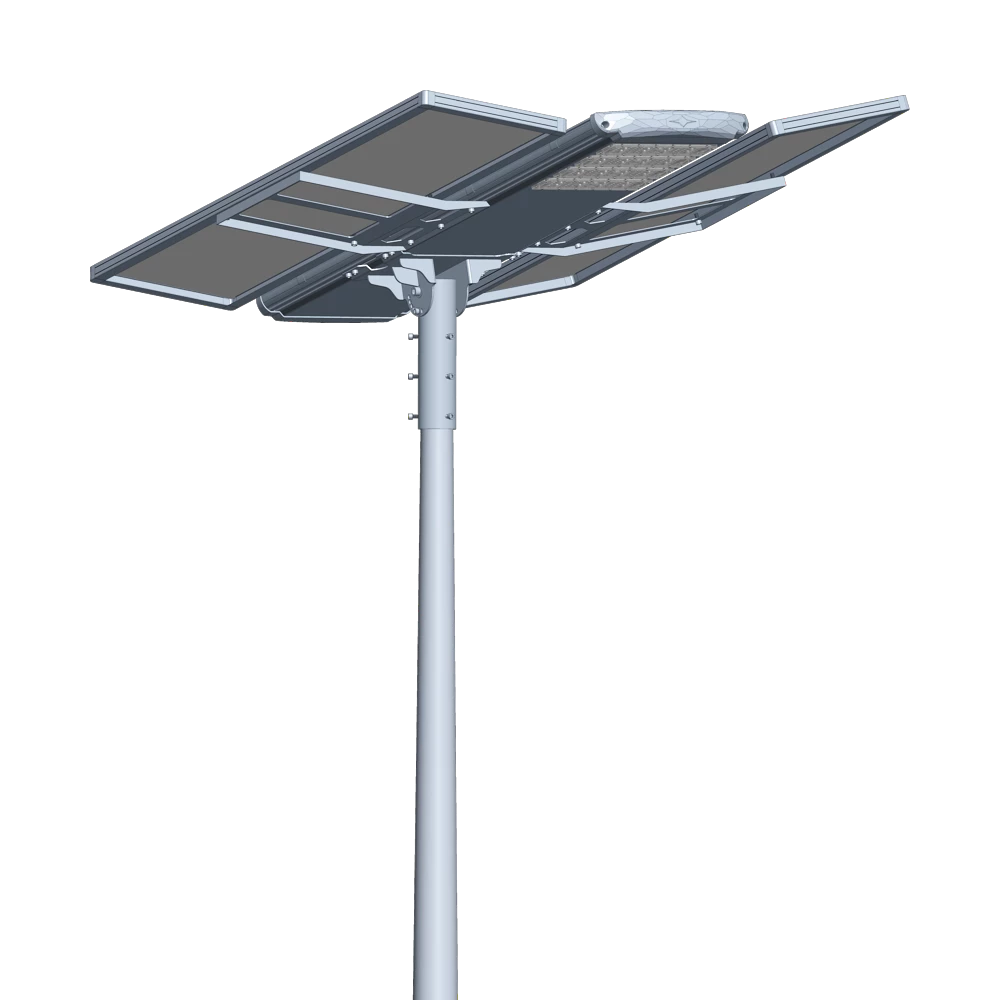
Introducing the Luqing Solar Street Light by Queneng, Efficient LED lighting powered by solar energy is perfect for illuminating outdoor areas. Harness the power of solar energy for sustainable, reliable street lighting. Ideal for eco-friendly, cost-effective outdoor illumination solutions.
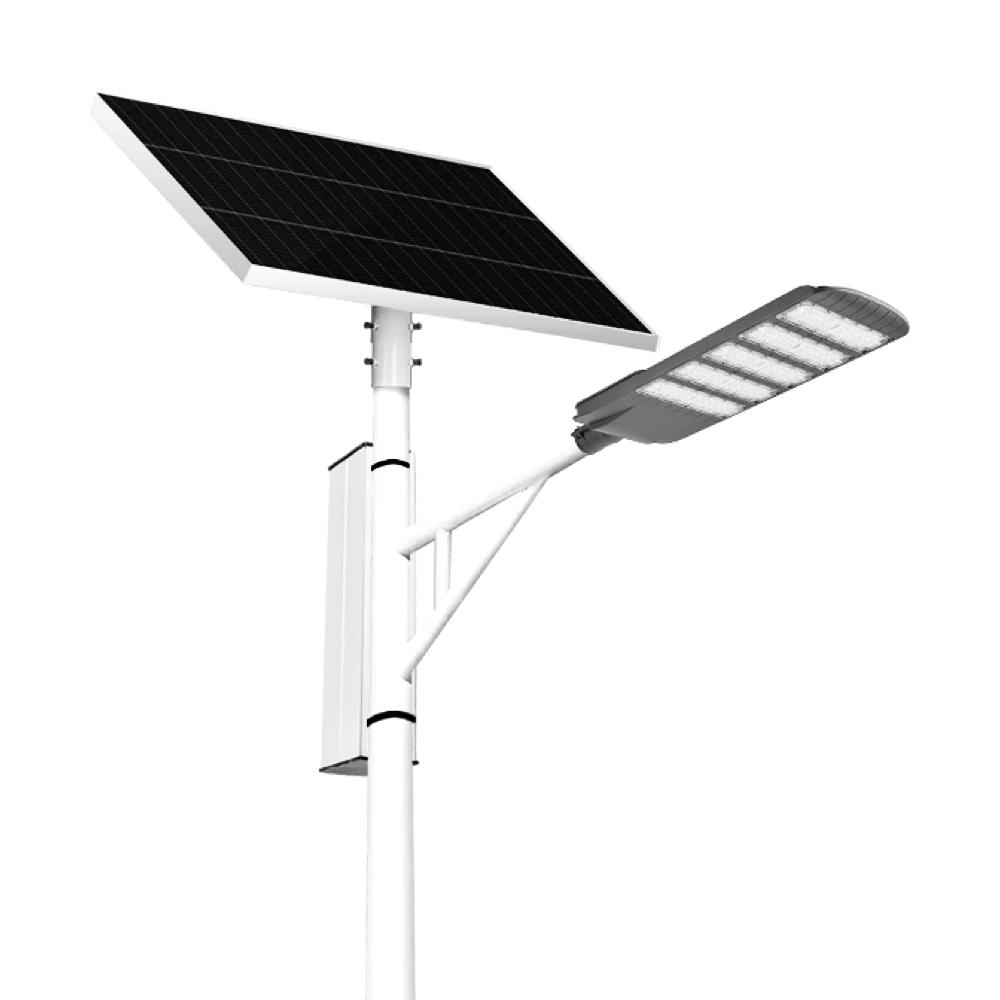
The Solar Streetlights of Luhao for Municipalities are designed to deliver reliable, energy-efficient, and cost-effective public lighting solutions. Equipped with advanced LED technology, durable lithium batteries, and high-efficiency solar panels, these streetlights provide consistent illumination for roads, parks, residential areas, and government projects.
If you would like more information about Queneng solar lighting solutions, please send us a message by filling out the form below. Our professional team will get back to you within 24 hours!
Rest assured that your privacy is important to us, and all information provided will be handled with the utmost confidentiality.
Schedule a Meeting
Book a date and time that is convenient for you and conduct the session in advance.
Have more questions about our products or services?
The messenger of light & power conversion
Environmental protection and intelligent manufacturing are our brand philosophy, and quality assurance and the best user experience are our eternal promises to users.
CONTACT
No.9F, Building F, Cao San Xin Tian Hong Logistics Park, Guzhen Town, Zhongshan City, Guangdong Province, China.
or write [email protected]
WhatsApp: +86 136 2270 1011


