














What's the average lead time from a solar light manufacturer?
Understanding Solar Street Lights: A Buyer's Essential Guide
The global shift towards sustainable infrastructure has propelled solar street lighting into the forefront of modern urban and rural development. For professional buyers, understanding the nuances of these systems, especially the robust split solar street lights, is crucial for making informed procurement decisions. This guide addresses your most pressing questions, from cost implications to manufacturer selection and technical specifications, ensuring you acquire reliable and efficient lighting solutions.
What Is the Average Cost of a Solar Street Light, and What Factors Influence It?
The cost of a solar street light, particularly a split system, varies significantly based on its specifications and components. Generally, a single unit can range from $300 to over $1,500 USD. This broad range is due to several critical factors:
- LED Wattage & Lumen Output: Higher wattage (e.g., 60W-120W for main roads) and greater lumen output naturally increase cost. Lower wattage (e.g., 15W-30W for pathways) will be more economical.
- Solar Panel Power (Wp): The size and efficiency of the monocrystalline solar panel are direct cost drivers. Larger panels (e.g., 100Wp-200Wp) are needed for higher wattage LEDs and longer autonomy, increasing the price.
- Battery Capacity (Wh/Ah): Lithium Iron Phosphate (LiFePO4) batteries, preferred for their long cycle life and stability, are a major cost component. A larger capacity (e.g., 300Wh-1000Wh+) for extended autonomy (3-5 nights without sun) will increase the overall price.
- Pole Specifications: The height, material (galvanized steel is common), and wind resistance rating of the pole significantly impact cost and shipping.
- Charge Controller Type: MPPT (Maximum Power Point Tracking) controllers, offering higher efficiency, are generally more expensive than PWM (Pulse Width Modulation) but provide better performance, especially in larger split systems.
- Smart Features: Integration of IoT, remote monitoring, dimming schedules, and motion sensors add to the complexity and cost.
- Brand & Warranty: Reputable manufacturers offering extensive warranties (e.g., 5+ years for major components) often command higher prices, reflecting their quality assurance and after-sales support.
How Do All-in-One and Split Solar Street Lights Compare, and Which Is Better for Specific Applications?
Understanding the distinction between all-in-one (integrated) and split solar street lights is fundamental for optimal project planning, especially for professional procurement seeking robust solutions.
All-in-One Solar Street Lights:
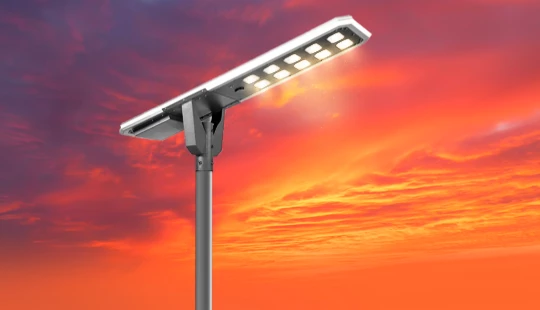
- Design: All primary components (solar panel, battery, LED lamp, controller) are integrated into a single compact fixture.
- Pros: Easier and faster installation, lower initial installation cost, sleek aesthetics. Often suitable for residential areas, garden lighting, and simple pathway illumination.
- Cons: Limited flexibility in panel orientation (fixed angle), smaller battery/panel capacities, less effective heat dissipation for batteries (which can shorten lifespan in hot climates), harder to upgrade individual components.
Split Solar Street Lights:
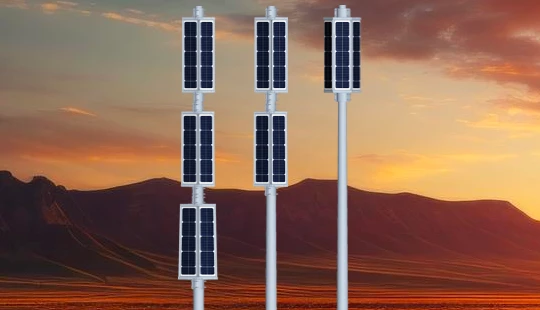
- Design: Components are separate – the solar panel is mounted separately from the LED lamp and battery unit (which can be pole-mounted or buried).
- Pros: (Ideal for professional projects)
- Optimal Panel Orientation: The solar panel can be independently angled and positioned to maximize sun exposure throughout the day, crucial for regions with challenging sun paths or partial shading.
- Larger Capacity: Accommodates larger solar panels and battery banks, enabling higher wattage LEDs and longer autonomy for critical lighting needs (e.g., main roads, highways, industrial zones).
- Better Thermal Management: Separating the battery from the heat of the LED fixture and direct sun exposure extends battery lifespan, especially in extreme climates.
- Enhanced Durability & Maintenance: Components can be chosen for specific environmental challenges, and individual parts are easier to replace or upgrade.
- Flexibility: Allows for custom solutions to meet specific lumen, pole height, and aesthetic requirements.
- Cons: Higher initial installation cost due to separate components and cabling, more complex installation process.
Recommendation: For large-scale projects, high-power requirements, challenging environmental conditions, or where long-term performance and durability are paramount, split solar street light systems are the superior choice due to their flexibility, scalability, and better component protection.
What Key Criteria Should One Consider When Choosing a Solar Street Light Manufacturer?
Selecting the right manufacturer is paramount to the success and longevity of your solar lighting project. Professional buyers should evaluate manufacturers based on:
- Experience & Reputation: Look for a manufacturer with a proven track record (e.g., 10+ years) in solar lighting, a strong project portfolio, and positive industry reviews.
- R&D Capabilities: An innovative manufacturer with robust R&D invests in new technologies, offers customized solutions, and can adapt to specific project needs and challenging environments.
- Product Quality & Certifications: Ensure products meet international standards (e.g., CE, RoHS, ISO 9001 for quality management, IP65/IP66 for ingress protection, IK08 for impact resistance, IEC standards for solar panels and batteries).
- Warranty & After-Sales Support: A comprehensive warranty (e.g., 5-10 years for panels/LEDs, 3-5 years for batteries) and responsive technical support, including spare parts availability, are critical for long-term peace of mind.
- Production Capacity & Lead Time Management: The manufacturer should have the capacity to handle your order volume efficiently and a transparent process for managing production and delivery timelines.
- Customization Options: The ability to tailor specifications (e.g., lumen output, pole height, battery autonomy, smart features) is vital for project-specific requirements.
- Supply Chain & Component Sourcing: Manufacturers using high-quality, reputable components (e.g., brand-name LED chips, LiFePO4 batteries from known suppliers) ensure product reliability.
What Is the Typical Lead Time from a Solar Street Light Manufacturer, and What Affects It?
The average lead time from a solar street light manufacturer typically ranges from 4 to 8 weeks. However, this can fluctuate based on several factors:
- Order Quantity: Larger orders naturally require more production time.
- Customization Level: Standard models have shorter lead times than highly customized solutions.
- Component Availability: Global supply chain issues, especially for semiconductor chips or specific battery types, can extend lead times.
- Manufacturer's Production Schedule: Peak seasons (e.g., before major holidays or end of fiscal years) can see extended lead times due to high demand.
- Shipping Method: Sea freight is standard but slower (3-6 weeks transit); air freight is faster but significantly more expensive.
- Quality Control & Testing: Rigorous testing processes ensure product reliability but add to the overall timeline.
Tip: Plan procurement well in advance, provide clear specifications, and communicate deadlines early with your chosen manufacturer.
What Are the Crucial Technical Specifications to Look For in a High-Quality Split Solar Street Light System?
For procuring high-quality split solar street lights, pay close attention to these technical aspects:
- LED Luminaire:
- Lumen Output: Ensure it meets the required illumination level for your application (e.g., 5,000-15,000 lumens for roadways).
- LED Chip Brand: Reputable brands like Philips, Cree, or Osram ensure efficiency and longevity (e.g., Luminous efficacy > 150 lm/W).
- Color Temperature (CCT): Typically 4000K-5000K for street lighting for optimal visibility.
- IP Rating: IP65 or IP66 for robust protection against dust and water.
- Solar Panel:
- Type: Monocrystalline silicon panels offer higher efficiency (18-22%) and better low-light performance.
- Power (Wp): Sufficient wattage to fully charge the battery daily, considering local peak sun hours (PSH) and autonomy requirements.
- Lifespan: Typically 20-25 years with minimal degradation.
- Battery:
- Type: Lithium Iron Phosphate (LiFePO4) is highly recommended for its safety, long cycle life (2000-4000 cycles at 80% DOD), and broad operating temperature range.
- Capacity (Wh/Ah): Sufficient capacity to power the light for 3-5 consecutive cloudy nights (autonomy).
- Battery Management System (BMS): Essential for protecting the battery from overcharge, over-discharge, overheating, and short circuits, extending its lifespan.
- Charge Controller:
- Type: MPPT controllers are superior for split systems, maximizing power harvest from the solar panel by up to 30% compared to PWM controllers.
- Features: Overcharge/discharge protection, temperature compensation, timer/dimming functions, and short-circuit protection.
- Pole & Mounting:
- Material & Finish: Hot-dip galvanized steel, powder-coated, for corrosion resistance.
- Height & Wind Load Rating: Must meet local engineering standards and withstand prevailing wind speeds.
- Cable Management: Internal cabling for aesthetics and protection.
What Is the Lifespan and Maintenance Requirement for Solar Street Lights?
Modern solar street lights are designed for long operational lives with minimal maintenance:
- Lifespan:
- LED Luminaire: 50,000 - 100,000 operating hours (10-20 years+).
- Solar Panel: 20-25 years with power output guaranteed at 80% after 20 years.
- LiFePO4 Battery: 5-10 years (or 2000-4000 cycles), highly dependent on operating temperature and depth of discharge.
- Controller & Other Electronics: 5-10 years.
- Maintenance:
- Solar Panel Cleaning: Periodically (annually or semi-annually, more often in dusty environments) clean the solar panels to remove dirt, dust, and debris that can reduce efficiency.
- Visual Inspection: Annually inspect all components (panel, lamp, pole, wiring) for any physical damage, corrosion, or loose connections.
- Battery Health Check: For split systems with easily accessible batteries, occasional checks on battery terminals and voltage can be performed, though LiFePO4 batteries with BMS require less intervention.
- Pole Integrity: Ensure the pole remains structurally sound and free from significant rust or damage.
How Do Environmental Factors Impact Solar Street Light Performance and Selection?
Environmental conditions play a critical role in system design and component selection:
- Solar Irradiance (Sunlight Availability): This is the most crucial factor. The number of 'peak sun hours' (PSH) in your location directly determines the required size of the solar panel and battery. Lower PSH means larger components are needed to achieve the same performance.
- Temperature:
- High Temperatures: Can reduce battery lifespan and slightly decrease solar panel efficiency. LiFePO4 batteries perform better in heat than lead-acid or some Li-ion chemistries.
- Low Temperatures: Can reduce battery capacity and charging efficiency. Batteries must be rated for the local minimum temperatures, and sometimes heating elements are integrated for extreme cold.
- Wind Load: Pole design and anchoring must withstand local maximum wind speeds and potential gusts (e.g., hurricane-prone areas require specific engineering).
- Dust, Sand, & Pollution: Accumulation on solar panels reduces efficiency. In such environments, consider self-cleaning coatings or more frequent manual cleaning. IP ratings are crucial for protecting electronics.
- Humidity & Salinity: High humidity and saline environments (coastal areas) necessitate corrosion-resistant materials and finishes for poles and fixtures.
- Shading: Any persistent shade (from buildings, trees) on the solar panel will drastically reduce power generation. Split systems offer an advantage here, allowing the panel to be mounted in an unshaded location away from the light fixture.
Why Choose Queneng Lighting for Your Solar Street Light Projects?
When selecting a partner for your solar street lighting needs, Queneng Lighting stands out with distinct advantages tailored for professional buyers seeking quality, reliability, and innovation:
- Expertise in Split Solar Systems: Queneng Lighting specializes in engineering robust split solar street light solutions, offering the flexibility and high performance required for demanding municipal, commercial, and industrial applications. We understand the critical need for optimal panel placement, larger battery capacities, and enhanced thermal management that split systems provide.
- Advanced Technology & R&D: We integrate the latest advancements in LED technology, high-efficiency monocrystalline solar panels, and long-life LiFePO4 batteries, all managed by intelligent MPPT controllers. Our R&D team continuously innovates to provide cutting-edge solutions, including smart city integration capabilities.
- Customization and Project-Specific Solutions: Queneng Lighting excels in offering tailored solutions. We work closely with clients to design systems that precisely match their lumen requirements, autonomy needs, environmental conditions, and aesthetic preferences, ensuring optimal performance and cost-effectiveness.
- Rigorous Quality Assurance & Certifications: Our products undergo stringent quality control processes and hold international certifications (CE, RoHS, ISO 9001, IP ratings, etc.), guaranteeing reliability, safety, and compliance with global standards.
- Comprehensive After-Sales Support & Warranty: We back our products with strong warranties and dedicated technical support, providing peace of mind and ensuring the long-term success of your projects.
- Proven Track Record: With years of experience and a portfolio of successful projects worldwide, Queneng Lighting has demonstrated its capability to deliver high-quality, durable solar lighting solutions for diverse environments.
By partnering with Queneng Lighting, you gain access to a manufacturer committed to delivering sustainable, high-performance, and cost-effective solar street lighting solutions designed to meet the rigorous demands of professional procurement.
References & Data Sources:
- Solar Panel Efficiency & Lifespan: NREL (National Renewable Energy Laboratory) industry reports. Date: Ongoing research.
- LiFePO4 Battery Cycle Life & Performance: Battery University (BatteryUniversity.com) articles and specific manufacturer datasheets (e.g., CATL, BYD). Date: Updated periodically.
- LED Lumens & Lifespan: ENERGY STAR® program guides (EnergyStar.gov) and prominent LED chip manufacturer specifications (e.g., Cree, Lumileds). Date: Latest specifications, typically 2023-2024.
- IP Ratings & International Standards: IEC (International Electrotechnical Commission) standards documentation. Date: Current IEC 60529 and related standards.
- Average Lead Times: Industry surveys and common manufacturer FAQs/shipping policies observed across B2B platforms like Alibaba and direct manufacturer websites. Date: Q4 2023 - Q1 2024.
- Cost Ranges: Aggregated data from various B2B marketplaces (e.g., Alibaba.com, Made-in-China.com) and manufacturer price lists for standard configurations. Date: Q4 2023 - Q1 2024.

Have more questions about our products or services?
The latest hot news you might like

Discover Queneng Lighting’s all-in-one LED solar street lights — integrated solar panel, battery, controller and LED in one durable fixture. Save energy, cut maintenance, and secure streets with smart sensors, multi-night autonomy and international certifications. Contact sales for quotes and support.

Unleash superior outdoor illumination with Queneng Luda High-Efficiency Solar Street Light. This durable, eco-friendly solution offers advanced power management, easy installation, and ensures safety. Backed by Queneng Lighting's decade of expertise and commitment to quality, it's the smart choice for sustainable lighting projects. Learn why we're a leading solar solutions provider.

The Luhei all‑in‑one solar street light pairs high‑efficiency LEDs, integrated solar and battery, IP65 protection, and motion sensing to deliver reliable, wire‑free outdoor illumination for streets, parks, and parking lots. Backed by Queneng Lighting’s certifications and support.

FAQ
Battery and Analysis
What certifications have the company's products passed?
Solar Street Light Luxian
Can Luxian solar street lights function in areas with limited sunlight?
Yes, Luxian solar street lights are designed to function even in areas with limited sunlight. The high-efficiency solar panels are capable of charging the battery during cloudy or overcast conditions, ensuring the lights operate efficiently throughout the night. The large battery storage capacity helps maintain performance in areas with inconsistent sunlight.
Solar Street Light Lufei
How long does it take to install a solar street light?
Installation typically takes 1-2 hours, depending on the complexity of the setup. No external wiring is required, which makes installation faster and simpler compared to traditional street lighting.
Commercial and Industrial Parks
Do solar lights work well in large parking areas?
Yes, our solar lights provide uniform illumination ideal for expansive parking areas, ensuring safety and visibility.
Solar Street Light Luan
What is the lifespan of Luan solar street lights?
Luan solar street lights have an impressive lifespan. The LEDs can last up to 50,000 hours, and the solar panels can perform efficiently for 25 years or more. The batteries typically last 3 to 5 years, depending on usage and environmental conditions, ensuring long-term value.
Solar Street Light Lufeng
Can Lufeng solar street lights operate during the winter?
Yes, Lufeng solar street lights are designed to operate year-round, including during the winter. They are equipped with high-efficiency solar panels that continue to collect solar energy even in cold or overcast conditions. The lights are also built to withstand freezing temperatures and provide reliable illumination in all seasons.
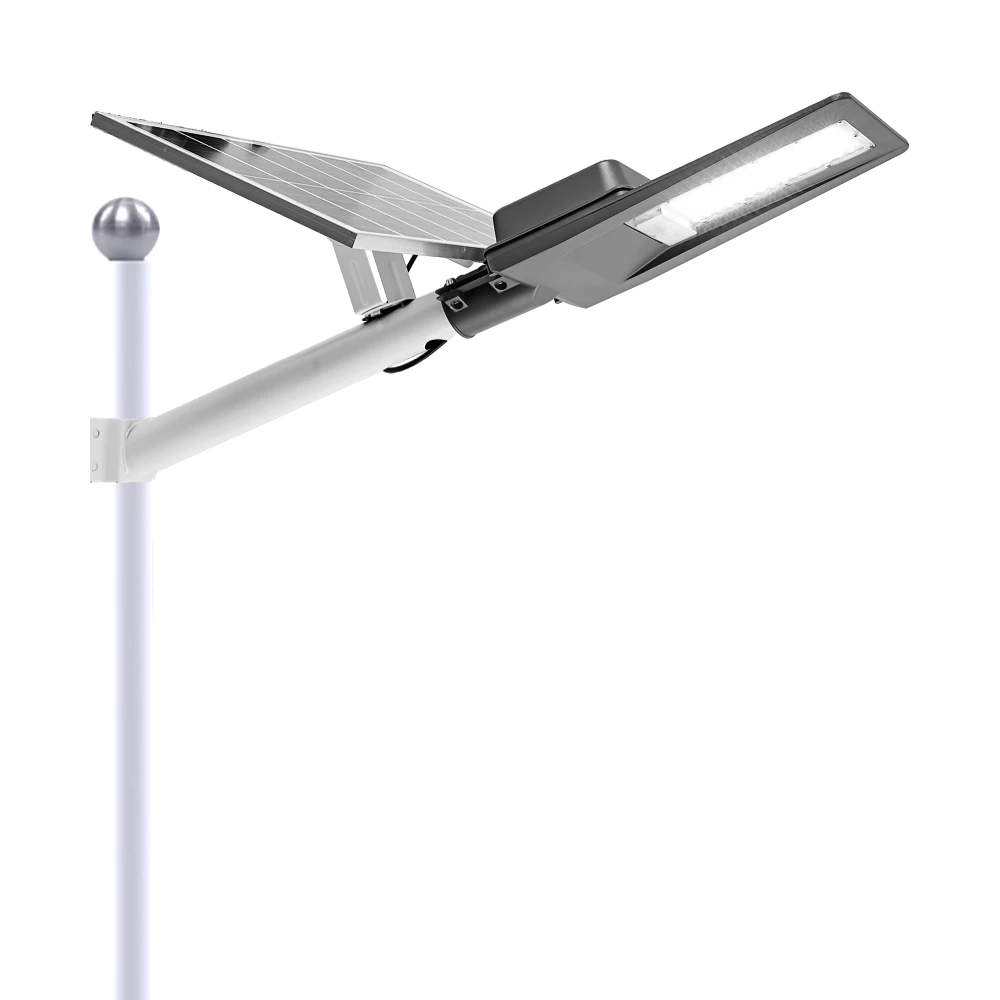
Experience reliable outdoor illumination with our smart solar street light, a perfect combination of advanced technology and eco-conscious design.
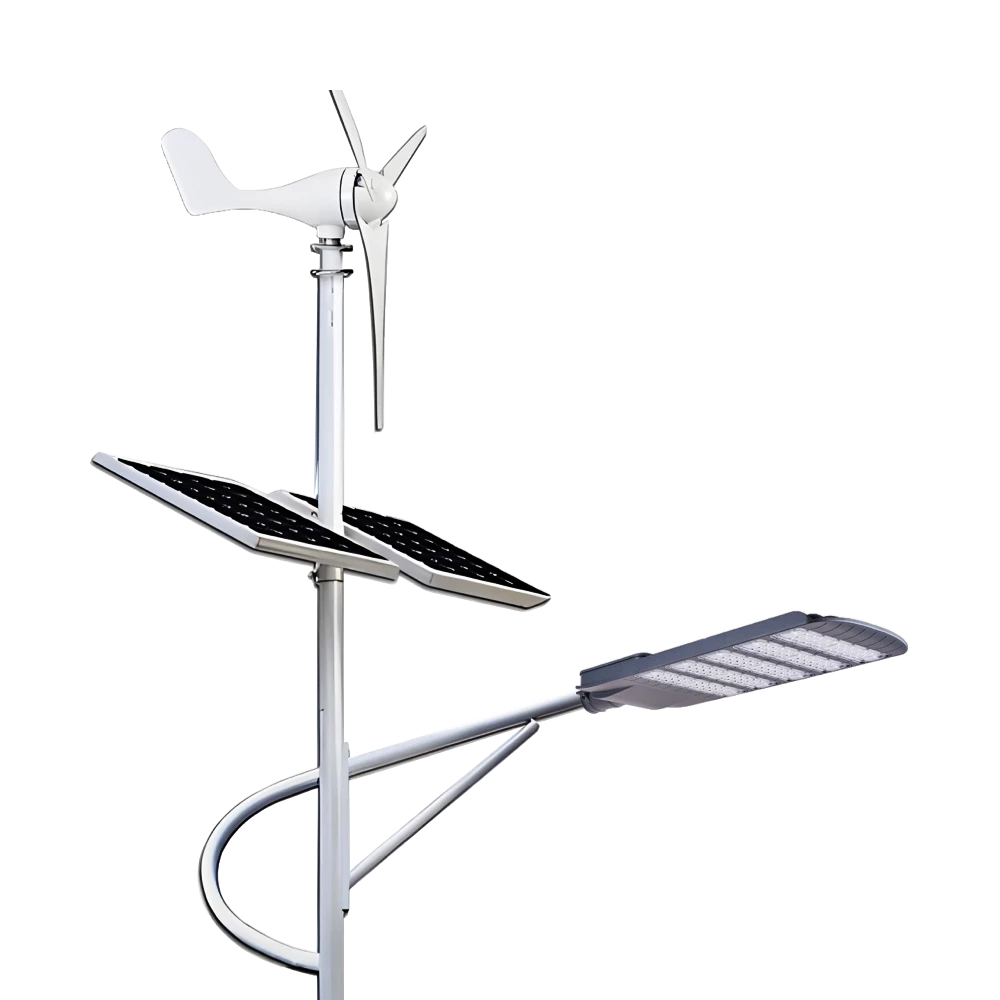
Queneng Lufeng Wind Energy LED Outdoor Solar Street Lights offer high-performance, eco-friendly illumination. These energy-efficient LED street lights harness solar power and wind energy for sustainable, cost-effective outdoor lighting solutions.
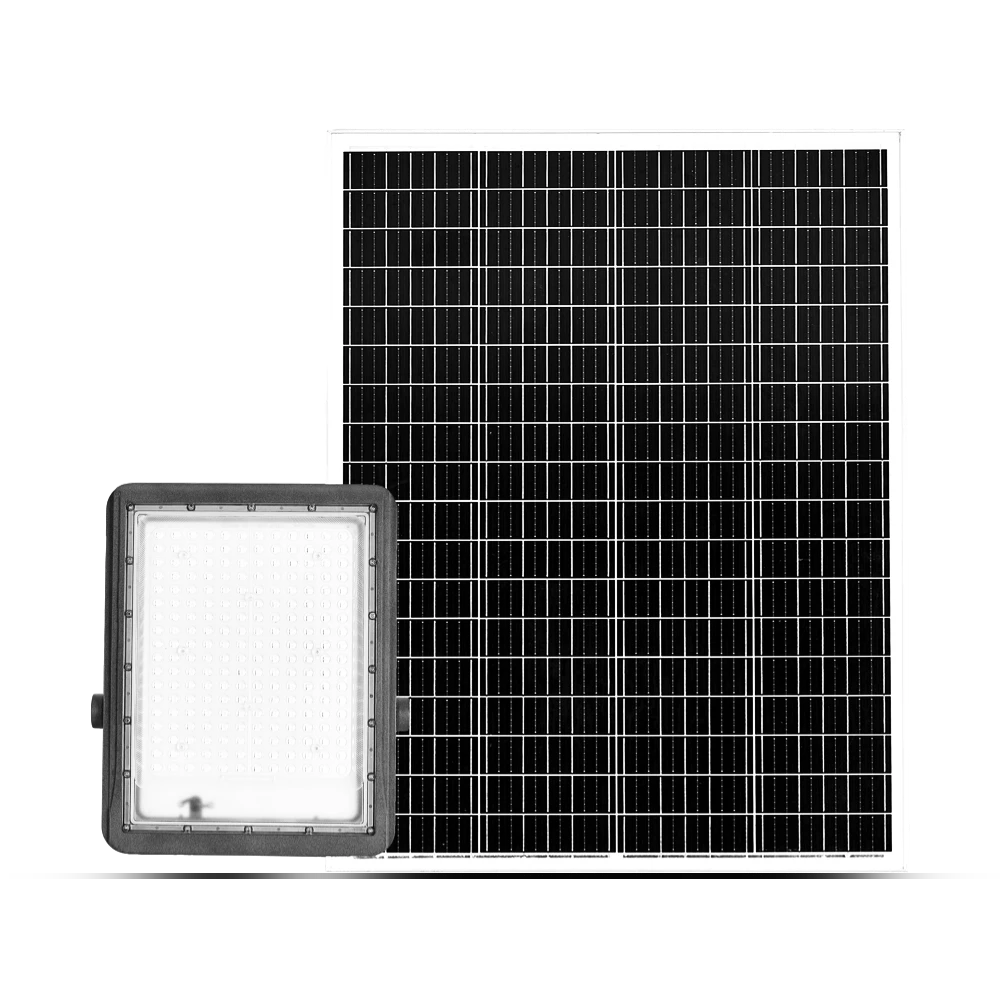
Queneng's Luxian Reliable Solar Street Light offers energy-saving LED lighting for outdoor use. This durable, solar-powered street light provides reliable illumination, reducing energy costs and environmental impact. A perfect solution for sustainable outdoor lighting.
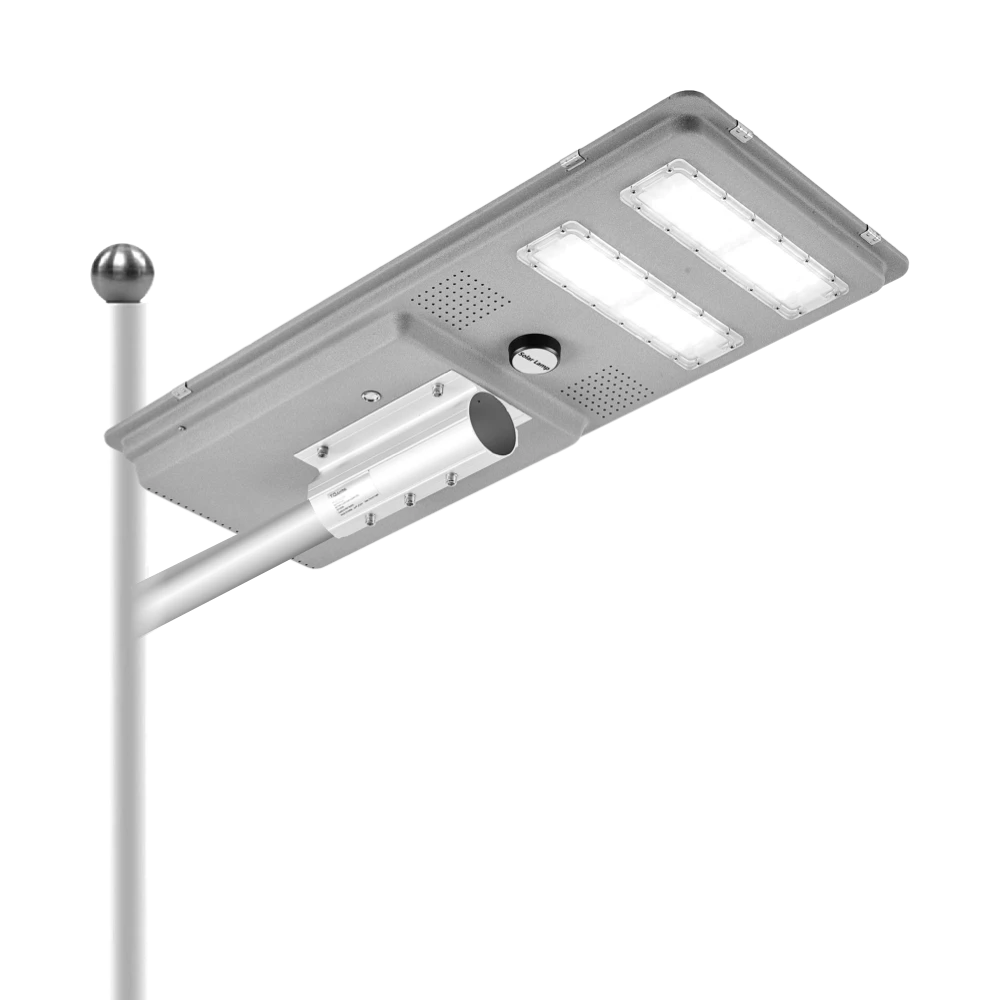
Queneng’s Solar Street Lights are designed to provide reliable, energy-efficient lighting for streets, parks, and other outdoor spaces.
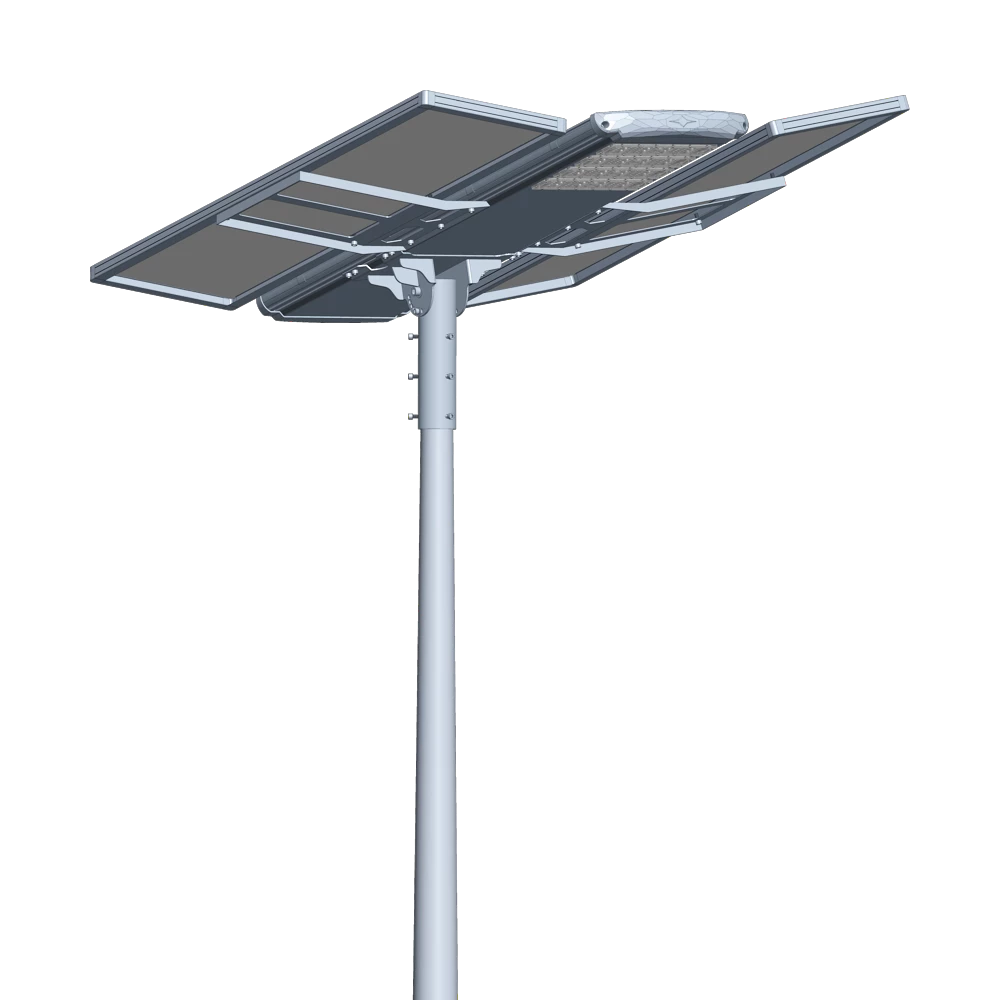
Introducing the Luqing Solar Street Light by Queneng, Efficient LED lighting powered by solar energy is perfect for illuminating outdoor areas. Harness the power of solar energy for sustainable, reliable street lighting. Ideal for eco-friendly, cost-effective outdoor illumination solutions.
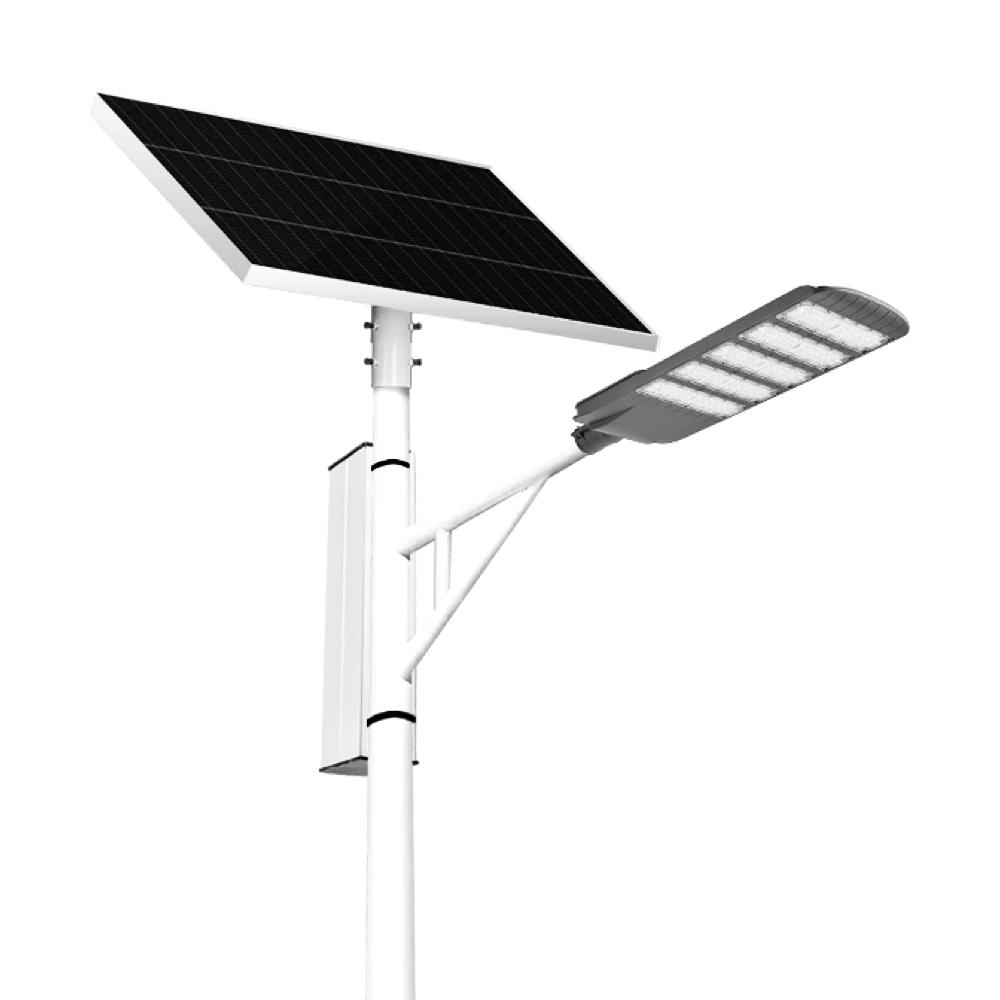
The Solar Streetlights of Luhao for Municipalities are designed to deliver reliable, energy-efficient, and cost-effective public lighting solutions. Equipped with advanced LED technology, durable lithium batteries, and high-efficiency solar panels, these streetlights provide consistent illumination for roads, parks, residential areas, and government projects.
If you would like more information about Queneng solar lighting solutions, please send us a message by filling out the form below. Our professional team will get back to you within 24 hours!
Rest assured that your privacy is important to us, and all information provided will be handled with the utmost confidentiality.
Schedule a Meeting
Book a date and time that is convenient for you and conduct the session in advance.
Have more questions about our products or services?
The messenger of light & power conversion
Environmental protection and intelligent manufacturing are our brand philosophy, and quality assurance and the best user experience are our eternal promises to users.
CONTACT
No.9F, Building F, Cao San Xin Tian Hong Logistics Park, Guzhen Town, Zhongshan City, Guangdong Province, China.
or write [email protected]
WhatsApp: +86 136 2270 1011


