

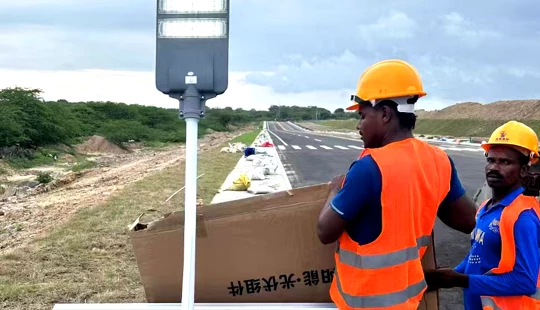
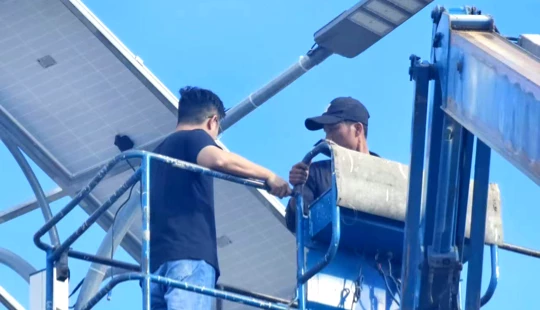













Can solar street lights be used effectively in all climates?
Mastering Solar Street Light Procurement: A Comprehensive Buyer's Guide
As the demand for sustainable and energy-efficient lighting solutions grows, solar street lights have emerged as a frontrunner for various applications, from urban infrastructure to remote community development. For industry professionals involved in procurement, understanding the nuances of these systems—especially the cost, design variations like All-in-One vs. Split, manufacturer reliability, and performance across diverse climates—is crucial. This guide delves into these critical areas, offering professional insights to inform your purchasing decisions.
Understanding Solar Street Light Costs: Key Factors for Procurement Decisions
The cost of solar street light systems can vary significantly, typically ranging from a few hundred to several thousand US dollars per unit. This broad spectrum is influenced by multiple factors essential for professional buyers to consider:
- Wattage and Luminous Flux (Brightness): Higher wattage LEDs and greater lumen output naturally command a higher price due to more powerful components (larger battery, solar panel). For instance, a 30W residential unit might be significantly less than a 120W commercial roadway light.
- Battery Capacity and Technology: Lithium Iron Phosphate (LiFePO4) batteries are now the industry standard for their longevity and performance, but their capacity (Ah) directly impacts cost. Larger battery banks are needed for extended autonomy (days of backup power).
- Solar Panel Size and Efficiency: Larger, higher-efficiency monocrystalline solar panels capture more sunlight, improving charging but increasing material costs. The panel’s wattage must match the system's power consumption and local insolation levels.
- Pole and Fixture Quality: The pole's material (galvanized steel, aluminum), height, and wind load rating, along with the robustness and IP rating of the light fixture itself, are significant cost drivers.
- Smart Features and Controls: Integrated PIR motion sensors, intelligent dimming, remote monitoring (IoT), and programmable lighting schedules add to the system's complexity and cost but enhance energy efficiency and operational flexibility.
- Brand and Warranty: Reputable manufacturers often price higher due to superior R&D, quality control, and comprehensive warranty offerings.
While the initial investment for solar street lights might seem higher than traditional grid-powered lights, the long-term savings on electricity bills and trenching/cabling installation can result in a significantly lower Total Cost of Ownership (TCO) over the system's lifespan.
Split Solar Street Lights vs. All-in-One: Which Design Best Suits Your Project Needs?
When selecting a Solar Street Light Manufacturer, understanding the fundamental differences between All-in-One and Split designs is critical for optimal project implementation:
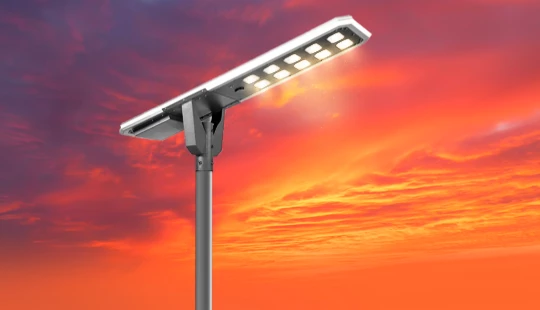
All-in-One Solar Street Lights: These integrated units combine the solar panel, LED lamp, battery, and controller into a single compact housing. They are renowned for their ease of installation, often requiring only mounting onto a pole. They are typically more aesthetically pleasing and can be a cost-effective solution for smaller-scale projects or areas with moderate lighting demands and stable climates. However, their integrated design can limit solar panel adjustability, potentially reduce battery lifespan due to heat accumulation, and make component replacement more challenging.
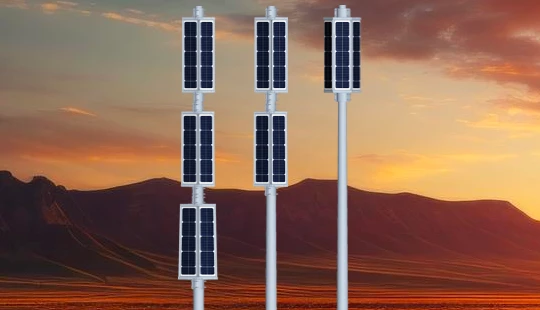
Split Solar Street Lights: In contrast, split systems separate the main components. The solar panel is mounted separately, often on top of the pole or nearby, allowing for optimal tilt and azimuth adjustment to maximize solar energy capture. The battery and controller are housed in a separate box, typically mounted lower on the pole, underground, or within the pole itself. This design offers several advantages for professional procurement:
- Enhanced Flexibility: Panel orientation can be customized for specific sun paths, crucial in regions with complex solar angles or shaded areas.
- Improved Heat Dissipation: Separating the battery and controller from the LED lamp's heat improves component longevity, especially in hot climates.
- Higher Power Capability: Split systems can accommodate larger solar panels and battery banks, making them ideal for high-power applications (e.g., highways, large public spaces) or projects requiring longer autonomy.
- Easier Maintenance/Replacement: Individual components can be accessed and replaced more readily, extending the system's overall service life.
- Security: Batteries can be housed underground, reducing theft risk in vulnerable areas.
For demanding commercial and industrial applications, or in challenging environmental conditions, the customizability and robust performance of split solar street lights often make them the preferred choice for their long-term reliability and adaptability.
Ensuring Durability and Performance: How Do Solar Street Lights Fare in Diverse Climates?
A crucial question for any buyer is: Can solar street lights be used effectively in all climates? The answer is yes, with proper engineering and selection. Modern solar street lights are designed to withstand a wide range of environmental conditions:
Extreme Cold: LiFePO4 batteries generally perform well in cold, but extreme temperatures (below -20°C/-4°F) can reduce their effective capacity and charging efficiency. Solutions include specialized low-temperature batteries, insulated battery compartments, or even integrated heating elements for critical applications. The structural integrity of poles and fixtures against ice and strong winds is also paramount.
High Heat: Prolonged exposure to high temperatures can degrade battery life and reduce LED efficiency. Effective thermal management for both the LED driver and the battery compartment (e.g., aluminum heat sinks, ventilated enclosures) is essential to maintain performance and extend lifespan.
Cloudy/Rainy/Low-Irradiation Areas: In regions with frequent overcast skies or low solar insolation, oversizing the solar panel and increasing battery autonomy (e.g., 3-5 days of backup power) are critical design considerations. MPPT (Maximum Power Point Tracking) charge controllers are highly effective in maximizing power harvest even under suboptimal lighting conditions.
Strong Winds and Snow Loads: Poles must be engineered to withstand local wind loads (e.g., hurricane-prone areas). Solar panels should be angled to facilitate snow shedding, or robust mounting structures should be chosen to bear snow accumulation. High IP ratings (e.g., IP65/IP66) ensure dust and water ingress protection for all electrical components.
A reputable manufacturer will provide detailed climate suitability specifications and offer designs tailored to specific environmental challenges.
Advancements in Solar Street Light Technology: What Innovations Should Buyers Prioritize?
The solar street lighting industry is constantly evolving. Savvy procurement professionals should prioritize systems incorporating the latest technologies:
- High-Efficiency LiFePO4 Batteries: Offering superior cycle life (2,000-4,000+ cycles, equating to 5-10+ years), wider operating temperature ranges, and enhanced safety compared to older battery chemistries.
- MPPT Charge Controllers: These advanced controllers significantly improve charging efficiency (up to 99%) by dynamically adjusting to the solar panel's maximum power point, especially beneficial in varying weather conditions.
- High-Lumen-Efficacy LEDs: Modern LEDs can achieve 160-180 lumens per watt or more, meaning brighter light with less power consumption, reducing the required battery and solar panel size.
- Intelligent Lighting Management: Features like PIR motion sensors for on-demand brightness, programmable dimming schedules, and even IoT-enabled remote monitoring and control systems optimize energy use and maintenance.
- Modular Design: Facilitates easier upgrades, maintenance, and replacement of individual components, extending the system's overall lifespan and reducing TCO.
Selecting a Reliable Solar Street Light Manufacturer: A Buyer's Due Diligence Checklist
Choosing the right Solar Street Light Manufacturer is paramount for project success. Consider the following:
- R&D and Customization Capabilities: Can they design solutions tailored to your specific project requirements (power, autonomy, climate, pole height)?
- Quality Certifications: Look for certifications like CE, RoHS, ISO9001, IEC, ensuring product safety, environmental compliance, and quality management.
- Production Facilities and QC: Visit the factory if possible, or request detailed information on their manufacturing processes and quality control protocols.
- Project References and Case Studies: A strong portfolio of successful installations in similar environments or with comparable specifications provides confidence.
- Warranty and After-Sales Support: A comprehensive warranty (e.g., 3-5 years on key components) and readily available technical support are crucial.
- Supply Chain Transparency: Understanding where components are sourced from and the stability of their supply chain.
Long-Term Value: Lifespan, Maintenance, and Warranty Expectations for Solar Street Lights
Maximizing the return on investment for solar street lights involves understanding their long-term performance and support:
- Lifespan: High-quality LED luminaires can last 50,000 to 100,000 operating hours (10-20+ years). LiFePO4 batteries typically offer 5-10 years of service. Solar panels are designed for 20-25 years with minimal degradation (around 0.5-1% per year).
- Maintenance: Solar street lights are generally low-maintenance. Regular cleaning of solar panels (especially in dusty or snowy environments) and periodic checks of electrical connections are usually sufficient. For split systems, battery access is simpler for eventual replacement.
- Warranty: Expect at least 3 years for the entire system, with 5 years or more for key components like the LED lamp and solar panel. A strong warranty indicates manufacturer confidence in product durability.
Queneng Lighting: Your Partner in Professional Solar Street Lighting
Queneng Lighting stands out as a leading Solar Street Light Manufacturer, offering robust and intelligent solutions tailored for diverse professional procurement needs. Our commitment to innovation is reflected in our advanced R&D, focusing on high-efficiency LiFePO4 batteries, MPPT charge controllers, and cutting-edge LED technology, ensuring optimal performance across all climates. We specialize in both All-in-One Solar Street Lights for simplified deployment and advanced Split Solar Street Lights, providing unparalleled customization for high-power demands, extreme weather resilience, and enhanced longevity. With stringent quality control, comprehensive certifications, and a customer-centric approach, Queneng Lighting guarantees reliable products, exceptional warranty support, and professional project consultation, making us the ideal choice for maximizing your solar lighting investment.

Have more questions about our products or services?
The latest hot news you might like

Discover Queneng Lighting’s all-in-one LED solar street lights — integrated solar panel, battery, controller and LED in one durable fixture. Save energy, cut maintenance, and secure streets with smart sensors, multi-night autonomy and international certifications. Contact sales for quotes and support.

Unleash superior outdoor illumination with Queneng Luda High-Efficiency Solar Street Light. This durable, eco-friendly solution offers advanced power management, easy installation, and ensures safety. Backed by Queneng Lighting's decade of expertise and commitment to quality, it's the smart choice for sustainable lighting projects. Learn why we're a leading solar solutions provider.

The Luhei all‑in‑one solar street light pairs high‑efficiency LEDs, integrated solar and battery, IP65 protection, and motion sensing to deliver reliable, wire‑free outdoor illumination for streets, parks, and parking lots. Backed by Queneng Lighting’s certifications and support.

FAQ
Solar Street Light Luxian
Can Luxian solar street lights function in areas with limited sunlight?
Yes, Luxian solar street lights are designed to function even in areas with limited sunlight. The high-efficiency solar panels are capable of charging the battery during cloudy or overcast conditions, ensuring the lights operate efficiently throughout the night. The large battery storage capacity helps maintain performance in areas with inconsistent sunlight.
Solar Street Light Lulin
Can Lulin solar street lights be used in areas with limited sunlight?
Yes, Lulin solar street lights are equipped with high-efficiency solar panels that are capable of charging the battery even in cloudy or low-light conditions. While the performance may vary based on the amount of sunlight received, the system is designed to store enough energy to ensure reliable performance during the night, even in regions with limited sunlight.
Battery and Analysis
What is a battery explosion? How to prevent battery explosion?
1) No overcharging or short circuit;
2) Use better charging equipment for charging;
3) The battery vents must always be kept open;
4) Pay attention to heat dissipation when using the battery;
5) It is prohibited to mix different types, old and new batteries
Battery Performance and Testing
What are the self-discharge rates of different types of batteries?
Transportation and Highways
Is there a monitoring system for real-time performance tracking?
Yes, our solar lighting systems are equipped with IoT-enabled controllers that allow remote monitoring and performance tracking via a cloud-based platform.
Tourist Attractions and Resorts
Are solar lighting systems easy to install in remote areas without grid access?
Yes, solar lighting systems are ideal for remote locations where grid access is unavailable or difficult. They are self-sustaining and do not require external power sources, making them a perfect solution for isolated resorts or tourist attractions.
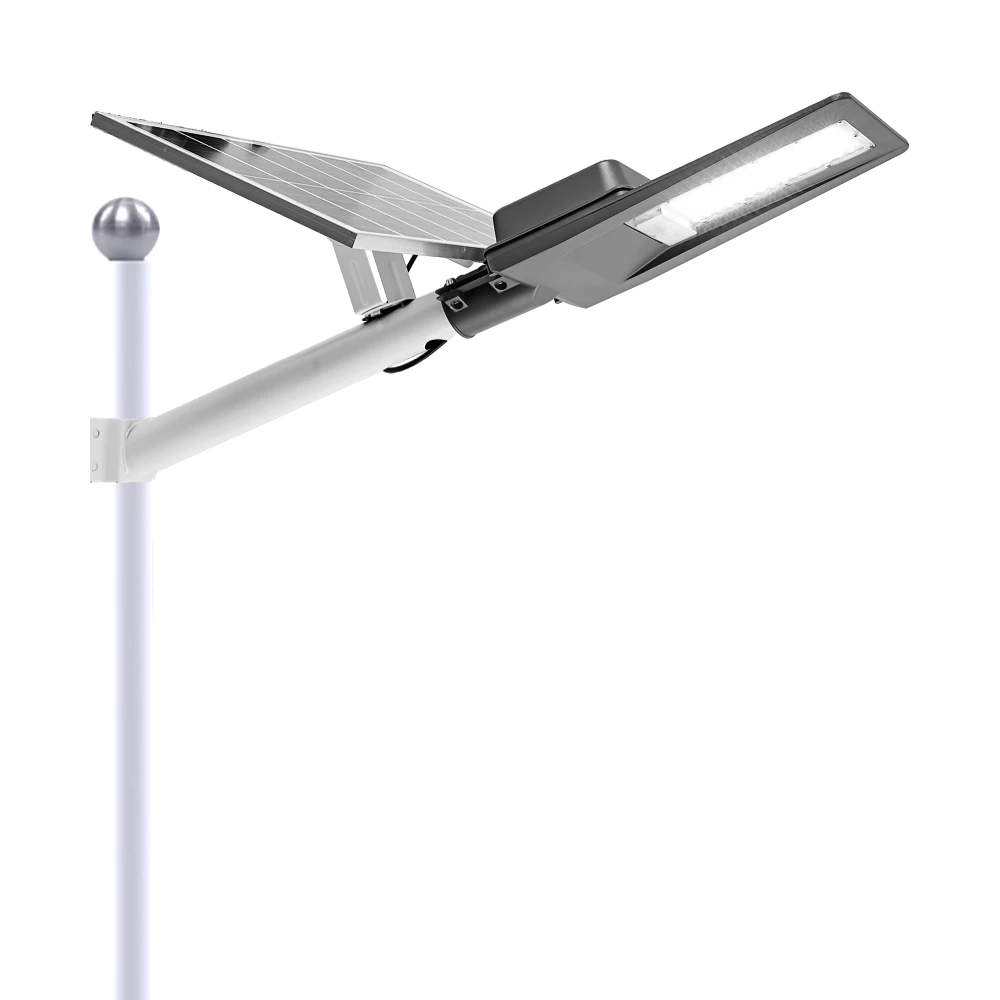
Experience reliable outdoor illumination with our smart solar street light, a perfect combination of advanced technology and eco-conscious design.
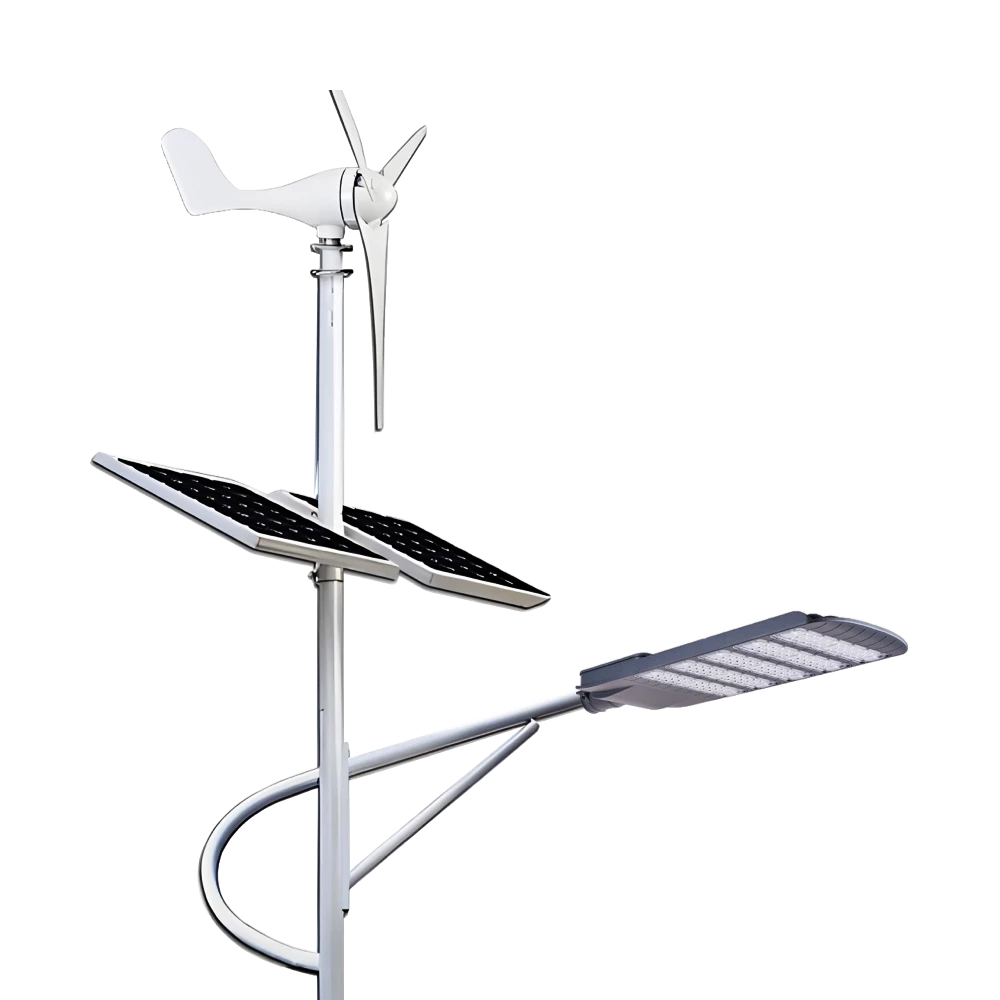
Queneng Lufeng Wind Energy LED Outdoor Solar Street Lights offer high-performance, eco-friendly illumination. These energy-efficient LED street lights harness solar power and wind energy for sustainable, cost-effective outdoor lighting solutions.
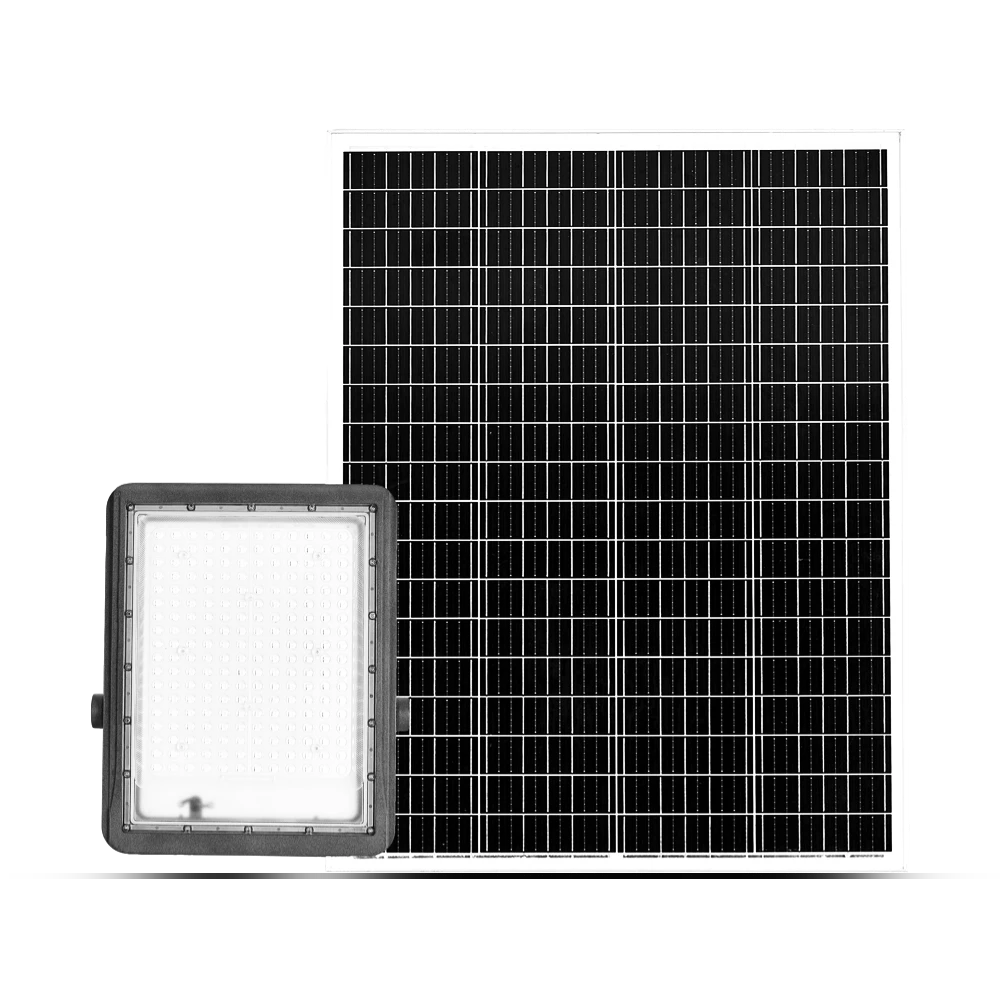
Queneng's Luxian Reliable Solar Street Light offers energy-saving LED lighting for outdoor use. This durable, solar-powered street light provides reliable illumination, reducing energy costs and environmental impact. A perfect solution for sustainable outdoor lighting.
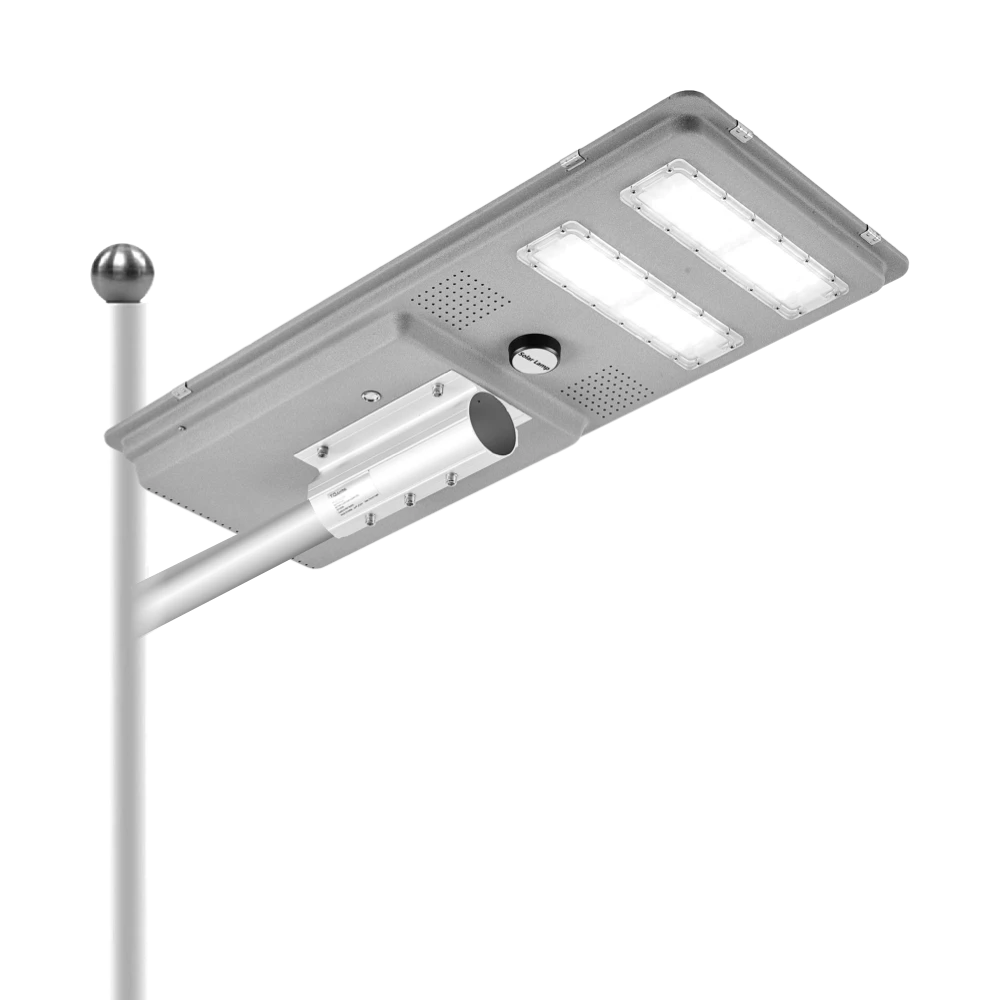
Queneng’s Solar Street Lights are designed to provide reliable, energy-efficient lighting for streets, parks, and other outdoor spaces.
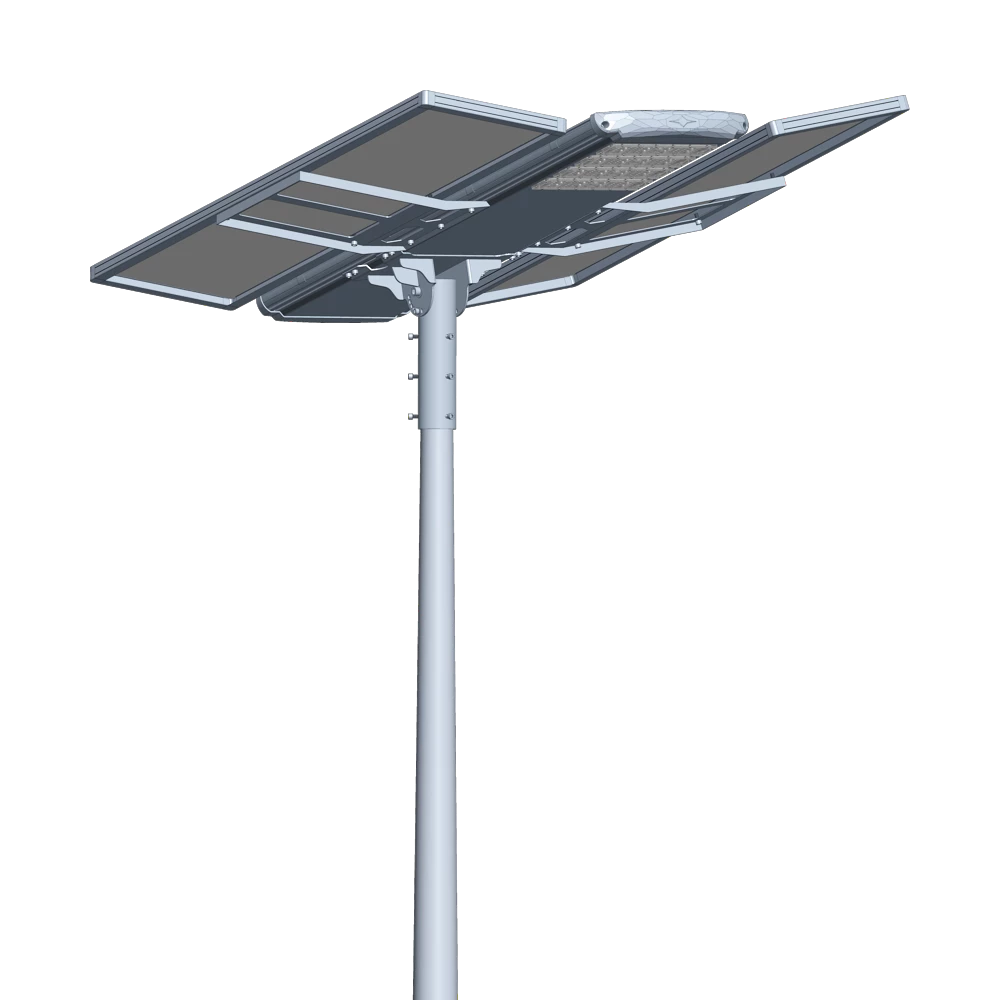
Introducing the Luqing Solar Street Light by Queneng, Efficient LED lighting powered by solar energy is perfect for illuminating outdoor areas. Harness the power of solar energy for sustainable, reliable street lighting. Ideal for eco-friendly, cost-effective outdoor illumination solutions.
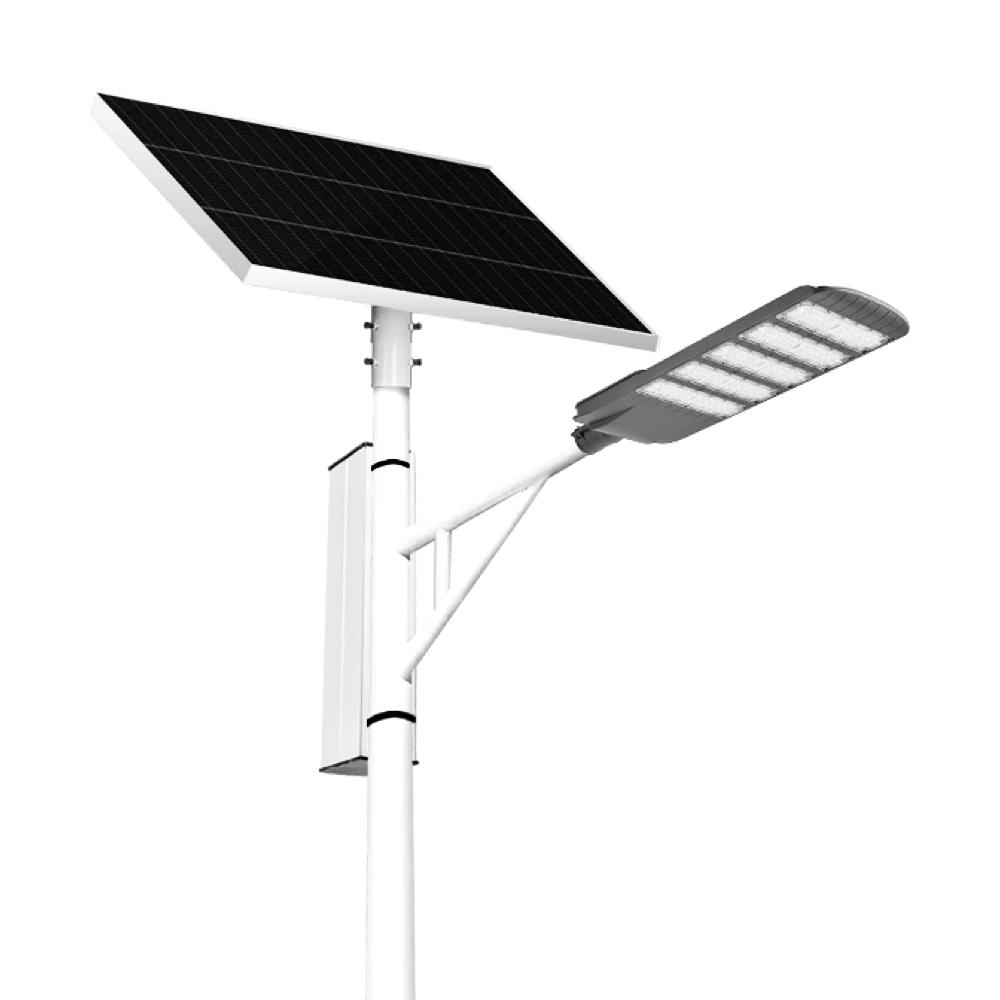
The Solar Streetlights of Luhao for Municipalities are designed to deliver reliable, energy-efficient, and cost-effective public lighting solutions. Equipped with advanced LED technology, durable lithium batteries, and high-efficiency solar panels, these streetlights provide consistent illumination for roads, parks, residential areas, and government projects.
If you would like more information about Queneng solar lighting solutions, please send us a message by filling out the form below. Our professional team will get back to you within 24 hours!
Rest assured that your privacy is important to us, and all information provided will be handled with the utmost confidentiality.
Schedule a Meeting
Book a date and time that is convenient for you and conduct the session in advance.
Have more questions about our products or services?
The messenger of light & power conversion
Environmental protection and intelligent manufacturing are our brand philosophy, and quality assurance and the best user experience are our eternal promises to users.
CONTACT
No.9F, Building F, Cao San Xin Tian Hong Logistics Park, Guzhen Town, Zhongshan City, Guangdong Province, China.
or write [email protected]
WhatsApp: +86 136 2270 1011


