

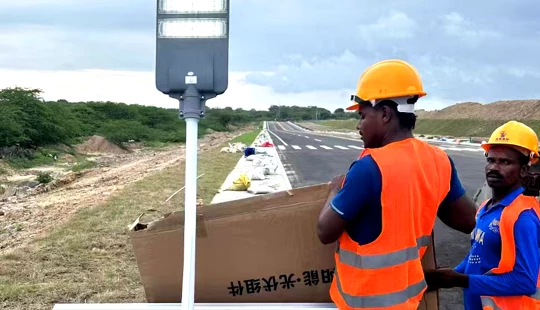
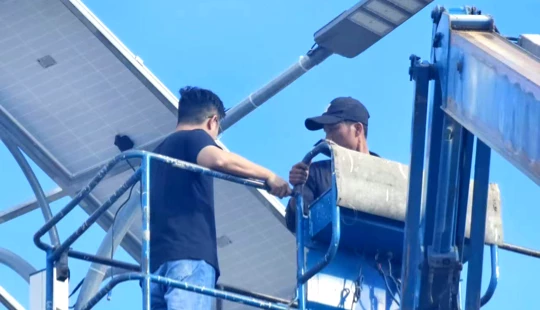













Choosing a manufacturer for custom solar lighting projects?
Demystifying Solar Street Lighting: Your Comprehensive Buyer's Guide to Split Systems and Manufacturer Selection
As the demand for sustainable and energy-efficient lighting solutions grows, solar street lights have emerged as a leading choice for various applications, from urban infrastructure to remote communities. However, the procurement process can be complex, requiring a deep understanding of technology, costs, and manufacturer capabilities. This guide aims to provide professional insights for buyers, with a specific focus on split solar street light systems and how to select the right manufacturer for your custom projects.
1. Understanding the Cost Drivers of Solar Street Lights, Especially Split Systems
The total cost of a solar street light system is influenced by several critical components and factors. For split systems, these drivers often differ slightly from their all-in-one counterparts due to component separation and greater customization potential:
- Solar Panel: This is a primary cost factor. Higher wattage panels (e.g., 80W-300W for street lights) made from monocrystalline silicon (known for higher efficiency, typically 18-22%) will generally cost more than polycrystalline. The panel's size, quantity, and efficiency directly correlate with its capacity to charge the battery, especially crucial for demanding split systems.
- Battery: The battery is often the most expensive component, determining the system's autonomy (how many nights it can operate without sunlight). Lithium Iron Phosphate (LiFePO4) batteries are now the industry standard for their longer lifespan (2000-4000+ cycles), deeper discharge capabilities, and better temperature stability compared to traditional lead-acid batteries. Capacity (Ah) and voltage (V) are key specifications. For split systems, larger batteries can be housed separately, allowing for greater capacity.
- LED Lamp: The cost varies with lumen output (brightness, typically 3,000-20,000 lumens for street lights), wattage, LED chip brand (e.g., Philips, Cree, Osram), color temperature (e.g., 3000K warm white to 6000K cool white), and optical design. High-efficiency LEDs can achieve 120-170 lumens per watt.
- Charge Controller: MPPT (Maximum Power Point Tracking) controllers are more efficient (up to 98%) than PWM (Pulse Width Modulation) controllers, especially in varying weather conditions, and are recommended for most split systems despite a slightly higher cost. It manages power flow, prevents overcharging/discharging, and often includes dimming and timing functions.
- Pole: The design, material (steel, aluminum, galvanized), height (e.g., 6m to 12m), and wind load rating significantly impact cost, particularly for custom projects requiring specific aesthetics or structural integrity. Split systems often require more robust poles to accommodate a separate luminaire.
- Wiring and Installation: Split systems typically incur higher installation costs due to separate mounting for the solar panel and battery, requiring longer cable runs and more complex wiring. However, this offers greater flexibility in component placement.
- Customization and Brand: Highly customized solutions and reputable manufacturers often come with a High Quality, justified by quality, warranty, and engineering support.
2. All-in-One vs. Split Solar Street Lights: Which is Right for Your Project?
Understanding the fundamental differences between these two primary types is crucial for making an informed decision:
All-in-One Solar Street Lights:
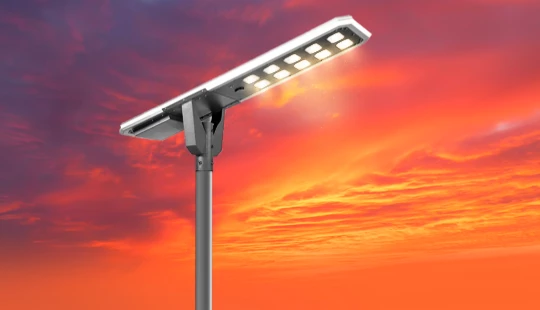
- Description: All major components (solar panel, battery, LED lamp, controller) are integrated into a single compact fixture, typically mounted on top of the pole.
- Advantages: Easier and faster installation, lower initial installation cost, sleek aesthetic, reduced wiring complexity.
- Disadvantages: Limited solar panel and battery sizing (restricting power output and autonomy), potential for battery overheating due to proximity to the lamp, more challenging to replace individual components if one fails. Less flexible in shading situations.
- Best Suited For: Projects with moderate lighting requirements, uniform sunlight exposure, budget constraints, and aesthetic simplicity.
Split Solar Street Lights:
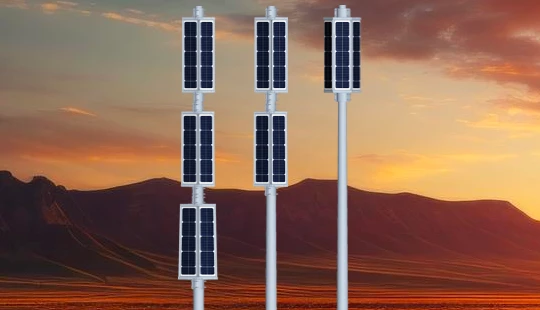
- Description: The solar panel, battery, and LED lamp are separate units. The panel is usually mounted atop the pole or separately, the battery is housed in a box (often near the ground or on the pole), and the LED lamp is mounted like a conventional street light.
- Advantages:
- Greater Customization: Allows for larger solar panels and battery capacities, enabling higher power output and extended autonomy, essential for demanding lighting applications or challenging climates.
- Optimal Performance: Panels can be tilted optimally towards the sun, even if the light fixture needs to be in a specific direction. Batteries can be placed in cooler locations, extending their lifespan.
- Enhanced Lifespan & Maintainability: Components are easier to access, replace, or upgrade individually. The battery benefits from being away from the heat of the LED.
- Flexibility in Shading: The solar panel can be placed in an unshaded area, even if the light pole itself is partially shaded.
- Disadvantages: Higher installation costs due to more complex wiring and separate component mounting, potentially less aesthetically integrated (depending on design), higher risk of theft for ground-level battery boxes (though this can be mitigated with secure designs).
- Best Suited For: Custom projects, areas with varying solar irradiance, high power requirements, long autonomy needs, specific aesthetic demands, regions prone to extreme temperatures, and projects where long-term maintainability and component upgradeability are priorities.
3. Key Technical Specifications for Split Solar Street Light Systems
When purchasing split solar street lights, a professional buyer must scrutinize these specifications:
- Solar Panel: Type (Monocrystalline highly recommended), Peak Power (Wp), Efficiency (%), and Open-Circuit Voltage (Voc). Ensure the panel is sized appropriately for the load and desired autonomy, considering local peak sun hours.
- Battery: Type (LiFePO4 with BMS - Battery Management System - is crucial), Capacity (Ah), Voltage (V), Depth of Discharge (DoD) (typically 80-90% for LiFePO4), Cycle Life (e.g., 2000-4000+ cycles at 80% DoD), and Operating Temperature Range.
- LED Luminaires: Total Lumen Output (lm), Luminous Efficacy (lm/W), Wattage (W), Color Temperature (K), Beam Angle Distribution (e.g., Type II, Type III for street lighting), Color Rendering Index (CRI), and IP Rating (Ingress Protection, typically IP65 or IP66 for outdoor use).
- Charge Controller: MPPT type recommended for efficiency. Features like overcharge/over-discharge protection, reverse polarity protection, short-circuit protection, temperature compensation, dimming schedules, and motion sensor integration.
- System Autonomy: Specified in days (e.g., 3-5 days). This indicates how long the system can power the light without any sunshine. Crucial for cloudy regions.
- Pole: Height, material (hot-dip galvanized steel is standard for durability), wall thickness, base dimensions, and ability to withstand local wind loads (certified according to international standards).
- Cabling: UV-resistant, appropriately sized gauge wiring to minimize voltage drop, and secure, waterproof connectors.
- Environmental Ratings: Operating temperature ranges for all components and wind resistance ratings.
4. Selecting a Reputable Solar Street Light Manufacturer for Custom Projects
Choosing the right manufacturer is paramount, especially for bespoke projects. Look for these attributes:
- Experience and Track Record: A manufacturer with a proven history of successful solar lighting projects, particularly complex custom solutions. Request case studies and client references.
- R&D and Engineering Capabilities: Strong in-house R&D and engineering teams indicate an ability to innovate, design custom solutions from scratch, and provide comprehensive technical support. This is vital for split systems where precise component matching is necessary.
- Quality Certifications: Adherence to international standards such as ISO 9001 (Quality Management), CE, RoHS, FCC, and specific product IP ratings demonstrates commitment to quality and safety.
- Customization Flexibility: The ability to tailor solar panel wattage, battery capacity, pole design, LED luminaire optics, and control systems to meet specific project requirements and site conditions.
- Manufacturing Capacity: Sufficient production capabilities to handle your project scale without compromising quality or delivery timelines.
- Warranty and After-Sales Support: Clear, comprehensive warranties for individual components (e.g., 20-25 years for panels, 3-7 years for batteries, 3-5 years for LEDs and controllers) and responsive technical support, including spare parts availability.
- Supply Chain Management: A robust supply chain ensures consistent quality of raw materials and timely delivery.
- Sustainable Practices: Manufacturers who integrate sustainable and ethical practices into their operations often reflect a broader commitment to quality and responsibility.
5. Ensuring Longevity and Performance: Maintenance & Lifespan Expectations
Solar street light systems are designed for long lifespans, but proper maintenance is key:
- Component Lifespan: Solar panels (20-25 years with minimal degradation), LiFePO4 batteries (5-10 years, depending on cycles and environmental factors), LED luminaires (50,000-100,000 operating hours), and controllers (5-10 years).
- Maintenance Tasks:
- Solar Panels: Regular cleaning (every 6-12 months, or more frequently in dusty environments) to remove dirt, dust, and debris that can reduce efficiency.
- Batteries: Annual inspection of connections. For ground-level battery boxes in split systems, ensuring proper ventilation and protection from extreme temperatures.
- LED Luminaires: Occasional cleaning of the diffuser and checking for physical damage.
- Wiring and Connections: Periodic inspection for corrosion, loose connections, or damage.
- Pole Structure: Check for structural integrity, rust, or damage, especially after severe weather.
- Advantage of Split Systems: The separated components in split systems often make maintenance and component replacement easier and more cost-effective, as individual units can be serviced without affecting the entire integrated fixture.
6. Warranty and After-Sales Support: Protecting Your Investment
A robust warranty and reliable after-sales support are non-negotiable for long-term project success:
- Warranty Coverage: Scrutinize the warranty terms for each major component. A good manufacturer will offer separate, often longer, warranties for solar panels and batteries, recognizing their longer expected lifespans.
- Service & Support: Evaluate the manufacturer's commitment to post-purchase support. This includes technical assistance, troubleshooting, spare parts availability, and responsiveness for warranty claims.
- On-Site Support: For large or complex custom projects, inquire about the availability of on-site technical support or training for your local installation teams.
- Clear Communication: Ensure the manufacturer has clear communication channels and dedicated project managers, which is vital for managing custom solutions and addressing issues promptly.
Queneng Lighting: Your Trusted Partner in Solar Street Lighting Solutions
As you navigate the intricate world of solar street lighting, particularly for custom split system projects, partnering with an experienced and reliable manufacturer is paramount. Queneng Lighting stands out with its comprehensive expertise in advanced solar lighting technology, robust manufacturing capabilities, and a commitment to quality. Specializing in highly customizable split solar street light solutions, Queneng Lighting provides tailored designs that optimize performance, durability, and cost-effectiveness for diverse environments and project specifications. With a strong focus on cutting-edge LiFePO4 battery technology, high-efficiency solar panels, and intelligent control systems, Queneng ensures each project benefits from superior engineering and long-term reliability. Their dedicated R&D team and stringent quality control processes guarantee products that meet international standards, backed by extensive warranties and responsive after-sales support, making Queneng Lighting an ideal choice for your next solar lighting investment.
References
- Solar Energy Industries Association (SEIA). (Latest available industry reports on solar panel efficiency and lifespan). Retrieved from https://www.seia.org (Accessed: )
- National Renewable Energy Laboratory (NREL). (Information on battery technologies and performance). Retrieved from https://www.nrel.gov (Accessed: )
- Illuminating Engineering Society (IES). (Standards for outdoor lighting and lumen output). Retrieved from https://www.ies.org (Accessed: )
- International Organization for Standardization (ISO). (Details on ISO 9001 and other relevant certifications). Retrieved from https://www.iso.org (Accessed: )
- Specific manufacturer datasheets for LiFePO4 batteries (e.g., CATL, BYD, EVE Energy for cycle life and DoD details). (Accessed: )
- Industry reports on solar street light market trends and component costs (e.g., from Grand View Research, Mordor Intelligence). (Accessed: )

Have more questions about our products or services?
The latest hot news you might like

Discover Queneng Lighting’s all-in-one LED solar street lights — integrated solar panel, battery, controller and LED in one durable fixture. Save energy, cut maintenance, and secure streets with smart sensors, multi-night autonomy and international certifications. Contact sales for quotes and support.

Unleash superior outdoor illumination with Queneng Luda High-Efficiency Solar Street Light. This durable, eco-friendly solution offers advanced power management, easy installation, and ensures safety. Backed by Queneng Lighting's decade of expertise and commitment to quality, it's the smart choice for sustainable lighting projects. Learn why we're a leading solar solutions provider.

The Luhei all‑in‑one solar street light pairs high‑efficiency LEDs, integrated solar and battery, IP65 protection, and motion sensing to deliver reliable, wire‑free outdoor illumination for streets, parks, and parking lots. Backed by Queneng Lighting’s certifications and support.

FAQ
Battery Types and Applications
What types of rechargeable batteries are there? Which devices are they suitable for?
Features: High capacity, environmentally friendly (no mercury, lead, cadmium), overcharge protection
Application equipment: audio equipment, video recorders, mobile phones, cordless phones, emergency lights, notebook computers
Ni-MH prismatic battery
Features: High capacity, environmentally friendly, overcharge protection
Application equipment: audio equipment, video recorders, mobile phones, cordless phones, emergency lights, notebook computers
NiMH button battery
Features: High capacity, environmentally friendly, overcharge protection
Application equipment: mobile phones, cordless phones
Nickel cadmium round battery
Features: High load capacity
Application equipment: audio equipment, power tools
Nickel cadmium button battery
Features: High load capacity
Application equipment: Cordless phones, memory
Lithium Ion Battery
Features: High load capacity, high energy density
Application equipment: mobile phones, laptops, video recorders
Lead-acid batteries
Features: Cheap, easy to process, short life, heavy weight
Application equipment: ships, automobiles, miner's lamps, etc.
who we are
What products does Queneng offer?
We offer a wide range of solar energy products, including solar lighting fixtures (street lights, garden lights, etc.), high-performance solar photovoltaic panels, energy storage batteries, and custom solar systems for various applications. We also provide installation and after-sales support.
Battery fundamentals and basic terms
What is open circuit voltage?
Solar Street Light Luyan
What types of batteries are used in Luyan solar street lights, and how do they work?
Luyan solar street lights use high-quality lithium-ion batteries. These batteries store the solar energy captured during the day and provide reliable illumination at night. Lithium-ion batteries are known for their longer lifespan, faster charging times, and better energy storage compared to traditional lead-acid batteries.
APMS system
What scenarios is the APMS system suitable for?
The APMS system is widely applicable in remote off-grid areas, extremely cold climates, and industrial sites with high energy stability requirements, such as mines and oil fields.
Tourist Attractions and Resorts
Are solar lighting systems easy to install in remote areas without grid access?
Yes, solar lighting systems are ideal for remote locations where grid access is unavailable or difficult. They are self-sustaining and do not require external power sources, making them a perfect solution for isolated resorts or tourist attractions.
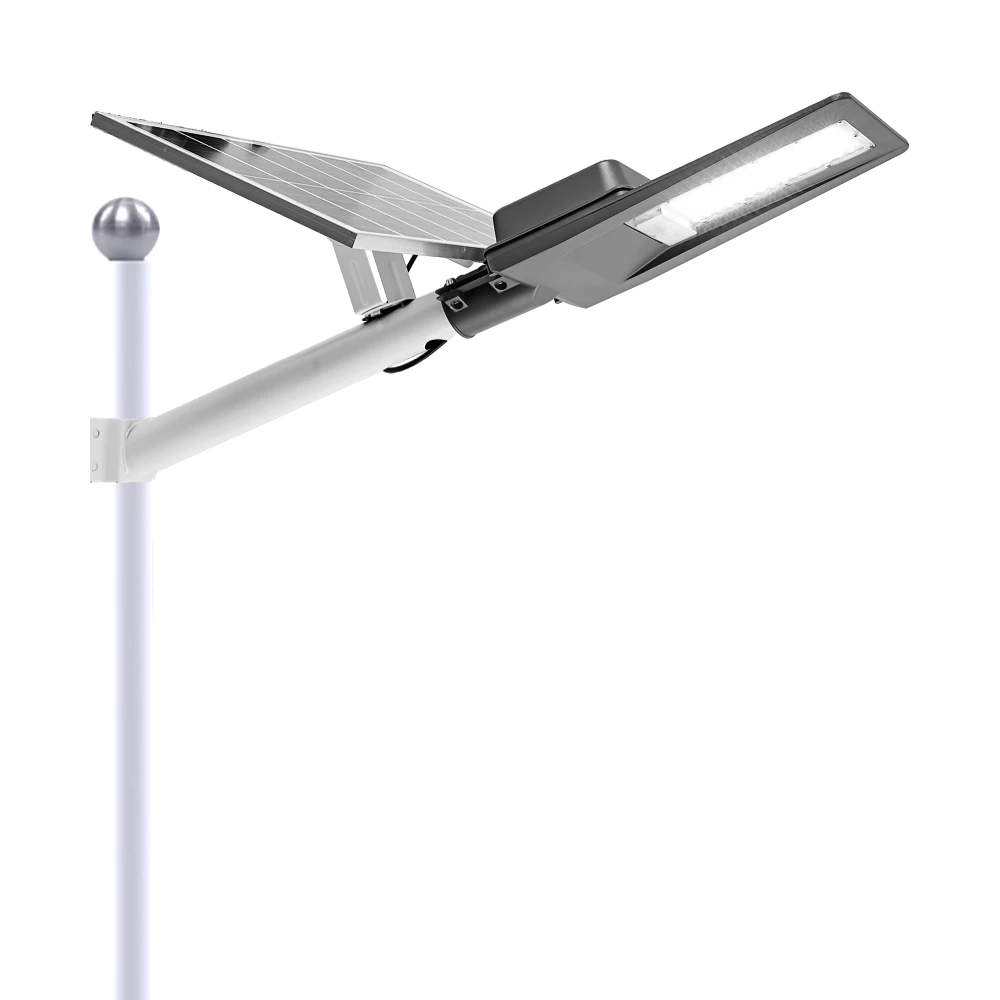
Experience reliable outdoor illumination with our smart solar street light, a perfect combination of advanced technology and eco-conscious design.
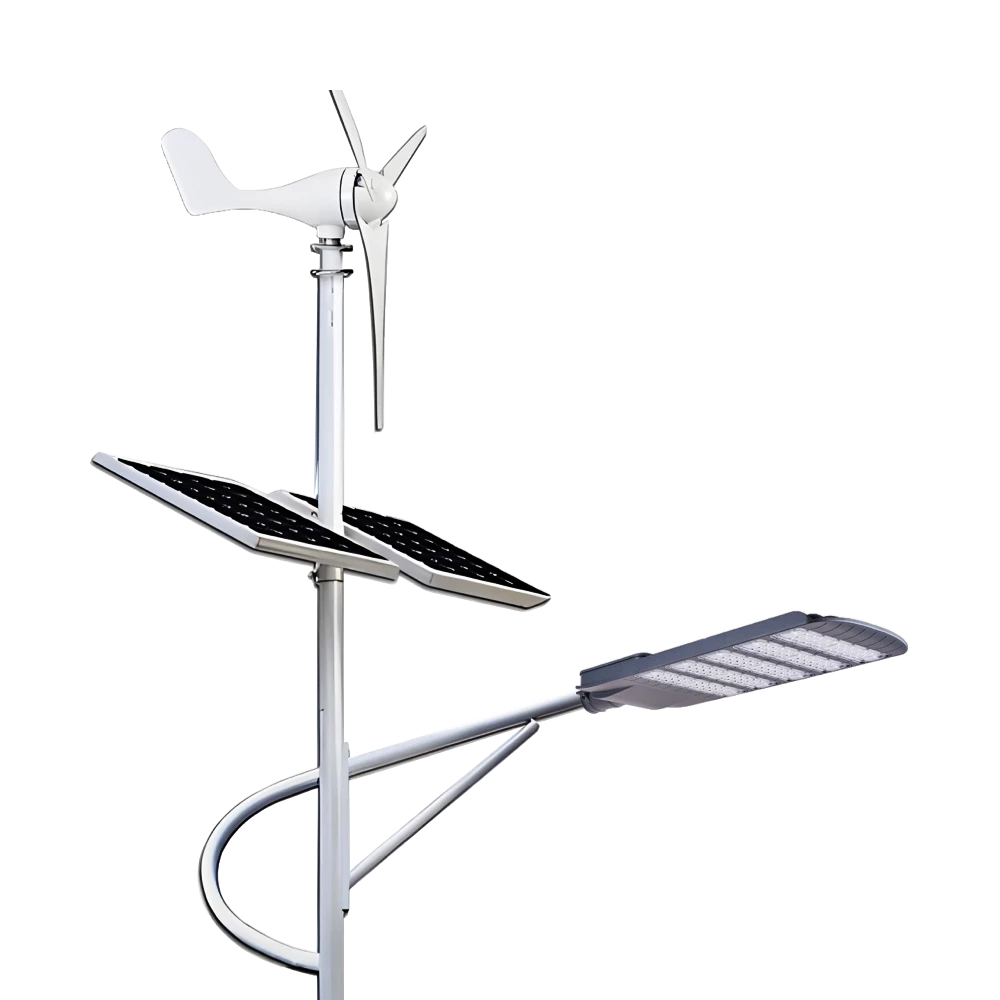
Queneng Lufeng Wind Energy LED Outdoor Solar Street Lights offer high-performance, eco-friendly illumination. These energy-efficient LED street lights harness solar power and wind energy for sustainable, cost-effective outdoor lighting solutions.
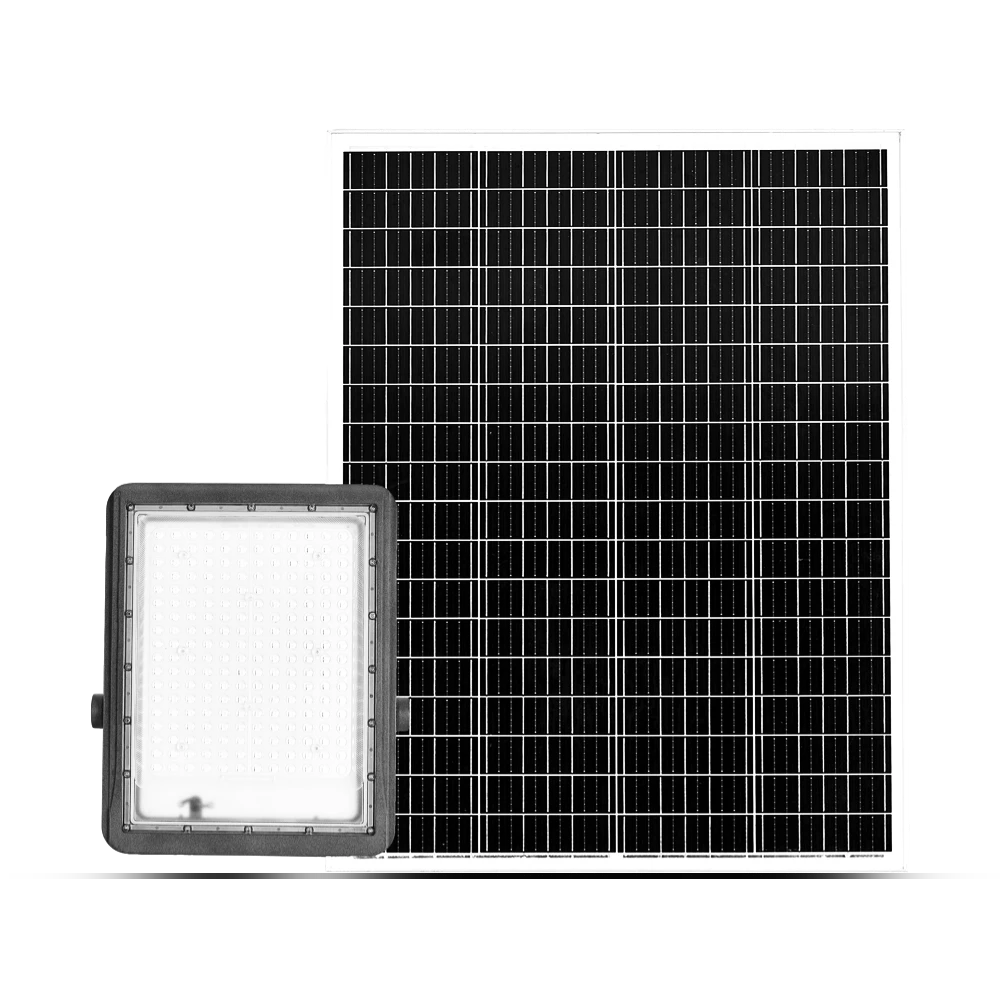
Queneng's Luxian Reliable Solar Street Light offers energy-saving LED lighting for outdoor use. This durable, solar-powered street light provides reliable illumination, reducing energy costs and environmental impact. A perfect solution for sustainable outdoor lighting.
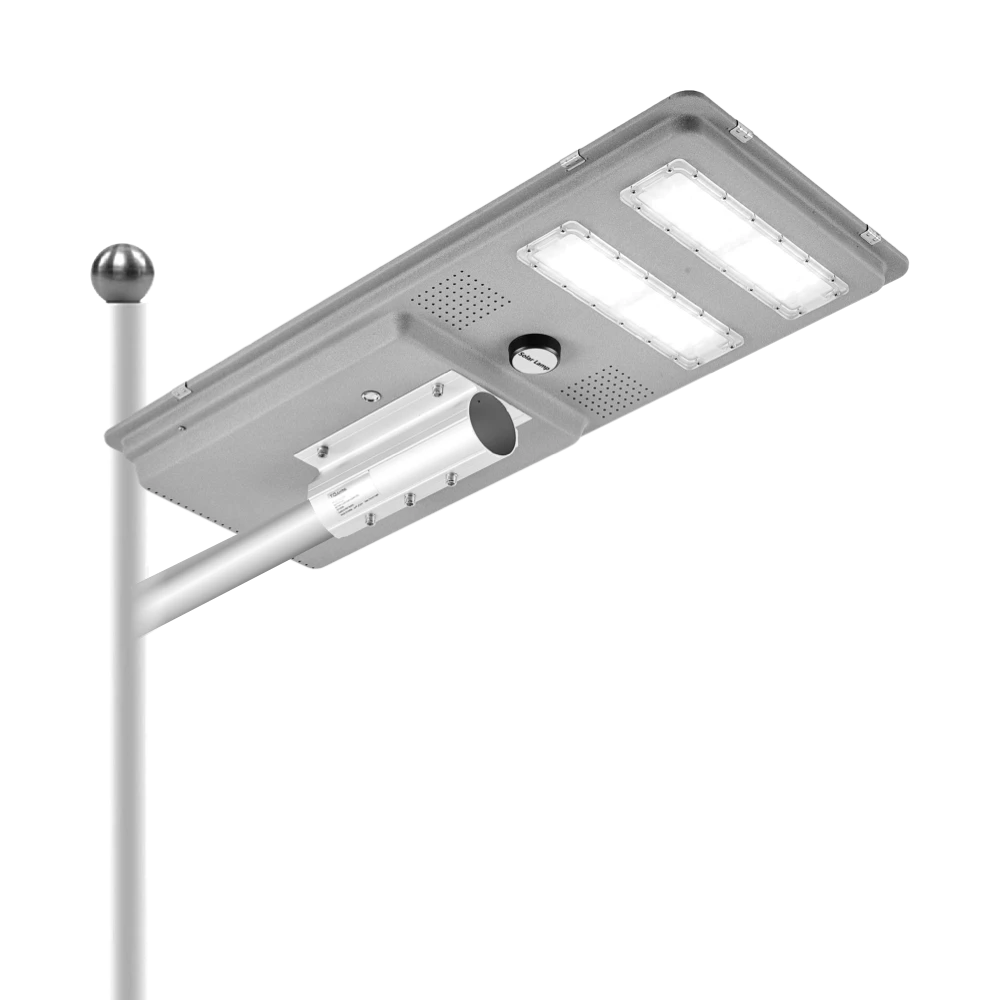
Queneng’s Solar Street Lights are designed to provide reliable, energy-efficient lighting for streets, parks, and other outdoor spaces.
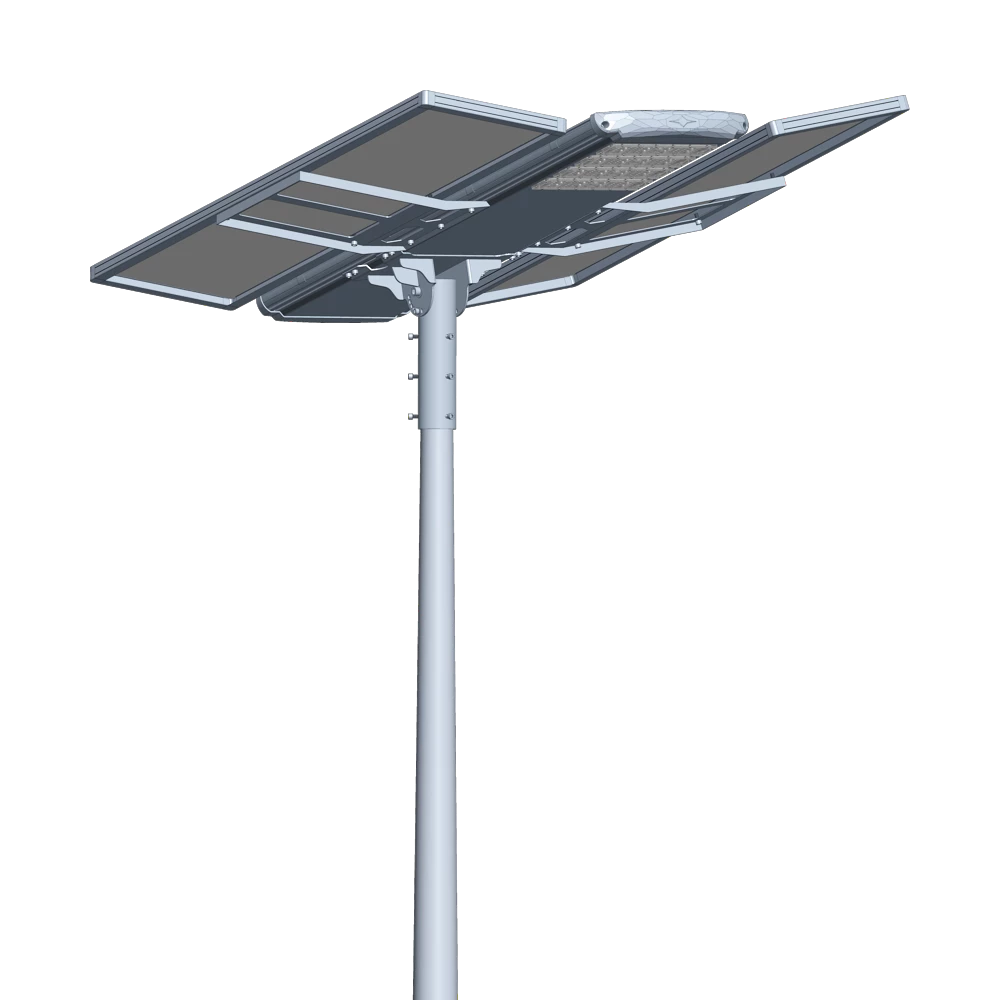
Introducing the Luqing Solar Street Light by Queneng, Efficient LED lighting powered by solar energy is perfect for illuminating outdoor areas. Harness the power of solar energy for sustainable, reliable street lighting. Ideal for eco-friendly, cost-effective outdoor illumination solutions.
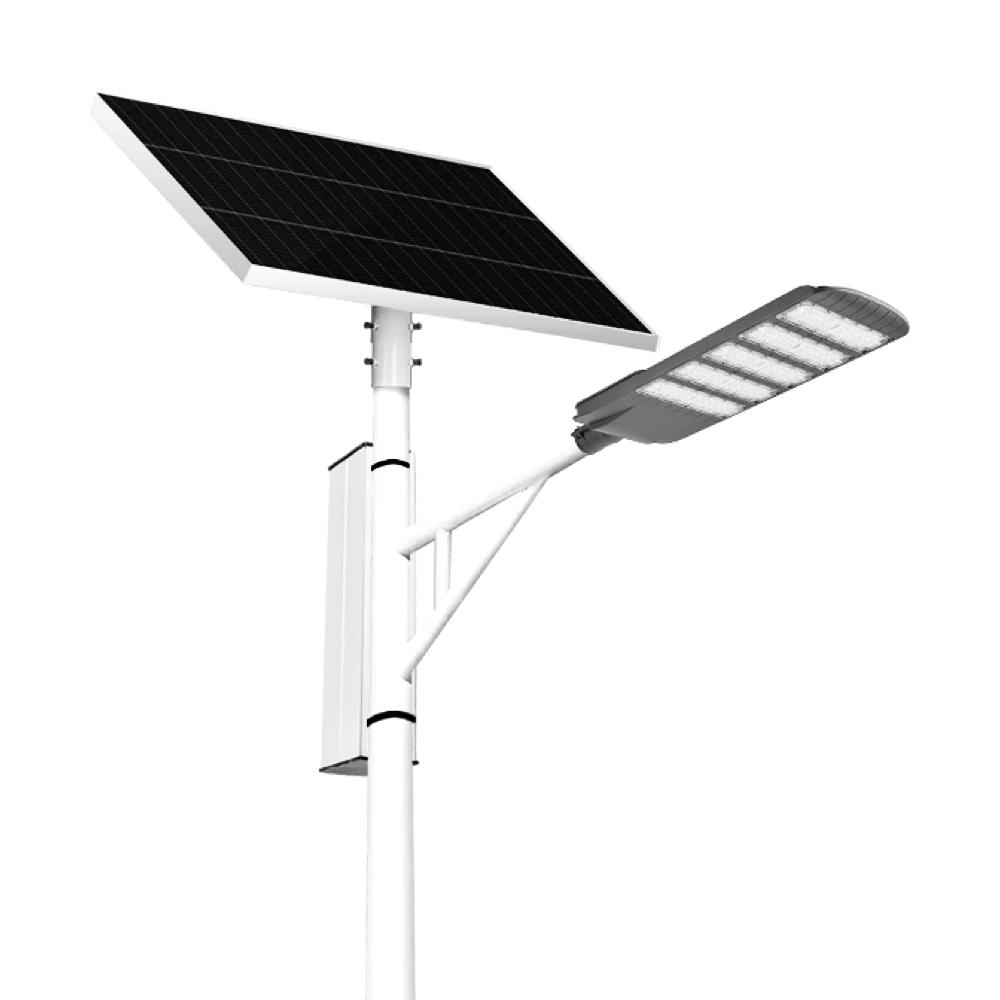
The Solar Streetlights of Luhao for Municipalities are designed to deliver reliable, energy-efficient, and cost-effective public lighting solutions. Equipped with advanced LED technology, durable lithium batteries, and high-efficiency solar panels, these streetlights provide consistent illumination for roads, parks, residential areas, and government projects.
If you would like more information about Queneng solar lighting solutions, please send us a message by filling out the form below. Our professional team will get back to you within 24 hours!
Rest assured that your privacy is important to us, and all information provided will be handled with the utmost confidentiality.
Schedule a Meeting
Book a date and time that is convenient for you and conduct the session in advance.
Have more questions about our products or services?
The messenger of light & power conversion
Environmental protection and intelligent manufacturing are our brand philosophy, and quality assurance and the best user experience are our eternal promises to users.
CONTACT
No.9F, Building F, Cao San Xin Tian Hong Logistics Park, Guzhen Town, Zhongshan City, Guangdong Province, China.
or write [email protected]
WhatsApp: +86 136 2270 1011


