














How does battery technology impact solar light cost?
Understanding the Cost of Solar Street Lights: A Deep Dive for Procurement
As the demand for sustainable and energy-efficient lighting solutions grows, solar street lights have emerged as a frontrunner. However, for procurement professionals, understanding the true cost of solar street light, the nuances of battery technology's impact, and the distinctions between various designs is crucial. This guide aims to shed light on these critical aspects, helping you make informed purchasing decisions.
How is the Cost of Solar Street Lights Determined, and What Factors Play a Role?
The cost of a solar street light is not a single figure but a sum of several key components and associated factors. Typically, a commercial-grade solar street light system (excluding installation) can range from $300 to $2,500+ per unit, depending on specifications. Here’s a breakdown:
- Solar Panel: Accounts for 20-30% of the cost. Monocrystalline silicon panels are common due to their higher efficiency (typically 18-22%), converting more sunlight into electricity. The larger the wattage (Wp) required, the higher the cost.
- Battery: Represents 25-40% of the cost. This is a critical component, with LiFePO4 (Lithium Iron Phosphate) batteries being the industry standard for their longevity and performance. Their capacity (Ah or Wh) directly impacts autonomy (how long the light can operate without sunlight).
- LED Light Fixture: Makes up 15-25% of the cost. The wattage, lumen output (e.g., 150-180 lumens/watt for modern LEDs), brand of LED chips (e.g., Philips, Cree), and optic design all influence cost.
- Charge Controller: Around 5-10% of the cost. MPPT (Maximum Power Point Tracking) controllers are more efficient (95-99%) than PWM (Pulse Width Modulation) controllers (70-80%), but also more expensive, providing better energy harvest.
- Pole and Mounting Hardware: Variable, 10-20%. The height, material (galvanized steel, aluminum), thickness, and design (e.g., decorative vs. standard) significantly affect this cost.
- Other Factors: Brand reputation, warranty period, quality of materials, IP rating (e.g., IP65 for fixture, IP67 for battery compartment), smart features (motion sensors, dimming), and certification (CE, RoHS, IEC) also contribute to the overall price.
All-in-One vs. Split Solar Street Lights: Which Design is Right for Your Project?
Choosing between All-in-One Solar Street Lights and Split Solar Street Lights depends on specific project requirements, environmental conditions, and budget. Each has distinct advantages:
- All-in-One Solar Street Lights:
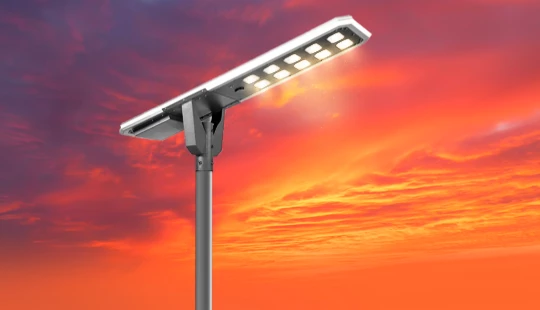
- Design: Integrates the solar panel, battery, LED lamp, and controller into a single compact unit.
- Advantages: Easier and faster installation, lower installation costs, sleeker aesthetic. Ideal for areas with consistent sunlight and moderate power requirements.
- Disadvantages: Limited flexibility in panel angle adjustment, battery susceptible to higher temperatures (if integrated into the light head), potentially harder to replace individual components. Battery capacity might be constrained by unit size.
- Typical Cost Implication: Generally lower initial unit cost and significantly lower installation labor cost.
- Split Solar Street Lights:
- Design: Features separate components – the solar panel is mounted on top, the LED fixture is on an arm, and the battery is often housed in a box on the pole or buried underground.
- Advantages: Greater flexibility for solar panel angle adjustment (optimizing sun exposure), battery can be placed in a cooler environment (extending lifespan), easier maintenance and component replacement. Ideal for high power requirements, demanding climates, or areas with inconsistent sunlight where panel angle optimization is crucial.
- Disadvantages: Higher installation complexity and cost due to separate wiring and component mounting. Less aesthetically integrated.
- Typical Cost Implication: Higher initial unit cost and higher installation labor cost, but potentially better long-term performance and lifespan due to optimized component placement.
How Does Battery Technology Specifically Influence the Cost and Performance of Solar Street Lights?
Battery technology is perhaps the most significant determinant of both upfront cost and long-term performance in solar street lights. How does battery technology impact solar light cost? The answer lies in its chemistry, capacity, and lifecycle.
- LiFePO4 (Lithium Iron Phosphate) Batteries:
- Cost Impact: Higher initial cost (typically 30-50% more expensive than lead-acid for the same capacity).
- Performance Impact: Offers 2000-6000 cycles at 80% Depth of Discharge (DoD), meaning a much longer lifespan (8-10 years average). Excellent thermal stability, safer, wider operating temperature range (e.g., -20°C to 60°C), higher energy density, and minimal self-discharge. This translates to fewer replacements, lower maintenance, and a significantly lower Total Cost of Ownership (TCO) over the project's lifetime. They typically provide 2-3 days of autonomy (backup power).
- Lead-Acid Batteries:
- Cost Impact: Lower initial cost.
- Performance Impact: Shorter lifespan (300-1000 cycles), heavier, lower energy density, susceptible to temperature extremes (especially cold), and require more maintenance. Their DoD is typically limited to 50% to extend life, meaning a larger battery is needed for the same usable capacity. This leads to higher replacement costs and overall higher TCO.
Choosing high-quality LiFePO4 batteries is a critical investment for reliability and cost-effectiveness over the life of the product.
What Key Factors Should You Consider When Selecting a Solar Street Light Manufacturer?
Selecting the right Solar Street Light Manufacturer is paramount for project success. Look beyond just price:
- Experience and Reputation: A proven track record in manufacturing and deploying solar lighting solutions. Check for case studies and client testimonials.
- R&D and Innovation: Manufacturers that invest in R&D often offer more advanced, efficient, and reliable products (e.g., higher efficiency solar panels, advanced MPPT controllers, smart control systems).
- Quality Certifications: Ensure products meet international standards like CE, RoHS, IP ratings (e.g., IP65/67), ISO 9001 (quality management), and IEC standards for solar components.
- Production Capacity and Supply Chain: Ability to handle large orders and consistent supply of high-quality components (e.g., branded LED chips, reputable battery cells).
- Warranty and After-Sales Support: A robust warranty (e.g., 3-5 years for the system, 10+ years for panels, 5-8 years for batteries) and responsive technical support are crucial for long-term peace of mind.
- Customization Capabilities: Ability to tailor solutions to specific project needs (e.g., different pole heights, lumen outputs, autonomy requirements).
What is the Typical Lifespan and Warranty for Solar Street Light Components?
Understanding the lifespan and warranty of individual components helps in evaluating the overall value and Total Cost of Ownership (TCO) of a solar street light system:
- LED Light Fixture: High-quality LED chips typically have a lifespan of 50,000 to 100,000 hours, meaning 10-20 years of operation (at ~10-12 hours/day). Warranty: 3-5 years.
- Solar Panel: Monocrystalline solar panels are highly durable, with a performance warranty of 20-25 years (guaranteeing 80% of original power output after 20-25 years). Product warranty: 10-12 years.
- Battery (LiFePO4): Lifespan is often expressed in cycles. Quality LiFePO4 batteries last for 2000-6000 cycles, translating to an average operational life of 8-10 years in typical solar street light applications. Warranty: 5-8 years.
- Charge Controller: Generally designed for a lifespan of 5-10 years. Warranty: 3-5 years.
- Pole and Housing: Galvanized steel poles can last 20-25 years or more, depending on environmental conditions.
A reputable manufacturer will offer comprehensive warranties that reflect these lifespans, providing assurance on your investment.
Are Solar Street Lights a Cost-Effective Long-Term Investment Compared to Traditional Lighting?
Absolutely. While the initial investment for solar street lights can be higher than traditional grid-connected lighting (e.g., HID or even some LED grid lights), the long-term savings and benefits make them highly cost-effective:
- Zero Electricity Bills: The most significant saving. Once installed, solar street lights consume no grid electricity.
- Reduced Installation Costs: Eliminates the need for trenching, wiring, and connecting to the grid, which can be expensive and disruptive, especially in remote areas or large developments.
- Lower Maintenance: Modern solar street lights, especially with LiFePO4 batteries, require minimal maintenance compared to grid-tied systems that might face power outages or require more complex fault finding. The longer lifespan of components reduces replacement frequency.
- Environmental Benefits: Reduces carbon footprint by utilizing renewable energy.
- Increased Safety and Security: Independent operation means they remain lit during grid power outages, enhancing public safety.
- Rapid ROI: Depending on local electricity costs and installation complexities, the Return on Investment (ROI) can be as short as 3-5 years, after which the lights essentially operate for free.
Queneng Lighting: Your Trusted Partner in Solar Street Light Solutions
At Queneng Lighting, we understand the critical factors influencing solar street light procurement. We specialize in designing and manufacturing high-quality, reliable, and cost-effective solar lighting solutions, including both All-in-One and Split Solar Street Lights.
Our advantages include:
- High Quality LiFePO4 Batteries: We exclusively use top-tier LiFePO4 batteries, ensuring superior lifespan (8-10+ years), safety, and performance across diverse climates, significantly reducing your TCO.
- High-Efficiency Components: Utilizing high-efficiency monocrystalline solar panels, advanced MPPT controllers, and branded LED chips (180lm/W+) for maximum energy harvest and illumination.
- Robust Design and Engineering: Our products are engineered for durability, meeting stringent IP65/IP67 standards and wind resistance requirements.
- Customization and Expertise: With rich experience as a Solar Street Light Manufacturer, we offer tailored solutions to meet specific project needs, backed by expert technical support.
- Comprehensive Warranty: We stand by our products with competitive warranties, giving you confidence in your investment.
Choose Queneng Lighting for sustainable, reliable, and expertly crafted solar street lighting solutions that deliver long-term value and performance.
References and Data Sources:
- EnergySage - Solar Panel Cost Guide (Accessed: April 25, 2024) - For general solar component cost context.
- Battery University - How to Prolong Lithium-based Batteries (Accessed: April 25, 2024) - For battery cycle life and DoD concepts.
- LEDinside - Global LED Lighting Market Outlook (Accessed: April 25, 2024) - For LED efficiency and lifespan data.
- PV Magazine - MPPT Controller Explanation (Accessed: April 25, 2024) - For MPPT vs. PWM controller efficiency.
- Industry Standards and Best Practices (e.g., IEC 61215 for PV modules, IEC 60598 for luminaires, ISO 9001 for quality management systems) - General knowledge on quality certifications.

Have more questions about our products or services?
The latest hot news you might like

Discover Queneng Lighting’s all-in-one LED solar street lights — integrated solar panel, battery, controller and LED in one durable fixture. Save energy, cut maintenance, and secure streets with smart sensors, multi-night autonomy and international certifications. Contact sales for quotes and support.

Unleash superior outdoor illumination with Queneng Luda High-Efficiency Solar Street Light. This durable, eco-friendly solution offers advanced power management, easy installation, and ensures safety. Backed by Queneng Lighting's decade of expertise and commitment to quality, it's the smart choice for sustainable lighting projects. Learn why we're a leading solar solutions provider.

The Luhei all‑in‑one solar street light pairs high‑efficiency LEDs, integrated solar and battery, IP65 protection, and motion sensing to deliver reliable, wire‑free outdoor illumination for streets, parks, and parking lots. Backed by Queneng Lighting’s certifications and support.

FAQ
Public Gardens and Landscape Lighting
How can I order solar lighting products for my public garden or landscape project?
To order solar lighting solutions for your project, simply contact our sales team via phone, email, or our website. We will work with you to understand your specific requirements and provide customized solutions that fit your needs. We also offer installation support and after-sales services to ensure your project is a success.
Can solar lights be installed in any outdoor space?
Our solar lighting solutions are versatile and can be installed in most outdoor areas, including public gardens, parks, pathways, streets, and recreational areas. As long as there is enough sunlight exposure during the day, solar lights can be installed almost anywhere.
Commercial and Industrial Parks
What is the lifespan of your solar streetlights?
The average lifespan of our solar streetlights is 25 years for the panel and 5–8 years for the battery.
Solar Street Light Luda
What makes Luda solar street lights high-efficiency and eco-friendly?
Luda solar street lights feature high-efficiency solar panels that maximize energy conversion even in low sunlight conditions, ensuring optimal performance throughout the day. The use of energy-efficient LED bulbs minimizes electricity consumption while delivering bright, reliable illumination. This combination of features reduces the overall carbon footprint and makes them an eco-friendly choice for outdoor lighting.
Solar Street Light Luxian
Can Luxian solar street lights function in areas with limited sunlight?
Yes, Luxian solar street lights are designed to function even in areas with limited sunlight. The high-efficiency solar panels are capable of charging the battery during cloudy or overcast conditions, ensuring the lights operate efficiently throughout the night. The large battery storage capacity helps maintain performance in areas with inconsistent sunlight.
Solar Street Light Lufeng
Can Lufeng solar street lights operate during the winter?
Yes, Lufeng solar street lights are designed to operate year-round, including during the winter. They are equipped with high-efficiency solar panels that continue to collect solar energy even in cold or overcast conditions. The lights are also built to withstand freezing temperatures and provide reliable illumination in all seasons.
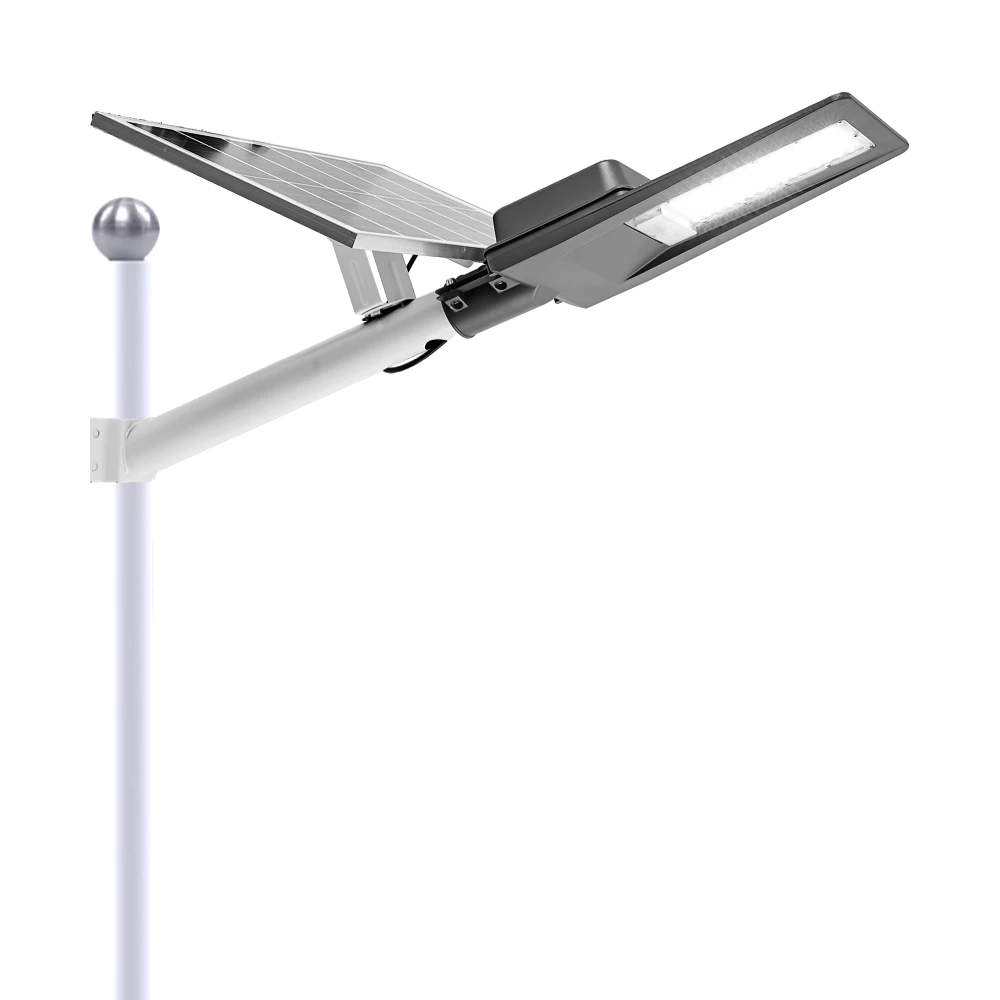
Experience reliable outdoor illumination with our smart solar street light, a perfect combination of advanced technology and eco-conscious design.
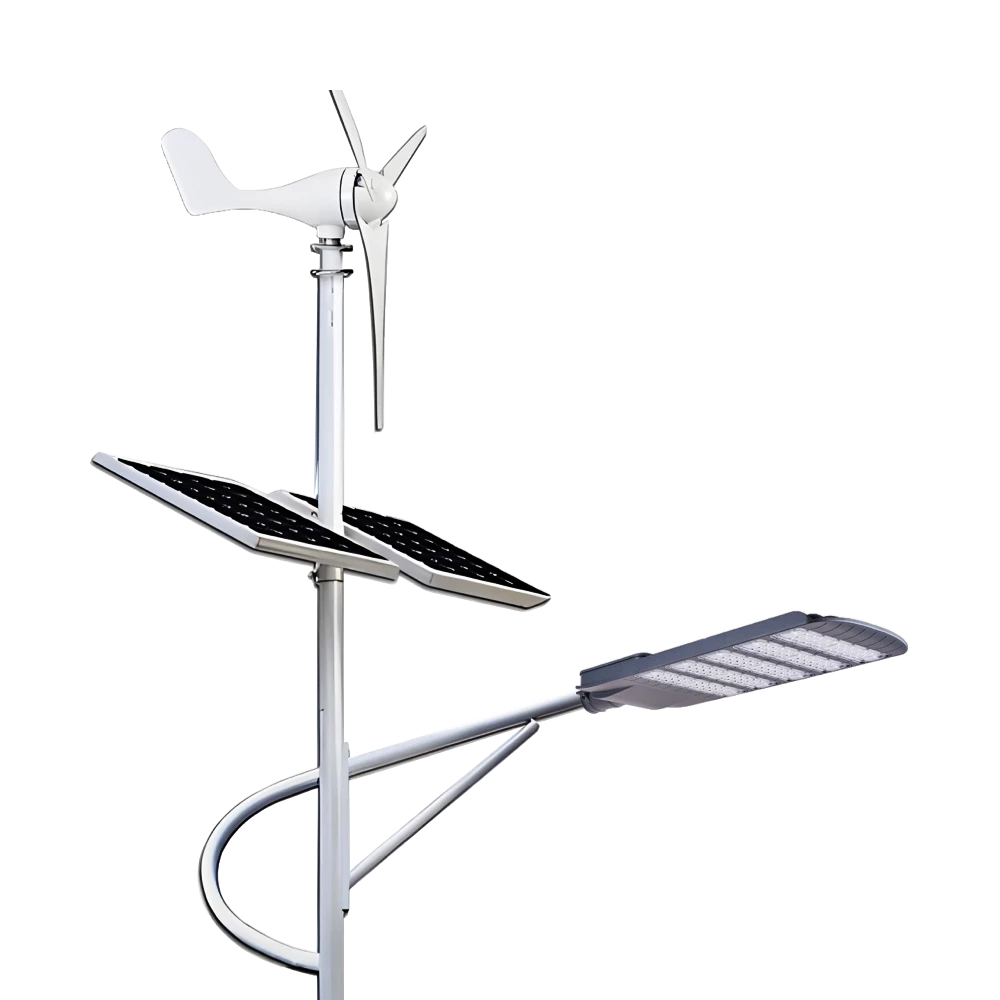
Queneng Lufeng Wind Energy LED Outdoor Solar Street Lights offer high-performance, eco-friendly illumination. These energy-efficient LED street lights harness solar power and wind energy for sustainable, cost-effective outdoor lighting solutions.
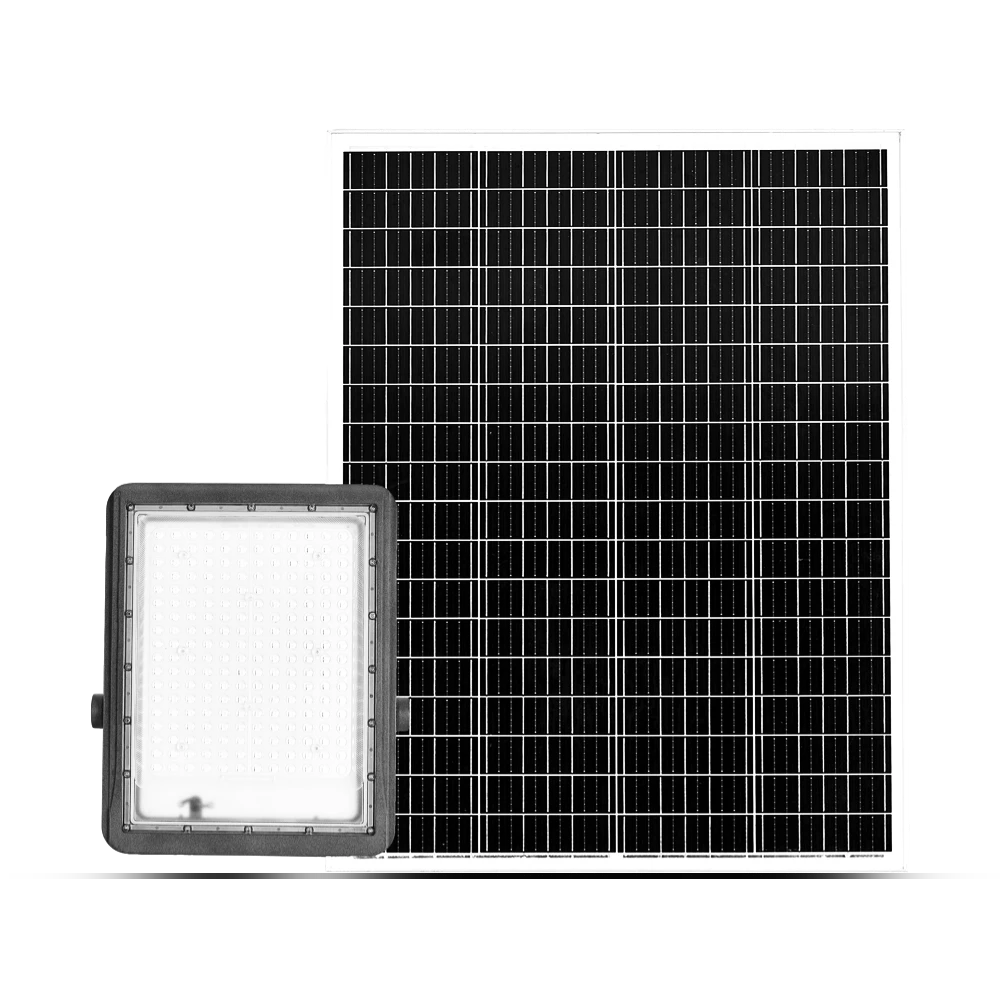
Queneng's Luxian Reliable Solar Street Light offers energy-saving LED lighting for outdoor use. This durable, solar-powered street light provides reliable illumination, reducing energy costs and environmental impact. A perfect solution for sustainable outdoor lighting.
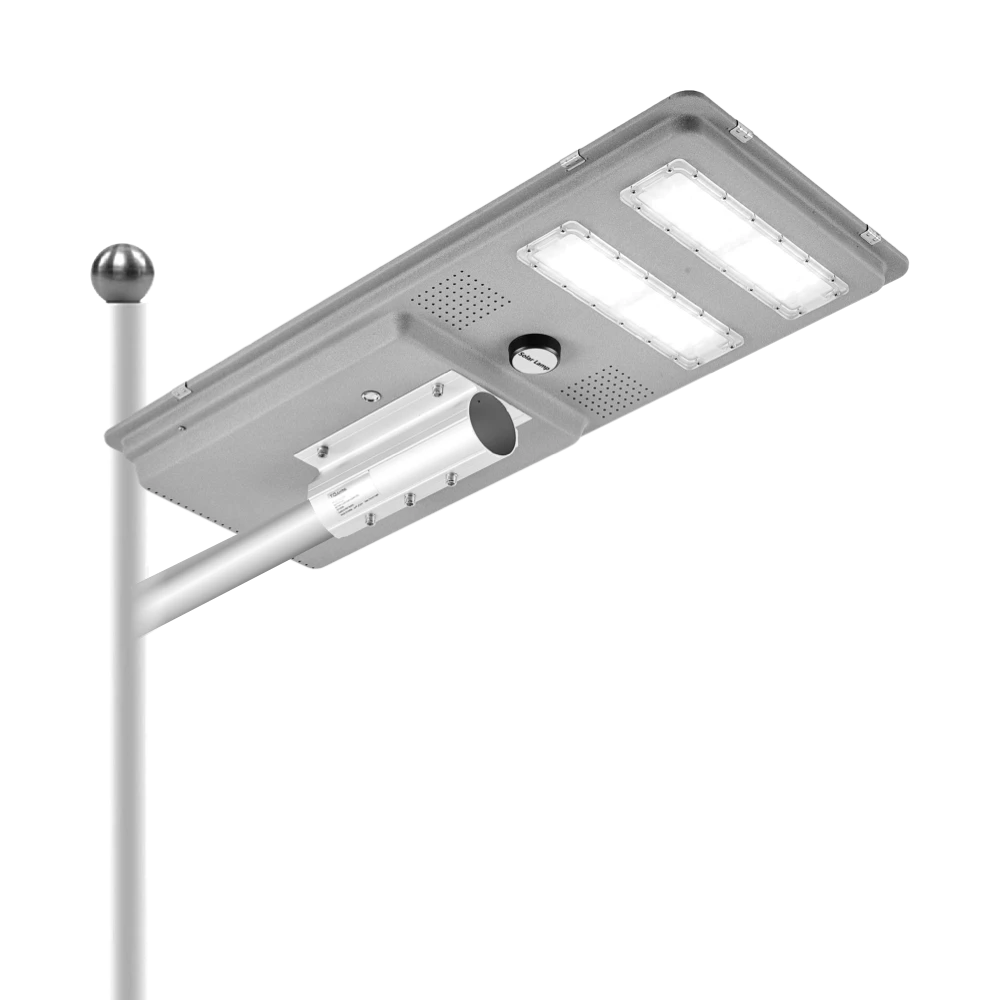
Queneng’s Solar Street Lights are designed to provide reliable, energy-efficient lighting for streets, parks, and other outdoor spaces.
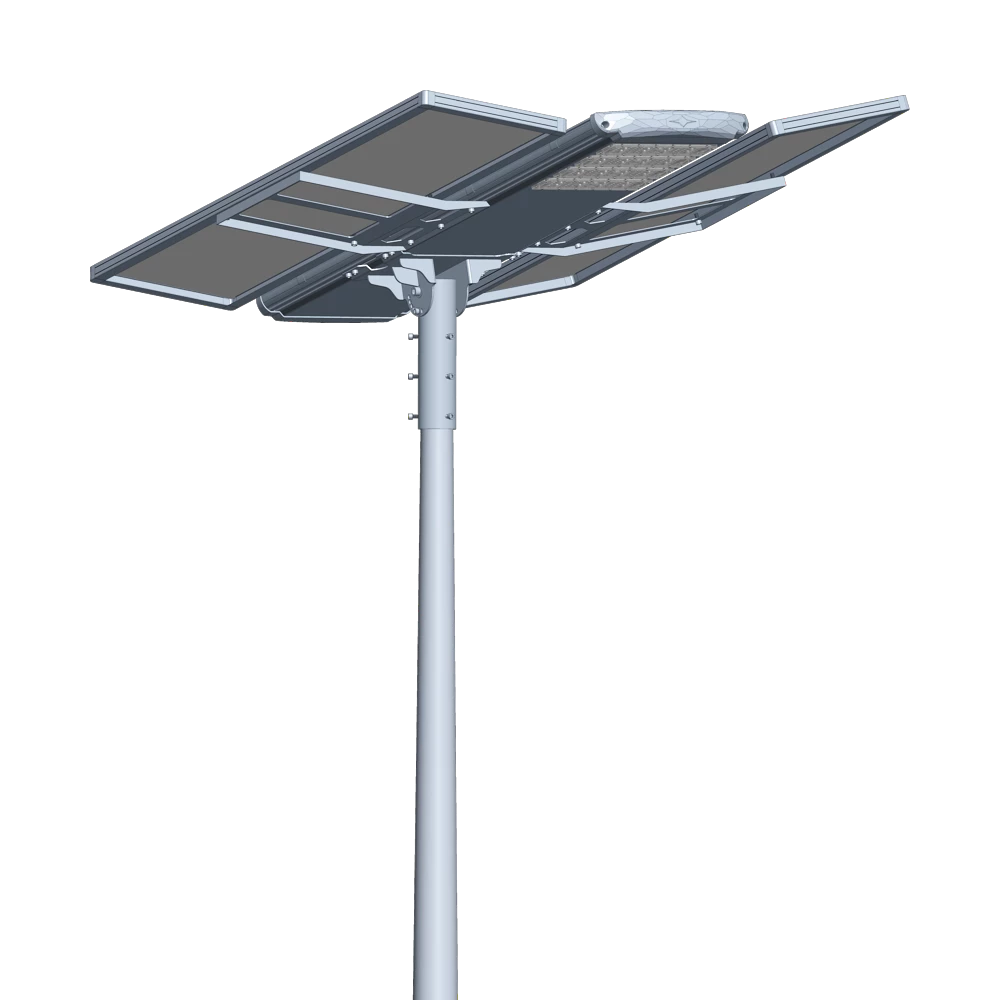
Introducing the Luqing Solar Street Light by Queneng, Efficient LED lighting powered by solar energy is perfect for illuminating outdoor areas. Harness the power of solar energy for sustainable, reliable street lighting. Ideal for eco-friendly, cost-effective outdoor illumination solutions.
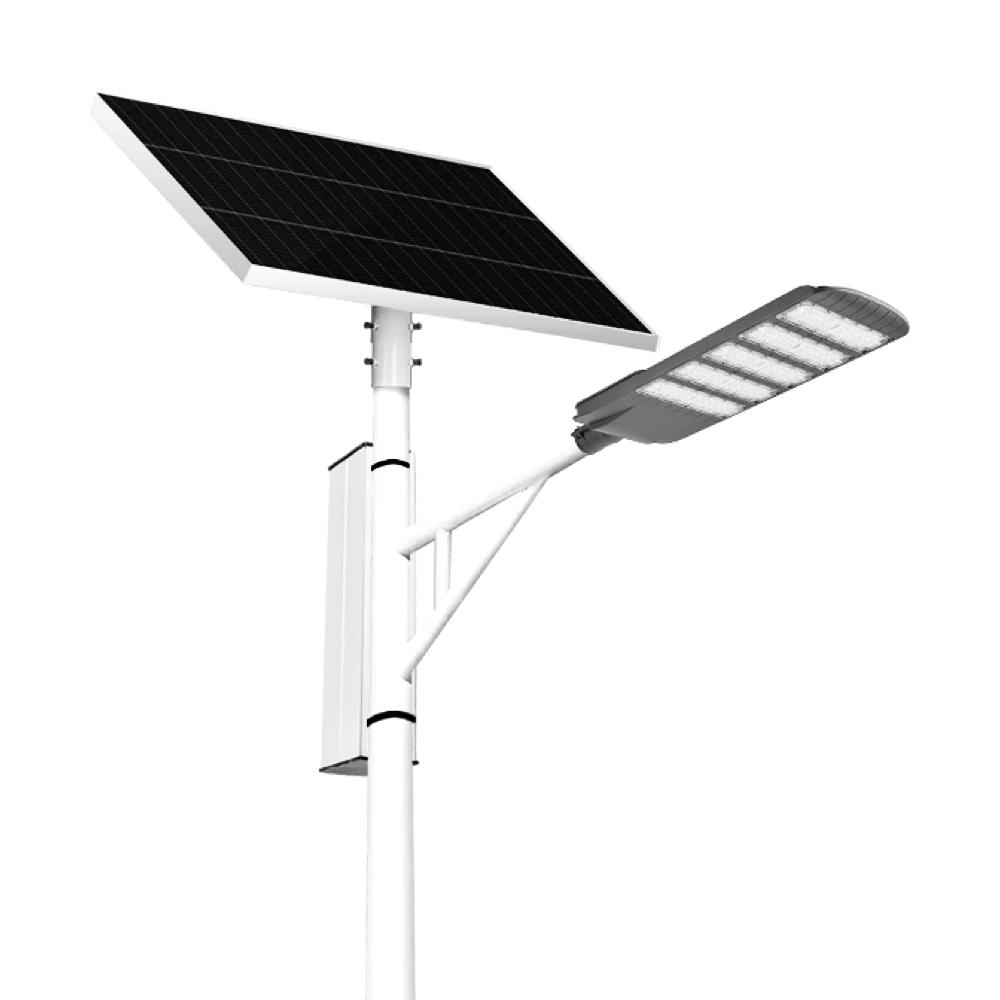
The Solar Streetlights of Luhao for Municipalities are designed to deliver reliable, energy-efficient, and cost-effective public lighting solutions. Equipped with advanced LED technology, durable lithium batteries, and high-efficiency solar panels, these streetlights provide consistent illumination for roads, parks, residential areas, and government projects.
If you would like more information about Queneng solar lighting solutions, please send us a message by filling out the form below. Our professional team will get back to you within 24 hours!
Rest assured that your privacy is important to us, and all information provided will be handled with the utmost confidentiality.
Schedule a Meeting
Book a date and time that is convenient for you and conduct the session in advance.
Have more questions about our products or services?
The messenger of light & power conversion
Environmental protection and intelligent manufacturing are our brand philosophy, and quality assurance and the best user experience are our eternal promises to users.
CONTACT
No.9F, Building F, Cao San Xin Tian Hong Logistics Park, Guzhen Town, Zhongshan City, Guangdong Province, China.
or write [email protected]
WhatsApp: +86 136 2270 1011


