

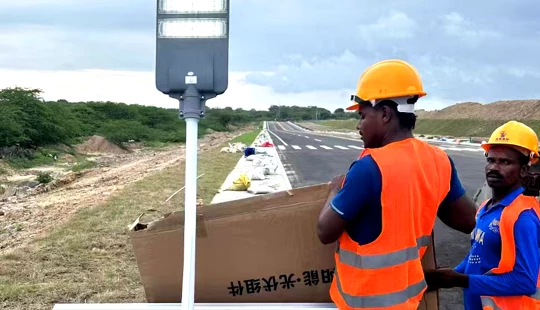
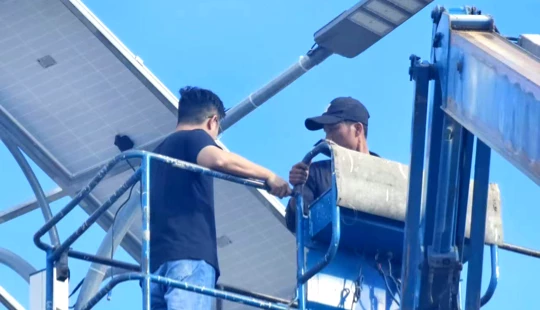













Understanding the cost of smart solar street lighting?
Understanding the Cost of Smart Solar Street Lighting and Split Systems
As the demand for sustainable and off-grid lighting solutions grows, solar street lights have become a cornerstone of modern infrastructure. For professional buyers and project managers, understanding the nuances between different types, especially split solar street lights, is crucial. This guide delves into the essential questions surrounding cost, technology, and procurement, helping you make informed decisions for your projects.
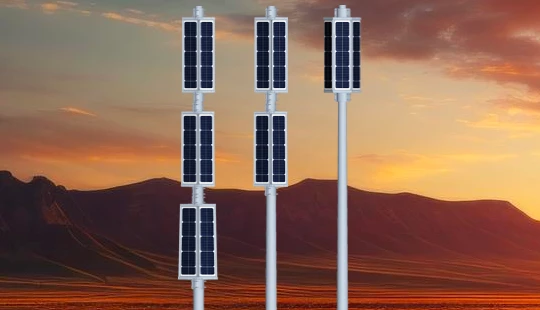
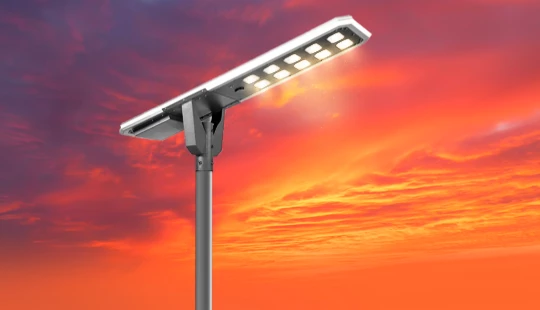
What are the primary cost drivers for a split solar street light system?
The total cost of a split solar street light system is influenced by several key components and factors, making it distinct from more integrated solutions. Unlike all-in-one designs where components are combined, split systems offer greater flexibility but require careful consideration of each part:
- Solar Panel: This is often the largest single cost component. Prices vary significantly based on wattage (power output), panel efficiency (monocrystalline typically higher cost but better performance), brand reputation, and physical size. Larger, more efficient panels are required for higher lumen output or regions with less sunlight.
- Battery Storage: The battery is critical for autonomy (how many nights the light can operate without sun). Lithium Iron Phosphate (LiFePO4) batteries are the industry standard due to their longer lifespan (2000-6000 cycles, 8-10+ years), safety, and stable performance across temperature ranges, but they come at a higher initial cost than older lead-acid batteries. Battery capacity (Ah) and voltage (V) directly impact cost.
- LED Luminaire: The cost here depends on the LED chip quality (e.g., Philips, Osram, Cree), lumen output (brightness), wattage, light distribution pattern, and housing material (e.g., die-cast aluminum for durability and heat dissipation). Higher efficacy (lumens per watt) often correlates with higher initial cost but lower power consumption.
- Controller/MPPT Charger: The solar charge controller regulates power flow to protect the battery and manage light operation. MPPT (Maximum Power Point Tracking) controllers are more efficient (up to 99%) than PWM, ensuring optimal charging even under varying solar conditions, thus increasing efficiency but also cost.
- Pole and Mounting Hardware: The pole's height, material (steel, aluminum), finish (hot-dip galvanized, powder-coated), and wind resistance specifications significantly impact cost. Mounting brackets for the panel and luminaire are also essential.
- Installation and Transportation: Split systems often involve more complex installation dueating to separate components, potentially increasing labor costs. Shipping costs for larger or multiple components can also be substantial.
- Smart Features: Integration of smart controls (IoT modules, motion sensors, remote monitoring) adds to the initial cost but offers long-term operational savings and enhanced functionality.
Typically, a professional-grade split solar street light system can range from $500 to $2500+ per unit, depending heavily on the specifications and quality of components.
How do split solar street lights offer advantages over all-in-one models for complex projects?
While all-in-one (AIO) solar street lights are popular for their simplicity and ease of installation, split solar street lights excel in demanding and complex applications due to their inherent design flexibility and performance capabilities:
- Optimal Component Sizing: Split systems allow for independent sizing of the solar panel, battery, and LED fixture. This means you can install a larger solar panel to compensate for challenging solar irradiance conditions (e.g., partial shade, cloudy regions) or equip the light with a larger battery for extended autonomy without dictating the luminaire's size or mounting position. AIO units are constrained by the physical integration.
- Enhanced Thermal Management: Separating the battery and control system from the LED fixture helps prevent heat build-up, especially in high-power LED luminaires. LEDs generate heat, and high temperatures can degrade battery performance and shorten its lifespan. This separation is crucial for longevity and reliability in hot climates.
- Improved Battery Life and Performance: Batteries in split systems are often housed separately, sometimes even underground, protecting them from extreme temperature fluctuations (both hot and cold) and direct sunlight, which significantly extends their lifespan and maintains consistent performance.
- Flexible Installation and Aesthetics: The solar panel can be mounted separately from the light fixture, allowing for optimal orientation towards the sun, even if the light needs to illuminate a specific area not perfectly aligned with solar south. This also offers greater aesthetic flexibility for urban designs.
- Easier Maintenance and Replacement: Should a component fail (e.g., battery or LED driver), it's typically easier and less costly to replace individual parts in a split system than to replace an entire integrated unit.
- Higher Power Output: Split systems can accommodate larger solar panels and battery capacities, enabling higher wattage LED luminaires suitable for illuminating wider roads, highways, or large public spaces that require significantly more light than typical AIO units can provide.
What critical technical specifications define a high-performance split solar street light?
When evaluating split solar street lights, professional buyers should prioritize the following technical specifications to ensure optimal performance, reliability, and longevity:
- Solar Panel Efficiency (Monocrystalline vs. Polycrystalline): Monocrystalline panels typically offer 18-22% efficiency, performing better in low-light conditions and requiring less space than polycrystalline panels (15-17% efficiency). Higher efficiency means more power generation from a smaller area.
- Battery Capacity and Type (LiFePO4): Look for LiFePO4 batteries with sufficient Amp-hour (Ah) capacity to provide at least 3-5 days of autonomy, even in cloudy weather. Verify cycle life (e.g., >2000 cycles at 80% DoD) and operating temperature range.
- LED Luminaire Efficacy (lm/W) and Light Distribution: A high lumen output per watt (e.g., 150-180 lm/W) indicates an efficient LED. Crucial is the light distribution curve (e.g., Type II, Type III, Type IV) tailored to the road width and desired uniformity. Lumen maintenance (L70/B50 @ 50,000 hours) is also vital.
- Charge Controller Type (MPPT): An MPPT controller is essential for maximizing solar energy harvest, especially for larger systems. Look for features like overcharge/discharge protection, temperature compensation, and efficient conversion rates (>95%).
- IP Rating: Ensure all external components (luminaire, controller housing) have an IP rating of at least IP65 for dust and water ingress protection, critical for outdoor environments.
- Wind Load Resistance: The pole and mounting hardware must be engineered to withstand local wind speed requirements, often specified in km/h or mph.
- Operating Temperature Range: Verify that all components (especially battery and electronics) are rated for the extreme temperature ranges of the project location.
What role does smart technology play in optimizing split solar street lighting, and what's the ROI?
Smart technology transforms basic solar street lighting into intelligent, networked systems, offering significant operational benefits and a compelling return on investment (ROI):
- Adaptive Lighting: Motion sensors (PIR or microwave) allow lights to dim to a preset level when no activity is detected and brighten upon motion, saving significant energy (up to 30-50%) and extending battery life.
- Remote Monitoring & Control: IoT platforms (using LoRaWAN, NB-IoT, or 4G) enable remote access to individual lights or groups. Operators can monitor battery status, solar charging, LED performance, fault detection, and adjust lighting schedules or brightness settings from a central dashboard. This eliminates the need for manual inspections and on-site troubleshooting.
- Proactive Maintenance: Real-time alerts for component failures (e.g., battery low voltage, LED fault) allow for proactive maintenance, minimizing downtime and reducing maintenance costs by dispatching technicians only when necessary, rather than through scheduled checks.
- Energy Optimization: Data analytics from smart systems can identify patterns, optimize energy consumption based on traffic flow or seasonal changes, and improve overall system efficiency.
- Enhanced Public Safety: Adaptive lighting and reliable operation contribute to safer public spaces.
The ROI for smart features primarily comes from reduced energy consumption (extended battery autonomy, smaller battery requirements), lower operational costs (fewer site visits, predictive maintenance), and extended component lifespan due to optimized usage. While the initial investment is higher (adding 15-30% to the base cost), payback periods can range from 3-7 years, with long-term savings significantly outweighing the upfront expenditure.
How do battery and solar panel technologies impact the lifespan and reliability of split solar street lights?
The battery and solar panel are the heart and soul of any solar street light system, critically determining its lifespan and reliability:
- Battery Technology: Lithium Iron Phosphate (LiFePO4) batteries are now the gold standard. They offer a much longer cycle life (typically 2,000 to 6,000 cycles at 80% Depth of Discharge) compared to lead-acid batteries (300-1000 cycles). This translates to an operational lifespan of 8-10+ years for LiFePO4, significantly reducing the frequency and cost of battery replacements. LiFePO4 also performs better in wider temperature ranges (-20°C to 60°C) and boasts superior safety features (less prone to thermal runaway). Proper battery management systems (BMS) are essential to prevent overcharging, over-discharging, and overheating, further extending lifespan.
- Solar Panel Technology: Monocrystalline silicon solar panels are prevalent due to their high efficiency (18-22%) and better performance in low-light conditions. They degrade at a very slow rate, typically losing only 0.5-0.7% efficiency per year. Most reputable manufacturers offer a performance warranty of 25 years at 80% output, meaning the panel will still generate at least 80% of its rated power after 25 years. This ensures a consistent energy supply throughout the project's life. The quality of encapsulation (laminating materials, frame) also plays a crucial role in preventing moisture ingress and physical damage over decades.
Investing in high-quality LiFePO4 batteries and efficient monocrystalline panels, coupled with intelligent charge controllers, is paramount for maximizing the system's operational lifespan, minimizing maintenance, and ensuring long-term reliability.
What are the essential certifications and warranty considerations for purchasing solar street lights from a manufacturer?
For professional buyers, ensuring quality and compliance is non-negotiable. Essential certifications and robust warranties provide assurance:
- Key Certifications:
- CE (Conformité Européenne): Indicates conformity with health, safety, and environmental protection standards for products sold within the European Economic Area.
- RoHS (Restriction of Hazardous Substances): Restricts the use of specific hazardous materials found in electrical and electronic products.
- IP Rating (Ingress Protection): Specifies the degree of protection against dust and water. IP65 (dust tight, protected against water jets) is a minimum for outdoor luminaires and control boxes, with IP66 or IP67 preferred for harsher environments.
- IEC Standards: International Electrotechnical Commission standards for solar panels (e.g., IEC 61215 for crystalline silicon terrestrial PV modules), batteries (e.g., IEC 62133 for Li-ion batteries), and luminaires (e.g., IEC 60598 for luminaires).
- ISO 9001: Certifies that the manufacturer adheres to a quality management system.
- TUV/UL: Recognized third-party certifications for product safety and quality, particularly valuable for specific components like batteries and LED drivers.
- Warranty Considerations:
- Overall System Warranty: A comprehensive warranty covering the entire system is ideal, typically 2-5 years.
- Solar Panel Warranty: Look for a 10-12 year product warranty (against manufacturing defects) and a 20-25 year performance warranty (guaranteeing a certain output percentage after a defined period).
- Battery Warranty: LiFePO4 batteries should have a warranty of at least 3-5 years, often tied to cycle life or expected capacity retention.
- LED Luminaire Warranty: Typically 3-5 years, covering the LED chips, driver, and housing.
- Clear Terms: Ensure the warranty terms are clear regarding coverage, exclusions, claims process, and who bears the cost of shipping/labor for replacements.
What are the best practices for installation and maintenance of split solar street lights to ensure longevity?
Proper installation and proactive maintenance are paramount to maximizing the lifespan and performance of split solar street lights:
- Installation Best Practices:
- Site Survey: Conduct a thorough site survey to assess solar irradiance, potential shading, and soil conditions for pole foundation.
- Optimal Panel Orientation: Mount solar panels facing true south (Northern Hemisphere) or true north (Southern Hemisphere) at an optimal tilt angle to maximize year-round energy harvest. Avoid any shading.
- Secure Wiring: Use UV-resistant, properly rated cables and ensure all connections are watertight (IP67 connectors recommended) to prevent moisture ingress and short circuits.
- Battery Housing: If the battery is separate and external, ensure its housing is robust, waterproof, well-ventilated (if needed), and protected from extreme temperatures. For underground batteries, proper insulation and drainage are vital.
- Proper Grounding: All metallic components must be properly grounded to protect against lightning strikes and electrical surges.
- Pole Stability: Ensure the pole foundation is engineered for the specific wind load and soil conditions, providing a stable and upright structure for decades.
- Maintenance Best Practices:
- Regular Cleaning: Periodically clean solar panels (every 3-6 months, or more frequently in dusty environments) to remove dirt, dust, and debris that can reduce efficiency.
- Battery Health Checks: For systems without smart monitoring, manually check battery voltage and connections annually. For smart systems, monitor data for anomalies.
- Visual Inspection: Annually inspect all components—panels, luminaires, poles, wiring, and connections—for signs of damage, corrosion, loose fasteners, or wear.
- LED Functionality: Periodically verify that all LED chips are functioning correctly and that the light output is consistent.
- Pole Integrity: Check the pole for signs of rust, cracks, or leaning, especially after severe weather.
- Vegetation Management: Ensure no new vegetation growth begins to shade the solar panel.
Why Choose Queneng Lighting for Your Solar Street Light Projects?
When selecting a partner for your solar street lighting needs, Queneng Lighting stands out with a proven track record of excellence and innovation. We offer:
- Expertise and Experience: With extensive experience in solar street lighting, including complex split systems and smart solutions, we provide unparalleled technical guidance and project support from concept to completion.
- High-Quality Components: We use only High Quality-grade, certified components—efficient monocrystalline solar panels, long-life LiFePO4 batteries, and high-efficacy LED luminaires—ensuring the reliability and longevity of your investment.
- Customized Solutions: Understanding that every project is unique, Queneng Lighting specializes in designing bespoke split solar street light systems tailored to specific environmental conditions, lighting requirements, and budget constraints.
- Advanced Smart Technology Integration: Our systems can be seamlessly integrated with cutting-edge IoT platforms for remote monitoring, adaptive lighting, and predictive maintenance, delivering optimal performance and significant operational savings.
- Rigorous Quality Control: Adhering to international standards (CE, RoHS, IP65/66, IEC), our products undergo stringent quality checks to guarantee durability and consistent performance in diverse climates.
- Comprehensive After-Sales Support: Queneng Lighting provides robust warranties and dedicated technical support, ensuring peace of mind throughout the lifespan of your solar lighting infrastructure.
Partner with Queneng Lighting to illuminate your future with reliable, efficient, and intelligent solar street lighting solutions.
References and Data Sources:
- LiFePO4 Battery Cycle Life & Lifespan: Industry averages and manufacturer specifications (e.g., CATL, BYD data commonly cited). BatteryPowerOnline.com (Accessed: October 26, 2023)
- Solar Panel Efficiency & Degradation: Research from NREL, major panel manufacturers (e.g., Jinko Solar, LONGi Solar). NREL.gov (Accessed: October 26, 2023)
- LED Efficacy & Lifespan: Data from LED chip manufacturers (e.g., Cree, Philips Lumileds) and industry reports (e.g., DOE SSL Program). Energy.gov (Accessed: October 26, 2023)
- MPPT Controller Efficiency: Technical specifications from leading charge controller manufacturers. VictronEnergy.com (Accessed: October 26, 2023)
- Smart Lighting ROI & Energy Savings: Market reports and case studies on smart city initiatives. LightAndBuildingSmart.com (Accessed: October 26, 2023)
- General Solar Street Light Cost Ranges: Industry estimates based on recent project quotes and market analysis. Ranges are highly variable.

Have more questions about our products or services?
The latest hot news you might like

Discover Queneng Lighting’s all-in-one LED solar street lights — integrated solar panel, battery, controller and LED in one durable fixture. Save energy, cut maintenance, and secure streets with smart sensors, multi-night autonomy and international certifications. Contact sales for quotes and support.

Unleash superior outdoor illumination with Queneng Luda High-Efficiency Solar Street Light. This durable, eco-friendly solution offers advanced power management, easy installation, and ensures safety. Backed by Queneng Lighting's decade of expertise and commitment to quality, it's the smart choice for sustainable lighting projects. Learn why we're a leading solar solutions provider.

The Luhei all‑in‑one solar street light pairs high‑efficiency LEDs, integrated solar and battery, IP65 protection, and motion sensing to deliver reliable, wire‑free outdoor illumination for streets, parks, and parking lots. Backed by Queneng Lighting’s certifications and support.

FAQ
Batteries and the environment
What effect does ambient temperature have on battery performance?
Industry
Does installing Queneng’s solar street lights require a professional team?
While our systems are designed for easy installation, we recommend having our professional team conduct the installation to ensure optimal operation and correct system setup.
Solar Street Light Luzhou
Are Luzhou solar street lights suitable for urban and residential areas?
Yes, Luzhou solar street lights are versatile and suitable for both urban and residential settings. They can be installed along streets, pathways, parks, and other public spaces, providing reliable, energy-efficient lighting wherever it's needed.
Schools and Educational Institutions
What kind of maintenance is needed for solar lights?
The main maintenance required is cleaning the solar panels periodically to ensure they remain free of dust or debris, and occasionally checking the functionality of the battery and light.
Transportation and Highways
Are there options for aesthetic customization to match the local environment?
Yes, we offer customizable pole designs, color finishes, and lighting styles to blend seamlessly with the surrounding environment.
Solar Street Light Luhua
How do Luhua solar street lights work?
Luhua solar street lights use high-efficiency solar panels to capture sunlight during the day and store it in lithium-ion batteries. These batteries then power the LED lights at night. The intelligent control system adjusts the light output based on ambient light conditions and detects motion to maximize energy savings by dimming when no motion is detected and increasing brightness when movement is sensed.
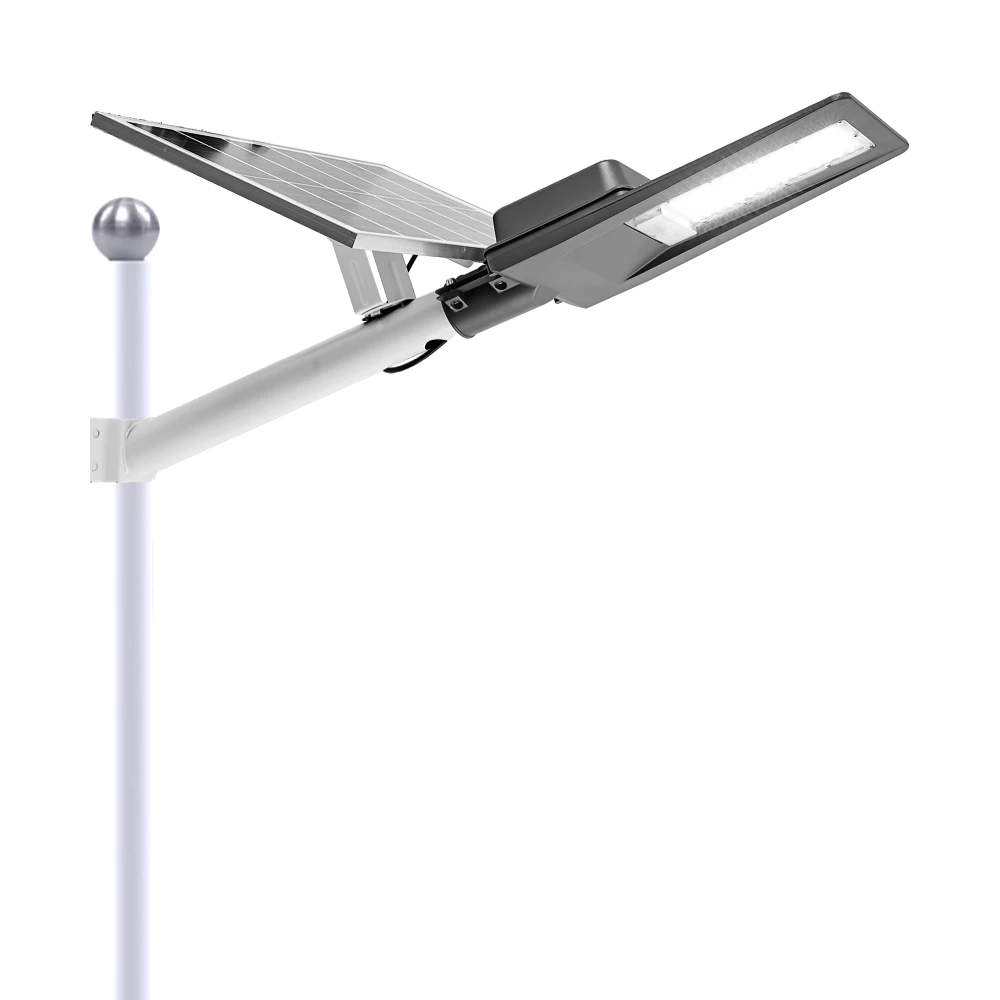
Experience reliable outdoor illumination with our smart solar street light, a perfect combination of advanced technology and eco-conscious design.
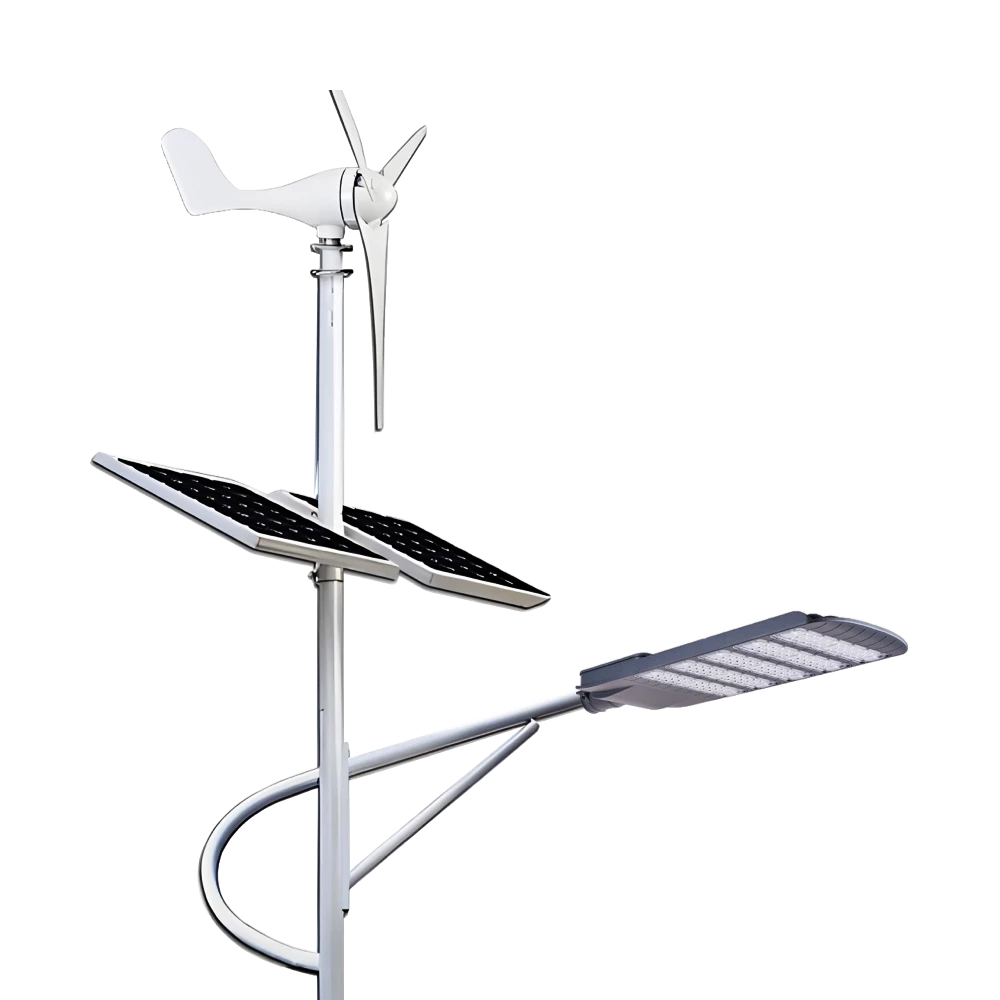
Queneng Lufeng Wind Energy LED Outdoor Solar Street Lights offer high-performance, eco-friendly illumination. These energy-efficient LED street lights harness solar power and wind energy for sustainable, cost-effective outdoor lighting solutions.
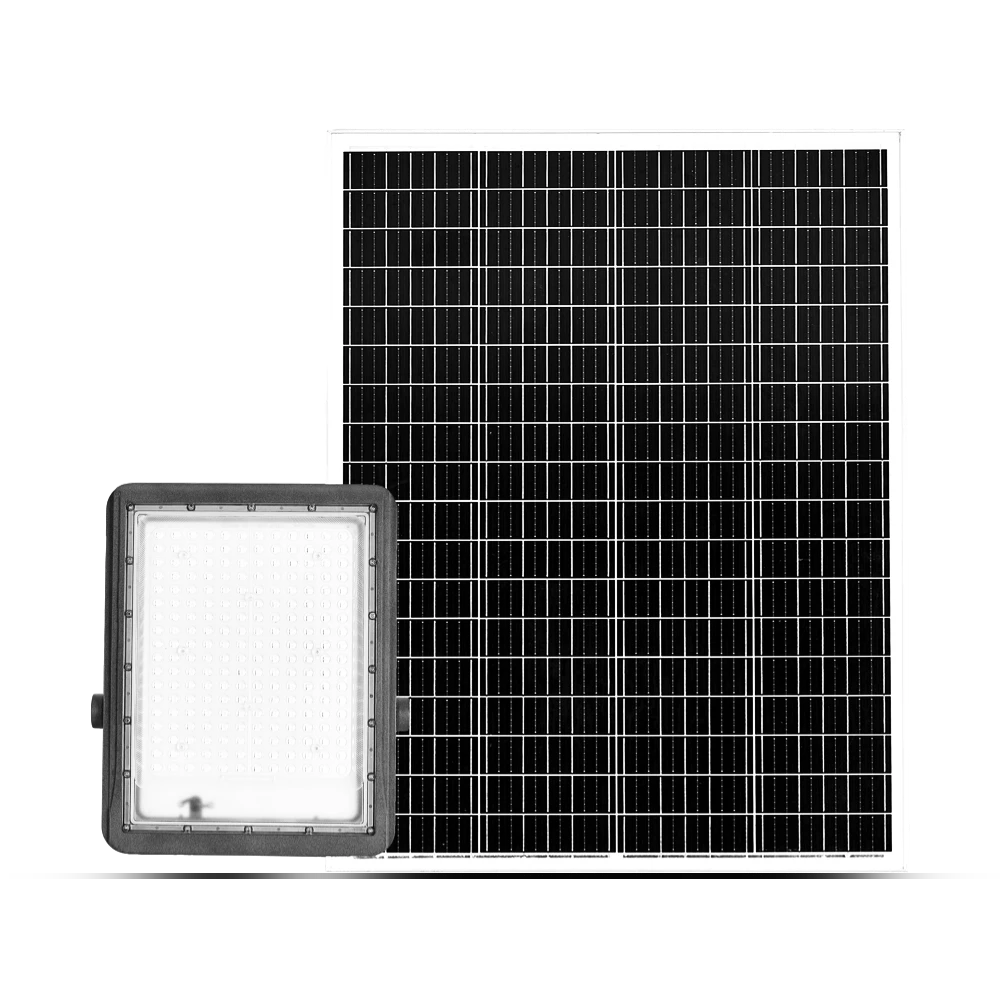
Queneng's Luxian Reliable Solar Street Light offers energy-saving LED lighting for outdoor use. This durable, solar-powered street light provides reliable illumination, reducing energy costs and environmental impact. A perfect solution for sustainable outdoor lighting.
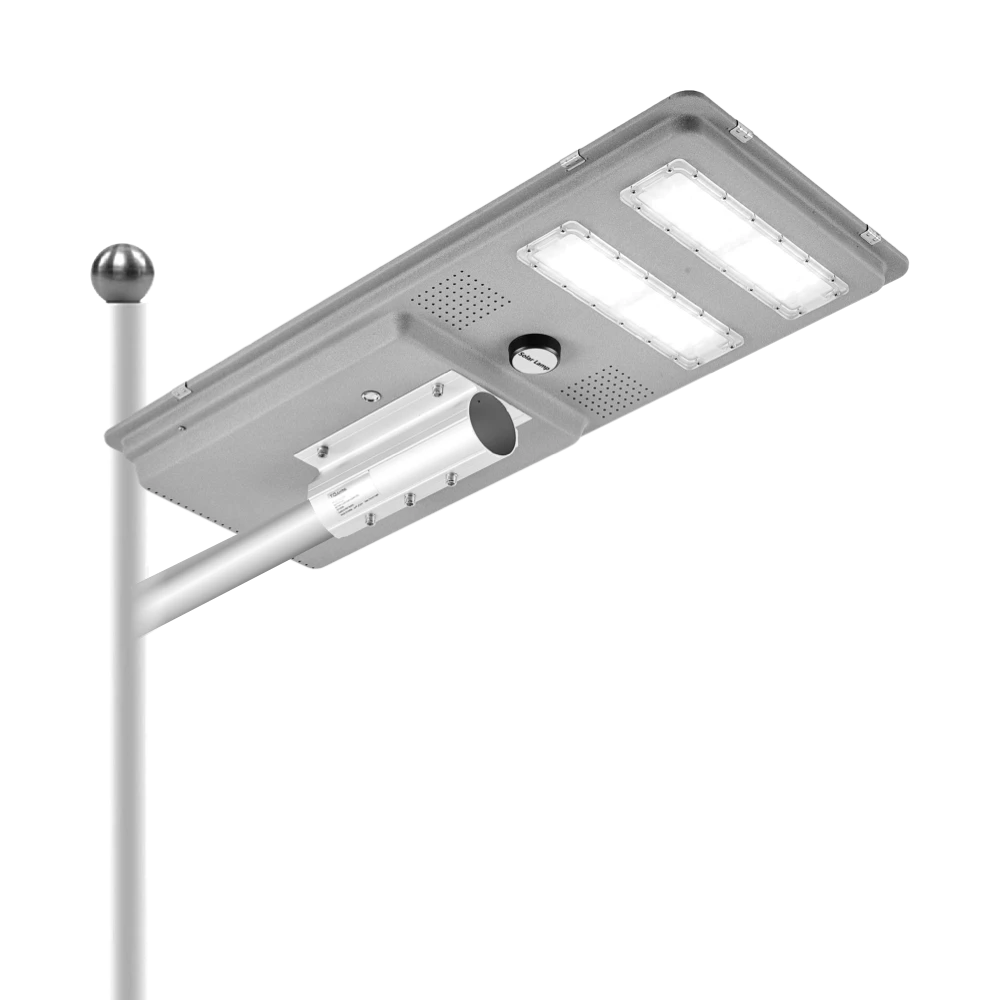
Queneng’s Solar Street Lights are designed to provide reliable, energy-efficient lighting for streets, parks, and other outdoor spaces.
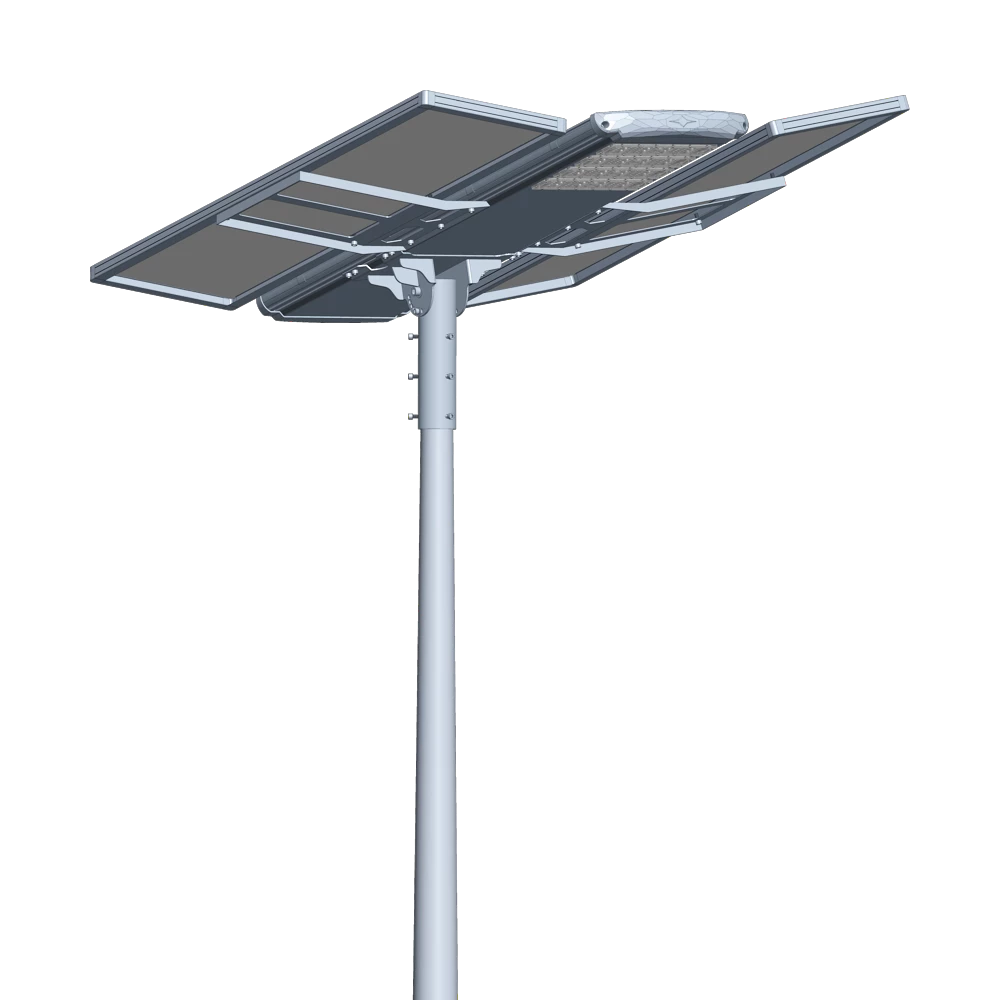
Introducing the Luqing Solar Street Light by Queneng, Efficient LED lighting powered by solar energy is perfect for illuminating outdoor areas. Harness the power of solar energy for sustainable, reliable street lighting. Ideal for eco-friendly, cost-effective outdoor illumination solutions.
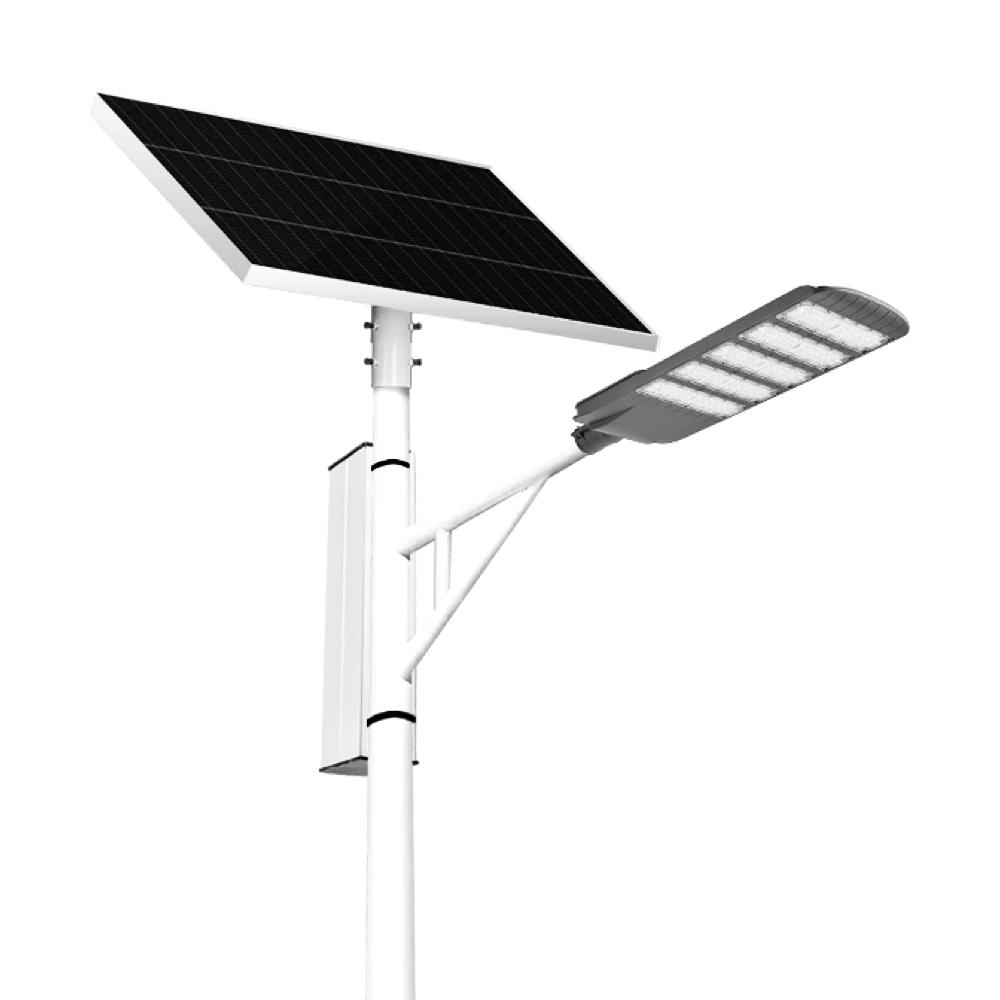
The Solar Streetlights of Luhao for Municipalities are designed to deliver reliable, energy-efficient, and cost-effective public lighting solutions. Equipped with advanced LED technology, durable lithium batteries, and high-efficiency solar panels, these streetlights provide consistent illumination for roads, parks, residential areas, and government projects.
If you would like more information about Queneng solar lighting solutions, please send us a message by filling out the form below. Our professional team will get back to you within 24 hours!
Rest assured that your privacy is important to us, and all information provided will be handled with the utmost confidentiality.
Schedule a Meeting
Book a date and time that is convenient for you and conduct the session in advance.
Have more questions about our products or services?
The messenger of light & power conversion
Environmental protection and intelligent manufacturing are our brand philosophy, and quality assurance and the best user experience are our eternal promises to users.
CONTACT
No.9F, Building F, Cao San Xin Tian Hong Logistics Park, Guzhen Town, Zhongshan City, Guangdong Province, China.
or write [email protected]
WhatsApp: +86 136 2270 1011


