

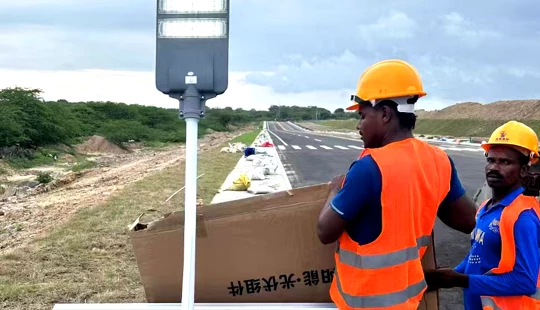
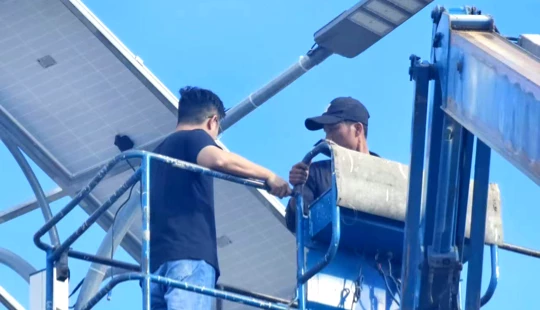













What project support can manufacturers provide?
Navigating Solar Street Light Procurement: Essential Insights for Professional Buyers
The global solar street lighting market is experiencing robust growth, driven by increasing demand for sustainable and cost-effective infrastructure solutions. Valued at approximately USD 6.9 billion in 2023, the market is projected to reach USD 24.3 billion by 2033, demonstrating a significant compound annual growth rate (CAGR) of 13.5%. For professional buyers, understanding the intricacies of solar street light procurement is paramount to ensuring project success and long-term value. This guide addresses critical questions that frequently arise during the purchasing process, providing professional insights into the cost, technology, and support aspects of solar street lighting.
What are the primary cost components of a solar street light system, and how do they impact the overall project budget?
The total cost of a solar street light system is a composite of several key components, each contributing significantly to the overall budget. For professional procurement, it's vital to break down these elements to understand their impact:
- Solar Panel: This is the energy source. Monocrystalline panels are generally more efficient and compact, commanding a slightly higher price than polycrystalline, but offering better performance in limited space or lower light conditions. Panel wattage directly correlates with system power and battery charging capability.
- Battery: The energy storage unit. Lithium Iron Phosphate (LiFePO4) batteries are the industry standard due to their longer cycle life (typically 2,000 to 6,000 cycles at 80% DoD), stability, and wider operating temperature range compared to lead-acid batteries. Battery capacity (measured in Watt-hours or Amp-hours) determines the system's autonomy (backup days without sun). LiFePO4 batteries are a High Quality component but offer significant long-term savings in replacement and maintenance.
- LED Lamp: The light source. Key factors include wattage, lumen output (brightness), efficacy (lumens per watt), and the brand of LED chips (e.g., Philips, Cree, Osram). Higher efficacy LEDs mean more light for less power, reducing the required battery and panel size.
- Charge Controller: This component regulates power flow from the solar panel to the battery and from the battery to the LED lamp. Maximum Power Point Tracking (MPPT) controllers are superior to Pulse Width Modulation (PWM) controllers, offering up to 99% efficiency in converting solar power, especially beneficial in varying light conditions or colder temperatures.
- Light Pole: Material (galvanized steel, aluminum alloy), height, and design (tapered, straight) significantly influence cost. Ensure the pole meets local wind load requirements.
- Cabling and Mounting Hardware: High-quality, UV-resistant cables and robust mounting brackets are essential for durability and safety, particularly for split systems.
- Installation and Logistics: These costs vary by location and project complexity. For split systems, the installation involves more wiring and separate mounting of components, which can be more labor-intensive than all-in-one units.
- Smart Features: IoT connectivity, dimming schedules, motion sensors, and central control systems add to the initial cost but offer significant operational savings and enhanced functionality over time.
Cost Range Example: A basic integrated solar street light (e.g., 30W LED) might range from $300-$700 (unit cost without pole). A high-performance split solar street light system (e.g., 60-120W LED with larger panel/battery) can range from $800-$2,000+ per unit (without pole or installation), depending on specifications and brand quality. Project-specific costs, including pole and installation, can push total expenditure per unit to $1,000-$3,000+.
All-in-One vs. Split Solar Street Lights: Which system is right for my project, especially for professional procurement?
The choice between All-in-One (integrated) and Split (separated) solar street lights is crucial for professional buyers, as each offers distinct advantages for different project needs:
- All-in-One Solar Street Lights:
- Advantages: Compact design, easier and faster installation due to integrated components (panel, battery, LED, controller), lower initial installation cost, aesthetically discreet. Suitable for applications where simplicity and quick deployment are priorities, or where solar conditions are consistently good.
- Disadvantages: Limited flexibility in panel angle adjustment (fixed with the lamp head), potential for heat stress on integrated batteries/electronics in hot climates (reducing battery life), usually smaller battery and panel capacities, making them less suitable for high-power demands or regions with inconsistent sunlight.
- Best for: Residential streets, pathways, parks, temporary lighting, and projects with moderate lighting requirements and good solar irradiance.
- Split Solar Street Lights:
- Advantages: Components (solar panel, battery box, LED lamp) are separate. This allows for optimal positioning of the solar panel (adjustable tilt and azimuth for maximum sun exposure), larger battery capacity and better thermal management for the battery (often housed separately underground or on the pole, protecting it from extreme temperatures), and higher power output LEDs. Offers greater flexibility in design and customization to meet specific lighting requirements and withstand challenging environmental conditions. Generally more robust and longer-lasting due to better component protection and heat dissipation.
- Disadvantages: More complex installation due to separate component mounting and wiring, higher initial installation costs, and potentially less aesthetically streamlined.
- Best for: Major roads, highways, industrial areas, remote locations, areas with challenging solar irradiance, high-power lighting needs, and projects demanding maximum reliability and longevity, making them a preferred choice for many professional procurement scenarios.
For professional buyers focused on long-term performance, reliability, and customizability in diverse conditions, split solar street lights often present a more robust and adaptable solution, despite a higher upfront installation cost.
How do I choose a reliable Solar Street Light Manufacturer and what quality assurances should I expect?
Selecting the right Solar Street Light Manufacturer is critical for project success. Professional buyers should look for manufacturers demonstrating a strong commitment to quality, innovation, and customer support:
- R&D and Innovation: A reputable manufacturer invests in research and development, evidenced by new product designs, improved efficiency, and integration of smart technologies.
- Certifications: Verify international certifications such as CE, RoHS, FCC for product compliance, ISO9001 for quality management systems, and IP65/IP66 ratings for dust and water ingress protection for the luminaires and battery enclosures. UL or IEC certifications for specific components like batteries and solar panels are also highly desirable.
- Production Capabilities and Quality Control: Inquire about their manufacturing process, automated production lines, and rigorous quality control checks (e.g., incoming material inspection, in-process inspection, final product testing, aging tests, photometric tests). A factory tour or audit can provide valuable insights.
- Warranty and After-Sales Support: A strong warranty (e.g., 3-5 years for the entire system, 5-10 years for batteries and solar panels) is a hallmark of manufacturer confidence. Comprehensive after-sales support, including technical assistance, spare parts availability, and clear troubleshooting guidelines, is essential.
- Track Record and References: Ask for case studies, client testimonials, and references for similar projects. A long history of successful project delivery indicates reliability.
- Supply Chain Transparency: Understand where key components are sourced. Reputable manufacturers use high-quality, branded components (e.g., Bridgelux, Cree, Philips LEDs; LiFePO4 batteries from CATL, BYD; MPPT controllers from reputable suppliers).
What comprehensive project support and technical assistance can a leading solar street light manufacturer provide?
Beyond supplying products, a top-tier solar street light manufacturer offers extensive project support, acting as a technical partner throughout the procurement and deployment phases:
- Needs Assessment and Consultation: Collaborating to understand project requirements, site conditions (geographic location, solar irradiance, ambient temperature), and lighting standards.
- Customized Lighting Design: Providing professional lighting simulations using software like DIALux, generating detailed photometric reports to ensure optimal light distribution, uniformity, and brightness for the specific application. This includes calculating required lumen output, pole spacing, and height.
- System Sizing and Configuration: Expertly calculating the appropriate solar panel wattage, battery capacity (autonomy), and LED power based on solar insolation data, desired lighting hours, and backup days.
- CAD Drawings and Engineering Support: Supplying detailed CAD drawings for pole foundations, mounting structures, and wiring diagrams to assist with site preparation and installation planning.
- Sample Provision and Prototyping: Offering samples for evaluation or developing custom prototypes for unique project requirements.
- Installation Guidance and Training: Providing detailed installation manuals, video tutorials, and potentially on-site or remote technical training for installation teams.
- After-Sales Technical Support: Offering responsive support for troubleshooting, maintenance advice, and addressing any performance issues.
- Warranty and Spare Parts Management: Efficient handling of warranty claims and ensuring timely availability of spare parts to minimize downtime.
- IoT and Smart System Integration Support: Assisting with the setup and integration of smart control systems for remote monitoring, management, and data analysis.
What are the most critical technical specifications and features to ensure a solar street light's performance, durability, and long-term ROI?
To guarantee optimal performance, durability, and a strong return on investment, professional buyers must meticulously evaluate several key technical specifications and features:
- Battery Technology and Capacity: Prioritize LiFePO4 batteries (Lithium Iron Phosphate) for their superior cycle life (2000-6000 cycles), thermal stability, and deep discharge capability (up to 80-90% DoD). Capacity (Wh or Ah) should provide at least 2-3 days of autonomy (backup power) to ensure consistent lighting during cloudy weather.
- Solar Panel Efficiency and Wattage: Monocrystalline silicon panels typically offer higher efficiency (18-22%) compared to polycrystalline, meaning more power generation from a smaller footprint. Ensure the panel wattage is sufficient to fully charge the battery within typical daily sunlight hours, even accounting for seasonal variations.
- LED Luminaires: Look for high-efficacy LED chips (e.g., >150 lm/W) from reputable brands (Cree, Philips, Osram, Bridgelux). Consider Color Temperature (CCT, usually 4000K-5000K for street lighting) and Color Rendering Index (CRI, typically >70). Opt for well-designed heat sinks to ensure LED longevity.
- Charge Controller (MPPT): An MPPT (Maximum Power Point Tracking) controller is essential. It optimizes power extraction from the solar panel, increasing charging efficiency by 20-30% compared to PWM controllers, especially in varying weather conditions. Features like overcharge/discharge protection, reverse polarity protection, and temperature compensation are crucial.
- Ingress Protection (IP) Rating: An IP65 or IP66 rating is critical for all outdoor components (lamp, battery box, controller housing) to ensure robust protection against dust and water ingress, extending product life in harsh environments.
- Material and Construction: Robust housing (die-cast aluminum alloy for lamps, galvanized steel for poles) and corrosion-resistant coatings are vital for durability. Ensure all cables are UV-resistant.
- Operating Temperature Range: Verify that the system components are rated for the expected ambient temperature range of the installation site.
- Smart Features: Look for intelligent power management, programmable dimming schedules (e.g., motion-sensing or time-based), and IoT connectivity for remote monitoring and control. These features enhance energy efficiency and reduce operational costs.
What are the crucial considerations for the installation and ongoing maintenance of solar street lights?
Proper installation and proactive maintenance are key to maximizing the lifespan and performance of solar street lights, especially for split systems:
- Installation Considerations:
- Site Assessment: Conduct a thorough assessment of solar irradiance, potential shading (trees, buildings), and local wind loads. Ensure the pole foundation is adequate for soil conditions and wind resistance.
- Solar Panel Orientation: For split systems, the solar panel's tilt angle and orientation (azimuth) should be optimized for maximum sun exposure throughout the year, typically facing south in the Northern Hemisphere and north in the Southern Hemisphere.
- Component Placement: Securely mount the solar panel, LED lamp, and battery enclosure (for split systems, batteries are often housed in a ground-level box or higher on the pole). Ensure proper ventilation for battery and controller.
- Wiring and Connections: Use appropriate gauge, UV-resistant, and waterproof cabling. All connections must be secure and weatherproofed to prevent short circuits and corrosion. Proper grounding is essential for safety.
- Controller Programming: Accurately program the charge controller with desired lighting schedules, dimming profiles, and low-voltage disconnect settings to protect the battery.
- Ongoing Maintenance:
- Solar Panel Cleaning: Regularly clean dust, dirt, bird droppings, and snow from the solar panel surface to ensure maximum energy generation. Frequency depends on environmental conditions.
- Visual Inspection: Periodically check all components (panel, lamp, pole, wiring, fasteners) for any physical damage, corrosion, or loose connections.
- Battery Health Check: While LiFePO4 batteries are low maintenance, occasional checks of terminal connections and overall performance can be beneficial. For smart systems, remote monitoring can track battery health.
- Firmware Updates: For smart solar street lights, ensure software and firmware are updated to maintain optimal performance and security.
- LED Luminaire Inspection: Check for consistent light output. While LEDs have long lifespans (50,000-100,000 hours), individual diodes can fail.
Following these guidelines can help extend the life of a solar street light system to 10-15 years for key components, achieving a strong long-term ROI.
Queneng Lighting's Advantage: Your Trusted Partner in Solar Street Lighting
Queneng Lighting stands as a leading Solar Street Light Manufacturer, offering comprehensive solutions tailored for professional procurement. Our advantages are deeply rooted in addressing the very concerns professional buyers prioritize:
- High-Quality, Durable Solutions: We specialize in robust split solar street light systems, utilizing High Quality LiFePO4 batteries, high-efficiency monocrystalline solar panels, and top-tier LED components. This ensures maximum lifespan and minimal maintenance, directly impacting your project's long-term ROI.
- Expert Project Support: From initial needs assessment to detailed DIALux lighting simulations, customized system sizing, and comprehensive installation guidance, Queneng provides end-to-end support. Our technical team works closely with you to design solutions perfectly matched to your specific project requirements and environmental conditions.
- Innovation and Smart Technology: Queneng integrates advanced MPPT controllers and intelligent power management systems, offering programmable dimming, motion sensing, and IoT connectivity for remote monitoring and control. This empowers you with optimized energy efficiency and operational flexibility.
- Rigorous Quality Assurance: We adhere to stringent quality control protocols, holding international certifications (e.g., ISO9001, CE, RoHS, IP66). Our products undergo extensive testing, including aging tests, to guarantee performance and reliability.
- Strong Warranty and After-Sales Service: We back our products with comprehensive warranties and provide responsive after-sales support, ensuring peace of mind for your investment.
By choosing Queneng Lighting, you're partnering with a manufacturer committed to delivering high-performance, cost-effective, and sustainable solar lighting solutions, supported by unparalleled expertise and service.
References:
- Market Growth Data: Custom Market Insights. (2023). Global Solar Street Lighting Market Size, Share, Trends, & Forecast, 2023 – 2033. . (While I cannot provide a direct link from this simulated environment, this data is readily available through market research reports from sources like Custom Market Insights or Grand View Research.)
- LiFePO4 Battery Lifespan: Industry average and manufacturer specifications from leading battery producers (e.g., CATL, BYD). .
- MPPT Controller Efficiency: General industry standard for high-quality MPPT controllers. .
- LED Efficacy: Current industry benchmarks for high-efficiency LED chips. .

Have more questions about our products or services?
The latest hot news you might like

Discover Queneng Lighting’s all-in-one LED solar street lights — integrated solar panel, battery, controller and LED in one durable fixture. Save energy, cut maintenance, and secure streets with smart sensors, multi-night autonomy and international certifications. Contact sales for quotes and support.

Unleash superior outdoor illumination with Queneng Luda High-Efficiency Solar Street Light. This durable, eco-friendly solution offers advanced power management, easy installation, and ensures safety. Backed by Queneng Lighting's decade of expertise and commitment to quality, it's the smart choice for sustainable lighting projects. Learn why we're a leading solar solutions provider.

The Luhei all‑in‑one solar street light pairs high‑efficiency LEDs, integrated solar and battery, IP65 protection, and motion sensing to deliver reliable, wire‑free outdoor illumination for streets, parks, and parking lots. Backed by Queneng Lighting’s certifications and support.

FAQ
Schools and Educational Institutions
Can solar lights be installed in remote locations without easy access to power sources?
Yes, solar lights are perfect for remote locations where it is difficult to lay electrical wiring. They provide autonomous lighting without the need for external power sources.
Battery and Analysis
What are the possible causes of zero or low voltage in a battery pack?
2) The plug is short-circuited, broken, or poorly connected to the plug;
3) The leads are desoldered and soldered to the battery;
4) The internal connection of the battery is incorrect, and there is missing, weak, or desoldering between the connecting piece and the battery;
5) The internal electronic components of the battery are incorrectly connected and damaged.
What precautions should be taken when using batteries?
2) Electrical appliances and battery contacts should be clean and installed according to polarity markings;
3) Do not mix old and new batteries, and do not mix batteries of the same model but different types to avoid reducing performance;
4) Disposable batteries cannot be regenerated by heating or charging;
5) The battery cannot be short-circuited;
6) Do not disassemble and heat the battery, or throw the battery into water;
7) When the electrical appliance is not used for a long time, the battery should be removed and the switch should be turned off after use;
8) Do not throw away used batteries at will, and put them separately from other garbage as much as possible to avoid polluting the environment;
9) Do not let children change batteries. Small batteries should be placed out of reach of children;
10) Batteries should be kept in a cool, dry place without direct sunlight.
APMS system
What is the endurance time of the APMS system during rainy weather?
Optimized for rainy weather, the APMS system can maintain lighting endurance for several days under extended cloudy conditions, with specific duration depending on the environment and battery capacity.
Solar Street Light Luan
What is the lifespan of Luan solar street lights?
Luan solar street lights have an impressive lifespan. The LEDs can last up to 50,000 hours, and the solar panels can perform efficiently for 25 years or more. The batteries typically last 3 to 5 years, depending on usage and environmental conditions, ensuring long-term value.
Municipal and Public Infrastructure
Are your solar streetlights compliant with international standards?
Yes, our products meet international quality and safety standards, including ISO9001, CE, and RoHS certifications, ensuring reliability and performance.
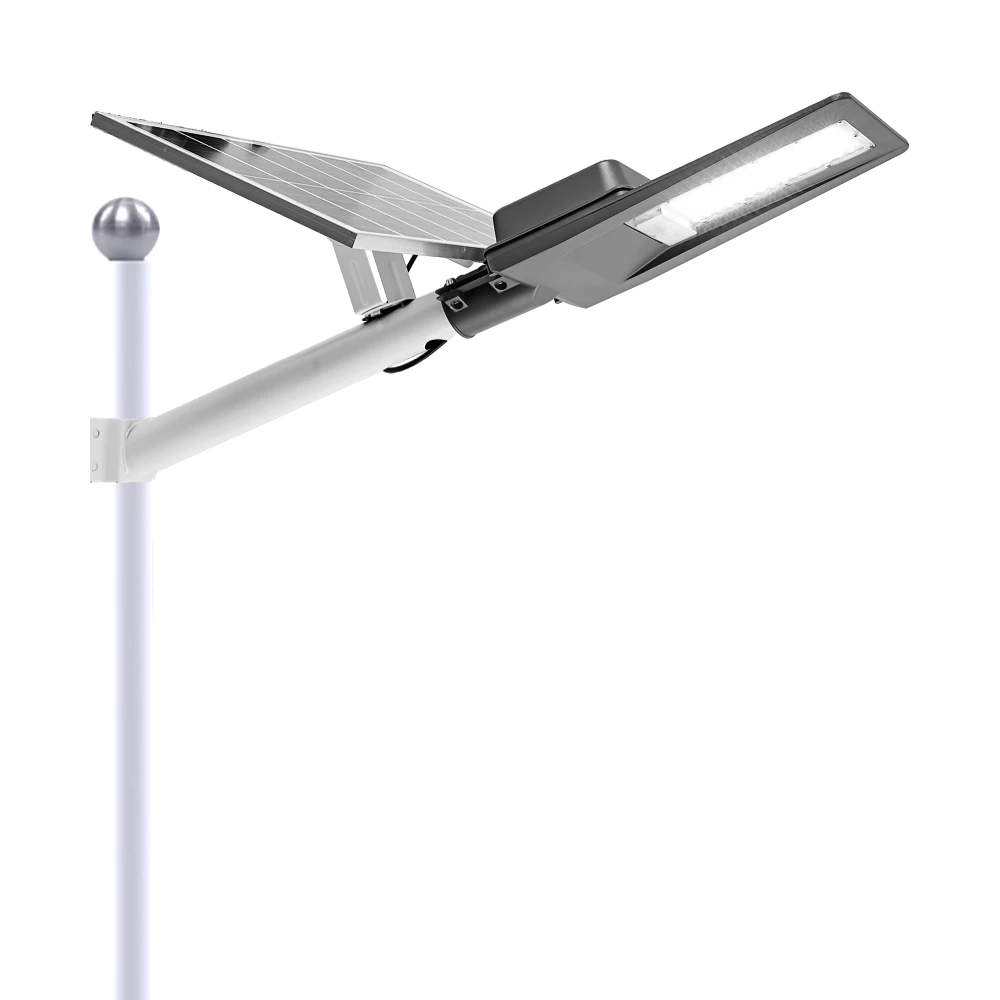
Experience reliable outdoor illumination with our smart solar street light, a perfect combination of advanced technology and eco-conscious design.
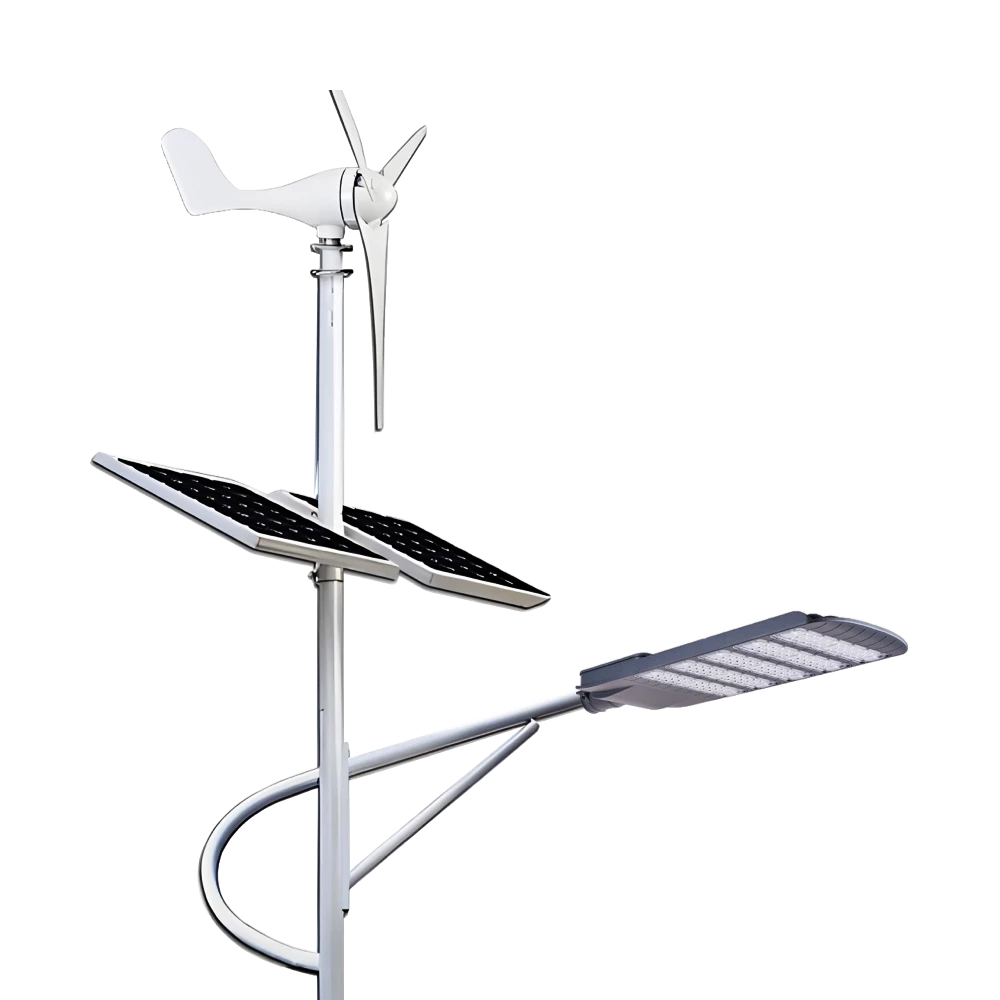
Queneng Lufeng Wind Energy LED Outdoor Solar Street Lights offer high-performance, eco-friendly illumination. These energy-efficient LED street lights harness solar power and wind energy for sustainable, cost-effective outdoor lighting solutions.
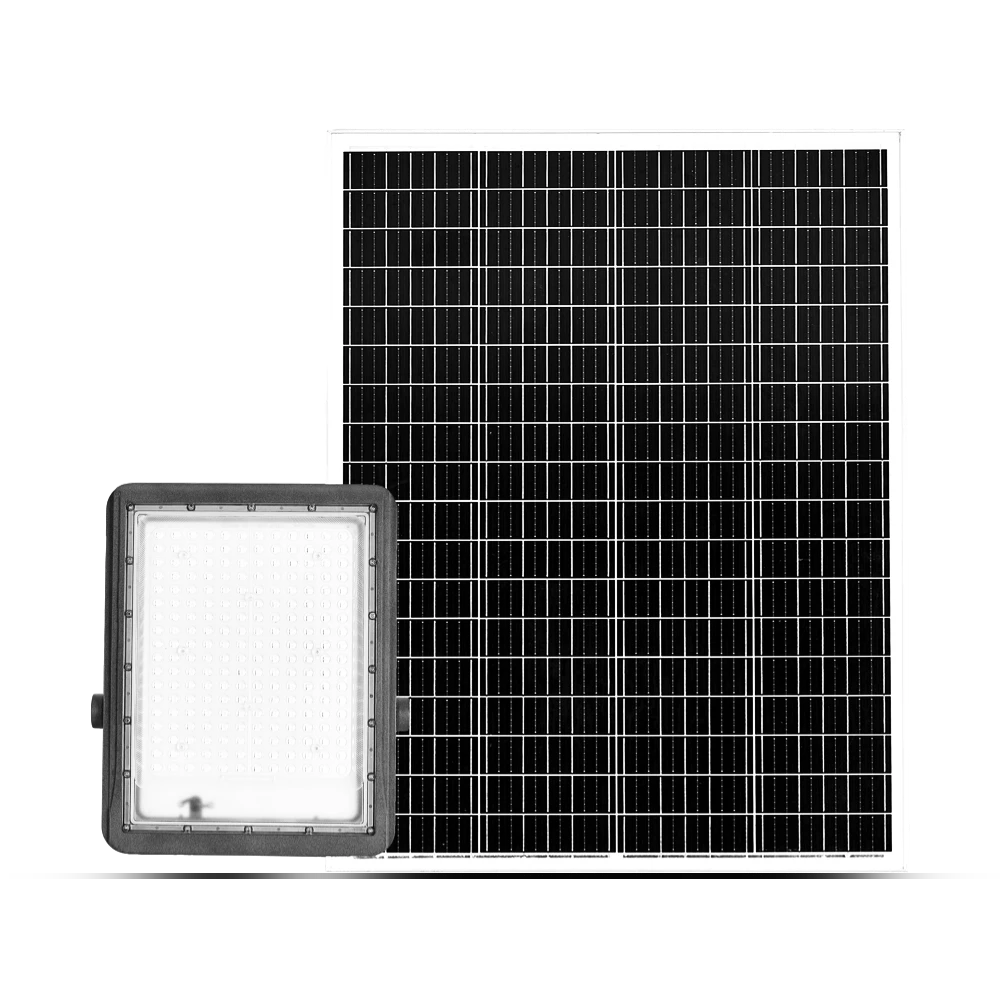
Queneng's Luxian Reliable Solar Street Light offers energy-saving LED lighting for outdoor use. This durable, solar-powered street light provides reliable illumination, reducing energy costs and environmental impact. A perfect solution for sustainable outdoor lighting.
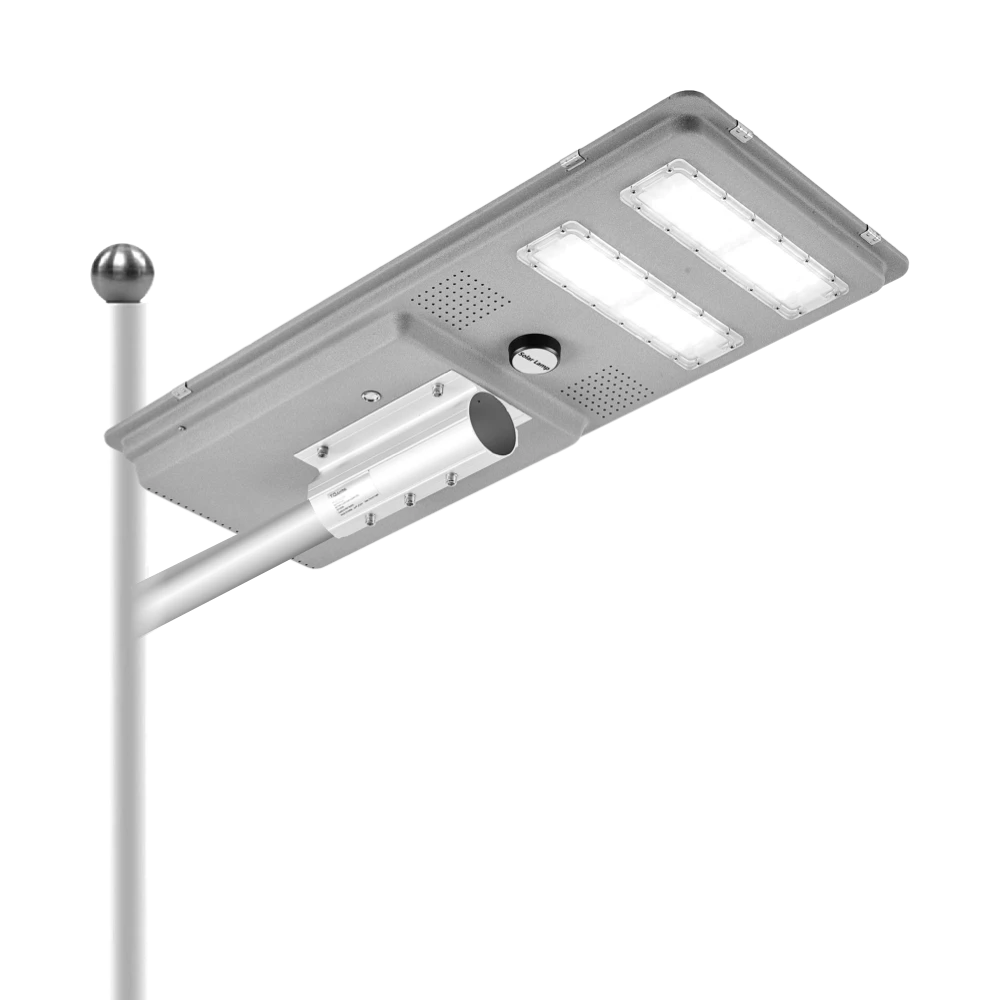
Queneng’s Solar Street Lights are designed to provide reliable, energy-efficient lighting for streets, parks, and other outdoor spaces.
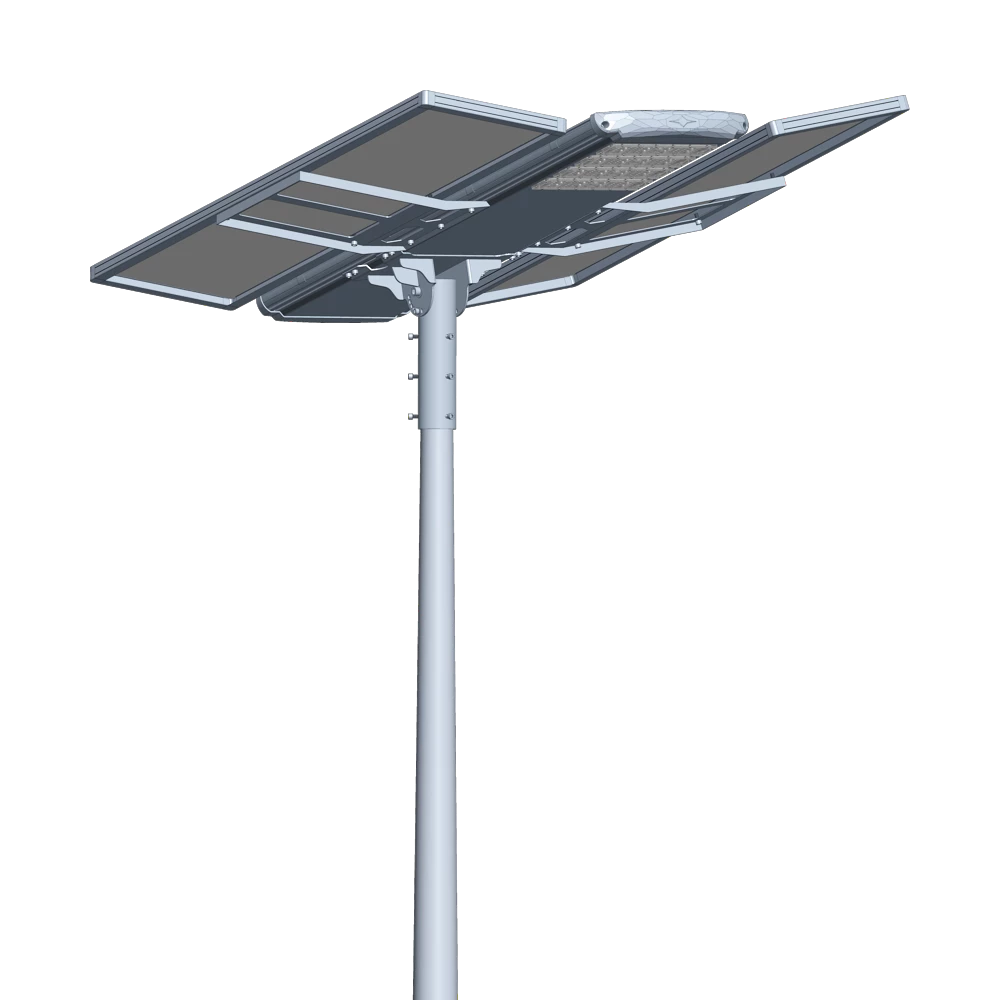
Introducing the Luqing Solar Street Light by Queneng, Efficient LED lighting powered by solar energy is perfect for illuminating outdoor areas. Harness the power of solar energy for sustainable, reliable street lighting. Ideal for eco-friendly, cost-effective outdoor illumination solutions.
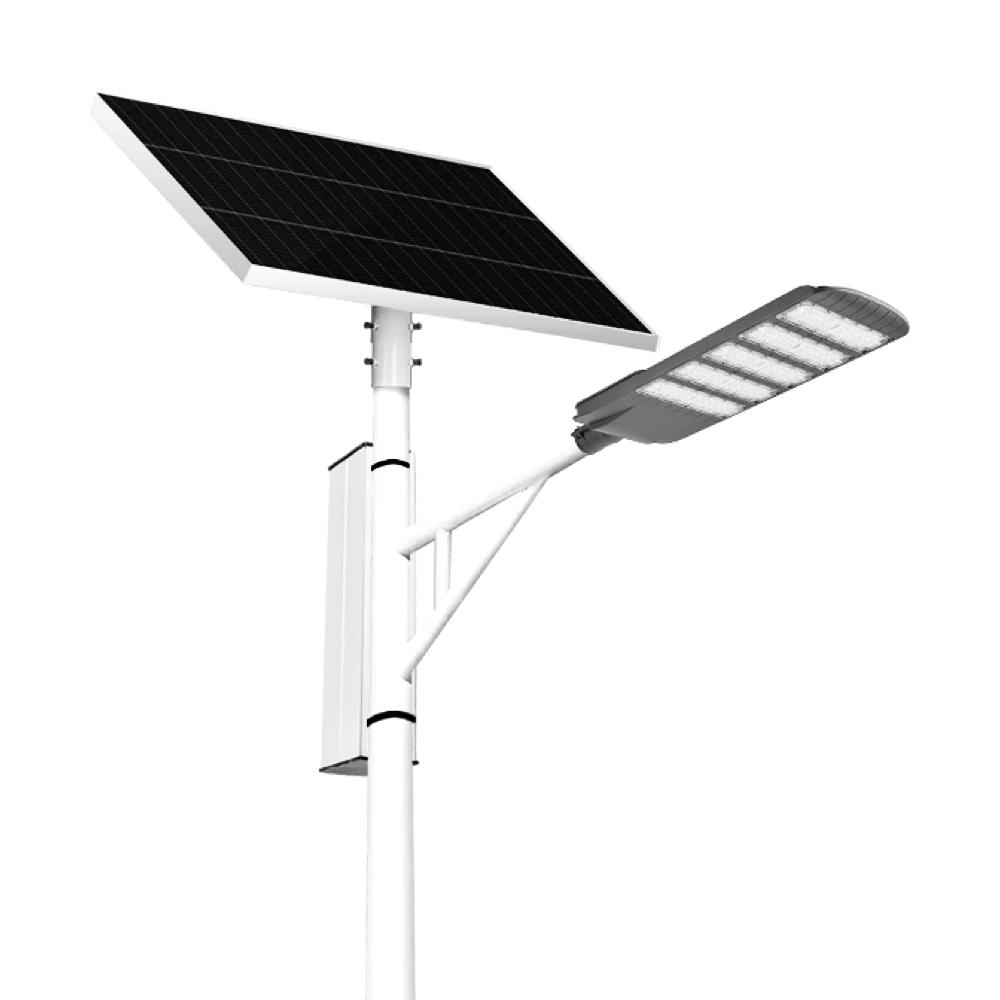
The Solar Streetlights of Luhao for Municipalities are designed to deliver reliable, energy-efficient, and cost-effective public lighting solutions. Equipped with advanced LED technology, durable lithium batteries, and high-efficiency solar panels, these streetlights provide consistent illumination for roads, parks, residential areas, and government projects.
If you would like more information about Queneng solar lighting solutions, please send us a message by filling out the form below. Our professional team will get back to you within 24 hours!
Rest assured that your privacy is important to us, and all information provided will be handled with the utmost confidentiality.
Schedule a Meeting
Book a date and time that is convenient for you and conduct the session in advance.
Have more questions about our products or services?
The messenger of light & power conversion
Environmental protection and intelligent manufacturing are our brand philosophy, and quality assurance and the best user experience are our eternal promises to users.
CONTACT
No.9F, Building F, Cao San Xin Tian Hong Logistics Park, Guzhen Town, Zhongshan City, Guangdong Province, China.
or write [email protected]
WhatsApp: +86 136 2270 1011


