

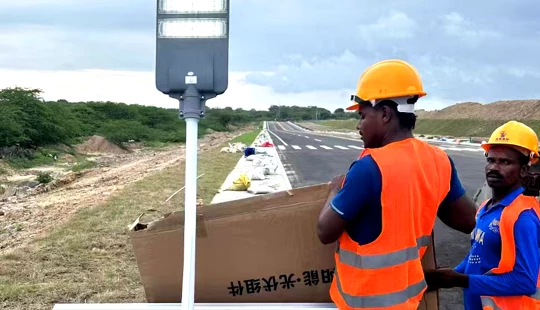
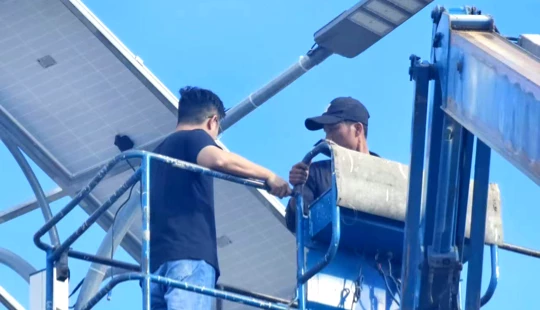













Is a local solar street light manufacturer always better?
Navigating the Solar Street Light Market: Costs, Choices, and Manufacturer Insights
The demand for sustainable and energy-efficient lighting solutions has propelled solar street lights into the forefront of urban and infrastructure development. For procurement professionals, navigating this dynamic market requires a deep understanding of costs, technical specifications, and the advantages offered by different manufacturing approaches. This article addresses common questions and professional insights crucial for making informed purchasing decisions.
What is the typical cost of a solar street light, and what factors influence it?
The cost of a solar street light can vary significantly, ranging from a few hundred to several thousand dollars per unit, often excluding the pole. This wide range is primarily driven by several key factors:
- LED Wattage and Lumen Output: Higher brightness requirements (e.g., 60W, 100W equivalent) necessitate more powerful LEDs, increasing cost. Professional-grade lights typically offer 130-170 lumens per watt.
- Battery Capacity and Type: Lithium Iron Phosphate (LiFePO4) batteries are the industry standard for their longevity (2000-4000 cycles at 80% DoD) and performance in varying temperatures. Larger capacity batteries, providing more autonomy days (e.g., 3-5 days of backup power), will increase the price.
- Solar Panel Size and Efficiency: Monocrystalline silicon panels, with efficiency often exceeding 20%, are preferred. Larger panels are required for higher wattage lights or installations in regions with less intense sunlight.
- Charge Controller Technology: Maximum Power Point Tracking (MPPT) controllers are more efficient than Pulse Width Modulation (PWM), optimizing power harvest from the solar panel and extending battery life, thus adding to the cost.
- Pole Specifications: The height, material (steel, aluminum), and wind resistance rating of the pole significantly impact overall project cost.
- Smart Features: Incorporating motion sensors, dimming capabilities, IoT connectivity, and remote monitoring systems adds to the complexity and cost but offers enhanced control and energy savings.
- Brand and Warranty: Reputable manufacturers with strong R&D, quality certifications, and comprehensive warranties typically have higher unit costs but offer greater reliability and lower long-term maintenance expenses.
General Price Range (excluding pole): For commercial-grade solar street lights (e.g., 60W LED equivalent), prices typically range from $300 to $1,500 USD per unit, with high-performance or specialized systems potentially exceeding this. Poles and installation can add another $200-$800 per light point.
All-in-One vs. Split Solar Street Lights: Which is better for professional procurement?
The choice between All-in-One (integrated) and Split (separated components) solar street lights is critical for professional procurement, depending on project requirements and environmental conditions.
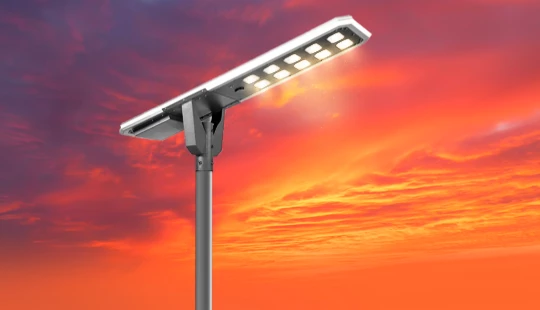
- All-in-One Solar Street Lights: These units integrate the solar panel, LED fixture, battery, and controller into a single compact housing. They are characterized by ease of installation and lower initial labor costs due to minimal wiring.
Pros: Simple installation, aesthetically compact.
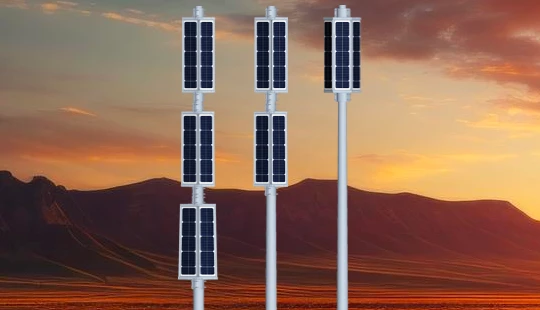
Cons: Limited flexibility in panel angle adjustment (sub-optimal for all latitudes), battery and electronics are exposed to high temperatures within the same housing (potentially shortening lifespan), difficult component replacement. - Split Solar Street Lights: In contrast, split systems feature separate solar panels, LED fixtures, and battery boxes (often mounted on the pole or at the base). This design allows for greater flexibility.
Pros: Optimal solar panel positioning for maximum sunlight absorption (adjustable tilt/azimuth), superior heat dissipation for the battery and controller (significantly extending component lifespan), larger battery and panel capacities possible, easier individual component replacement, robust performance in diverse and extreme climates.
Cons: Higher initial installation complexity and labor cost (separate components, wiring), potentially less aesthetically integrated.
For professional procurement, especially for critical infrastructure, large-scale projects, or regions with challenging weather conditions, split solar street light systems are often the superior choice. Their modular design allows for greater customization, better performance optimization, and significantly longer component lifespans, translating into lower total cost of ownership (TCO) over the project's lifetime.
What essential technical specifications should be prioritized when purchasing solar street lights?
Thorough evaluation of technical specifications is paramount for ensuring performance, reliability, and longevity:
- LED Lumens and Efficacy: Look for high lumen output per watt (e.g., 150-170 lm/W) from reputable LED chips (e.g., Philips, Osram, Cree) to ensure efficient illumination.
- Battery Specifications: Prioritize LiFePO4 batteries with a minimum of 2000-4000 charge cycles at 80% Depth of Discharge (DoD). Specify autonomy days (e.g., 3-5 nights) to ensure continuous operation during cloudy periods.
- Solar Panel Efficiency: Monocrystalline panels (typically >20% efficiency) are recommended for their superior performance in various light conditions and compact size.
- Charge Controller Type: MPPT controllers are essential for maximizing energy harvest from the solar panel, especially in fluctuating light conditions, and for protecting the battery.
- IP Rating (Ingress Protection): An IP65 or IP66 rating is critical for both the LED fixture and battery housing to ensure protection against dust and water ingress.
- Wind Resistance: The pole and fixture design must withstand local wind load requirements, specified in km/h or m/s.
- Operating Temperature Range: Ensure the system components (especially batteries) are rated for the project's specific ambient temperature extremes.
- Certifications: Verify adherence to international quality and safety standards such as CE, RoHS, ISO 9001, FCC, and TUV.
- Warranty: A robust warranty for the entire system (e.g., 3-5 years) and individual components (e.g., 5-10 years for battery, 20-25 years for solar panel performance) is non-negotiable.
Is it always better to source from a local solar street light manufacturer?
While local sourcing can offer certain advantages, it's not always the optimal choice for every project. The better option depends heavily on the project's scale, budget, technical requirements, and strategic goals.
Advantages of Local Manufacturers:
- Faster Delivery: Shorter shipping times and potentially easier logistics.
- On-site Support & Communication: Easier access to local technical support, installation assistance, and face-to-face discussions, potentially fewer language barriers.
- Understanding Local Regulations: Familiarity with local electrical codes, environmental standards, and permit processes.
- Easier Access to Spare Parts: Quicker procurement of replacement components.
Disadvantages of Local Manufacturers (potentially):
- Higher Costs: Smaller production scales can lead to less competitive pricing compared to international manufacturers.
- Limited Product Range & Innovation: May offer fewer specialized designs, less advanced technology, or fewer customization options due to smaller R&D budgets.
- Quality Variability: While many local manufacturers are excellent, there can be greater variability in quality control and component sourcing if not carefully vetted.
For projects demanding cutting-edge technology, cost-efficiency at scale, and adherence to stringent global quality benchmarks, looking beyond local suppliers is often beneficial.
What are the distinct advantages of partnering with an international solar street light manufacturer?
Partnering with a reputable international solar street light manufacturer, particularly from regions known for advanced manufacturing, offers compelling benefits for professional buyers:
- Cost-Effectiveness at Scale: International manufacturers, operating on larger scales, benefit from economies of scale in component sourcing and production, leading to more competitive unit pricing.
- Advanced Technology and R&D: These manufacturers often invest heavily in research and development, providing access to the latest innovations in LED efficiency, battery technology (e.g., advanced LiFePO4 systems), smart control systems, and durable materials.
- Wider Product Range and Customization: A broader portfolio allows for greater flexibility in selecting systems perfectly tailored to specific project needs, climate conditions, and aesthetic requirements. Customization options are often more extensive.
- Global Quality Standards and Certifications: Reputable international suppliers adhere to rigorous international quality control standards (e.g., ISO 9001) and product certifications (CE, RoHS, TUV, UL), ensuring high performance and reliability.
- Robust Supply Chain and Production Capacity: Large international manufacturers typically possess well-established and resilient supply chains, ensuring consistent material availability and the capacity to fulfill large orders efficiently.
- Proven Track Record: Experience with diverse projects across various geographical and climatic zones demonstrates a manufacturer's capability to deliver reliable solutions globally.
- Comprehensive Warranties and Support: Stronger, globally recognized warranties and dedicated international support teams often provide greater peace of mind and long-term assurance.
What kind of warranty and after-sales support should I expect?
A comprehensive warranty and reliable after-sales support are indicators of a manufacturer's confidence in their product and commitment to customer satisfaction. Professional buyers should expect:
- System Warranty: A minimum of 3-5 years on the entire solar street light system, covering manufacturing defects and major component failures.
- Component-Specific Warranties:
- LED Light Source: 5-10 years, ensuring consistent lumen output.
- Battery (LiFePO4): 5-10 years, reflecting its long cycle life.
- Solar Panel: 20-25 years performance warranty (e.g., guaranteeing 80% power output after 20 years).
- Technical Support: Access to experienced technical personnel for installation guidance, troubleshooting, and system optimization, available through various communication channels.
- Spare Parts Availability: Assurance that essential replacement parts will be available for the warranted period and beyond, preferably with reasonable lead times.
- Remote Monitoring & Diagnostics: For smart solar street light systems, the ability to remotely monitor performance, identify issues, and receive diagnostic support is a significant advantage.
- Clear Communication Channels: A responsive and professional communication system to address any concerns promptly.
Queneng Lighting: Your Trusted Partner in Solar Street Lighting
As a leading solar street light manufacturer, Queneng Lighting stands out by offering robust, high-performance solutions tailored for professional procurement. We specialize in advanced split solar street light systems, leveraging high-efficiency monocrystalline solar panels, long-life LiFePO4 batteries, and intelligent MPPT controllers to ensure maximum energy harvest and extended operational reliability. Our commitment to cutting-edge R&D and stringent quality control ensures our products meet global standards, holding certifications like CE, RoHS, and ISO 9001. With a focus on customization, competitive pricing, and comprehensive after-sales support backed by strong warranties, Queneng Lighting provides scalable, durable, and cost-effective lighting solutions for diverse projects worldwide. Partner with us for unparalleled expertise and sustainable illumination.
References:
- Solar Street Light Industry Trends and Market Analysis (2023). Global Energy Research Council.
- Lithium Iron Phosphate Battery Performance Specifications (2024). Battery Technology Review Journal.
- Monocrystalline Solar Panel Efficiency Benchmarks (2023). Renewable Energy World.
- Cost Analysis of Solar Street Lighting Solutions (2024). Lighting Solutions Magazine.
- International Standards for Outdoor Lighting - IP Ratings (2023). International Electrotechnical Commission (IEC).
- Solar Street Light Component Warranty Guidelines (2024). Leading Solar Manufacturers Consortium.

Have more questions about our products or services?
The latest hot news you might like

Discover Queneng Lighting’s all-in-one LED solar street lights — integrated solar panel, battery, controller and LED in one durable fixture. Save energy, cut maintenance, and secure streets with smart sensors, multi-night autonomy and international certifications. Contact sales for quotes and support.

Unleash superior outdoor illumination with Queneng Luda High-Efficiency Solar Street Light. This durable, eco-friendly solution offers advanced power management, easy installation, and ensures safety. Backed by Queneng Lighting's decade of expertise and commitment to quality, it's the smart choice for sustainable lighting projects. Learn why we're a leading solar solutions provider.

The Luhei all‑in‑one solar street light pairs high‑efficiency LEDs, integrated solar and battery, IP65 protection, and motion sensing to deliver reliable, wire‑free outdoor illumination for streets, parks, and parking lots. Backed by Queneng Lighting’s certifications and support.

FAQ
Remote Areas Rural Development
Can solar streetlights be relocated if community needs change?
Yes, they are designed to be portable and can be relocated to new sites with minimal adjustments.
Tourist Attractions and Resorts
Can solar lighting help reduce energy costs for resorts?
Yes, solar lighting can significantly reduce energy costs by eliminating the need for grid electricity. The investment in solar lighting pays off in the long term through savings on electricity bills.
Battery Performance and Testing
What is an impact test?
Solar Street Light Lufeng
How do Lufeng solar street lights help reduce energy consumption?
Lufeng solar street lights use solar power, which is a renewable and free energy source, significantly reducing energy consumption from traditional power grids. Additionally, they feature energy-efficient LEDs and smart controls that adjust brightness based on ambient light or motion detection, further conserving energy.
Solar Street Light Luyan
What types of batteries are used in Luyan solar street lights, and how do they work?
Luyan solar street lights use high-quality lithium-ion batteries. These batteries store the solar energy captured during the day and provide reliable illumination at night. Lithium-ion batteries are known for their longer lifespan, faster charging times, and better energy storage compared to traditional lead-acid batteries.
Solar Street Light Luzhou
How efficient are the solar panels in Luzhou solar street lights?
Luzhou solar street lights are equipped with high-efficiency solar panels that are designed to capture maximum sunlight, even in low-light conditions. This ensures optimal performance even on cloudy or overcast days.
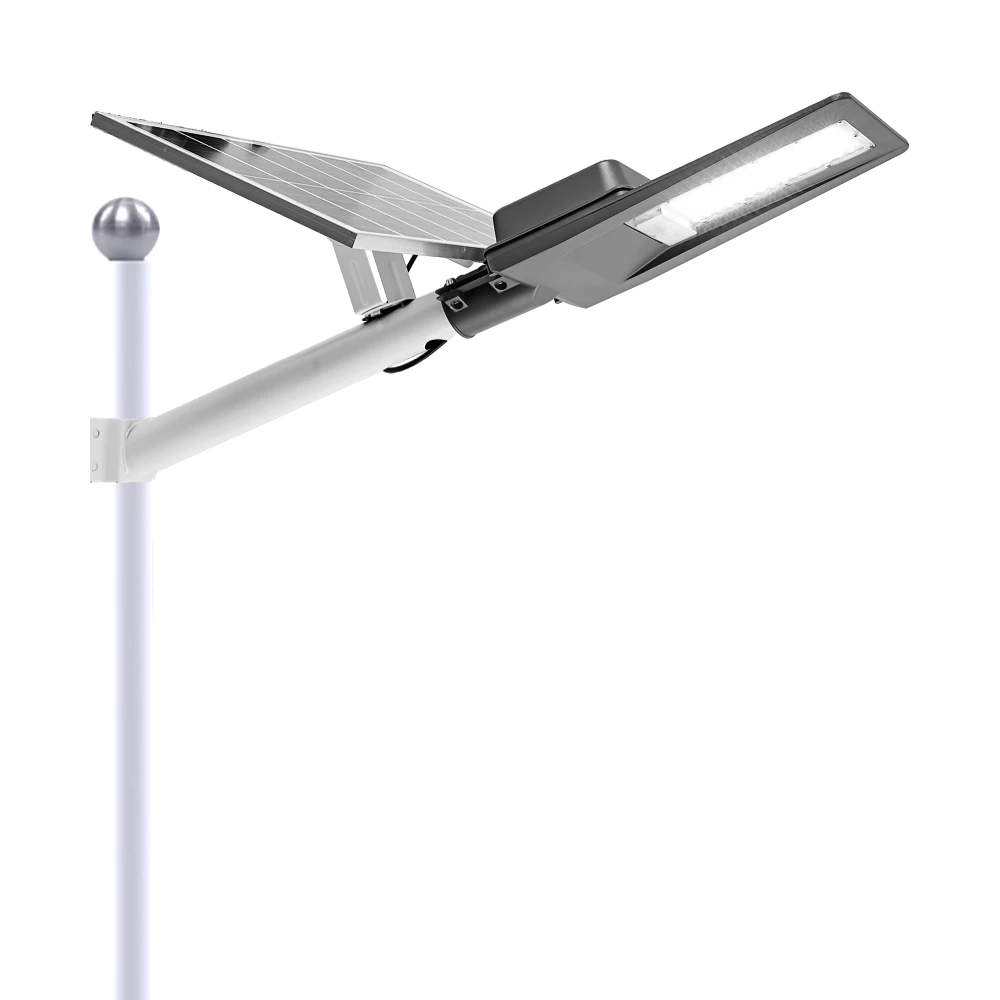
Experience reliable outdoor illumination with our smart solar street light, a perfect combination of advanced technology and eco-conscious design.
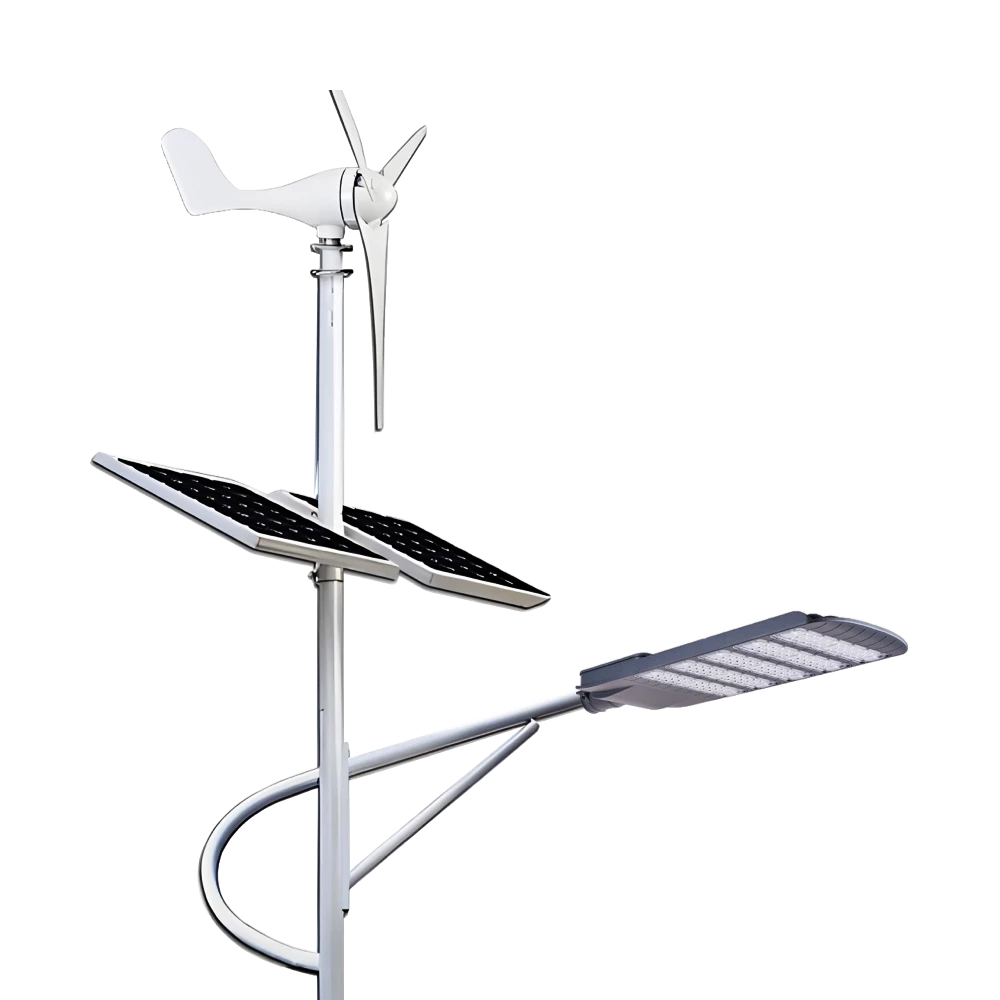
Queneng Lufeng Wind Energy LED Outdoor Solar Street Lights offer high-performance, eco-friendly illumination. These energy-efficient LED street lights harness solar power and wind energy for sustainable, cost-effective outdoor lighting solutions.
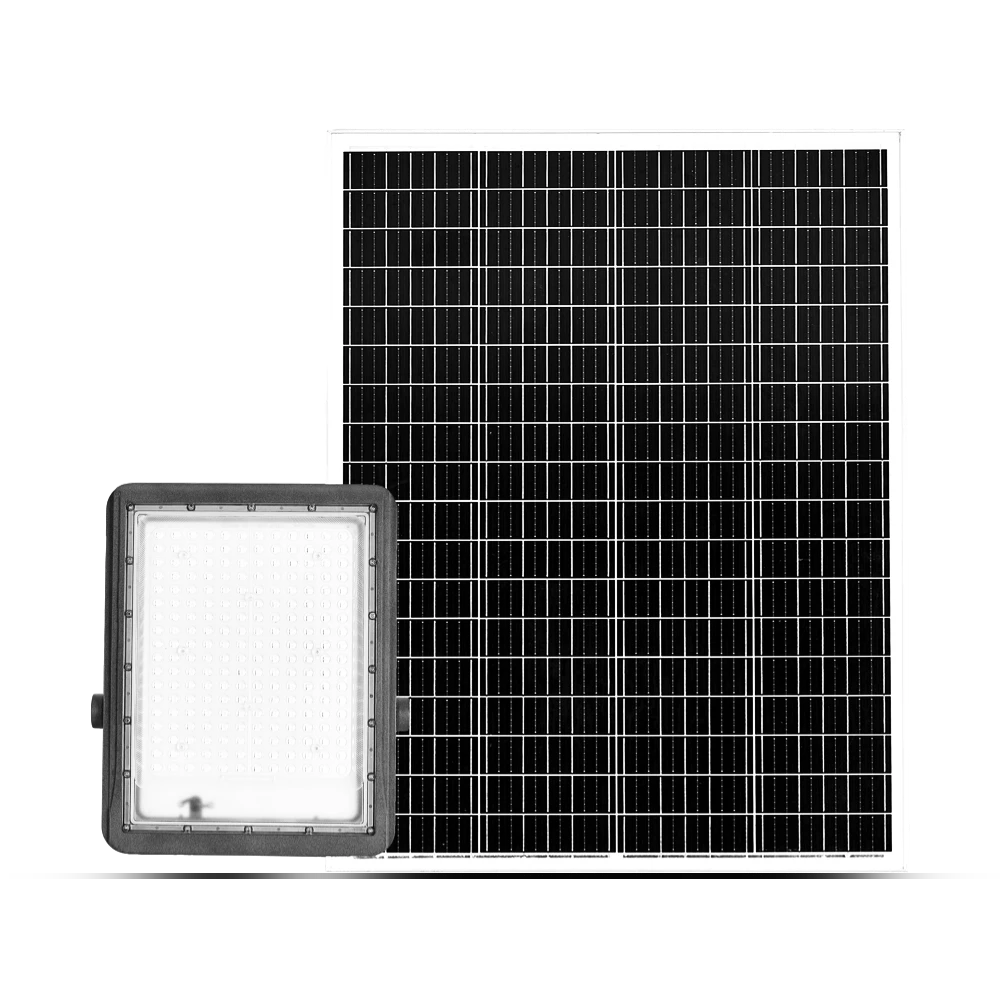
Queneng's Luxian Reliable Solar Street Light offers energy-saving LED lighting for outdoor use. This durable, solar-powered street light provides reliable illumination, reducing energy costs and environmental impact. A perfect solution for sustainable outdoor lighting.
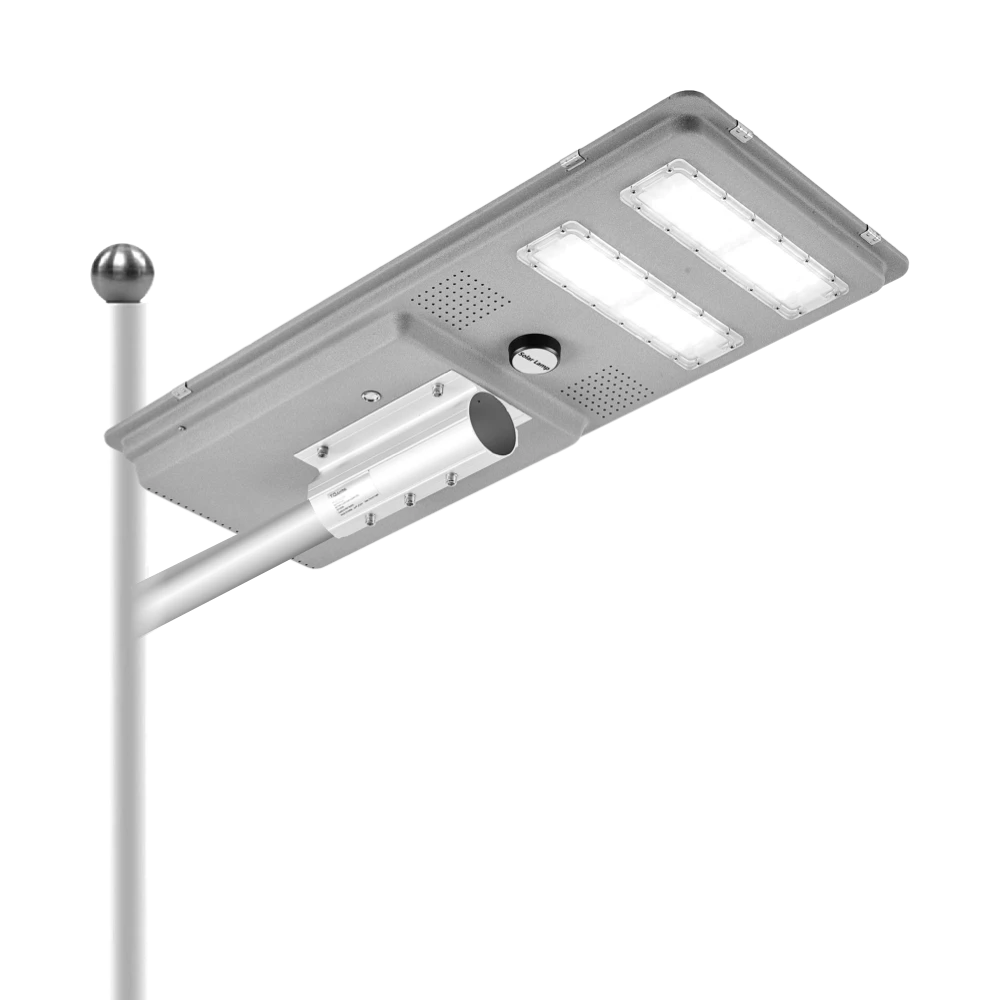
Queneng’s Solar Street Lights are designed to provide reliable, energy-efficient lighting for streets, parks, and other outdoor spaces.
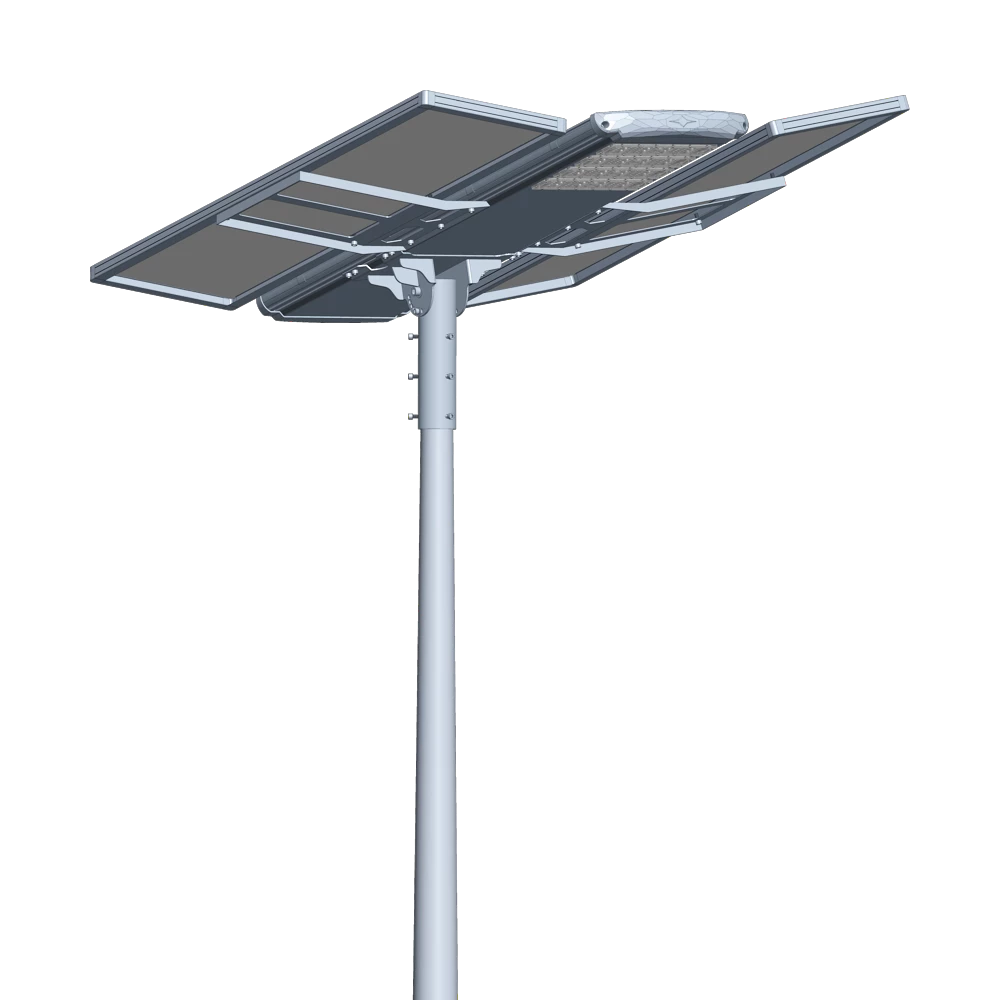
Introducing the Luqing Solar Street Light by Queneng, Efficient LED lighting powered by solar energy is perfect for illuminating outdoor areas. Harness the power of solar energy for sustainable, reliable street lighting. Ideal for eco-friendly, cost-effective outdoor illumination solutions.
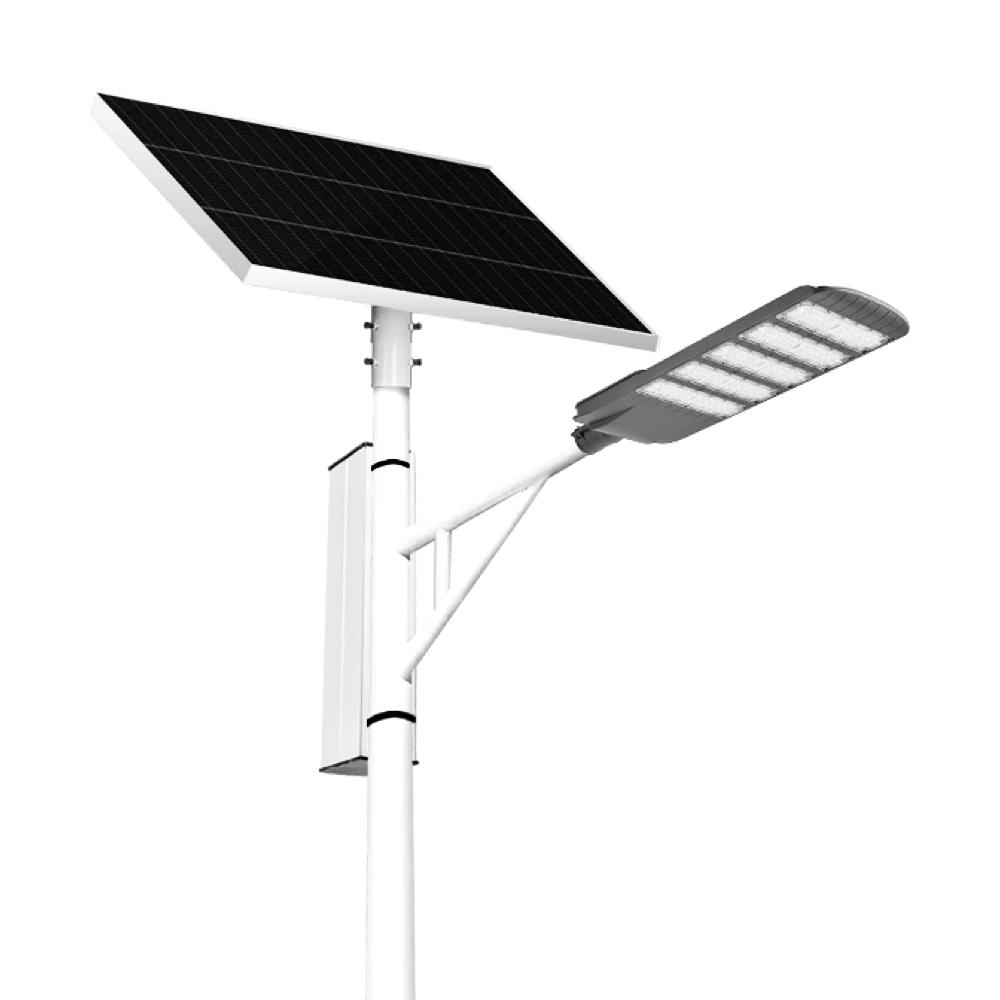
The Solar Streetlights of Luhao for Municipalities are designed to deliver reliable, energy-efficient, and cost-effective public lighting solutions. Equipped with advanced LED technology, durable lithium batteries, and high-efficiency solar panels, these streetlights provide consistent illumination for roads, parks, residential areas, and government projects.
If you would like more information about Queneng solar lighting solutions, please send us a message by filling out the form below. Our professional team will get back to you within 24 hours!
Rest assured that your privacy is important to us, and all information provided will be handled with the utmost confidentiality.
Schedule a Meeting
Book a date and time that is convenient for you and conduct the session in advance.
Have more questions about our products or services?
The messenger of light & power conversion
Environmental protection and intelligent manufacturing are our brand philosophy, and quality assurance and the best user experience are our eternal promises to users.
CONTACT
No.9F, Building F, Cao San Xin Tian Hong Logistics Park, Guzhen Town, Zhongshan City, Guangdong Province, China.
or write [email protected]
WhatsApp: +86 136 2270 1011


