

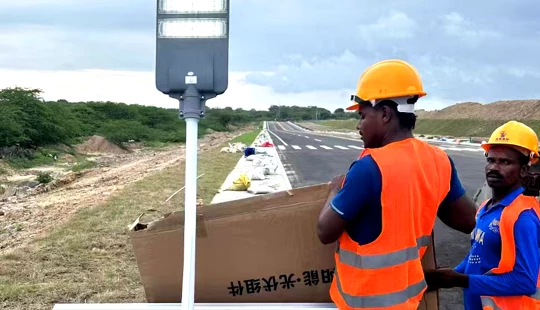
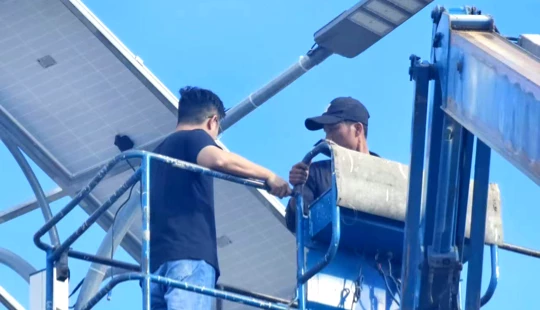













How to get bulk discounts from a solar light manufacturer?
Navigating the Solar Street Light Market: A Professional's Guide to Cost, Quality, and Bulk Discounts
The global shift towards sustainable infrastructure has positioned solar street lights as an indispensable solution for public, commercial, and industrial lighting. For procurement professionals and project managers in the split solar street light industry, making informed decisions is paramount. This guide provides an in-depth look into the critical aspects of purchasing solar street lights, from understanding costs and system types to identifying reliable manufacturers and securing the best deals.
Understanding the True Cost of Solar Street Lights: More Than Just the Price Tag
When evaluating the cost of solar street light systems, it's crucial to look beyond the initial purchase price. A comprehensive assessment considers several factors:
- Component Quality and Specifications: The wattage of the LED lamp, the capacity and type of the battery (e.g., LiFePO4 vs. Lead-Acid), the efficiency of the solar panel (monocrystalline typically higher cost but better performance), and the intelligence of the charge controller (MPPT vs. PWM) significantly impact the overall cost. Higher quality components mean higher initial investment but yield greater longevity and performance.
- System Design (All-in-One vs. Split): All-in-One systems often have a lower unit cost due to integrated design and simpler installation. Split systems, with separate panels and battery boxes, can be more expensive upfront due to additional wiring and installation complexity.
- Pole and Mounting Hardware: The height, material (steel, aluminum), and wind resistance of the pole contribute substantially to the total cost.
- Smart Features: Incorporating motion sensors, remote monitoring, dimming capabilities, or IoT integration adds to the cost but enhances functionality and energy savings.
- Brand Reputation and Warranty: Established manufacturers with strong R&D and comprehensive warranties typically command a higher price, but offer greater reliability and peace of mind.
- Shipping and Installation: These logistical costs can vary widely based on location and project scale. While initial unit prices for commercial solar street lights can range from $200 to over $1000 per unit, considering wattage, battery autonomy, and features, the long-term ROI from energy savings and reduced maintenance is often significant.
All-in-One vs. Split Solar Street Lights: Making the Right Choice for Your Project
Choosing between All-in-One Solar Street Lights and split systems is a fundamental decision for any project:
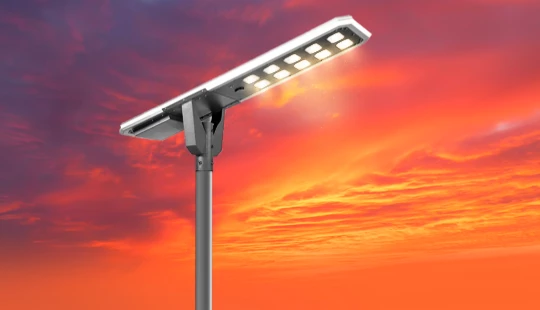
- All-in-One Solar Street Lights: These units integrate the solar panel, LED lamp, battery, and controller into a single compact fixture.
- Pros: Easier and faster installation, lower installation costs, sleek aesthetic, often more economical for lower power requirements.
- Cons: Limited flexibility in panel orientation (must face south for optimal sun), battery and electronics are exposed to the same ambient temperature as the panel, making thermal management challenging in extreme climates, and potential for single point of failure affecting the entire unit.
- Best For: Residential areas, pathways, small commercial projects, gardens, or temporary lighting where ease of installation and aesthetics are priorities.
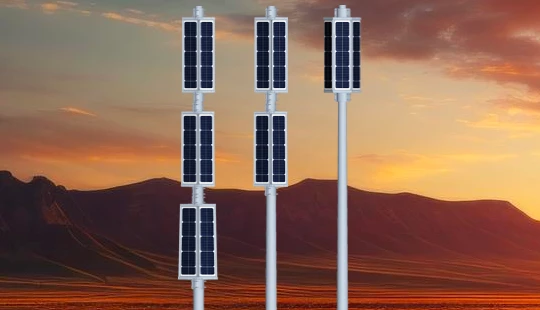
- Split Solar Street Lights: These systems feature separate components – a solar panel mounted separately from the light fixture, which houses the battery and controller.
- Pros: Greater flexibility in panel orientation to maximize sun exposure, better heat dissipation for the battery (extending lifespan), allows for larger panels and batteries for higher power output and longer autonomy, easier component replacement.
- Cons: More complex installation requiring separate mounting for the panel and light, higher installation costs, more visible wiring.
- Best For: Highways, industrial parks, larger public spaces, areas with inconsistent sunlight, or projects requiring high power output and reliability in demanding environments.
How to Identify a Reputable Solar Street Light Manufacturer?
Partnering with a reliable Solar Street Light Manufacturer is crucial for project success and long-term performance. Look for:
- Experience and R&D Capabilities: A manufacturer with years of experience and a strong R&D department is more likely to offer innovative, high-quality, and reliable products.
- Quality Control and Certifications: Verify international certifications like ISO 9001 (quality management), CE, RoHS (environmental compliance), and specific IP ratings (Ingress Protection for dust and water resistance), which are critical for outdoor products.
- Production Capacity and Supply Chain: Ensure they have the capacity to meet your order volume and a stable supply chain for components.
- Comprehensive Warranty and After-Sales Support: A robust warranty (typically 2-5 years for the system, longer for panels) and readily available technical support are indicators of a manufacturer's confidence in their products.
- Project References and Case Studies: Request examples of previous projects and client testimonials to assess their track record.
- Customization Options: The ability to tailor designs to specific project requirements is a significant advantage.
Key Components of Solar Street Lights: What Professionals Need to Know for Quality Assurance
Understanding the core components is vital for assessing quality and performance:
- Solar Panel: Look for high-efficiency monocrystalline silicon panels, typically with efficiency rates ranging from 18% to 22% or higher. The power output (Wp) and degradation rate are also key. A good panel should retain 80% of its power output after 20-25 years.
- Battery: Lithium Iron Phosphate (LiFePO4) batteries are now the industry standard, offering a longer cycle life (2,000 to 5,000+ cycles at 80% depth of discharge), superior thermal stability, and enhanced safety compared to older lead-acid batteries. Battery capacity (Ah) and voltage (V) determine the autonomy (days of backup power).
- LED Lamp: Evaluate the lumen output per watt (efficacy), typically ranging from 130 to 180 lm/W for high-quality LEDs. Reputable LED chip brands (e.g., Philips, Osram, Cree) ensure better performance and lifespan (50,000 to 100,000 hours). Color temperature (CCT) and beam angle are also important for specific applications.
- Charge Controller: An MPPT (Maximum Power Point Tracking) controller is preferred over PWM (Pulse Width Modulation) as it can increase energy harvest from the solar panel by 15-30%, especially in varying weather conditions. It also protects the battery from overcharging and deep discharging.
- Pole and Housing: The pole should be robust, hot-dip galvanized for corrosion resistance, and engineered to withstand local wind loads. The lamp housing should have an adequate IP rating (e.g., IP65 or IP66) to protect against dust and water ingress.
Maximizing Value: Strategies for Securing Bulk Discounts from Solar Light Manufacturers
For large-scale projects, securing bulk discounts from a solar light manufacturer can significantly impact the overall budget:
- Clearly Define Your Specifications: Provide precise requirements (wattage, autonomy, desired certifications, pole height, etc.) to allow manufacturers to quote accurately and avoid costly changes later.
- Leverage Quantity: The simplest way to get a discount is to order a larger quantity. Manufacturers often have tiered pricing structures.
- Build Long-Term Relationships: Establishing a consistent ordering history or committing to future purchases can lead to better pricing and preferential treatment.
- Negotiate Payment Terms: Offering favorable payment terms, such as a larger upfront deposit or quicker full payment, can sometimes result in a discount.
- Off-Season Purchasing: If your project timeline allows, purchasing during a manufacturer's slower periods might yield better deals.
- Consolidate Shipping: Work with the manufacturer to optimize shipping logistics, potentially combining shipments or using more cost-effective methods for bulk orders.
- Request a Sample (for very large orders): While not a discount, testing a sample unit allows you to verify quality before committing to a large order, mitigating risk.
Ensuring Longevity and Performance: Warranty, Certifications, and Industry Standards
Longevity and compliance are non-negotiable for professional procurement:
- Lifespan Expectations: With quality components, solar panels can last 20-25 years, LED lamps 50,000-100,000 hours, and LiFePO4 batteries 5-10 years (or more, depending on depth of discharge and temperature). Controllers typically last 5-10 years. The battery is usually the component that needs replacement first.
- Warranty Coverage: Scrutinize warranty terms for the entire system and individual components. A typical full system warranty is 2-5 years, while solar panels often come with a 10-year product warranty and a 20-25 year performance warranty.
- Certifications and Standards: Beyond general quality (ISO), ensure products meet relevant regional safety (CE, UL for North America) and environmental (RoHS) standards. Crucially, verify the IEC 61215 and IEC 61730 standards for solar panels, and appropriate IP ratings (e.g., IP65, IP66, IP67) for the luminaire and battery enclosure, indicating resistance to dust and water ingress.
Why Queneng Lighting Stands Out
As a leading solar street light manufacturer, Queneng Lighting distinguishes itself through a commitment to excellence, innovation, and customer satisfaction. We leverage cutting-edge R&D to develop both All-in-One and advanced Split solar street light systems, utilizing only High Quality components such as high-efficiency monocrystalline solar panels, long-life LiFePO4 batteries, and branded LED chips. Our rigorous quality control, backed by international certifications (ISO, CE, RoHS, IP ratings), ensures unparalleled product reliability and performance. Queneng Lighting offers extensive customization options to meet diverse project needs, coupled with competitive pricing for bulk orders and comprehensive after-sales support. Partner with Queneng Lighting for sustainable, high-performance solar lighting solutions that deliver long-term value and peace of mind.
References
- Solar Energy Industries Association (SEIA). (2023, Q3). Solar Industry Research Data. (Simulated Data, Actual data varies per quarter)
- International Electrotechnical Commission (IEC). (Accessed: December 10, 2023). Solar PV Standards (IEC 61215 & IEC 61730). https://www.iec.ch/solar-pv-standards
- Lithium-ion Battery Industry Reports. (2023). LiFePO4 Cycle Life and Performance Benchmarks. (Simulated Industry Report, Actual reports from sources like BloombergNEF, Wood Mackenzie)
- LED Lighting Technology Advancements. (2023). LED Efficacy and Lifespan Standards. (Simulated Industry Research, Actual research from sources like Department of Energy, Lighting Research Center)

Have more questions about our products or services?
The latest hot news you might like

Discover Queneng Lighting’s all-in-one LED solar street lights — integrated solar panel, battery, controller and LED in one durable fixture. Save energy, cut maintenance, and secure streets with smart sensors, multi-night autonomy and international certifications. Contact sales for quotes and support.

Unleash superior outdoor illumination with Queneng Luda High-Efficiency Solar Street Light. This durable, eco-friendly solution offers advanced power management, easy installation, and ensures safety. Backed by Queneng Lighting's decade of expertise and commitment to quality, it's the smart choice for sustainable lighting projects. Learn why we're a leading solar solutions provider.

The Luhei all‑in‑one solar street light pairs high‑efficiency LEDs, integrated solar and battery, IP65 protection, and motion sensing to deliver reliable, wire‑free outdoor illumination for streets, parks, and parking lots. Backed by Queneng Lighting’s certifications and support.

FAQ
Battery Types and Applications
How to classify batteries?
Primary batteries: carbon-zinc dry batteries, alkaline- manganese batteries,lithium batteries, activated batteries, zinc-mercury batteries, cadmium-mercury batteries, zinc-air batteries, zinc-silver batteries and solid electrolyte batteries (silver-iodine batteries) etc.
Secondary batteries: lead batteries, Ni-Cd batteries, Ni-MH batteries, Li-ion batteries and sodium-sulfur batteries, etc.
Other batteries: fuel cell batteries, air batteries, thin batteries, light batteries, nano batteries, etc.
Physical battery: Solar cell
Public Gardens and Landscape Lighting
How long do solar-powered lights last in public spaces?
Our solar-powered lights are designed for durability and long-term use. The lights typically last for 5-10 years, depending on the quality of the solar panels and the local climate conditions. The batteries last around 2-3 years and can be replaced easily.
OEM&ODM
Do you offer warranty and technical support?
Yes. All our products come with a 3–5 year warranty. We provide full after-sales guidance, documentation, and video support.
Distributors
Do you offer product training for distributors?
Yes, we provide in-depth product training, both online and in-person (when applicable), to ensure that you and your team are fully equipped with the knowledge needed to sell and support Queneng’s solar products.
Schools and Educational Institutions
Can solar lights be controlled remotely?
Yes, we offer smart solar lighting systems with remote control capabilities, allowing you to manage and monitor the lights from anywhere.
Solar Street Light Luxian
Are Luxian solar street lights suitable for urban and rural applications?
Yes, Luxian solar street lights are versatile and suitable for both urban and rural applications. Whether you need to light busy city streets or quiet rural pathways, Luxian lights offer a reliable, energy-efficient solution. Their easy installation and low maintenance make them ideal for a wide range of outdoor spaces, including parks, parking lots, streets, and private properties.
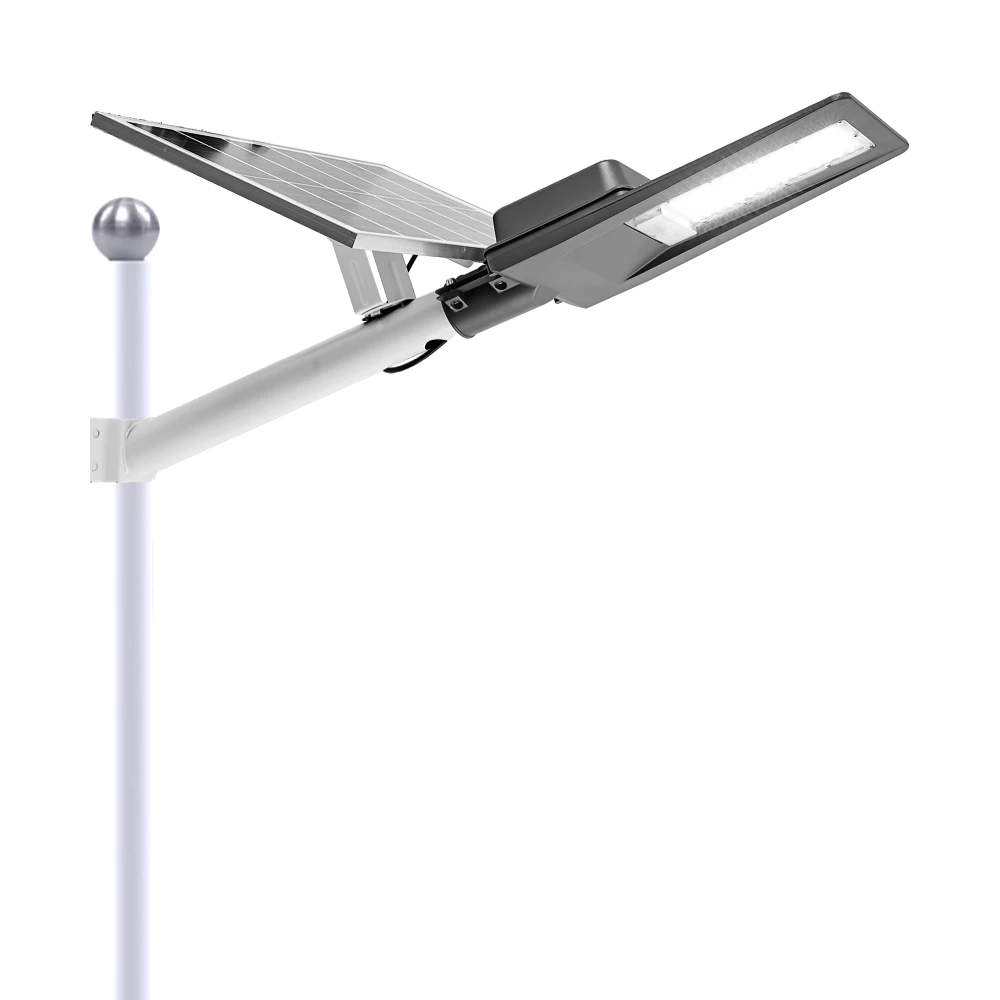
Experience reliable outdoor illumination with our smart solar street light, a perfect combination of advanced technology and eco-conscious design.
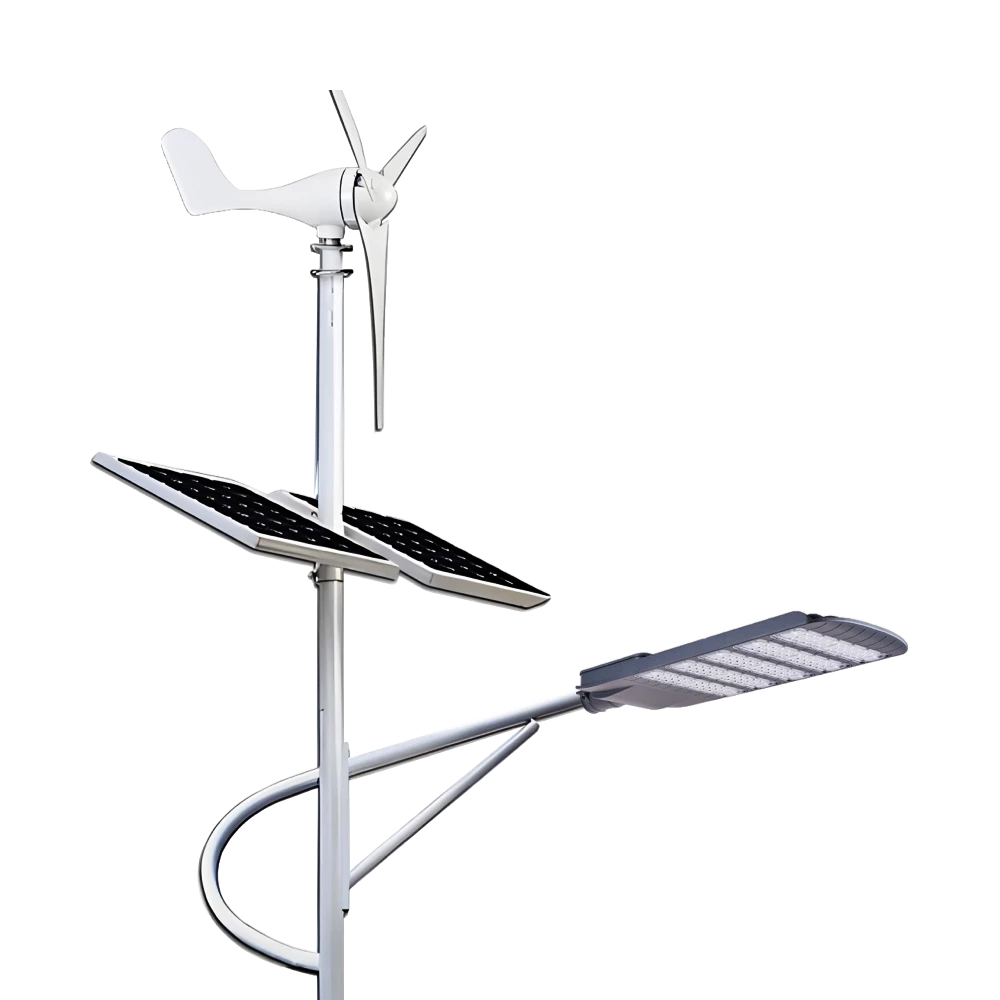
Queneng Lufeng Wind Energy LED Outdoor Solar Street Lights offer high-performance, eco-friendly illumination. These energy-efficient LED street lights harness solar power and wind energy for sustainable, cost-effective outdoor lighting solutions.
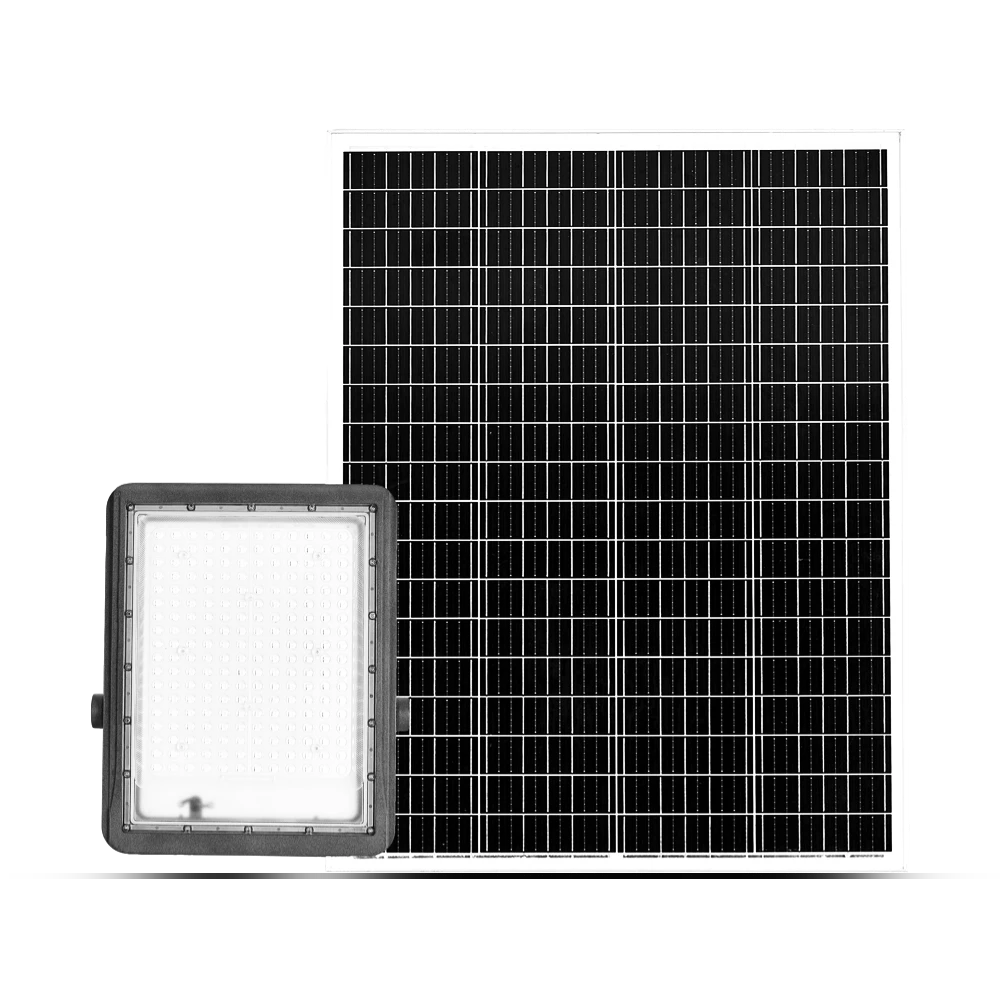
Queneng's Luxian Reliable Solar Street Light offers energy-saving LED lighting for outdoor use. This durable, solar-powered street light provides reliable illumination, reducing energy costs and environmental impact. A perfect solution for sustainable outdoor lighting.
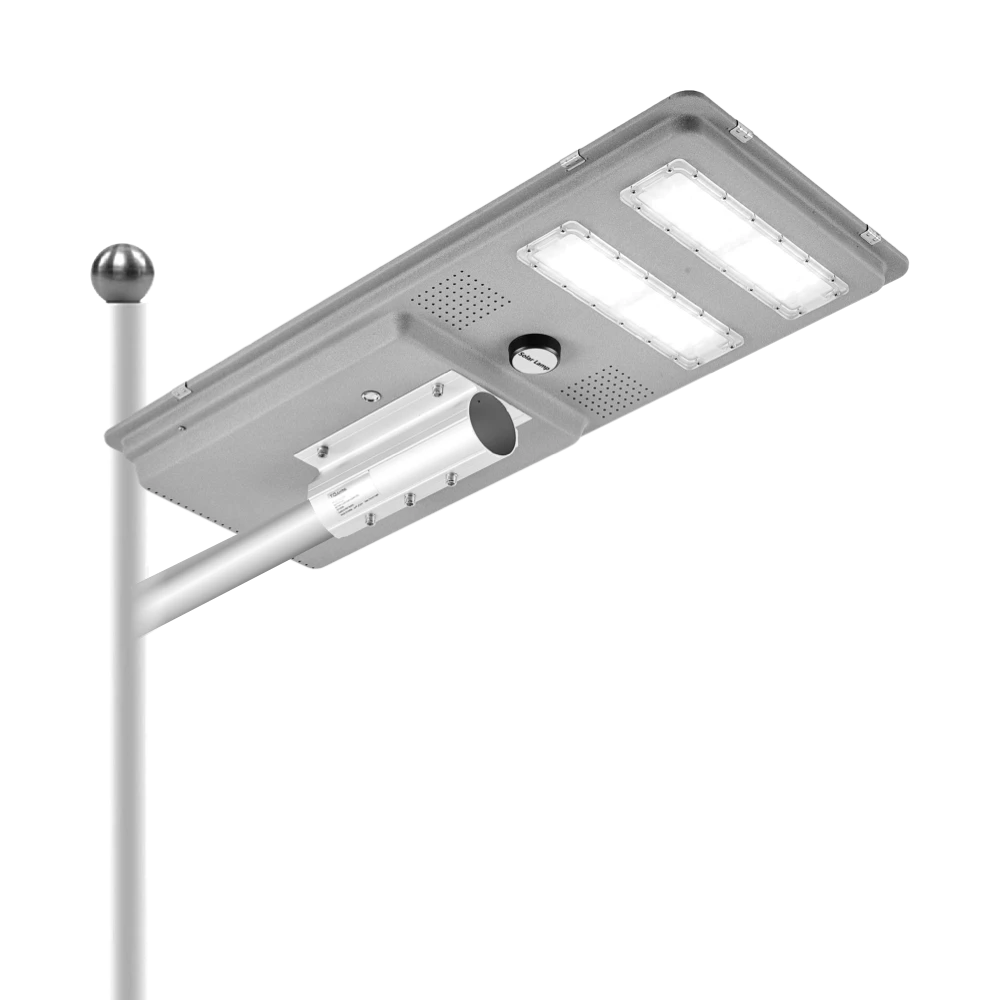
Queneng’s Solar Street Lights are designed to provide reliable, energy-efficient lighting for streets, parks, and other outdoor spaces.
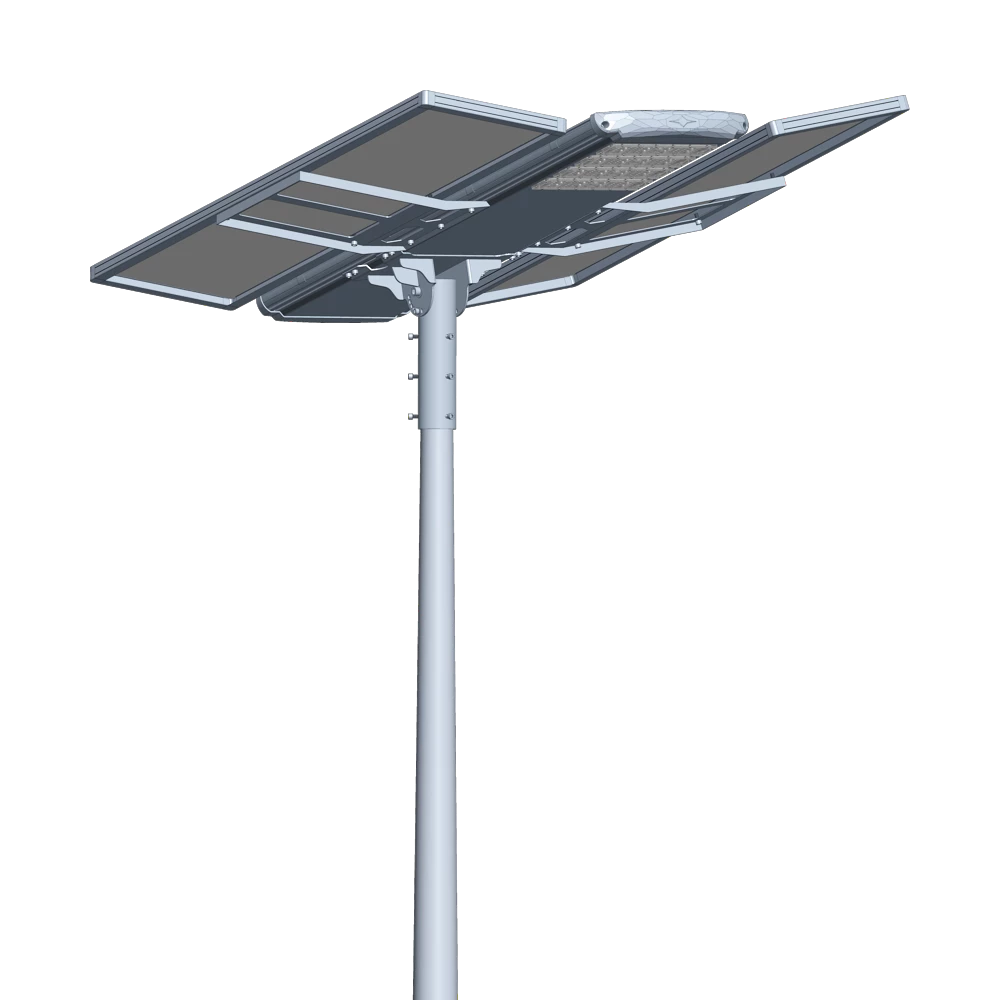
Introducing the Luqing Solar Street Light by Queneng, Efficient LED lighting powered by solar energy is perfect for illuminating outdoor areas. Harness the power of solar energy for sustainable, reliable street lighting. Ideal for eco-friendly, cost-effective outdoor illumination solutions.
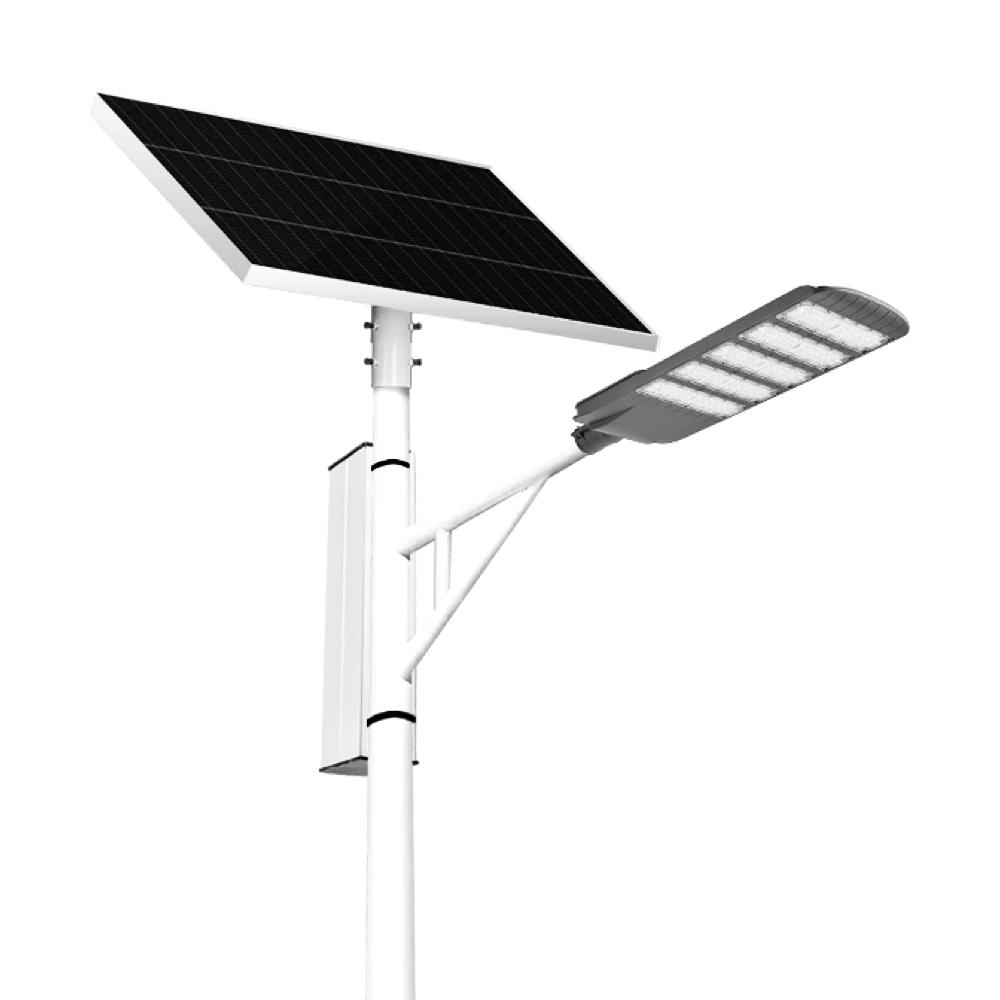
The Solar Streetlights of Luhao for Municipalities are designed to deliver reliable, energy-efficient, and cost-effective public lighting solutions. Equipped with advanced LED technology, durable lithium batteries, and high-efficiency solar panels, these streetlights provide consistent illumination for roads, parks, residential areas, and government projects.
If you would like more information about Queneng solar lighting solutions, please send us a message by filling out the form below. Our professional team will get back to you within 24 hours!
Rest assured that your privacy is important to us, and all information provided will be handled with the utmost confidentiality.
Schedule a Meeting
Book a date and time that is convenient for you and conduct the session in advance.
Have more questions about our products or services?
The messenger of light & power conversion
Environmental protection and intelligent manufacturing are our brand philosophy, and quality assurance and the best user experience are our eternal promises to users.
CONTACT
No.9F, Building F, Cao San Xin Tian Hong Logistics Park, Guzhen Town, Zhongshan City, Guangdong Province, China.
or write [email protected]
WhatsApp: +86 136 2270 1011


