














What's the average cost for a high-quality solar light?
Demystifying Solar Street Light Costs: A Professional Procurement Guide for Split Systems
As the demand for sustainable and energy-efficient lighting solutions grows, solar street lights have become a preferred choice for municipalities, businesses, and industrial applications worldwide. For professional procurement managers, understanding the intricacies of these systems, especially split solar street lights, is crucial to making informed, cost-effective, and high-quality investments. This guide addresses your most pressing questions regarding cost, quality, and selection.
What is the average cost of a high-quality split solar street light, and what factors influence it?
The cost of a high-quality split solar street light system can vary significantly, typically ranging from $800 to $2,500 USD per unit, excluding installation, for commercial-grade systems. Larger, higher-wattage, or custom-engineered solutions for demanding applications could exceed this range. This is considerably higher than basic all-in-one units (which might start from $150-$500) due to their enhanced performance, durability, and larger component sizes.
Several critical factors influence this cost:
- Wattage/Lumen Output: Higher brightness (measured in lumens or wattage of the LED fixture) requires larger solar panels and battery capacities, increasing the cost.
- Battery Capacity and Type: Lithium Iron Phosphate (LiFePO4) batteries are the industry standard for high-quality systems due to their superior lifespan and performance. Larger capacity batteries (measured in Wh or Ah) provide longer autonomy (days of backup power during cloudy weather) but are more expensive.
- Solar Panel Efficiency and Size: Monocrystalline silicon panels are more efficient (typically 19-23%) and thus more costly per watt than polycrystalline. Larger panel wattage is needed for higher power output and faster charging, directly impacting price.
- Controller Technology: Maximum Power Point Tracking (MPPT) controllers are more efficient and sophisticated than PWM controllers, leading to better charging and battery life but adding to the cost.
- Pole Material and Height: The pole itself represents a significant portion of the cost. Galvanized steel or aluminum alloy poles, especially for higher mounting heights (6-12 meters), require robust engineering and material.
- LED Chip Quality: Reputable LED chips (e.g., Philips, Cree, Osram) offer higher luminous efficacy, longer lifespan, and better color rendering, but come at a High Quality.
- Smart Features: Motion sensors (PIR), dimming capabilities, remote monitoring, and smart city integration add to the system's complexity and cost.
- Brand and Warranty: Established manufacturers with strong R&D, quality control, and comprehensive warranties typically command higher prices but offer greater reliability and peace of mind.
Why choose Split Solar Street Lights over All-in-One designs for professional applications?
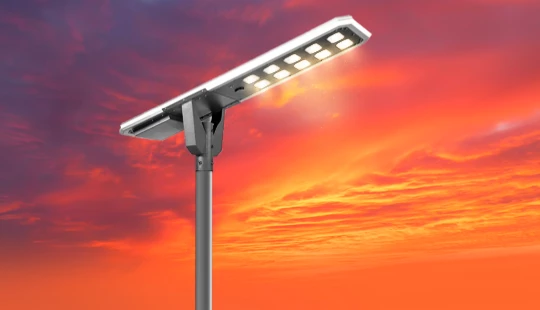
While all-in-one solar street lights offer ease of installation and a compact design, split solar street lights are often the preferred choice for professional, high-performance, and demanding applications due to several distinct advantages:
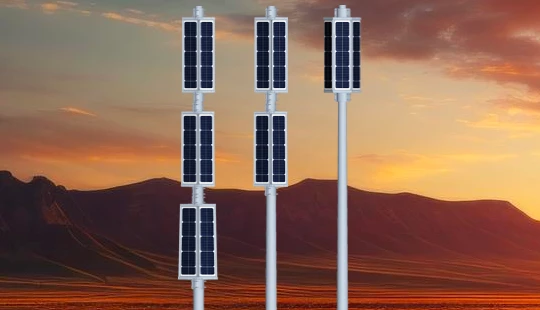
- Optimized Solar Panel Orientation: The solar panel in a split system can be mounted separately from the light fixture, allowing it to be angled precisely towards the sun for maximum solar energy harvesting throughout the day, irrespective of the pole's position. This is crucial for regions with less consistent sunlight or for maximizing efficiency.
- Larger Capacity and Higher Power Output: Split systems can accommodate larger solar panels and battery banks, enabling higher wattage LED fixtures for brighter illumination and extended autonomy days. This is essential for main roads, highways, industrial areas, or applications requiring longer hours of operation.
- Better Heat Dissipation and Battery Longevity: The battery can be housed separately (often at the base of the pole or even underground), protecting it from direct heat exposure from the sun and the LED fixture. High temperatures degrade battery life, so separating components significantly extends the lifespan of the costly battery, especially in hot climates.
- Enhanced Component Replaceability & Maintenance: In split systems, individual components (solar panel, battery, LED fixture) are more accessible and often easier to replace or upgrade independently, simplifying maintenance and extending the overall system's operational life.
- Flexibility in Design: Offers greater flexibility in lighting design, allowing the light fixture to be positioned optimally for illumination while the solar panel captures maximum sunlight.
- Improved Anti-theft Security: Batteries can be installed in secure, lockable enclosures at the base of the pole or underground, reducing the risk of theft compared to batteries integrated into the light head.
What key components define the quality and performance of a solar street light system?
The performance and longevity of a solar street light system are dictated by the quality of its core components:
- Solar Panel: High-efficiency Monocrystalline Silicon panels (typically >19% efficiency) are paramount. They convert more sunlight into electricity per unit area, allowing for smaller panels or greater power generation. Look for certifications like TUV.
- Battery: Lithium Iron Phosphate (LiFePO4) batteries are the gold standard. They offer superior cycle life (2000-5000 cycles at 80% DoD), excellent thermal stability, wider operating temperature range, and are much safer than traditional lead-acid or even other lithium-ion chemistries.
- LED Light Source: High-efficacy LED chips from reputable brands (e.g., Philips Lumileds, Cree, Osram) with a high Lumen/Watt ratio (typically >150lm/W) ensure bright, efficient lighting. Good heat sinks are crucial for LED lifespan.
- Charge Controller: An MPPT (Maximum Power Point Tracking) controller is essential. It optimizes the power output from the solar panel, improving charging efficiency by 15-30% compared to PWM controllers, especially in varying light conditions. It also protects the battery from overcharging, over-discharging, and reverse current.
- Pole and Fixture Housing: Durable materials like hot-dip galvanized steel or aluminum alloy with corrosion-resistant coatings ensure structural integrity and longevity, especially in harsh environments. The fixture should have a high IP rating (e.g., IP65 or IP66) for dust and water resistance.
What is the expected lifespan and maintenance requirement for modern split solar street lights?
Modern, high-quality split solar street lights are designed for long-term, low-maintenance operation:
- LED Light Source: 50,000 to 100,000 hours, equivalent to 10-20 years of typical night-time operation.
- Solar Panel: Typically guaranteed for 20-25 years, maintaining at least 80% of its initial power output.
- LiFePO4 Battery: 5-10 years, depending on charge/discharge cycles, depth of discharge, and environmental conditions. It is the most likely component to require replacement first.
- Charge Controller: 5-10 years, often matching the battery lifespan or longer.
Maintenance: Split solar street lights are inherently low-maintenance. Regular upkeep primarily involves:
- Panel Cleaning: Occasional cleaning of the solar panel surface (every 6-12 months, or more frequently in dusty environments) to ensure optimal sunlight absorption.
- Battery Check/Replacement: Monitoring battery performance and planning for replacement around the 5-10 year mark.
- Visual Inspection: Periodically checking electrical connections, wiring, and pole integrity for any signs of wear or damage.
Compared to grid-tied lighting, the operational and maintenance costs are significantly lower due to the absence of electricity bills and complex underground wiring maintenance.
How can I ensure I'm selecting a reliable Solar Street Light Manufacturer?
Choosing the right manufacturer is paramount for a successful and durable investment. Here's what to look for:
- Industry Experience and Track Record: Opt for manufacturers with several years of experience in solar lighting and a portfolio of successful projects, especially for split systems.
- Certifications: Ensure they hold international quality certifications such as ISO 9001 (Quality Management), CE, RoHS, FCC, and specific product certifications like TUV for solar panels or IEC for general electrical safety. Check the IP rating for the light fixture.
- R&D and Customization Capabilities: A strong R&D team indicates innovation and the ability to tailor solutions to specific project requirements (e.g., specific lumen output, autonomy, pole height, or smart features).
- Quality of Components: Verify they use reputable brands for critical components like LED chips (Philips, Cree), batteries (CATL, BYD, EVE for LiFePO4), and controllers (e.g., Morningstar, EPEVER for MPPT).
- Warranty and After-Sales Support: A robust warranty (e.g., 3-5 years for the overall system, 10-25 years for solar panels, 3-5 years for batteries) and accessible technical support are non-negotiable. Clarify their process for parts replacement or technical assistance.
- Factory Audit/References: If possible, visit their manufacturing facility or request client references to assess their production capabilities and product quality directly.
What are the long-term economic benefits and ROI of investing in split solar street lights?
While the initial investment for high-quality split solar street lights might be higher than traditional grid-tied options, the long-term economic benefits and Return on Investment (ROI) are substantial:
- Zero Electricity Bills: This is the most significant saving. Once installed, solar street lights operate entirely on renewable energy, eliminating recurring energy costs for decades.
- Reduced Installation Costs: For remote areas or new developments, solar lights avoid the high cost and complexity of trenching, cabling, and connecting to the electrical grid, which can often exceed the cost of the light fixture itself.
- Lower Maintenance Costs: As discussed, maintenance is minimal compared to grid-tied systems that might require fault finding in underground cables or frequent lamp replacements.
- Government Incentives and Rebates: Many regions offer incentives, grants, or tax credits for adopting renewable energy solutions, further reducing the overall project cost.
- Environmental Benefits: While not directly economic, the reduced carbon footprint enhances corporate social responsibility (CSR) and can contribute to green building certifications, which may have indirect economic advantages.
- Increased Property Value & Safety: Well-lit areas enhance safety and security, potentially increasing property value and deterring crime, leading to intangible economic benefits.
The payback period for high-quality split solar street lights can range from 3 to 7 years, depending on electricity rates, installation complexity, and government incentives, making them a financially sound long-term investment.
Queneng Lighting: Your Trusted Partner in Solar Street Lighting
At Queneng Lighting, we understand the critical needs of professional buyers seeking reliable, high-performance solar lighting solutions. Our expertise in designing and manufacturing advanced split solar street light systems ensures you receive products built for durability, efficiency, and longevity. We pride ourselves on using top-tier components like high-efficiency monocrystalline solar panels, long-life LiFePO4 batteries, and intelligent MPPT controllers. With strong R&D capabilities, stringent quality control, and comprehensive after-sales support, Queneng Lighting offers customized solutions that meet diverse project requirements, ensuring optimal illumination and maximum ROI for your investment. Choose Queneng Lighting for sustainable, cost-effective, and professional-grade outdoor lighting.

Have more questions about our products or services?
The latest hot news you might like

Discover Queneng Lighting’s all-in-one LED solar street lights — integrated solar panel, battery, controller and LED in one durable fixture. Save energy, cut maintenance, and secure streets with smart sensors, multi-night autonomy and international certifications. Contact sales for quotes and support.

Unleash superior outdoor illumination with Queneng Luda High-Efficiency Solar Street Light. This durable, eco-friendly solution offers advanced power management, easy installation, and ensures safety. Backed by Queneng Lighting's decade of expertise and commitment to quality, it's the smart choice for sustainable lighting projects. Learn why we're a leading solar solutions provider.

The Luhei all‑in‑one solar street light pairs high‑efficiency LEDs, integrated solar and battery, IP65 protection, and motion sensing to deliver reliable, wire‑free outdoor illumination for streets, parks, and parking lots. Backed by Queneng Lighting’s certifications and support.

FAQ
Solar Street Light Luxian
Can Luxian solar street lights function in areas with limited sunlight?
Yes, Luxian solar street lights are designed to function even in areas with limited sunlight. The high-efficiency solar panels are capable of charging the battery during cloudy or overcast conditions, ensuring the lights operate efficiently throughout the night. The large battery storage capacity helps maintain performance in areas with inconsistent sunlight.
Battery Types and Applications
What are the voltages and usage areas of different types of batteries?
Lithium battery 6V camera, etc.
Lithium manganese button battery 3V pocket calculator, watch, remote control equipment, etc.
Silver oxygen button battery 1.5V watches, small clocks, etc.
Carbon manganese round battery 1.5V portable video equipment, cameras, game consoles, etc.
Carbon manganese button battery 1.5V pocket calculator, electric equipment, etc.
Zinc carbon round battery 1.5V alarm, flash light, toys, etc.
Zinc air button battery 1.4V hearing aids, etc.
MnO2 button battery 1.35V hearing aids, cameras, etc.
Nickel-cadmium battery 1.2V power tools, mobile phones, notebooks, emergency lamps, electric bicycles, etc.
Ni-MH battery 1.2V mobile phones, portable cameras, cordless phones, notebooks, household appliances, etc.
Lithium-ion battery 3.6V mobile phones, notebook computers, etc.
Distributors
What kind of marketing and sales support does Queneng provide?
We provide our distributors with a wide range of marketing materials, including brochures, product specs, digital content, and sales guides. Our team also offers training to help you effectively communicate the benefits of our solar lighting solutions.
Solar Street Light Luqiu
How energy-efficient are Luqiu solar street lights?
Luqiu solar street lights are highly energy-efficient, using cutting-edge LED technology that consumes less power while providing brighter illumination compared to conventional street lights. This significantly reduces energy costs and environmental impact.
What is the expected lifespan of a Luqiu solar street light?
Luqiu solar street lights have a long lifespan, with LED lights lasting up to 50,000 hours and solar panels providing reliable power for over 20 years. The batteries typically last 3-5 years, depending on usage and mainten.
Tourist Attractions and Resorts
Are solar lights customizable to match the design of the resort or attraction?
Yes, solar lights come in various designs, colors, and sizes, and can be customized to match the theme or aesthetic of the resort or attraction. This makes them a versatile solution for any outdoor space.
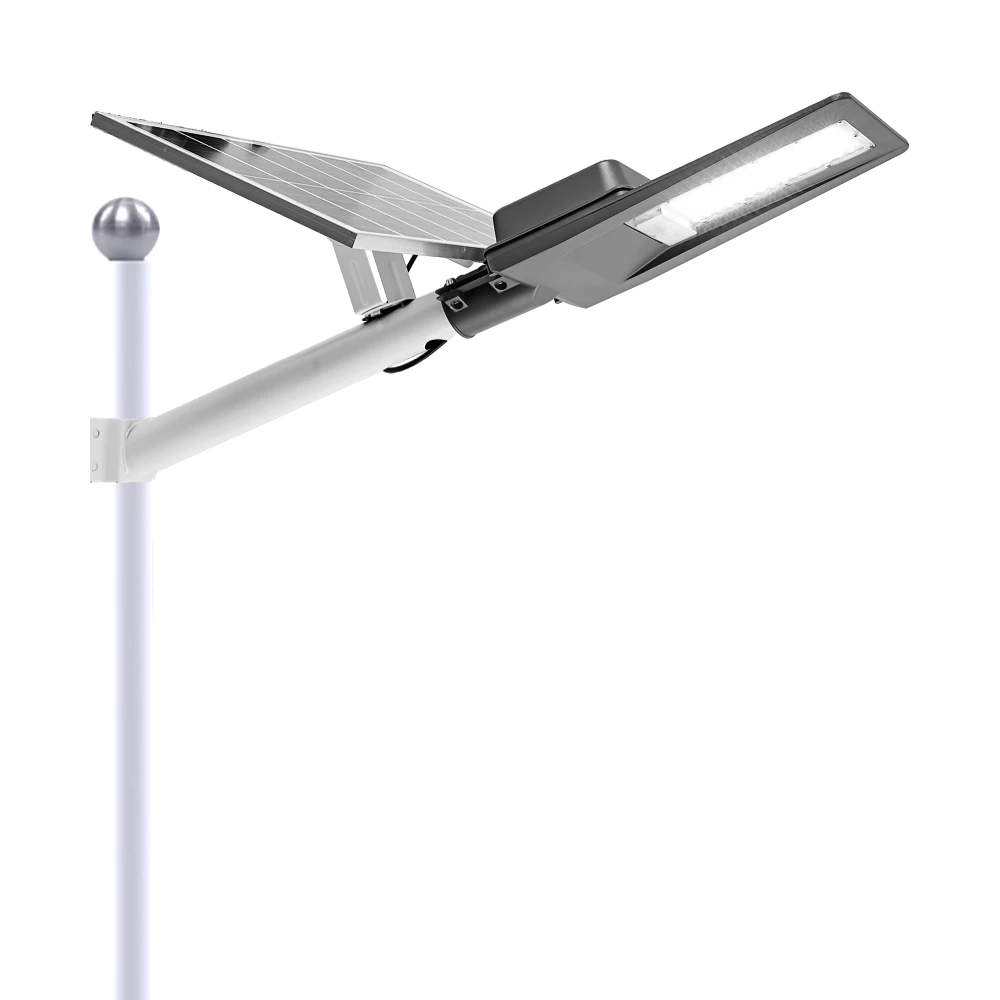
Experience reliable outdoor illumination with our smart solar street light, a perfect combination of advanced technology and eco-conscious design.
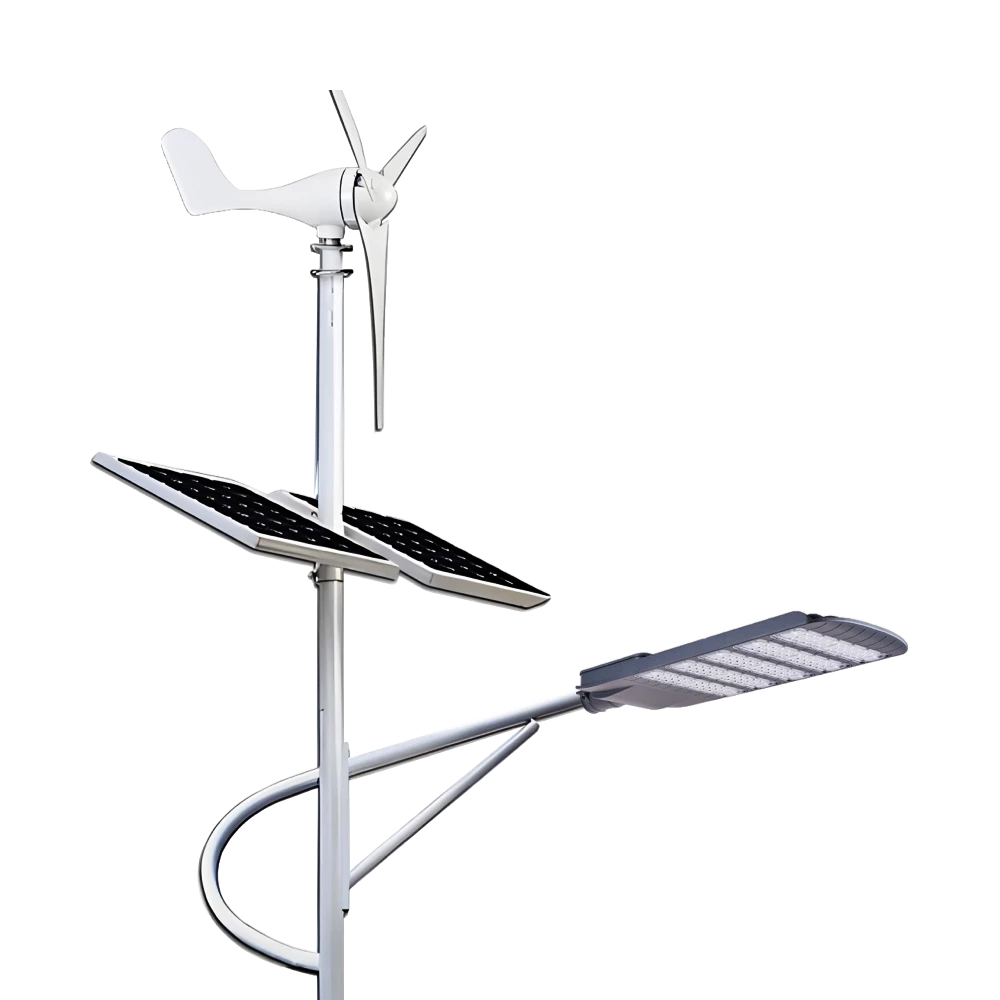
Queneng Lufeng Wind Energy LED Outdoor Solar Street Lights offer high-performance, eco-friendly illumination. These energy-efficient LED street lights harness solar power and wind energy for sustainable, cost-effective outdoor lighting solutions.
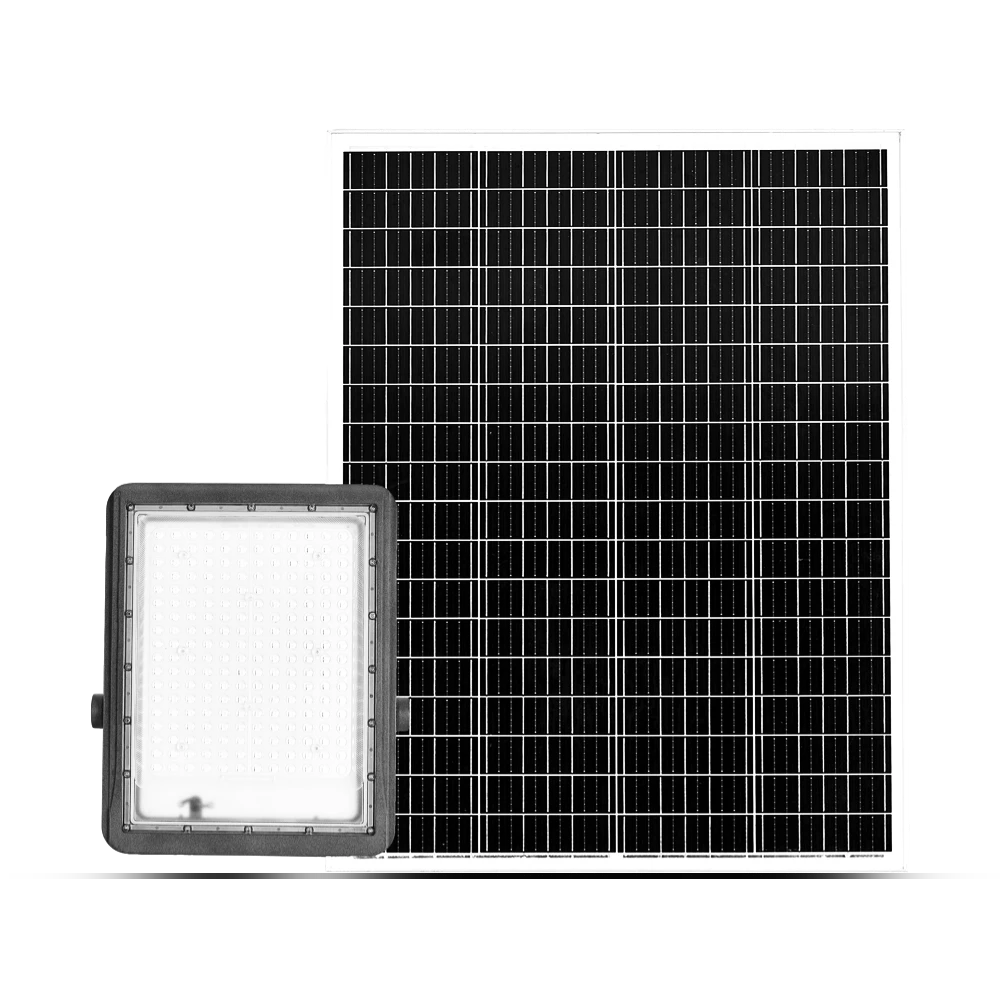
Queneng's Luxian Reliable Solar Street Light offers energy-saving LED lighting for outdoor use. This durable, solar-powered street light provides reliable illumination, reducing energy costs and environmental impact. A perfect solution for sustainable outdoor lighting.
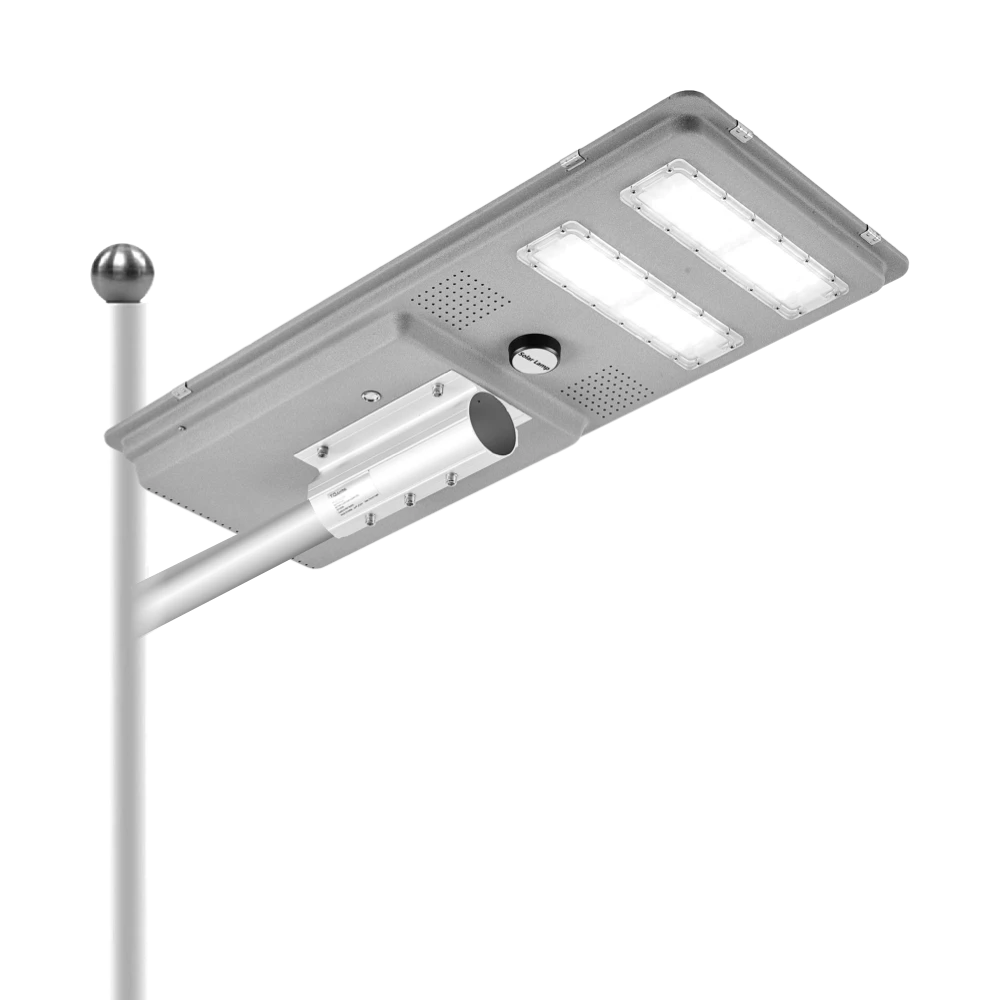
Queneng’s Solar Street Lights are designed to provide reliable, energy-efficient lighting for streets, parks, and other outdoor spaces.
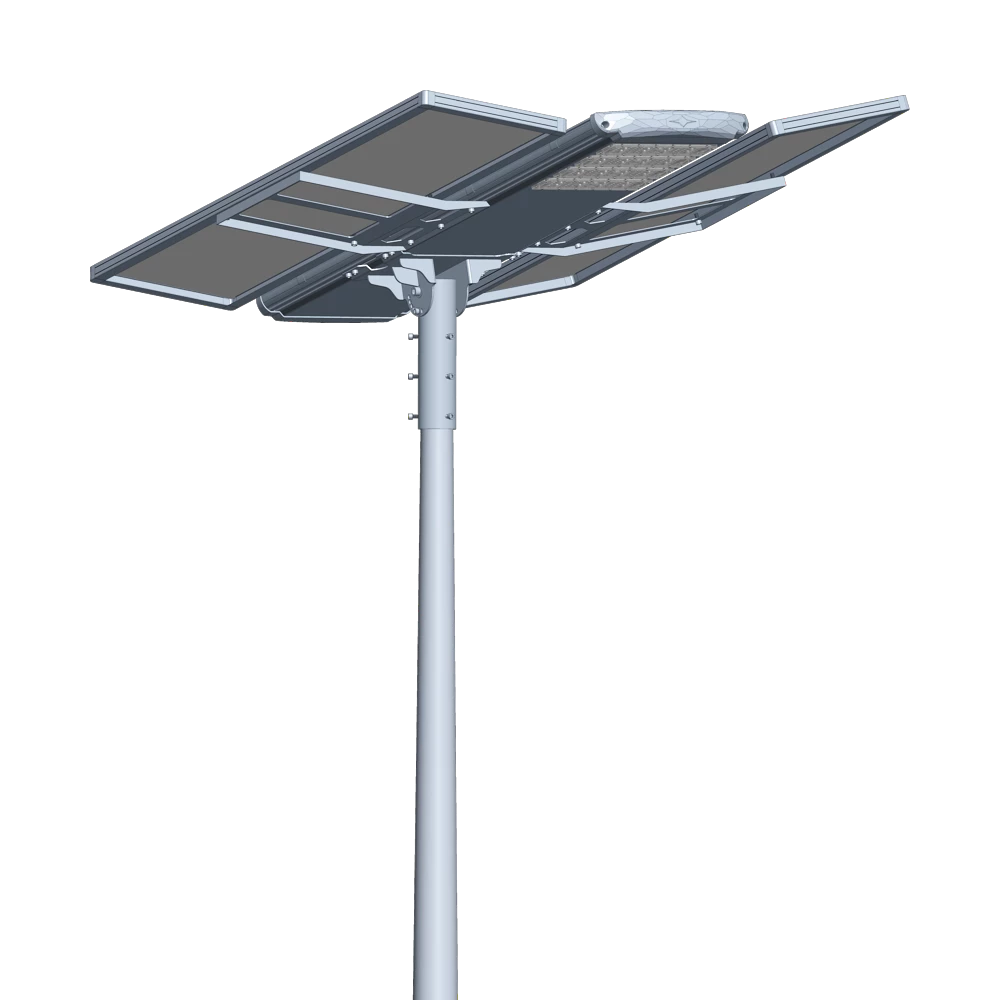
Introducing the Luqing Solar Street Light by Queneng, Efficient LED lighting powered by solar energy is perfect for illuminating outdoor areas. Harness the power of solar energy for sustainable, reliable street lighting. Ideal for eco-friendly, cost-effective outdoor illumination solutions.
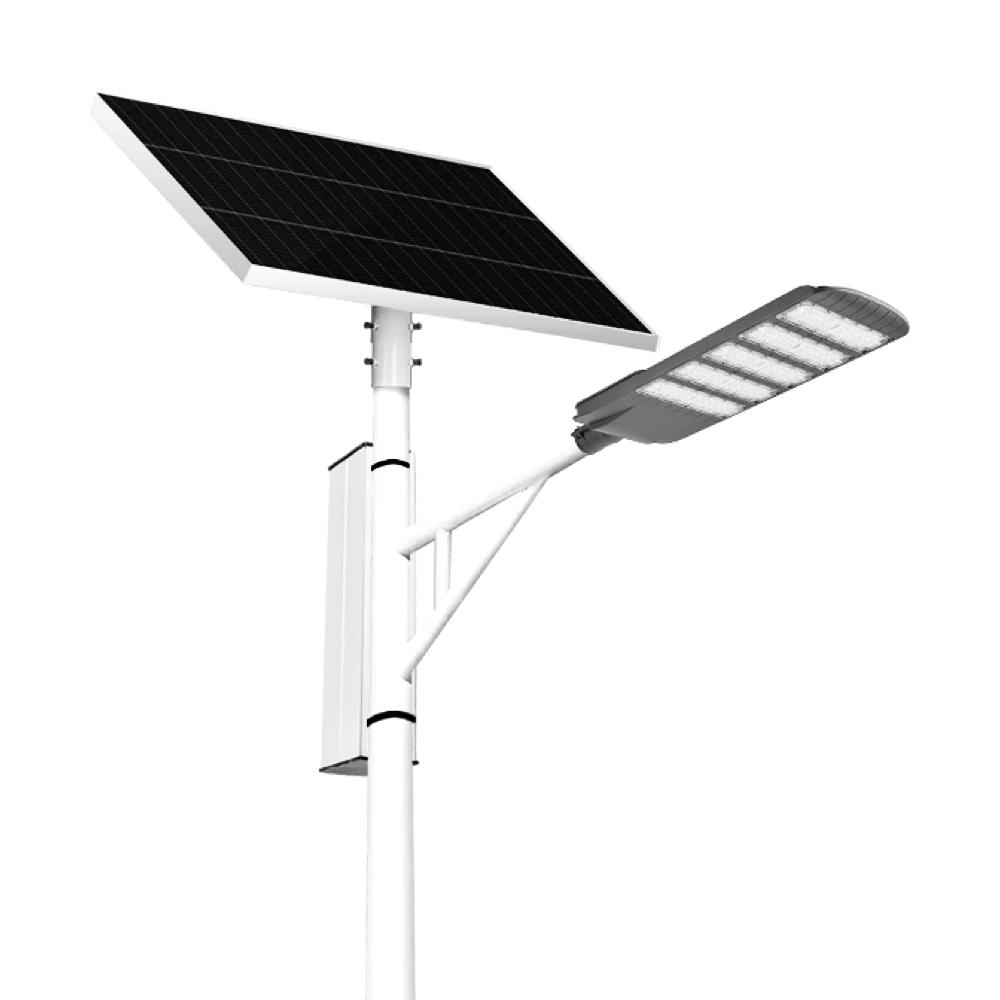
The Solar Streetlights of Luhao for Municipalities are designed to deliver reliable, energy-efficient, and cost-effective public lighting solutions. Equipped with advanced LED technology, durable lithium batteries, and high-efficiency solar panels, these streetlights provide consistent illumination for roads, parks, residential areas, and government projects.
If you would like more information about Queneng solar lighting solutions, please send us a message by filling out the form below. Our professional team will get back to you within 24 hours!
Rest assured that your privacy is important to us, and all information provided will be handled with the utmost confidentiality.
Schedule a Meeting
Book a date and time that is convenient for you and conduct the session in advance.
Have more questions about our products or services?
The messenger of light & power conversion
Environmental protection and intelligent manufacturing are our brand philosophy, and quality assurance and the best user experience are our eternal promises to users.
CONTACT
No.9F, Building F, Cao San Xin Tian Hong Logistics Park, Guzhen Town, Zhongshan City, Guangdong Province, China.
or write [email protected]
WhatsApp: +86 136 2270 1011


