














What innovations are coming from top solar manufacturers?
Mastering Procurement: Your Expert Guide to Split Solar Street Lights
The global shift towards sustainable infrastructure has placed solar street lighting at the forefront of urban development. For procurement professionals, understanding the nuances of these systems, particularly the robust and versatile split solar street lights, is paramount. This guide will delve into the critical aspects of purchasing, from cost drivers and technical specifications to cutting-edge innovations and manufacturer selection, ensuring your projects are illuminated efficiently and reliably.
The True Cost of Solar Street Lights: Beyond the Price Tag
When evaluating the cost of solar street light systems, it's essential to look beyond the initial purchase price. For split solar street lights, several factors influence the total investment:
- System Components: The wattage of the LED lamp, the capacity and type of battery (LiFePO4 being the High Quality choice), the size and efficiency of the solar panel (monocrystalline typically higher cost but better performance), and the intelligence of the charge controller (MPPT vs. PWM).
- Pole and Mounting Structure: Height, material (galvanized steel preferred for longevity), wind load resistance, and aesthetic design all contribute. Split systems often require more robust poles to accommodate separate panel mounting.
- Installation Complexity: While split systems offer greater flexibility in panel placement, their installation can be more involved than integrated units due to separate components requiring wiring and mounting.
- Smart Features: IoT connectivity, remote monitoring, adaptive dimming, and motion sensors add to the cost but significantly enhance efficiency and management.
- Brand and Warranty: Reputable manufacturers offering extended warranties and robust after-sales support typically have higher price points, reflecting superior quality and reliability.
- Quantity: Bulk purchases often come with volume discounts, reducing the per-unit cost.
On average, a high-quality split solar street light system for commercial applications (e.g., 60W LED, 8-10m pole) can range from $500 to $2500+ per unit, excluding installation, depending on specifications and features.
Split vs. All-in-One: Why Choose a Split Solar Street Light System?
The market offers two primary configurations: All-in-One Solar Street Lights (integrated) and Split Solar Street Lights. While all-in-one units are simpler to install, split systems offer distinct advantages for specific project requirements:
- Optimal Solar Exposure: The separated solar panel in a split system can be angled and oriented independently of the lamp, maximizing solar energy capture, especially in regions with less consistent sunlight or specific environmental obstructions. This is crucial for ensuring reliable power generation.
- Enhanced Heat Dissipation: Separating the battery, controller, and LED lamp from the solar panel allows for better heat management. This is particularly important for the battery's longevity, as excessive heat can significantly degrade its performance and lifespan.
- Larger Capacity: Split systems can accommodate larger solar panels and battery banks, enabling higher wattage lamps, longer backup times, and more robust performance in demanding conditions or critical applications.
- Greater Flexibility: Ideal for applications requiring higher power output, diverse pole heights, or where the optimal solar charging location differs from the desired lighting location.
- Improved Maintenance: Components can often be serviced or replaced individually, which can be more cost-effective in the long run for complex issues.
For projects prioritizing longevity, maximum performance in challenging environments, and design flexibility, split solar street lights are often the superior choice.
Decoding Quality: Essential Components and Specifications for Split Systems
A high-performing split solar street light system is defined by the quality and specifications of its individual components:
- Solar Panel: Look for high-efficiency monocrystalline silicon panels (typically 18-22% efficiency) that offer higher power output per square meter compared to polycrystalline. Ensure sufficient wattage (Wp) to charge the battery even on cloudy days.
- Battery: Lithium Iron Phosphate (LiFePO4) batteries are the industry standard due to their long cycle life (2000-4000 cycles, 7-10 years), safety, stable discharge performance, and tolerance to a wider temperature range compared to lead-acid. Specify capacity in Amp-hours (Ah) and voltage (V).
- LED Lamp: High luminous efficacy (lumens per watt, typically >150 lm/W for modern LEDs), appropriate Color Correlated Temperature (CCT, e.g., 3000K warm white to 6000K cool white), and a high Color Rendering Index (CRI >70) for clear visibility. Quality LED chips (Cree, Philips, Osram) are crucial.
- Charge Controller: A Maximum Power Point Tracking (MPPT) controller is vital. MPPT technology can increase charging efficiency by 15-30% over simpler PWM controllers, especially in variable weather conditions. It also provides crucial protection against overcharging, over-discharging, and short circuits, extending battery life.
- Pole & Fixture: Hot-dip galvanized steel, often with powder coating, for corrosion resistance. Wind load rating (e.g., 100-160 km/h) to ensure stability in adverse weather.
- Cables & Connectors: UV-resistant, waterproof (IP67 rated) cables and connectors ensure reliable electrical connections and prevent degradation over time.
Pioneering the Future: Innovations from Top Solar Manufacturers
The solar street lighting industry is dynamic, with top solar manufacturers continually pushing boundaries. Key innovations shaping the future include:
- Advanced Battery Management Systems (BMS): Integrated BMS in LiFePO4 batteries optimizes charging/discharging, balances cells, and provides thermal management, significantly extending battery life and safety.
- IoT and Smart City Integration: Remote monitoring and control platforms allow operators to manage entire networks of solar street lights from a central dashboard. This includes real-time performance tracking, adaptive dimming based on traffic, fault detection, and predictive maintenance scheduling.
- Higher Efficiency Solar Cells: Ongoing advancements in photovoltaic technology lead to more compact and efficient solar panels, generating more power from smaller footprints.
- Adaptive Lighting Algorithms: Intelligent controllers now use AI to learn local weather patterns and traffic flows, automatically adjusting lighting schedules and intensity to optimize energy consumption and battery autonomy.
- Modular Design: Easier replacement of individual components (LED module, battery pack, controller) simplifies maintenance and upgrades, reducing total cost of ownership.
- Self-Cleaning Panels: Hydrophobic coatings or automated cleaning mechanisms are emerging to minimize dust and dirt accumulation, maintaining optimal panel efficiency in dusty environments.
Selecting Your Partner: How to Choose a Reliable Solar Street Light Manufacturer
Choosing the right Solar Street Light Manufacturer is crucial for project success. Consider the following:
- Experience and Track Record: Look for manufacturers with a proven history in large-scale projects and a strong portfolio of successful installations in diverse climatic conditions.
- Certifications and Quality Control: Ensure adherence to international standards like ISO 9001 (quality management), CE, RoHS, and specific IP ratings (IP65/IP66 for outdoor use). Robust in-house quality control processes are vital.
- R&D Capabilities: A manufacturer committed to innovation and R&D ensures they are at the forefront of technology, offering cutting-edge and future-proof solutions.
- Customization and Design Flexibility: The ability to tailor systems to specific project requirements (e.g., pole height, power output, backup days) is a significant advantage, especially for split systems.
- Warranty and After-Sales Support: A comprehensive warranty (3-5 years for the system, 10-25 years for panels) and readily available technical support and spare parts are non-negotiable.
- Production Capacity & Lead Time: Assess their ability to meet your project timelines and deliver consistent quality for large orders.
Longevity and Low-Maintenance: Understanding Lifespan and Service
One of the key advantages of solar street lights is their low maintenance, but understanding component lifespans is vital for long-term planning:
- LED Fixture: High-quality LEDs have an operational lifespan of 50,000 to 100,000 hours, translating to 10-20 years of typical night-time use.
- Solar Panel: Performance warranties typically guarantee 80% power output after 20-25 years. Physical lifespan can exceed 25 years.
- LiFePO4 Battery: With proper charging/discharging cycles (e.g., 50-70% Depth of Discharge), LiFePO4 batteries can last 7-10 years, sometimes longer. Environmental temperature significantly impacts this.
- Charge Controller: Generally designed for a lifespan of 5-10 years.
- Pole & Fixture: Hot-dip galvanized poles can last 20-30 years with minimal corrosion, depending on environmental factors.
Routine maintenance typically involves annual cleaning of solar panels to ensure maximum sunlight absorption and occasional checks of connections. Battery replacement is the most significant scheduled maintenance item, usually occurring after 7-10 years.
Securing Your Investment: Warranty and After-Sales Support
A robust warranty and reliable after-sales support are critical for de-risking your investment in solar street lights. Reputable manufacturers should offer:
- Comprehensive System Warranty: Typically 3-5 years covering the entire light fixture, battery, and controller.
- Extended Solar Panel Warranty: Often 10-12 years for material defects and 20-25 years for power output degradation.
- Battery Warranty: Specific warranties for LiFePO4 batteries, typically 3-5 years, often tied to cycle life.
- Technical Support: Access to expert assistance for installation, troubleshooting, and system optimization.
- Spare Parts Availability: Assurance that spare components will be available throughout the product's expected lifespan.
- Installation Guidance: Detailed manuals and, in some cases, on-site or remote assistance for complex projects.
Always review warranty terms thoroughly, including coverage, duration, and the process for claims.
Queneng Lighting: Your Partner for Superior Solar Street Lighting Solutions
At Queneng Lighting, we understand the complexities of modern solar street lighting projects. Our commitment to excellence is reflected in our robust split solar street light systems, designed for optimal performance, durability, and minimal maintenance. We leverage the latest innovations, including high-efficiency monocrystalline solar panels, long-life LiFePO4 batteries with advanced BMS, and intelligent MPPT controllers. Our extensive R&D ensures we deliver cutting-edge solutions, from smart IoT integration to customizable designs tailored to your specific project needs. With stringent quality control, comprehensive warranties, and dedicated after-sales support, Queneng Lighting stands as a reliable Solar Street Light Manufacturer, providing sustainable and cost-effective lighting solutions that illuminate your future.
References
- Solar Energy Industries Association (SEIA). (Latest available data on solar panel efficiency and lifespan). https://www.seia.org/ (Accessed: 2024-05-20)
- U.S. Department of Energy. (Information on LED lifespan and efficiency). https://www.energy.gov/ (Accessed: 2024-05-20)
- Battery University. (Details on LiFePO4 battery characteristics and cycle life). https://batteryuniversity.com/ (Accessed: 2024-05-20)
- MPPT Solar Charge Controller Benefits (Various industry articles and manufacturer specifications). (Accessed: 2024-05-20)
- Smart City initiatives and IoT in lighting (Various industry reports and technology news sites). (Accessed: 2024-05-20)

Have more questions about our products or services?
The latest hot news you might like

Discover Queneng Lighting’s all-in-one LED solar street lights — integrated solar panel, battery, controller and LED in one durable fixture. Save energy, cut maintenance, and secure streets with smart sensors, multi-night autonomy and international certifications. Contact sales for quotes and support.

Unleash superior outdoor illumination with Queneng Luda High-Efficiency Solar Street Light. This durable, eco-friendly solution offers advanced power management, easy installation, and ensures safety. Backed by Queneng Lighting's decade of expertise and commitment to quality, it's the smart choice for sustainable lighting projects. Learn why we're a leading solar solutions provider.

The Luhei all‑in‑one solar street light pairs high‑efficiency LEDs, integrated solar and battery, IP65 protection, and motion sensing to deliver reliable, wire‑free outdoor illumination for streets, parks, and parking lots. Backed by Queneng Lighting’s certifications and support.

FAQ
Commercial and Industrial Parks
How does solar lighting work in industrial parks?
Solar lights use photovoltaic panels to convert sunlight into electricity, stored in batteries, to power LED lamps at night.
Battery and Analysis
What is an external short circuit and what effect does it have on battery performance?
Solar Street Light Luhui
Can Luhui solar street lights be used in areas with limited sunlight?
Yes, Luhui solar street lights are equipped with high-efficiency solar panels that can charge even in low light conditions, providing reliable illumination, even in areas with limited or intermittent sunlight.
Municipal and Public Infrastructure
How long does installation typically take?
Solar streetlights are quick and easy to install since they don't require wiring. On average, a single light can be installed within 1-2 hours.
Schools and Educational Institutions
Do solar lights work year-round, even during winter?
Yes, solar lights can work year-round, even in winter. However, in areas with heavy snow, it’s important to ensure the solar panels are clear of snow for optimal performance.
Sustainability
What is the wind resistance rating of Queneng solar street lights?
Our solar street lights are rigorously tested and can withstand wind speeds of up to 120 km/h. For areas with particularly strong winds, we offer customized solutions to enhance wind resistance.
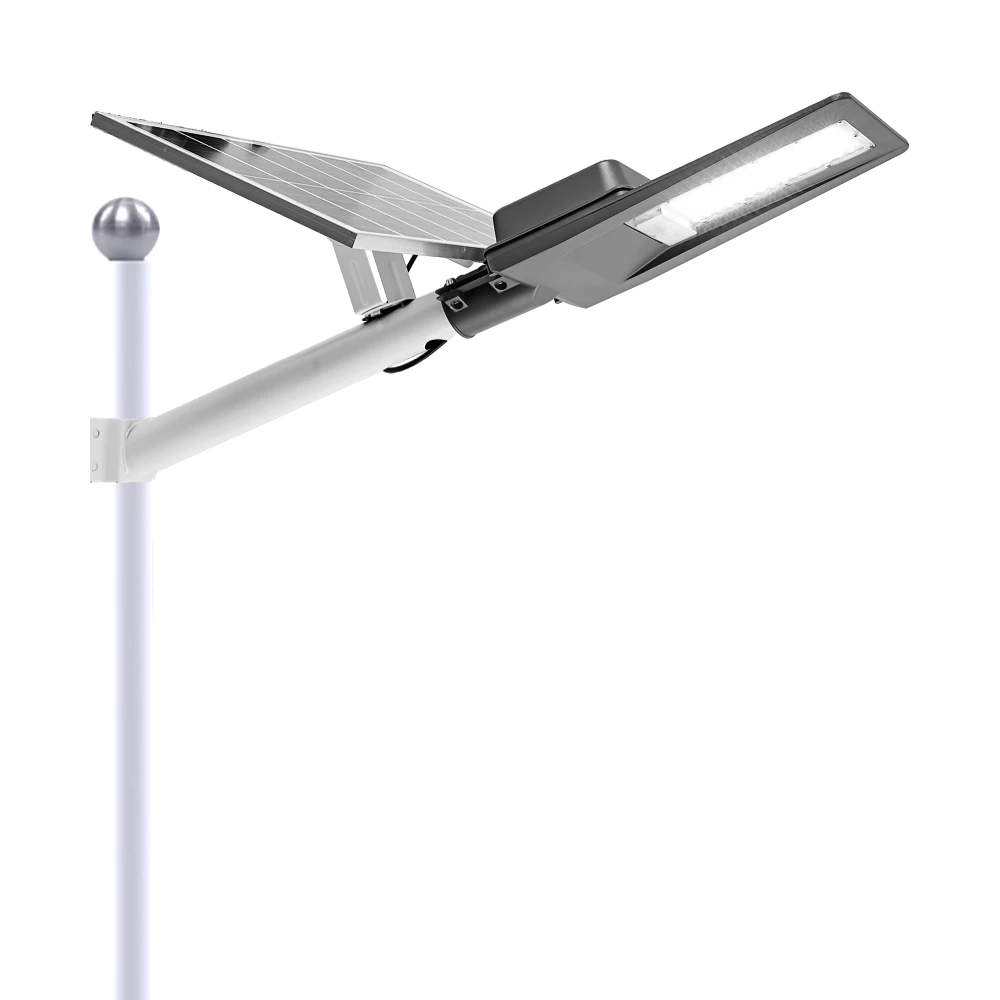
Experience reliable outdoor illumination with our smart solar street light, a perfect combination of advanced technology and eco-conscious design.
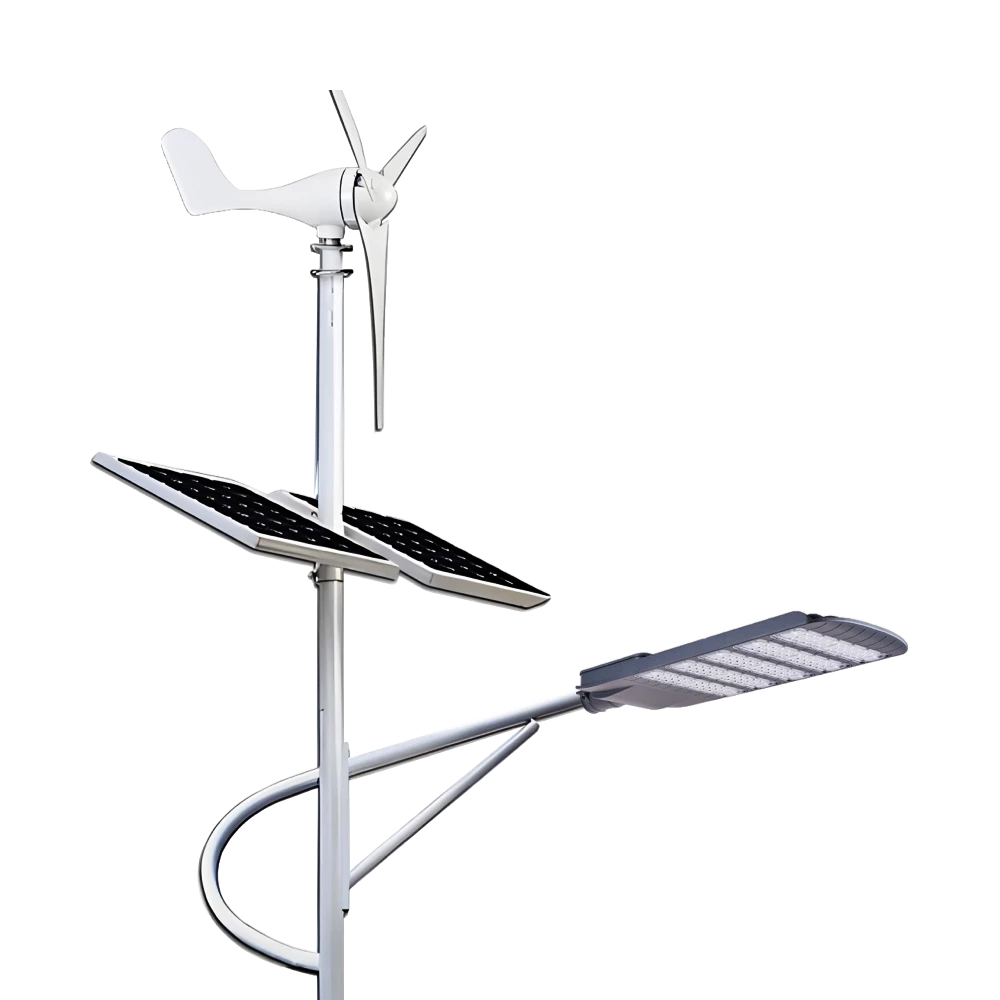
Queneng Lufeng Wind Energy LED Outdoor Solar Street Lights offer high-performance, eco-friendly illumination. These energy-efficient LED street lights harness solar power and wind energy for sustainable, cost-effective outdoor lighting solutions.
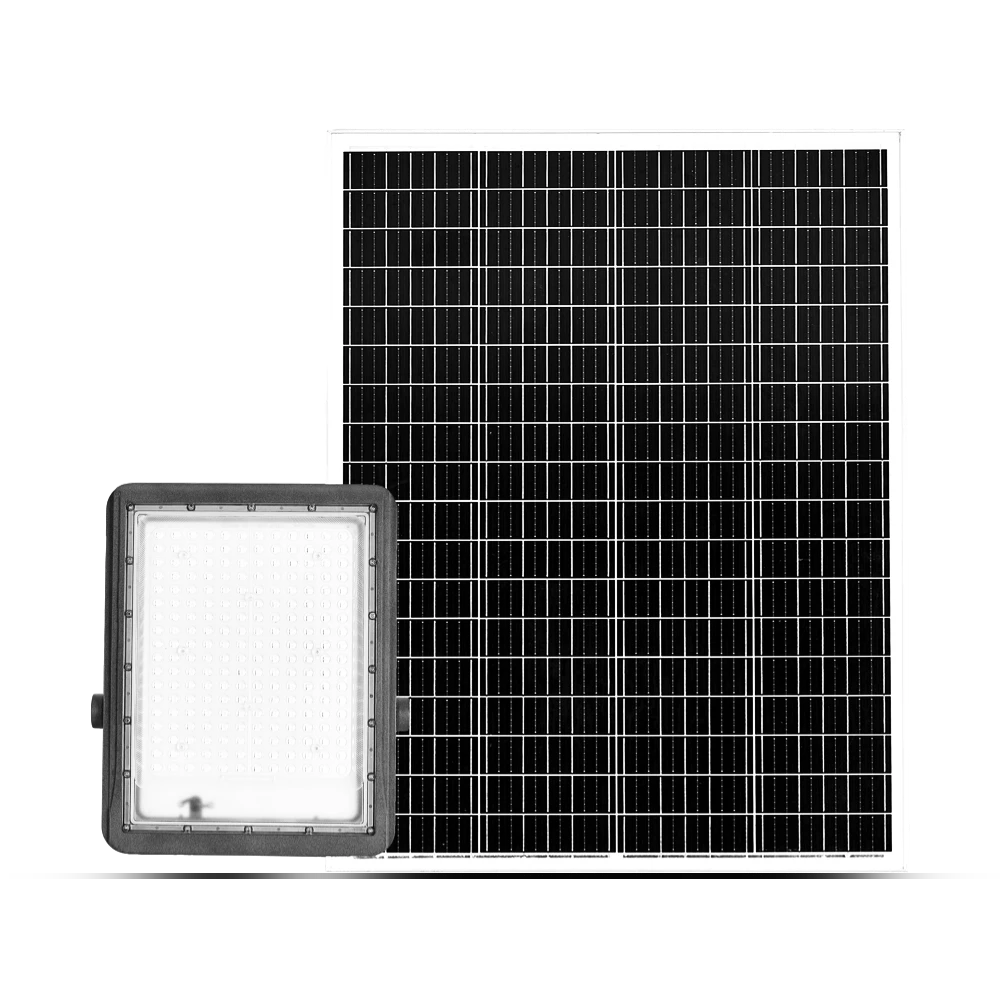
Queneng's Luxian Reliable Solar Street Light offers energy-saving LED lighting for outdoor use. This durable, solar-powered street light provides reliable illumination, reducing energy costs and environmental impact. A perfect solution for sustainable outdoor lighting.
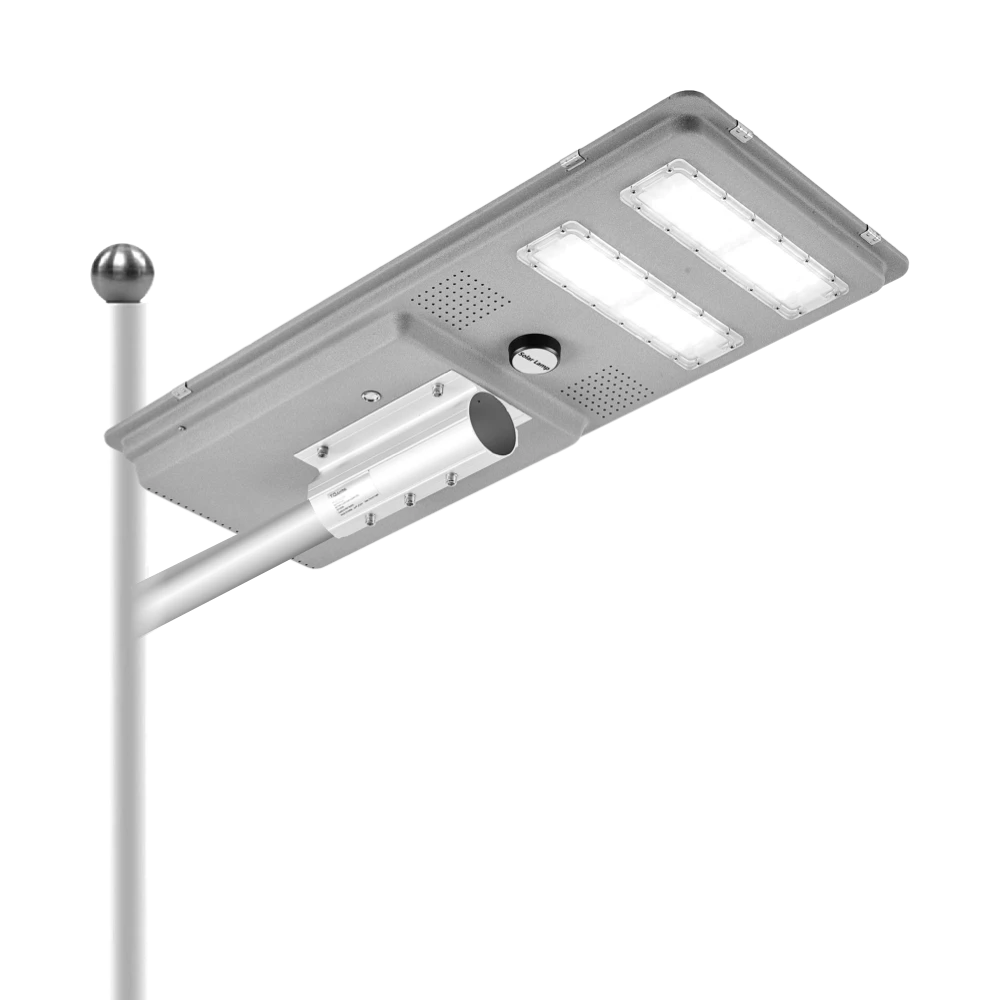
Queneng’s Solar Street Lights are designed to provide reliable, energy-efficient lighting for streets, parks, and other outdoor spaces.
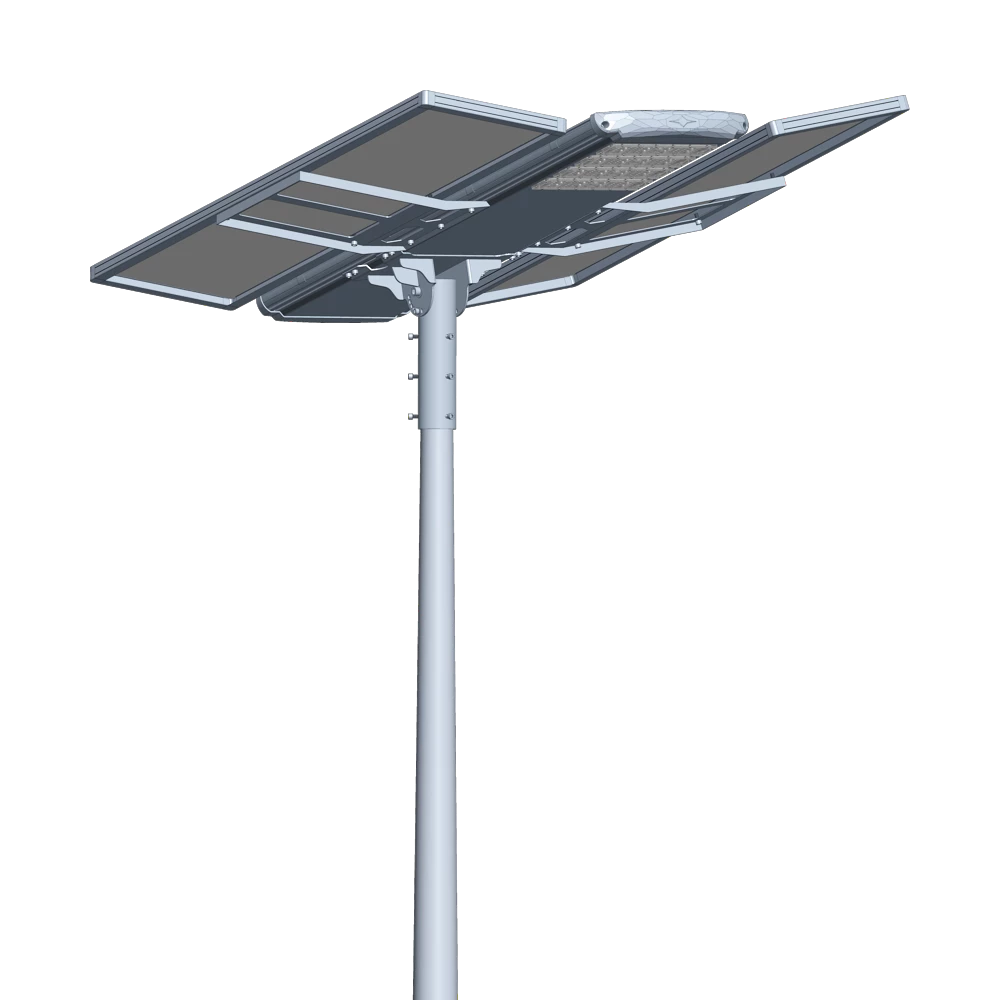
Introducing the Luqing Solar Street Light by Queneng, Efficient LED lighting powered by solar energy is perfect for illuminating outdoor areas. Harness the power of solar energy for sustainable, reliable street lighting. Ideal for eco-friendly, cost-effective outdoor illumination solutions.
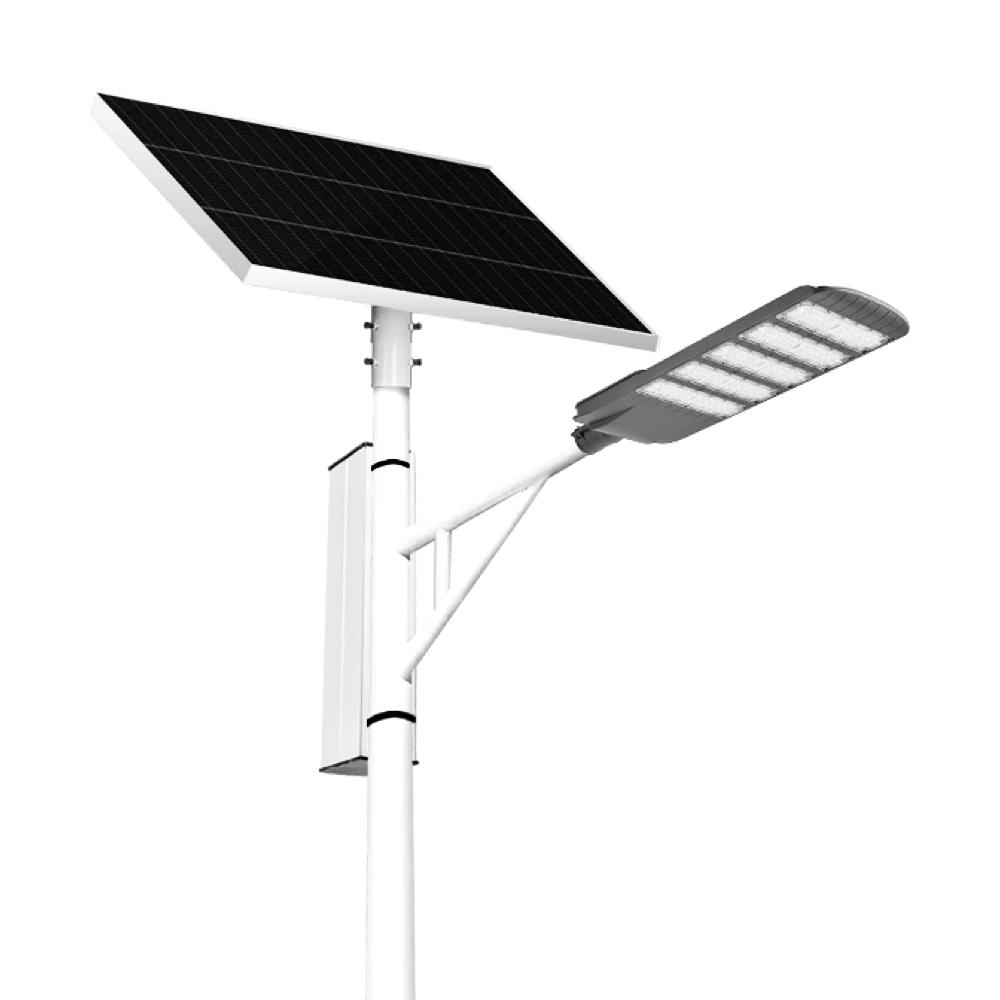
The Solar Streetlights of Luhao for Municipalities are designed to deliver reliable, energy-efficient, and cost-effective public lighting solutions. Equipped with advanced LED technology, durable lithium batteries, and high-efficiency solar panels, these streetlights provide consistent illumination for roads, parks, residential areas, and government projects.
If you would like more information about Queneng solar lighting solutions, please send us a message by filling out the form below. Our professional team will get back to you within 24 hours!
Rest assured that your privacy is important to us, and all information provided will be handled with the utmost confidentiality.
Schedule a Meeting
Book a date and time that is convenient for you and conduct the session in advance.
Have more questions about our products or services?
The messenger of light & power conversion
Environmental protection and intelligent manufacturing are our brand philosophy, and quality assurance and the best user experience are our eternal promises to users.
CONTACT
No.9F, Building F, Cao San Xin Tian Hong Logistics Park, Guzhen Town, Zhongshan City, Guangdong Province, China.
or write [email protected]
WhatsApp: +86 136 2270 1011


