

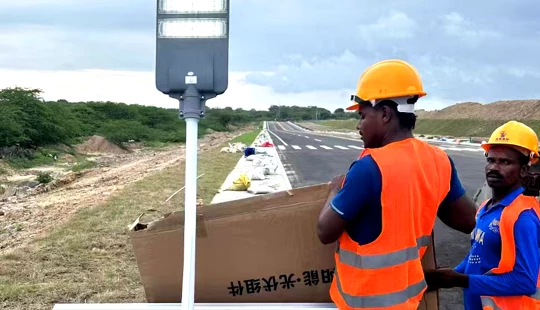
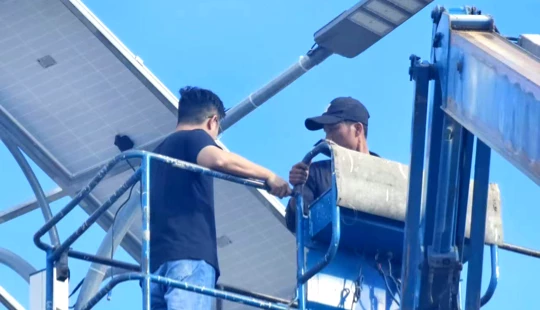













How do manufacturers handle large-scale bulk orders?
Understanding Solar Street Light Procurement: Costs, Types, and Manufacturers
What Factors Influence the Cost of Solar Street Lights, and What's a Typical Price Range?
The cost of solar street lights varies significantly based on several key factors. These include the wattage of the LED fixture, the capacity and type of battery (LiFePO4 being the High Quality and most common choice today), the efficiency of the solar panel, the height and material of the pole, and integrated smart features like PIR motion sensors, IoT connectivity, and dimming capabilities.
- LED Wattage & Lumens: Higher lumen output (brighter light) requires more power, increasing costs.
- Battery Type & Capacity: LiFePO4 batteries offer longer lifespan (8-10 years) and better performance in varying temperatures compared to older lead-acid options, making them more expensive upfront but more cost-effective long-term. Capacity (Ah or Wh) determines autonomy days (how long it can operate without sun).
- Solar Panel: Monocrystalline panels are more efficient and compact, contributing to higher costs but better performance. Panel size is dictated by system power requirements and local solar insolation.
- Pole: Material (galvanized steel, aluminum), height, and design (e.g., decorative vs. standard utility) significantly impact the overall cost.
- Controller: MPPT (Maximum Power Point Tracking) controllers are more efficient than PWM (Pulse Width Modulation), optimizing charging and discharging.
- Smart Features: Integration of motion sensors, IoT modules for remote monitoring and control, and programmed dimming schedules add to the sophistication and cost.
Typical Price Ranges:
- Small Residential/Pathway Lights (10-30W LED): $150 - $400 USD per unit.
- Medium Commercial/Street Lights (40-80W LED): $400 - $900 USD per unit.
- Large Industrial/Highway Lights (100W+ LED): $900 - $2,500+ USD per unit, especially with custom poles and advanced features.
These prices are approximate for the fixture itself, excluding installation costs, which can vary regionally. Bulk orders typically receive significant discounts.
All-in-One vs. Split Solar Street Lights: Which is Right for Your Project?
Choosing between All-in-One (integrated) and Split (separated) solar street lights depends heavily on project requirements, budget, and environmental conditions.
- All-in-One Solar Street Lights:
- Design: Solar panel, LED lamp, battery, and controller are integrated into a single compact unit.
- Advantages: Extremely easy and quick installation, lower installation costs, sleek aesthetic, reduced wiring complexity. Ideal for smaller-scale projects, pathways, parks, and residential areas where uniform, moderate lighting is sufficient.
- Disadvantages: Less flexibility in panel angling (fixed on the lamp), potential for battery heating issues in extreme climates (though modern designs mitigate this), generally limited to lower to medium power outputs.
- Split Solar Street Lights:
- Design: Solar panel, battery box, and LED lamp head are separate components, connected by cables.
- Advantages: Greater flexibility for optimal solar panel orientation (maximizing sun exposure), allows for larger battery capacities and higher power LED lights, better heat management for batteries (can be installed underground or on the pole lower down), more robust for heavy-duty applications and challenging environments. Suitable for main roads, highways, industrial zones, and areas requiring high lumen output and extended autonomy.
- Disadvantages: Higher installation costs due to separate component mounting and wiring, more complex installation process, may require more pole space.
For most standard street lighting applications, All-in-One units are gaining popularity due to their ease of deployment. However, for critical infrastructure, high-power requirements, or specific environmental challenges, split solar street light systems often provide a more reliable and customizable solution.
What Are the Key Considerations When Choosing a Reliable Solar Street Light Manufacturer?
Selecting the right manufacturer is crucial for the success and longevity of your solar street light project. Key considerations include:
- Experience and Reputation: Look for manufacturers with a proven track record (e.g., 5+ years in the industry), positive customer reviews, and a strong portfolio of completed projects.
- Product Quality and Certifications: Ensure products meet international standards (CE, RoHS, IEC, ISO 9001). Inquire about component quality (e.g., Bridgelux/Philips LEDs, LiFePO4 batteries, MPPT controllers) and rigorous testing procedures.
- R&D Capabilities and Innovation: A manufacturer invested in R&D is more likely to offer cutting-edge technology, improved efficiency, and smart features.
- Customization Options: For large projects, the ability to customize pole height, LED wattage, battery capacity, and even design elements is highly valuable.
- Warranty and After-Sales Support: A comprehensive warranty (typically 3-5 years for the entire system, longer for specific components like LEDs) and accessible technical support are essential for peace of mind and long-term maintenance.
- Production Capacity and Lead Times: Especially important for bulk orders; verify their ability to meet your delivery schedule without compromising quality.
- Global Presence and Logistics: Manufacturers with international experience can better handle global shipping, customs, and offer regional support.
How Do Manufacturers Handle Large-Scale Bulk Orders for Solar Street Lights Effectively?
Managing large-scale bulk orders requires a structured approach from manufacturers to ensure quality, timely delivery, and client satisfaction.
- Dedicated Project Management: Reputable manufacturers assign a dedicated project manager to act as a single point of contact, overseeing all aspects from initial consultation to delivery.
- Customization and Design Support: For bulk orders, manufacturers often work closely with clients to tailor specifications (e.g., lumen output, autonomy days, pole design, smart features) to exact project requirements. This may include photometric analysis to ensure optimal lighting design.
- Scalable Production Facilities: Leading manufacturers operate large, efficient production lines capable of high-volume output while maintaining consistent quality control. This often involves automated processes and skilled labor.
- Rigorous Quality Control (QC):
- Incoming Material Inspection: All raw materials and components are checked for quality before entering production.
- In-Process Inspection: Regular checks at each stage of assembly to identify and rectify issues early.
- Final Product Testing: Every finished unit undergoes comprehensive testing (e.g., aging tests, waterproof tests, photometric tests, battery performance checks) to ensure it meets specifications and reliability standards. For large orders, batch testing protocols are common.
- Efficient Logistics and Shipping: Manufacturers coordinate with reliable freight forwarders for sea or air cargo, managing customs documentation, packaging, and loading to ensure safe and timely delivery to the specified port or site. They typically offer various incoterms (EXW, FOB, CIF, DDP).
- Flexible Payment Terms: For bulk orders, payment schedules often involve an initial deposit (e.g., 30%), with the balance paid upon completion or before shipment, depending on the agreed terms and client relationship.
- Post-Sales Support: Continued technical support, spare parts availability, and warranty claims handling are crucial for long-term project success.
What Are the Latest Technological Advancements in Solar Street Lighting I Should Look For?
The solar street light industry is continually evolving, driven by demands for higher efficiency, intelligence, and reliability. Key advancements include:
- High-Efficiency Mono-Crystalline Solar Panels: Delivering better energy conversion rates, allowing for smaller panel sizes or greater power output. Latest panels often exceed 21-22% efficiency.
- Long-Life LiFePO4 Batteries: These lithium iron phosphate batteries are now standard due to their extended lifespan (8-10 years), superior thermal stability, faster charging, and deeper discharge cycles compared to older battery chemistries.
- Smart MPPT Charge Controllers: Maximizing power harvesting from solar panels, these controllers are now more sophisticated, integrating advanced battery management systems (BMS) for protection and optimized charging.
- IoT and Remote Monitoring Systems: Many advanced solar street lights can be integrated into a central management system (CMS) via IoT modules (e.g., LoRaWAN, 4G/5G). This allows for remote monitoring of status, performance, fault detection, and dimming control, significantly reducing maintenance costs.
- Adaptive Lighting with PIR/Microwave Sensors: Lights can dim down when no activity is detected and brighten upon sensing movement, conserving energy and extending battery life, especially in low-traffic areas.
- Modular Design: Facilitating easier maintenance and component replacement, extending the overall product lifespan.
- Advanced Thermal Management for LEDs: Ensuring optimal operating temperatures for LED chips, which is crucial for maintaining lumen output and extending LED lifespan (50,000 to 100,000 hours).
What Kind of Warranty and After-Sales Support Can I Expect from a Reputable Manufacturer?
A strong warranty and comprehensive after-sales support are indicators of a manufacturer's confidence in their product and commitment to customer satisfaction.
- Warranty Period:
- Entire System: Typically 3 to 5 years for the complete solar street light system (LED, solar panel, battery, controller, pole).
- Key Components: Some manufacturers offer extended warranties on specific high-value components, such as 5-10 years for LED chips and solar panels, and 3-7 years for LiFePO4 batteries.
- Pole: Often 10-25 years against structural defects, depending on material and finish.
- Warranty Coverage: Should cover defects in materials and workmanship under normal use and service.
- After-Sales Support:
- Technical Assistance: Access to technical experts for troubleshooting, installation guidance, and operational advice.
- Spare Parts Availability: Assurance of readily available replacement parts for the lifespan of the product.
- RMA Process: A clear Return Merchandise Authorization (RMA) process for defective products, including repair or replacement policies.
- On-site Support: For very large projects, some manufacturers might offer on-site technical support or commissioning services, though this is less common and usually an add-on.
Always review the warranty terms and conditions carefully before making a purchase.
What is the Typical Lifespan of Solar Street Lights and Their Components?
The overall lifespan of a solar street light system is determined by the longevity of its individual components. Reputable manufacturers design systems for long-term performance.
- LED Light Source: High-quality LED chips (e.g., Philips, Bridgelux, Osram) have an operational lifespan of 50,000 to 100,000 hours (L70 rating, meaning 70% of initial lumen output). In practical terms, this translates to 10-20 years of typical night-time operation.
- Solar Panel: Monocrystalline solar panels are designed to last 20-25 years or even longer, with a guaranteed power output degradation rate (e.g., 80% output after 25 years).
- Battery: LiFePO4 batteries, which are standard in modern systems, typically offer 2,000-4,000 charge/discharge cycles, translating to an expected lifespan of 8-10 years, sometimes more, depending on environmental conditions and depth of discharge.
- Controller: Solar charge controllers are robust electronic components, generally expected to last 5-10 years, similar to the battery.
- Pole: A properly galvanized steel or aluminum pole can last 20-30 years or more, resisting corrosion and structural fatigue.
While individual components have varying lifespans, the battery is often the first major component requiring replacement in a solar street light system. Regular maintenance, such as cleaning solar panels, can help maximize the system's overall lifespan and performance.
Queneng Lighting: Your Partner in Sustainable Illumination
As a leading solar street light manufacturer, Queneng Lighting excels in delivering high-quality, reliable, and innovative lighting solutions. We leverage advanced R&D and stringent quality control to produce both All-in-One and Split solar street lights that meet diverse project needs. Our commitment to using High Quality components like high-efficiency solar panels, long-life LiFePO4 batteries, and smart MPPT controllers ensures exceptional performance and longevity. For large-scale bulk orders, we offer comprehensive project management, extensive customization options, efficient production, and robust after-sales support, making us the ideal partner for your next sustainable lighting endeavor. Choose Queneng Lighting for expertise, reliability, and superior illumination.
References:
- Solar Panel Lifespan: National Renewable Energy Laboratory (NREL) - https://www.nrel.gov/pv/lifetime-degradation. (Accessed: October 26, 2023)
- LiFePO4 Battery Lifespan: Battery University (Cadex) - https://batteryuniversity.com/article/bu-808-how-to-prolong-lithium-based-batteries (Accessed: October 26, 2023)
- LED Lifespan: U.S. Department of Energy, Energy Efficiency & Renewable Energy - https://www.energy.gov/energysaver/led-lighting (Accessed: October 26, 2023)
- General Industry Cost & Technology Trends: Various B2B solar lighting industry reports and manufacturer specifications (e.g., Alibaba, Made-in-China supplier data, industry blogs) (Accessed: October 2023)

Have more questions about our products or services?
The latest hot news you might like

Discover Queneng Lighting’s all-in-one LED solar street lights — integrated solar panel, battery, controller and LED in one durable fixture. Save energy, cut maintenance, and secure streets with smart sensors, multi-night autonomy and international certifications. Contact sales for quotes and support.

Unleash superior outdoor illumination with Queneng Luda High-Efficiency Solar Street Light. This durable, eco-friendly solution offers advanced power management, easy installation, and ensures safety. Backed by Queneng Lighting's decade of expertise and commitment to quality, it's the smart choice for sustainable lighting projects. Learn why we're a leading solar solutions provider.

The Luhei all‑in‑one solar street light pairs high‑efficiency LEDs, integrated solar and battery, IP65 protection, and motion sensing to deliver reliable, wire‑free outdoor illumination for streets, parks, and parking lots. Backed by Queneng Lighting’s certifications and support.

FAQ
Battery and Analysis
What conditions are best for batteries to be stored under?
Theoretically, there is always energy loss when a battery is stored. The inherent electrochemical structure of the battery determines that battery capacity will inevitably be lost, mainly due to self-discharge. Usually the size of self-discharge is related to the solubility of the cathode material in the electrolyte and its instability after heating (easy to self-decompose). Rechargeable batteries have a much higher self-discharge than primary batteries.
Solar Street Light Luyan
What makes Luyan solar street lights eco-friendly?
Luyan solar street lights are eco-friendly because they use renewable solar energy, reducing reliance on fossil fuels and minimizing carbon emissions. The lights are powered by solar panels, and the energy-efficient LEDs ensure lower power consumption, making them a sustainable lighting solution for outdoor areas.
Solar Street Light Lufei
Can solar street lights be connected to the electrical grid?
Most solar street lights are designed to operate independently of the electrical grid, but some models offer hybrid systems that allow for grid connection as a backup during extended periods of low sunlight.
Municipal and Public Infrastructure
What happens if the battery runs out of charge?
Our solar streetlights use advanced battery management systems to optimize energy usage. Even during prolonged cloudy or rainy periods, the lights can function at reduced brightness to conserve energy.
OEM&ODM
What is the lead time for OEM production?
15–25 working days depending on order volume and customization level.
Battery Types and Applications
Why do fuel cells have great development potential?
1) High efficiency. Because the chemical energy of the fuel is directly converted into electrical energy without thermal energy conversion in the middle, the conversion efficiency is not limited by the thermodynamic Carnot cycle; because there is no conversion of mechanical energy, mechanical transmission losses can be avoided, and the conversion efficiency does not depend on the size of the power generation. And change, so the fuel cell has higher conversion efficiency;
2) Low noise and low pollution. In the process of converting chemical energy into electrical energy, the fuel cell has no mechanical moving parts, but the control system has some small moving parts, so it is low-noise. In addition, fuel cells are low-pollution energy sources. Taking phosphoric acid fuel cells as an example, the sulfur oxides and nitrogen compounds they emit are two orders of magnitude lower than the U.S. regulations;
3) Strong adaptability. Fuel cells can use various hydrogen-containing fuels, such as methane, methanol, ethanol, biogas, petroleum gas, natural gas and synthetic gas, etc. The oxidant is inexhaustible air. Fuel cells can be made into standard components with a certain power (such as 40 kilowatts), assembled into different powers and types according to the user's needs, and installed in the most convenient place for the user. If necessary, it can also be installed into a large power station and used in connection with the conventional power supply system, which will help regulate the power load;
4) Short construction period and easy maintenance. After the industrial production of fuel cells is established, various standard components of power generation devices can be continuously produced in factories. It is easy to transport and can be assembled on-site at the power station. Some people estimate that the maintenance required for a 40-kilowatt phosphoric acid fuel cell is only 25% of that of a diesel generator of the same power.
Because fuel cells have so many advantages, both the United States and Japan attach great importance to its development.
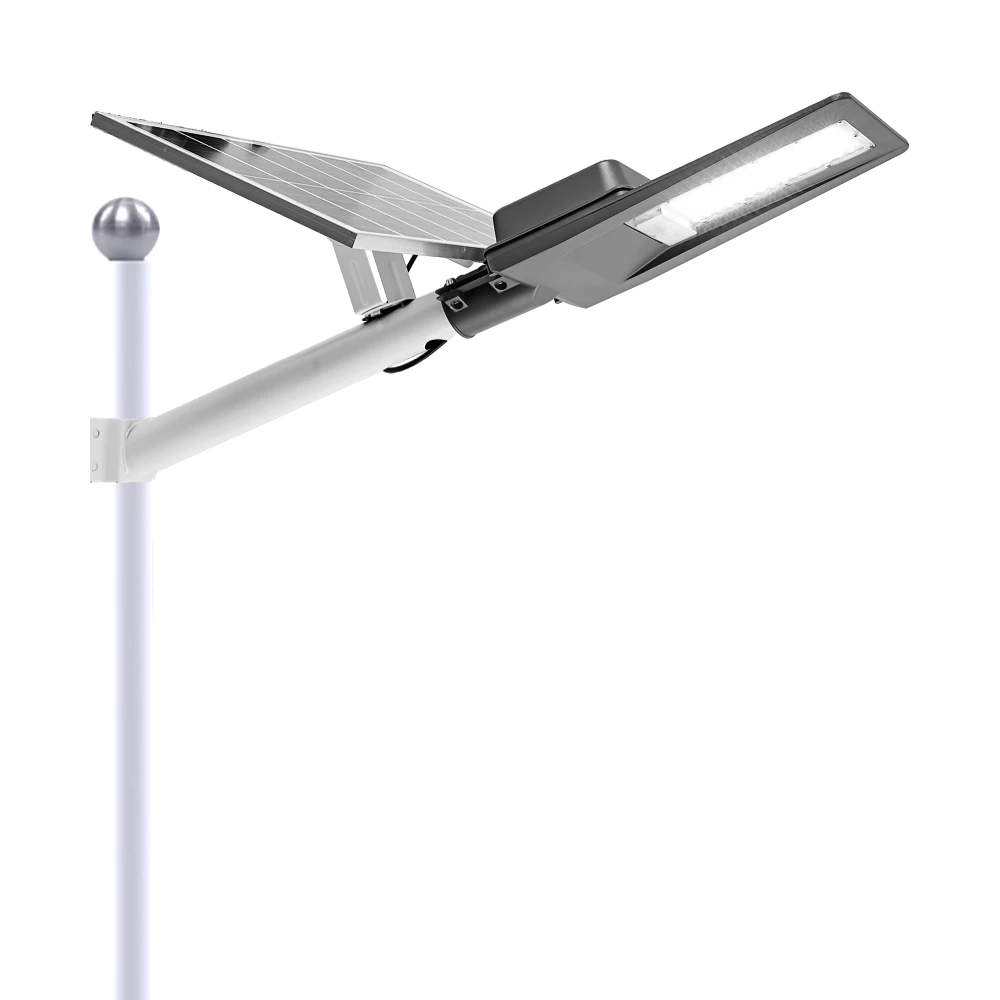
Experience reliable outdoor illumination with our smart solar street light, a perfect combination of advanced technology and eco-conscious design.
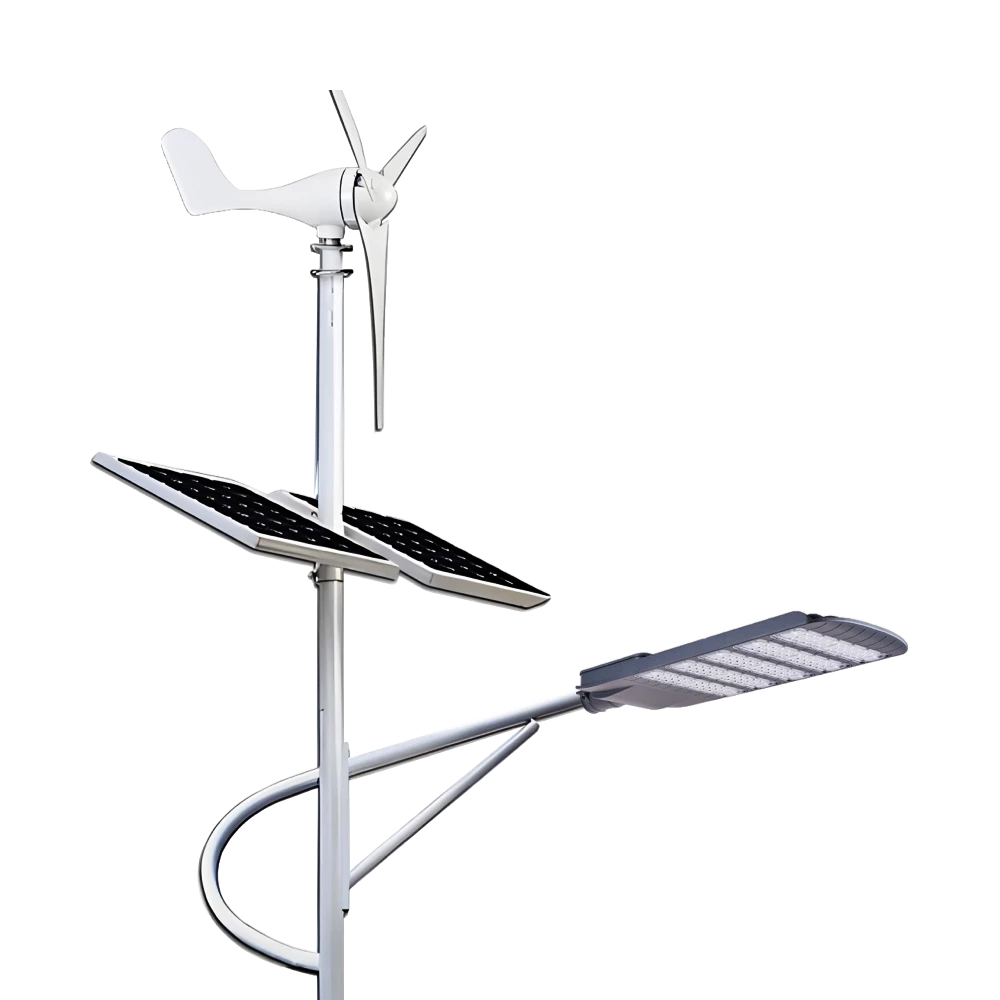
Queneng Lufeng Wind Energy LED Outdoor Solar Street Lights offer high-performance, eco-friendly illumination. These energy-efficient LED street lights harness solar power and wind energy for sustainable, cost-effective outdoor lighting solutions.
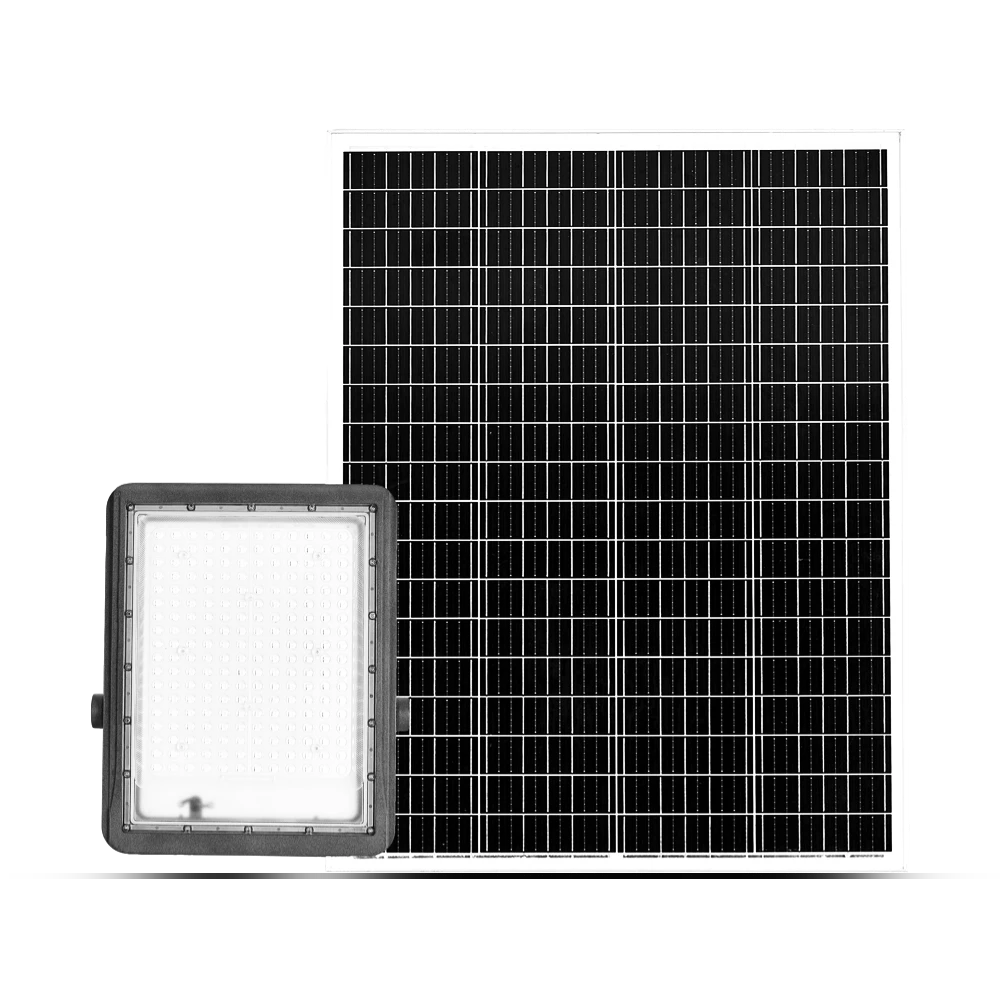
Queneng's Luxian Reliable Solar Street Light offers energy-saving LED lighting for outdoor use. This durable, solar-powered street light provides reliable illumination, reducing energy costs and environmental impact. A perfect solution for sustainable outdoor lighting.
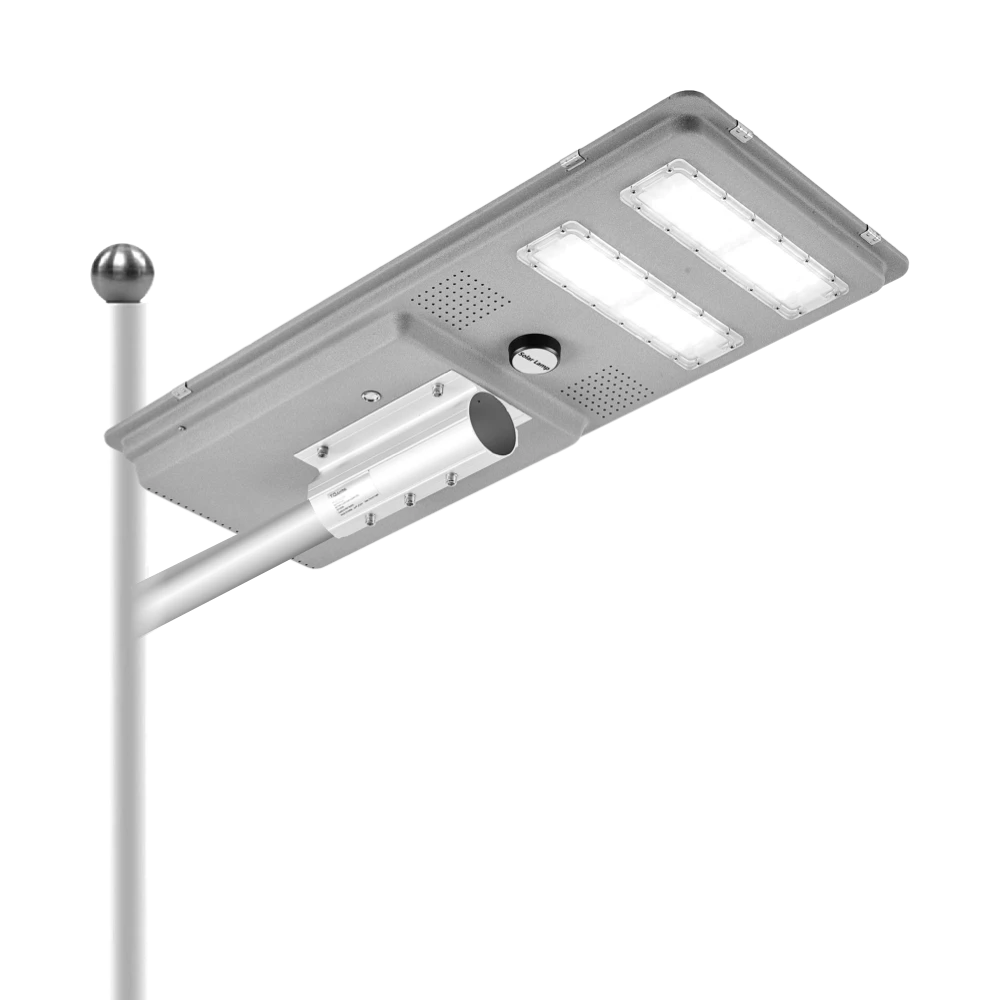
Queneng’s Solar Street Lights are designed to provide reliable, energy-efficient lighting for streets, parks, and other outdoor spaces.
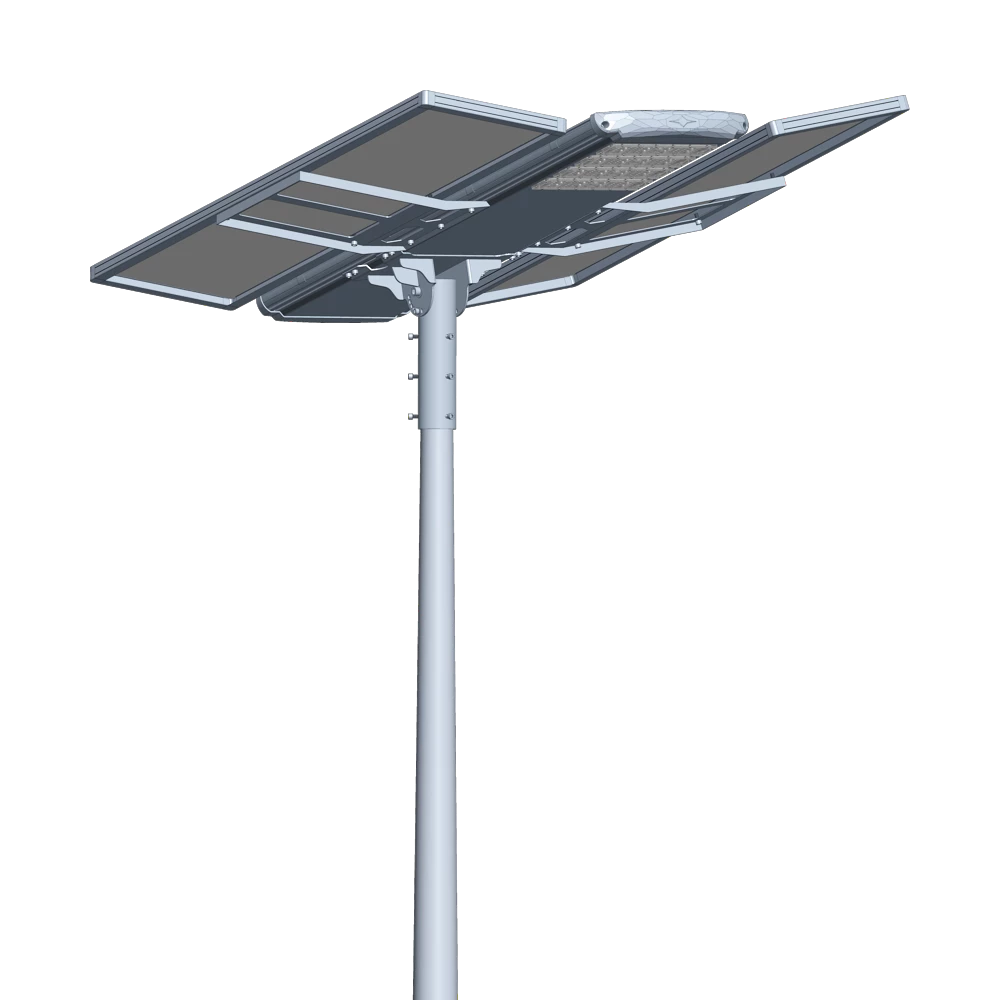
Introducing the Luqing Solar Street Light by Queneng, Efficient LED lighting powered by solar energy is perfect for illuminating outdoor areas. Harness the power of solar energy for sustainable, reliable street lighting. Ideal for eco-friendly, cost-effective outdoor illumination solutions.
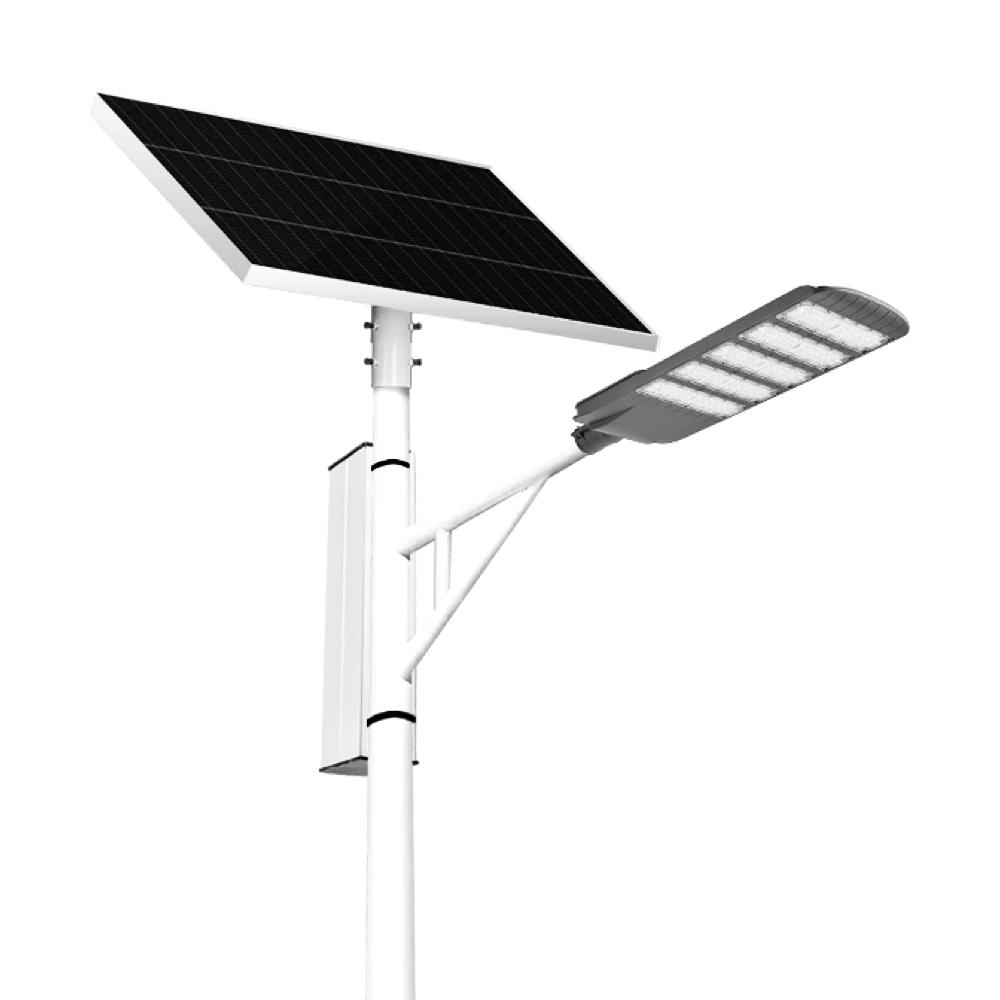
The Solar Streetlights of Luhao for Municipalities are designed to deliver reliable, energy-efficient, and cost-effective public lighting solutions. Equipped with advanced LED technology, durable lithium batteries, and high-efficiency solar panels, these streetlights provide consistent illumination for roads, parks, residential areas, and government projects.
If you would like more information about Queneng solar lighting solutions, please send us a message by filling out the form below. Our professional team will get back to you within 24 hours!
Rest assured that your privacy is important to us, and all information provided will be handled with the utmost confidentiality.
Schedule a Meeting
Book a date and time that is convenient for you and conduct the session in advance.
Have more questions about our products or services?
The messenger of light & power conversion
Environmental protection and intelligent manufacturing are our brand philosophy, and quality assurance and the best user experience are our eternal promises to users.
CONTACT
No.9F, Building F, Cao San Xin Tian Hong Logistics Park, Guzhen Town, Zhongshan City, Guangdong Province, China.
or write [email protected]
WhatsApp: +86 136 2270 1011


