














What's the optimal brightness for various solar street lights?
Navigating the World of Solar Street Lights: A Professional Buyer's Guide
As the demand for sustainable and energy-efficient infrastructure grows, solar street lighting has emerged as a preferred solution for illuminating public spaces, industrial areas, and remote locations. For professional buyers and project managers, understanding the intricacies of these systems – from cost drivers to optimal performance – is paramount. This guide provides in-depth answers to critical questions faced when procuring solar street lights, with a particular focus on the robust split solar street light systems.
What Factors Determine the Cost of Solar Street Lights?
The cost of solar street lights can vary significantly, typically ranging from a few hundred dollars to several thousand per unit, depending on various factors. Understanding these components is crucial for budgeting and identifying value:
- LED Luminaires: The wattage and efficiency (lumens per watt) of the LED chip (e.g., Cree, Lumileds, Bridgelux) are primary cost drivers. Higher lumen output and quality chips increase cost.
- Solar Panel: The power output (watts) and efficiency of the solar panel directly impact charging capability. Monocrystalline panels are generally more efficient and pricier than polycrystalline. Larger projects often require higher wattage panels for greater autonomy.
- Battery: This is one of the most significant cost components. Lithium Iron Phosphate (LiFePO4) batteries are now standard due to their longer lifespan (2000-5000 cycles, 7-10 years), better temperature performance, and safety compared to older lead-acid batteries. Battery capacity (Ah or Wh) determines autonomy days.
- Charge Controller: MPPT (Maximum Power Point Tracking) controllers are more efficient than PWM (Pulse Width Modulation) controllers, optimizing power harvest from the solar panel and extending battery life, but come at a higher cost.
- Pole: The height, material (steel, aluminum), finish (hot-dip galvanized, powder-coated), and structural design (wind resistance) of the pole contribute substantially to the overall cost. Split systems often require more robust poles.
- Smart Features & Controls: Incorporating smart lighting controls, motion sensors, dimming capabilities, IoT connectivity, and remote monitoring systems adds to the cost but enhances efficiency and management.
- Brand & Warranty: Reputable manufacturers offering longer warranties and robust post-sales support typically command higher prices, reflecting their quality and reliability.
All-in-One vs. Split Solar Street Lights: Which is Right for Your Project?
Choosing between All-in-One (AIO) and Split solar street lights depends heavily on project requirements, environmental conditions, and budget. While AIO units consolidate all components into a single fixture, split systems offer distinct advantages for professional applications:
- All-in-One (AIO) Solar Street Lights:
- Pros: Simpler installation, lower initial cost, compact design. Ideal for smaller projects, pathways, or temporary lighting where ease of deployment is key.
- Cons: Limited scalability for larger power requirements, battery and panel are integrated with the lamp head, leading to potential heat issues for batteries and less flexibility in solar panel orientation. Maintenance might involve replacing the entire head.
- Split Solar Street Lights:
- Pros:
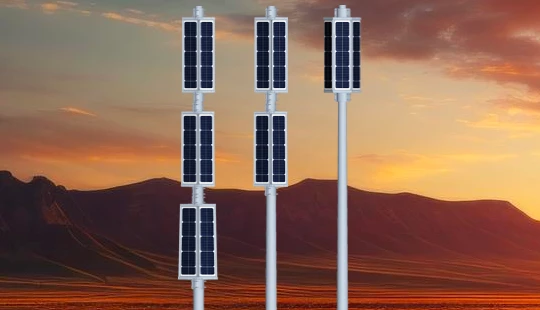
- Greater Power & Autonomy: Can accommodate much larger solar panels and batteries, making them suitable for high-power LED lights and extended autonomy requirements (e.g., 3-5 days of autonomy).
- Flexible Installation: Solar panel can be oriented independently of the light fixture for optimal sun exposure, even if the light needs to face a specific direction. Batteries can be housed at the base of the pole or underground, protecting them from extreme temperatures and vandalism.
- Improved Heat Management: Separating the battery from the LED fixture prevents heat generated by the LED from affecting battery performance and lifespan.
- Enhanced Durability & Wind Resistance: Distributed weight and separate components can lead to a more structurally sound system, especially for taller poles in windy areas.
- Easier Maintenance: Individual components can be accessed and replaced more easily, reducing overall maintenance costs and extending the system's lifespan.
- Customization: Offers greater flexibility in design, allowing for tailored solutions to meet specific lighting designs or aesthetic requirements.
- Cons: Higher initial installation cost and complexity due to separate wiring and component mounting.
- Pros:
For most commercial, industrial, and municipal projects requiring reliable, high-performance, and long-lasting lighting, split solar street lights are generally the superior choice.
How Do You Determine the Optimal Brightness (Lumens/Wattage) for Different Solar Street Light Applications?
Optimal brightness is not a one-size-fits-all metric; it depends on the application, relevant lighting standards, and environmental factors. Brightness is primarily measured in lumens (total light output) and illuminance (lux, lumens per square meter) on the ground. Wattage is the power consumption, not direct brightness.
- Understand Lighting Standards: Organizations like the Illuminating Engineering Society (IES) provide guidelines (e.g., IES RP-8-18 for roadway lighting) that classify roads (M-class for main roads, P-class for pedestrian/parking) and recommend average illuminance levels (lux) and uniformity ratios.
- Application-Specific Lux Requirements:
- Main Roads/Highways (M-class): Typically require 15-30 lux average, with higher uniformity. This often translates to higher wattage LEDs (60W-120W+) and taller poles (9-12m) to achieve adequate spread and brightness.
- Residential Streets/Collector Roads (M-class): May need 10-20 lux average. LEDs of 40W-80W with poles of 7-9m are common.
- Parking Lots/Pathways/Parks (P-class): Generally require lower levels, 5-15 lux average. LEDs of 20W-60W with poles of 5-8m are usually sufficient.
- Industrial Areas/Security Lighting: Often demand higher illuminance, potentially 20-50+ lux, depending on specific tasks and security needs.
- Factors Influencing Lumens Calculation:
- Pole Height & Spacing: Taller poles require more lumens to achieve the same lux level on the ground due to light dispersion. Closer spacing means lower individual light output can be used.
- Light Distribution Pattern: Different optics (Type II, Type III, Type IV, Type V) shape the light beam. Type III is common for roadways, Type V for square areas.
- Reflectance of Surfaces: Darker surfaces absorb more light, requiring higher lumen output.
- Ambient Light & Light Pollution: In areas with significant ambient light, slightly higher brightness might be needed for visibility.
- Dimming Schedules: Implementing smart dimming (e.g., 100% brightness for 4 hours, then 50% for 6 hours) can reduce the average lumen requirement and conserve battery power.
It is recommended to use specialized lighting design software (e.g., DIALux, AGI32) to simulate light distribution and ensure compliance with standards based on pole height, spacing, and luminaire specifications.
What Key Components Drive Solar Street Light Performance and Longevity?
The performance and lifespan of a solar street light are directly linked to the quality and specifications of its core components:
- LED Chip & Driver: High-efficiency LED chips (e.g., from Cree, Philips Lumileds, Osram, Bridgelux) with a luminous efficacy of 150-180 lm/W or higher ensure maximum light output with minimal power consumption. A robust LED driver (e.g., Mean Well) protects the LEDs and ensures stable current, contributing to a lifespan of 50,000-100,000 hours.
- LiFePO4 Battery: As mentioned, Lithium Iron Phosphate (LiFePO4) batteries are crucial. They offer superior cycle life (2,000-5,000 cycles at 80% Depth of Discharge), excellent thermal stability, and a service life of 7-10 years, significantly outperforming lead-acid batteries. Their built-in Battery Management System (BMS) protects against overcharge, over-discharge, and temperature extremes.
- Monocrystalline Solar Panel: These panels offer higher efficiency (typically 19-23%) in converting sunlight into electricity compared to polycrystalline panels. A lifespan of 20-25 years ensures consistent energy harvesting over the long term.
- MPPT Charge Controller: An MPPT controller can increase charge efficiency by 15-30% compared to PWM controllers, especially in varying weather conditions. It intelligently manages power flow, preventing overcharging or deep discharging, thus extending battery life.
- Pole & Housing Material: Hot-dip galvanized steel poles with powder coating provide excellent corrosion resistance and structural integrity for 20+ years. The lamp housing should be made from durable, corrosion-resistant materials like die-cast aluminum alloy, with an IP65 or higher rating for protection against dust and water.
- Smart Control Systems: Advanced systems with programmable dimming, motion sensing, and remote monitoring capabilities (Zigbee, LoRa, 4G/5G) optimize energy usage, reduce maintenance visits, and provide real-time performance data.
How Do I Choose a Reliable Solar Street Light Manufacturer?
Selecting the right manufacturer is paramount to the success and longevity of your solar lighting project. Look for these key attributes:
- Experience & Reputation: Opt for manufacturers with a proven track record (5+ years in the industry) and positive customer reviews or project references.
- R&D Capabilities: A manufacturer committed to research and development will offer innovative and efficient products, often leveraging the latest technologies (e.g., advanced battery management, smart controls).
- Quality Certifications: Ensure products meet international standards such as CE, RoHS, ISO 9001 (Quality Management), and ISO 14001 (Environmental Management). Some regions may require specific certifications (e.g., UL for North America).
- Comprehensive Warranty: A robust warranty (e.g., 3-5 years for the entire system, 10+ years for solar panels) indicates confidence in product quality and provides long-term peace of mind.
- Customization & Technical Support: The ability to customize solutions to specific project needs (pole height, lumen output, autonomy, smart features) and strong technical support before, during, and after sales are invaluable.
- Production & Testing Facilities: Reputable manufacturers will have well-equipped production lines and rigorous testing procedures (e.g., aging tests, vibration tests, IP rating tests) to ensure product reliability.
- Supply Chain Transparency: Understanding where components are sourced from (e.g., specific LED chip brands, battery suppliers) helps verify quality.
What Are the Essential Considerations for Solar Street Light Installation and Maintenance?
While solar street lights are renowned for low maintenance, proper installation and occasional checks are vital for optimal performance:
- Installation Considerations:
- Site Assessment: Crucial for identifying optimal locations, minimizing shading from trees or buildings, and determining the best orientation and tilt angle for solar panels to maximize sun exposure throughout the year.
- Foundation: A sturdy, correctly sized concrete foundation is essential to withstand wind loads and ensure the pole's stability over decades.
- Wiring: For split systems, proper wiring between the solar panel, battery, controller, and LED fixture is critical. Use waterproof connectors and conduits.
- Pole Erection: Professional installation ensures the pole is plumb and securely fastened, with the light fixture correctly aimed.
- Battery Housing: For split systems, ensure the battery is housed in a secure, weather-protected compartment (e.g., underground box or pole-mounted cabinet) with adequate ventilation, especially for LiFePO4 batteries to maintain optimal operating temperatures.
- Maintenance Requirements:
- Solar Panel Cleaning: The most frequent maintenance task. Dust, dirt, bird droppings, or snow can reduce efficiency. Regular cleaning (e.g., every 3-6 months or as needed) is essential, especially in dusty or polluted environments.
- Visual Inspection: Periodically check for physical damage to the panel, fixture, pole, or wiring. Ensure all connections are secure.
- Battery Performance Check (Less Frequent for LiFePO4): Modern LiFePO4 batteries with BMS require minimal user intervention. However, in older or highly demanding systems, monitoring battery voltage and capacity might be necessary.
- Firmware Updates: For smart lighting systems, software or firmware updates may be required to enhance performance or security.
- Obstruction Removal: Ensure no new vegetation growth or construction creates shading on the solar panel.
Overall, solar street lights offer significant savings on long-term operational costs due to minimal maintenance and zero electricity bills, making them an excellent investment for sustainable lighting infrastructure.
Queneng Lighting: Your Partner for Superior Solar Street Lighting Solutions
At Queneng Lighting, we understand the critical needs of professional purchasers. We specialize in manufacturing high-quality, durable, and efficient solar street lighting solutions, with a strong focus on advanced split solar street light systems. Our commitment to excellence is reflected in:
- High Quality Components: We use only top-tier components, including high-efficiency monocrystalline solar panels, long-life LiFePO4 batteries with smart BMS, high-lumen LED chips, and MPPT controllers, ensuring optimal performance and longevity.
- Robust Engineering: Our products are designed for challenging environments, featuring hot-dip galvanized poles and IP65+ rated aluminum alloy housing for exceptional durability and corrosion resistance.
- Customization & Design: We offer comprehensive design services, including lighting simulations (DIALux) and customizable configurations to meet specific project requirements for brightness, autonomy, and aesthetic integration.
- Advanced Smart Controls: Our systems incorporate intelligent dimming, motion sensing, and remote monitoring capabilities for enhanced energy management and operational efficiency.
- Reliability & Support: With rigorous quality control processes, international certifications (CE, RoHS, ISO), and dedicated technical support, Queneng Lighting provides reliable products and a strong warranty to back our solutions.
Choose Queneng Lighting for innovative, sustainable, and professional solar street lighting solutions that deliver exceptional value and performance.
References & Data Sources:
- Lithium Iron Phosphate (LiFePO4) Battery Lifespan: PowerTech Systems (Accessed: October 26, 2023)
- Monocrystalline Solar Panel Efficiency: Energy.gov (Accessed: October 26, 2023)
- MPPT Controller Efficiency: Victron Energy Blog (Accessed: October 26, 2023)
- IES RP-8-18 (Roadway Lighting Standard): Illuminating Engineering Society (Reference for standards, specific content is behind paywall, but the standard's existence and purpose are public knowledge). (Accessed: October 26, 2023)
- General Solar Street Light Cost Factors: Derived from industry averages and manufacturer specifications, e.g., EnergySage for panel costs, adjusted for street lighting systems. (Accessed: October 26, 2023)

Have more questions about our products or services?
The latest hot news you might like

Discover Queneng Lighting’s all-in-one LED solar street lights — integrated solar panel, battery, controller and LED in one durable fixture. Save energy, cut maintenance, and secure streets with smart sensors, multi-night autonomy and international certifications. Contact sales for quotes and support.

Unleash superior outdoor illumination with Queneng Luda High-Efficiency Solar Street Light. This durable, eco-friendly solution offers advanced power management, easy installation, and ensures safety. Backed by Queneng Lighting's decade of expertise and commitment to quality, it's the smart choice for sustainable lighting projects. Learn why we're a leading solar solutions provider.

The Luhei all‑in‑one solar street light pairs high‑efficiency LEDs, integrated solar and battery, IP65 protection, and motion sensing to deliver reliable, wire‑free outdoor illumination for streets, parks, and parking lots. Backed by Queneng Lighting’s certifications and support.

FAQ
Battery Types and Applications
What is a solar cell? What are the advantages of solar cells?
Solar energy systems are easy to install, easy to expand, and easy to disassemble. At the same time, using solar energy is also very economical and there is no energy consumption during the operation. In addition, the system is resistant to mechanical wear and tear; a solar system requires reliable solar cells to receive and store solar energy. Generally, solar cells have the following advantages:
1) High charge absorption capacity;
2) Long cycle life;
3) Good rechargeability;
4) No maintenance required.
Distributors
What kind of marketing and sales support does Queneng provide?
We provide our distributors with a wide range of marketing materials, including brochures, product specs, digital content, and sales guides. Our team also offers training to help you effectively communicate the benefits of our solar lighting solutions.
APMS system
What should I do if I encounter a system malfunction?
QUENENG offers 24-hour remote technical support, allowing clients to contact the after-sales team at any time for assistance. The system also includes intelligent self-diagnosis capabilities to detect and alert potential issues automatically.
Schools and Educational Institutions
Can solar lights be controlled remotely?
Yes, we offer smart solar lighting systems with remote control capabilities, allowing you to manage and monitor the lights from anywhere.
Battery fundamentals and basic terms
What are the packaging materials for batteries?
2. PVC film, trademark tube
3. Connection sheet: stainless steel sheet, pure nickel sheet, nickel-plated steel sheet
4. lead sheet: stainless steel sheet (easy to solder), Pure nickel sheet (spot welding firmly)
5. plug type
6. protection components such as temperature control switches, overcurrent protector, current limiting resistors
7. cardboard boxes, cartons
8. Plastic shell type
Remote Areas Rural Development
What happens if a component of the solar lighting system fails?
Most systems have modular designs, so individual components like batteries or LED lights can be replaced without affecting the entire setup.
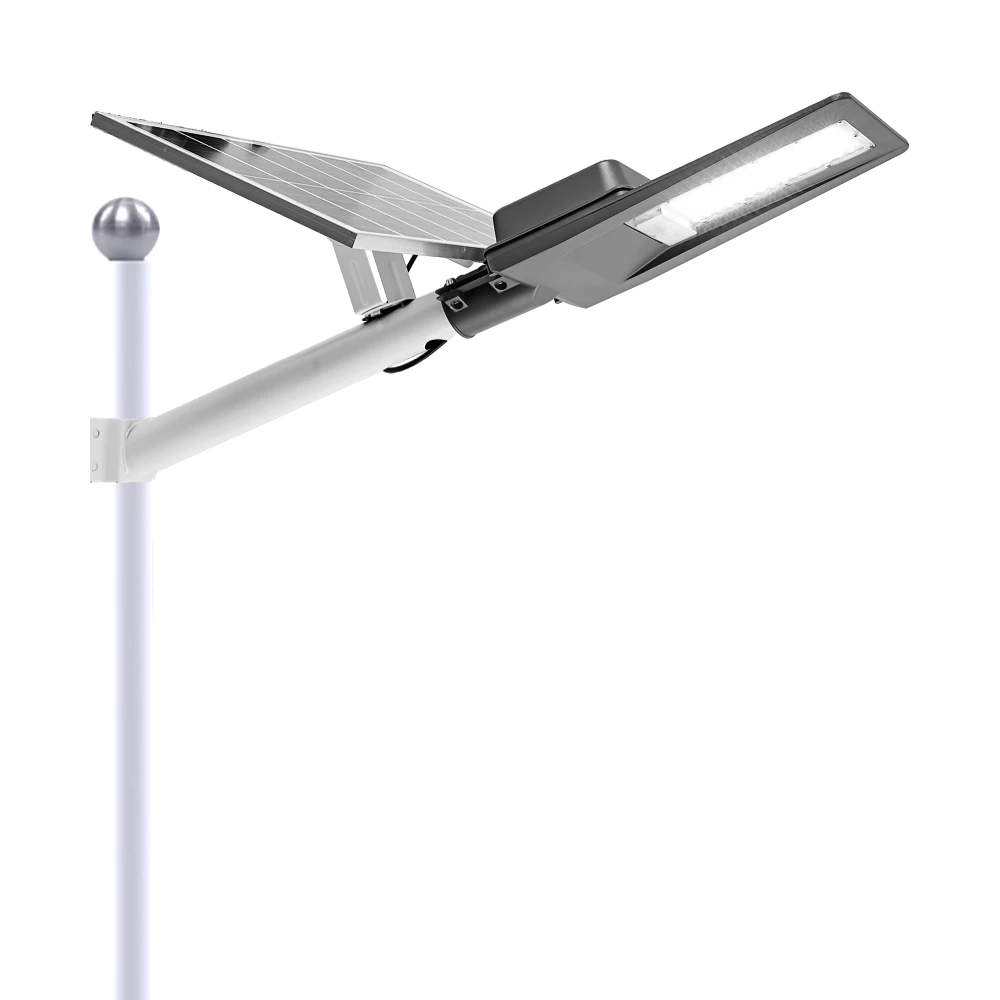
Experience reliable outdoor illumination with our smart solar street light, a perfect combination of advanced technology and eco-conscious design.
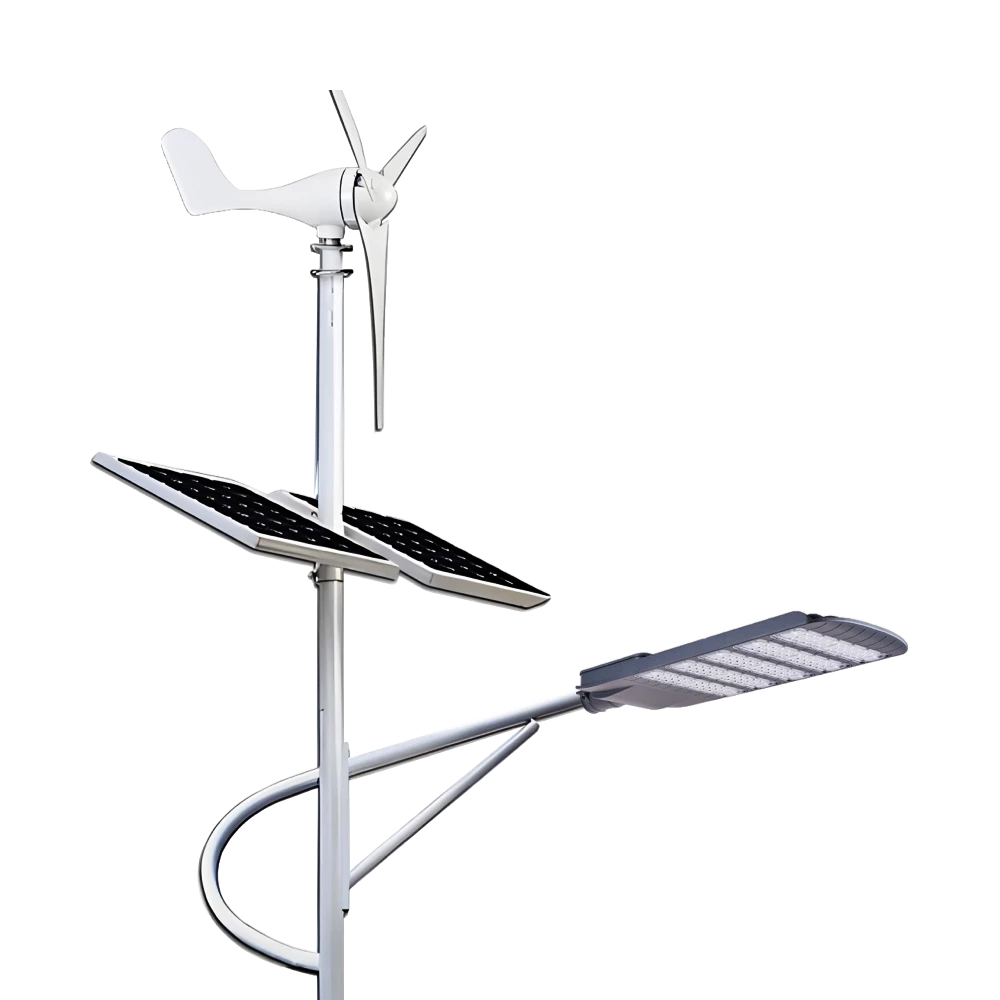
Queneng Lufeng Wind Energy LED Outdoor Solar Street Lights offer high-performance, eco-friendly illumination. These energy-efficient LED street lights harness solar power and wind energy for sustainable, cost-effective outdoor lighting solutions.
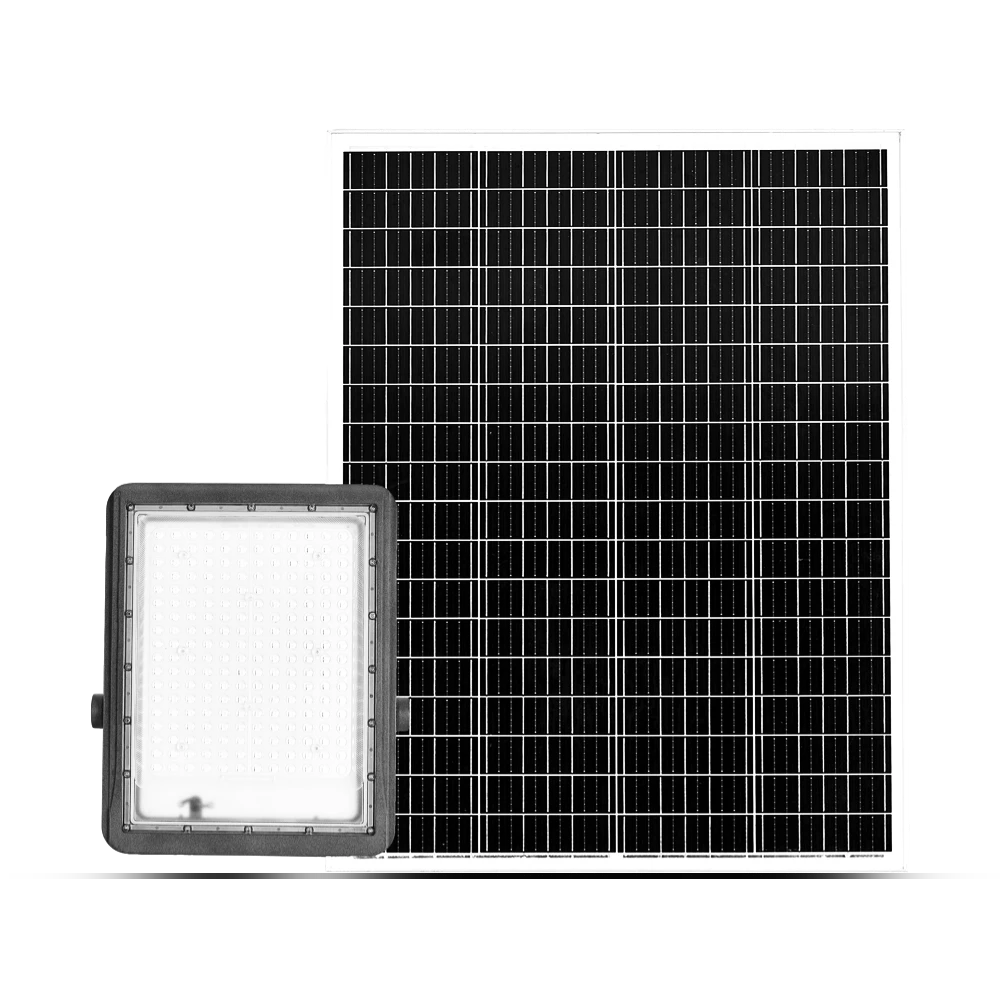
Queneng's Luxian Reliable Solar Street Light offers energy-saving LED lighting for outdoor use. This durable, solar-powered street light provides reliable illumination, reducing energy costs and environmental impact. A perfect solution for sustainable outdoor lighting.
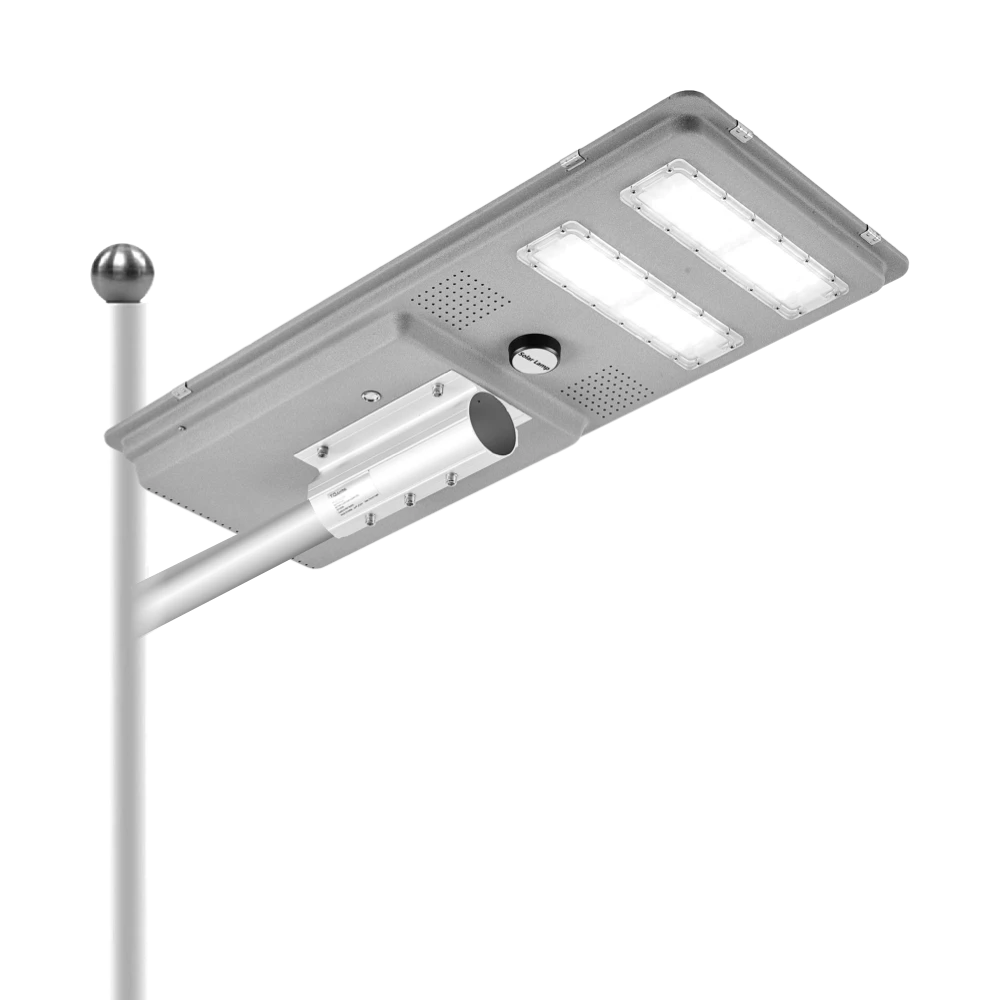
Queneng’s Solar Street Lights are designed to provide reliable, energy-efficient lighting for streets, parks, and other outdoor spaces.
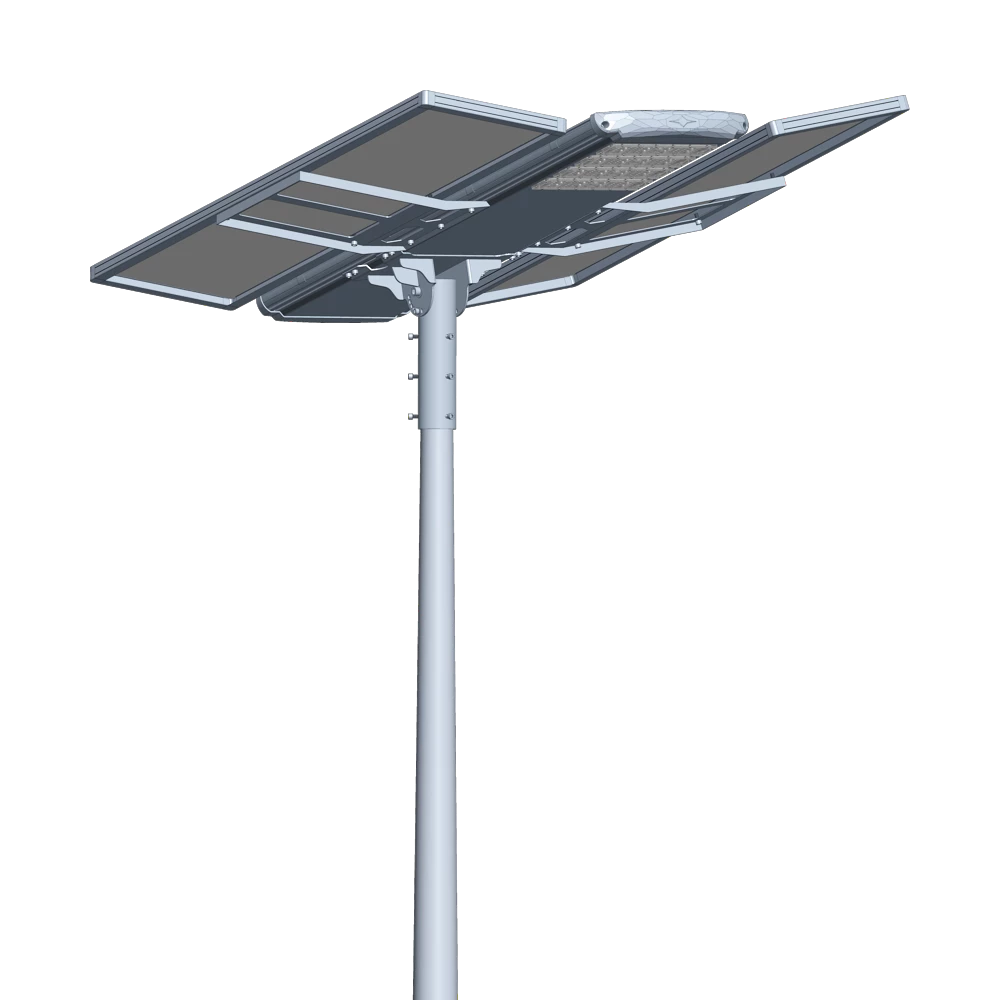
Introducing the Luqing Solar Street Light by Queneng, Efficient LED lighting powered by solar energy is perfect for illuminating outdoor areas. Harness the power of solar energy for sustainable, reliable street lighting. Ideal for eco-friendly, cost-effective outdoor illumination solutions.
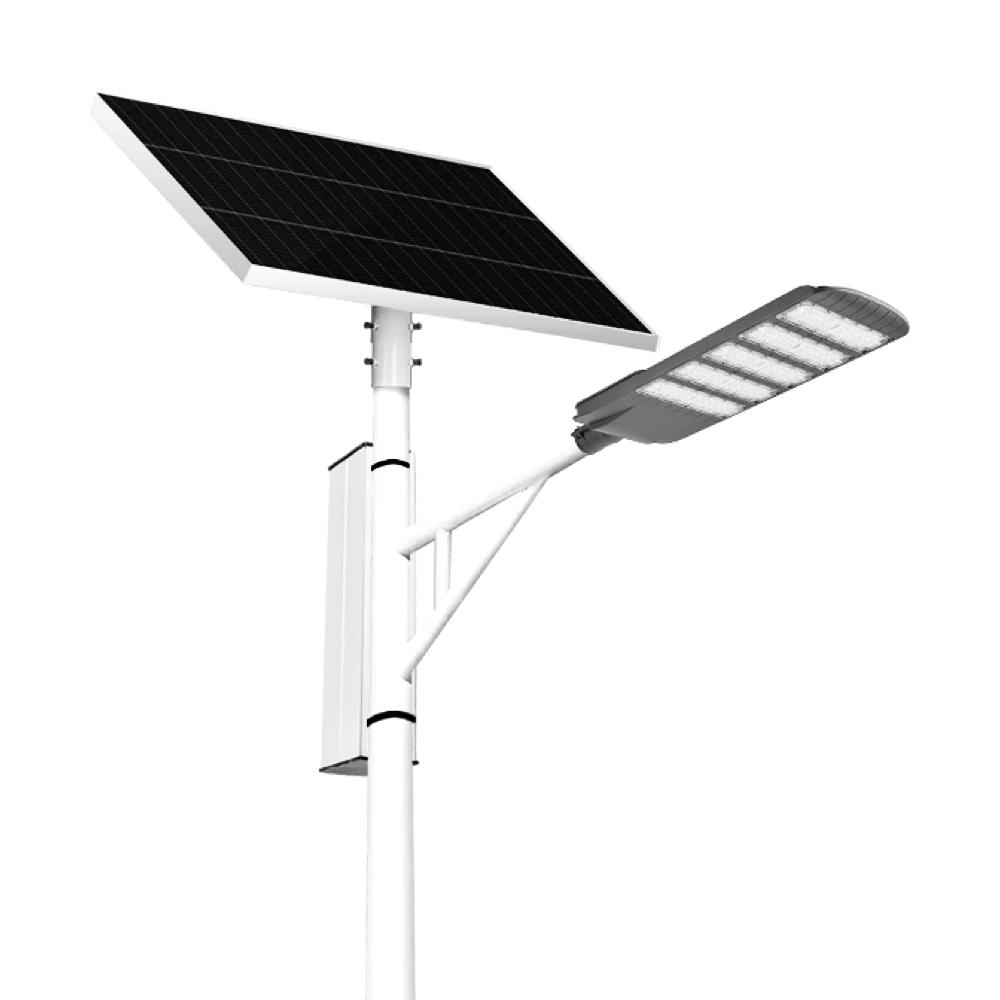
The Solar Streetlights of Luhao for Municipalities are designed to deliver reliable, energy-efficient, and cost-effective public lighting solutions. Equipped with advanced LED technology, durable lithium batteries, and high-efficiency solar panels, these streetlights provide consistent illumination for roads, parks, residential areas, and government projects.
If you would like more information about Queneng solar lighting solutions, please send us a message by filling out the form below. Our professional team will get back to you within 24 hours!
Rest assured that your privacy is important to us, and all information provided will be handled with the utmost confidentiality.
Schedule a Meeting
Book a date and time that is convenient for you and conduct the session in advance.
Have more questions about our products or services?
The messenger of light & power conversion
Environmental protection and intelligent manufacturing are our brand philosophy, and quality assurance and the best user experience are our eternal promises to users.
CONTACT
No.9F, Building F, Cao San Xin Tian Hong Logistics Park, Guzhen Town, Zhongshan City, Guangdong Province, China.
or write [email protected]
WhatsApp: +86 136 2270 1011


