

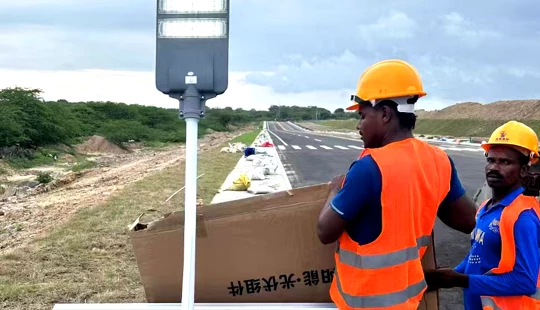
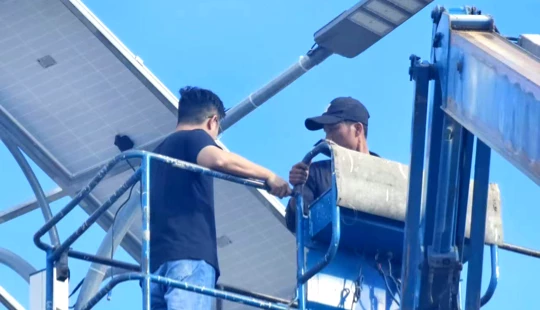













How to ensure compliance with global lighting standards?
Navigating the World of Solar Street Lights: Costs, Compliance, and Choosing the Right Manufacturer
Solar street lights have emerged as a sustainable and cost-effective lighting solution for urban, rural, and industrial applications worldwide. For procurement professionals and project managers, understanding the intricacies of these systems – from cost drivers and technical specifications to global compliance and manufacturer selection – is crucial for a successful investment. This guide delves into key questions buyers frequently ask, offering insights to ensure smart, compliant, and durable solar lighting solutions.
What Factors Influence the Cost of Solar Street Lights, and What's the Typical Price Range?
The cost of solar street lights can vary significantly, typically ranging from $150 for basic residential units to over $1,500 for high-power, industrial-grade split systems, excluding pole and installation. Several factors dictate this price:
- Wattage & Lumen Output: Higher illumination (measured in lumens or equivalent wattage) requires larger components and thus increases cost. For example, a 60W LED luminaire with over 9,000 lumens will naturally be more expensive than a 20W unit.
- Battery Capacity: The capacity (Ah or Wh) determines the backup autonomy during cloudy days. High-quality Lithium Iron Phosphate (LiFePO4) batteries, preferred for their longevity (2,000-4,000+ cycles) and safety, contribute significantly to the cost. Larger capacity means higher cost.
- Solar Panel Efficiency & Size: Monocrystalline panels are generally more efficient (18-22%) and compact than polycrystalline panels (15-18%), leading to potentially higher costs but better performance in limited space. A higher wattage panel is needed for larger battery charging.
- LED Chip Quality: Reputable LED chips from brands like Cree, Philips, or Osram offer superior luminous efficacy (often >150-170 lumens/watt) and longer lifespans (>50,000 hours), commanding a higher price.
- Charge Controller: Advanced Maximum Power Point Tracking (MPPT) controllers are more efficient (up to 99% tracking efficiency) than Pulse Width Modulation (PWM) controllers, extracting more power from the solar panel and extending battery life, adding to the cost.
- Smart Features: Motion sensors, dimming capabilities, IoT connectivity, and remote monitoring add convenience and energy savings but also increase the unit price.
- Materials & Construction: The quality of the casing (e.g., die-cast aluminum vs. plastic), pole material (galvanized steel, aluminum, different heights), and weatherproofing (IP rating) impact durability and price.
What's the Difference Between All-in-One and Split Solar Street Lights, and Which is Better for My Project?
Understanding the distinction between these two primary types is crucial for procurement, especially for industrial and large-scale projects often served by split solar street light designs:
- All-in-One (Integrated) Solar Street Lights:
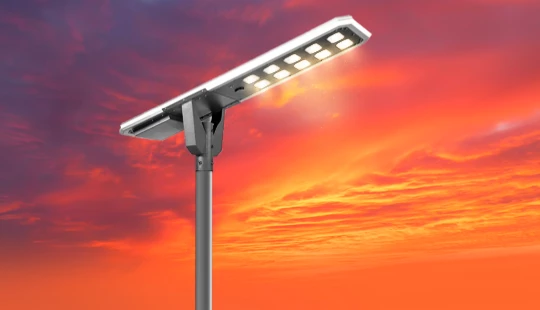
- Design: All primary components (solar panel, battery, LED luminaire, and controller) are integrated into a single compact housing, typically mounted directly onto the pole.
- Pros: Easier and quicker installation (reduced labor costs), aesthetically streamlined, lower initial product cost for basic models.
- Cons: Limited customization for power needs, battery exposed to higher temperatures (potentially shortening lifespan), solar panel angle is fixed, less suitable for high-power applications or regions with inconsistent sunlight.
- Best for: Residential streets, pathways, parks, small parking lots, temporary lighting.
- Split Solar Street Lights:
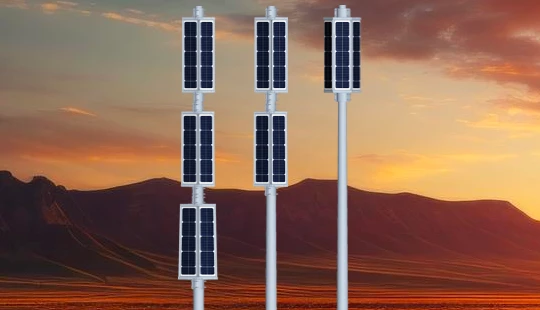
- Design: The solar panel, battery, and LED luminaire are separate components. The panel is mounted on top, the battery is typically housed in a protective box at the pole base or mid-pole, and the LED fixture is mounted on an arm.
- Pros: Highly customizable power (larger panels and batteries possible), better thermal management for the battery (extending life), solar panel can be independently angled for optimal sun exposure, ideal for high-power demands and longer backup autonomy. Allows for easier maintenance and component replacement.
- Cons: More complex installation (more wiring, separate component mounting), higher initial cost due to robust separate enclosures and cabling.
- Best for: Main roads, highways, industrial zones, large public spaces, areas with challenging weather conditions, or projects requiring high illumination and extended autonomy. For professional procurement in demanding environments, split systems often provide superior performance and longevity.
How Do I Choose a Reliable Solar Street Light Manufacturer?
Selecting the right manufacturer is paramount to the success and longevity of your solar street light project. Look for these indicators:
- Experience & Reputation: A manufacturer with a proven track record (e.g., 5-10+ years in the industry) and a strong portfolio of successful projects demonstrates reliability. Request project references and case studies.
- Certifications & Quality Management: Adherence to international quality standards like ISO 9001 (Quality Management System) and ISO 14001 (Environmental Management System) indicates a commitment to consistent quality.
- R&D and Customization Capabilities: A strong R&D team can offer innovative solutions and custom designs tailored to specific project needs, such as unique lumen requirements, pole heights, or smart features.
- Component Sourcing & Testing: Inquire about their supply chain for key components (LED chips, batteries, controllers). Do they use reputable brands? Do they conduct rigorous in-house testing (e.g., aging tests, vibration tests, IP rating verification)?
- Warranty & After-Sales Support: A comprehensive warranty (e.g., 3-5 years for the entire system, longer for panels) and readily available technical support and spare parts are vital for long-term operational peace of mind.
- Compliance Knowledge: A manufacturer that understands and actively adheres to global and regional lighting and electrical standards will prevent future compliance issues.
What Global Lighting Standards and Certifications are Crucial for Solar Street Lights, and How Can I Ensure Compliance?
Ensuring compliance with global lighting standards is critical for safety, performance, and market access. Key standards and certifications include:
- Product Safety & Quality:
- CE (Conformité Européenne): Mandatory for products sold within the European Economic Area (EEA), indicating conformity with health, safety, and environmental protection standards.
- RoHS (Restriction of Hazardous Substances): Restricts the use of specific hazardous materials in electrical and electronic products, primarily relevant for the EU market but often adopted globally.
- IEC (International Electrotechnical Commission) Standards: Global standards for electrical safety and performance. For example, IEC 60598-1 specifies general requirements for luminaires.
- UL (Underwriters Laboratories): Primarily a North American safety certification, indicating that products have been tested to nationally recognized safety standards.
- Environmental & Durability:
- IP Rating (Ingress Protection): Specifies the degree of protection against dust and water. For outdoor solar street lights, an IP rating of IP65 or IP66 is generally required to withstand environmental elements.
- IK Rating (Impact Protection): Measures resistance against mechanical impacts. An IK08 or IK10 rating indicates robust construction suitable for public spaces.
- Photometric Performance:
- IESNA (Illuminating Engineering Society of North America) Standards: Provides guidelines and recommended practices for lighting design, including light distribution patterns (e.g., Type II, Type III, Type IV), uniformity, and glare control, crucial for roadway lighting (e.g., IES RP-8-18).
- CIE (International Commission on Illumination) Standards: Global authority on light, illumination, color, and space. Their recommendations are widely adopted for photometric measurements and light quality.
- Battery & Component Standards:
- UN38.3: Certification for lithium batteries transported by air, sea, or ground, ensuring safe transport.
- Individual component certifications (e.g., LED drivers with CE/UL, battery cells from reputable suppliers with safety data sheets).
To ensure compliance: Request valid test reports and certificates from accredited third-party laboratories. Verify the manufacturer's Declaration of Conformity and check if the certifications are current and applicable to the specific product model you are procuring.
What Are the Essential Components of a Solar Street Light, and How Do They Impact Performance and Longevity?
A deep understanding of each component is vital for evaluating quality and predicting long-term performance:
- Solar Panel (Photovoltaic Module): Converts sunlight into electricity. Its efficiency (e.g., 18-22% for monocrystalline) and wattage directly impact how quickly the battery charges and the system's ability to operate in varying sunlight conditions. A high-quality panel typically has a lifespan of 20-25 years.
- Battery: Stores the electrical energy generated by the solar panel for use at night or on cloudy days. LiFePO4 (Lithium Iron Phosphate) batteries are the industry standard due to their long cycle life (2,000-4,000+ full cycles), thermal stability, and safety features. Battery capacity (Ah or Wh) determines the light's autonomy (number of backup days without sun). Its lifespan is typically 5-8 years, but can be influenced by temperature and depth of discharge.
- LED Luminaire: The light source. High-efficiency LED chips (>150-170 lumens/watt) from reputable brands are crucial for brightness and energy efficiency. The LED driver quality and thermal management design are equally important for the luminaire's lifespan, which can exceed 50,000-100,000 hours.
- Charge Controller: The 'brain' of the system. It manages the charging and discharging of the battery, prevents overcharging and over-discharging, and often incorporates smart features like dimming, motion sensing, and time scheduling. MPPT controllers offer superior efficiency and performance over PWM. Its quality affects battery lifespan and overall system reliability, typically lasting 5-10 years.
- Pole: Supports all components. Galvanized steel or aluminum poles are common, offering durability and corrosion resistance. The pole's height and structural integrity must be rated for wind loads in the installation area.
- Cables & Connectors: UV-resistant and waterproof cables and connectors ensure safe and reliable power transfer, preventing energy loss and short circuits.
What is the Typical Lifespan of Solar Street Lights, and What Maintenance Do They Require?
The overall lifespan of a well-designed and high-quality solar street light system typically ranges from 5 to 10+ years. This largely depends on the quality and lifespan of its individual components:
- Solar Panels: Generally retain 80% of their initial efficiency after 20-25 years.
- LiFePO4 Batteries: Typically last 5-8 years or 2,000-4,000 full charge/discharge cycles.
- LED Luminaires: Can last 10-15 years or >50,000-100,000 operating hours.
- Charge Controllers & Other Electronics: Usually have a lifespan of 5-10 years.
- Poles: Galvanized steel poles can last 20+ years with proper maintenance.
Maintenance Requirements: Solar street lights are known for their low maintenance:
- Panel Cleaning: Periodically (e.g., every 6-12 months), clean the solar panels to remove dust, dirt, or debris that can reduce charging efficiency.
- Visual Inspection: Annually inspect the entire system for any physical damage, loose connections, or corrosion.
- Battery Check: For split systems where the battery is accessible, periodic checks for swelling or leaks might be prudent, though high-quality LiFePO4 batteries are largely maintenance-free. Battery replacement will be the most significant maintenance event after 5-8 years.
- Clear Obstructions: Ensure no new tree growth or structures are shading the solar panel.
Can Solar Street Lights Be Customized for Specific Project Requirements?
Yes, leading solar street light manufacturers offer extensive customization to meet diverse project needs. This flexibility is particularly valuable for complex procurement projects involving split solar street light systems. Customization options include:
- Light Output & Distribution: Tailoring lumen output, wattage, and beam angles to meet specific illumination standards (e.g., IESNA Type II, Type III) and uniformity requirements for different road classes or public spaces.
- Battery Autonomy: Adjusting battery capacity to provide desired backup days (e.g., 2-5+ days) for areas with extended cloudy periods.
- Pole Height & Design: Customizing pole heights (e.g., 6m, 8m, 10m, 12m), materials (galvanized steel, aluminum), and aesthetic designs to integrate with urban landscapes or specific architectural themes.
- Color Temperature: Specifying LED color temperature (e.g., warm white 3000K, neutral white 4000K, cool white 5000K-6000K) to suit different environments and preferences.
- Smart Features & Control: Integrating motion sensors, programmable dimming schedules, remote monitoring via IoT platforms, and centralized control systems for optimized energy management and operational efficiency.
- Environmental Adaptations: Designing systems to withstand extreme temperatures, high wind loads, saline environments, or heavy snow loads.
- Hybrid Solutions: Combining solar power with grid power for enhanced reliability in critical applications.
A reputable manufacturer will work closely with clients to understand their project's unique challenges and design a bespoke solution that optimizes performance, cost-effectiveness, and compliance.
Queneng Lighting: Your Partner in Smart Solar Street Lighting
At Queneng Lighting, we leverage our extensive expertise to provide reliable, high-performance solar street light solutions. Whether your project demands the streamlined efficiency of All-in-One systems or the robust, customizable power of Split Solar Street Lights, we ensure every product adheres to the highest global standards. Our commitment to using High Quality components—from long-lasting LiFePO4 batteries and high-efficiency solar panels to advanced MPPT controllers and reputable LED chips—guarantees superior longevity and performance. With strong R&D capabilities, comprehensive compliance certifications (CE, RoHS, IP, IK, etc.), and a focus on tailored solutions, Queneng Lighting is your trusted manufacturer for future-proof solar lighting infrastructure. Partner with us to achieve optimal illumination, energy savings, and environmental stewardship for your next project.
References
- IEA PVPS (International Energy Agency Photovoltaic Power Systems Programme) - https://www.iea-pvps.org/ (Accessed: October 26, 2023)
- Illuminating Engineering Society (IES) - https://www.ies.org/ (Accessed: October 26, 2023)
- International Electrotechnical Commission (IEC) - https://www.iec.ch/ (Accessed: October 26, 2023)
- European Commission (CE Marking Guidelines) - https://ec.europa.eu/growth/single-market/ce-marking_en (Accessed: October 26, 2023)
- General industry knowledge and manufacturer specifications for component lifespans and efficiency ratings (various sources, e.g., Cree, Philips, reputable battery manufacturers like CATL, BYD). (Accessed: October 26, 2023)

Have more questions about our products or services?
The latest hot news you might like

Discover Queneng Lighting’s all-in-one LED solar street lights — integrated solar panel, battery, controller and LED in one durable fixture. Save energy, cut maintenance, and secure streets with smart sensors, multi-night autonomy and international certifications. Contact sales for quotes and support.

Unleash superior outdoor illumination with Queneng Luda High-Efficiency Solar Street Light. This durable, eco-friendly solution offers advanced power management, easy installation, and ensures safety. Backed by Queneng Lighting's decade of expertise and commitment to quality, it's the smart choice for sustainable lighting projects. Learn why we're a leading solar solutions provider.

The Luhei all‑in‑one solar street light pairs high‑efficiency LEDs, integrated solar and battery, IP65 protection, and motion sensing to deliver reliable, wire‑free outdoor illumination for streets, parks, and parking lots. Backed by Queneng Lighting’s certifications and support.

FAQ
Battery Performance and Testing
What is a temperature cycling experiment?
1) The battery is changed from normal temperature to 66±3℃ and 15±5% for 1 hour.
2) Place it for 1 hour at a temperature of 33±3℃ and a humidity of 90±5℃.
3) Change the condition to -40±3℃ and leave it for 1 hour
4) Leave the battery at 25℃ for 0.5 hours
These 4 steps complete a cycle. After these 27 cycle experiments, the battery should have no leakage, alkali creep, rust or other abnormal conditions.
What is trickle charging?
Solar Street Light Luqing
Are Luqing solar street lights suitable for large areas like parking lots or highways?
Yes, Luqing solar street lights are suitable for a variety of outdoor environments, including parking lots, highways, and large public spaces. They offer sufficient brightness and coverage for these areas without the need for grid-based power.
Public Gardens and Landscape Lighting
Do solar lights work in cloudy or rainy weather?
Yes, our solar lights are equipped with high-efficiency solar panels that can capture sunlight even in cloudy or low-light conditions. While performance may slightly decrease during long periods of rain, the lights are still functional and will recharge as soon as the weather improves.
Industry
Can Queneng’s solar street lighting system operate in harsh weather conditions?
Yes, Queneng’s solar street lighting systems are specially designed to function well in extreme weather. Our equipment is waterproof, corrosion-resistant, and windproof, making it suitable for a variety of climates.
Solar Street Light Chuanqi
How do Chuanqi solar street lights differ from traditional street lights?
Chuanqi solar street lights are powered by solar energy, making them a sustainable and eco-friendly alternative to traditional street lights that rely on the electrical grid. They use energy-efficient LED technology that reduces electricity consumption while providing reliable, bright lighting. Unlike traditional lights, Chuanqi solar street lights operate independently of the grid, reducing installation costs and maintenance.
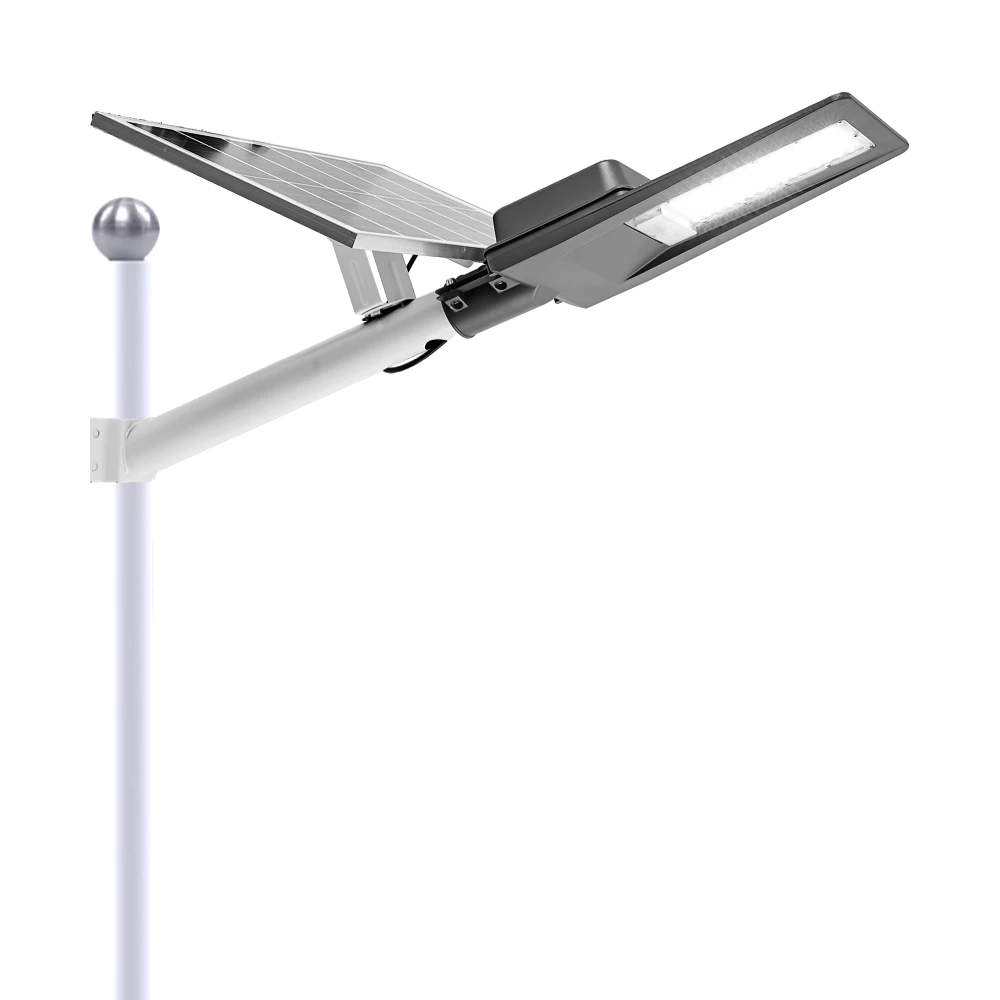
Experience reliable outdoor illumination with our smart solar street light, a perfect combination of advanced technology and eco-conscious design.
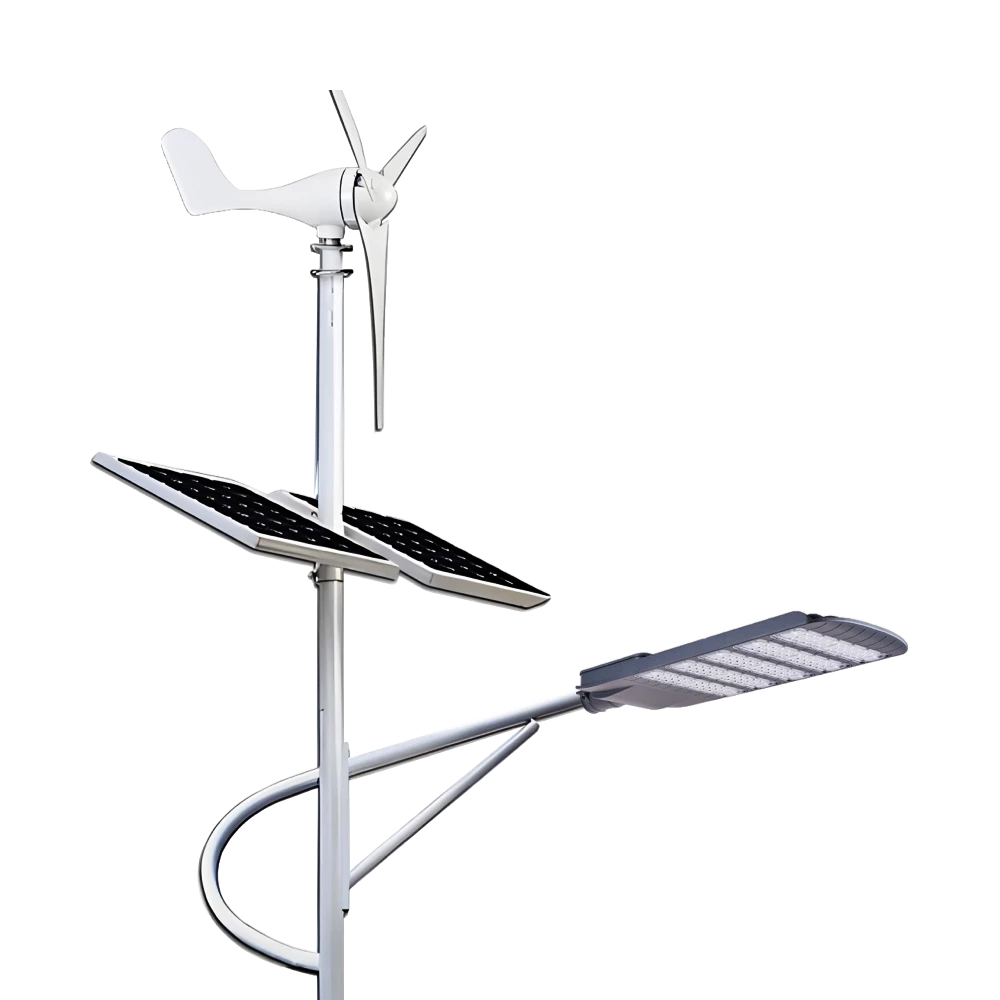
Queneng Lufeng Wind Energy LED Outdoor Solar Street Lights offer high-performance, eco-friendly illumination. These energy-efficient LED street lights harness solar power and wind energy for sustainable, cost-effective outdoor lighting solutions.
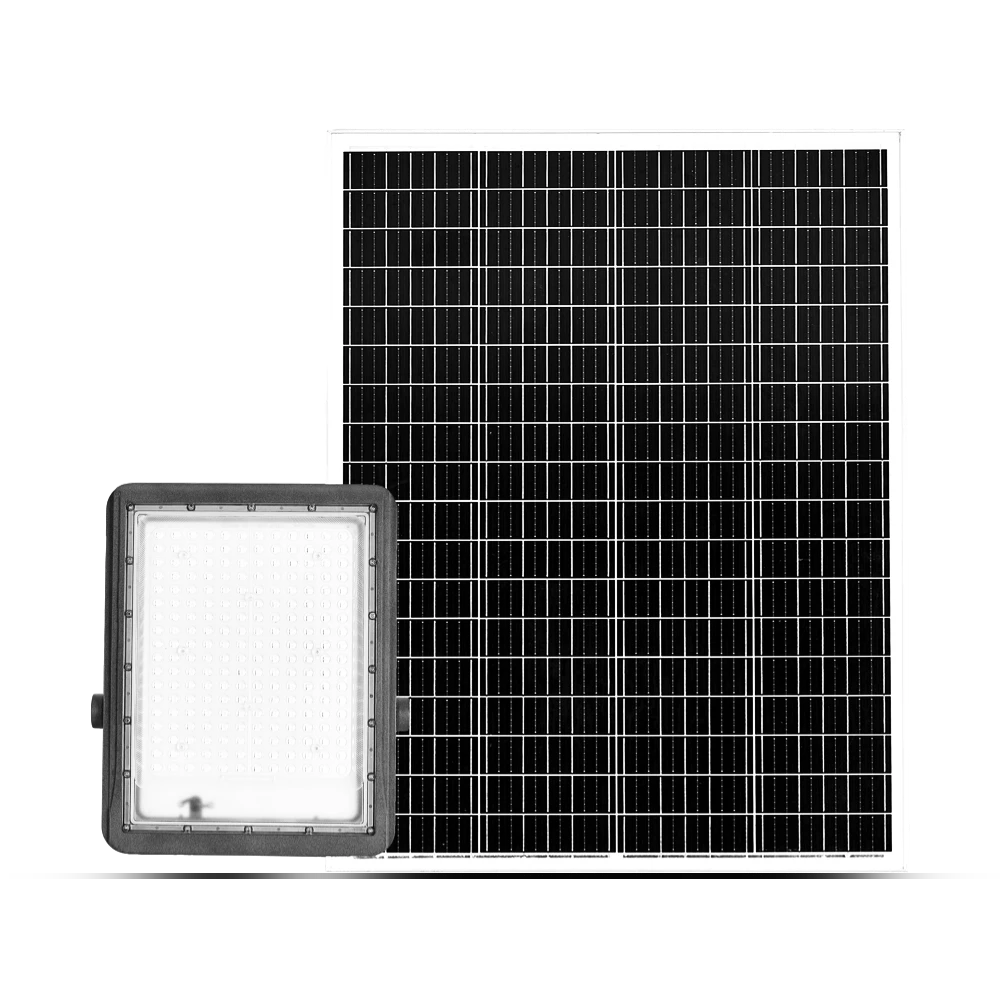
Queneng's Luxian Reliable Solar Street Light offers energy-saving LED lighting for outdoor use. This durable, solar-powered street light provides reliable illumination, reducing energy costs and environmental impact. A perfect solution for sustainable outdoor lighting.
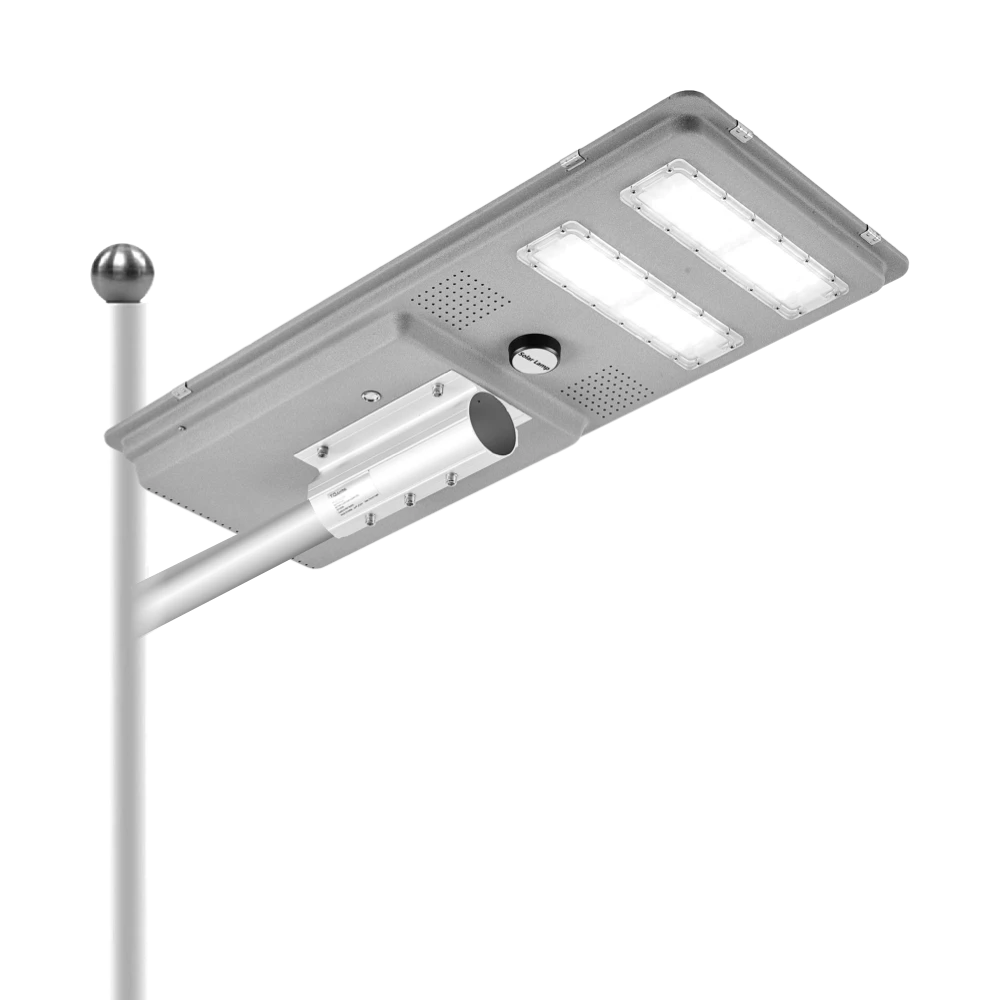
Queneng’s Solar Street Lights are designed to provide reliable, energy-efficient lighting for streets, parks, and other outdoor spaces.
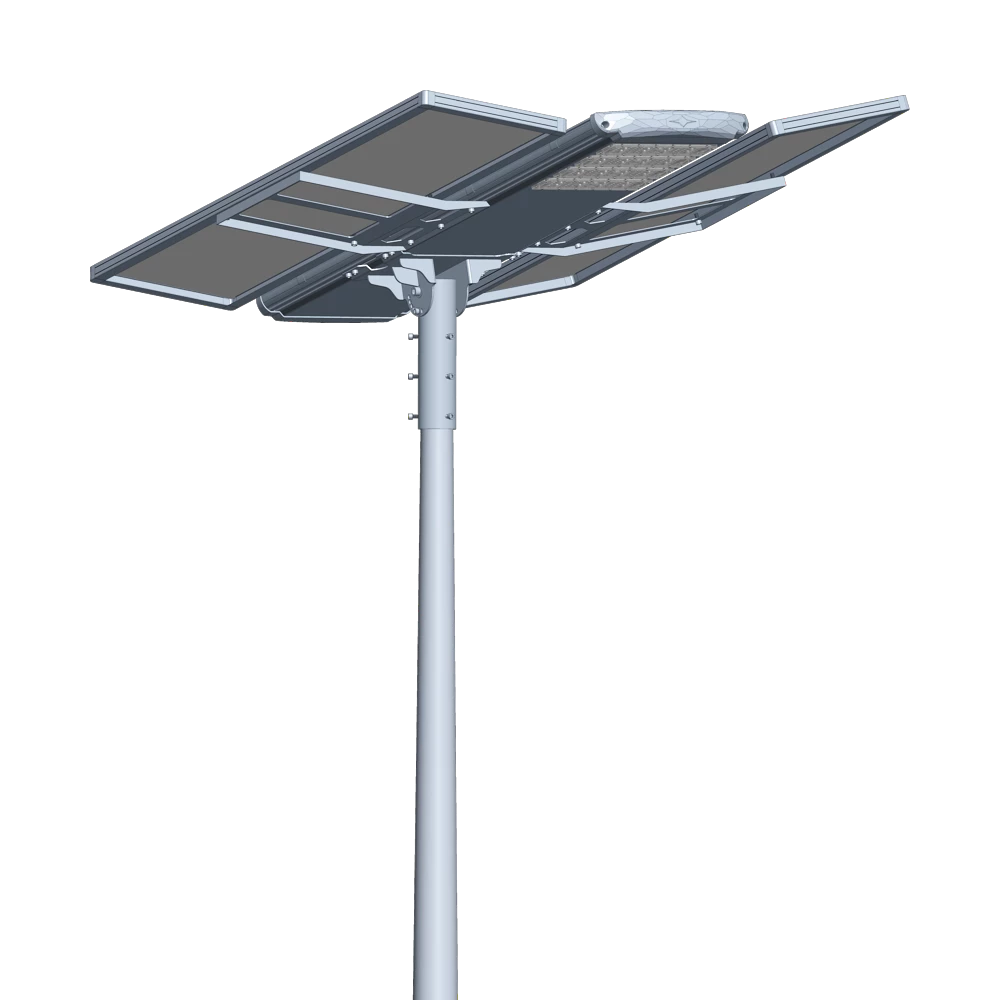
Introducing the Luqing Solar Street Light by Queneng, Efficient LED lighting powered by solar energy is perfect for illuminating outdoor areas. Harness the power of solar energy for sustainable, reliable street lighting. Ideal for eco-friendly, cost-effective outdoor illumination solutions.
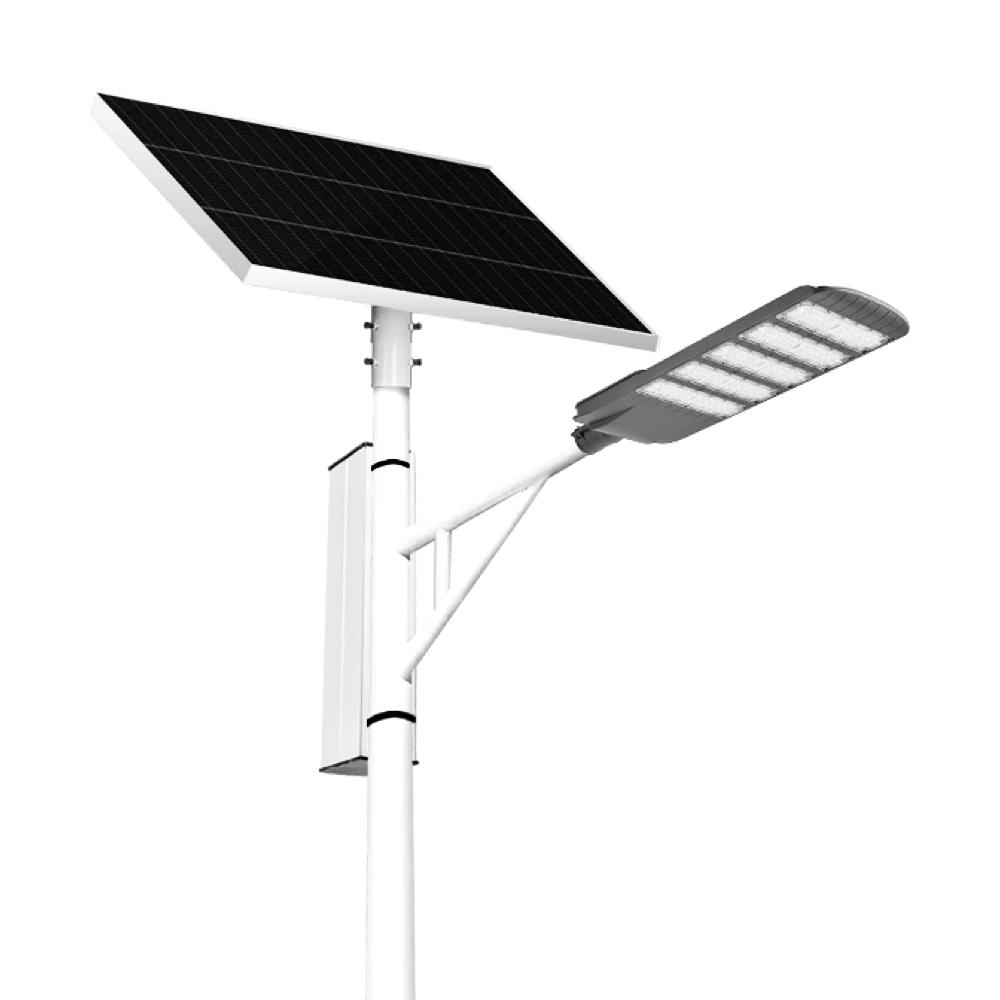
The Solar Streetlights of Luhao for Municipalities are designed to deliver reliable, energy-efficient, and cost-effective public lighting solutions. Equipped with advanced LED technology, durable lithium batteries, and high-efficiency solar panels, these streetlights provide consistent illumination for roads, parks, residential areas, and government projects.
If you would like more information about Queneng solar lighting solutions, please send us a message by filling out the form below. Our professional team will get back to you within 24 hours!
Rest assured that your privacy is important to us, and all information provided will be handled with the utmost confidentiality.
Schedule a Meeting
Book a date and time that is convenient for you and conduct the session in advance.
Have more questions about our products or services?
The messenger of light & power conversion
Environmental protection and intelligent manufacturing are our brand philosophy, and quality assurance and the best user experience are our eternal promises to users.
CONTACT
No.9F, Building F, Cao San Xin Tian Hong Logistics Park, Guzhen Town, Zhongshan City, Guangdong Province, China.
or write [email protected]
WhatsApp: +86 136 2270 1011


