

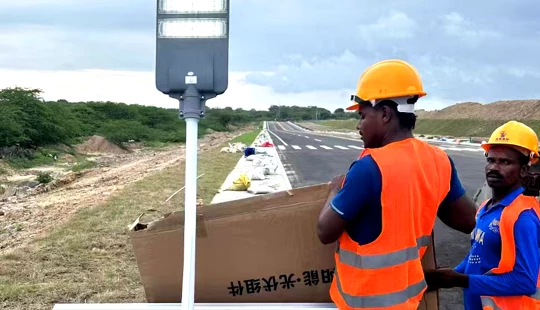
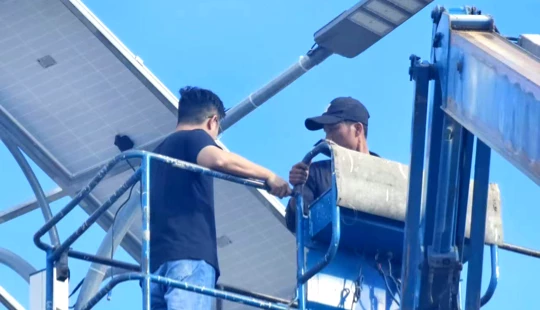













Can solar street lights integrate with smart city systems?
Demystifying the Cost of Solar Street Lights: What Buyers Need to Know
The initial investment in solar street lighting is a primary concern for any project. Understanding the cost of solar street light goes beyond a single price tag, encompassing various factors that influence the overall expenditure and long-term value. For professional buyers, distinguishing between different types and their associated costs is crucial.
Solar street light costs typically range from $150 to over $3,000 USD per unit, excluding installation. This wide range is primarily dictated by:
- LED Wattage/Lumen Output: Higher brightness (lumens) requires more powerful LEDs, leading to increased costs.
- Battery Technology and Capacity: Lithium Iron Phosphate (LiFePO4) batteries are now the industry standard, offering superior lifespan (5-10 years) and performance compared to older lead-acid batteries. Larger battery capacity (for longer autonomy) increases cost.
- Solar Panel Size and Efficiency: Larger, more efficient monocrystalline solar panels needed for higher power generation contribute significantly to the cost.
- System Type: All-in-One vs. Split:
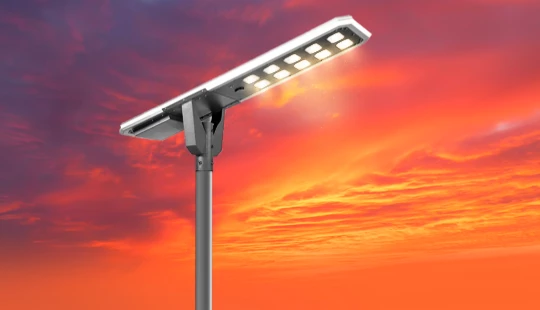
- All-in-One Solar Street Lights: Generally have a lower initial purchase price due to their integrated design, simplifying manufacturing and installation. They range from $150 - $1,000+ for basic to mid-range models.
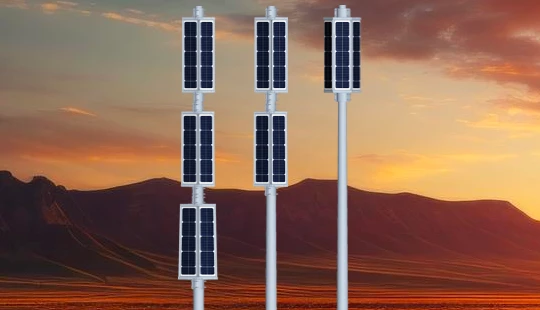
- Split Solar Street Lights: Often represent a higher upfront investment, typically ranging from $500 - $3,000+. This is due to separate, often larger, components (panel, battery box, lamp head), more robust cabling, and the flexibility they offer in terms of optimal solar panel orientation and larger power systems, which are ideal for demanding applications.
- Smart Features & Integration: Systems with IoT capabilities, remote monitoring, adaptive lighting, and other smart city integrations will naturally carry a higher price tag.
- Pole & Mounting Hardware: The cost of the pole itself, especially for custom heights, materials, and wind load ratings, is a significant factor.
- Brand Reputation & Warranty: Reputable manufacturers offering extensive warranties (e.g., 3-5 years on key components) may have slightly higher prices but offer greater peace of mind and long-term reliability.
While split solar street lights might seem more expensive initially, their superior performance, longer autonomy, and adaptability to challenging environments often result in a lower total cost of ownership (TCO) over their lifespan, particularly for large-scale municipal or industrial projects.
What are the Key Advantages of Split Solar Street Lights Compared to All-in-One Models?
For professional buyers, understanding the distinctions between All-in-One and Split Solar Street Lights is crucial for selecting the right solution for specific project requirements.
Split Solar Street Lights excel in several key areas:
- Optimized Solar Panel Orientation: The separate design allows the solar panel to be tilted and oriented independently towards the sun for maximum energy harvesting throughout the day and year, crucial for regions with lower solar irradiance or specific architectural requirements. All-in-One units have a fixed panel angle.
- Greater Power Capacity: Split systems can accommodate larger solar panels and battery banks, enabling higher LED wattage (brighter lights) and longer autonomy (more nights of operation without sunshine). This is ideal for major roads, highways, and areas requiring consistent, high illumination.
- Enhanced Battery Lifespan: The battery in a split system can be housed separately – often in an underground box or within the pole's base – protecting it from extreme temperatures (both heat and cold) that can significantly degrade battery performance and lifespan. In All-in-One designs, the battery is exposed to the same ambient temperature as the LED head, which can be detrimental in hot climates.
- Flexible Design & Installation: Offers greater flexibility in pole height, lamp head style, and panel size. It's easier to replace or upgrade individual components without affecting the entire system. This also allows for distributed weight, potentially simplifying pole selection.
- Robustness for Demanding Environments: Better suited for heavy-duty applications where reliability, high performance, and adaptability to environmental challenges (e.g., strong winds, high temperatures, shading issues) are paramount.
While All-in-One units are simpler to install and often more aesthetically compact, Split Solar Street Lights offer a professional-grade solution for projects demanding higher performance, longer durability, and greater adaptability.
How to Choose a Reliable Solar Street Light Manufacturer?
Selecting the right Solar Street Light Manufacturer is paramount to the success and longevity of your project. A reliable manufacturer offers not just a product, but a partnership built on quality, support, and innovation. Here are critical factors to consider:
- Experience and Track Record: Look for manufacturers with a proven history in the solar lighting industry, backed by successful project references, especially those similar in scale or complexity to yours.
- R&D and Innovation: A strong R&D department indicates a commitment to technological advancement, offering more efficient solar panels, advanced battery management systems (BMS), intelligent controllers (MPPT), and smart city integration capabilities.
- Quality Certifications: Verify international quality standards such as ISO 9001 (Quality Management System), CE, RoHS, and specific IP ratings (e.g., IP65/IP66 for dust and water ingress protection) for their products. These confirm adherence to stringent manufacturing and safety standards.
- Component Sourcing Transparency: Inquire about their key component suppliers (LED chips, batteries, solar cells). Reputable manufacturers use high-quality, branded components from established providers to ensure reliability and performance.
- Comprehensive Warranty & After-Sales Support: A robust warranty (e.g., 3-5 years for the entire system, longer for solar panels) reflects confidence in their product. Excellent after-sales support, including technical assistance, spare parts availability, and troubleshooting, is vital for long-term project viability.
- Customization Capabilities: For specialized projects, the ability to customize pole height, lumen output, autonomy, and smart features is a significant advantage.
- Production Capacity & Lead Time: Ensure the manufacturer has the capacity to meet your order volume and adhere to project timelines.
Prioritizing these factors will help you identify a manufacturer that can deliver high-quality, reliable, and sustainable solar street lighting solutions.
Can Solar Street Lights Integrate with Smart City Systems?
Absolutely. Modern solar street lights are no longer just standalone illumination sources; they are becoming crucial nodes in the broader smart city ecosystem. The integration capabilities of Can solar street lights integrate with smart city systems? are extensive and offer significant benefits:
- Remote Monitoring & Control: Via IoT platforms (using communication protocols like LoRaWAN, NB-IoT, Zigbee, or 4G/5G), city managers can remotely monitor battery status, power consumption, fault detection, and light performance in real-time. This enables proactive maintenance and reduces operational costs.
- Adaptive Lighting: Integration with motion sensors allows lights to dim when no one is present and brighten upon detecting movement, significantly saving energy. Ambient light sensors ensure optimal brightness based on natural light levels. Time-based scheduling further refines energy usage.
- Data Collection & Analytics: Integrated sensors can collect valuable data on air quality, temperature, humidity, noise levels, and even traffic flow. This data informs urban planning, environmental management, and public safety initiatives.
- Public Wi-Fi Hotspots & Communication Hubs: Smart solar street lights can host Wi-Fi access points, providing connectivity for citizens and smart devices, effectively turning lampposts into communication infrastructure.
- Integrated Safety & Security Features: They can incorporate CCTV cameras for surveillance, emergency call buttons, and even digital signage for public announcements.
- Electric Vehicle (EV) Charging: Some advanced designs can integrate EV charging stations, leveraging the existing street light infrastructure for sustainable mobility.
By integrating with smart city systems, solar street lights transform into multi-functional platforms that enhance urban living, improve energy efficiency, reduce maintenance, and contribute to a safer, more connected urban environment. This capability is particularly strong in split systems due to the greater flexibility for component integration.
What Factors Determine the Lifespan and Performance of Solar Street Lights?
The longevity and consistent performance of solar street lights are critical for return on investment. Several key factors directly influence the lifespan of different components and the overall system's efficacy:
- Component Quality: High-quality components are the cornerstone of a durable system.
- LED Luminaire: Reputable LED chips (e.g., from Philips, Cree, Osram) with efficient heat sinks can last 50,000 to 100,000+ hours (equivalent to 10-20 years of dusk-to-dawn operation).
- Battery: LiFePO4 (Lithium Iron Phosphate) batteries offer 2,000 to 4,000+ charge cycles, translating to a lifespan of 5-10 years, significantly outperforming lead-acid batteries (2-3 years). Deep discharge cycles and exposure to high temperatures are primary degraders.
- Solar Panel (PV Module): High-efficiency monocrystalline panels from tier-1 manufacturers typically have a performance warranty of 20-25 years, guaranteeing at least 80% power output after this period.
- Charge Controller: A high-quality MPPT (Maximum Power Point Tracking) controller is more efficient and durable, lasting 5-10 years.
- Design and Sizing: Properly sized systems ensure the battery isn't constantly deep-discharged, extending its life. The solar panel must be sufficient to recharge the battery even during periods of low sunlight, providing adequate autonomy.
- Environmental Conditions: Extreme temperatures (both hot and cold) can reduce battery efficiency and lifespan. Dust, pollution, and heavy snowfall can reduce solar panel efficiency. The IP rating of the fixture and battery box is crucial for protection against water and dust ingress.
- Installation Quality: Correct installation, including proper pole foundation, wiring, and panel orientation, prevents premature failures.
- Maintenance: While solar street lights are low-maintenance, periodic cleaning of solar panels (especially in dusty areas) and checking connections can significantly prolong their lifespan.
What Critical Specifications to Consider When Purchasing Split Solar Street Lights for a Project?
When sourcing split solar street lights, professional buyers must meticulously evaluate specifications to ensure they meet project demands, local regulations, and long-term performance expectations.
- Required Illumination (Lumens/Lux): This is paramount. Determine the necessary light level (lux) for the application (e.g., main road, secondary road, pathway, park) and select an LED luminaire with sufficient lumen output. High-efficiency LEDs (e.g., >160 lm/W) are preferable.
- Battery Capacity (Ah or Wh) & Type: Specify LiFePO4 batteries due to their superior cycle life and thermal stability. Demand sufficient Amp-hours (Ah) or Watt-hours (Wh) to provide 3-5 days of autonomy, factoring in local solar insolation variations and potential cloudy days.
- Solar Panel Wattage (Wp) & Efficiency: The panel's wattage must be adequately sized to recharge the battery daily, considering the Peak Sun Hours (PSH) of the installation site. High-efficiency monocrystalline panels (e.g., >20%) maximize energy capture from a smaller footprint.
- Charge Controller (MPPT vs. PWM): Always opt for an MPPT (Maximum Power Point Tracking) controller. They are significantly more efficient (15-30% more efficient than PWM) in harvesting power from the solar panel, especially during varying weather conditions.
- IP Rating: Ensure the LED luminaire, battery box, and controller housing have an appropriate Ingress Protection (IP) rating, typically IP65 or IP66, to safeguard against dust, moisture, and water jets, crucial for outdoor durability.
- Pole Height & Arm Length: These dimensions directly impact light distribution and coverage area. Taller poles require higher lumen output. The design must also consider wind load resistance.
- Working Temperature Range: Verify that all components (especially batteries and electronics) are rated for the extreme minimum and maximum temperatures of the deployment location.
- Certifications & Standards: Ensure compliance with relevant electrical safety (e.g., CE, RoHS), lighting performance (e.g., IESNA standards if applicable), and quality management (ISO 9001) standards.
By carefully assessing these specifications, buyers can ensure the procurement of a robust, efficient, and long-lasting split solar street light system tailored to their specific project needs.
What Kind of Maintenance Do Solar Street Lights Require?
One of the significant advantages of solar street lights is their relatively low maintenance requirements compared to traditional grid-tied lighting. However, they are not entirely maintenance-free. Regular, albeit minimal, attention can significantly extend their lifespan and ensure optimal performance.
- Solar Panel Cleaning (Periodic): This is the most crucial maintenance task. Dust, dirt, bird droppings, leaves, or snow accumulation on the solar panel can drastically reduce its charging efficiency. Panels should be cleaned periodically, typically every 6-12 months, or more frequently in dusty, polluted, or snowy environments. A soft brush and water are usually sufficient.
- Visual Inspection (Annual): Conduct an annual visual check for:
- Physical Damage: Cracks on panels, housing, or lenses; bent poles or arms.
- Loose Connections: Ensure all electrical connections are tight and corrosion-free.
- Vegetation Overgrowth: Trim any trees or foliage that might be shading the solar panel.
- Fixture Alignment: Check if the lamp head or solar panel has shifted due to wind or impact.
- Battery Health Check (For older systems or specific issues): For systems with smart monitoring, battery health is tracked remotely. For others, occasional checks (e.g., every 2-3 years) for swelling or leakage might be necessary for lead-acid batteries. LiFePO4 batteries require less physical inspection due to their sealed nature and longer lifespan.
- Component Replacement (As Needed): While LEDs and solar panels have very long lifespans, batteries and controllers will eventually require replacement. The battery is typically the first component to reach end-of-life (5-10 years for LiFePO4). Timely replacement ensures continued system operation.
Proactive, minimal maintenance ensures that your solar street lighting investment continues to provide reliable, efficient illumination for many years, maximizing its cost-effectiveness and environmental benefits.
Why Choose Queneng Lighting for Your Solar Street Light Projects?
Queneng Lighting stands as a leading Solar Street Light Manufacturer dedicated to delivering high-performance, reliable, and innovative lighting solutions for diverse applications. Here’s why partnering with Queneng Lighting is a strategic choice for professional buyers:
- Expertise in Split Solar Street Lights: Queneng specializes in robust split solar street light systems, offering superior power, autonomy, and adaptability essential for demanding commercial and municipal projects. Our designs prioritize optimized solar harvesting and extended battery life.
- Uncompromising Quality & Durability: We utilize only High Quality-grade components, including high-efficiency monocrystalline solar panels, long-life LiFePO4 batteries with advanced BMS, and high-lumen LED chips. All products undergo rigorous testing and hold international certifications (e.g., ISO, CE, RoHS, IP66), ensuring reliability even in harsh environments.
- Advanced Smart City Integration: Queneng's solar street lights are designed with future-proofing in mind, offering seamless integration with smart city platforms via various IoT communication protocols. This enables remote management, adaptive lighting, data collection, and multi-functional smart pole capabilities.
- Customization and Project Support: We understand that every project is unique. Queneng Lighting offers extensive customization options – from specific lumen output and autonomy requirements to unique pole designs and smart feature integration. Our expert team provides comprehensive project consultation, design, and after-sales support.
- Sustainable and Cost-Effective Solutions: By focusing on energy efficiency and component longevity, Queneng Lighting delivers solutions that offer a lower total cost of ownership, reduced carbon footprint, and a strong return on investment for your sustainable infrastructure projects.
Choose Queneng Lighting for a partner committed to excellence in solar street lighting, providing reliable, intelligent, and sustainable solutions that illuminate your projects for years to come.

Have more questions about our products or services?
The latest hot news you might like

Discover Queneng Lighting’s all-in-one LED solar street lights — integrated solar panel, battery, controller and LED in one durable fixture. Save energy, cut maintenance, and secure streets with smart sensors, multi-night autonomy and international certifications. Contact sales for quotes and support.

Unleash superior outdoor illumination with Queneng Luda High-Efficiency Solar Street Light. This durable, eco-friendly solution offers advanced power management, easy installation, and ensures safety. Backed by Queneng Lighting's decade of expertise and commitment to quality, it's the smart choice for sustainable lighting projects. Learn why we're a leading solar solutions provider.

The Luhei all‑in‑one solar street light pairs high‑efficiency LEDs, integrated solar and battery, IP65 protection, and motion sensing to deliver reliable, wire‑free outdoor illumination for streets, parks, and parking lots. Backed by Queneng Lighting’s certifications and support.

FAQ
Solar Street Light Luyan
How easy is it to install Luyan solar street lights?
Luyan solar street lights are designed for easy installation. They require no external wiring or complex electrical setups. The installation typically involves mounting the pole, securing the light fixture, and positioning the solar panel for optimal sun exposure. This makes them ideal for both residential and commercial installations.
Split Solar Street Light
Is split solar street light better than all-in-one?
For large-scale or professional projects, yes. Split systems offer higher power capacity and better adaptability.
Solar Street Light Lulin
How easy is it to install Lulin solar street lights?
Lulin solar street lights are designed for easy installation. They do not require any wiring to the power grid, making them perfect for areas without electrical infrastructure. The installation typically involves mounting the pole, securing the light fixture, and positioning the solar panel for maximum sunlight exposure. The lights can be installed quickly and efficiently, saving on installation costs.
Solar Street Light Luyi
How do Luyi solar street lights save energy compared to traditional street lights?
Luyi solar street lights save energy by using solar power, a renewable energy source, to operate. Unlike traditional street lights that rely on the electrical grid, Luyi lights harness the sun’s energy during the day, which is stored in the battery for nighttime use. The energy-efficient LEDs provide bright illumination while consuming less power than conventional lighting options, significantly lowering electricity costs.
Sustainability
Does Queneng offer installation services?
Yes, we provide installation support based on project requirements, including professional installation guidance and technical consultation. If needed, our team can arrange on-site installation services.
Batteries and the environment
What effect does ambient temperature have on battery performance?
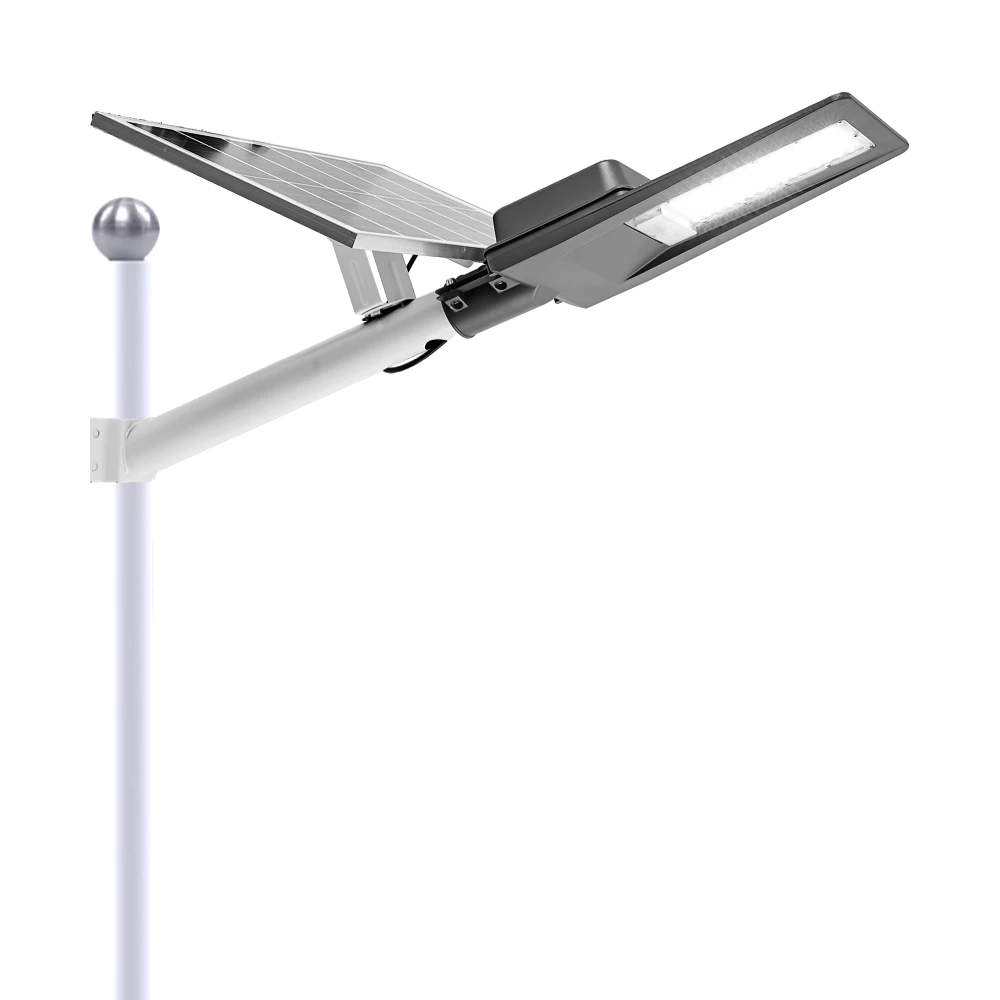
Experience reliable outdoor illumination with our smart solar street light, a perfect combination of advanced technology and eco-conscious design.
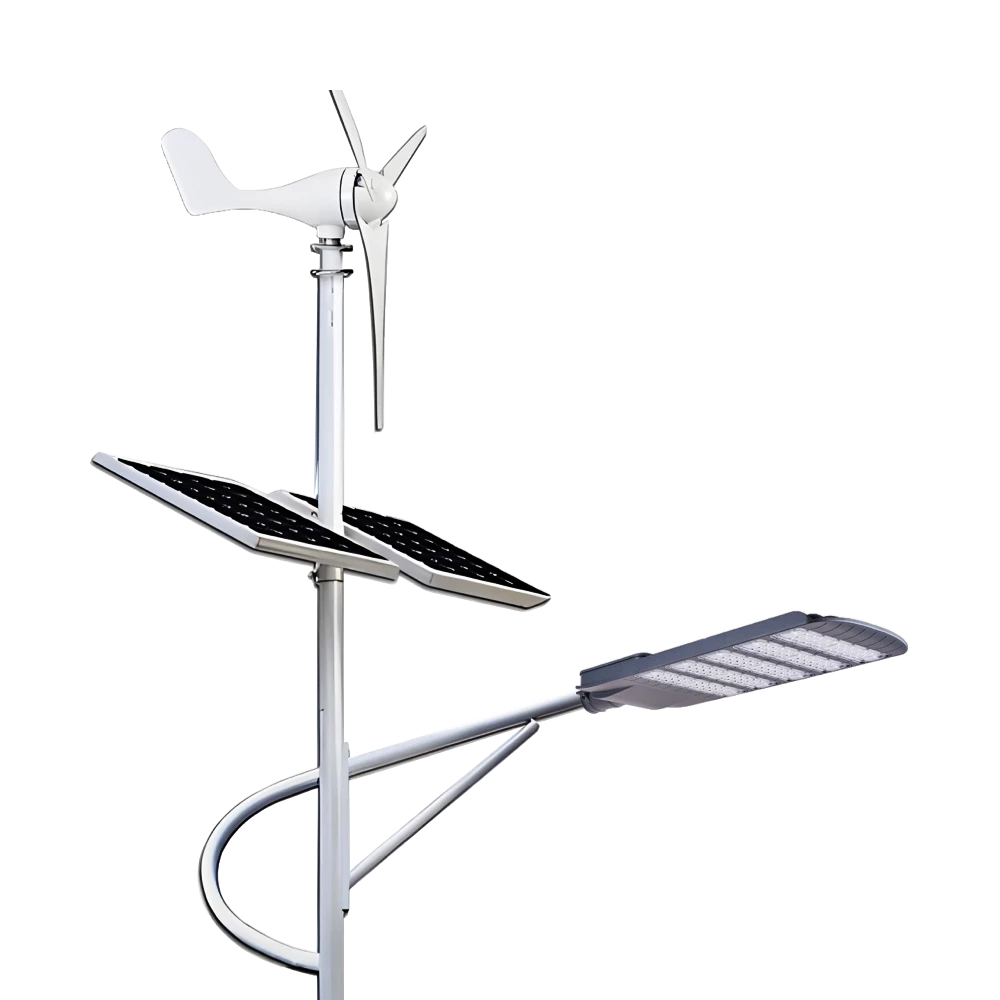
Queneng Lufeng Wind Energy LED Outdoor Solar Street Lights offer high-performance, eco-friendly illumination. These energy-efficient LED street lights harness solar power and wind energy for sustainable, cost-effective outdoor lighting solutions.
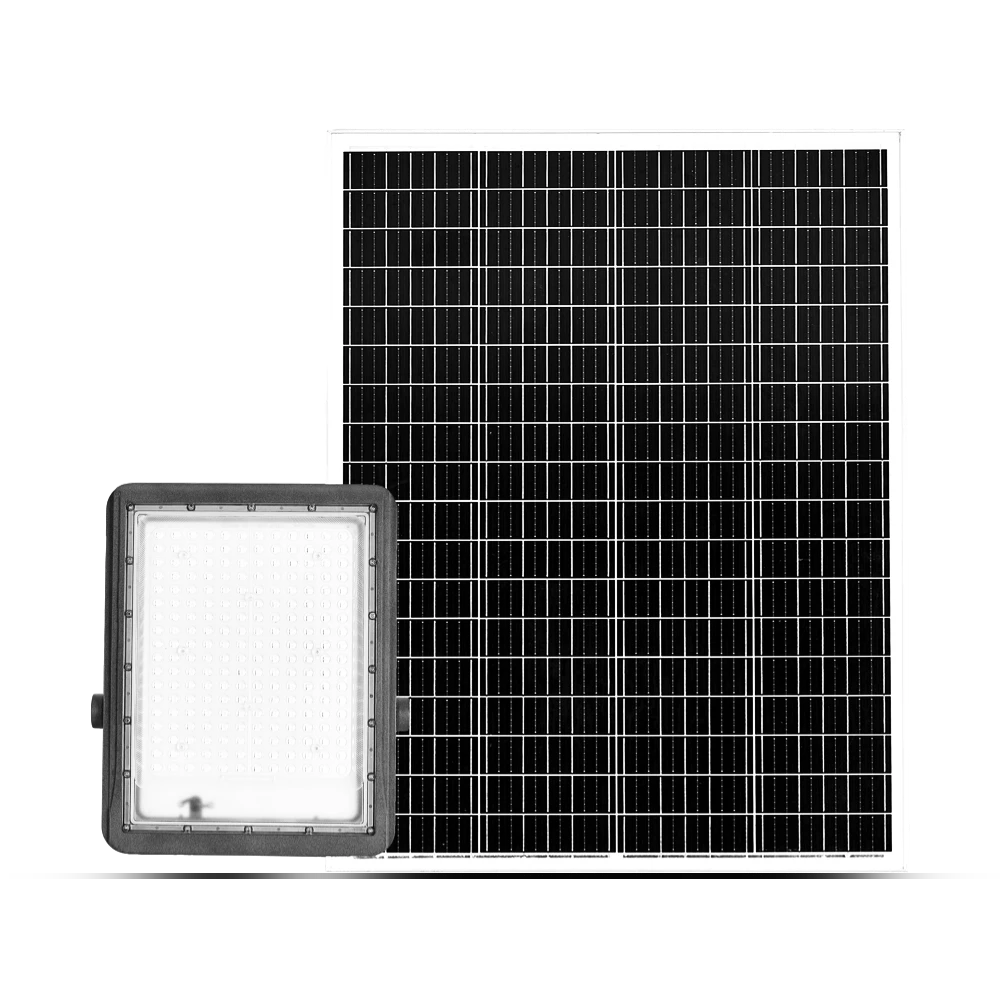
Queneng's Luxian Reliable Solar Street Light offers energy-saving LED lighting for outdoor use. This durable, solar-powered street light provides reliable illumination, reducing energy costs and environmental impact. A perfect solution for sustainable outdoor lighting.
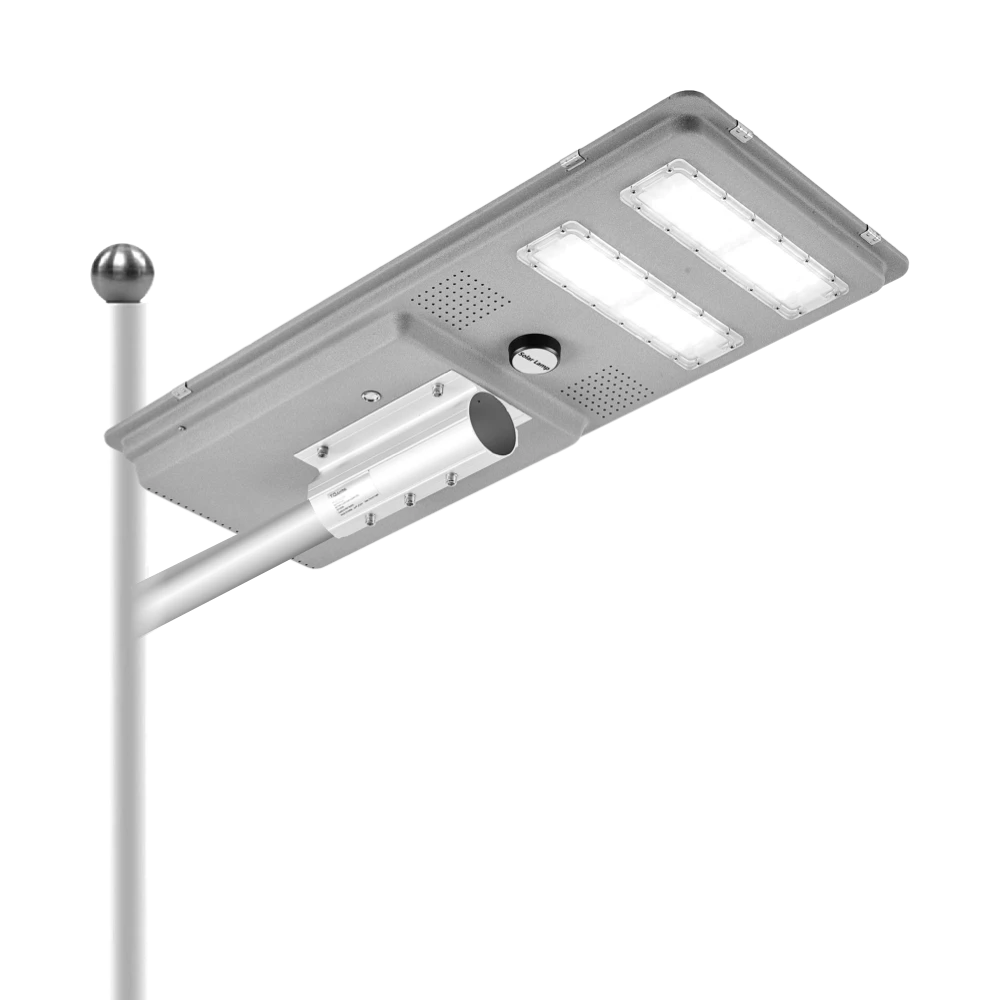
Queneng’s Solar Street Lights are designed to provide reliable, energy-efficient lighting for streets, parks, and other outdoor spaces.
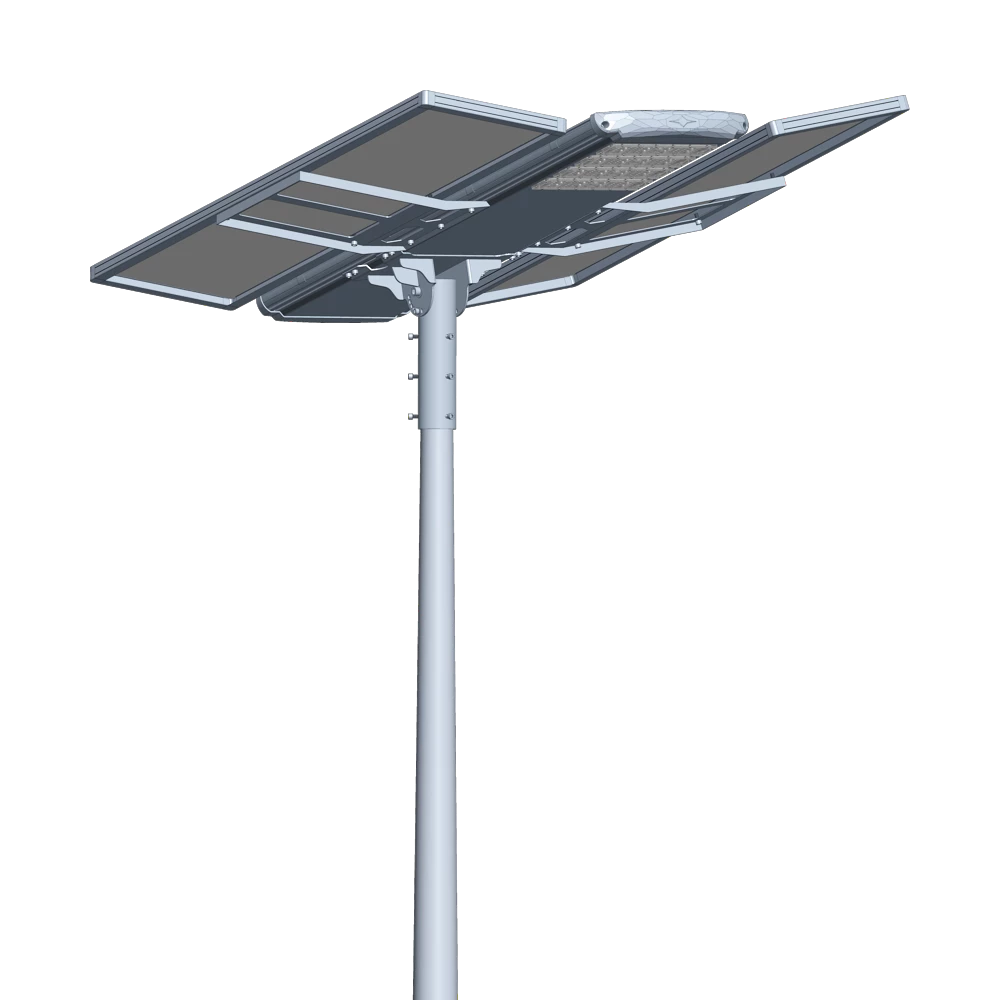
Introducing the Luqing Solar Street Light by Queneng, Efficient LED lighting powered by solar energy is perfect for illuminating outdoor areas. Harness the power of solar energy for sustainable, reliable street lighting. Ideal for eco-friendly, cost-effective outdoor illumination solutions.
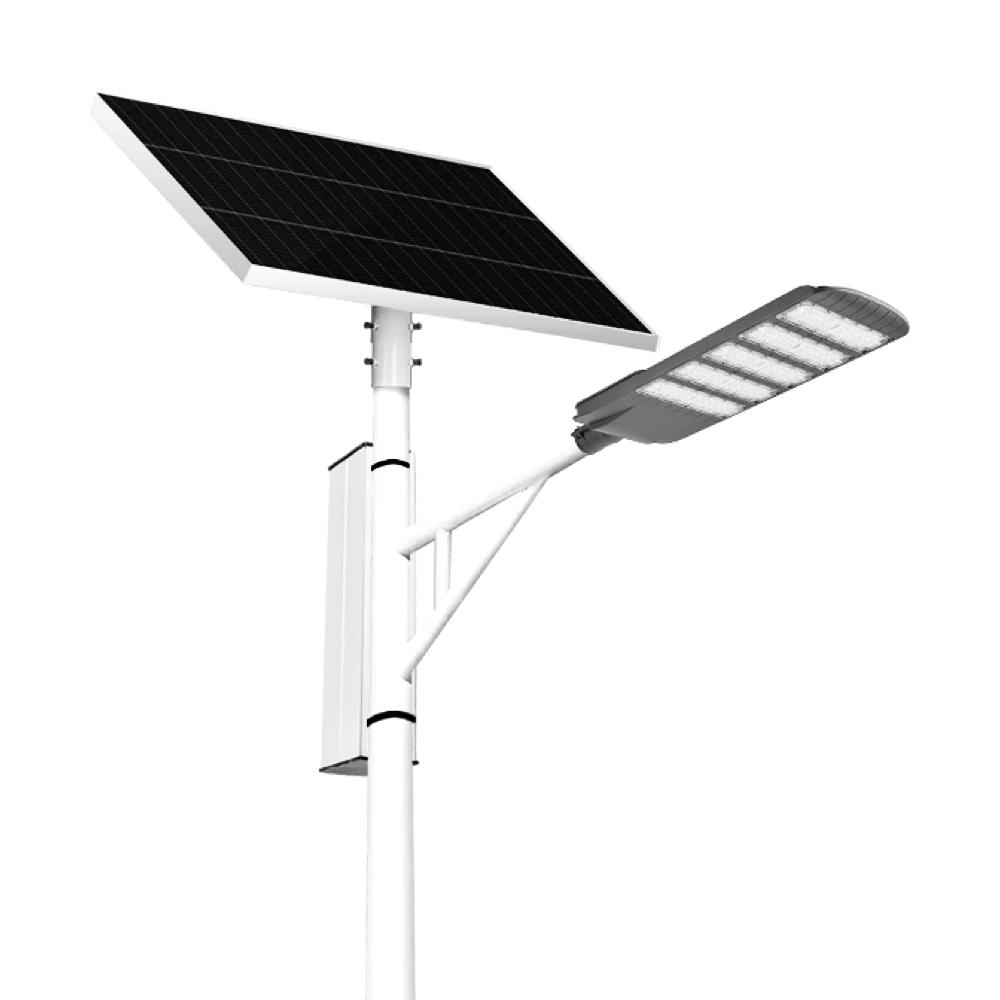
The Solar Streetlights of Luhao for Municipalities are designed to deliver reliable, energy-efficient, and cost-effective public lighting solutions. Equipped with advanced LED technology, durable lithium batteries, and high-efficiency solar panels, these streetlights provide consistent illumination for roads, parks, residential areas, and government projects.
If you would like more information about Queneng solar lighting solutions, please send us a message by filling out the form below. Our professional team will get back to you within 24 hours!
Rest assured that your privacy is important to us, and all information provided will be handled with the utmost confidentiality.
Schedule a Meeting
Book a date and time that is convenient for you and conduct the session in advance.
Have more questions about our products or services?
The messenger of light & power conversion
Environmental protection and intelligent manufacturing are our brand philosophy, and quality assurance and the best user experience are our eternal promises to users.
CONTACT
No.9F, Building F, Cao San Xin Tian Hong Logistics Park, Guzhen Town, Zhongshan City, Guangdong Province, China.
or write [email protected]
WhatsApp: +86 136 2270 1011


