

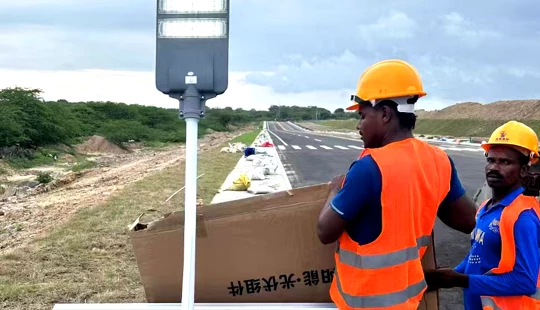
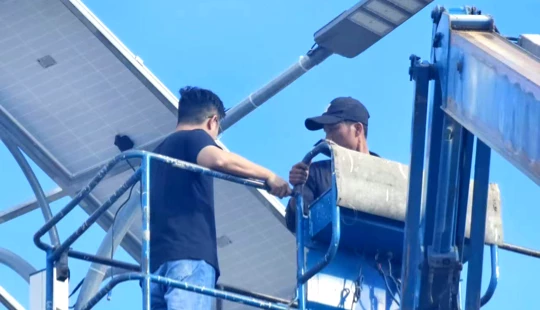













What makes a reliable solar street light supplier?
Mastering Solar Street Light Procurement: Costs, Technologies, and Supplier Selection
As the demand for sustainable and energy-efficient infrastructure grows, solar street lights have emerged as a cornerstone solution for municipalities, developers, and businesses worldwide. However, making an informed purchasing decision requires a deep understanding of various factors, from initial investment to long-term reliability and supplier integrity. This guide aims to equip professional buyers with the essential knowledge needed to navigate the complex landscape of solar street light procurement.
What are the Key Factors Influencing the Cost of Solar Street Lights, and What's a Realistic Price Range?
The cost of solar street light systems can vary significantly, typically ranging from $200 for basic residential models to over $3,000 for high-performance commercial-grade units, excluding installation. Several critical components drive this cost:
- LED Luminaires: The wattage (e.g., 30W to 120W) and luminous efficacy (lumens per watt) of the LED chip (Cree, Philips, Osram) directly impact light output and price. High-efficiency LEDs offer better illumination with less power consumption.
- Solar Panels: Monocrystalline silicon panels are preferred for their higher efficiency (typically 19-22%) and durability, costing more than polycrystalline. Panel wattage (Wp) must be sized appropriately for local solar irradiation and desired autonomy.
- Battery Storage: Lithium Iron Phosphate (LiFePO4) batteries are the industry standard due to their longer cycle life (2,000-4,000 cycles, offering 5-10 years lifespan), safety, and stable performance across wider temperature ranges compared to lead-acid batteries. Battery capacity (Ah or Wh) determines autonomy (how many nights the light can operate without sun).
- Charge Controller: Maximum Power Point Tracking (MPPT) controllers are crucial. They can increase charging efficiency by 15-30% compared to simpler PWM controllers, especially in varying weather conditions, optimizing energy harvest from the solar panel.
- Light Pole: The height (e.g., 6m to 12m), material (galvanized steel, aluminum), and design (tapered, straight, decorative) significantly impact costs. Wind load resistance is a critical factor for safety and durability.
- Smart Features & Sensors: Motion sensors, dimming profiles, IoT connectivity, and remote monitoring capabilities add to the cost but enhance energy efficiency and management.
- Warranty and Certifications: Products with comprehensive warranties and internationally recognized certifications (CE, RoHS, IP65/66) often reflect higher quality and a higher price point.
When budgeting, always consider the total cost of ownership, including purchase, installation, and long-term maintenance savings.
What are the Differences Between All-in-One and Split Solar Street Lights, and Which is Better for Professional Procurement?
Understanding the distinction between these two primary configurations is vital for optimal selection:
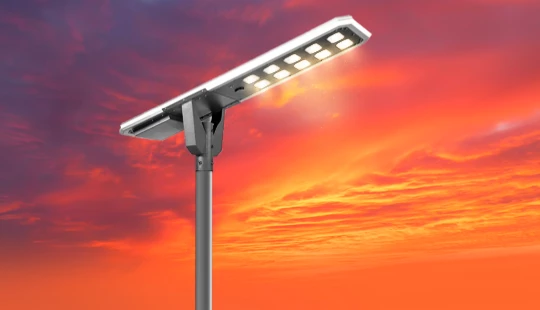
- All-in-One (Integrated) Solar Street Lights: These units combine the solar panel, battery, LED lamp, and charge controller into a single compact housing mounted directly on the pole.
- Pros: Easier and faster installation, lower labor costs, aesthetically sleek, suitable for areas with consistent sunlight and moderate power requirements.
- Cons: Limited flexibility in solar panel orientation (fixed angle), battery and panel are exposed to the same ambient temperature (which can impact battery life), and maintenance or component replacement can be more challenging due to integration.
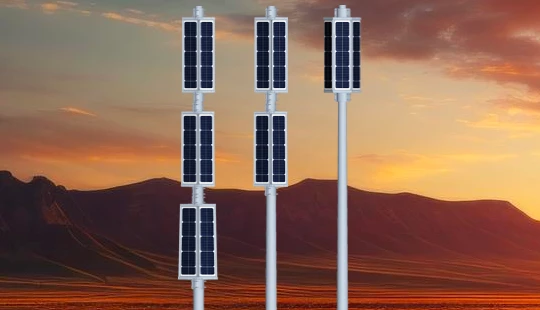
- Split Solar Street Lights: In this configuration, the solar panel, battery, and LED lamp are separate components. The solar panel is mounted on the pole, the LED luminaire is mounted below, and the battery is typically housed in a box either on the pole or buried underground.
- Pros: Greater flexibility in panel positioning (can be angled for optimal sun exposure), allowing for higher energy generation in less ideal conditions (e.g., cloudy regions, specific latitudes). The battery can be protected from extreme temperatures (by burying or insulating the pole-mounted box), extending its lifespan. Easier replacement of individual components, higher power output capability, and enhanced theft deterrence (if the battery is buried).
- Cons: More complex installation, higher initial labor costs due to separate wiring and component mounting.
For professional procurement, especially for projects requiring maximum reliability, longer autonomy, higher wattage, or operating in challenging environmental conditions, split solar street lights are often the preferred choice. Their modularity allows for better performance optimization, easier maintenance, and enhanced longevity.
How Can One Identify a Reliable Solar Street Light Manufacturer or Supplier?
Choosing a reliable solar street light supplier is paramount for project success and long-term performance. Look for manufacturers with:
- Strong R&D Capabilities: An innovative manufacturer invests in research and development to improve efficiency, durability, and smart features, ensuring their products are at the forefront of technology.
- Quality Control & Manufacturing Processes: Inquire about their manufacturing facilities (e.g., ISO 9001 certified), automated production lines, and rigorous testing protocols (e.g., IP rating tests, aging tests, battery cycle tests, vibration tests).
- High Quality Component Sourcing: A reliable manufacturer uses high-quality, branded components for LEDs (Cree, Osram), solar cells (LG, Panasonic), and batteries (CATL, BYD, EVE). Avoid suppliers using generic, unbranded components.
- Comprehensive Certifications: Essential certifications include CE, RoHS, FCC for product safety and environmental compliance; IP65/IP66 for dust and water ingress protection; IEC for solar panel standards; and UN38.3 for battery transportation safety.
- Proven Track Record & Project References: Request a portfolio of past projects, ideally similar in scope and scale to your own. Contacting previous clients can provide valuable insights into their experience.
- Customization Capabilities: The ability to tailor designs, lighting profiles, and specifications to meet specific project requirements (e.g., light distribution, pole height, autonomy) is a hallmark of an expert supplier.
- Transparent Communication & Technical Support: A reputable supplier offers clear communication, detailed technical data sheets, photometric reports (IES files), and prompt pre-sales and post-sales technical assistance.
What are the Critical Technical Specifications and Certifications to Look For?
Beyond the fundamental components, detailed specifications are crucial for evaluation:
- Luminaire Performance: Luminous flux (lumens), luminous efficacy (lm/W), Correlated Color Temperature (CCT, e.g., 4000K for neutral white), Color Rendering Index (CRI >70), and beam angle.
- Battery Specifications: LiFePO4 chemistry, total capacity (Wh), voltage (V), Depth of Discharge (DoD), and estimated cycle life at specific DoD. A typical DoD for solar street light batteries is 70-80% to maximize lifespan.
- Solar Panel Specifications: Peak power (Wp), open-circuit voltage (Voc), short-circuit current (Isc), and efficiency rate (%).
- Charge Controller Features: MPPT efficiency (typically >95%), overcharge/discharge protection, reverse polarity protection, temperature compensation, and programmable lighting modes.
- Environmental Ratings: IP65 or IP66 for the luminaire and battery enclosure (if external). IK rating for impact resistance of the lamp housing. Operating temperature range.
- Pole Specifications: Material, height, thickness, hot-dip galvanization (minimum 80 microns) for corrosion protection, and wind resistance rating (e.g., able to withstand winds up to 120 km/h or more, depending on local regulations).
- Certifications: As mentioned, ensure all key components and the overall system carry relevant international certifications, including CE, RoHS, FCC, IEC, ISO 9001, and UN38.3.
What Kind of Warranty and After-Sales Support Should Be Expected?
A robust warranty and reliable after-sales support are indicators of a supplier's confidence in their product and commitment to customer satisfaction:
- System Warranty: A standard comprehensive warranty for the entire solar street light system typically ranges from 3 to 5 years. Some manufacturers offer longer warranties on specific components.
- Component-Specific Warranties: Solar panels often come with a 20-25 year linear power output warranty (e.g., 80% power output after 25 years). LiFePO4 batteries usually have a 5-year warranty or a guarantee for a certain number of cycles. LEDs often have a 5-year warranty.
- After-Sales Support: This should include readily available spare parts, clear troubleshooting guides, accessible technical support (phone, email, online portal), and clear procedures for warranty claims and repairs. A good supplier will also offer remote monitoring solutions for larger projects, allowing proactive maintenance.
How Do Environmental Conditions Affect Solar Street Light Performance and Selection?
Environmental factors play a crucial role in system design and performance:
- Solar Irradiance (Sunlight): The average daily Peak Sun Hours (PSH) of the installation location is the most critical factor. This determines the required solar panel wattage and battery capacity. Locations with lower PSH require larger panels and batteries.
- Temperature: Extreme temperatures affect battery performance. Cold weather can reduce battery capacity, while high temperatures can accelerate battery degradation. LiFePO4 batteries are more resilient but still benefit from temperature management (e.g., buried batteries in split systems). The solar panel's efficiency slightly decreases in very high temperatures.
- Wind Load: Pole design must account for maximum wind speeds prevalent in the installation area. High wind loads necessitate stronger, thicker poles with deeper foundations to prevent structural failure.
- Dust and Humidity: High levels of dust can accumulate on solar panels, reducing efficiency. High humidity can contribute to corrosion, making high IP ratings and protective coatings (like hot-dip galvanization for poles) essential.
- Shading: Any shading from trees, buildings, or other structures can significantly reduce the solar panel's energy generation. Site surveys are crucial to identify and mitigate potential shading issues.
What is the Typical Lifespan and Maintenance Requirement for Modern Solar Street Lights?
Modern solar street lights are designed for long-term, low-maintenance operation:
- LED Luminaires: High-quality LEDs have a rated lifespan of 50,000 to 100,000 hours, translating to 10-20 years of typical nighttime operation.
- LiFePO4 Batteries: Expect a lifespan of 5-10 years, depending on the number of charge/discharge cycles, depth of discharge, and environmental conditions. Batteries are the most likely component to require replacement during the system's lifetime.
- Solar Panels: Monocrystalline solar panels come with a 20-25 year performance warranty, with gradual degradation in output over time (typically 0.5-0.7% per year).
- Light Poles: Hot-dip galvanized steel poles can last 20 years or more with proper installation and minimal maintenance.
- Maintenance Requirements:
- Cleaning: Solar panels should be cleaned periodically (quarterly to biannually, or more often in dusty environments) to remove dirt, dust, and debris that can reduce efficiency.
- Battery Inspection/Replacement: Monitor battery performance and plan for replacement after its expected lifespan.
- Visual Inspection: Annually check for physical damage, loose connections, or corrosion.
- Firmware Updates: For smart systems, occasional software or firmware updates might be required.
Why Choose Queneng Lighting for Your Solar Street Light Needs?
Queneng Lighting stands as a leading Solar Street Light Manufacturer, committed to delivering high-quality, reliable, and innovative lighting solutions. Our advantages include:
- Advanced R&D and Technology: We continuously invest in research and development, integrating the latest advancements like high-efficiency MPPT controllers, High Quality LiFePO4 batteries, and top-tier LED chips into our designs.
- Superior Component Quality: Queneng Lighting sources only the best components from reputable global suppliers, ensuring exceptional performance, durability, and a longer lifespan for every product.
- Rigorous Quality Control: Our manufacturing processes adhere to stringent ISO 9001 standards, with multi-stage testing and quality checks to guarantee every solar street light meets the highest international quality benchmarks, including IP66 and CE, RoHS certifications.
- Customization and Project Expertise: We offer tailored solutions, providing detailed photometric designs and customized product specifications to perfectly match your project's unique requirements and environmental conditions.
- Comprehensive Support and Warranty: Queneng Lighting provides strong warranties (e.g., 3-5 years on most systems), dedicated technical support, and accessible after-sales service to ensure your long-term satisfaction and investment protection.
- Focus on Split Solar Street Lights: Recognizing the demands of professional procurement, we specialize in robust split solar street light systems, offering superior performance, flexibility, and longevity, particularly for challenging projects.
Partner with Queneng Lighting for reliable, efficient, and sustainable solar street lighting solutions that illuminate your future projects with confidence.
References and Data Sources:
- Solar Street Light Component Cost Analysis: EnergySage - What Makes a Solar Panel Efficient? (Accessed: October 26, 2023)
- LiFePO4 Battery Lifespan and Benefits: Batteries Plus Blog - How Long Do Lithium-Ion Batteries Last? (Accessed: October 26, 2023)
- MPPT vs. PWM Charge Controller Efficiency: Renogy Blog - MPPT vs. PWM Charge Controller (Accessed: October 26, 2023)
- LED Lifespan and Technology: Energy.gov - LED Lighting (Accessed: October 26, 2023)
- Solar Panel Degradation Rates: NREL - Photovoltaic Degradation Rates (PDF) (Accessed: October 26, 2023)

Have more questions about our products or services?
The latest hot news you might like

Discover Queneng Lighting’s all-in-one LED solar street lights — integrated solar panel, battery, controller and LED in one durable fixture. Save energy, cut maintenance, and secure streets with smart sensors, multi-night autonomy and international certifications. Contact sales for quotes and support.

Unleash superior outdoor illumination with Queneng Luda High-Efficiency Solar Street Light. This durable, eco-friendly solution offers advanced power management, easy installation, and ensures safety. Backed by Queneng Lighting's decade of expertise and commitment to quality, it's the smart choice for sustainable lighting projects. Learn why we're a leading solar solutions provider.

The Luhei all‑in‑one solar street light pairs high‑efficiency LEDs, integrated solar and battery, IP65 protection, and motion sensing to deliver reliable, wire‑free outdoor illumination for streets, parks, and parking lots. Backed by Queneng Lighting’s certifications and support.

FAQ
Transportation and Highways
How long does the installation process take for a highway solar lighting system?
The installation time depends on the project size. Typically, a single solar streetlight can be installed in 1-2 hours, while larger highway projects may take several days or weeks.
Solar Street Light Luqing
What kind of battery is used in Luqing solar street lights?
Luqing solar street lights typically use lithium-ion batteries, known for their efficiency, long life, and ability to handle high numbers of charge cycles compared to other battery types like lead-acid.
Battery Performance and Testing
What is pulse charging? What impact does it have on battery performance?
Commercial and Industrial Parks
What maintenance is required for solar lights?
Minimal maintenance is required, typically involving periodic cleaning of panels and checking the battery and light fixtures.
Battery Types and Applications
What types of battery products are there? Which application fields are they suitable for?
Electric bicycles, cordless phones, electric toys, power tools, emergency lights, household appliances, instruments and equipment, mining lamps, walkie-talkies
The application fields of lithium-ion batteries include but are not limited to:
Electric bicycles, remote-controlled toy cars, mobile phones, laptops, various mobile devices, compact disc players, small video cameras, digital cameras, walkie-talkies
Schools and Educational Institutions
Do solar lights work year-round, even during winter?
Yes, solar lights can work year-round, even in winter. However, in areas with heavy snow, it’s important to ensure the solar panels are clear of snow for optimal performance.
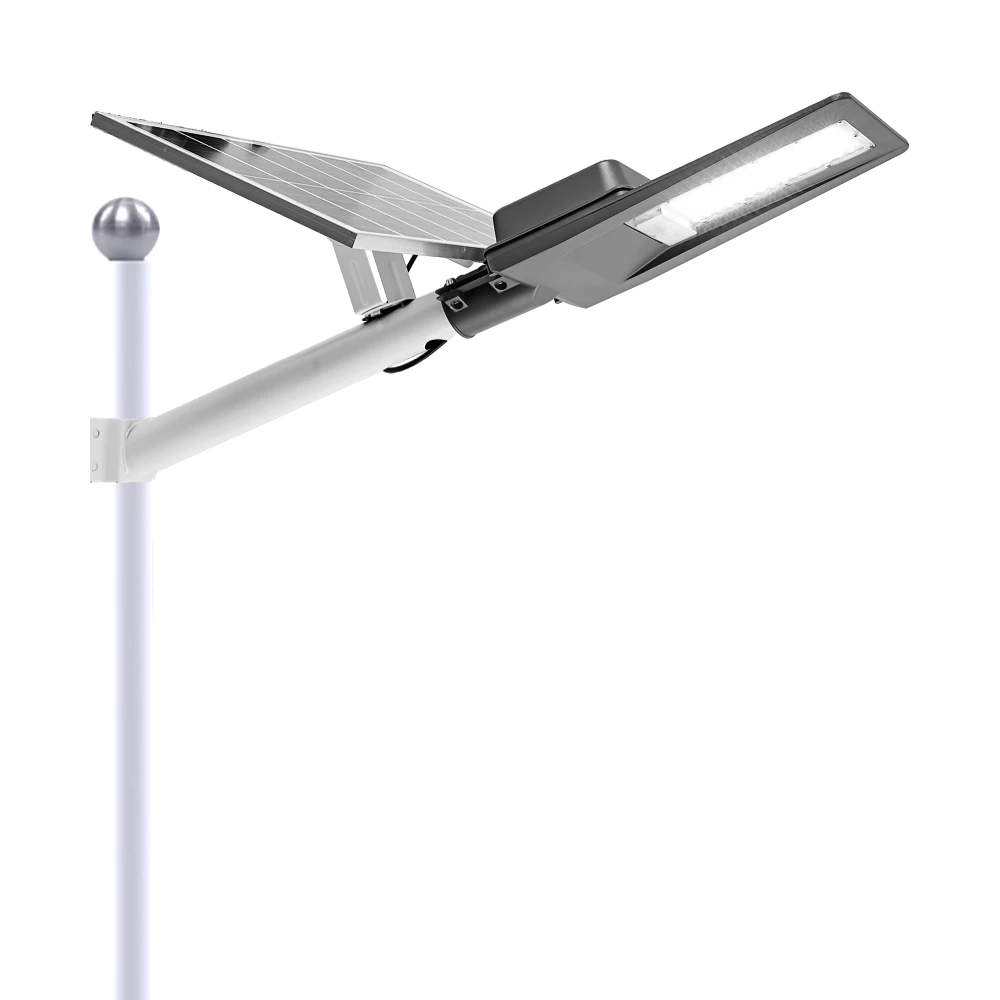
Experience reliable outdoor illumination with our smart solar street light, a perfect combination of advanced technology and eco-conscious design.
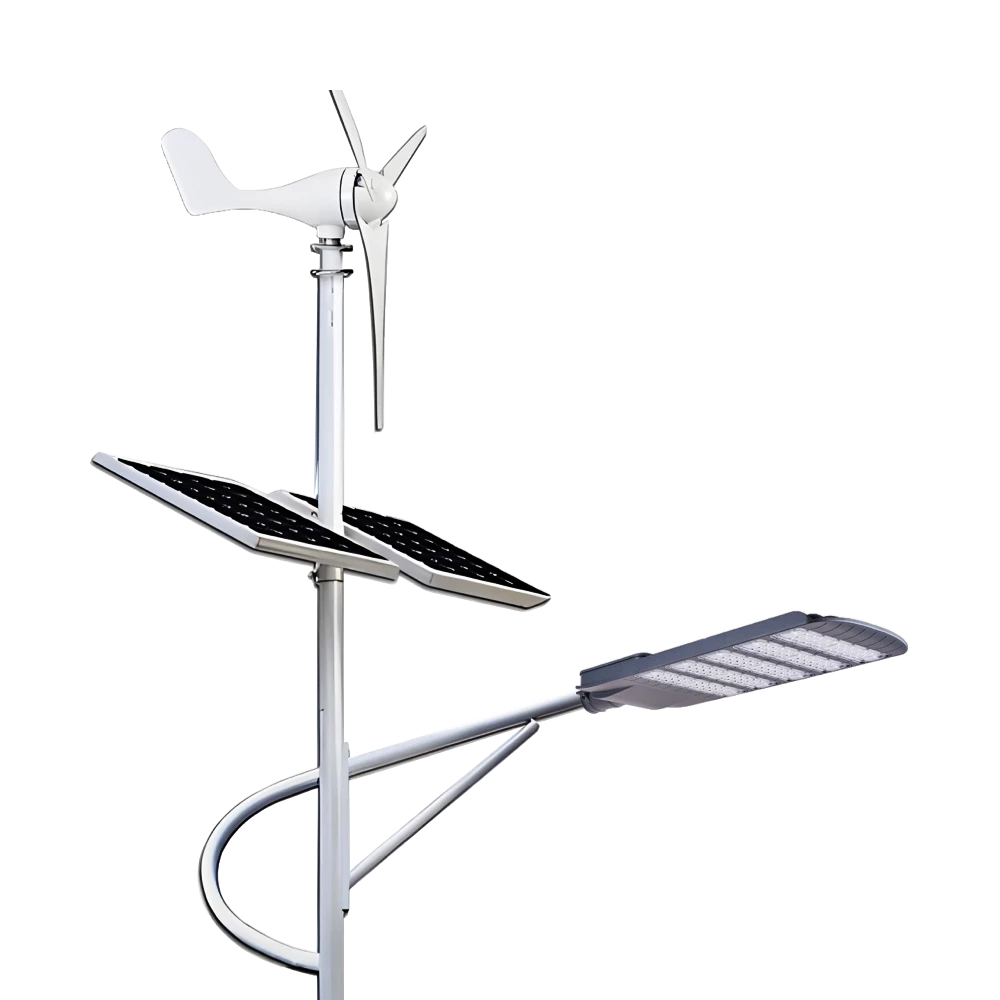
Queneng Lufeng Wind Energy LED Outdoor Solar Street Lights offer high-performance, eco-friendly illumination. These energy-efficient LED street lights harness solar power and wind energy for sustainable, cost-effective outdoor lighting solutions.
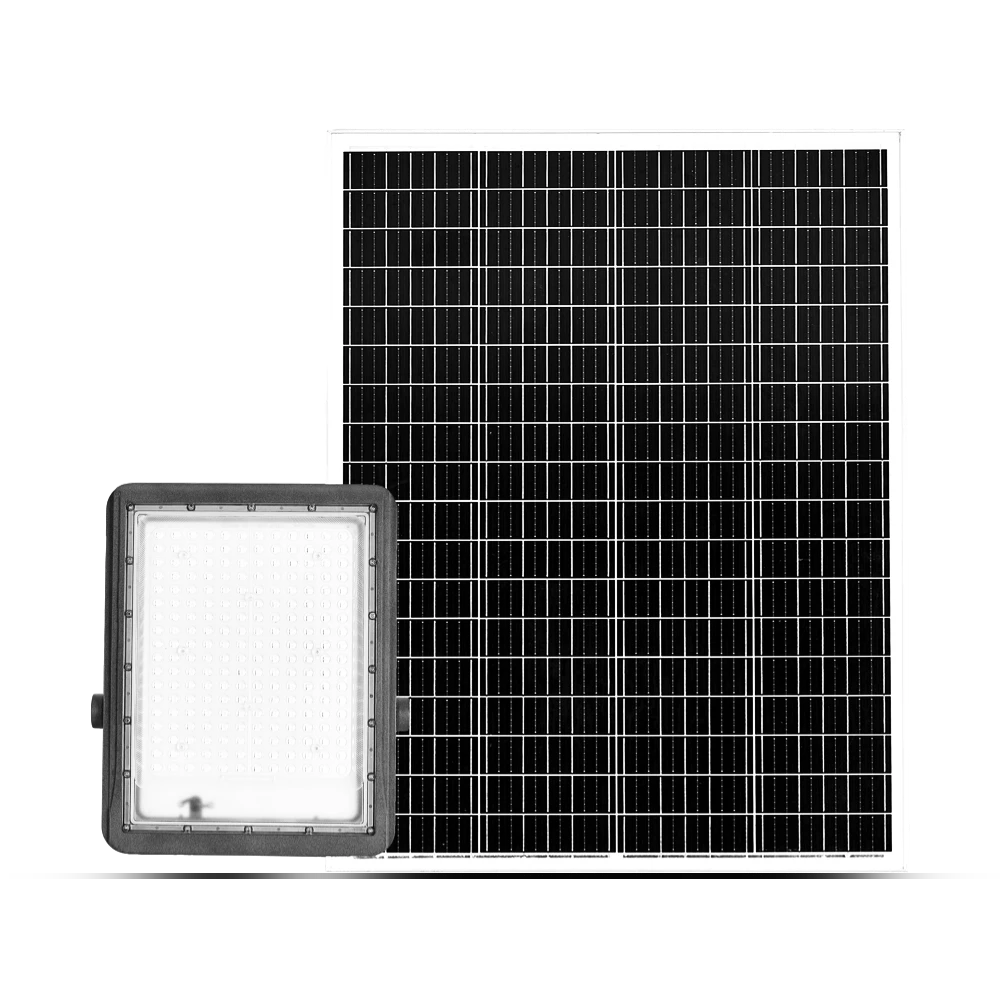
Queneng's Luxian Reliable Solar Street Light offers energy-saving LED lighting for outdoor use. This durable, solar-powered street light provides reliable illumination, reducing energy costs and environmental impact. A perfect solution for sustainable outdoor lighting.
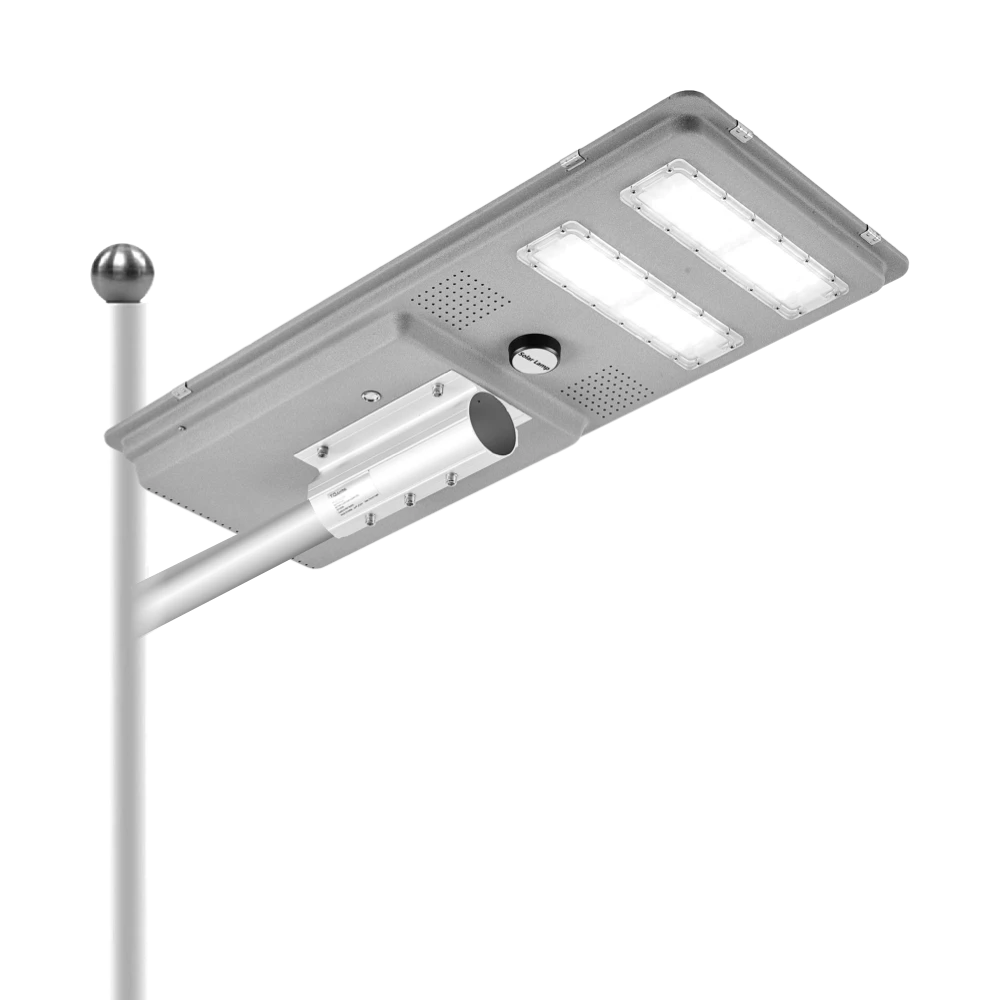
Queneng’s Solar Street Lights are designed to provide reliable, energy-efficient lighting for streets, parks, and other outdoor spaces.
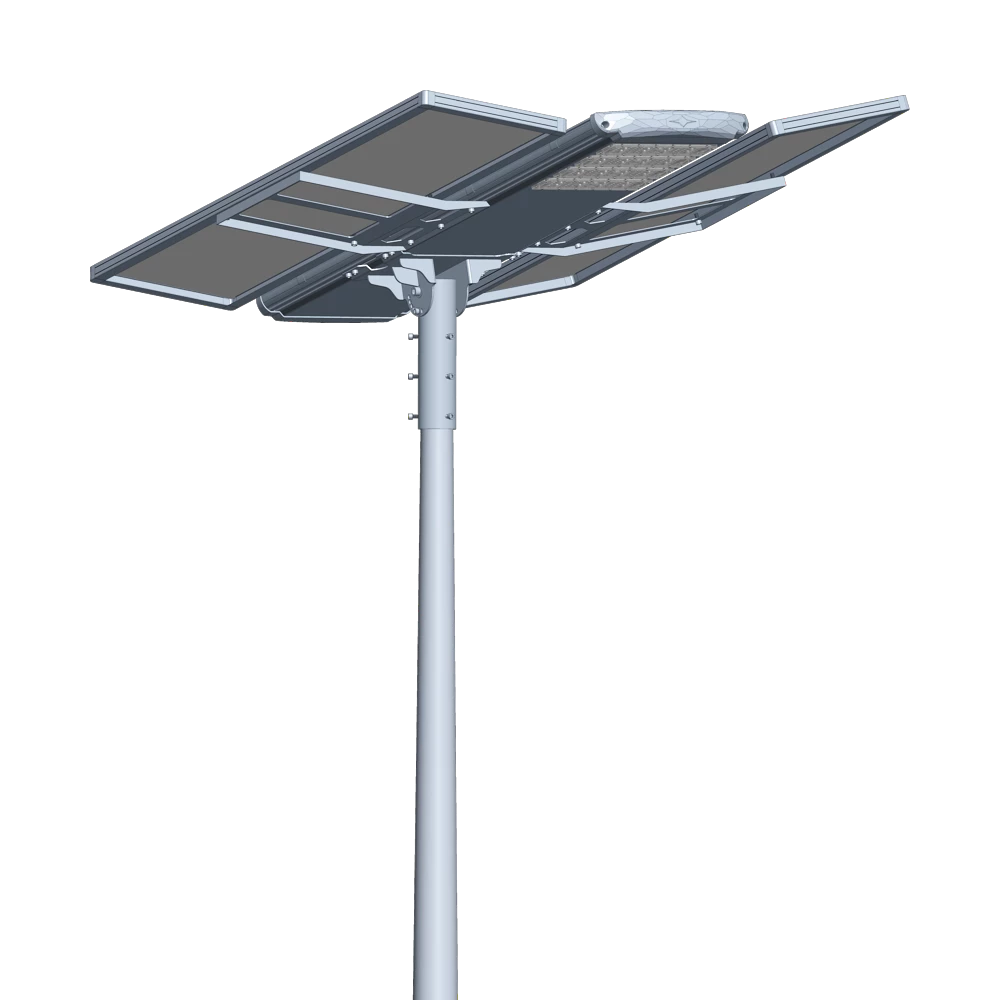
Introducing the Luqing Solar Street Light by Queneng, Efficient LED lighting powered by solar energy is perfect for illuminating outdoor areas. Harness the power of solar energy for sustainable, reliable street lighting. Ideal for eco-friendly, cost-effective outdoor illumination solutions.
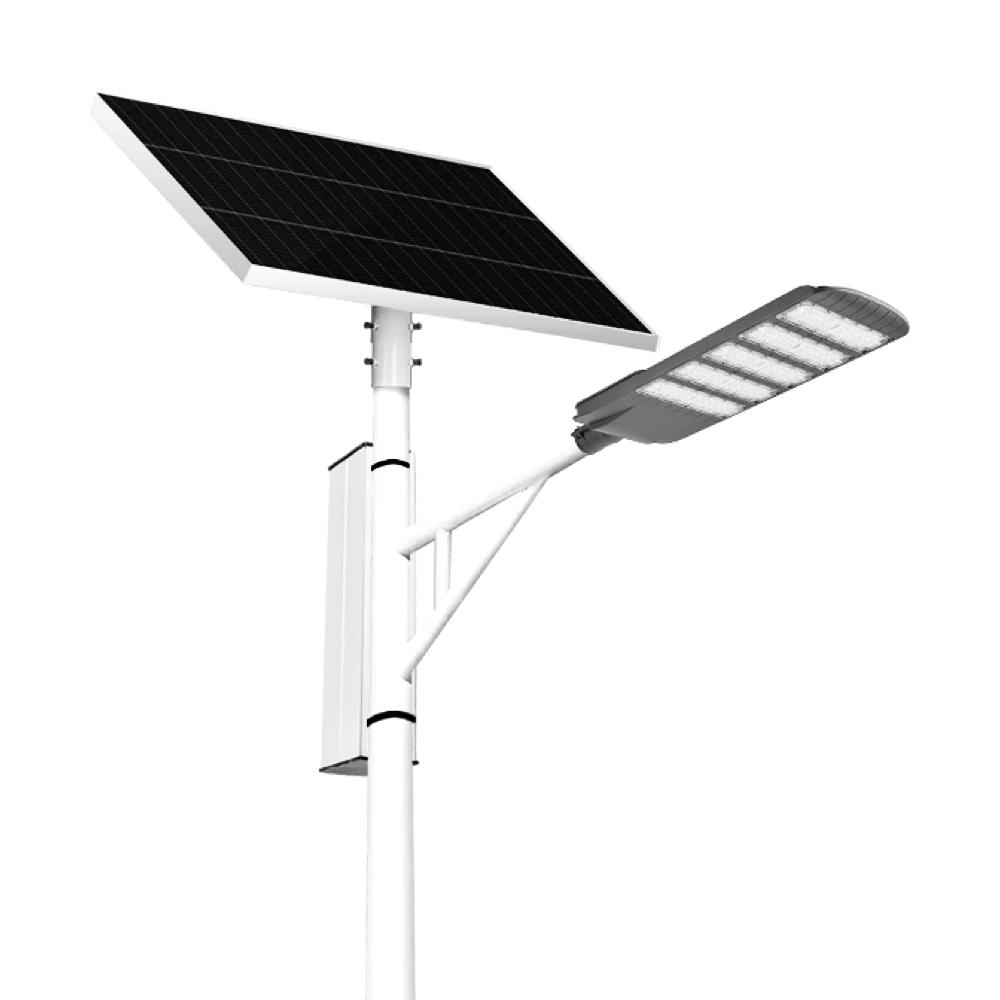
The Solar Streetlights of Luhao for Municipalities are designed to deliver reliable, energy-efficient, and cost-effective public lighting solutions. Equipped with advanced LED technology, durable lithium batteries, and high-efficiency solar panels, these streetlights provide consistent illumination for roads, parks, residential areas, and government projects.
If you would like more information about Queneng solar lighting solutions, please send us a message by filling out the form below. Our professional team will get back to you within 24 hours!
Rest assured that your privacy is important to us, and all information provided will be handled with the utmost confidentiality.
Schedule a Meeting
Book a date and time that is convenient for you and conduct the session in advance.
Have more questions about our products or services?
The messenger of light & power conversion
Environmental protection and intelligent manufacturing are our brand philosophy, and quality assurance and the best user experience are our eternal promises to users.
CONTACT
No.9F, Building F, Cao San Xin Tian Hong Logistics Park, Guzhen Town, Zhongshan City, Guangdong Province, China.
or write [email protected]
WhatsApp: +86 136 2270 1011


