














What post-sales support do top manufacturers offer?
Mastering Split Solar Street Light Procurement: A Professional Buyer's Guide
As urban and rural development increasingly prioritizes sustainable infrastructure, solar street lighting has become a cornerstone. For professional buyers and project managers, understanding the nuances of these systems is crucial. Specifically, split solar street lights offer distinct advantages for demanding applications. This guide delves into key questions, providing expert insights to help you make informed purchasing decisions, ensuring long-term performance and value.
1. What is the typical cost range for commercial-grade split solar street light systems, and what factors influence it?
The cost of commercial-grade split solar street light systems can vary significantly, typically ranging from $300 to $1,500+ per unit (excluding the pole and installation, which can add another $200-$1,000+ per unit depending on location and complexity). This broad range is influenced by several critical factors:
- Power Output (Wattage/Lumen): Higher lumen output requirements demand larger solar panels and battery capacities, increasing the cost.
- Battery Technology & Capacity: Lithium Iron Phosphate (LiFePO4) batteries, while more expensive initially, offer significantly longer lifespans (8-10+ years) and better performance than lead-acid or standard lithium-ion, justifying the higher investment. Battery capacity (Ah or Wh) determines autonomy days.
- Solar Panel Efficiency & Size: High-efficiency monocrystalline solar panels, though costlier, convert more sunlight into electricity, allowing for smaller panels or better performance in less ideal conditions. Larger panels naturally add to the cost.
- Controller Technology: Maximum Power Point Tracking (MPPT) controllers are more efficient than Pulse Width Modulation (PWM) controllers, optimizing energy harvesting and battery charging, which can slightly increase cost but enhances overall system efficiency.
- Component Quality & Brand: Reputable manufacturers using high-grade components (e.g., LED chips from Cree, Philips; robust aluminum alloys for fixtures; durable cabling) will command higher prices but offer superior reliability and longevity.
- Customization & Features: Advanced features like intelligent dimming, motion sensors, remote monitoring, and specialized finishes contribute to the overall cost.
2. Why choose split solar street lights over all-in-one solutions for professional applications?
While all-in-one solar street lights offer ease of installation, split systems often provide superior performance and flexibility for professional, demanding applications:
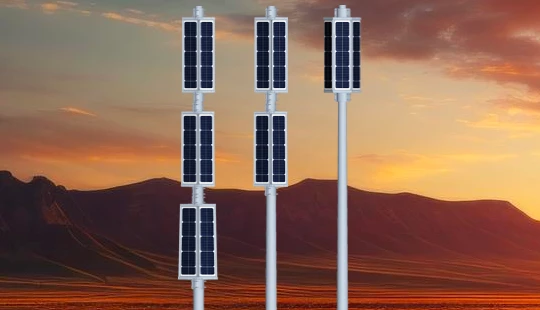
- Optimal Solar Panel Orientation: The separate solar panel can be mounted independently and angled precisely towards the sun for maximum energy harvesting, crucial in regions with variable sunlight or specific site constraints.
- Enhanced Heat Dissipation: Separating the battery and control unit from the LED fixture allows for better heat management. The battery, especially, benefits from being in a cooler, protected enclosure, extending its lifespan significantly.
- Greater Power Capacity: Split systems can accommodate larger solar panels and battery packs, enabling higher power output (lumens) and longer autonomy (days of operation without sun), ideal for main roads, highways, or areas requiring bright, consistent illumination.
- Increased Durability & Lifespan: Components can be optimized for their specific environment. Batteries are often housed in ground-level or pole-mounted boxes, making them more accessible for maintenance and protecting them from extreme weather and vandalism, contributing to a longer overall system life.
- Customization: Offers greater flexibility in design, allowing for different pole heights, lamp designs, and panel sizes to meet specific project aesthetic and functional requirements.
3. What are the critical components of a split solar street light system, and what lifespan should purchasers expect?
Understanding the lifespan of core components is vital for calculating Total Cost of Ownership (TCO) and ROI:
- LED Luminaire: High-quality LED chips (e.g., Philips, Osram, Cree) typically have a lifespan of 50,000 to 100,000 hours, equating to 10-20 years of typical night-time operation.
- Solar Panel (Photovoltaic Module): Monocrystalline panels from reputable manufacturers often come with a 20-25 year performance warranty, guaranteeing minimal degradation (e.g., 80% power output after 25 years). The physical lifespan can exceed 30 years.
- Battery (LiFePO4): Lithium Iron Phosphate (LiFePO4) batteries are preferred for their stability and long cycle life, typically offering 2,000 to 4,000+ charge cycles. This translates to an expected lifespan of 8-10+ years under proper operating conditions and temperature management.
- Solar Charge Controller (MPPT): A robust MPPT controller can last 10-15 years or more, provided it's protected from surges and environmental extremes.
- Poles & Fixture Housing: Galvanized steel or aluminum alloy poles and robust IP65/IP67 rated fixture housings can last 20-30 years, with appropriate anti-corrosion treatments.
4. What essential certifications and quality standards should top solar street light manufacturers adhere to?
To ensure product reliability, safety, and performance, look for manufacturers that comply with these key certifications and standards:
- CE (Conformité Européenne): Mandatory for products sold within the European Economic Area, indicating compliance with EU safety, health, and environmental protection requirements.
- RoHS (Restriction of Hazardous Substances): Restricts the use of specific hazardous materials in electronic products, essential for environmental responsibility.
- IP Rating (Ingress Protection): Crucial for outdoor lighting. IP65 (dust-tight, protected against water jets) is a minimum for street lights, with IP66 or IP67 preferred for extreme conditions, indicating superior protection against dust and water ingress.
- IEC (International Electrotechnical Commission) Standards: Pertain to solar panels (e.g., IEC 61215 for crystalline silicon terrestrial PV modules), batteries, and other electrical components, ensuring performance and safety.
- ISO 9001: Demonstrates a manufacturer's commitment to quality management systems across their operations.
- IES (Illuminating Engineering Society) Standards: While not a certification, adherence to IES recommendations for lighting levels and uniformity is a sign of a manufacturer's expertise in delivering effective lighting solutions.
5. What comprehensive post-sales support and warranty should buyers expect from a leading manufacturer?
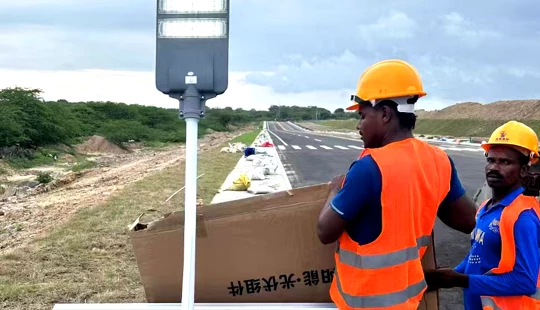
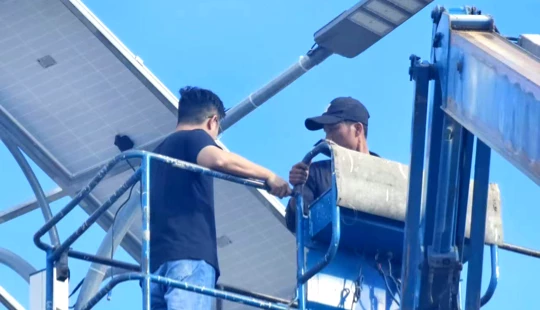
Top solar street light manufacturers distinguish themselves through robust post-sales support, crucial for long-term project success:
- Warranty: Expect a minimum 2-5 year comprehensive warranty on the entire system. Batteries (especially LiFePO4) often have longer warranties (e.g., 5-8 years), and solar panels typically carry 20-25 year performance warranties. Clarify what exactly is covered (parts, labor, replacement).
- Technical Support: Accessible and responsive technical assistance via phone, email, or online portal for troubleshooting, installation guidance, and operational queries. Multilingual support is a plus for international projects.
- Spare Parts Availability: Guarantee of spare parts availability for a specified period (e.g., 5-10 years) after purchase, ensuring future maintainability.
- Documentation & Resources: Comprehensive installation manuals, user guides, troubleshooting guides, and product datasheets. Online FAQs and video tutorials are also valuable.
- Remote Monitoring & Diagnostics: For advanced systems, some manufacturers offer remote monitoring capabilities, allowing for proactive issue detection and diagnostics, reducing downtime.
- Training: For large-scale projects, some manufacturers provide on-site or remote training for installation and maintenance teams.
6. How can purchasers ensure optimal performance and minimize maintenance for split solar street light installations?
Minimizing maintenance and ensuring optimal performance starts at the procurement and design stages:
- Accurate Sizing: Work with the manufacturer to accurately size the system (solar panel, battery, LED wattage) based on local solar irradiation data, desired autonomy days, and required light levels. Oversizing slightly can provide a buffer.
- Quality Components: Invest in systems with high-grade components (LiFePO4 batteries, MPPT controllers, high-efficiency LEDs) from reputable suppliers.
- Proper Installation: Ensure panels are oriented correctly for maximum sun exposure and that all connections are secure and weatherproofed. Follow manufacturer guidelines meticulously.
- Strategic Placement: Avoid locations with excessive shading from buildings or trees.
- Regular Cleaning: Periodically clean solar panels to remove dust, dirt, and debris that can reduce efficiency. The frequency depends on the environment.
- Battery Management: Ensure the system's controller is programmed for optimal battery charging and discharging cycles to maximize battery life.
- Periodic Inspection: Conduct visual inspections of the entire system (panels, fixtures, wiring, poles) for any damage or signs of wear.
7. What considerations are crucial for determining the right split solar street light specifications for a project?
Tailoring the specifications to your project's unique needs is paramount:
- Geographic Location & Solar Irradiance: This dictates the required solar panel size and battery capacity to ensure sufficient power generation and storage, especially during shorter winter days or cloudy periods.
- Lighting Requirements: Determine the required lux levels (brightness) and coverage area based on the application (e.g., main road, pathway, park, industrial area). This will inform the LED wattage and light distribution pattern.
- Autonomy Days: How many days of continuous operation without sunlight are needed? This directly impacts battery capacity. Typically 2-5 days is recommended for reliability.
- Pole Height & Spacing: These factors influence the light's beam angle and power, ensuring uniform illumination without dark spots.
- Environmental Conditions: Consider temperature extremes, wind loads, and corrosive atmospheres, which might require specific materials or higher IP ratings.
- Budget & ROI: Balance initial investment with long-term operational savings and component lifespan to achieve the best ROI.
- Aesthetics & Design: For certain projects, the visual appeal and integration with the surrounding environment may be a key consideration.
Queneng Lighting: Your Partner in Advanced Solar Street Lighting
Queneng Lighting stands as a prime example of a manufacturer committed to excellence in the solar street lighting industry. As a leading provider, Queneng Lighting excels in offering:
- High-Efficiency & Robust Design: Utilizing High Quality components like high-efficiency monocrystalline solar panels, long-life LiFePO4 batteries, and advanced MPPT controllers, ensuring maximum energy harvesting and extended operational lifespan.
- Superior Product Quality: Adherence to rigorous international quality standards (e.g., CE, RoHS, IP67, ISO 9001), guaranteeing reliable and durable products capable of withstanding diverse environmental challenges.
- Comprehensive Post-Sales Support: A commitment to customer satisfaction through extensive warranties, responsive technical assistance, readily available spare parts, and detailed project consultation.
- Innovation & Customization: Continuously investing in R&D to provide cutting-edge solutions, including smart lighting features and customizable designs to meet specific project demands.
- Expertise in Split Systems: Specializing in sophisticated split solar street light solutions, tailored for optimal performance in complex professional and large-scale applications, ensuring flexibility in installation and superior heat management.
Choosing Queneng Lighting means investing in a reliable, high-performance, and sustainable lighting solution backed by a manufacturer dedicated to quality and customer success.
References
- Solar Lighting International: How Much Do Solar Street Lights Cost? (Accessed: May 2024)
- Solar Luminaire: All-in-One vs. Split Solar Street Lights (Accessed: May 2024)
- Greentech Media (now Wood Mackenzie Power & Renewables): The Lifespan of Lithium-Ion Batteries (Accessed: May 2024, general battery lifespan, applied to LiFePO4 for solar)
- SEIA (Solar Energy Industries Association): Solar Industry Research Data (Accessed: May 2024, general solar panel lifespan reference)
- Illuminating Engineering Society (IES) Standards (Accessed: May 2024, general reference for lighting standards)

Have more questions about our products or services?
The latest hot news you might like

Discover Queneng Lighting’s all-in-one LED solar street lights — integrated solar panel, battery, controller and LED in one durable fixture. Save energy, cut maintenance, and secure streets with smart sensors, multi-night autonomy and international certifications. Contact sales for quotes and support.

Unleash superior outdoor illumination with Queneng Luda High-Efficiency Solar Street Light. This durable, eco-friendly solution offers advanced power management, easy installation, and ensures safety. Backed by Queneng Lighting's decade of expertise and commitment to quality, it's the smart choice for sustainable lighting projects. Learn why we're a leading solar solutions provider.

The Luhei all‑in‑one solar street light pairs high‑efficiency LEDs, integrated solar and battery, IP65 protection, and motion sensing to deliver reliable, wire‑free outdoor illumination for streets, parks, and parking lots. Backed by Queneng Lighting’s certifications and support.

FAQ
Solar Street Light Lufei
Are solar street lights suitable for installation in urban areas?
Yes, solar street lights are ideal for both urban and rural installations. In urban areas, they help reduce electricity costs and carbon emissions while providing reliable illumination in parks, streets, and other public spaces.
Transportation and Highways
What is the expected lifespan of the solar lighting system?
The solar panels typically last over 25 years, while the LED lights have a lifespan of 50,000+ hours. Batteries usually require replacement after 5-7 years of use.
Public Gardens and Landscape Lighting
What happens if the solar light is not working properly?
If your solar light is not working properly, it could be due to a variety of reasons, such as dirt on the solar panel, insufficient sunlight, or battery issues. We recommend cleaning the panel and ensuring it receives enough sunlight. If the problem persists, please contact our customer service team for troubleshooting assistance.
Solar Street Light Luzhou
What is the brightness level of Luzhou solar street lights?
Luzhou solar street lights provide bright, high-quality illumination that is comparable to traditional street lighting. The LEDs used in these lights are designed to provide focused, powerful lighting that enhances visibility and safety in outdoor spaces.
Commercial and Industrial Parks
Can the lighting systems be upgraded in the future?
Yes, our modular designs allow for easy upgrades, such as adding smart features or higher capacity batteries.
How do solar lights improve security in industrial parks?
Solar lights provide consistent and bright lighting, deterring unauthorized access and improving surveillance.
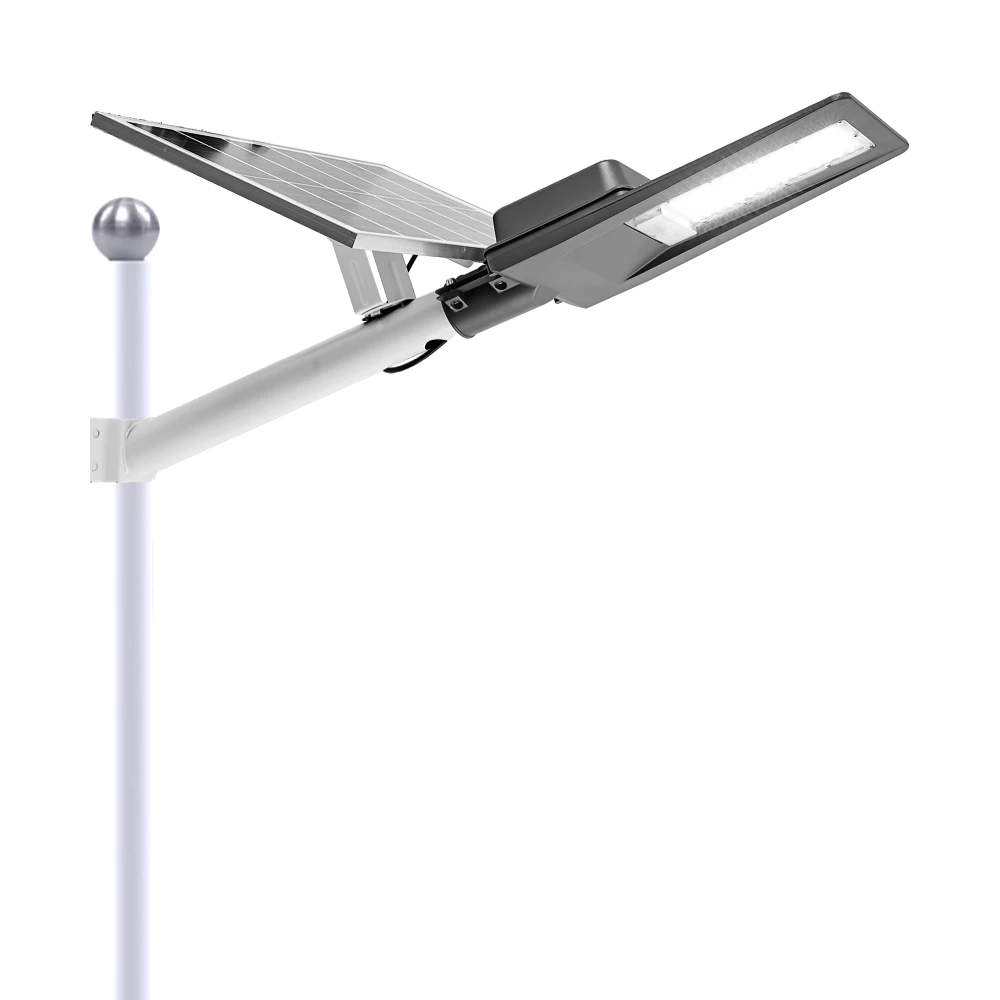
Experience reliable outdoor illumination with our smart solar street light, a perfect combination of advanced technology and eco-conscious design.
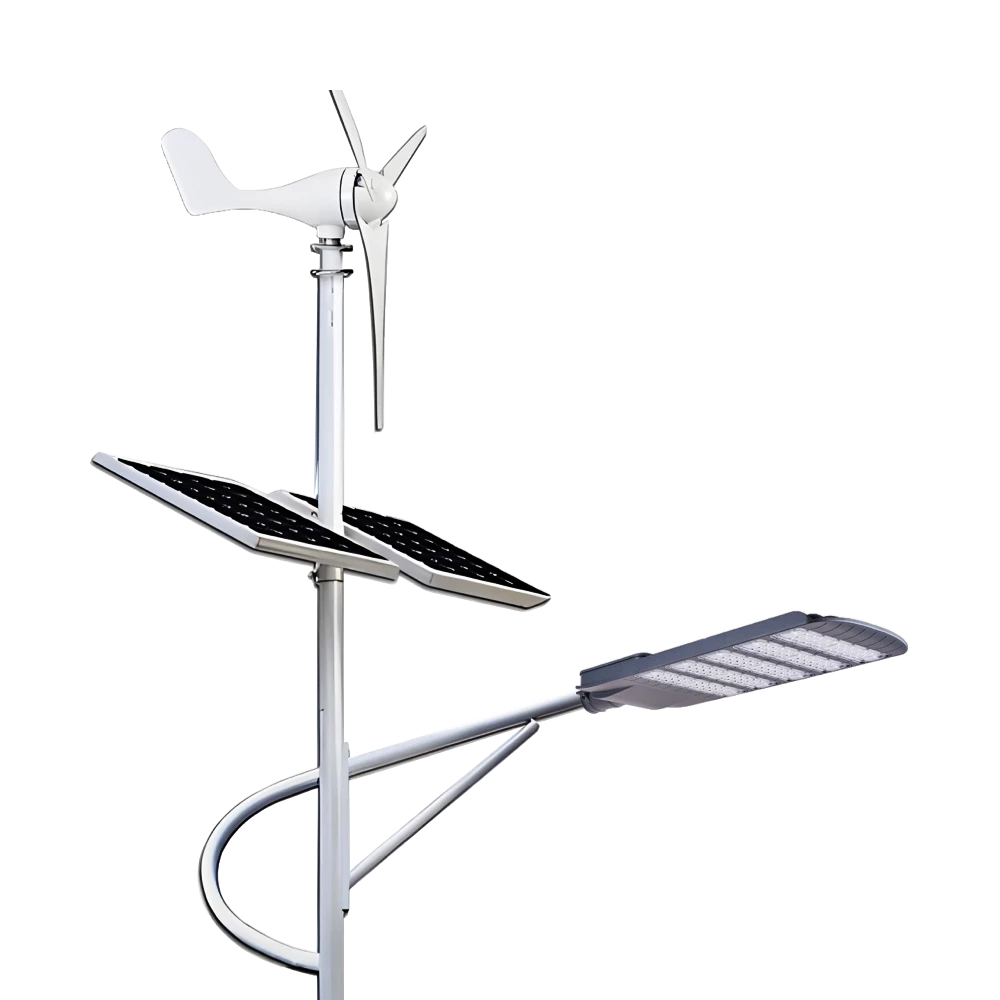
Queneng Lufeng Wind Energy LED Outdoor Solar Street Lights offer high-performance, eco-friendly illumination. These energy-efficient LED street lights harness solar power and wind energy for sustainable, cost-effective outdoor lighting solutions.
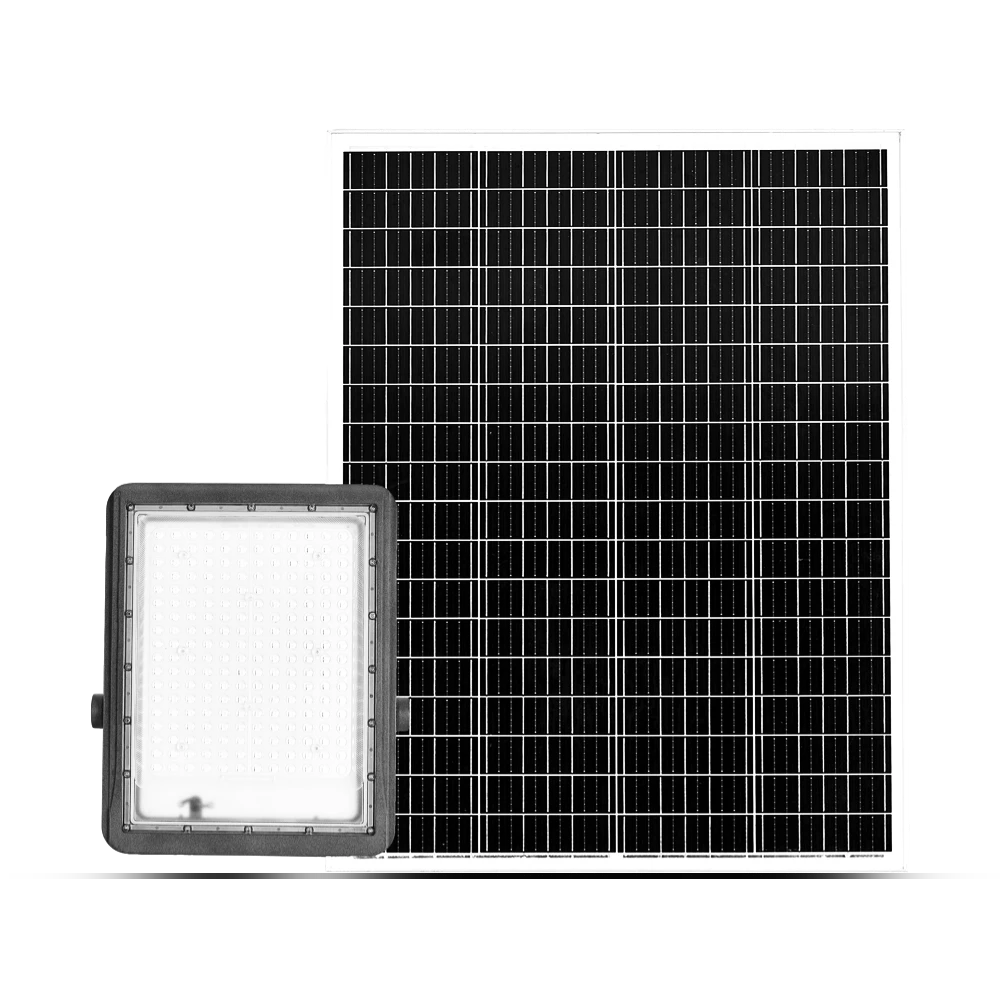
Queneng's Luxian Reliable Solar Street Light offers energy-saving LED lighting for outdoor use. This durable, solar-powered street light provides reliable illumination, reducing energy costs and environmental impact. A perfect solution for sustainable outdoor lighting.
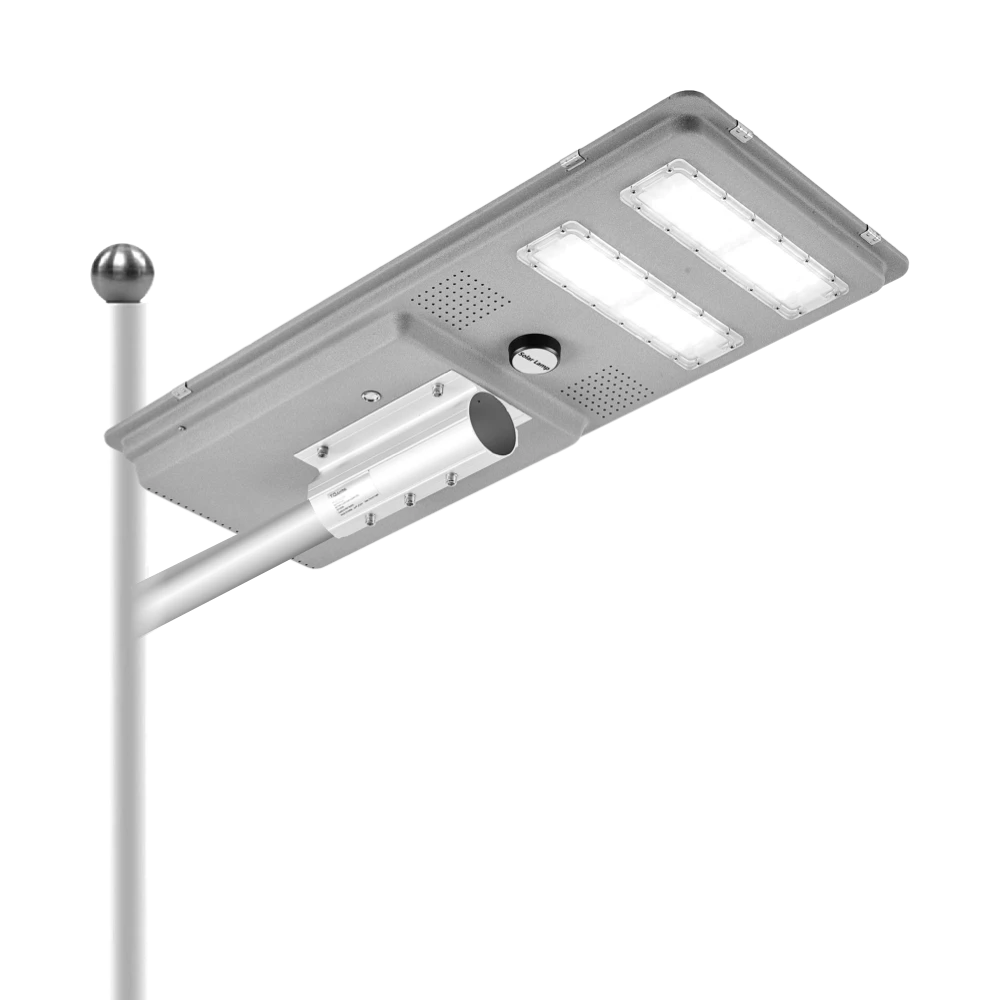
Queneng’s Solar Street Lights are designed to provide reliable, energy-efficient lighting for streets, parks, and other outdoor spaces.
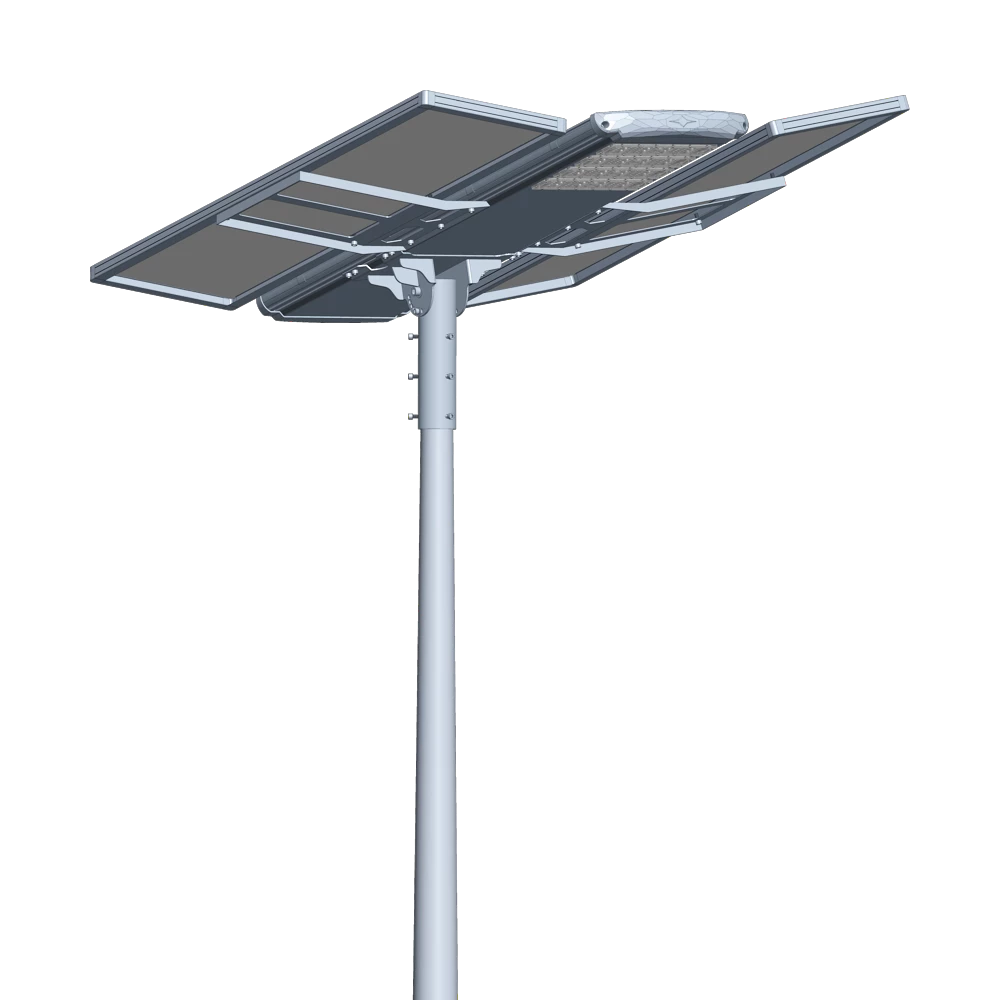
Introducing the Luqing Solar Street Light by Queneng, Efficient LED lighting powered by solar energy is perfect for illuminating outdoor areas. Harness the power of solar energy for sustainable, reliable street lighting. Ideal for eco-friendly, cost-effective outdoor illumination solutions.
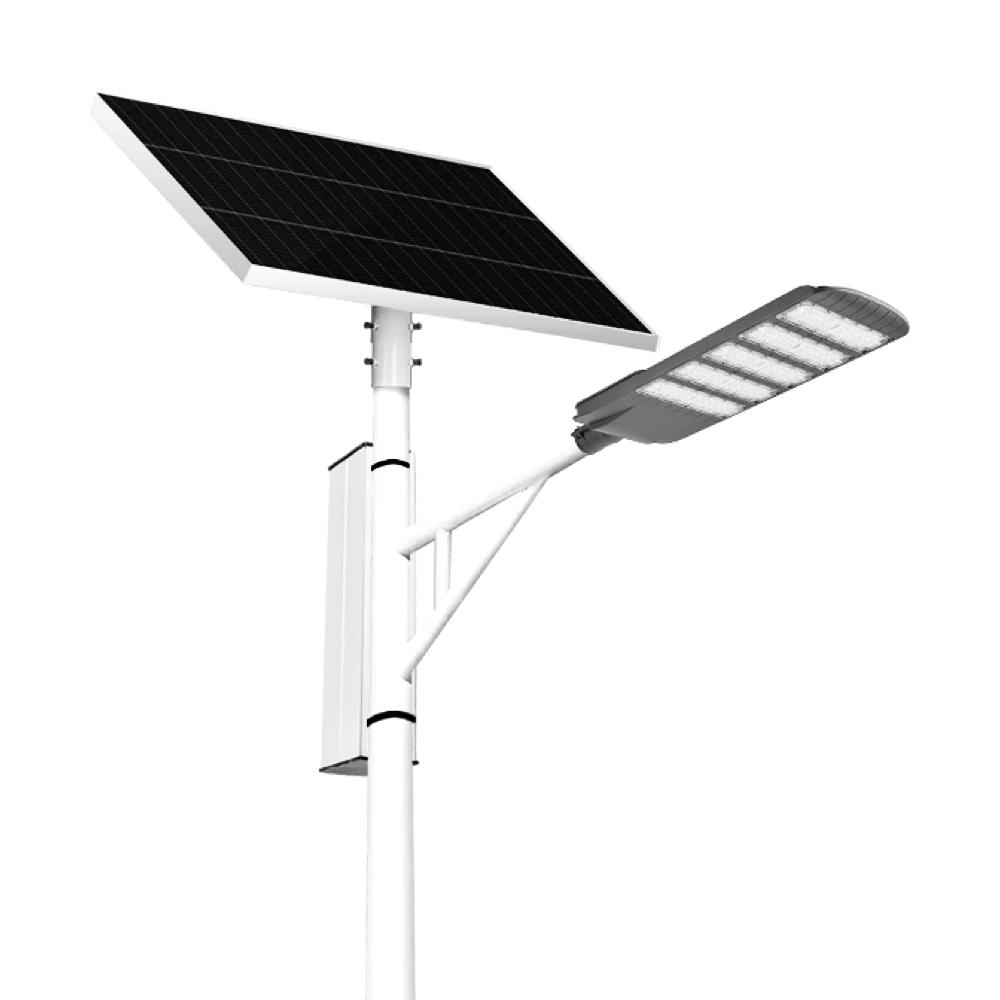
The Solar Streetlights of Luhao for Municipalities are designed to deliver reliable, energy-efficient, and cost-effective public lighting solutions. Equipped with advanced LED technology, durable lithium batteries, and high-efficiency solar panels, these streetlights provide consistent illumination for roads, parks, residential areas, and government projects.
If you would like more information about Queneng solar lighting solutions, please send us a message by filling out the form below. Our professional team will get back to you within 24 hours!
Rest assured that your privacy is important to us, and all information provided will be handled with the utmost confidentiality.
Schedule a Meeting
Book a date and time that is convenient for you and conduct the session in advance.
Have more questions about our products or services?
The messenger of light & power conversion
Environmental protection and intelligent manufacturing are our brand philosophy, and quality assurance and the best user experience are our eternal promises to users.
CONTACT
No.9F, Building F, Cao San Xin Tian Hong Logistics Park, Guzhen Town, Zhongshan City, Guangdong Province, China.
or write [email protected]
WhatsApp: +86 136 2270 1011


