














What is the impact of different battery types on cost?
Demystifying Solar Street Light Costs: Your Comprehensive Buying Guide
Solar street lights offer an eco-friendly and cost-effective lighting solution, but understanding their true cost and the factors influencing it is crucial for professional buyers. This guide aims to equip you with the knowledge needed to make informed decisions when procuring solar street lighting systems, focusing on both All-in-One and Split configurations, and the critical role of battery technology.
What is the typical cost range for solar street lights, and what factors influence it?
The cost of solar street lights varies significantly, typically ranging from $100 to over $1,500 per unit, excluding installation for poles and foundations. This broad range is influenced by several key factors:
- Wattage and Brightness (Lumens): Higher lumen output and LED wattage (e.g., 20W to 120W) require larger solar panels and battery capacities, increasing cost.
- Battery Capacity and Type: Lithium-ion (LiFePO4) batteries, while more expensive initially, offer longer lifespans and better performance than lead-acid, impacting total cost of ownership.
- Solar Panel Size and Efficiency: Larger, higher-efficiency monocrystalline solar panels capture more sunlight, improving performance but also increasing cost.
- Pole Height and Material: Taller poles (e.g., 6m to 12m) require more robust materials (galvanized steel, aluminum) and thus cost more.
- Controller Technology: Advanced Maximum Power Point Tracking (MPPT) controllers are more efficient than Pulse Width Modulation (PWM) but add to the cost.
- Features: Motion sensors (PIR), dimming capabilities, IoT connectivity, and smart controls can increase functionality but also the price.
- Brand and Quality: Reputable manufacturers using high-grade components typically have higher prices but offer better reliability and warranties.
- Quantity: Bulk orders often receive significant discounts.
For a typical commercial-grade 60W LED solar street light with a LiFePO4 battery and a 9m pole, expect costs to be in the higher end of the spectrum, possibly ranging from $600 to $1,200+ per unit from a quality manufacturer, before shipping and installation.
How do All-in-One solar street lights compare to Split solar street lights in terms of cost and performance?
The choice between All-in-One (integrated) and Split (separated) solar street lights is critical for procurement, impacting both initial cost and long-term performance:
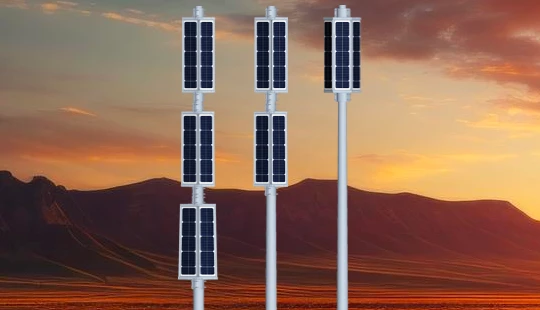
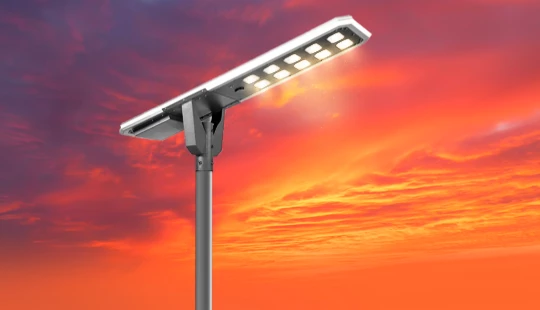
- All-in-One Solar Street Lights:
- Cost: Generally have a lower initial purchase price due to fewer components, simplified wiring, and reduced manufacturing complexity. Installation costs are also lower as they are mounted as a single unit.
- Performance: Ideal for applications where aesthetics and ease of installation are paramount, such as residential areas, parks, or pathways. Their compact design can sometimes limit the size of the solar panel and battery, potentially affecting performance in areas with lower sunlight or requiring longer autonomy. Heat management for the integrated battery can also be a concern in extremely hot climates.
- Split Solar Street Lights:
- Cost: Typically have a higher initial cost. This is due to separate components (solar panel, battery box, LED lamp, controller box) requiring more materials, longer cabling, and more complex installation procedures. The labor and material for mounting the separate components and running cables contribute to higher overall project costs.
- Performance: Offer superior flexibility and performance for demanding applications like highways, large commercial areas, or industrial zones. The separation allows for optimal angling of the solar panel to maximize sun exposure, and the battery can be placed underground or lower on the pole, protecting it from extreme temperatures and vandalism. This configuration often allows for larger solar panels and battery banks, providing greater autonomy and higher power output, making them more resilient in challenging environments or for critical infrastructure.
For large-scale public infrastructure projects or areas requiring robust, high-performance lighting, the higher upfront cost of split systems is often justified by their reliability, longevity, and superior performance capabilities.
What are the different battery types used in solar street lights, and how do they impact the overall cost and performance?
The battery is one of the most critical and expensive components of a solar street light, significantly impacting both initial cost and long-term total cost of ownership (TCO).
- Lead-Acid Batteries (GEL/AGM):
- Impact on Cost: Significantly lower initial purchase price compared to lithium-ion.
- Impact on Performance:
- Lifespan: Shorter lifespan, typically 3-5 years (around 500-1000 charge/discharge cycles at 50% DOD).
- Efficiency: Lower charge/discharge efficiency, susceptible to performance degradation in extreme temperatures (hot or cold).
- Weight: Heavier and bulkier, which can impact shipping and installation.
- Maintenance: GEL batteries are maintenance-free, but some traditional lead-acid types may require occasional checking.
- Depth of Discharge (DOD): Best performance at around 50% DOD; deep discharges severely shorten life.
- Best Use: Budget-constrained projects, areas with moderate temperatures, or where replacement is less problematic.
- Lithium-ion Batteries (LiFePO4 - Lithium Iron Phosphate):
- Impact on Cost: Higher initial purchase price, often 2-3 times that of lead-acid batteries for equivalent capacity. However, their longer lifespan and superior performance lead to a lower TCO over the project's duration.
- Impact on Performance:
- Lifespan: Much longer lifespan, typically 8-12+ years (2000-6000+ charge/discharge cycles at 80% DOD).
- Efficiency: High charge/discharge efficiency (up to 95%), excellent performance across a wider temperature range, especially with built-in battery management systems (BMS).
- Weight: Lighter and more compact, simplifying installation and reducing shipping costs.
- Maintenance: Maintenance-free.
- Depth of Discharge (DOD): Can be discharged to 80% or more without significant impact on lifespan.
- Safety: Considered safer and more stable than other lithium-ion chemistries.
- Best Use: High-performance applications, long-term projects, critical infrastructure, areas with extreme temperatures, or where minimal maintenance is desired.
The trend in professional solar street lighting is strongly towards LiFePO4 due to its superior TCO, reliability, and environmental benefits, despite the higher upfront investment.
What key factors should buyers consider when choosing a Solar Street Light Manufacturer?
Selecting the right manufacturer is paramount to the success and longevity of your solar street light project. Consider these critical factors:
- Experience and Reputation: Look for manufacturers with a proven track record, extensive project references, and positive industry reputation.
- Product Quality and Component Sourcing: Inquire about the quality of individual components (LED chips, solar panels, batteries, controllers). High-quality components from reputable brands (e.g., Bridgelux, CREE LEDs; branded solar cells) ensure reliability.
- Certifications: Ensure products meet international standards such as CE, RoHS, ISO9001, IP (Ingress Protection) ratings, and potentially specific regional certifications.
- R&D and Customization Capabilities: A manufacturer with strong R&D can offer innovative solutions and customize products to meet specific project requirements (e.g., unique pole designs, specific lumen outputs, integration with smart city systems).
- Warranty and After-Sales Support: A robust warranty (e.g., 3-5 years for the system, 10-25 years for solar panel output) and reliable technical support are essential for long-term peace of mind.
- Transparency in Specifications: The manufacturer should provide clear, detailed, and accurate specifications for all components, including battery capacity (Ah and Wh), solar panel wattage, LED lumens, and controller type.
- Production Capacity and Lead Times: Ensure the manufacturer can meet your project's volume and timeline requirements.
What is the average lifespan of solar street lights and their components?
Understanding the lifespan of different components helps in calculating the total cost of ownership and planning for replacements:
- LED Light Source: Typically 50,000 to 100,000 operating hours, translating to 10-20+ years of functional life under normal operating conditions.
- Solar Panels: High-quality monocrystalline panels maintain 80% of their initial output for 20-25 years.
- Batteries: This is the most variable component.
- LiFePO4: 8-12+ years (2000-6000+ cycles at 80% DOD).
- Lead-Acid (GEL/AGM): 3-5 years (500-1000 cycles at 50% DOD).
- Charge Controller: 5-10 years.
- Street Light Pole: 20-30 years for properly galvanized and coated steel poles, assuming no major structural damage.
The battery is often the first major component requiring replacement, making the choice of battery type crucial for long-term project viability.
What are the maintenance requirements for solar street lights?
One of the significant advantages of solar street lights is their low maintenance profile, but some periodic attention is beneficial:
- Solar Panel Cleaning: Periodically clean solar panels (every 6-12 months, or more frequently in dusty environments) to remove dirt, dust, snow, or bird droppings that can reduce charging efficiency.
- Battery Health Check: For LiFePO4, the integrated BMS manages health. For lead-acid, occasional voltage checks or terminal cleaning might be needed, though sealed batteries reduce this.
- Structural Integrity Check: Inspect poles, fixtures, and mounting hardware for signs of corrosion, loosening, or damage, especially after severe weather events.
- Wiring and Connections: Ensure all wiring connections are secure and free from corrosion.
- LED Light Check: Verify the LED fixture is working correctly. Modern LEDs have long lifespans, so failures are rare but can occur due to driver issues or power surges.
Overall, maintenance for solar street lights is significantly less intensive and costly than for grid-connected lighting systems.
What kind of warranty should I expect for solar street light systems?
A comprehensive warranty is a hallmark of a reliable manufacturer and essential for protecting your investment:
- Overall System Warranty: Typically 3-5 years, covering the LED fixture, controller, and battery (LiFePO4 often has longer separate battery warranties).
- Solar Panel Warranty: Usually 10-12 years for material and workmanship, and 20-25 years for 80% power output guarantee.
- Battery Warranty: LiFePO4 batteries often come with a 5-7 year warranty, while lead-acid warranties are typically shorter, around 1-3 years.
- LED Fixture Warranty: Often 3-5 years for the LED lamp and driver.
Always clarify what specific components are covered under warranty, the terms, and the manufacturer's process for claims and replacements.
How does geographical location and light intensity affect solar street light design and cost?
Geographical location profoundly impacts the design and cost of solar street lights, as it dictates the available solar irradiation:
- Peak Sun Hours (PSH): The number of equivalent hours per day when solar irradiance averages 1000 watts per square meter. Locations with lower PSH (e.g., northern latitudes, cloudy regions) require larger solar panels and/or larger battery capacities to ensure consistent operation, leading to higher system costs.
- Autonomy Days: The number of consecutive cloudy or rainy days the system must operate without sunlight. Projects in areas with frequent cloudy weather demand larger battery banks to provide sufficient backup power, increasing costs.
- Temperature Extremes: Batteries and electronics perform differently in extreme heat or cold. Systems designed for these conditions may require specialized components (e.g., battery heating/cooling, robust enclosures), further impacting cost.
A professional solar street light manufacturer will conduct a detailed site assessment or request specific location data to size the system correctly, ensuring optimal performance and cost-effectiveness for your particular environment.
Queneng Lighting: Your Partner in Professional Solar Street Lighting
At Queneng Lighting, we specialize in providing high-quality, reliable, and cost-effective solar street lighting solutions for a global clientele. With extensive experience in both All-in-One and Split solar street light systems, we prioritize the use of cutting-edge LiFePO4 battery technology, high-efficiency solar panels, and durable LED components to ensure superior performance and longevity. Our commitment to innovation, rigorous quality control, and comprehensive after-sales support makes us a trusted manufacturer for projects demanding robust, sustainable, and professionally engineered solar lighting. Partner with Queneng Lighting for expertise in system design, customizable solutions, and a dedication to reducing your total cost of ownership through energy-efficient and long-lasting products.
References
- Energy Sage. (2023, November 28). Solar Panel Efficiency Guide 2024. https://www.energysage.com/solar-panels/solar-panel-efficiency/
- Victron Energy. (2024). LiFePO4 Batteries vs. Lead-Acid Batteries. https://www.victronenergy.com/blog/2022/01/21/lifepo4-vs-lead-acid-batteries/
- Clean Energy Reviews. (2024). Battery Storage Comparison - LiFePO4 vs LFP. https://www.cleanenergyreviews.info/blog/lithium-ion-battery-types-comparison
- LED Lighting Guide. (2023, September 15). How Long Do LED Lights Last? https://www.ledlightguide.com/how-long-do-led-lights-last
- Various industry B2B portals and manufacturer websites for average cost ranges and component lifespans (general market knowledge as of early 2024).

Have more questions about our products or services?
The latest hot news you might like

Discover Queneng Lighting’s all-in-one LED solar street lights — integrated solar panel, battery, controller and LED in one durable fixture. Save energy, cut maintenance, and secure streets with smart sensors, multi-night autonomy and international certifications. Contact sales for quotes and support.

Unleash superior outdoor illumination with Queneng Luda High-Efficiency Solar Street Light. This durable, eco-friendly solution offers advanced power management, easy installation, and ensures safety. Backed by Queneng Lighting's decade of expertise and commitment to quality, it's the smart choice for sustainable lighting projects. Learn why we're a leading solar solutions provider.

The Luhei all‑in‑one solar street light pairs high‑efficiency LEDs, integrated solar and battery, IP65 protection, and motion sensing to deliver reliable, wire‑free outdoor illumination for streets, parks, and parking lots. Backed by Queneng Lighting’s certifications and support.

FAQ
Schools and Educational Institutions
How long will it take to install solar lights on my campus?
Installation can typically be completed in a few days, depending on the size of the campus and the number of lights.
Battery and Analysis
What are the control methods to prevent battery overcharging?
1) Peak voltage control: Determine the end of charging by detecting the peak voltage of the battery;
2) dT/dt control: determine the end point of charging by detecting the battery peak temperature change rate;
3) △T control: When the battery is fully charged, the difference between the temperature and the ambient temperature will reach the maximum;
4) -△V control: When the battery is fully charged and reaches a peak voltage, the voltage will drop by a certain value;
5) Timing control: Control the charging end point by setting a certain charging time. Generally, set the time required to charge 130% of the nominal capacity;
Why is it necessary to keep the battery warm when shooting in winter?
Solar Street Light Luhua
How do Luhua solar street lights work?
Luhua solar street lights use high-efficiency solar panels to capture sunlight during the day and store it in lithium-ion batteries. These batteries then power the LED lights at night. The intelligent control system adjusts the light output based on ambient light conditions and detects motion to maximize energy savings by dimming when no motion is detected and increasing brightness when movement is sensed.
Remote Areas Rural Development
What is the maintenance requirement for solar lighting in rural areas?
Minimal maintenance is needed, primarily involving occasional cleaning of solar panels and checking battery performance.
Commercial and Industrial Parks
How are the lights installed in industrial parks?
Our solar lights are designed for easy installation without complex wiring, making deployment quick and cost-effective.
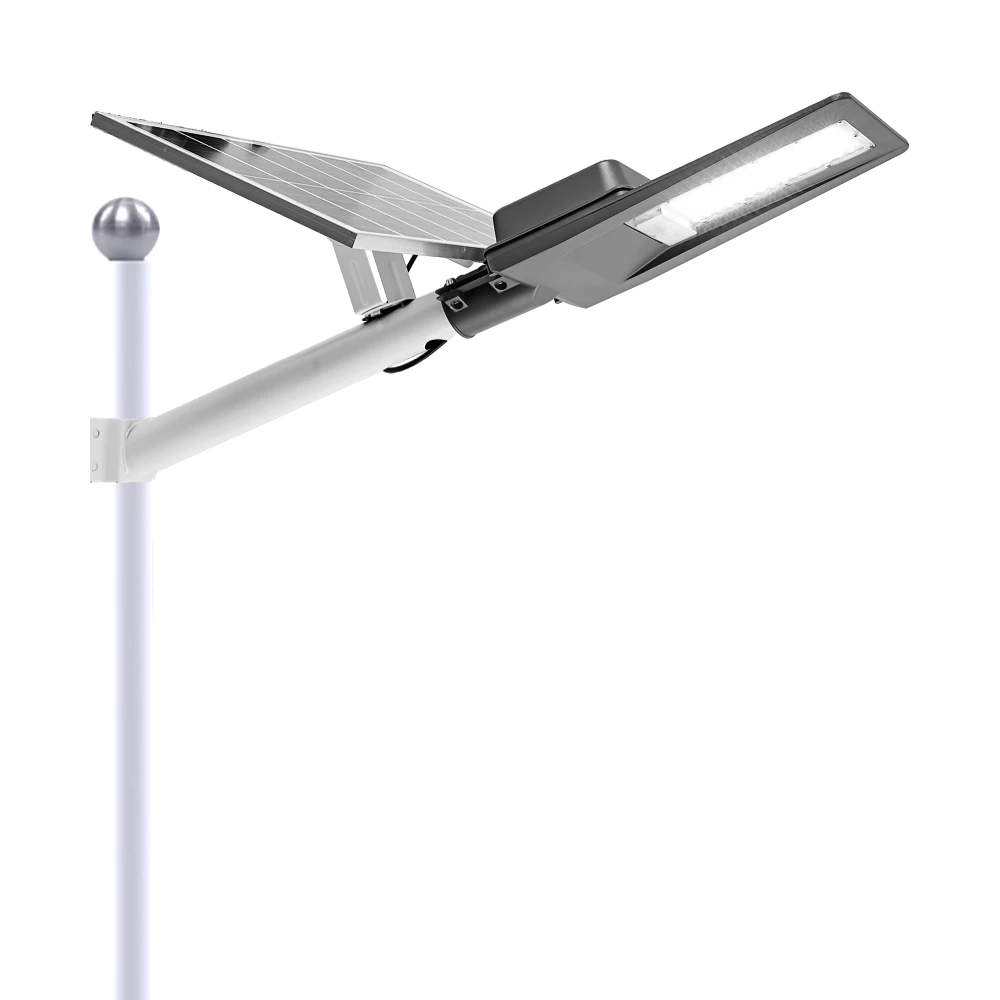
Experience reliable outdoor illumination with our smart solar street light, a perfect combination of advanced technology and eco-conscious design.
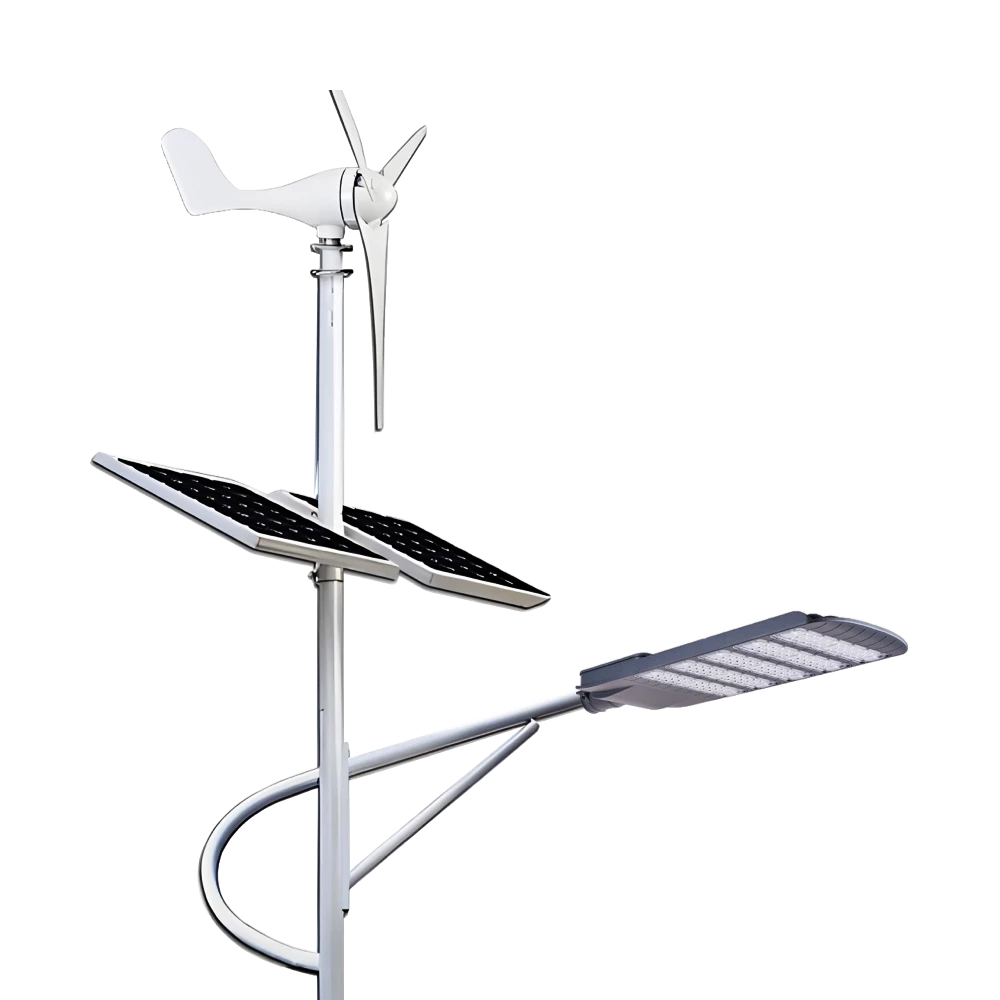
Queneng Lufeng Wind Energy LED Outdoor Solar Street Lights offer high-performance, eco-friendly illumination. These energy-efficient LED street lights harness solar power and wind energy for sustainable, cost-effective outdoor lighting solutions.
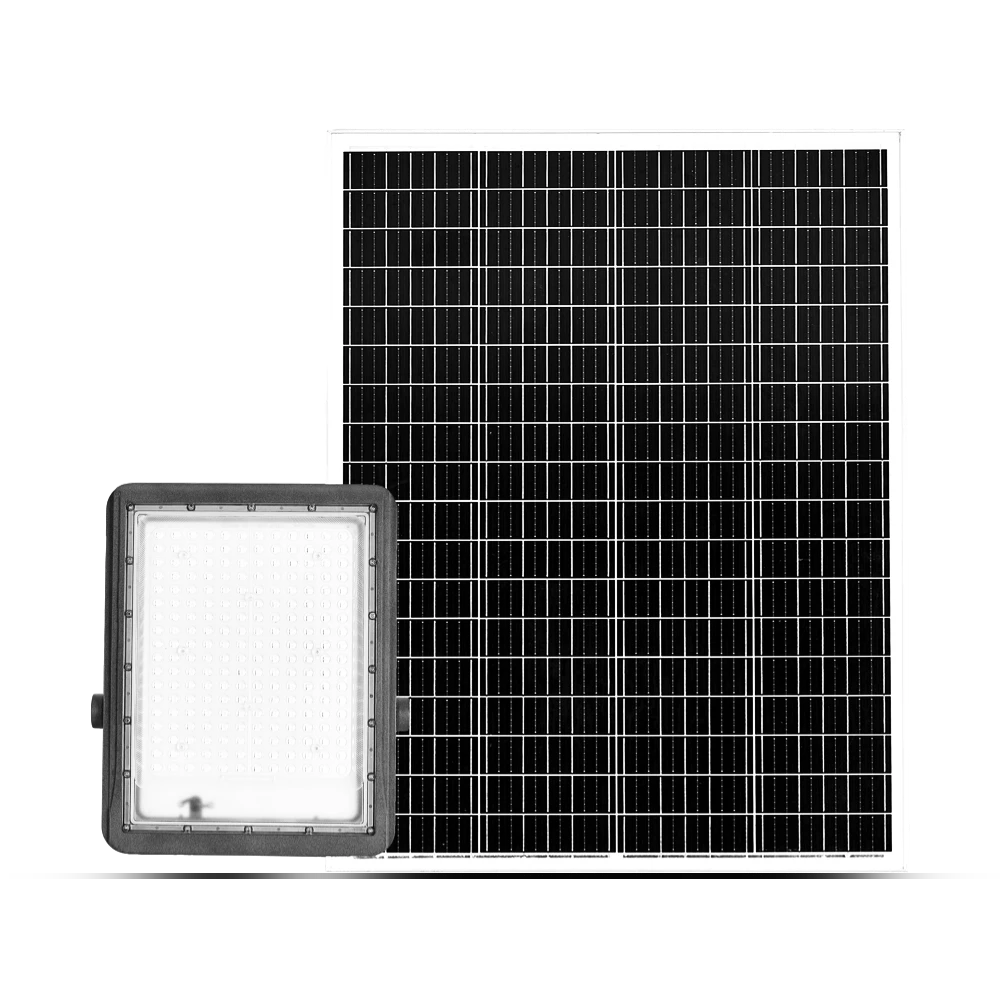
Queneng's Luxian Reliable Solar Street Light offers energy-saving LED lighting for outdoor use. This durable, solar-powered street light provides reliable illumination, reducing energy costs and environmental impact. A perfect solution for sustainable outdoor lighting.
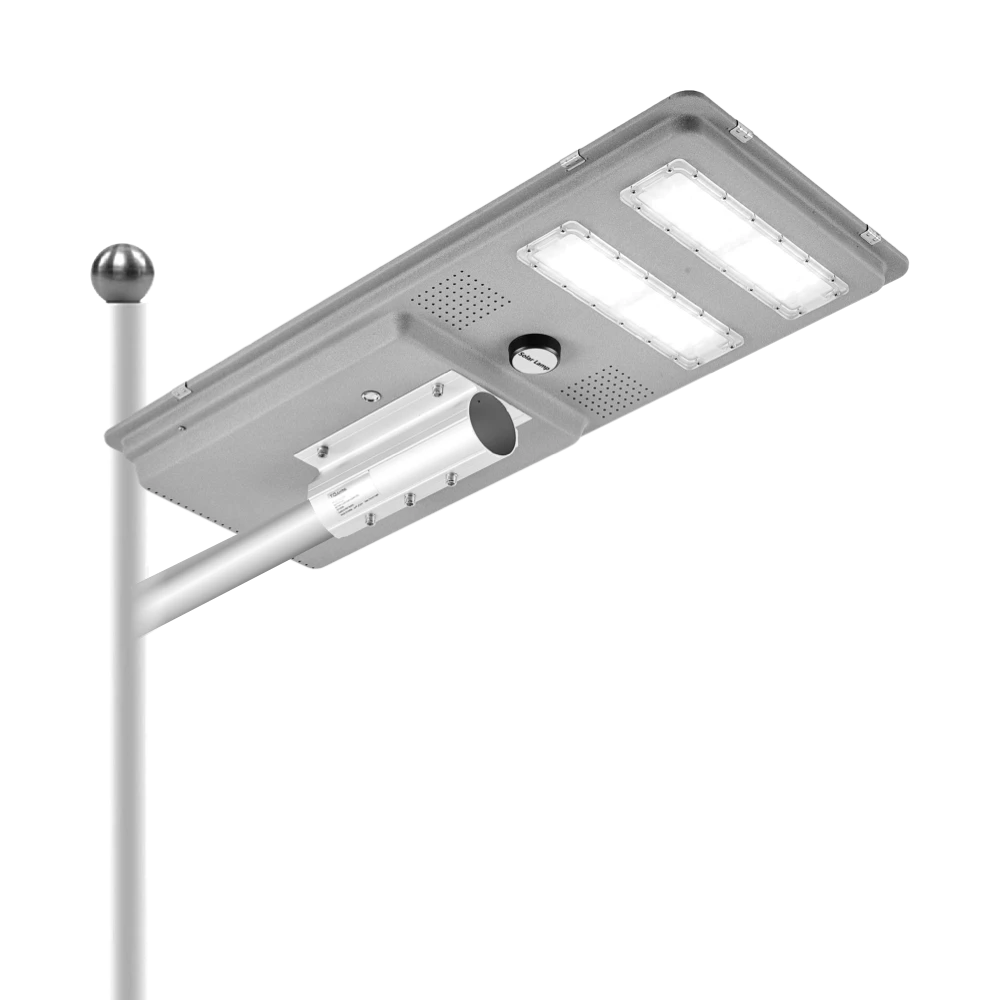
Queneng’s Solar Street Lights are designed to provide reliable, energy-efficient lighting for streets, parks, and other outdoor spaces.
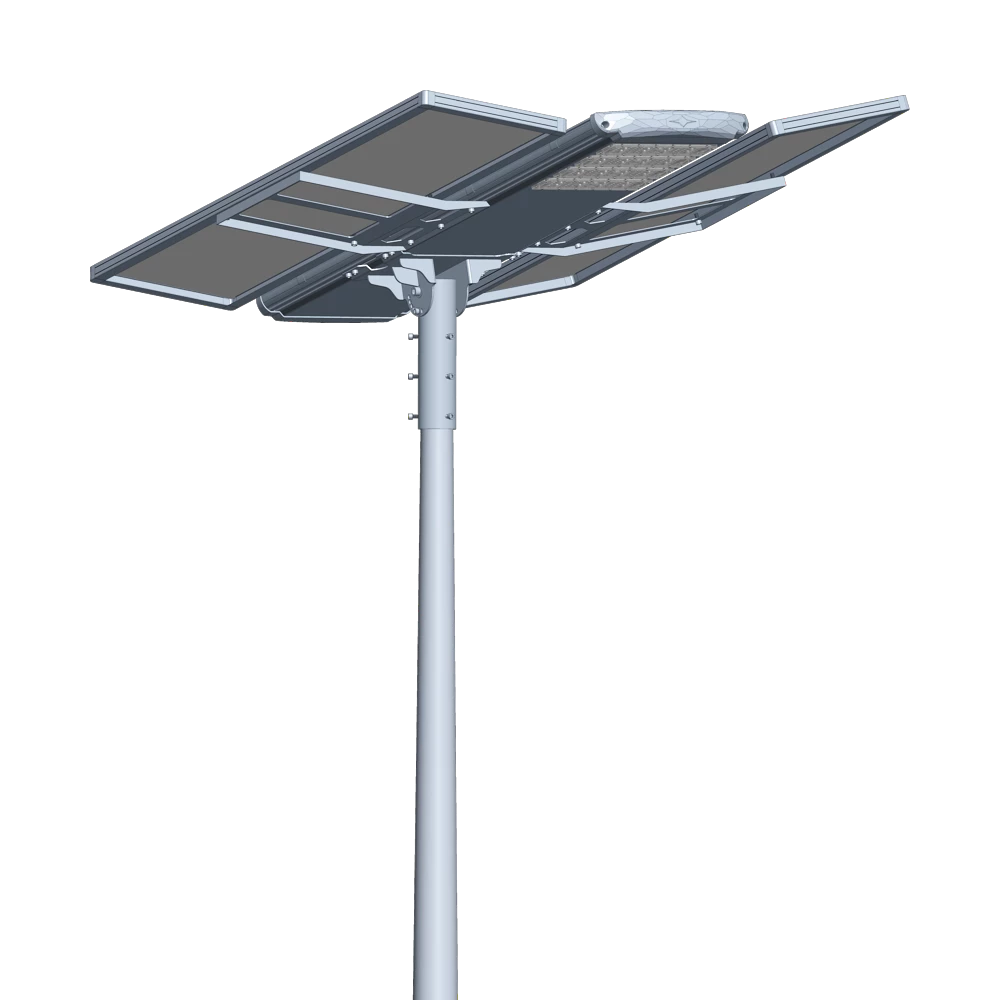
Introducing the Luqing Solar Street Light by Queneng, Efficient LED lighting powered by solar energy is perfect for illuminating outdoor areas. Harness the power of solar energy for sustainable, reliable street lighting. Ideal for eco-friendly, cost-effective outdoor illumination solutions.
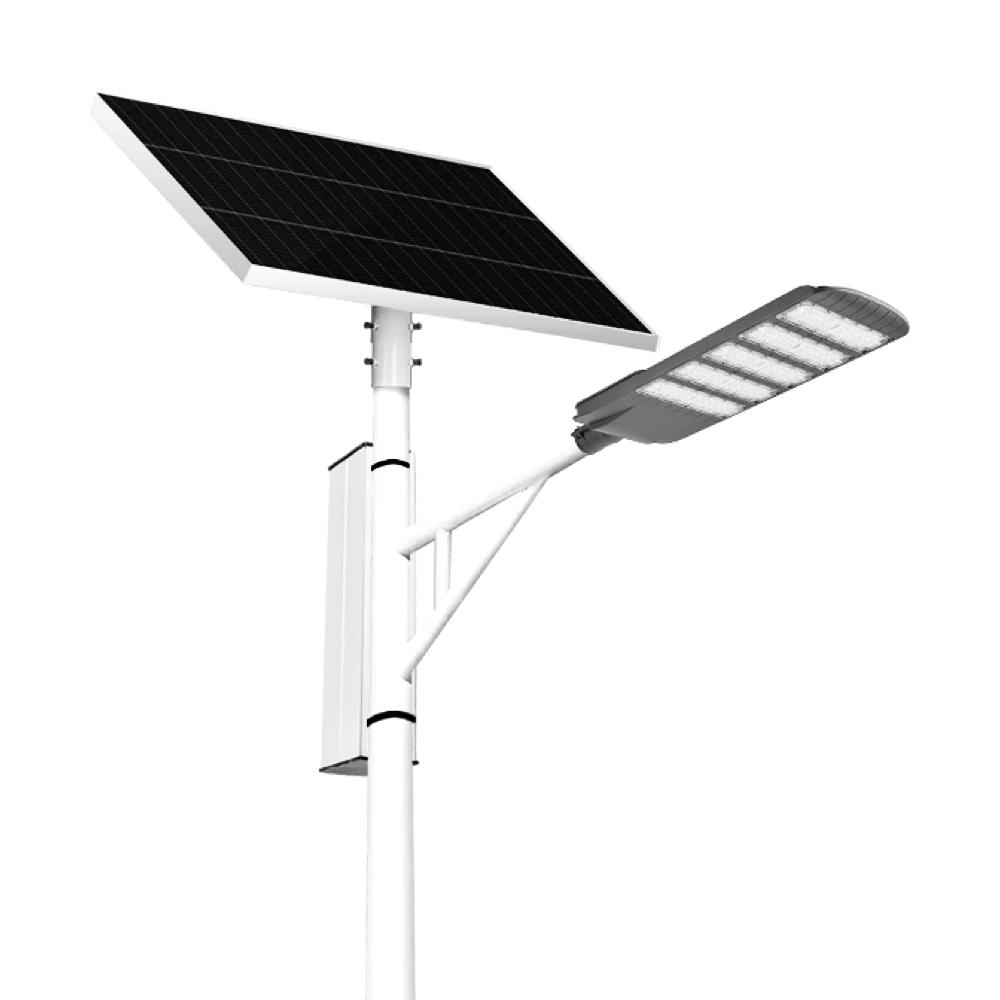
The Solar Streetlights of Luhao for Municipalities are designed to deliver reliable, energy-efficient, and cost-effective public lighting solutions. Equipped with advanced LED technology, durable lithium batteries, and high-efficiency solar panels, these streetlights provide consistent illumination for roads, parks, residential areas, and government projects.
If you would like more information about Queneng solar lighting solutions, please send us a message by filling out the form below. Our professional team will get back to you within 24 hours!
Rest assured that your privacy is important to us, and all information provided will be handled with the utmost confidentiality.
Schedule a Meeting
Book a date and time that is convenient for you and conduct the session in advance.
Have more questions about our products or services?
The messenger of light & power conversion
Environmental protection and intelligent manufacturing are our brand philosophy, and quality assurance and the best user experience are our eternal promises to users.
CONTACT
No.9F, Building F, Cao San Xin Tian Hong Logistics Park, Guzhen Town, Zhongshan City, Guangdong Province, China.
or write [email protected]
WhatsApp: +86 136 2270 1011


