














What is the real cost of solar street light installation in Nigeria?
Navigating the True Cost and Value of Solar Street Lights: A Buyer's Guide
The transition to sustainable infrastructure is accelerating globally, with solar street lights leading the charge in providing efficient, off-grid illumination. For municipalities, developers, and businesses, understanding the true cost and value proposition is crucial for successful procurement. This guide delves into the financial and technical aspects of acquiring solar street lights, with a special focus on the unique considerations for installation in Nigeria.
Understanding the Unit Cost: What Does a Solar Street Light Really Cost?
The upfront cost of a solar street light unit varies significantly based on its specifications, type, and brand. Generally, prices can range from a few hundred to over a thousand US dollars per unit, excluding the pole and installation. This wide range is primarily driven by:
- Wattage/Lumen Output: Higher brightness (e.g., 60W, 100W, 120W LED) requires larger solar panels and battery capacities, increasing the cost.
- Battery Capacity: The capacity (measured in Amp-hours, Ah) determines how long the light can operate without sunlight. Systems designed for longer autonomy (e.g., 3-5 cloudy days) will be more expensive.
- Type of System:
- All-in-One (Integrated) Solar Street Lights: These combine the solar panel, LED lamp, battery, and controller into a single compact unit. They are generally easier and quicker to install, making them popular for smaller to medium-scale projects. Unit costs typically range from $150 - $500+ for common commercial models (20W-60W).
- Split (Separated) Solar Street Lights: Here, the solar panel and battery are separate from the LED lamp, often allowing for larger components and more flexible positioning. These are suitable for higher power requirements and demanding environments but are more complex to install. Unit costs can range from $500 - $1500+ for higher wattage systems (80W-120W+).
- Brand and Quality: Reputable manufacturers using high-grade components (e.g., Cree/Philips LED chips, LiFePO4 batteries, efficient MPPT controllers) will command higher prices but offer superior performance and longevity.
Deconstructing the Price: Key Factors Influencing Solar Street Light Costs
Several critical components and design choices dictate the final price of a solar street light system:
- Solar Panel:
- Monocrystalline vs. Polycrystalline: Monocrystalline panels are generally more efficient (typically 20-22% efficiency) and compact, making them slightly more expensive but often preferred for solar street lights due to space constraints. Polycrystalline panels are less efficient (15-17%) but more cost-effective.
- Wattage: Directly related to the energy required by the lamp and battery charging, higher wattage panels cost more.
- Battery: This is one of the most significant cost drivers.
- Lithium Iron Phosphate (LiFePO4): Known for their long lifespan (8-10+ years or 2000-4000 cycles), stable performance in varying temperatures, and deep discharge capability. They represent a higher upfront cost but offer better long-term value. Most modern, high-quality solar street lights use LiFePO4.
- Lead-Acid Batteries: Cheaper initially but have a shorter lifespan (2-3 years or 500-1000 cycles), are heavier, and perform poorly in high temperatures, leading to higher replacement costs over time. Less common in new commercial solar street lights.
- LED Luminaires: The quality of the LED chips (e.g., Philips, Cree, Bridgelux), their luminous efficacy (lumens per watt), and the optical lens design significantly impact light output and efficiency. Higher quality LEDs offer better light distribution and longer lifespan.
- Charge Controller:
- MPPT (Maximum Power Point Tracking): More efficient (up to 98%) at converting solar energy, especially in variable weather, ensuring faster charging and longer battery life. More expensive than PWM. PWM (Pulse Width Modulation): Less efficient (75-80%) but cheaper. Suitable for smaller, less critical applications.
- Smart Features: Controllers often include features like dusk-to-dawn operation, motion sensing (PIR), timed dimming, and remote monitoring capabilities, which add to the cost but enhance energy savings and functionality.
- Pole: The height, material (galvanized steel is standard), and structural integrity (wind resistance) of the pole contribute substantially to the overall system cost, especially for taller poles (6m-12m).
- Certifications and Warranty: Products with international certifications (CE, RoHS, IP65/66) and robust warranties typically indicate higher quality and reliability, which is reflected in their price.
Beyond the Unit Price: The True Cost of Solar Street Light Installation in Nigeria
When considering solar street lights for a project in Nigeria, the “real cost” extends beyond the unit price. It encompasses several additional factors:
- Shipping and Logistics: Importing solar street lights to Nigeria involves significant costs. This includes international freight, port charges, customs duties (tariffs on solar components have seen fluctuations but are generally applicable), and local transportation to the project site. These costs can add 20-40% or more to the FOB price of the units, depending on volume and current policies.
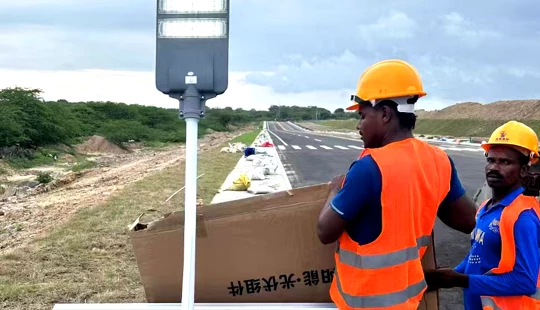
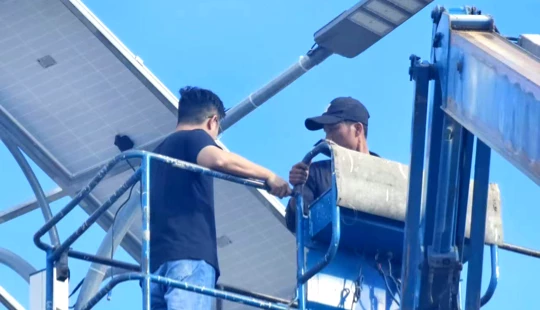
- Local Labor and Installation: Labor costs in Nigeria vary by region and the complexity of the installation. For a standard solar street light, installation might involve digging foundations, pouring concrete, erecting the pole, and mounting the light unit. Professional installation services in Nigeria for a single pole can range from NGN 50,000 to NGN 150,000+ (approximately $35 - $100+), depending on the pole height, site conditions, and contractor. For large projects, economies of scale might reduce the per-unit labor cost slightly.
- Foundation Materials: Concrete, rebar, and anchor bolts for the pole foundation are essential and add to material costs.
- Site Preparation: Costs associated with clearing the site, leveling, and ensuring accessibility for equipment.
- Contingency: It's always wise to budget an additional 10-15% for unforeseen circumstances like delays, minor material shortages, or unexpected site challenges.
Therefore, the real cost in Nigeria would be: (Unit Cost + International Shipping & Duties + Local Transportation + Pole Foundation Materials + Local Installation Labor + Contingency) per light.
Making the Right Choice: How to Select the Ideal Solar Street Light for Your Needs
Choosing the correct solar street light involves matching technical specifications to your project's specific requirements:
- Light Output (Lumens): Determine the required brightness based on the application (e.g., parking lots, roads, pathways) and local lighting standards. A 30W-60W LED luminaire is often sufficient for most urban street lighting, while pathways might need 15W-30W.
- Autonomy Days: How many consecutive cloudy days must the light operate without direct sunlight? For reliable operation in many regions, 3-5 days of autonomy is recommended, especially for critical infrastructure.
- Battery Type and Capacity: Prioritize LiFePO4 batteries for their longevity and performance. Ensure the battery capacity (Ah) is sufficient to power the LED for the specified autonomy period, considering factors like deep discharge cycles and operating temperature.
- Solar Panel Wattage: The panel's wattage must be large enough to fully recharge the battery daily, even with partial sunlight, and power the light during operation.
- Pole Height and Spacing: Taller poles cover a wider area but require more powerful lights. Pole spacing should ensure uniform illumination without dark spots.
- IP Rating: Ensure the light has an IP (Ingress Protection) rating of at least IP65 or IP66 for outdoor dust and water resistance, critical for durability in harsh environments.
- Operating Temperature Range: Verify the light's components are designed to withstand local temperature extremes, especially in hot climates like Nigeria.
The Long-Term Picture: ROI and Financial Benefits of Solar Street Lights
While the initial investment in solar street lights can be higher than traditional grid-powered lights, the long-term Return on Investment (ROI) is significant:
- Elimination of Electricity Bills: This is the most direct and substantial saving, as solar street lights are completely off-grid. For communities and businesses with high or unstable electricity costs, this provides immediate and ongoing financial relief.
- Reduced Installation Costs: No trenching, cabling, or connection to the grid means significantly lower civil engineering costs compared to conventional lighting, particularly in remote areas or where new infrastructure is being developed.
- Lower Maintenance Costs (Long-Term): Modern solar street lights, especially those with LiFePO4 batteries and efficient components, require minimal maintenance beyond occasional cleaning of solar panels. The absence of electrical wiring reduces risks and associated repair costs.
- Environmental Benefits: Zero carbon emissions contribute to a greener footprint, enhancing corporate social responsibility and potentially attracting funding for sustainable projects.
- Enhanced Reliability: Provides reliable lighting even during grid power outages, a critical advantage in regions like Nigeria where grid instability is common, improving safety and security.
- Government Incentives: Some regions or countries offer tax breaks, grants, or subsidies for adopting renewable energy solutions, further improving ROI (though this varies greatly by locality).
A typical solar street light system can achieve ROI within 3-7 years, depending on electricity costs and local conditions, offering decades of free illumination thereafter.
Partnering for Success: What to Look For in a Reliable Solar Street Light Manufacturer
Choosing the right manufacturer is paramount for project success and long-term satisfaction:
- Experience and Reputation: Look for manufacturers with a proven track record, extensive experience in solar lighting, and positive client testimonials or case studies.
- Quality Components: A reputable manufacturer will use high-quality, branded components (LED chips, batteries, controllers) and be transparent about their sourcing. They should have robust quality control processes.
- R&D and Innovation: Manufacturers that invest in research and development often offer more advanced, efficient, and durable products, staying ahead of technological trends.
- Certifications: Ensure products meet international standards such as CE, RoHS, ISO 9001 (quality management), ISO 14001 (environmental management), and relevant IP ratings.
- Customization Capabilities: The ability to tailor lighting solutions to specific project needs (e.g., pole height, autonomy, special features) is a sign of a flexible and customer-focused manufacturer.
- Warranty and After-Sales Support: A strong warranty (e.g., 2-5 years for the entire system, longer for specific components like batteries and panels) and responsive technical support are crucial for addressing any issues post-installation.
- Export Experience: For international buyers, especially those in Nigeria, experience with international shipping, customs documentation, and logistics is invaluable.
Ensuring Longevity: Maintenance and Warranty Considerations
While solar street lights are known for low maintenance, understanding what's involved and the warranty coverage is vital:
- Routine Maintenance: Primarily involves cleaning the solar panel surface periodically (every 6-12 months, or more frequently in dusty environments like parts of Nigeria) to ensure maximum sunlight absorption. Inspecting connections and ensuring the pole is stable are also good practices.
- Battery Replacement: Even long-life LiFePO4 batteries will eventually degrade. A high-quality battery can last 8-10+ years. The cost and availability of replacement batteries should be a consideration for the long-term operational budget.
- Warranty Coverage: Most manufacturers offer a warranty of 2-5 years on the entire system. Key components like solar panels and batteries often have separate, longer warranties (e.g., 25 years for solar panel power output, 5-8 years for LiFePO4 batteries). Clarify what is covered, for how long, and the process for claims.
- Technical Support: Access to the manufacturer's technical support team for troubleshooting or spare parts is crucial, especially for large-scale projects.
Quenenglighting: Your Partner for Sustainable Solar Lighting Solutions
At Quenenglighting, we understand the complexities and nuances of procuring high-quality solar street lights. Our commitment to excellence is reflected in our use of High Quality components, rigorous quality control, and innovative designs. We specialize in providing durable, efficient, and reliable solar lighting solutions tailored to meet diverse project requirements, including the specific demands of markets like Nigeria. With extensive experience in international logistics and dedicated after-sales support, Quenenglighting ensures a seamless purchasing experience and long-term performance, offering exceptional value and a brighter, sustainable future.

Have more questions about our products or services?
The latest hot news you might like

Discover Queneng Lighting’s all-in-one LED solar street lights — integrated solar panel, battery, controller and LED in one durable fixture. Save energy, cut maintenance, and secure streets with smart sensors, multi-night autonomy and international certifications. Contact sales for quotes and support.

Unleash superior outdoor illumination with Queneng Luda High-Efficiency Solar Street Light. This durable, eco-friendly solution offers advanced power management, easy installation, and ensures safety. Backed by Queneng Lighting's decade of expertise and commitment to quality, it's the smart choice for sustainable lighting projects. Learn why we're a leading solar solutions provider.

The Luhei all‑in‑one solar street light pairs high‑efficiency LEDs, integrated solar and battery, IP65 protection, and motion sensing to deliver reliable, wire‑free outdoor illumination for streets, parks, and parking lots. Backed by Queneng Lighting’s certifications and support.

FAQ
Sustainability
If the light or battery fails, can it be replaced individually?
Yes. Queneng’s solar street lights are designed with a modular structure, so components such as photovoltaic panels, batteries, lights, and controllers can be replaced individually, making maintenance convenient and cost-effective.
Solar Street Light Luhui
What makes Luhui solar street lights different from other solar lights?
Luhui solar street lights use high-performance LEDs and advanced solar panels for superior efficiency and longevity. They are designed with enhanced durability, providing bright and consistent lighting in all weather conditions.
APMS system
What should I do if I encounter a system malfunction?
QUENENG offers 24-hour remote technical support, allowing clients to contact the after-sales team at any time for assistance. The system also includes intelligent self-diagnosis capabilities to detect and alert potential issues automatically.
Does the APMS system support extremely cold environments?
Yes, APMS has ultra-low temperature control capability, allowing it to operate normally at temperatures as low as -50°C, ideal for high-latitude regions and extreme climates.
Municipal and Public Infrastructure
Do solar streetlights require any wiring?
No, solar streetlights are entirely independent of the electrical grid. They operate using solar panels, batteries, and LED lights, eliminating the need for underground wiring.
Public Gardens and Landscape Lighting
How do I maintain solar lights in public spaces?
Solar lights require minimal maintenance. To ensure optimal performance, clean the solar panels periodically to remove dust, dirt, and debris. Also, check the light fixtures and batteries every year to ensure they are functioning properly. If needed, replace the batteries after 2-3 years.
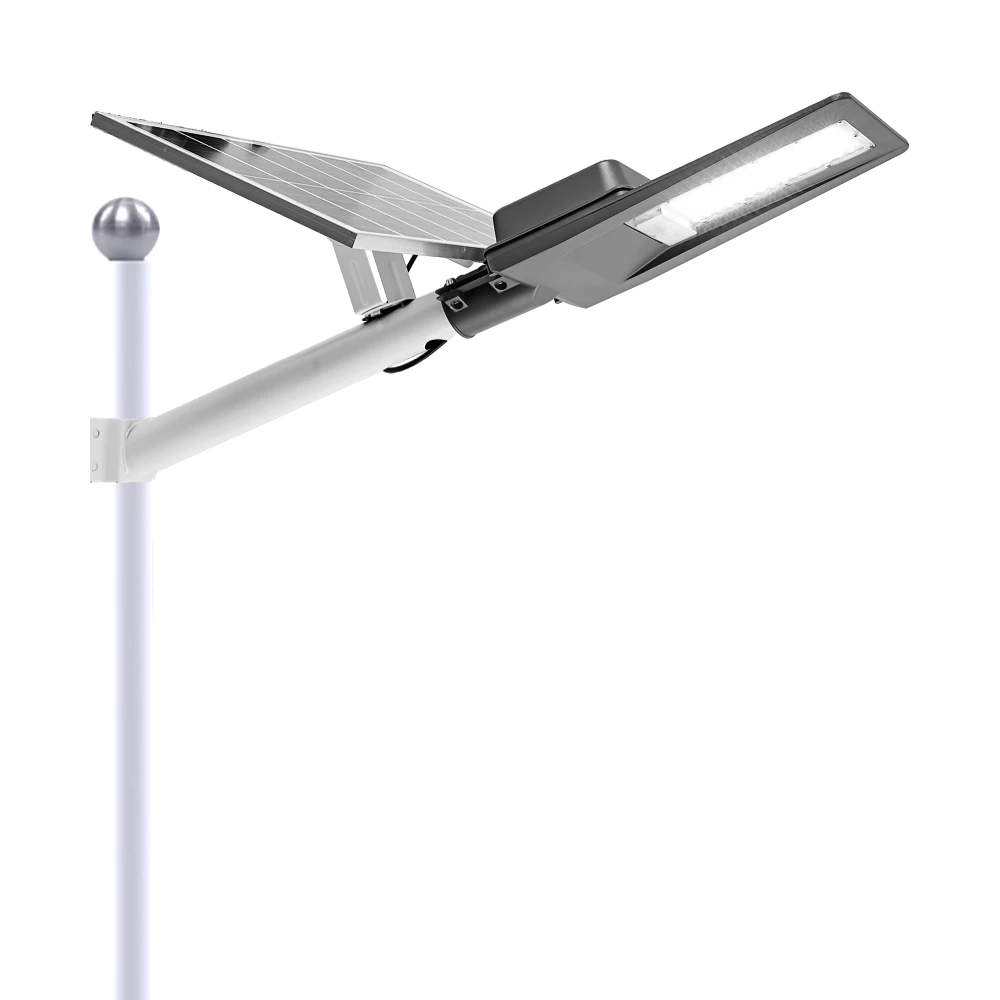
Experience reliable outdoor illumination with our smart solar street light, a perfect combination of advanced technology and eco-conscious design.
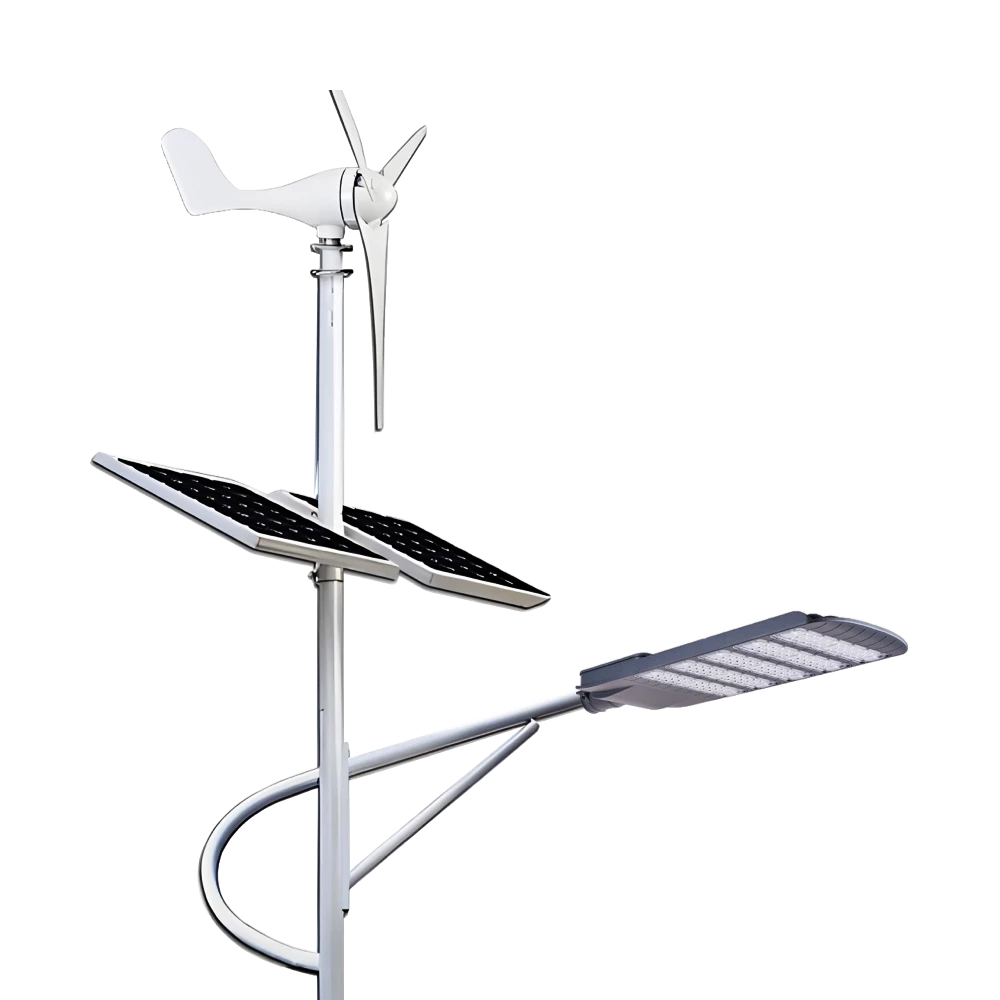
Queneng Lufeng Wind Energy LED Outdoor Solar Street Lights offer high-performance, eco-friendly illumination. These energy-efficient LED street lights harness solar power and wind energy for sustainable, cost-effective outdoor lighting solutions.
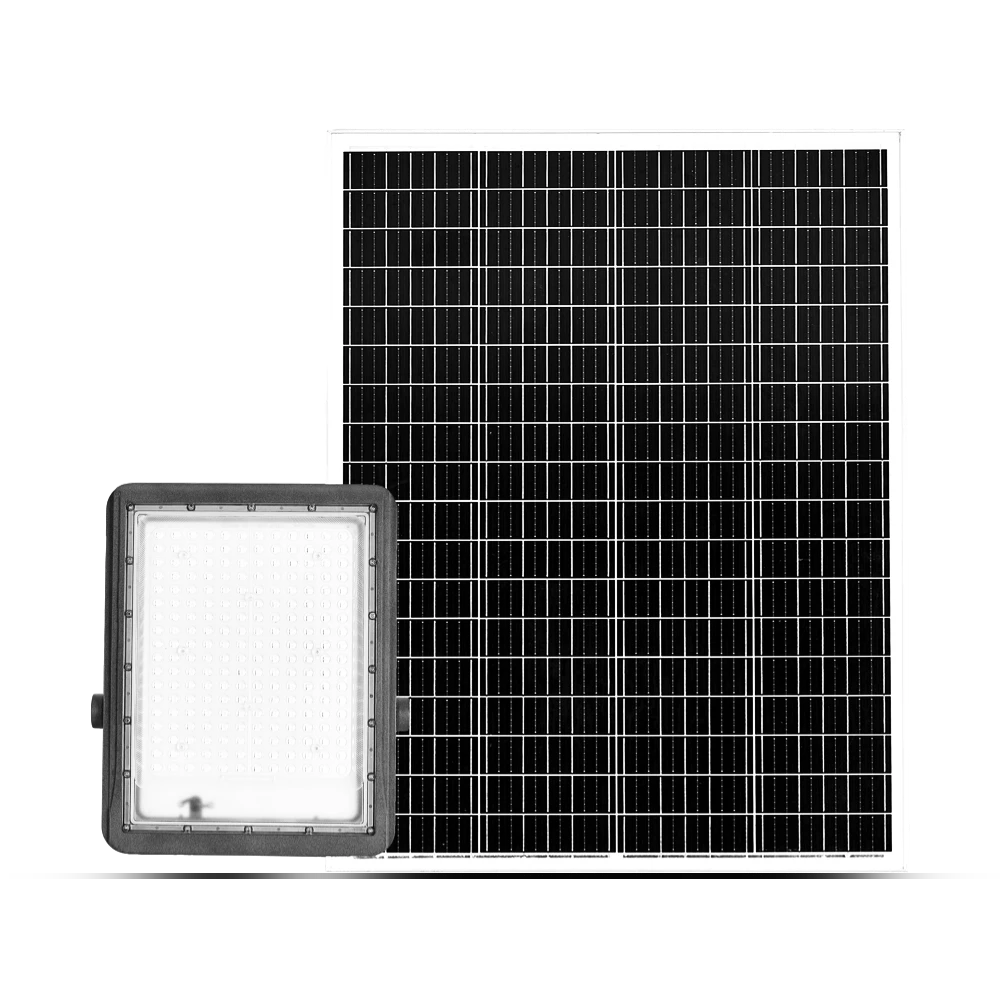
Queneng's Luxian Reliable Solar Street Light offers energy-saving LED lighting for outdoor use. This durable, solar-powered street light provides reliable illumination, reducing energy costs and environmental impact. A perfect solution for sustainable outdoor lighting.
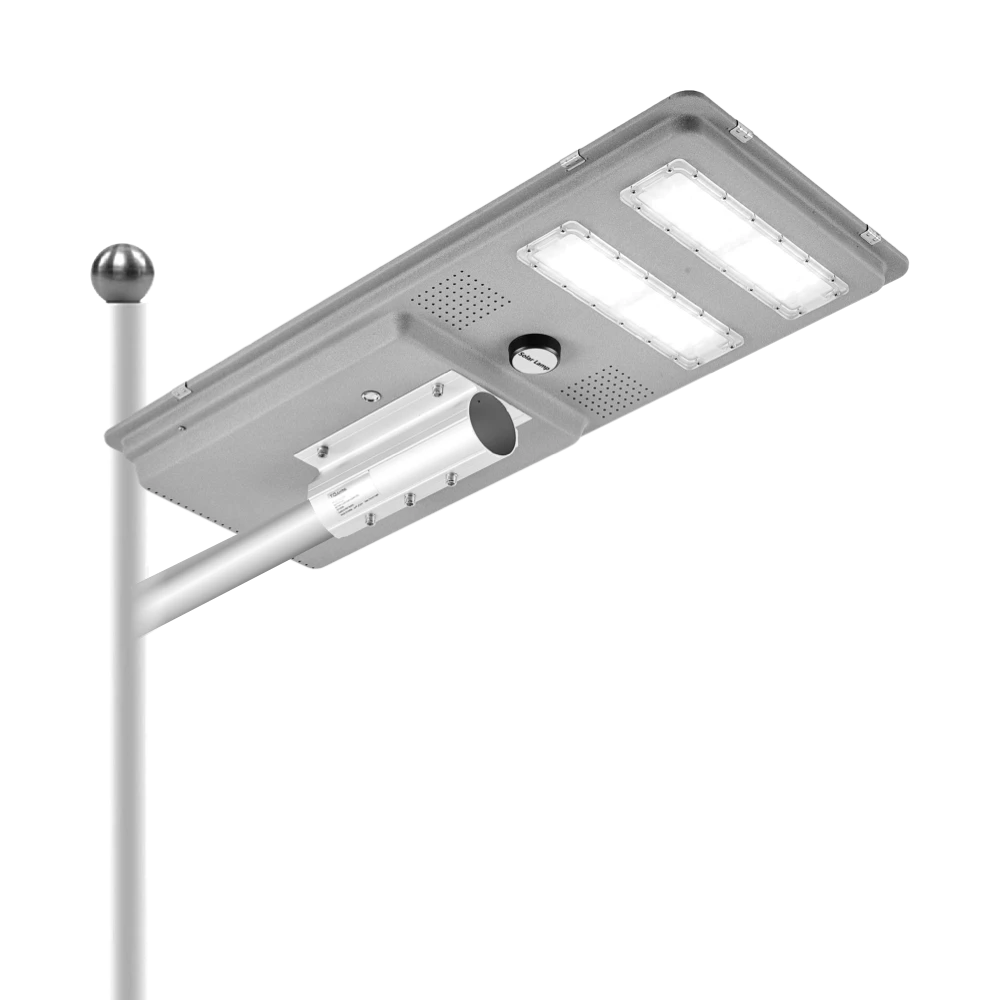
Queneng’s Solar Street Lights are designed to provide reliable, energy-efficient lighting for streets, parks, and other outdoor spaces.
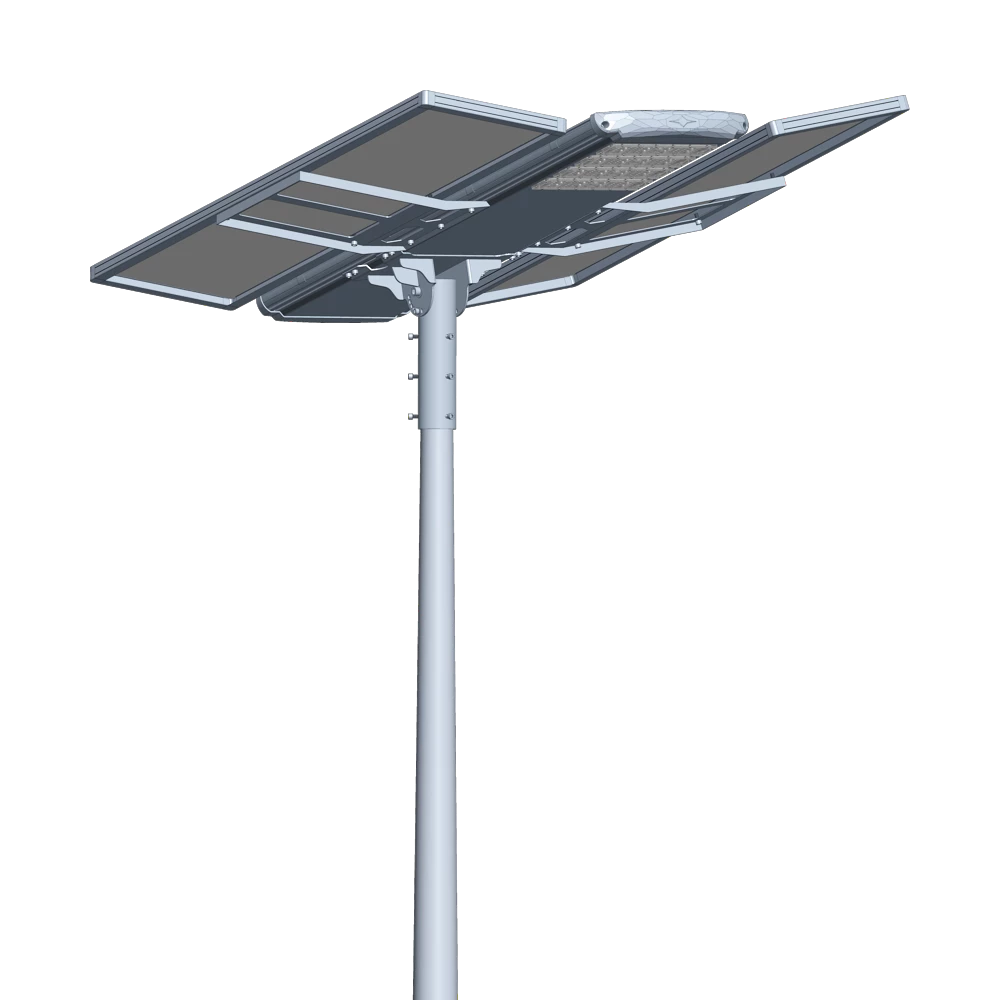
Introducing the Luqing Solar Street Light by Queneng, Efficient LED lighting powered by solar energy is perfect for illuminating outdoor areas. Harness the power of solar energy for sustainable, reliable street lighting. Ideal for eco-friendly, cost-effective outdoor illumination solutions.
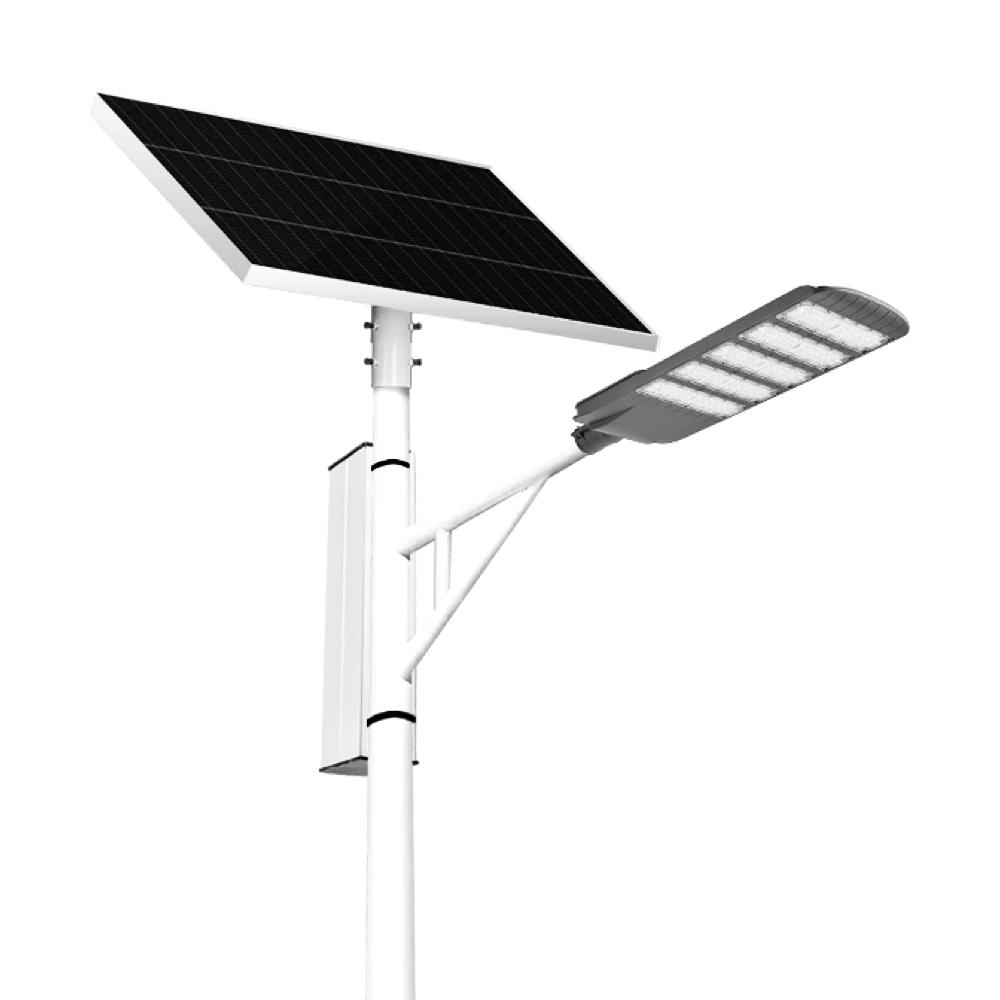
The Solar Streetlights of Luhao for Municipalities are designed to deliver reliable, energy-efficient, and cost-effective public lighting solutions. Equipped with advanced LED technology, durable lithium batteries, and high-efficiency solar panels, these streetlights provide consistent illumination for roads, parks, residential areas, and government projects.
If you would like more information about Queneng solar lighting solutions, please send us a message by filling out the form below. Our professional team will get back to you within 24 hours!
Rest assured that your privacy is important to us, and all information provided will be handled with the utmost confidentiality.
Schedule a Meeting
Book a date and time that is convenient for you and conduct the session in advance.
Have more questions about our products or services?
The messenger of light & power conversion
Environmental protection and intelligent manufacturing are our brand philosophy, and quality assurance and the best user experience are our eternal promises to users.
CONTACT
No.9F, Building F, Cao San Xin Tian Hong Logistics Park, Guzhen Town, Zhongshan City, Guangdong Province, China.
or write [email protected]
WhatsApp: +86 136 2270 1011


