










Nigerian regulations for solar lighting import and installation | Insights by Quenenglighting
Navigating Nigerian Regulations for Solar Lighting: An Importer's Guide
Nigeria, with its abundant sunshine and growing demand for reliable energy, presents a significant market for solar lighting solutions. However, successfully importing and installing these products requires a thorough understanding of the country's regulatory landscape. This guide aims to equip solar lighting industry professionals with the essential knowledge needed to navigate Nigerian regulations, ensuring compliance and smooth market entry.
What are the current import duties and tariffs for solar lighting products in Nigeria?
Nigeria's tariff regime is subject to change based on national economic policies and various finance acts. Historically, the Nigerian government has shown support for renewable energy by granting incentives, including import duty waivers on certain solar components. As per recent Finance Acts (e.g., Finance Act 2020), solar panels, inverters, and batteries, which are core components of solar lighting systems, often benefit from zero or significantly reduced import duties. However, the classification of a fully integrated solar lighting unit can be nuanced. If classified under general lighting fixtures (e.g., HS Code 9405.40), it could attract import duties, which might range from 5% to 20%, plus other charges like the ECOWAS Common External Tariff (CET) levy, Value Added Tax (VAT) at 7.5%, and various surcharges. It is crucial to verify the specific Harmonized System (HS) code for your product with the Nigerian Customs Service (NCS) and consult the latest Finance Act or a customs broker to ascertain the exact tariff and duty implications for your specific solar lighting product.
What product standards and certifications are required for solar lighting imports into Nigeria, specifically SONCAP?
The Standards Organisation of Nigeria Conformity Assessment Programme (SONCAP) is mandatory for regulating the quality of products imported into Nigeria. All solar lighting products, like most electrical and electronic goods, must comply with SONCAP requirements before shipment from the country of origin. This involves a product certification process, typically conducted by an accredited Conformity Assessment Body (CAB) appointed by SON (e.g., Intertek, SGS, Bureau Veritas). The process generally includes:
- Product Certificate (PC): Valid for one year, obtained after product testing and factory inspection (if required) to ensure compliance with relevant Nigerian Industrial Standards (NIS) or internationally recognized equivalents (e.g., IEC standards for solar PV products).
- SONCAP Certificate (SC): Issued per shipment after a successful Product Certificate has been obtained. This certificate is essential for customs clearance in Nigeria.
Non-compliance with SONCAP will lead to rejection of goods at the port of entry or severe penalties. Key standards often referenced include NIS 121:2020 (Solar Photovoltaic Systems – General Requirements) and relevant IEC standards (e.g., IEC 60598 for luminaires, IEC 61215 for crystalline silicon terrestrial PV modules).
Beyond SONCAP, what other government agencies or documentation are involved in importing solar lighting?
Several government agencies and a series of documentation are involved in the import process:
- Nigerian Customs Service (NCS): The primary body for customs clearance, duty collection, and tariff enforcement. You will need to submit a Form M (a mandatory document for all imports into Nigeria) through an Authorized Dealer Bank.
- Pre-Arrival Assessment Report (PAAR): Issued by NCS, this document confirms the valuation and classification of goods, based on information provided in Form M and other import documents. It is crucial for final customs clearance.
- National Agency for Food and Drug Administration and Control (NAFDAC): While typically associated with food, drugs, and cosmetics, NAFDAC's purview can extend to certain electronic devices that might have health and safety implications. However, for standard solar lighting, NAFDAC registration is generally not required unless the product makes specific health-related claims or contains components that fall under their mandate. It's always wise to verify if there are any specific NAFDAC requirements for novel solar products.
- Authorized Dealer Bank: Facilitates the Form M application and foreign exchange transactions.
- Shipping Documents: Bill of Lading/Air Waybill, Commercial Invoice, Packing List, Certificate of Origin.
Ensuring all these documents are accurately prepared and submitted in a timely manner is critical for avoiding delays and demurrage charges.
Are there specific regulations or permits for installing solar lighting systems in Nigeria, especially for commercial or public projects?
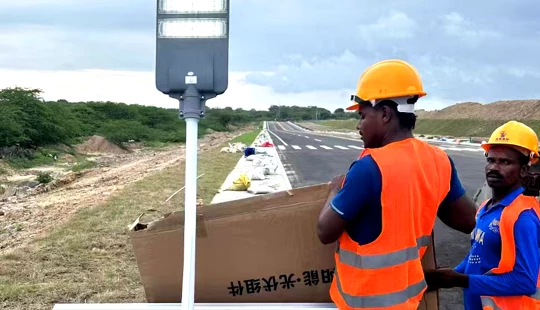
While specific national installation permits solely for standalone solar lighting might be less stringent than grid-tied solar power plants, several regulations and best practices apply, especially for larger commercial or public installations:
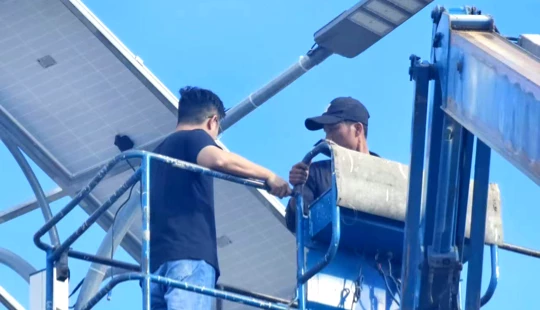
- Electrical Safety Standards: Installations must comply with the Nigerian Electricity Supply and Installation Standards (NESIS) Regulations, which govern safe electrical practices. This involves using certified electricians and ensuring wiring, earthing, and overcurrent protection meet required safety levels.
- Environmental Impact Assessment (EIA): For very large-scale solar projects (e.g., solar farms with significant land footprint), an EIA report approved by the Federal Ministry of Environment (FMEnv) would be required. However, for typical solar lighting installations (e.g., streetlights, park lights), an EIA is generally not needed unless the project is part of a larger development that triggers EIA requirements.
- Local Government Permits: For installations on public land or for commercial buildings, local government authorities (LGAs) might require building permits or approvals related to land use, structural integrity (for pole-mounted lights), and public safety. This varies significantly by state and local council.
- Renewable Energy Regulations: The Nigerian Electricity Regulatory Commission (NERC) issues regulations for mini-grids and independent power producers. While direct solar lighting may not always fall under NERC's direct licensing requirements, understanding the broader regulatory framework for renewable energy development is beneficial for larger projects.
It's advisable to consult with local authorities and certified electrical contractors for specific project requirements.
What are the expectations for quality assurance and after-sales support concerning solar lighting in Nigeria?
The Nigerian market, like many developing economies, is sensitive to both price and quality. While initial cost is a factor, there's a growing appreciation for durable, reliable solar lighting solutions due to past experiences with substandard products.
- Product Lifespan and Warranty: Customers expect solar lighting products to have a reasonable lifespan (e.g., 3-5 years for batteries, 10-15 years for LED luminaires, 20+ years for solar panels) and come with clear warranty terms. Providing an international standard warranty (e.g., 2-5 years) is crucial for building trust.
- Performance Claims: Luminaires should meet specified lumen output, battery autonomy (number of days of lighting without sunshine), and charging efficiency. Compliance with international standards like IEC for solar components and EN/IES standards for lighting performance is highly valued.
- Spare Parts Availability: Availability of critical spare parts (batteries, controllers, LED drivers) and clear repair/replacement policies are vital for customer satisfaction and long-term project viability.
- Technical Support: Offering readily accessible technical support, installation guidance, and troubleshooting assistance significantly enhances customer confidence.
Importers and distributors must prioritize products from reputable manufacturers that can guarantee consistent quality, adhere to international standards, and provide robust after-sales service to succeed in the Nigerian market.
Are there any tax incentives or exemptions for importing or deploying solar lighting products in Nigeria?
Yes, the Nigerian government has, at various times, introduced incentives to encourage renewable energy adoption:
- Import Duty Waivers/Reductions: As mentioned earlier, specific components of solar energy systems (solar panels, inverters, batteries) have often enjoyed waivers or significant reductions in import duties. These provisions are typically detailed in annual Finance Acts or specific policy directives.
- Value Added Tax (VAT) Exemption: While VAT is generally 7.5%, certain renewable energy equipment might be exempted or zero-rated, though this needs to be confirmed with the latest tax laws.
- Pioneer Status Incentive: Companies involved in the manufacturing or significant deployment of renewable energy technologies might be eligible for the Pioneer Status Incentive, granting a tax holiday for a certain period. This is typically for larger manufacturing or project development firms.
- Rural Electrification Fund (REF): Managed by the Rural Electrification Agency (REA), REF provides grants and subsidies for eligible rural electrification projects, including solar-powered solutions. While not directly for import, it can significantly subsidize the cost of deployment.
These incentives are dynamic and subject to policy changes. Importers and project developers should always consult the latest government gazettes, Finance Acts, and relevant agencies (e.g., Federal Ministry of Finance, Federal Inland Revenue Service - FIRS, REA) to confirm current eligibility.
Conclusion:
Navigating the regulatory landscape for solar lighting in Nigeria requires diligence, attention to detail, and staying updated with the latest government policies. From understanding import duties and SONCAP certification to complying with installation standards and leveraging potential incentives, compliance is key to a successful venture. By adhering to these regulations and prioritizing quality, businesses can contribute to Nigeria's sustainable energy future while building a reputable presence in a dynamic market.
Quenenglighting Advantage:
Quenenglighting offers a distinct advantage to partners operating in Nigeria. With extensive experience in global solar lighting solutions, Quenenglighting products are designed and manufactured to meet stringent international quality standards (like IEC, CE, RoHS) that often align with or exceed Nigerian requirements. We provide comprehensive documentation to facilitate smooth SONCAP certification and customs clearance, coupled with robust warranties and technical support. Our deep understanding of market needs ensures our products are not only compliant but also optimized for performance and durability in challenging environments, making Quenenglighting a reliable partner for your solar lighting projects in Nigeria.

Have more questions about our products or services?
The latest hot news you might like

Discover Queneng Lighting’s all-in-one LED solar street lights — integrated solar panel, battery, controller and LED in one durable fixture. Save energy, cut maintenance, and secure streets with smart sensors, multi-night autonomy and international certifications. Contact sales for quotes and support.

Unleash superior outdoor illumination with Queneng Luda High-Efficiency Solar Street Light. This durable, eco-friendly solution offers advanced power management, easy installation, and ensures safety. Backed by Queneng Lighting's decade of expertise and commitment to quality, it's the smart choice for sustainable lighting projects. Learn why we're a leading solar solutions provider.

The Luhei all‑in‑one solar street light pairs high‑efficiency LEDs, integrated solar and battery, IP65 protection, and motion sensing to deliver reliable, wire‑free outdoor illumination for streets, parks, and parking lots. Backed by Queneng Lighting’s certifications and support.

FAQ
Solar Street Light Chuanqi
Are Chuanqi solar street lights suitable for both residential and commercial use?
Yes, Chuanqi solar street lights are suitable for a wide range of applications, including both residential and commercial use. Whether it's illuminating streets, pathways, parks, or parking lots, Chuanqi lights provide dependable outdoor lighting. Their ease of installation and low operational costs make them ideal for both private homes and large-scale commercial projects.
Batteries and the environment
What are the “green batteries” currently being used and researched?
Battery Types and Applications
What types of rechargeable batteries are there? Which devices are they suitable for?
Features: High capacity, environmentally friendly (no mercury, lead, cadmium), overcharge protection
Application equipment: audio equipment, video recorders, mobile phones, cordless phones, emergency lights, notebook computers
Ni-MH prismatic battery
Features: High capacity, environmentally friendly, overcharge protection
Application equipment: audio equipment, video recorders, mobile phones, cordless phones, emergency lights, notebook computers
NiMH button battery
Features: High capacity, environmentally friendly, overcharge protection
Application equipment: mobile phones, cordless phones
Nickel cadmium round battery
Features: High load capacity
Application equipment: audio equipment, power tools
Nickel cadmium button battery
Features: High load capacity
Application equipment: Cordless phones, memory
Lithium Ion Battery
Features: High load capacity, high energy density
Application equipment: mobile phones, laptops, video recorders
Lead-acid batteries
Features: Cheap, easy to process, short life, heavy weight
Application equipment: ships, automobiles, miner's lamps, etc.
Solar Street Light Luda
What makes Luda solar street lights high-efficiency and eco-friendly?
Luda solar street lights feature high-efficiency solar panels that maximize energy conversion even in low sunlight conditions, ensuring optimal performance throughout the day. The use of energy-efficient LED bulbs minimizes electricity consumption while delivering bright, reliable illumination. This combination of features reduces the overall carbon footprint and makes them an eco-friendly choice for outdoor lighting.
Solar Street Light Luyan
What types of batteries are used in Luyan solar street lights, and how do they work?
Luyan solar street lights use high-quality lithium-ion batteries. These batteries store the solar energy captured during the day and provide reliable illumination at night. Lithium-ion batteries are known for their longer lifespan, faster charging times, and better energy storage compared to traditional lead-acid batteries.
Industry
Do Queneng’s solar street lights have anti-theft protection?
Our solar street lights are designed with security features, including durable casings and anti-theft bolts, minimizing the risk of theft.
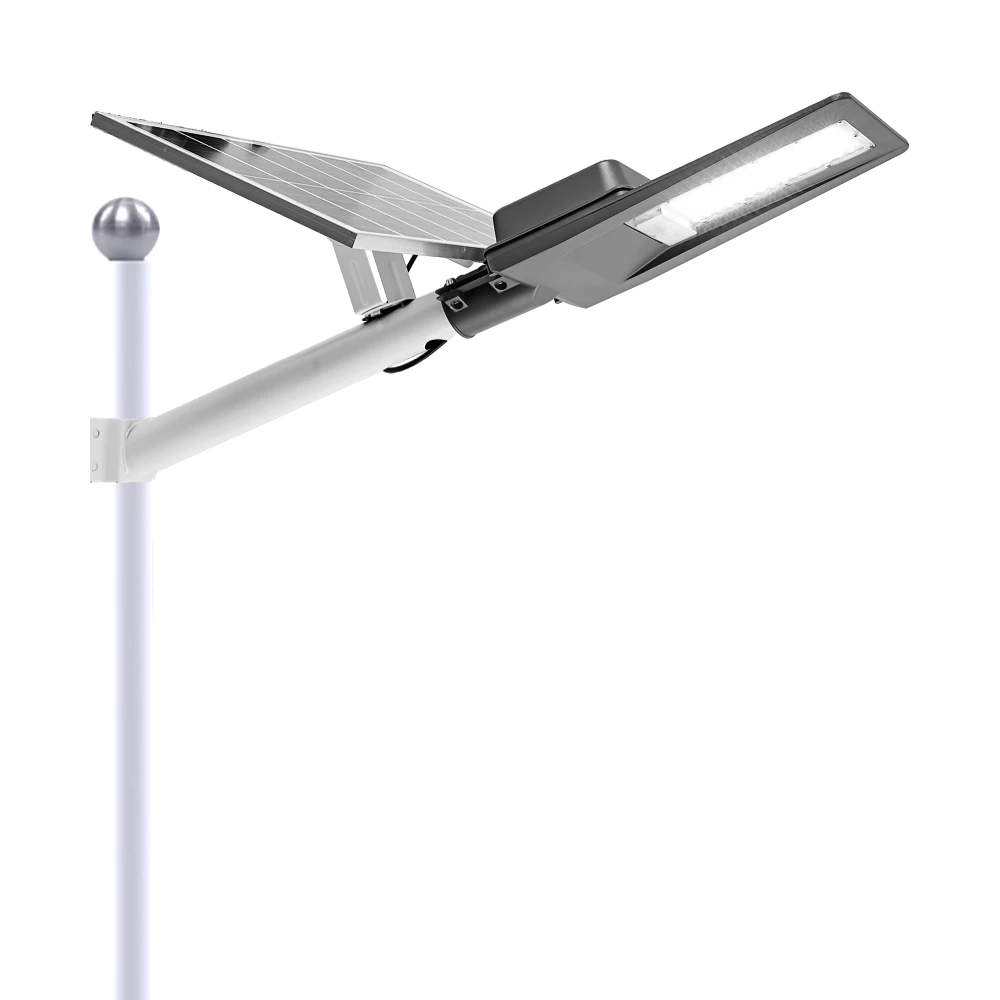
Experience reliable outdoor illumination with our smart solar street light, a perfect combination of advanced technology and eco-conscious design.
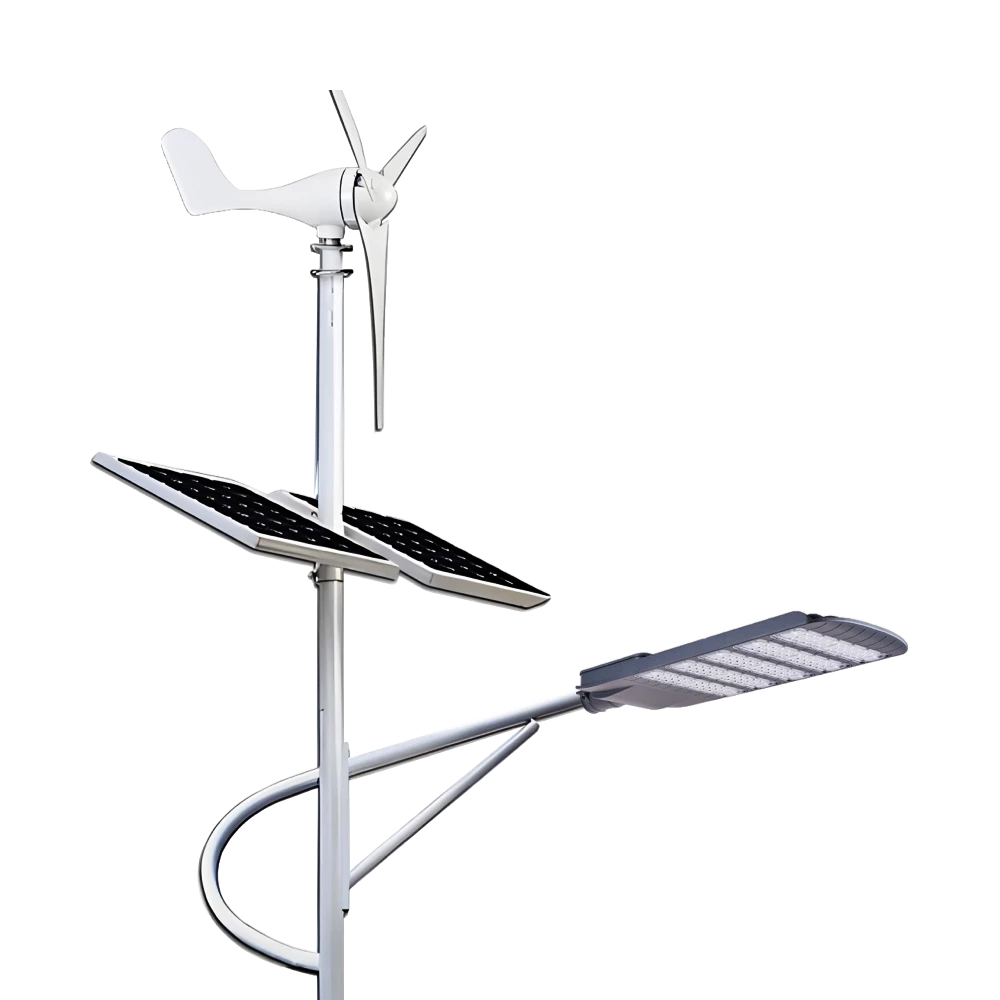
Queneng Lufeng Wind Energy LED Outdoor Solar Street Lights offer high-performance, eco-friendly illumination. These energy-efficient LED street lights harness solar power and wind energy for sustainable, cost-effective outdoor lighting solutions.
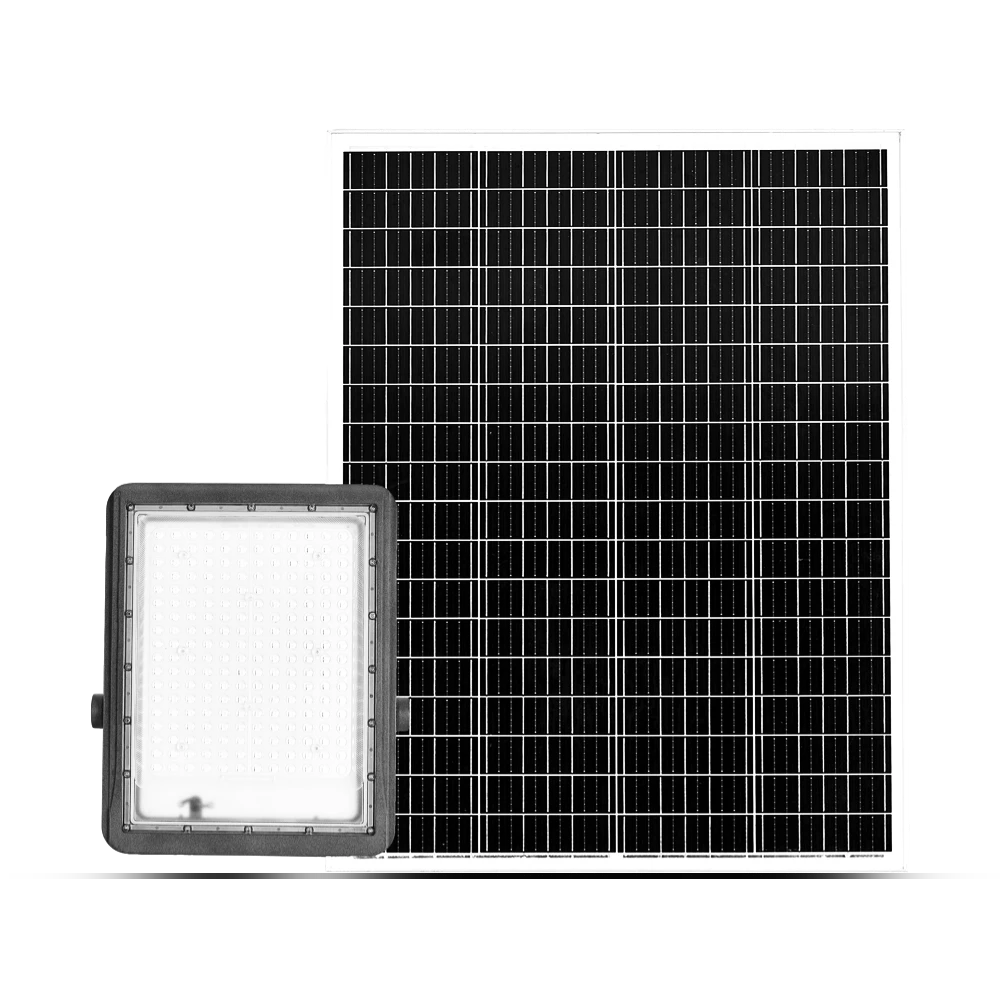
Queneng's Luxian Reliable Solar Street Light offers energy-saving LED lighting for outdoor use. This durable, solar-powered street light provides reliable illumination, reducing energy costs and environmental impact. A perfect solution for sustainable outdoor lighting.
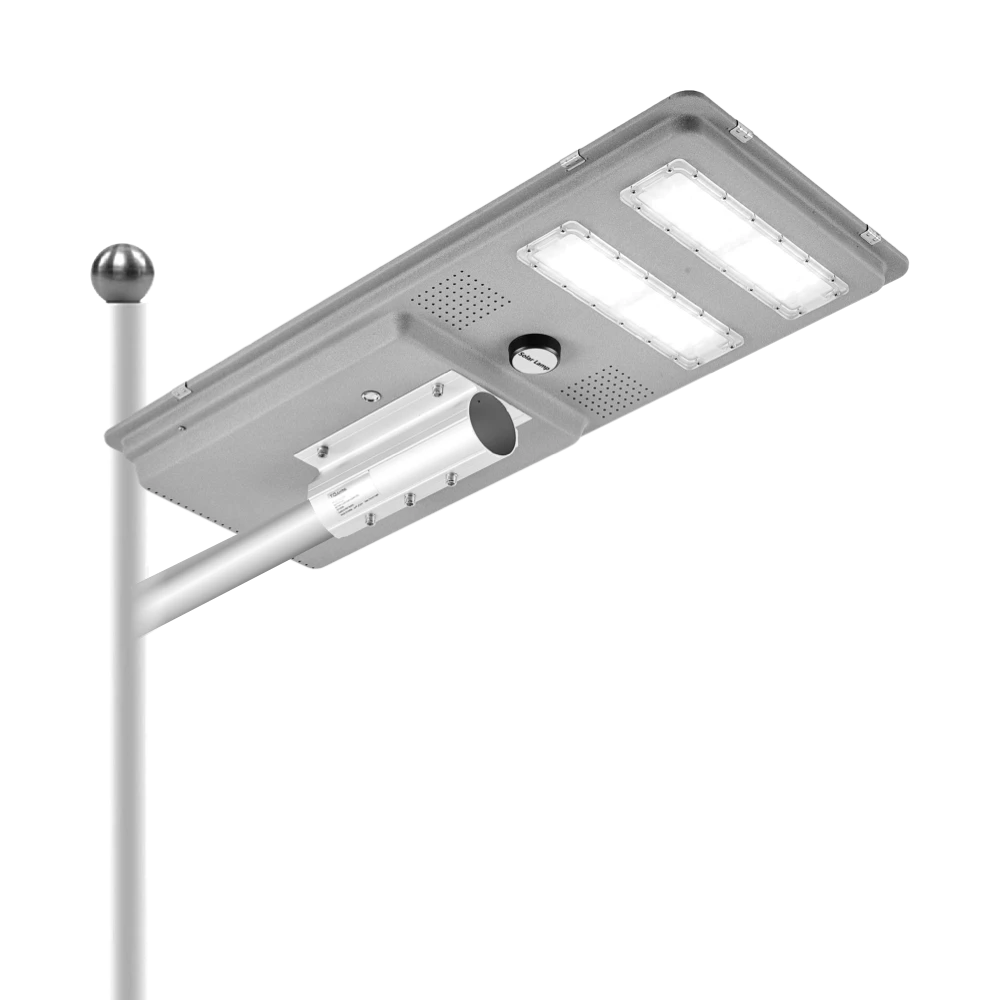
Queneng’s Solar Street Lights are designed to provide reliable, energy-efficient lighting for streets, parks, and other outdoor spaces.
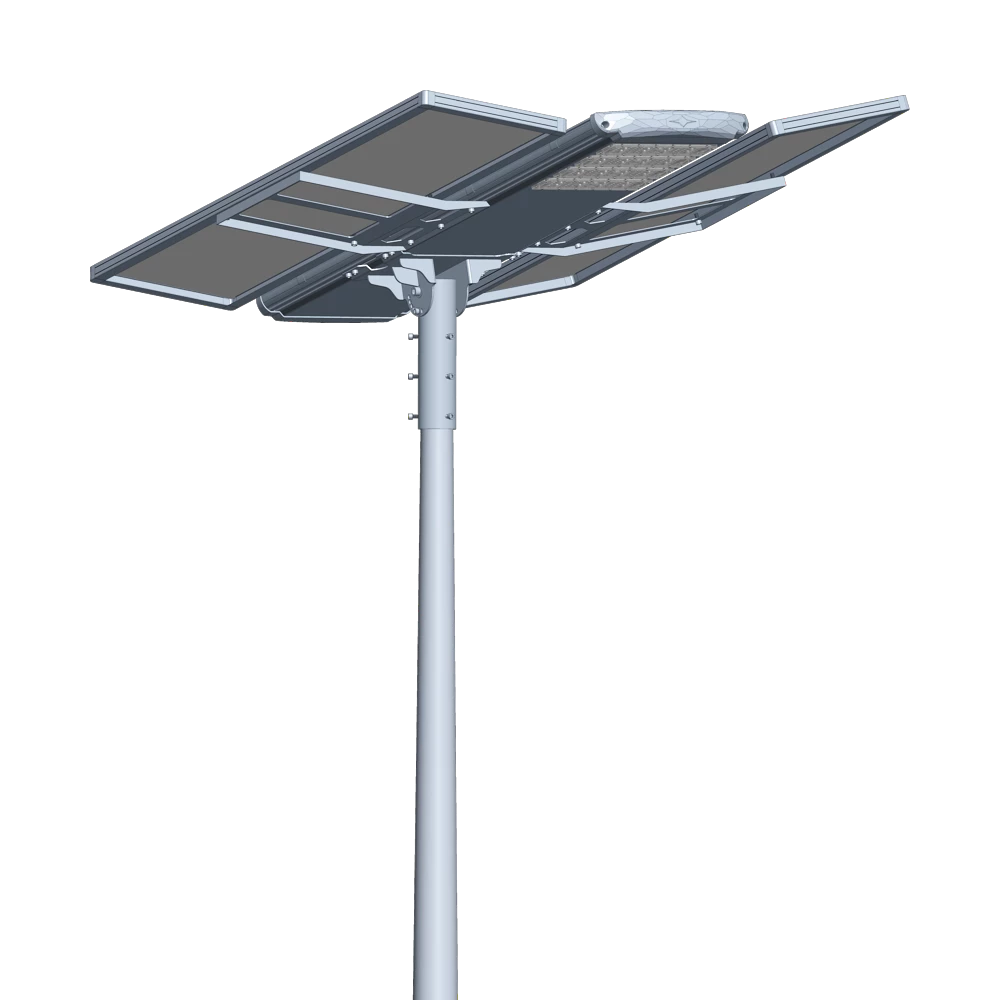
Introducing the Luqing Solar Street Light by Queneng, Efficient LED lighting powered by solar energy is perfect for illuminating outdoor areas. Harness the power of solar energy for sustainable, reliable street lighting. Ideal for eco-friendly, cost-effective outdoor illumination solutions.
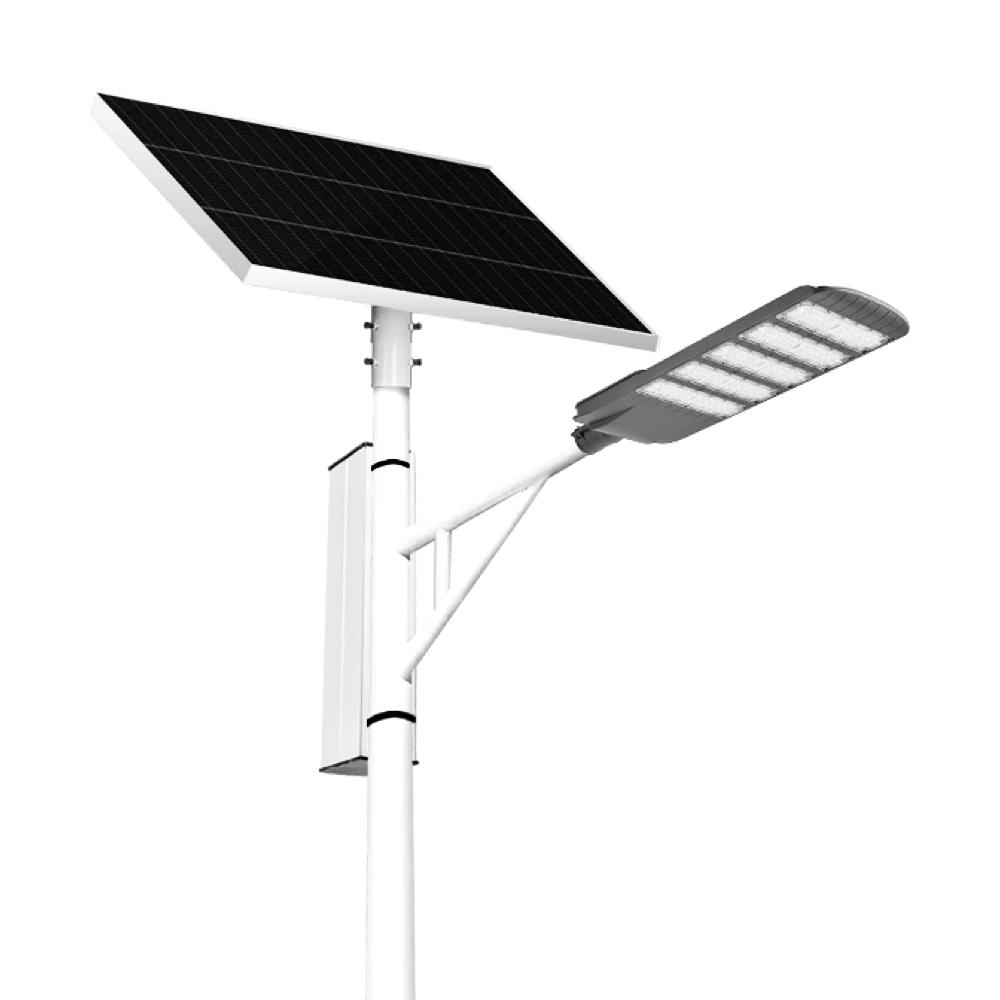
The Solar Streetlights of Luhao for Municipalities are designed to deliver reliable, energy-efficient, and cost-effective public lighting solutions. Equipped with advanced LED technology, durable lithium batteries, and high-efficiency solar panels, these streetlights provide consistent illumination for roads, parks, residential areas, and government projects.
If you would like more information about Queneng solar lighting solutions, please send us a message by filling out the form below. Our professional team will get back to you within 24 hours!
Rest assured that your privacy is important to us, and all information provided will be handled with the utmost confidentiality.
Schedule a Meeting
Book a date and time that is convenient for you and conduct the session in advance.
Have more questions about our products or services?
The messenger of light & power conversion
Environmental protection and intelligent manufacturing are our brand philosophy, and quality assurance and the best user experience are our eternal promises to users.
CONTACT
No.9F, Building F, Cao San Xin Tian Hong Logistics Park, Guzhen Town, Zhongshan City, Guangdong Province, China.
or write [email protected]
WhatsApp: +86 136 2270 1011


