













ROI comparison of solar vs diesel-powered street lighting in Nigeria | Insights by Quenenglighting
Navigating Nigeria's Street Lighting Dilemma: Solar vs. Diesel ROI Comparison
Nigeria, a nation grappling with significant energy challenges and a strong drive towards sustainable development, faces a critical decision in its urban planning and infrastructure development: how to efficiently and reliably illuminate its streets. For procurement professionals and policymakers, the choice between traditional diesel-powered street lighting and modern solar solutions goes beyond initial cost; it's a deep dive into long-term financial viability, environmental impact, operational efficiency, and community well-being. This article delves into a comprehensive ROI comparison, offering insights crucial for informed decision-making in the Nigerian context.
What are the Initial Investment Costs (CAPEX) for Deploying Solar vs. Diesel Street Lighting Systems in Nigeria?
The upfront capital expenditure (CAPEX) is often the first hurdle in any infrastructure project. For solar street lighting, this includes the cost of the solar panel, battery, LED lamp, charge controller, pole, and installation. As of early 2024, a high-quality, integrated solar street light system (e.g., 60-100W LED) in Nigeria can range from NGN 500,000 to NGN 900,000 per unit, depending on battery type (LiFePO4 being more expensive but longer-lasting), panel efficiency, and overall system specifications.
Conversely, a diesel-powered street lighting system might appear to have a lower per-unit CAPEX if viewed in isolation. However, it typically involves a centralized generator, fuel tank, extensive cabling, and the cost of the generator itself. A robust generator capable of powering multiple street lights (e.g., 5-10 kVA) could cost NGN 1,500,000 to NGN 4,000,000 initially, plus distribution infrastructure. While a single diesel generator can power numerous lights, the cost per light still needs to factor in the distribution network, which can be considerable. For a direct comparison, considering the infrastructure required, the effective CAPEX per light for a diesel setup (including the generator's share and wiring) can sometimes be lower than solar initially, but this is deceptive when considering OPEX.
How Do Operational Expenses (OPEX) Differ, and What Impact Do Fluctuating Diesel Prices Have on Long-Term Savings?
This is where the true financial divergence occurs. Operational Expenditure (OPEX) is the primary driver of long-term costs and ROI.
- Diesel-Powered Systems: These systems are heavily reliant on fuel. With the recent removal of fuel subsidies, diesel prices in Nigeria have soared and remain highly volatile. As of early 2024, diesel often costs between NGN 1,000 to NGN 1,500 per liter. A typical generator powering street lights could consume several liters per hour, translating to substantial daily and monthly fuel bills. Beyond fuel, diesel generators require regular maintenance (oil changes, filter replacements, spark plugs, overhauls) every 200-500 operating hours, costing anywhere from NGN 50,000 to NGN 200,000+ per service depending on the generator size and service intensity. Additionally, there are costs associated with security for fuel storage and potential generator theft.
- Solar-Powered Systems: The OPEX for solar street lighting is dramatically lower. Once installed, the primary operational costs are minimal: occasional cleaning of solar panels, routine checks, and eventual battery replacement. High-quality LiFePO4 batteries, commonly used in modern systems, have a lifespan of 7-10 years or more before needing replacement, which can cost approximately 20-30% of the initial system cost. Compared to daily fuel purchases and frequent generator servicing, solar offers predictable and significantly reduced ongoing expenses.
The volatility of diesel prices in Nigeria means that any budget projection for diesel-powered systems is a moving target, making long-term financial planning incredibly challenging and risky. Solar, with its free fuel (sunlight), eliminates this uncertainty.
What is the Typical Timeframe for Achieving a Positive Return on Investment (ROI) with Solar Street Lighting in Nigeria?
The ROI for solar street lighting in Nigeria is increasingly compelling due to the high and unstable cost of diesel. While CAPEX for solar might be higher upfront, the enormous savings on OPEX (fuel, maintenance, security) accelerate the payback period significantly.
Considering an average solar street light system at NGN 700,000 and the equivalent daily operational cost of a shared diesel generator for one light (including fuel, maintenance, and security allocation) at roughly NGN 2,000 – NGN 3,000 per day (assuming 10-12 hours of operation), solar can achieve ROI within 2 to 4 years. This timeframe is further shortened if grid electricity is unavailable or unreliable, forcing a full reliance on diesel. The ROI calculation should also factor in the longer lifespan of solar components (panels 20-25 years, LEDs 10-15 years) compared to the shorter operational life of a diesel generator.
How Do Reliability and Performance Compare in Nigeria's Context of Unstable Grid Power?
Nigeria's national grid is notoriously unreliable, with many areas experiencing frequent power outages and extended periods without supply.
- Diesel-Powered Systems: While seemingly providing independent power, diesel generators are only as reliable as their fuel supply and maintenance schedule. They are susceptible to breakdowns, fuel scarcity, and security issues (theft). Prolonged outages mean higher reliance on generators, increasing wear and tear and fuel costs.
- Solar-Powered Systems: Designed to operate autonomously, solar street lights offer superior reliability in off-grid or poor-grid environments. Once installed and properly sized for local solar insolation (which is abundant across Nigeria), they provide consistent illumination without reliance on the national grid or external fuel deliveries. Modern solar systems include smart controllers that optimize battery usage, ensuring light through the night, even after cloudy days. Their independence makes them highly resilient to external disruptions.
Beyond Economic Factors, What are the Environmental Footprint and Public Health Implications of Choosing Solar Over Diesel?
The environmental and health impacts are starkly different:
- Diesel: Diesel generators are major contributors to air and noise pollution. They emit greenhouse gases (like CO2 – approximately 2.68 kg of CO2 per liter of diesel consumed), nitrogen oxides, and particulate matter, contributing to climate change and respiratory illnesses. Noise pollution from generators can disrupt peace and reduce quality of life in communities.
- Solar: Solar street lighting operates with zero emissions during use, producing no air pollutants or noise. It directly supports Nigeria's commitments to the Paris Agreement and the UN Sustainable Development Goals (SDG 7: Affordable and Clean Energy, SDG 13: Climate Action). Adopting solar technology demonstrates a commitment to sustainable infrastructure and public health.
What Are the Security and Logistics Challenges Associated with Diesel vs. Solar Street Lighting in Nigeria?
Both systems present unique challenges, though solar generally offers fewer ongoing logistical headaches.
- Diesel: Requires constant fuel procurement, storage, and delivery, which can be logistically complex and costly. Fuel theft from storage tanks is a significant security concern in Nigeria. Generators themselves are also targets for theft, and their noisy operation can attract unwanted attention.
- Solar: While the initial installation of solar panels and batteries can attract theft, modern solutions include anti-theft designs and remote monitoring capabilities. Once installed, solar systems largely operate independently, reducing the need for constant on-site personnel or fuel deliveries, thereby minimizing ongoing security risks related to fuel and frequent interventions.
Are There Government Incentives, Policies, or Future Trends That Favor Solar Street Lighting Adoption in Nigeria?
Yes, Nigeria's government and international partners are increasingly promoting renewable energy. The Rural Electrification Agency (REA) leads several initiatives aimed at expanding energy access through solar solutions. The National Renewable Energy and Energy Efficiency Policy (NREEEP) also outlines targets for renewable energy penetration. While direct financial incentives specifically for solar street lighting might vary, the broader policy environment, coupled with Nigeria's abundant solar resources and the growing need for energy security, strongly favors solar adoption. International funding bodies and green climate funds are also more inclined to support renewable energy projects, making solar a more attractive option for large-scale infrastructure development. This trend signals a clear shift towards sustainable energy sources for the future.
Summary of Quenenglighting's Advantages
Quenenglighting stands at the forefront of providing reliable, efficient, and sustainable solar lighting solutions tailored for the Nigerian market. Our expertise lies in designing and deploying systems that are not only technologically advanced but also robust enough to withstand Nigeria's unique environmental and operational challenges. We offer:
- Superior Quality & Durability: Utilizing high-grade solar panels, long-lasting LiFePO4 batteries, and efficient LED luminaires, ensuring extended lifespan and consistent performance.
- Optimized Performance: Our systems are precisely engineered to match Nigeria's solar insolation levels, guaranteeing reliable illumination throughout the night, year-round.
- Customization: We provide bespoke solutions, adapting to specific project requirements, lumen needs, and operational durations.
- Comprehensive Support: From initial consultation and design to installation guidance and after-sales service, Quenenglighting ensures a seamless and professional experience.
- Cost-Effectiveness & ROI: Our focus on quality and efficiency translates into significantly reduced OPEX and a faster return on investment for our clients, making sustainable lighting financially viable.

Have more questions about our products or services?
The latest hot news you might like

Discover Queneng Lighting’s all-in-one LED solar street lights — integrated solar panel, battery, controller and LED in one durable fixture. Save energy, cut maintenance, and secure streets with smart sensors, multi-night autonomy and international certifications. Contact sales for quotes and support.

Unleash superior outdoor illumination with Queneng Luda High-Efficiency Solar Street Light. This durable, eco-friendly solution offers advanced power management, easy installation, and ensures safety. Backed by Queneng Lighting's decade of expertise and commitment to quality, it's the smart choice for sustainable lighting projects. Learn why we're a leading solar solutions provider.

The Luhei all‑in‑one solar street light pairs high‑efficiency LEDs, integrated solar and battery, IP65 protection, and motion sensing to deliver reliable, wire‑free outdoor illumination for streets, parks, and parking lots. Backed by Queneng Lighting’s certifications and support.

FAQ
Solar Street Light Luhui
Can Luhui solar street lights be controlled remotely?
Certain models of Luhui solar street lights come with smart control features, allowing users to remotely monitor and adjust settings such as brightness levels and operational times via mobile apps or centralized systems.
Solar Street Light Luqing
How long does the solar street light last?
The lifespan of a solar street light depends on the quality of the components, but typically, the solar panels can last up to 25 years, and the LED lights last 50,000 hours or more. The battery generally lasts between 3-5 years, after which it may need to be replaced.
Transportation and Highways
Are there options for aesthetic customization to match the local environment?
Yes, we offer customizable pole designs, color finishes, and lighting styles to blend seamlessly with the surrounding environment.
Battery Types and Applications
What is a smart secondary battery?
Battery fundamentals and basic terms
What is the electrochemistry of NiMH batteries?
Nickel-metal hydride batteries use Ni oxide as the positive electrode, hydrogen storage metal as the negative electrode, and alkaline solution (mainly KOH) as the electrolyte, when charging nickel-metal hydride batteries:
Positive reaction: Ni(OH)2 + OH- → NiOOH + H2O-e-
Negative reaction: M+H2O +e-→ MH+ OH-
Nickel-metal hydride battery discharge:
Positive pole reaction: NiOOH + H2O + e- → Ni(OH)2 + OH-
Negative reaction: MH+OH- → M+H2O+e-
Solar Street Light Luyan
Can Luyan solar street lights function in areas with limited sunlight or cloudy weather?
Yes, Luyan solar street lights are designed to function reliably even in areas with limited sunlight or during cloudy weather. The high-efficiency solar panels can capture and store energy even in low-light conditions, ensuring that the lights will still provide illumination during cloudy or rainy days. The system is equipped with a battery that stores enough energy to keep the lights running throughout the night, regardless of weather conditions, making it suitable for diverse climates.
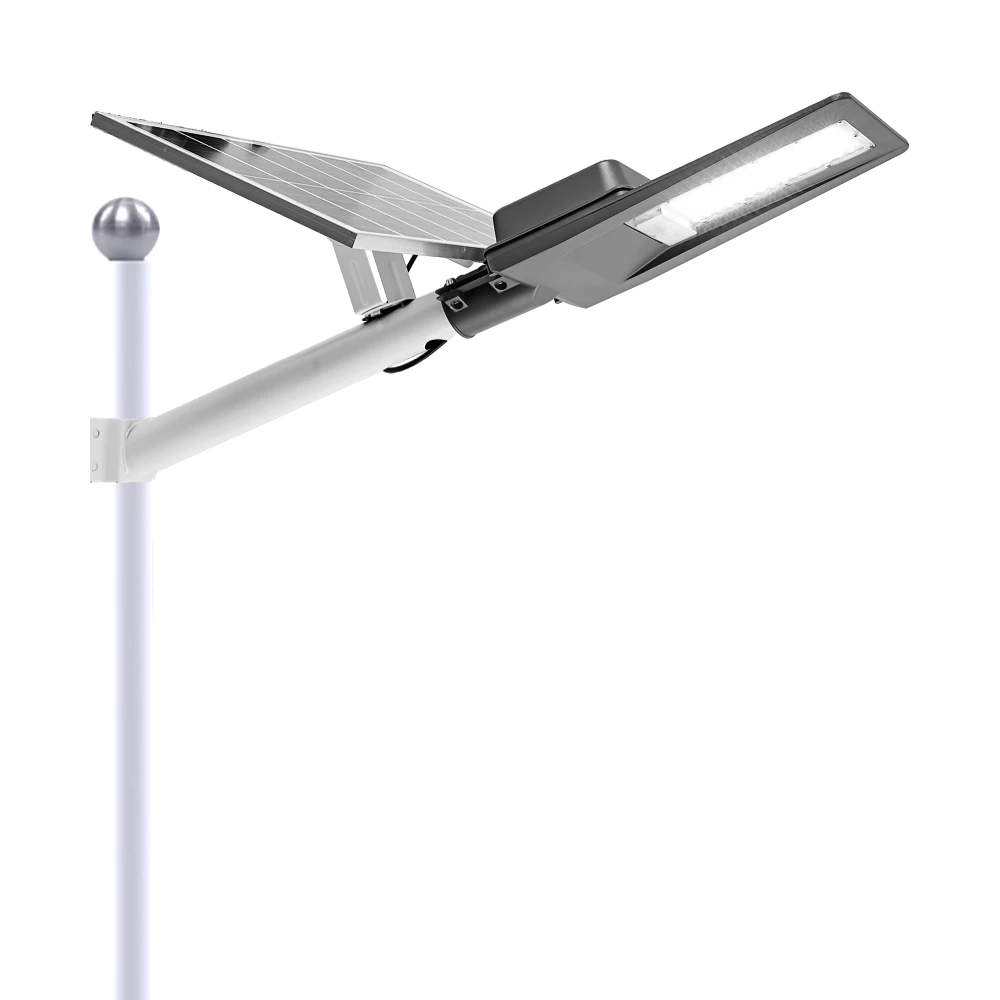
Experience reliable outdoor illumination with our smart solar street light, a perfect combination of advanced technology and eco-conscious design.
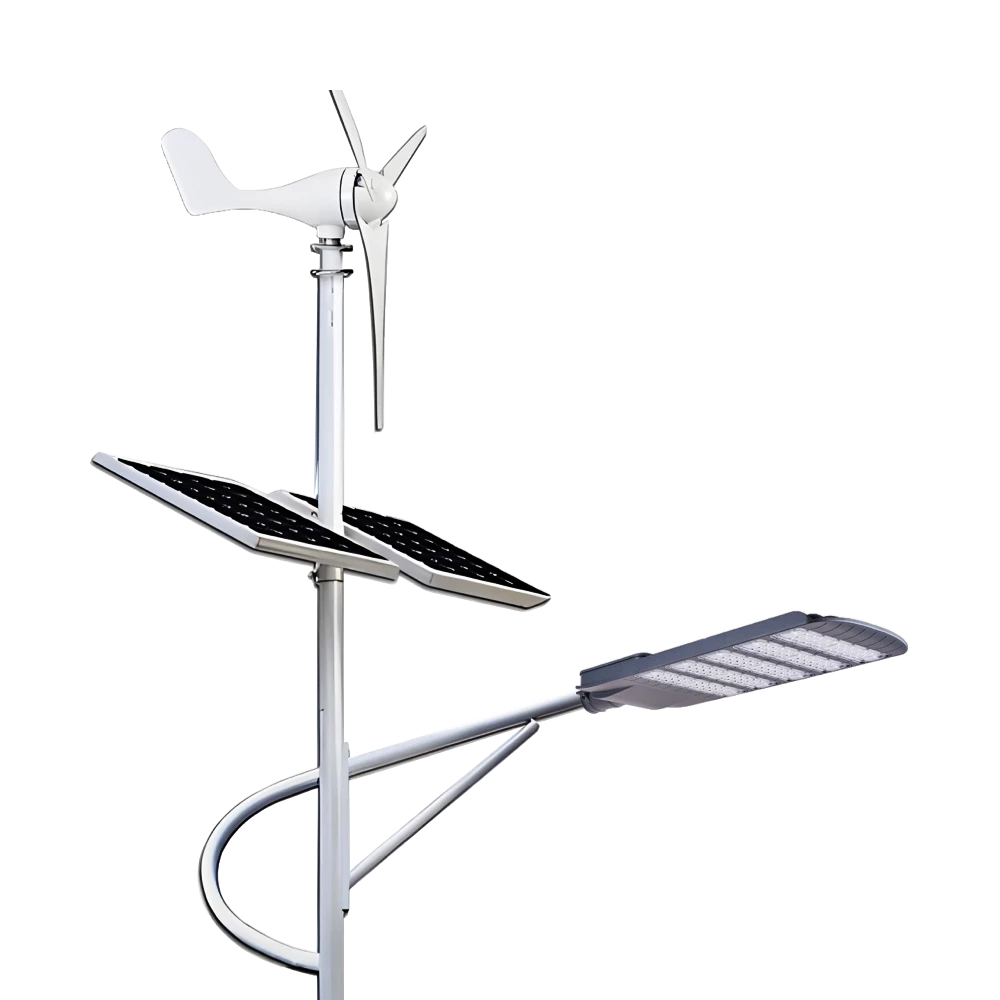
Queneng Lufeng Wind Energy LED Outdoor Solar Street Lights offer high-performance, eco-friendly illumination. These energy-efficient LED street lights harness solar power and wind energy for sustainable, cost-effective outdoor lighting solutions.
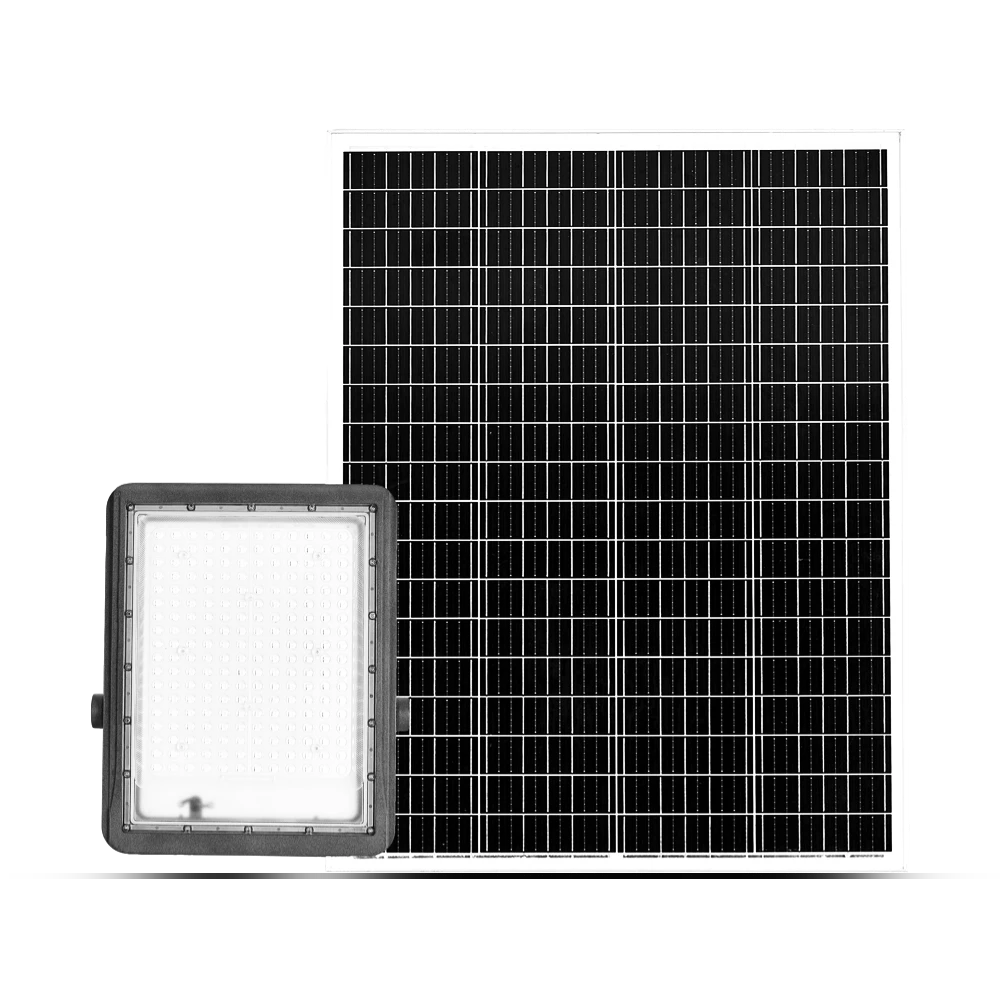
Queneng's Luxian Reliable Solar Street Light offers energy-saving LED lighting for outdoor use. This durable, solar-powered street light provides reliable illumination, reducing energy costs and environmental impact. A perfect solution for sustainable outdoor lighting.
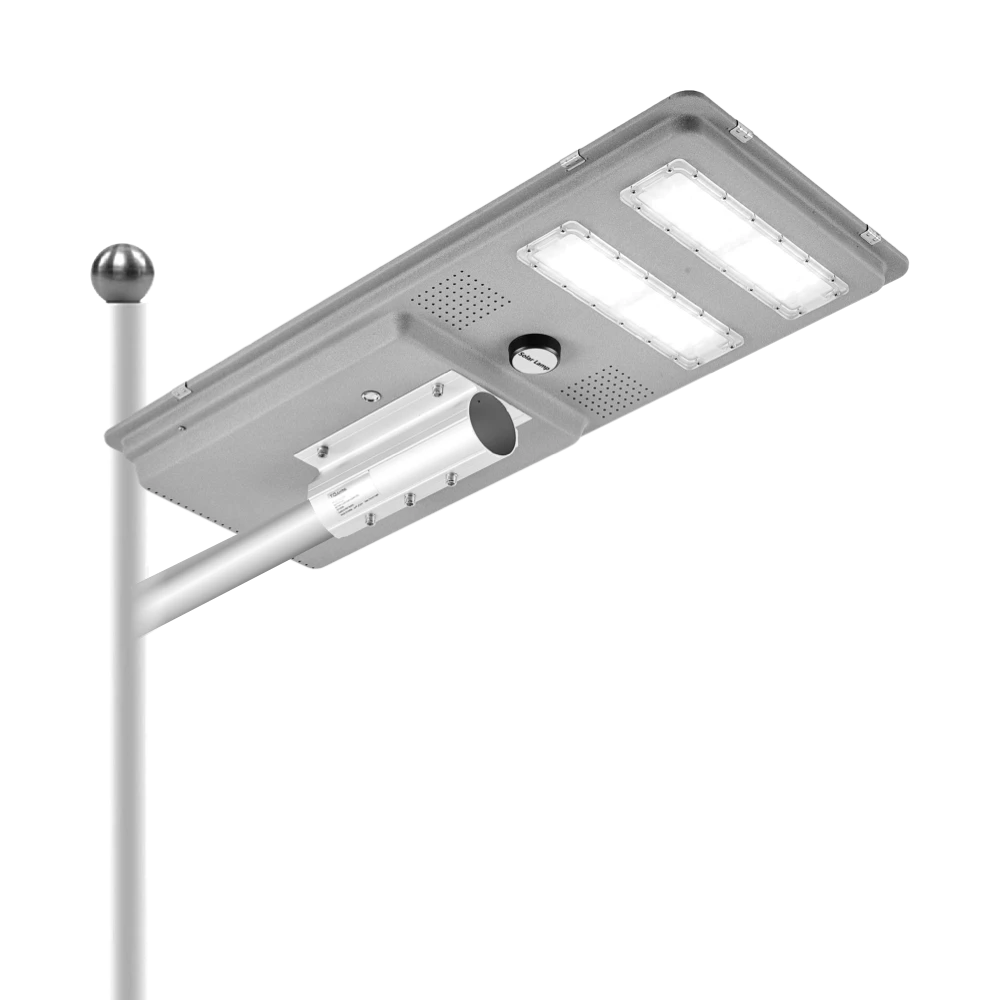
Queneng’s Solar Street Lights are designed to provide reliable, energy-efficient lighting for streets, parks, and other outdoor spaces.
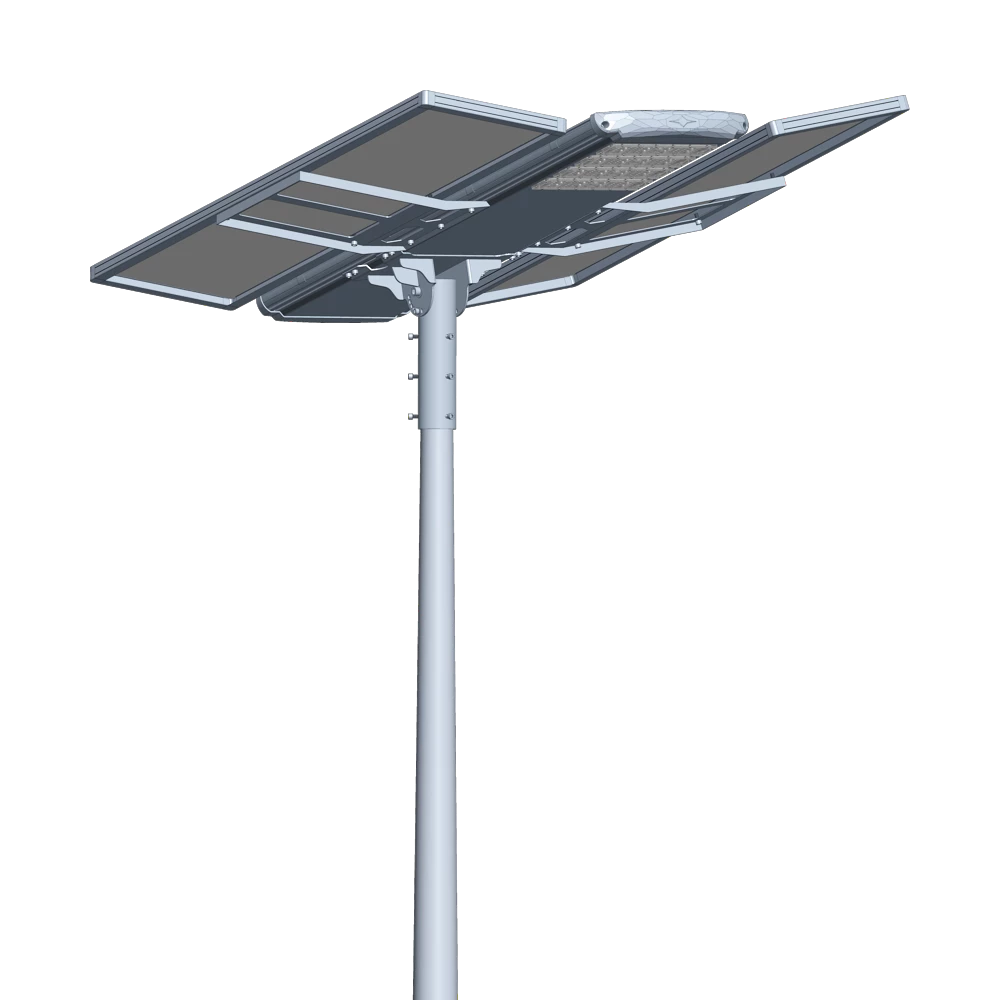
Introducing the Luqing Solar Street Light by Queneng, Efficient LED lighting powered by solar energy is perfect for illuminating outdoor areas. Harness the power of solar energy for sustainable, reliable street lighting. Ideal for eco-friendly, cost-effective outdoor illumination solutions.
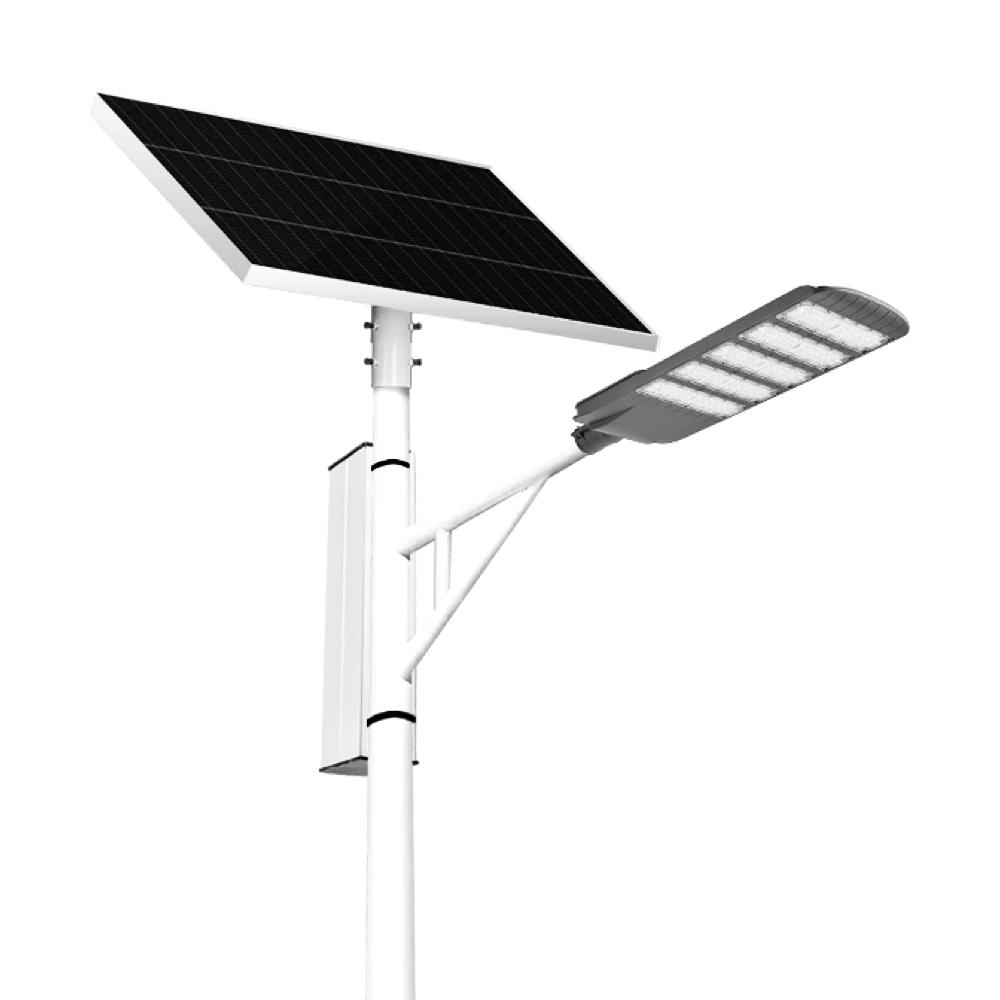
The Solar Streetlights of Luhao for Municipalities are designed to deliver reliable, energy-efficient, and cost-effective public lighting solutions. Equipped with advanced LED technology, durable lithium batteries, and high-efficiency solar panels, these streetlights provide consistent illumination for roads, parks, residential areas, and government projects.
If you would like more information about Queneng solar lighting solutions, please send us a message by filling out the form below. Our professional team will get back to you within 24 hours!
Rest assured that your privacy is important to us, and all information provided will be handled with the utmost confidentiality.
Schedule a Meeting
Book a date and time that is convenient for you and conduct the session in advance.
Have more questions about our products or services?
The messenger of light & power conversion
Environmental protection and intelligent manufacturing are our brand philosophy, and quality assurance and the best user experience are our eternal promises to users.
CONTACT
No.9F, Building F, Cao San Xin Tian Hong Logistics Park, Guzhen Town, Zhongshan City, Guangdong Province, China.
or write [email protected]
WhatsApp: +86 136 2270 1011


