












Government solar light procurement process in Nigeria | Insights by Quenenglighting
Understanding the Government Solar Light Procurement Process in Nigeria
Nigeria, with its vast energy deficit and abundant sunshine, is a prime market for solar lighting solutions. The Nigerian government, across federal, state, and local levels, actively procures solar lights for various applications, including street lighting, rural electrification, and public facility illumination. For solar lighting suppliers, navigating this procurement landscape requires a clear understanding of the processes, key stakeholders, and specific requirements.
How is the Government Solar Light Procurement Process Structured in Nigeria?
The procurement process for government contracts in Nigeria is primarily governed by the Public Procurement Act of 2007. This Act aims to ensure transparency, accountability, and value for money in public spending. While the specifics can vary slightly between federal, state, and local government agencies, the general structure involves several key stages:
- Needs Assessment and Budget Approval: The procuring entity identifies a need for solar lighting and secures budgetary allocation.
- Advertisement/Invitation to Bid: Opportunities are advertised through national newspapers, the Federal Tenders Journal, and sometimes on specific agency websites. International tenders might also appear on development bank portals.
- Pre-qualification (Optional): For larger or more complex projects, potential bidders may undergo a pre-qualification phase to assess their technical and financial capabilities before being invited to submit full proposals.
- Tender Document Collection: Interested suppliers purchase tender documents containing detailed specifications, terms, and conditions.
- Bid Submission: Suppliers prepare and submit comprehensive technical and financial bids, typically in separate envelopes.
- Bid Opening: Bids are publicly opened, often with representatives from bidding companies present.
- Bid Evaluation: Technical bids are evaluated first, based on compliance with specifications, experience, capacity, and methodology. Only technically qualified bids proceed to financial evaluation.
- Contract Award: The contract is awarded to the technically responsive and financially most competitive bidder.
- Contract Implementation and Monitoring: The supplier executes the project, subject to monitoring by the procuring entity.
What are the Key Government Agencies Involved in Solar Lighting Projects?
Several government agencies play crucial roles in solar lighting procurement:
- Rural Electrification Agency (REA): This federal agency is a significant player, responsible for the electrification of unserved and underserved rural communities across Nigeria. REA frequently procures solar street lights, solar home systems, and mini-grids under initiatives like the Nigerian Electrification Project (NEP), often supported by the World Bank and African Development Bank. As of 2023, REA has been instrumental in deploying numerous off-grid solar solutions, impacting millions of Nigerians.
- Federal Ministry of Power: Sets national energy policy and oversees major power projects, which may include large-scale solar installations.
- State Governments: Actively procure solar street lights for urban and semi-urban areas, public institutions, and community development projects within their respective states. Examples include initiatives in Lagos, Kaduna, and Kano states.
- Local Government Areas (LGAs): Procure solar lighting for local community roads, markets, and public spaces, though these projects are typically smaller in scope.
- Federal Ministries, Departments, and Agencies (MDAs): Other federal bodies, such as the Ministry of Health, Ministry of Education, and various parastatals, also procure solar lighting for their facilities (e.g., solar for primary healthcare centers or schools).
What are the Essential Requirements and Standards for Bidders in Nigerian Government Solar Tenders?
To successfully bid for government solar lighting projects, suppliers must meet stringent requirements:
- Corporate Registration: Certificate of Incorporation with the Corporate Affairs Commission (CAC).
- Tax Compliance: Current Tax Clearance Certificate (TCC).
- Pension Compliance: Evidence of compliance with the Pension Reform Act.
- Industrial Training Fund (ITF) Compliance: Certificate of compliance with the ITF Act.
- Nigeria Social Insurance Trust Fund (NSITF) Compliance: Certificate of compliance.
- Financial Capacity: Audited financial statements for the past 3 years, bank statements, and a letter of commitment from a reputable bank for credit facilities.
- Technical Competence & Experience: Demonstrable experience in similar projects, with verifiable track records and lists of successfully completed projects. This often includes resumes of key technical personnel.
- Product Specifications & Certifications: Adherence to international standards such as IEC (International Electrotechnical Commission) for solar PV components, batteries, and controllers. The Standards Organisation of Nigeria (SON) often adopts these international standards or issues product certifications like MANCAP. Products must be robust, designed for tropical climates, and meet specified lumen output, battery autonomy, and IP ratings.
- Local Content Considerations: While not always mandatory for solar street lights, some tenders encourage or require a percentage of local content or services, which can be an advantage.
How Can Suppliers Identify and Access Government Solar Lighting Procurement Opportunities in Nigeria?
Identifying opportunities is crucial. Suppliers can utilize several channels:
- Federal Tenders Journal: The official publication for federal government tenders.
- National Newspapers: Major newspapers like The Guardian, Daily Trust, and ThisDay carry tender advertisements.
- Agency Websites: Regularly check the websites of key agencies such as the Rural Electrification Agency (REA), the Federal Ministry of Power, and state tender boards.
- International Development Bank Portals: For projects funded by entities like the World Bank, African Development Bank (AfDB), or the Agence Française de Développement (AFD), their respective procurement portals will list opportunities. For instance, the World Bank's e-procurement portal, 'UNDB online,' is a source.
- Professional Associations: Organizations like the Renewable Energy Association of Nigeria (REAN) can provide industry updates and networking opportunities.
- Consultants and Local Partners: Engaging experienced local consultants or partners can provide invaluable insights and access to information.
What are the Primary Funding Sources for Government Solar Lighting Projects in Nigeria?
Funding for these projects comes from a mix of domestic and international sources:
- Federal & State Budgets: Annual appropriations by the Federal Government and various State Governments.
- Rural Electrification Fund (REF): Managed by the REA, the REF provides grants and subsidies for eligible rural electrification projects, including solar home systems and mini-grids.
- International Development Partners: Significant funding comes from multilateral and bilateral development organizations. For example, the World Bank supports the Nigerian Electrification Project (NEP) with a $350 million loan, a portion of which is dedicated to off-grid solar solutions. The African Development Bank (AfDB) also supports projects like the Solar Technology Deployment Programme (STDP). Other partners include AFD (France), USAID (USA), GIZ (Germany) through programmes like the Nigerian Energy Support Programme (NESP), and JICA (Japan).
- Green Bonds: Nigeria has issued sovereign green bonds, with proceeds earmarked for climate-friendly projects, including renewable energy initiatives.
What are the Common Challenges and Best Practices for Suppliers Navigating Government Solar Procurement in Nigeria?
While opportunities are abundant, suppliers often face challenges:
- Bureaucracy and Delays: Government procurement can be slow, with processes often experiencing delays due to administrative hurdles or funding release issues.
- Funding Irregularities: Instances of delayed payments or budget constraints can affect project timelines and financial planning.
- Intense Competition: The market is competitive, requiring suppliers to differentiate themselves through quality, reliability, and value.
- Security Concerns: In certain regions, security can pose a challenge for project implementation and logistics.
- Quality vs. Cost: A tendency towards prioritizing the lowest bid can sometimes compromise product quality. Suppliers must educate procuring entities on the long-term cost benefits of high-quality, durable solutions.
Best Practices for Success:
- Thorough Due Diligence: Carefully review all tender documents and understand the client's needs.
- Compliance and Documentation: Ensure all corporate and product certifications are up-to-date and meticulously presented.
- Technical Expertise: Highlight your technical capabilities, past project successes, and the robustness of your proposed solutions, emphasizing adherence to IEC/SON standards.
- Competitive Pricing, Sustainable Quality: Offer competitive pricing that reflects fair value for high-quality, long-lasting products. Avoid cutting corners on quality.
- Local Partnerships: Collaborate with credible local partners for market intelligence, logistics, and on-ground support.
- Patience and Persistence: Be prepared for a potentially lengthy process and maintain consistent follow-up.
- Focus on Value and Reliability: Emphasize the long-term benefits of reliable solar lighting, such as reduced maintenance and operational costs, especially crucial for public infrastructure.
Quenenglighting's Advantage in Nigerian Government Procurement
For government solar light procurement in Nigeria, partners like Quenenglighting offer distinct advantages. Our commitment to high-quality, durable solar lighting solutions, designed to meet rigorous international standards (such as IEC) and withstand challenging environmental conditions, ensures long-term reliability and performance. We provide comprehensive project support, from detailed technical specifications and customized solutions to robust warranties and after-sales service. Our expertise in manufacturing energy-efficient, robust, and smart solar street lights, integrated with advanced battery technology and smart control systems, aligns perfectly with the demands for sustainable and low-maintenance public infrastructure projects in Nigeria.

Have more questions about our products or services?
The latest hot news you might like

Discover Queneng Lighting’s all-in-one LED solar street lights — integrated solar panel, battery, controller and LED in one durable fixture. Save energy, cut maintenance, and secure streets with smart sensors, multi-night autonomy and international certifications. Contact sales for quotes and support.

Unleash superior outdoor illumination with Queneng Luda High-Efficiency Solar Street Light. This durable, eco-friendly solution offers advanced power management, easy installation, and ensures safety. Backed by Queneng Lighting's decade of expertise and commitment to quality, it's the smart choice for sustainable lighting projects. Learn why we're a leading solar solutions provider.

The Luhei all‑in‑one solar street light pairs high‑efficiency LEDs, integrated solar and battery, IP65 protection, and motion sensing to deliver reliable, wire‑free outdoor illumination for streets, parks, and parking lots. Backed by Queneng Lighting’s certifications and support.

FAQ
Commercial and Industrial Parks
Can the solar lights operate during cloudy or rainy days?
Yes, our lights have battery backup systems that ensure functionality for up to 3 days without sunlight.
Municipal and Public Infrastructure
Can they operate during rainy or cloudy days?
Yes, advanced battery technology ensures continuous operation even in low sunlight conditions.
Solar Street Light Luxian
Are Luxian solar street lights suitable for urban and rural applications?
Yes, Luxian solar street lights are versatile and suitable for both urban and rural applications. Whether you need to light busy city streets or quiet rural pathways, Luxian lights offer a reliable, energy-efficient solution. Their easy installation and low maintenance make them ideal for a wide range of outdoor spaces, including parks, parking lots, streets, and private properties.
Battery Performance and Testing
What are the common charging methods?
1) Constant current charging: The charging current is a certain value during the entire charging process. This method is the most common;
2) Constant voltage charging: During the charging process, both ends of the charging power supply maintain a constant value, and the current in the circuit gradually decreases as the battery voltage increases;
3) Constant current and constant voltage charging: The battery is first charged with constant current (CC). When the battery voltage rises to a certain value, the voltage remains unchanged (CV), and the current in the circuit drops to very small, eventually tending to 0.
How to charge lithium battery:
Constant current and constant voltage charging: The battery is first charged with constant current (CC). When the battery voltage rises to a certain value, the voltage remains unchanged (CV), and the current in the circuit drops to very small, eventually tending to 0.
What is a fire experiment?
Solar Street Light Lufei
How long does it take to install a solar street light?
Installation typically takes 1-2 hours, depending on the complexity of the setup. No external wiring is required, which makes installation faster and simpler compared to traditional street lighting.
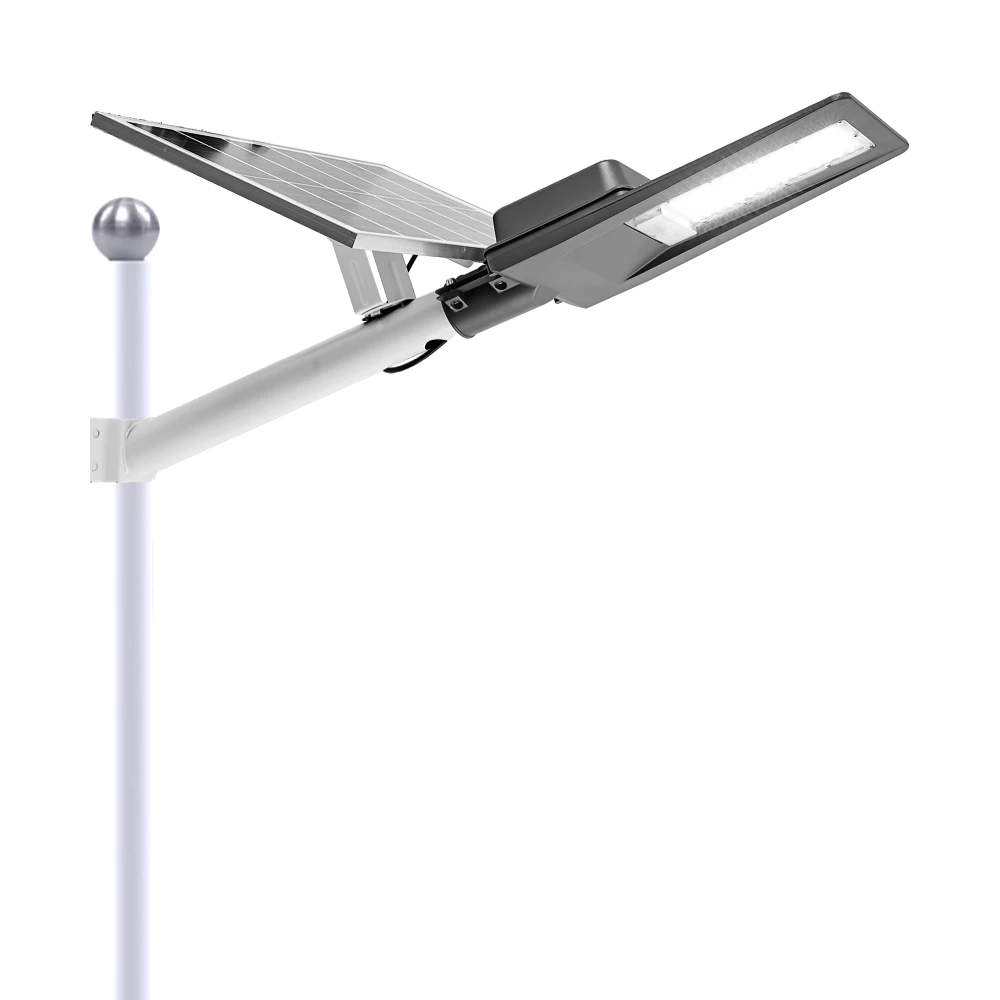
Experience reliable outdoor illumination with our smart solar street light, a perfect combination of advanced technology and eco-conscious design.
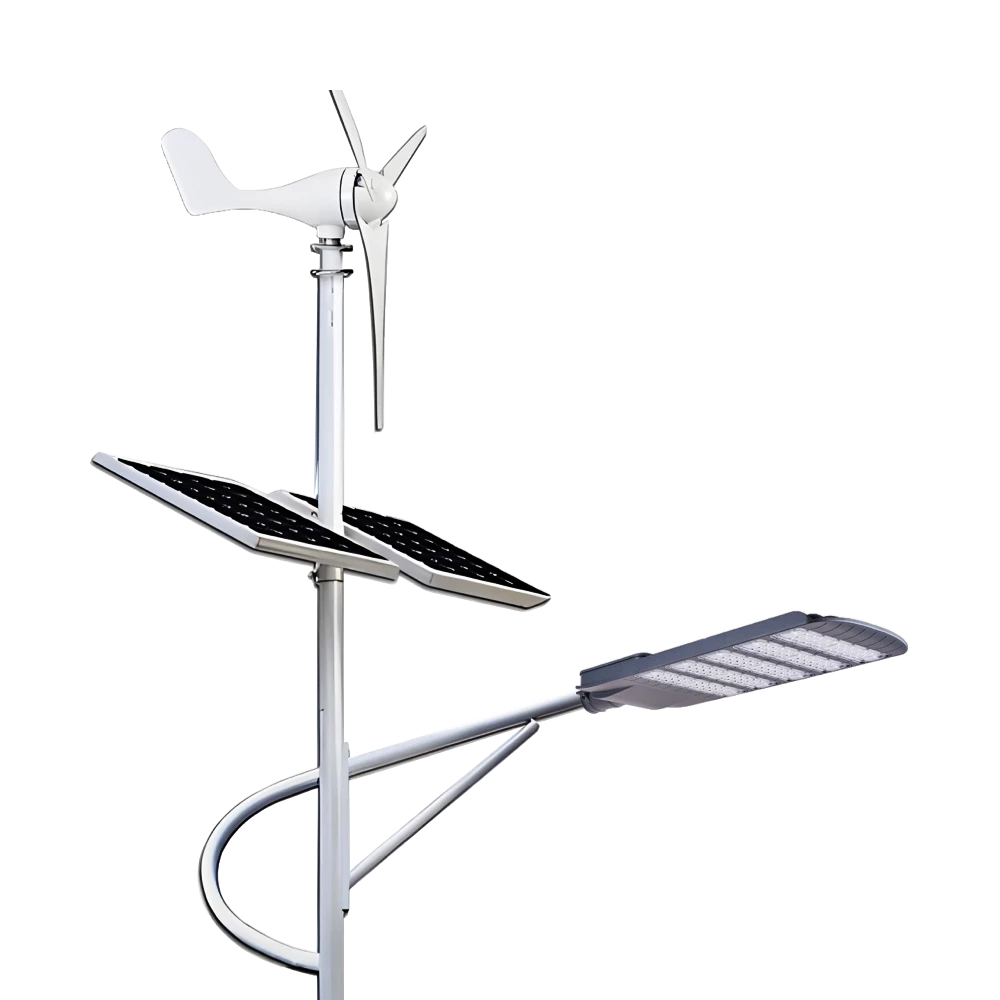
Queneng Lufeng Wind Energy LED Outdoor Solar Street Lights offer high-performance, eco-friendly illumination. These energy-efficient LED street lights harness solar power and wind energy for sustainable, cost-effective outdoor lighting solutions.
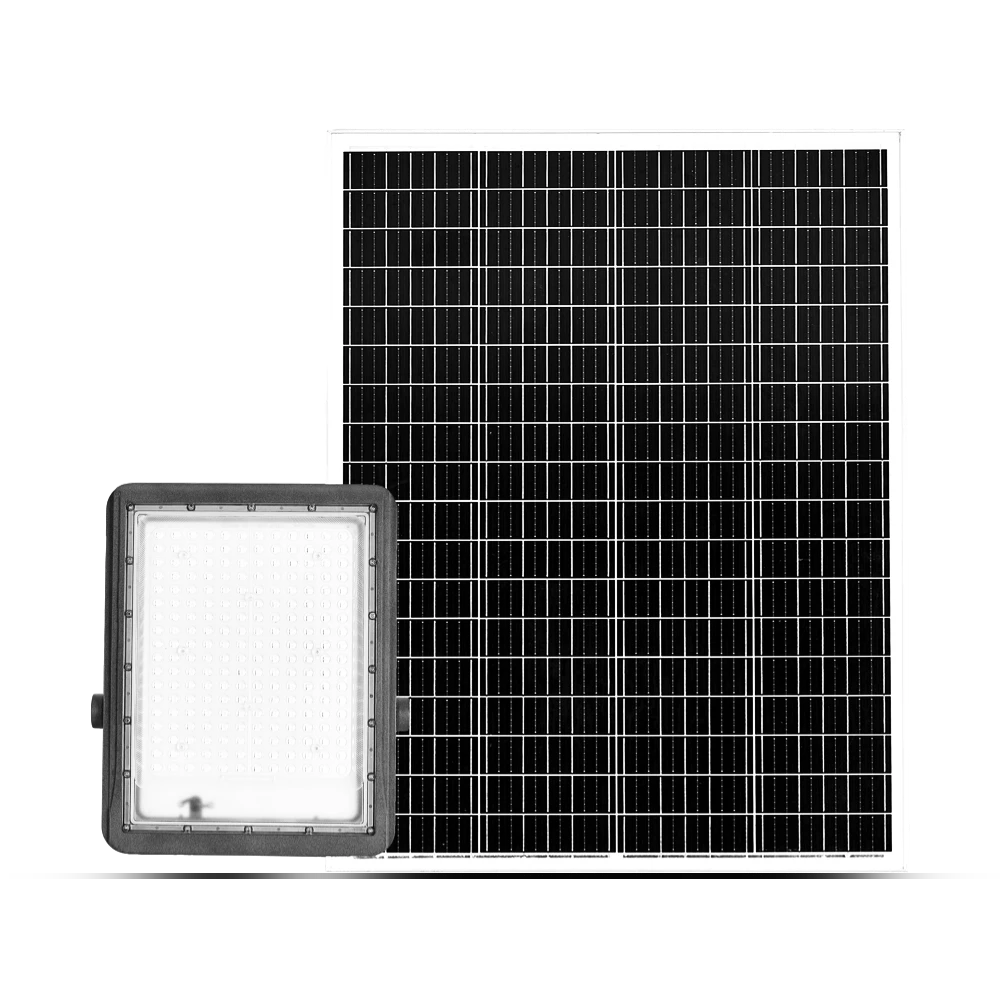
Queneng's Luxian Reliable Solar Street Light offers energy-saving LED lighting for outdoor use. This durable, solar-powered street light provides reliable illumination, reducing energy costs and environmental impact. A perfect solution for sustainable outdoor lighting.
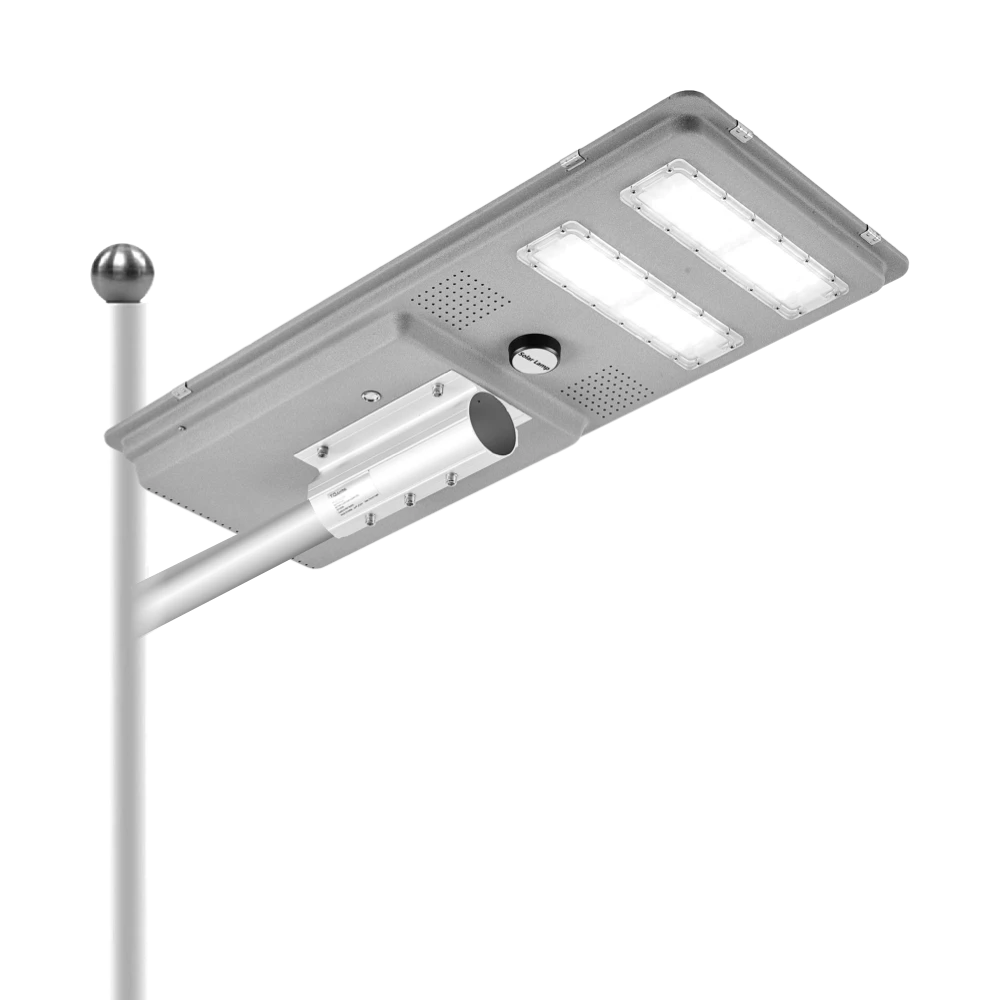
Queneng’s Solar Street Lights are designed to provide reliable, energy-efficient lighting for streets, parks, and other outdoor spaces.
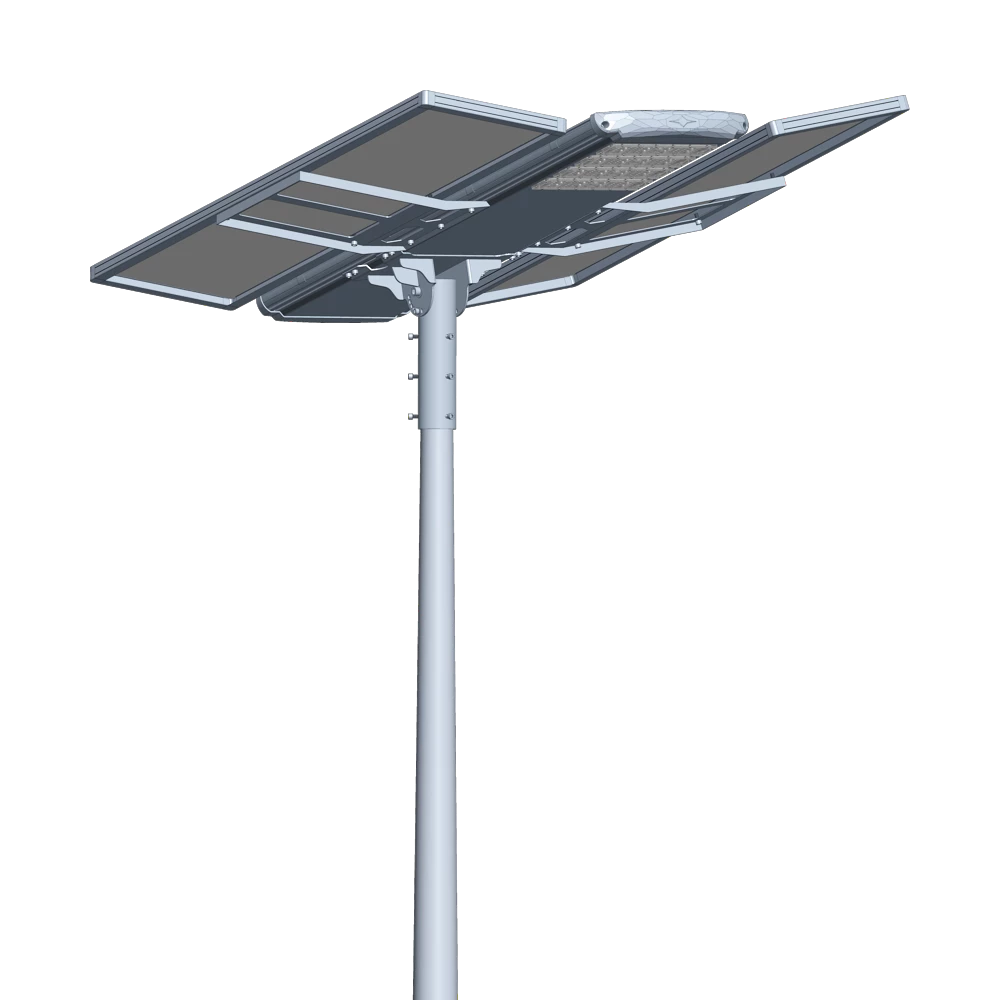
Introducing the Luqing Solar Street Light by Queneng, Efficient LED lighting powered by solar energy is perfect for illuminating outdoor areas. Harness the power of solar energy for sustainable, reliable street lighting. Ideal for eco-friendly, cost-effective outdoor illumination solutions.
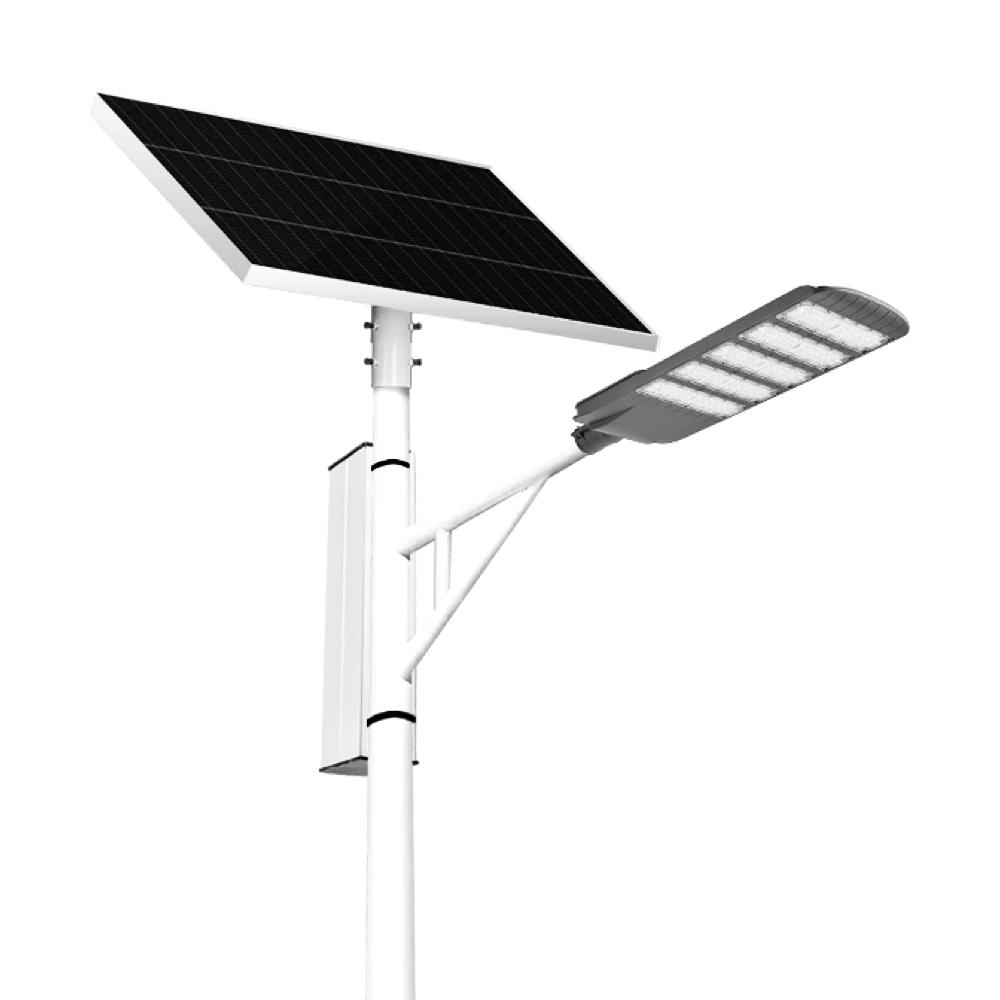
The Solar Streetlights of Luhao for Municipalities are designed to deliver reliable, energy-efficient, and cost-effective public lighting solutions. Equipped with advanced LED technology, durable lithium batteries, and high-efficiency solar panels, these streetlights provide consistent illumination for roads, parks, residential areas, and government projects.
If you would like more information about Queneng solar lighting solutions, please send us a message by filling out the form below. Our professional team will get back to you within 24 hours!
Rest assured that your privacy is important to us, and all information provided will be handled with the utmost confidentiality.
Schedule a Meeting
Book a date and time that is convenient for you and conduct the session in advance.
Have more questions about our products or services?
The messenger of light & power conversion
Environmental protection and intelligent manufacturing are our brand philosophy, and quality assurance and the best user experience are our eternal promises to users.
CONTACT
No.9F, Building F, Cao San Xin Tian Hong Logistics Park, Guzhen Town, Zhongshan City, Guangdong Province, China.
or write [email protected]
WhatsApp: +86 136 2270 1011


