













Step-by-step solar street light installation guide for Nigerian contractors | Insights by Quenenglighting
Step-by-Step Solar Street Light Installation Guide for Nigerian Contractors
Nigeria's abundant sunshine makes solar street lighting an ideal, sustainable solution for public illumination, enhancing safety and supporting urban development. For Nigerian contractors, understanding the nuances of solar street light installation is crucial for delivering reliable and efficient projects. This guide addresses key questions and provides professional insights to ensure successful implementation.
1. What are the critical initial site assessment steps for solar street lights in Nigeria?
A thorough site assessment is the foundation of any successful solar street light project. For Nigerian conditions, consider the following:
- Solar Irradiance Measurement: Nigeria receives significant solar irradiation, averaging between 3.5 kWh/m²/day in the south and up to 6 kWh/m²/day in the north. Precisely assess the average daily peak sun hours at the specific site using solar maps or irradiance meters to accurately size the system.
- Shade Analysis: Identify any potential shading from buildings, trees, or other structures throughout the day and across different seasons. Even partial shading can significantly reduce solar panel efficiency and battery charging. The goal is to ensure unhindered sunlight exposure for the solar panel from 9 AM to 3 PM.
- Location and Purpose: Determine the exact mounting location, ensuring adequate spacing between poles for uniform light distribution. Understand the lighting requirements (e.g., road lighting, pathway lighting, security lighting) to specify appropriate lumen output and light distribution patterns.
- Soil Conditions and Foundation: Investigate soil type and stability to design a robust foundation that can withstand local weather conditions, including wind loads, which are particularly relevant during rainy seasons.
- Security and Vandalism Risk: Assess the security risk of the location. In Nigeria, theft of components can be a concern. Consider anti-theft designs for poles and battery enclosures, and choose locations that offer some level of natural surveillance.
2. What are the essential components of a reliable solar street light system, and how do they differ?
A typical solar street light system comprises several key components, each playing a vital role:
- Solar Panel (Photovoltaic Module): Converts sunlight into electricity. Monocrystalline panels generally offer higher efficiency (17-22%) and better low-light performance, making them suitable for compact designs or areas with less consistent sun. Polycrystalline panels are slightly less efficient (15-18%) but often more cost-effective. Given Nigeria's ample sunshine, both can perform well, but monocrystalline might offer better performance longevity.
- Battery: Stores the energy generated by the solar panel for use at night or during cloudy periods.
- Lithium Iron Phosphate (LiFePO4) Batteries: Increasingly preferred due to their longer cycle life (2000-6000 cycles), higher depth of discharge (80-100%), faster charging, and better temperature stability compared to lead-acid. While more expensive upfront, their lower total cost of ownership (TCO) over the system's lifespan makes them a superior choice for reliable, long-term installations in Nigeria.
- Lead-Acid Batteries (Gel/AGM): Cheaper initially but have shorter lifespans (300-1500 cycles), lower DoD (50%), and are more sensitive to temperature fluctuations, which can be a disadvantage in Nigeria's climate.
- Charge Controller: Regulates the voltage and current flowing from the solar panel to the battery, preventing overcharging and deep discharging, thereby extending battery life.
- MPPT (Maximum Power Point Tracking) Controllers: More efficient (up to 99% tracking efficiency) at extracting power from solar panels, especially in varying weather conditions. They can increase power harvest by 10-30% compared to PWM controllers, making them ideal for larger, more critical systems where efficiency is paramount.
- PWM (Pulse Width Modulation) Controllers: Simpler and less expensive but less efficient. Suitable for smaller, less demanding systems.
- LED Luminaire: The light source. Modern LED street lights offer high lumen output per watt, long lifespan (50,000 to 100,000 hours), and various beam patterns. Select lumens and wattage based on lighting requirements and local standards. Color temperatures typically range from 3000K (warm white) to 6000K (cool white).
- Pole and Mounting Hardware: Must be robust, corrosion-resistant (galvanized steel or aluminum are common), and designed to withstand local wind loads. Anti-theft features for batteries and panels are crucial.
3. How do you correctly size a solar street light system for Nigerian conditions?
Sizing is critical for ensuring continuous operation. The key steps are:
- Determine Daily Energy Consumption (Wh/day):
- Multiply LED fixture wattage (W) by the desired hours of operation per night.
- Example: 60W LED operating for 12 hours = 60W * 12h = 720 Wh/night.
- Calculate Battery Capacity (Ah):
- Consider the desired autonomy (days of backup without sun, typically 3-5 days for Nigeria).
- Factor in the battery's depth of discharge (DoD) (e.g., 80% for LiFePO4, 50% for lead-acid).
- Formula: (Daily consumption * Autonomy) / (Battery voltage * DoD) = Battery Ah.
- Example for a 12V system with 3 days autonomy and 80% DoD: (720 Wh/day * 3 days) / (12V * 0.8) = 2160 Wh / 9.6V ≈ 225 Ah.
- Determine Solar Panel Wattage (Wp):
- Consider the daily energy consumption, battery charging efficiency (typically 85% for MPPT), and the lowest average daily peak sun hours (PSH) for your region (e.g., 4.5 PSH for a moderate Nigerian location).
- Formula: (Daily consumption * 1.3 - 1.5 safety factor) / (PSH * Panel efficiency factor, e.g. 0.85) = Panel Wattage.
- Example: (720 Wh * 1.3) / (4.5 PSH * 0.85) = 936 Wh / 3.825 = ~245 Wp. So, a 250Wp or 260Wp panel would be suitable.
Always add a safety margin (15-30%) to account for panel degradation, dust, and unforeseen cloudy periods.
4. What are the best practices for trenching, cabling, and grounding in Nigerian solar street light installations?
Proper electrical and civil works are crucial for safety and longevity:
- Trenching: If batteries are buried or cables run underground, trenches should be dug to a minimum depth of 600mm (2 feet) to protect cables from mechanical damage and temperature extremes. Use proper warning tapes and backfill materials. Ensure trenches are properly sloped for drainage.
- Cabling: Use UV-resistant, appropriately sized copper cables (e.g., H07RN-F or PV-specific cables) for both DC and AC connections. DC cables from the panel to the controller and controller to the battery should be sized to minimize voltage drop, especially over longer runs. Ensure all connections are secure, waterproof, and protected from environmental factors. Use conduit where necessary.
- Grounding: All metal components, including the pole, solar panel frame, and luminaire housing, must be properly grounded to protect against lightning strikes and electrical faults. Use a dedicated grounding rod (minimum 1.5-2.4m length) and connect it with thick copper wire to the system's grounding bus bar. In Nigeria, where lightning can be severe, robust grounding is non-negotiable.
- Anti-theft Measures: For buried batteries, ensure robust, lockable, waterproof enclosures. For pole-mounted batteries, use anti-climb designs or higher placement where feasible.
5. What are common installation challenges in Nigeria and how can they be overcome?
Nigerian contractors often face specific challenges:
- Component Theft and Vandalism: This is a significant concern.
- Solution: Employ anti-theft designs such as integrated all-in-one solar street lights (where battery and controller are integrated with the fixture), internal cabling, anti-climb pole designs, tamper-proof bolts, and robust, lockable battery compartments (especially for underground batteries). Local community engagement and awareness can also help.
- Dust Accumulation: Dust in many parts of Nigeria can significantly reduce solar panel efficiency.
- Solution: Design systems with a slight tilt (at least 5-10 degrees) to facilitate natural shedding of dust during rain. Incorporate regular cleaning into the maintenance schedule.
- Extreme Temperatures: High ambient temperatures can affect battery performance and panel efficiency.
- Solution: Specify high-quality LiFePO4 batteries designed for wider operating temperatures. Ensure proper ventilation for battery enclosures. Use quality panels with good temperature coefficients.
- Lack of Skilled Labor: Shortage of properly trained installers.
- Solution: Invest in training programs for your teams. Partner with reputable suppliers who offer technical support and installation guidance.
- Logistics and Procurement: Importing and transporting components can be complex.
- Solution: Work with experienced local suppliers or international suppliers with strong logistical networks in Nigeria. Plan procurement well in advance.
6. How to ensure optimal performance and longevity of solar street lights after installation?
Post-installation care is vital for maximizing ROI:
- System Testing: Before handover, conduct comprehensive testing. Verify all connections, check voltage and current outputs from panels, battery charge status, and ensure the light operates according to its programmed schedule (dusk-to-dawn, dimming profiles).
- Proper Programming: Ensure the charge controller is programmed correctly for desired lighting duration, dimming modes, and low-voltage disconnect settings to protect the battery.
- Regular Monitoring: If using smart solar street lights with remote monitoring capabilities, ensure the system is properly connected and monitored for performance, fault detection, and energy analytics.
- Quality Components: Always source high-quality, certified components from reputable manufacturers. The initial investment in quality pays off in reduced maintenance and longer lifespan.
- Installation Adherence: Strict adherence to manufacturer's installation guidelines and electrical safety codes (e.g., Standards Organisation of Nigeria - SON standards) is crucial.
7. What regular maintenance is required for solar street lights in Nigeria?
A proactive maintenance schedule ensures peak performance:
- Solar Panel Cleaning: Regularly clean solar panels (quarterly or bi-annually, more frequently in very dusty areas) to remove dust, dirt, and bird droppings. Use a soft cloth and water; avoid abrasive cleaners.
- Battery Health Check: Annually inspect batteries for physical damage, corrosion, and proper terminal connections. For LiFePO4 batteries, check voltage and current. For lead-acid, check electrolyte levels if applicable.
- Wiring and Connections: Periodically inspect all electrical connections for corrosion, looseness, or damage. Ensure watertight seals are intact.
- Pole and Fixture Inspection: Check the pole for structural integrity, corrosion, and stability. Inspect the LED fixture for any damage, lens clarity, and proper alignment.
- Grounding System Check: Verify the integrity of the grounding connections and grounding rod annually.
- Firmware Updates: For smart controllers, check for and apply any necessary firmware updates to improve performance or security.
By diligently following these steps and considering the unique aspects of the Nigerian environment, contractors can confidently install solar street lights that are robust, efficient, and sustainable.
Why Choose Quenenglighting for Your Nigerian Projects?
For Nigerian contractors seeking reliable and high-performance solar street lighting solutions, Quenenglighting offers distinct advantages:
- High-Quality, Durable Products: Quenenglighting specializes in manufacturing solar street lights built to withstand challenging environmental conditions, ensuring longevity and consistent performance, ideal for Nigeria's diverse climate.
- Advanced Technology: Our products often integrate MPPT charge controllers and long-life LiFePO4 batteries, maximizing energy harvesting and system reliability, minimizing maintenance needs.
- Customization and Scalability: We offer a range of customizable options for wattage, battery autonomy, and pole designs to perfectly match the specific requirements of various Nigerian projects, from rural roads to urban highways.
- Expert Support: Quenenglighting provides comprehensive technical support, from product selection and system sizing assistance to installation guidance, empowering Nigerian contractors to execute projects with confidence.
- Cost-Effectiveness and Warranty: While focusing on quality, we strive to offer competitive pricing, ensuring a high return on investment. Our products come with robust warranties, providing peace of mind for long-term operational success.

Have more questions about our products or services?
The latest hot news you might like

Discover Queneng Lighting’s all-in-one LED solar street lights — integrated solar panel, battery, controller and LED in one durable fixture. Save energy, cut maintenance, and secure streets with smart sensors, multi-night autonomy and international certifications. Contact sales for quotes and support.

Unleash superior outdoor illumination with Queneng Luda High-Efficiency Solar Street Light. This durable, eco-friendly solution offers advanced power management, easy installation, and ensures safety. Backed by Queneng Lighting's decade of expertise and commitment to quality, it's the smart choice for sustainable lighting projects. Learn why we're a leading solar solutions provider.

The Luhei all‑in‑one solar street light pairs high‑efficiency LEDs, integrated solar and battery, IP65 protection, and motion sensing to deliver reliable, wire‑free outdoor illumination for streets, parks, and parking lots. Backed by Queneng Lighting’s certifications and support.

FAQ
Battery Performance and Testing
What are the battery safety test items?
2) Overcharge and over-discharge test
3) Withstand voltage test
4) Impact test
5) Vibration test
6) Heating test
7) Fire test
9) Temperature changing cycle test
10) Trickle charging test
11) Free drop test
12) Low pressure test
13) Forced discharge test
15) Electric hot plate test
17) Thermal shock test
19) Needle prick test
20) Extrusion test
21) Heavy object impact test
Battery Types and Applications
What is a fuel cell? How to classify?
The most common classification method is according to the type of electrolyte. Based on this, fuel cells can be divided into alkaline fuel cells, which generally use potassium hydroxide as the electrolyte; phosphoric acid fuel cells, which use concentrated phosphoric acid as the electrolyte; proton exchange membrane fuel cells, which use concentrated phosphoric acid as the electrolyte. A fully fluorinated or partially fluorinated sulfonic acid proton exchange membrane is used as the electrolyte; a molten carbonate fuel cell uses molten lithium-potassium carbonate or lithium-sodium carbonate as an electrolyte; a solid oxide fuel cell, Solid oxides are used as oxygen ion conductors, such as yttria-stabilized zirconium oxide films as electrolytes. Batteries are sometimes classified according to battery temperature and are divided into low-temperature fuel cells (operating temperature below 100°C), including alkaline fuel cells and proton exchange membrane fuel cells; medium-temperature fuel cells (operating temperature between 100-300°C), including Bacon-type alkaline fuel cells and phosphoric acid-type fuel cells; high-temperature fuel cells (operating temperature between 600-1000°C), including molten carbonate fuel cells and solid oxide fuel cells.
Solar Street Light Luyan
What types of batteries are used in Luyan solar street lights, and how do they work?
Luyan solar street lights use high-quality lithium-ion batteries. These batteries store the solar energy captured during the day and provide reliable illumination at night. Lithium-ion batteries are known for their longer lifespan, faster charging times, and better energy storage compared to traditional lead-acid batteries.
Transportation and Highways
What is the expected lifespan of the solar lighting system?
The solar panels typically last over 25 years, while the LED lights have a lifespan of 50,000+ hours. Batteries usually require replacement after 5-7 years of use.
Tourist Attractions and Resorts
Can solar lights be used for both functional and decorative purposes?
Yes, solar lighting is versatile and can be used for both functional purposes, such as illuminating pathways and parking lots, and decorative purposes, such as enhancing garden features or architectural details.
Solar Street Light Luhui
Can Luhui solar street lights be used in areas with limited sunlight?
Yes, Luhui solar street lights are equipped with high-efficiency solar panels that can charge even in low light conditions, providing reliable illumination, even in areas with limited or intermittent sunlight.
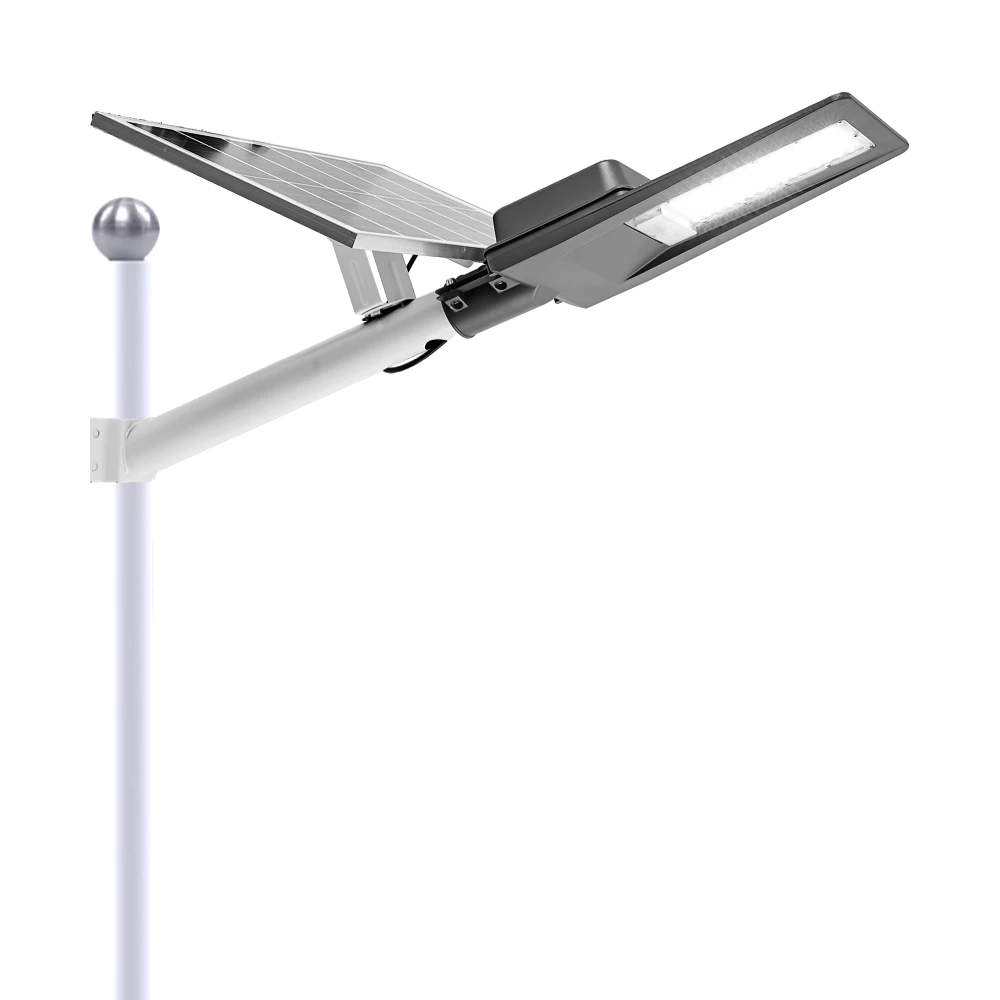
Experience reliable outdoor illumination with our smart solar street light, a perfect combination of advanced technology and eco-conscious design.
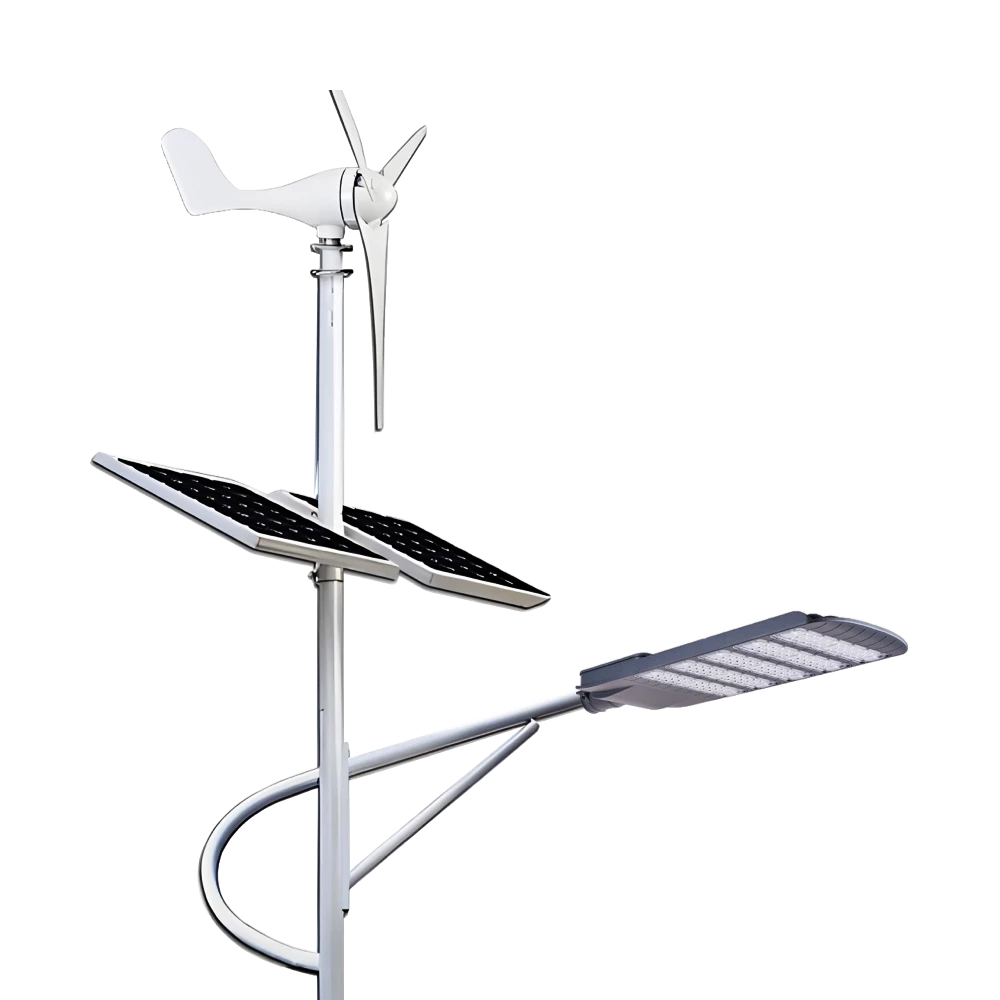
Queneng Lufeng Wind Energy LED Outdoor Solar Street Lights offer high-performance, eco-friendly illumination. These energy-efficient LED street lights harness solar power and wind energy for sustainable, cost-effective outdoor lighting solutions.
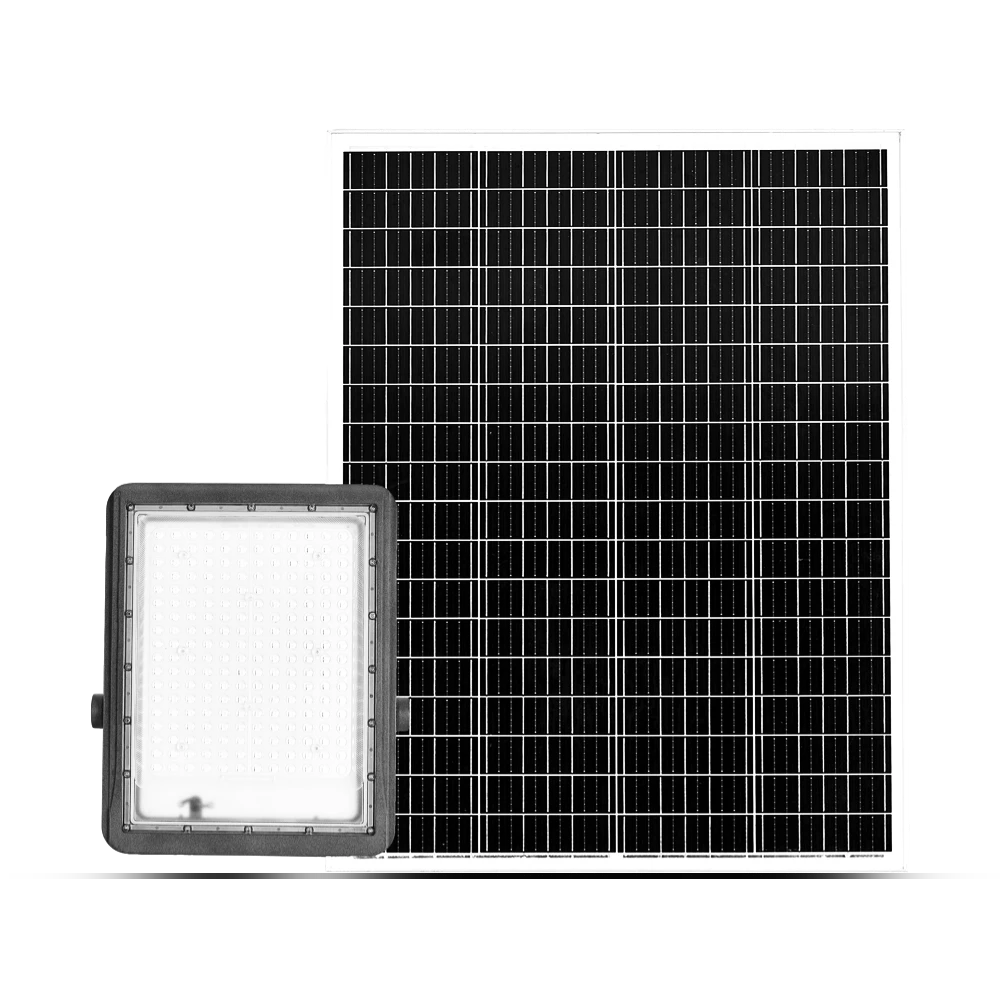
Queneng's Luxian Reliable Solar Street Light offers energy-saving LED lighting for outdoor use. This durable, solar-powered street light provides reliable illumination, reducing energy costs and environmental impact. A perfect solution for sustainable outdoor lighting.
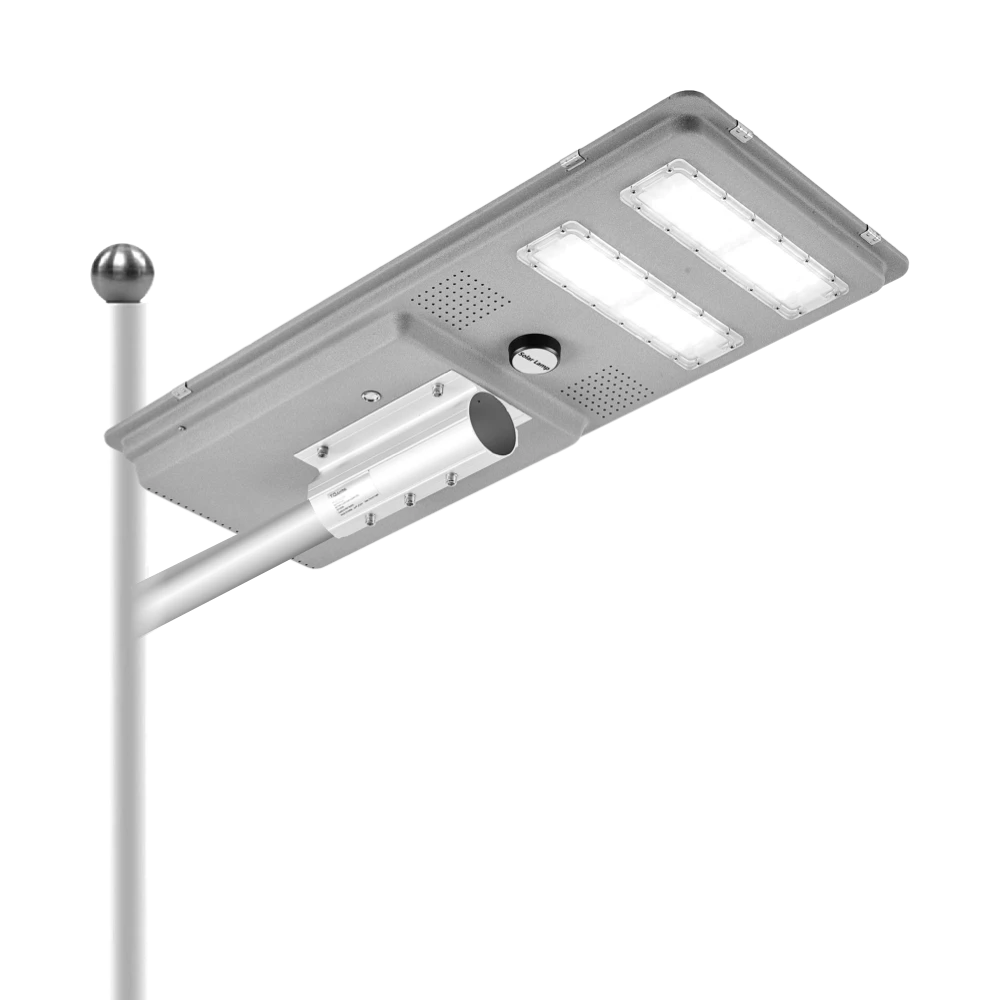
Queneng’s Solar Street Lights are designed to provide reliable, energy-efficient lighting for streets, parks, and other outdoor spaces.
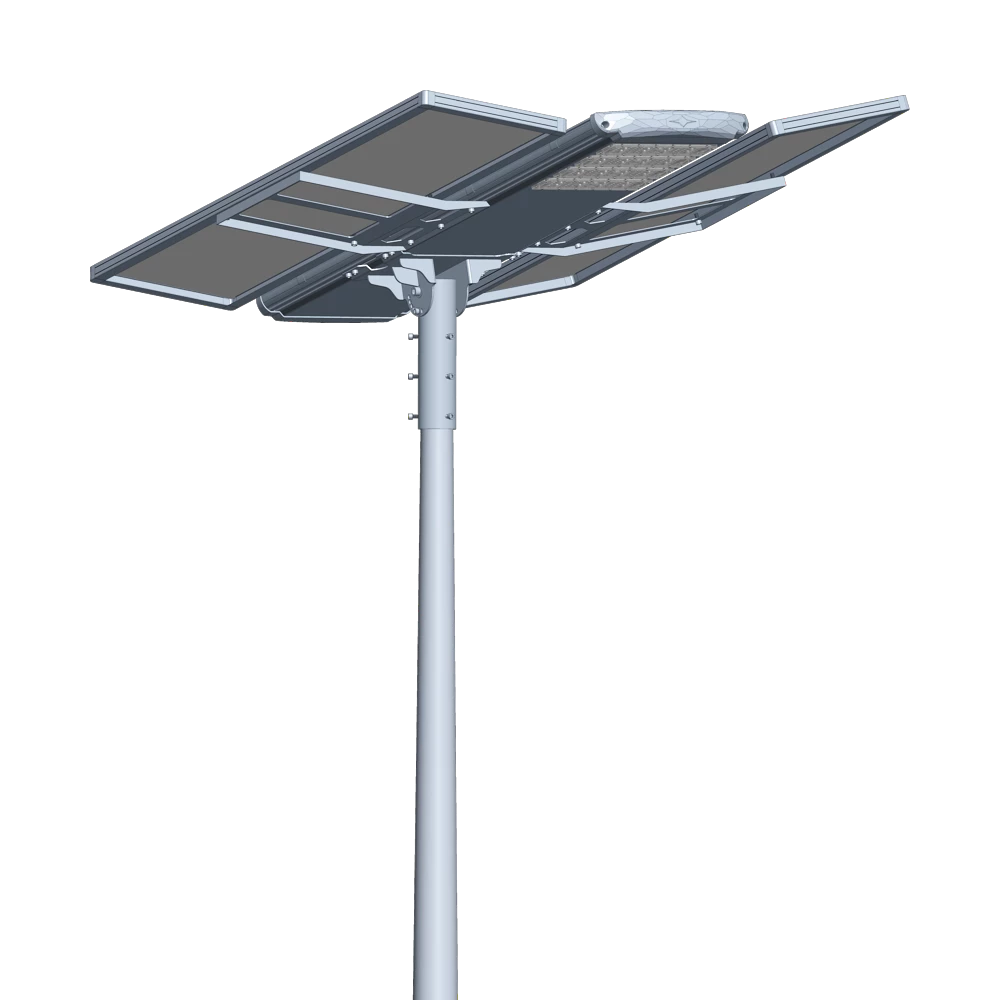
Introducing the Luqing Solar Street Light by Queneng, Efficient LED lighting powered by solar energy is perfect for illuminating outdoor areas. Harness the power of solar energy for sustainable, reliable street lighting. Ideal for eco-friendly, cost-effective outdoor illumination solutions.
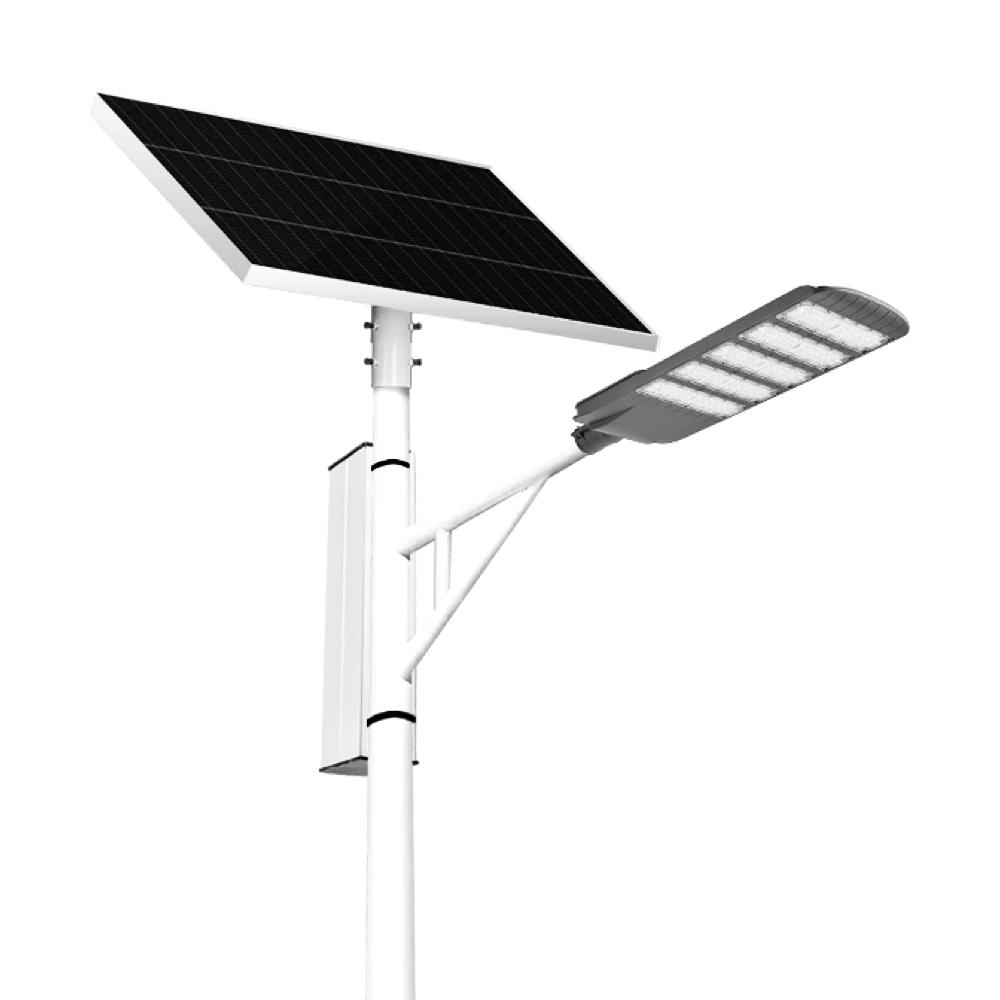
The Solar Streetlights of Luhao for Municipalities are designed to deliver reliable, energy-efficient, and cost-effective public lighting solutions. Equipped with advanced LED technology, durable lithium batteries, and high-efficiency solar panels, these streetlights provide consistent illumination for roads, parks, residential areas, and government projects.
If you would like more information about Queneng solar lighting solutions, please send us a message by filling out the form below. Our professional team will get back to you within 24 hours!
Rest assured that your privacy is important to us, and all information provided will be handled with the utmost confidentiality.
Schedule a Meeting
Book a date and time that is convenient for you and conduct the session in advance.
Have more questions about our products or services?
The messenger of light & power conversion
Environmental protection and intelligent manufacturing are our brand philosophy, and quality assurance and the best user experience are our eternal promises to users.
CONTACT
No.9F, Building F, Cao San Xin Tian Hong Logistics Park, Guzhen Town, Zhongshan City, Guangdong Province, China.
or write [email protected]
WhatsApp: +86 136 2270 1011


