













Wholesale opportunities for solar lighting distributors in Nigeria | Insights by Quenenglighting
Wholesale Opportunities for Solar Lighting Distributors in Nigeria: Your Guide
Nigeria, with its vast population and significant energy access challenges, presents an enormous and rapidly expanding market for solar lighting solutions. For distributors, understanding the nuances of this dynamic landscape is key to unlocking profitable wholesale opportunities. This guide addresses the most pressing questions for solar lighting distributors looking to thrive in Nigeria.
1. What is the current market potential and growth outlook for solar lighting in Nigeria?
Nigeria's energy deficit remains substantial, with approximately 45% of its population, or over 85 million people, lacking access to reliable grid electricity, according to the World Bank and International Energy Agency (IEA) data. This immense gap fuels a burgeoning demand for off-grid solar solutions, making Nigeria one of the largest and most promising markets in Africa for solar lighting.
The market potential is driven by several factors:
- Energy Access Gap: Millions of homes, businesses, and communities rely on generators or expensive, unreliable grid power, making solar a cost-effective and sustainable alternative.
- Government Initiatives: Programs like the Nigerian Electrification Project (NEP) managed by the Rural Electrification Agency (REA) actively promote off-grid solar solutions, including solar home systems and mini-grids, creating an an enabling environment for growth.
- Decreasing Costs: The global decline in solar panel and battery costs makes solar lighting increasingly affordable and competitive.
- Urbanization and Infrastructure Development: Rapid urbanization and investment in public infrastructure are driving demand for solar street lighting in cities and towns.
Projections indicate robust growth. The overall off-grid solar market in Sub-Saharan Africa, where Nigeria is a key player, is expected to continue its upward trajectory, with significant year-on-year increases in sales of solar home systems and standalone solar lanterns. Distributors entering this market can tap into a deeply underserved population with a clear need for reliable, affordable lighting.
2. Which types of solar lighting products are most sought after by consumers and businesses in Nigeria?
The demand for solar lighting in Nigeria is diverse, covering various applications. Distributors should consider stocking a range of products to cater to different segments:
- Solar Street Lights: These are highly sought after for public spaces, commercial complexes, industrial parks, estates, and even private residences. Integrated designs (all-in-one or split) with high lumen output, motion sensors, and robust construction are preferred. Lithium iron phosphate (LiFePO4) batteries are crucial for longevity and performance in the Nigerian climate.
- Solar Home Lighting Systems (SHS): These systems, ranging from basic multi-lamp kits to more advanced setups powering small appliances, are critical for rural and peri-urban households without grid access. They often include a solar panel, battery, multiple LED lamps, and sometimes phone charging capabilities.
- Portable Solar Lanterns/Lamps: Affordable, easy-to-use, and highly versatile, these provide essential lighting for individual rooms, study, or outdoor activities. They are particularly popular in communities with no electricity access.
- Solar Garden/Security Lights: For residential compounds, offices, and small businesses, these offer security and aesthetic appeal. Automatic dusk-to-dawn operation and durable materials are key features.
The preference leans towards durable, efficient, and low-maintenance products that can withstand harsh environmental conditions and offer long operational lifespans.
3. What are the crucial quality standards and certifications for wholesale solar lighting products in Nigeria?
Quality and reliability are paramount for success in the Nigerian solar lighting market. Distributors must prioritize products that meet recognized international and local standards to build trust and minimize after-sales issues.
Key standards and certifications to look for include:
- CE Mark (Conformité Européenne): Indicates conformity with European Union health, safety, and environmental protection standards.
- RoHS (Restriction of Hazardous Substances): Certifies that the product contains minimal hazardous materials.
- IEC (International Electrotechnical Commission): Particularly important for solar panels (e.g., IEC 61215 for crystalline silicon terrestrial PV modules) and general electrical safety standards.
- IP Rating (Ingress Protection): Crucial for outdoor solar lights, indicating resistance to dust and water. For street lights, IP65 or IP66 is generally recommended.
- SON (Standards Organisation of Nigeria): While local certification for solar products is still evolving, distributors should be aware of any specific requirements or pre-shipment inspection (e.g., SONCAP) that may be mandated for imports.
Working with manufacturers who provide transparent testing reports, product specifications, and valid certifications ensures that distributors offer reliable and compliant products, reducing the risk of product failure and customer dissatisfaction.
4. How can distributors navigate the logistics, import regulations, and cost factors when sourcing solar lights for Nigeria?
Importing goods into Nigeria involves several logistical and regulatory considerations that distributors must understand to ensure a smooth and cost-effective process.
- Import Duties and Taxes: Nigeria imposes import duties, Value Added Tax (VAT), and other levies on imported goods. These rates can vary based on product classification. Distributors should clarify these costs with customs brokers or relevant authorities to accurately calculate landed costs.
- Pre-shipment Inspection (PSI) and SONCAP: The Standards Organisation of Nigeria Conformity Assessment Programme (SONCAP) often requires pre-shipment inspection and certification for many products imported into Nigeria to ensure they meet quality and safety standards. Distributors must work with manufacturers who can facilitate this process.
- Shipping and Logistics: Choosing reliable shipping partners is crucial. Factors like port congestion, inland transportation, and warehousing need to be considered. Lagos (Apapa, Tincan Island) is the primary port of entry, but efficient onward distribution across the country is vital.
- Foreign Exchange Fluctuations: The volatility of the Nigerian Naira against major international currencies (like USD, Euro) can significantly impact import costs and profit margins. Distributors should factor in currency risks and explore hedging strategies where possible.
- Payment Terms: Establishing clear and secure payment terms with suppliers is essential. Letters of Credit (LCs) or other secure payment methods can mitigate risks for both parties.
Partnering with an experienced manufacturer that has a track record of exporting to Africa can simplify many of these complexities, offering guidance on documentation, customs, and preferred shipping routes.
5. What are the key considerations for pricing and achieving profitability as a solar lighting distributor?
Effective pricing strategies are critical for both market penetration and sustainable profitability. Distributors need to balance competitive pricing with adequate margins.
- Cost Analysis: Start by meticulously calculating all costs: ex-factory price, shipping (freight, insurance), import duties, taxes, SONCAP fees, inland transportation, warehousing, and operational overheads. This gives you the true landed cost.
- Market Research: Understand what competitors are charging for similar quality products. Identify market segments (e.g., High Quality, mid-range, budget) and tailor your offerings.
- Volume vs. Margin: Decide whether to aim for higher volume with lower per-unit margins or target specific niches with higher margins. For a growing market like Nigeria, a balance is often achieved by offering competitive prices for high-quality products.
- Value Proposition: Highlight the unique benefits of your products – superior quality, longer lifespan, better warranty, energy efficiency, advanced features (e.g., smart controls). Customers in Nigeria are increasingly valuing reliability and durability over initial low cost.
- Payment Terms for Customers: Offer flexible payment options to local retailers or end-users, where feasible, to boost sales, while managing your own cash flow carefully.
- After-Sales Cost Integration: Factor in the cost of potential warranty claims, spare parts, and technical support into your pricing to ensure these services don't erode profits.
A sustainable business model in Nigeria's solar lighting sector requires strategic pricing that reflects quality, covers all costs, and remains competitive.
6. Why is strong after-sales support and warranty essential, and what should distributors expect from their suppliers?
In a market where product reliability can vary, strong after-sales support and a robust warranty are powerful differentiators and crucial for building long-term customer trust and loyalty.
- Customer Trust and Brand Reputation: Customers are more likely to purchase from distributors who stand behind their products. A clear warranty policy reassures buyers and enhances the distributor's reputation.
- Reduced Returns and Rework: While a good warranty is important, the aim is to minimize the need for it through high-quality products. However, when issues arise, efficient support helps resolve them quickly.
- Competitive Advantage: Offering superior post-purchase support can set a distributor apart from competitors, especially those selling cheaper, lower-quality products with no follow-up service.
- Spare Parts Availability: Distributors should expect their suppliers to provide access to spare parts (e.g., batteries, controllers, LED modules) for a reasonable period, allowing for repairs rather than full replacements, especially for solar street lights.
- Technical Training: A good supplier should offer technical training to the distributor's staff on product installation, troubleshooting, and basic maintenance.
- Clear Warranty Terms: Suppliers should provide transparent warranty periods and conditions, covering defects in materials and workmanship, and clearly outlining the process for claims.
A strong partnership with a manufacturer that prioritizes customer satisfaction and provides comprehensive after-sales support is invaluable for distributors in Nigeria.
7. What are the emerging technological trends in solar lighting that distributors should prioritize?
The solar lighting industry is continuously innovating. Distributors should stay informed about the latest trends to offer cutting-edge solutions and maintain a competitive edge.
- Lithium Iron Phosphate (LiFePO4) Batteries: These are becoming the industry standard due to their longer lifespan (typically 2000-6000 cycles vs. 500-1500 for lead-acid), higher energy density, faster charging, and improved safety. LiFePO4 batteries perform better in diverse temperature ranges and offer a lower total cost of ownership over time, which is critical for the Nigerian climate.
- Integrated (All-in-One) Designs: Especially for solar street lights, these designs combine the solar panel, battery, LED lamp, and charge controller into a single, compact unit. They are easier to install and more aesthetically pleasing.
- Smart Solar Lighting (IoT Integration): Lights equipped with IoT capabilities allow for remote monitoring, control, and diagnostics. This can include dimming schedules, fault detection, and energy consumption reporting, offering significant benefits for large-scale installations and maintenance.
- Higher Efficiency Solar Panels: Continued advancements lead to smaller, more powerful solar panels, allowing for more compact designs or greater energy harvesting from the same footprint.
- Advanced MPPT Charge Controllers: Maximum Power Point Tracking (MPPT) controllers optimize the power output from solar panels, improving charging efficiency, especially during varying weather conditions, leading to better battery performance and longer light duration.
- Adaptive Lighting and Motion Sensors: These features allow lights to dim when no activity is detected and brighten upon sensing movement, conserving battery power and extending operational hours.
Distributors who can offer products incorporating these technologies will be well-positioned to meet the evolving demands of the Nigerian market for efficiency, durability, and smart functionality.
Conclusion: Partnering with Quenenglighting for Your Nigerian Wholesale Journey
Navigating the dynamic solar lighting market in Nigeria requires a reliable and knowledgeable partner. Quenenglighting stands as an ideal choice for distributors seeking to capitalize on these opportunities. Our advantages include:
- High-Quality, Certified Products: Quenenglighting manufactures solar lighting solutions that meet international standards (CE, RoHS, IEC) and are built to endure challenging environments, ensuring durability and reliability for the Nigerian market.
- Diverse Product Portfolio: We offer a comprehensive range of solar street lights, solar home systems, portable lights, and other specialized solutions, catering to the varied demands of your customers.
- Advanced Technology Integration: Our products incorporate the latest innovations, including efficient LiFePO4 batteries, smart control systems, and high-efficiency solar panels, providing a competitive edge.
- Competitive Pricing: Through efficient manufacturing and supply chain management, Quenenglighting offers competitive wholesale pricing, enabling healthy profit margins for distributors.
- Robust After-Sales Support: We provide strong technical assistance, comprehensive warranty policies, and access to spare parts, empowering our distributors to offer exceptional customer service.
- Export Expertise: With extensive experience in international markets, including Africa, we understand the complexities of logistics, documentation, and compliance, offering guidance to streamline your import process into Nigeria.
Partner with Quenenglighting to illuminate Nigeria's future with sustainable, high-quality solar lighting solutions and build a successful distribution business.

Have more questions about our products or services?
The latest hot news you might like

Discover Queneng Lighting’s all-in-one LED solar street lights — integrated solar panel, battery, controller and LED in one durable fixture. Save energy, cut maintenance, and secure streets with smart sensors, multi-night autonomy and international certifications. Contact sales for quotes and support.

Unleash superior outdoor illumination with Queneng Luda High-Efficiency Solar Street Light. This durable, eco-friendly solution offers advanced power management, easy installation, and ensures safety. Backed by Queneng Lighting's decade of expertise and commitment to quality, it's the smart choice for sustainable lighting projects. Learn why we're a leading solar solutions provider.

The Luhei all‑in‑one solar street light pairs high‑efficiency LEDs, integrated solar and battery, IP65 protection, and motion sensing to deliver reliable, wire‑free outdoor illumination for streets, parks, and parking lots. Backed by Queneng Lighting’s certifications and support.

FAQ
Solar Street Light Luhao
How long does it take to install the Luhao solar street light?
Installation of the Luhao solar street light is quick and easy. It typically takes only a few hours to install the light, and no electrical wiring is required, making it a straightforward solution for both residential and commercial use.
APMS system
How does the dual-system management mode in the APMS system work?
The APMS system uses intelligent algorithms to automatically charge during the day and discharge at night. The dual-system management mode monitors battery status in real-time and adjusts the charge/discharge mode to ensure optimal efficiency under any condition.
Distributors
Do you offer product training for distributors?
Yes, we provide in-depth product training, both online and in-person (when applicable), to ensure that you and your team are fully equipped with the knowledge needed to sell and support Queneng’s solar products.
Battery Types and Applications
How to classify batteries?
Primary batteries: carbon-zinc dry batteries, alkaline- manganese batteries,lithium batteries, activated batteries, zinc-mercury batteries, cadmium-mercury batteries, zinc-air batteries, zinc-silver batteries and solid electrolyte batteries (silver-iodine batteries) etc.
Secondary batteries: lead batteries, Ni-Cd batteries, Ni-MH batteries, Li-ion batteries and sodium-sulfur batteries, etc.
Other batteries: fuel cell batteries, air batteries, thin batteries, light batteries, nano batteries, etc.
Physical battery: Solar cell
What is a fuel cell? How to classify?
The most common classification method is according to the type of electrolyte. Based on this, fuel cells can be divided into alkaline fuel cells, which generally use potassium hydroxide as the electrolyte; phosphoric acid fuel cells, which use concentrated phosphoric acid as the electrolyte; proton exchange membrane fuel cells, which use concentrated phosphoric acid as the electrolyte. A fully fluorinated or partially fluorinated sulfonic acid proton exchange membrane is used as the electrolyte; a molten carbonate fuel cell uses molten lithium-potassium carbonate or lithium-sodium carbonate as an electrolyte; a solid oxide fuel cell, Solid oxides are used as oxygen ion conductors, such as yttria-stabilized zirconium oxide films as electrolytes. Batteries are sometimes classified according to battery temperature and are divided into low-temperature fuel cells (operating temperature below 100°C), including alkaline fuel cells and proton exchange membrane fuel cells; medium-temperature fuel cells (operating temperature between 100-300°C), including Bacon-type alkaline fuel cells and phosphoric acid-type fuel cells; high-temperature fuel cells (operating temperature between 600-1000°C), including molten carbonate fuel cells and solid oxide fuel cells.
Commercial and Industrial Parks
How are the lights installed in industrial parks?
Our solar lights are designed for easy installation without complex wiring, making deployment quick and cost-effective.
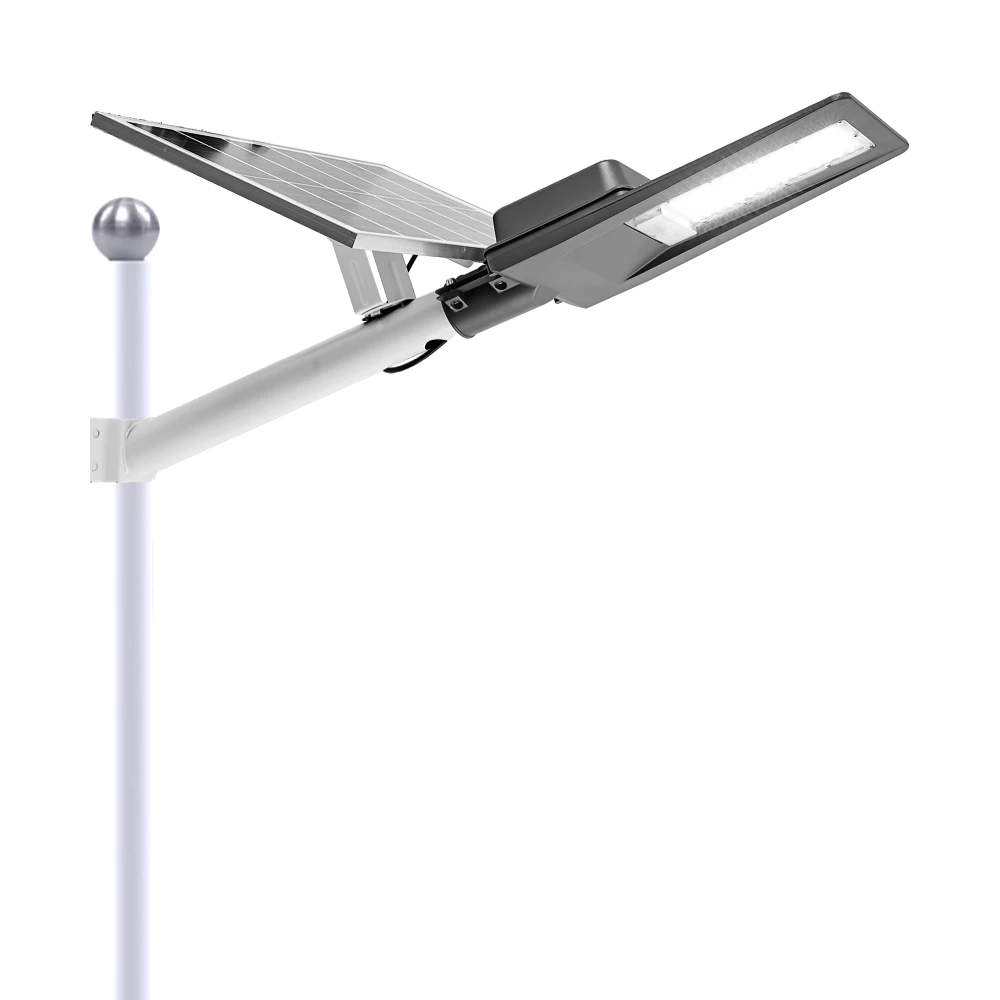
Experience reliable outdoor illumination with our smart solar street light, a perfect combination of advanced technology and eco-conscious design.
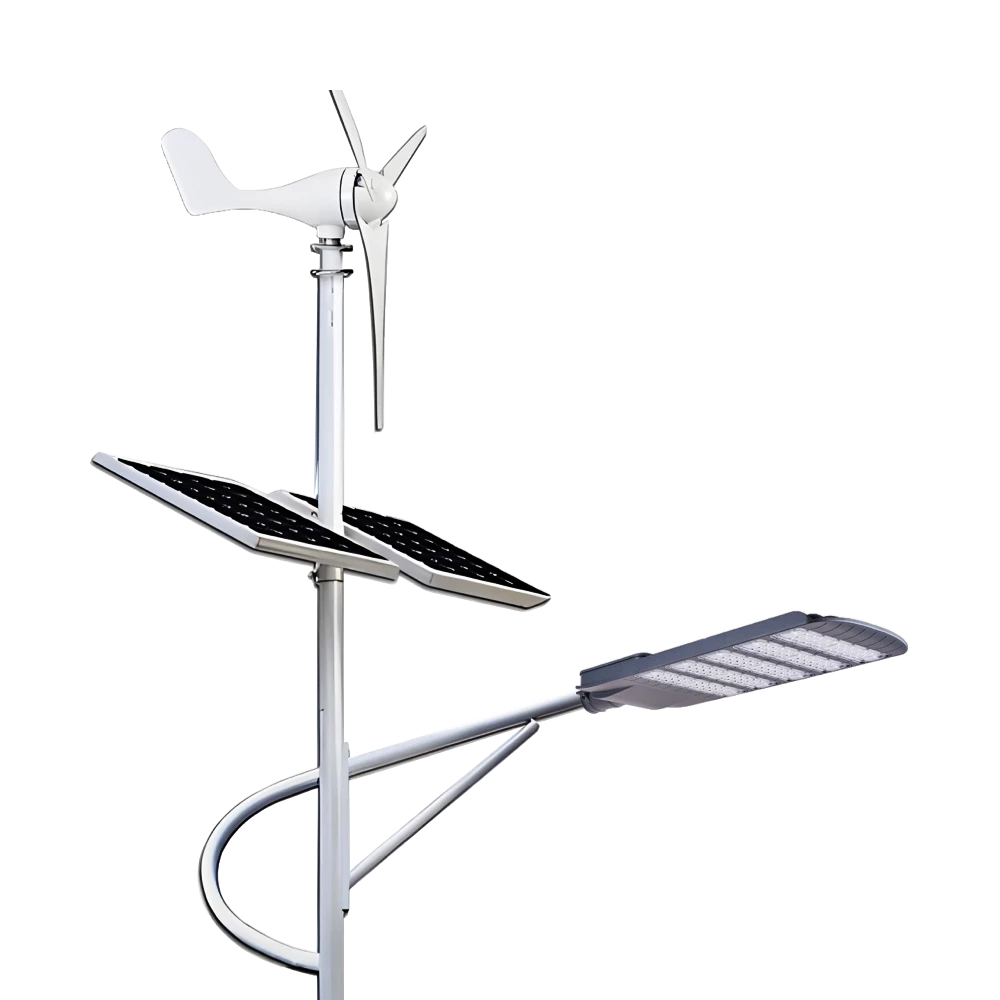
Queneng Lufeng Wind Energy LED Outdoor Solar Street Lights offer high-performance, eco-friendly illumination. These energy-efficient LED street lights harness solar power and wind energy for sustainable, cost-effective outdoor lighting solutions.
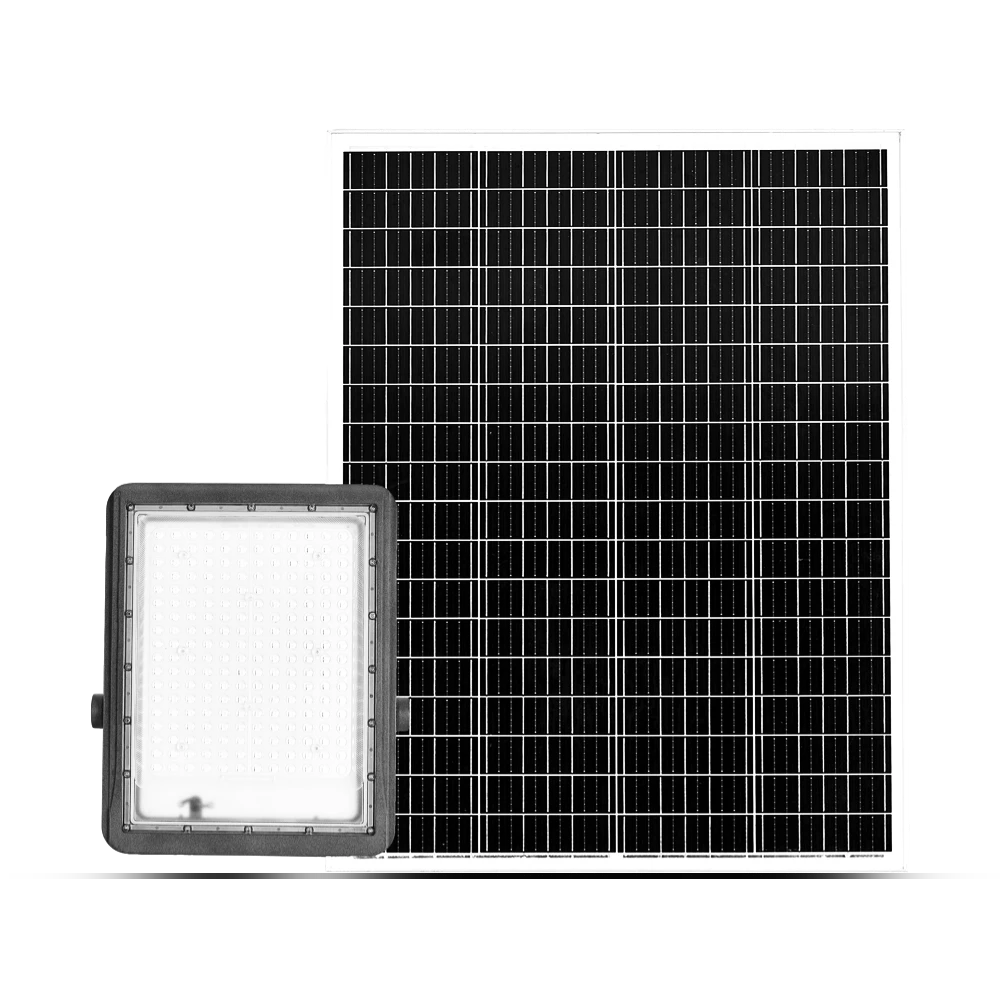
Queneng's Luxian Reliable Solar Street Light offers energy-saving LED lighting for outdoor use. This durable, solar-powered street light provides reliable illumination, reducing energy costs and environmental impact. A perfect solution for sustainable outdoor lighting.
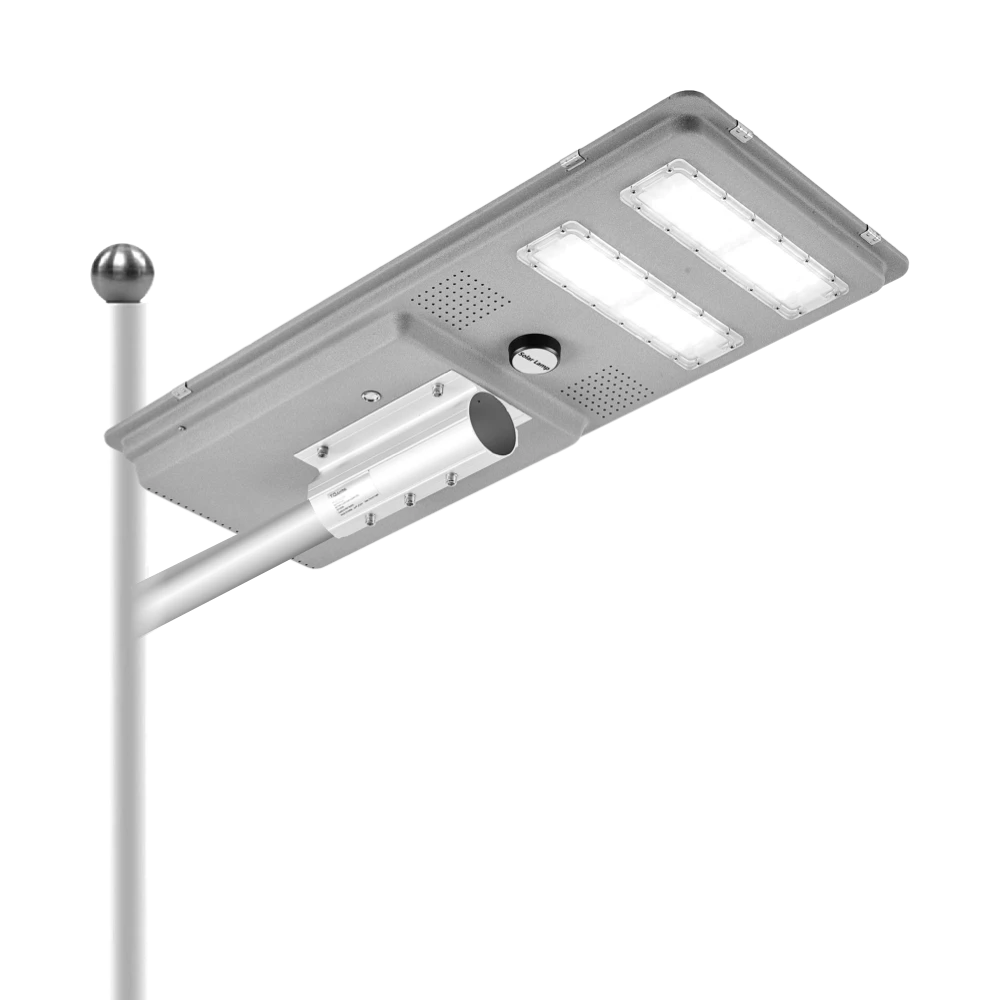
Queneng’s Solar Street Lights are designed to provide reliable, energy-efficient lighting for streets, parks, and other outdoor spaces.
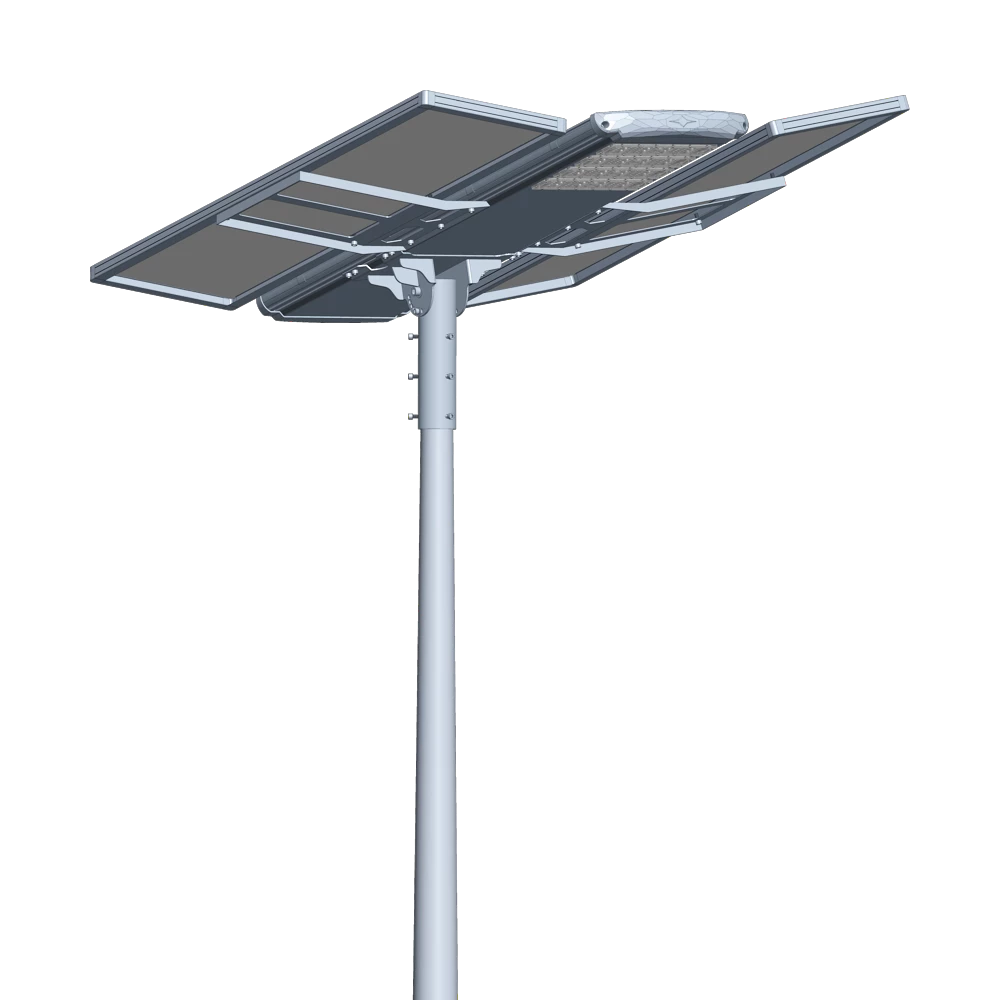
Introducing the Luqing Solar Street Light by Queneng, Efficient LED lighting powered by solar energy is perfect for illuminating outdoor areas. Harness the power of solar energy for sustainable, reliable street lighting. Ideal for eco-friendly, cost-effective outdoor illumination solutions.
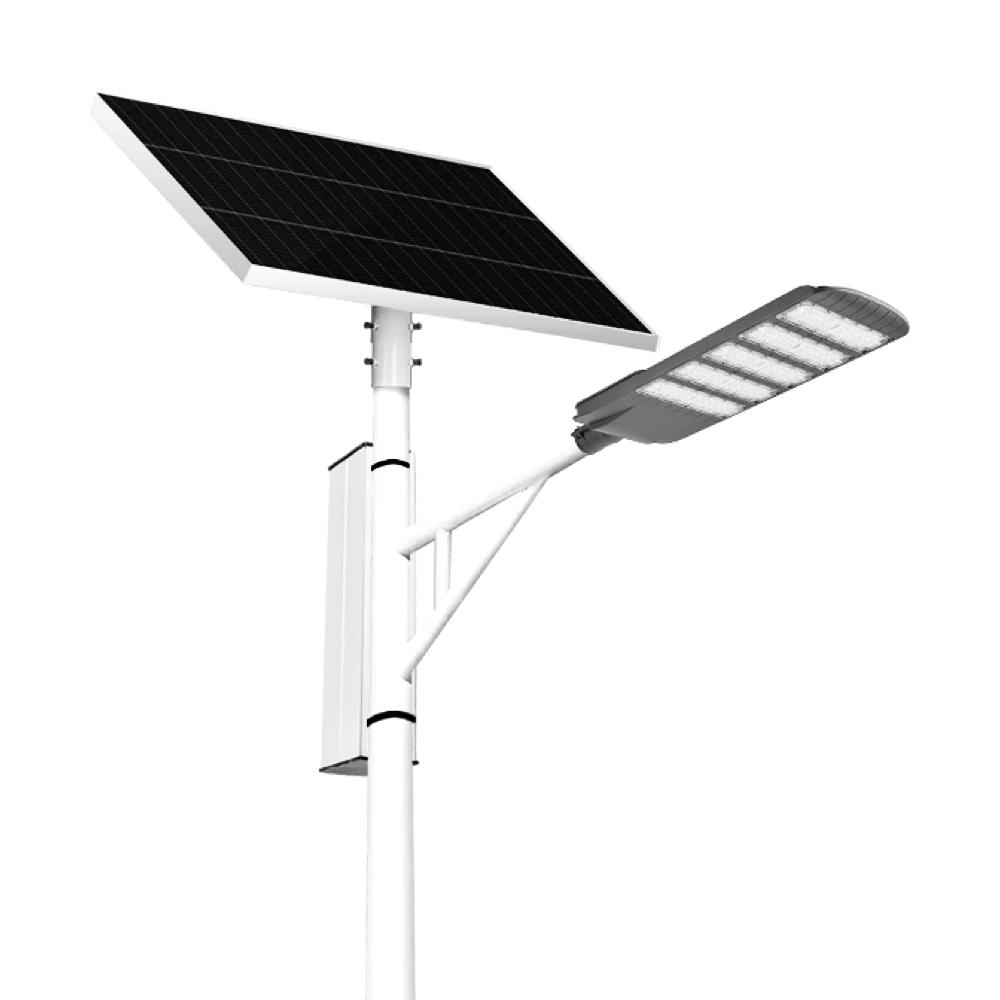
The Solar Streetlights of Luhao for Municipalities are designed to deliver reliable, energy-efficient, and cost-effective public lighting solutions. Equipped with advanced LED technology, durable lithium batteries, and high-efficiency solar panels, these streetlights provide consistent illumination for roads, parks, residential areas, and government projects.
If you would like more information about Queneng solar lighting solutions, please send us a message by filling out the form below. Our professional team will get back to you within 24 hours!
Rest assured that your privacy is important to us, and all information provided will be handled with the utmost confidentiality.
Schedule a Meeting
Book a date and time that is convenient for you and conduct the session in advance.
Have more questions about our products or services?
The messenger of light & power conversion
Environmental protection and intelligent manufacturing are our brand philosophy, and quality assurance and the best user experience are our eternal promises to users.
CONTACT
No.9F, Building F, Cao San Xin Tian Hong Logistics Park, Guzhen Town, Zhongshan City, Guangdong Province, China.
or write [email protected]
WhatsApp: +86 136 2270 1011


